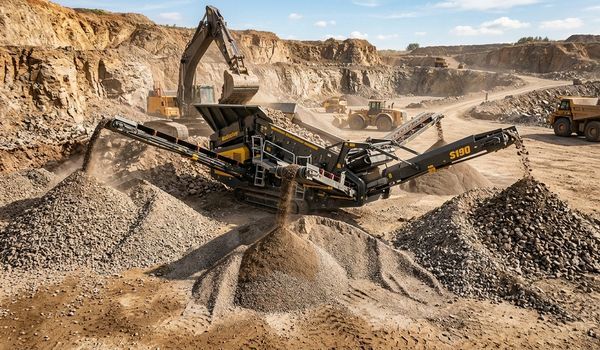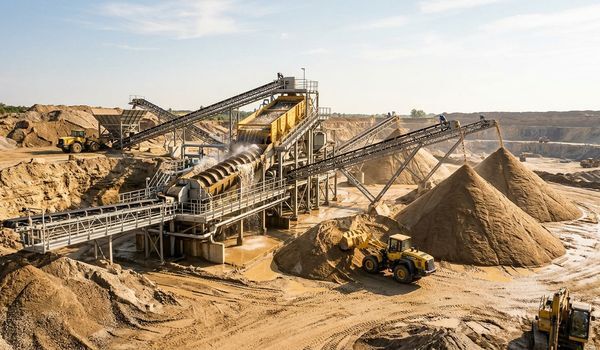
Sand and aggregate producers operate in a market where material quality decides who wins the contract. Clean, spec-grade sand commands premium prices from concrete plants, asphalt producers, and construction contractors, while dirty or poorly graded material gets discounted or rejected outright. The difference between those two outcomes usually comes down to one thing: the quality of your washing equipment. The challenge is that modern sand washing systems are capital intensive, and tying up hundreds of thousands of dollars in a single purchase can strain even a healthy operation.
That is exactly the problem sand washing equipment financing solves. Instead of paying cash for a wash plant, sand screw, or dewatering system, producers can spread the cost over fixed monthly payments that align with the revenue the equipment generates. In this guide, we cover everything business owners need to know about sand washing equipment financing: how it works, what it costs, which equipment qualifies, who can get approved, and how to move from application to funding in days rather than months.
In This Article
What Is Sand Washing Equipment Financing?
Sand washing equipment financing is a type of business funding designed specifically for the machinery used to wash, scrub, classify, and dewater sand and aggregate material. It covers everything from a single fine material washer to a complete turnkey wash plant, and it allows producers to acquire that equipment through fixed monthly payments rather than a large upfront cash outlay. Financing can be structured as an equipment loan, where you own the machine from day one, or as an equipment lease, where you pay for the use of the equipment with an option to purchase it at the end of the term.
The equipment itself serves as collateral for the financing, which is why approvals are generally faster and qualification requirements more flexible than unsecured bank loans. Lenders evaluate the value and condition of the machinery alongside your business financials, so even producers with limited credit history or younger operations can often get approved. This asset-based structure is the reason equipment financing has become the standard way aggregate producers fund capital purchases.
Sand washing equipment financing is used across a wide range of operations: construction sand and gravel pits, crushed stone quarries, frac sand plants serving the oil and gas sector, concrete and asphalt producers washing their own aggregate, and construction and demolition recyclers recovering sand from processed debris. Whether you run a single sand screw at a small pit or a multi-stage wash plant producing several hundred tons per hour, financing can be tailored to match the scale and cash flow of your operation.
Key Benefits of Financing Sand Washing Equipment
Purchasing washing equipment outright is always an option, but most producers choose financing for strategic reasons that go beyond simply not having the cash. Here are the advantages that matter most:
- Preserve working capital. Keep your cash available for fuel, payroll, maintenance, land leases, and the unexpected expenses that come with running an aggregate operation.
- Fixed, predictable payments. Lock in a monthly payment that makes budgeting simple and protects you from rising interest rates on variable debt.
- Up to 100% financing. Qualified buyers can finance the full purchase price, and many lenders will also roll in soft costs like delivery, installation, and commissioning.
- Fast approvals. Equipment finance companies typically issue decisions in 24 to 48 hours, compared to the weeks or months a traditional bank loan can take.
- Flexible terms. Repayment periods commonly run from 24 to 84 months, and seasonal payment structures can be arranged for operations with weather-driven production cycles.
- Keep bank credit lines open. Equipment financing is a separate facility, so your revolving lines of credit stay available for short-term needs.
- Immediate revenue impact. A new wash plant starts producing spec-grade material right away, so the equipment can effectively pay for itself from the first month of operation.
Key Stat: The United States produces roughly 2.4 billion tons of construction aggregates every year, and construction spending tracked by the U.S. Census Bureau continues to run at an annual rate above $2 trillion, and federal infrastructure investment tracked by the Associated Press keeps aggregates demand elevated across the country. Producers with modern washing capacity are the ones positioned to capture that demand.
Ready to Upgrade Your Wash Plant?
Get fast, flexible equipment financing from the #1 business lender in the U.S. No obligation, apply in minutes.
Apply Now →How Sand Washing Equipment Financing Works
The financing process is straightforward, especially compared to traditional bank lending. Most transactions move from application to funding in under a week. Here is the typical sequence:
Step 1: Identify the Equipment and Get a Quote
Start by selecting the machinery you need and obtaining a written quote or invoice from the dealer, manufacturer, or private seller. The quote should itemize the purchase price along with any soft costs you want included, such as freight, installation, electrical work, or commissioning. Lenders use this document to structure the financing amount.
Step 2: Submit a Simple Application
Complete a short application with basic business information: legal name, time in business, annual revenue, and the equipment details. Most equipment finance applications take less than 15 minutes, and many lenders only require recent bank statements for deals under $500,000 rather than full tax returns and financial statements.
Step 3: Credit Review and Approval
The lender reviews your credit profile, business financials, and the equipment itself. Because the machinery secures the transaction, approvals are heavily influenced by equipment value and your cash flow rather than perfect credit. Decisions typically arrive within 24 to 48 hours, and larger or more complex deals may take a few additional days.
Step 4: Review Terms and Sign Documents
Once approved, you receive a financing proposal outlining the amount, term length, monthly payment, and end-of-term options. After you accept, the lender prepares contracts for electronic signature. Read the payment schedule and any purchase option language carefully before signing.
Step 5: Funding and Delivery
The lender pays the equipment vendor directly, and the machinery is delivered to your site. Your payment schedule begins according to the contract, usually 30 days after funding. From that point forward, the equipment is working for your operation and generating the revenue that covers the payment.
Types of Sand Washing Equipment You Can Finance
Virtually every machine in a modern washing circuit is financeable, whether new or used. Lenders that specialize in heavy equipment understand the aggregate industry and regularly fund the following categories:
Sand Screw Washers (Fine Material Washers)
The workhorse of most sand plants, a sand screw washer uses a rotating auger to agitate material and separate fine particles from the sand product. Single and twin screw configurations handle capacities from roughly 50 to over 500 tons per hour. New units typically range from $60,000 to $250,000 depending on size, making them one of the most commonly financed machines in the industry.
Log Washers
Log washers use intermeshing paddles to scrub clay, organics, and other deleterious material off gravel and crushed stone. They are essential for operations dealing with dirty deposits or strict cleanliness specifications. Prices generally run from $150,000 to $400,000, and their long service life makes them strong collateral for financing.
Hydrocyclones and Sand Classifiers
Hydrocyclones use centrifugal force to separate and recover fine sand particles from slurry, dramatically reducing product loss to settling ponds. A cyclone-equipped recovery system often pays for itself by capturing saleable fines that would otherwise be wasted. Systems range from $80,000 for basic setups to over $500,000 for high-capacity multi-cyclone plants.
Dewatering Screens
Dewatering screens remove moisture from washed sand, producing a drip-free product that can be sold immediately without stockpile drying time. Faster inventory turnover means faster cash conversion, which is why many producers finance dewatering equipment as their first upgrade. Expect pricing between $100,000 and $350,000 for most commercial units.
Complete Wash Plants
Turnkey wash plants combine feeding, scrubbing, classification, and dewatering into a single integrated system. These are the largest financing transactions in the category, commonly running from $500,000 to several million dollars. Lenders frequently structure these as multi-year equipment loans or leases, and modular plant designs allow producers to finance the system in stages as production grows.
Water Recycling and Thickener Systems
Clarifiers, thickeners, and filter presses recycle process water and reduce pond maintenance, permitting burdens, and fresh water consumption. Water management systems from $150,000 to $1 million or more are routinely financed alongside the washing equipment they support, and they increasingly determine whether a site can operate within environmental regulations at all.
By the Numbers
Sand Washing Equipment Financing - Key Statistics
$2.1T
Annual U.S. construction spending tracked by the Census Bureau
2.4B
Tons of construction aggregates produced in the U.S. each year
100%
Financing available on qualified sand washing equipment purchases
24 hrs
Typical approval decision time from Crestmont Capital
Loans vs Leases: Comparing Your Financing Options
Not all sand washing equipment financing is structured the same way. The two dominant structures are equipment loans and equipment leases, and the right choice depends on how long you plan to keep the machinery, how your cash flow behaves across seasons, and how you want the asset treated on your balance sheet.
An equipment loan gives you ownership from day one. The lender files a lien on the machine, you make fixed payments over the term, and the lien is released when the loan is paid off. Loans suit producers buying long-life equipment like log washers and complete wash plants that will serve the operation for a decade or more.
An equipment lease functions more like a long-term rental with a purchase option. Payments are often lower than loan payments because you are financing the use of the equipment rather than its full value. Leases work well for operations that upgrade frequently, want lower monthly obligations, or prefer to preserve capital for other investments. At the end of the term you can typically buy the equipment at fair market value or a predetermined price, return it, or renew.
| Feature | Equipment Loan | Equipment Lease |
|---|---|---|
| Ownership | You own it from day one | Lender owns it during the term |
| Typical down payment | 0% to 20% | First and last payment, often less upfront |
| Monthly payment | Higher, builds equity | Lower, pays for use |
| Term length | 24 to 84 months | 24 to 72 months |
| End of term | Lien released, equipment is yours free and clear | Buy, return, or renew the lease |
| Best for | Long-life equipment you will run for 10+ years | Frequent upgraders and capital preservation |
Producers weighing these structures should also compare them against alternatives like drawing on a bank line of credit or paying cash from reserves. A line of credit draw can work for smaller purchases, but it consumes short-term borrowing capacity that most operations need for fuel spikes, repairs, and payroll. Cash purchases avoid interest entirely, but they leave the business exposed if a slow quarter or an unexpected repair arrives. For most producers, the predictability and balance-sheet separation of dedicated equipment financing make it the strongest option. Our guide to funding mining and quarry businesses covers a similar decision framework for related operations.
Who Qualifies for Sand Washing Equipment Financing?
Qualification standards for equipment financing are notably more flexible than traditional bank loans because the equipment secures the transaction. While every lender weighs risk differently, most approvals come down to four factors:
- Credit score. Most programs look for a personal credit score of 600 or higher, and the best rates go to borrowers above 680. Lower scores can still be approved with a larger down payment or shorter term.
- Time in business. Two or more years of operating history unlocks the widest range of programs, but younger businesses and even startups can qualify with strong personal credit and industry experience.
- Cash flow. Lenders review recent bank statements to confirm the operation generates enough monthly revenue to cover the new payment comfortably alongside existing obligations.
- Equipment quality. New equipment from established manufacturers approves most easily, but used machinery in good condition is financed every day, especially well-maintained screws, screens, and cyclones with documented service histories.
Documentation requirements scale with deal size. Transactions under roughly $500,000 often need only an application and three to six months of business bank statements. Larger deals for complete wash plants typically add two years of tax returns, a year-to-date profit and loss statement, and a brief description of the project and its expected impact on production.
Pro Tip: Before applying, gather your last six months of bank statements and a written equipment quote. Applications that arrive complete are consistently the ones that get approved within 24 hours, while missing documents are the number one cause of avoidable delays.
Producers with credit challenges are not automatically excluded. Programs exist for borrowers rebuilding after a rough patch, particularly when the equipment purchase itself strengthens the business case. If your credit score is below the typical threshold, a larger down payment, a co-signer, or additional collateral can bridge the gap. The SBA loan programs are another avenue worth understanding for longer-term, government-backed funding, though they move considerably slower than private equipment financing.
How Crestmont Capital Helps
Crestmont Capital is rated the #1 business lender in the United States, and equipment financing is one of our core specialties. We fund sand washing equipment for producers of every size, from single-screw upgrades at family pits to multi-million dollar turnkey wash plants for regional aggregate suppliers.
What sets our process apart is speed and specialization. Our advisors understand aggregate production, so you will never waste time explaining what a log washer does or why a dewatering screen changes your inventory cycle. Applications receive decisions in as little as 24 hours, and funded deals move straight to vendor payment so your equipment ships without delay. Financing amounts range from $25,000 to well over $5 million, with terms structured around your production season.
Our equipment financing programs cover new and used machinery alike, and producers who prefer lease structures can explore dedicated equipment leasing options with flexible end-of-term purchase choices. Operations with broader heavy machinery needs can also tap our construction equipment financing and mining equipment financing programs, which pair naturally with washing equipment funding when a project spans crushers, loaders, and wash circuits together. For a deeper look at how these programs work in practice, see our complete guide to mining equipment financing on the Crestmont blog.
Get Your Wash Plant Funded This Week
Decisions in as little as 24 hours. Financing from $25,000 to $5 million and beyond.
Apply Now →Real-World Scenarios: How Producers Use This Financing
Every aggregate operation faces a different version of the same decision. These scenarios reflect the most common situations we see when producers finance sand washing equipment.
Scenario 1: The Texas Sand and Gravel Producer Chasing Concrete Contracts
A family-run pit outside San Antonio was losing ready-mix concrete bids because its material could not consistently hit cleanliness specs. The owners financed a $185,000 twin fine material washer over 60 months with no down payment. Within 90 days the plant was producing spec-grade concrete sand at a $3 to $4 per ton premium over its previous product, and the monthly payment was covered by the margin on less than 1,500 tons of production.
Scenario 2: The Midwest Frac Sand Operation Scaling Up
A Wisconsin frac sand supplier landed a multi-year supply agreement that required doubling washed output. The company financed a complete $1.2 million wash plant, including cyclones, dewatering screens, and a water thickener, through a 72-month equipment loan that rolled installation and commissioning into the financed amount. The contract revenue covered the payment from the first month, and the business preserved its cash reserves for the staffing and logistics the expansion demanded.
Scenario 3: The Florida C&D Recycler Recovering More Sand
A construction and demolition recycler near Tampa was sending thousands of tons of recoverable sand to low-value fill because it lacked proper washing capacity. A $240,000 financing package covering a hydrocyclone recovery system and dewatering screen turned that waste stream into a saleable product line. Seasonal payment structuring let the company align larger payments with the busy construction season and smaller ones during the slower summer months.
Scenario 4: The Southeast Quarry Replacing an Aging Log Washer
A crushed stone operation in Georgia faced a failing log washer and a choice between a $60,000 rebuild and a $150,000 replacement. The owners chose a lease structure on a new unit with a fair market value purchase option, keeping monthly costs low while they evaluated whether a larger plant upgrade made sense in three years. The lease preserved their bank line for an unexpected crusher repair later that same year, exactly the kind of flexibility the structure was chosen for.
Keep in Mind: The total project cost of a wash plant goes beyond the machine itself. Freight, concrete pads, electrical service, plumbing, and commissioning routinely add 15% to 30% to the equipment price. Most lenders will finance those soft costs into the same transaction, so ask for one comprehensive quote rather than funding pieces separately.
Frequently Asked Questions
What is sand washing equipment financing? +
Sand washing equipment financing is business funding used to purchase or lease machinery that washes, scrubs, classifies, and dewaters sand and aggregate material. The equipment itself serves as collateral, and you repay the financing through fixed monthly payments over a term that typically runs from 24 to 84 months.
What types of sand washing equipment can be financed? +
Nearly every machine in a washing circuit qualifies: sand screw washers, log washers, hydrocyclones, dewatering screens, attrition cells, complete turnkey wash plants, water clarifiers and thickeners, and supporting equipment such as conveyors, pumps, and feeders. New and used machinery are both eligible.
How much does sand washing equipment cost? +
Costs vary widely by capacity and configuration. A single sand screw washer generally runs $60,000 to $250,000, dewatering screens range from $100,000 to $350,000, and complete wash plants commonly cost $500,000 to several million dollars. Used equipment can reduce those figures by 30% to 50%.
What credit score do I need to qualify? +
Most programs look for a personal credit score of 600 or higher, with the strongest rates reserved for scores above 680. Lower scores can still be approved when offset by a larger down payment, shorter term, or additional collateral.
Can I finance used sand washing equipment? +
Yes. Used equipment financing is extremely common in the aggregate industry, especially for durable machines like log washers and screws with long service lives. Lenders will review the age, condition, hours, and maintenance history of the machine as part of the approval.
How long are repayment terms? +
Terms typically range from 24 to 84 months. Longer terms lower the monthly payment but increase total interest cost, while shorter terms build equity faster. Seasonal payment schedules are available for operations with weather-driven production cycles.
What interest rates should I expect? +
Rates depend on credit strength, time in business, equipment type, and term length. Well-qualified borrowers financing new equipment generally see the most competitive pricing, while used equipment, younger businesses, and lower credit scores price higher. Your exact rate is quoted after the credit review.
Do I need a down payment? +
Not always. Qualified buyers routinely receive up to 100% financing, including soft costs like delivery and installation. A down payment of 10% to 20% is more common for used equipment, younger businesses, or borrowers rebuilding credit.
Can new businesses qualify for sand washing equipment financing? +
Yes. Startups and operations under two years old can qualify, particularly when the owners bring industry experience and strong personal credit. Expect slightly higher rates, a possible down payment, and closer review of the business plan and supply contracts.
Is leasing or buying better for wash plant equipment? +
It depends on how long you plan to run the equipment. Loans suit long-life machines you will operate for a decade or more, because you build equity and own the asset outright. Leases offer lower payments and flexibility for operations that upgrade frequently or want to preserve capital for other investments.
What documents do I need to apply? +
For transactions under roughly $500,000, expect to provide a short application, three to six months of business bank statements, and a written equipment quote. Larger deals typically add two years of tax returns, a year-to-date profit and loss statement, and a brief project description.
How fast can I get funded? +
Approval decisions commonly arrive within 24 to 48 hours, and funding follows within a few days of signing documents. From application to vendor payment, most transactions complete in under a week, far faster than a traditional bank loan.
Can I finance a complete wash plant installation including setup costs? +
Yes. Most lenders will roll soft costs such as freight, concrete work, electrical service, plumbing, and commissioning into the financed amount. Ask your vendor for a single comprehensive quote so the full project can be funded in one transaction.
Will financing cover related equipment like conveyors and pumps? +
Generally yes. Conveyors, stackers, pumps, feeders, and screens purchased as part of the same washing project can be included in the financing package, even when they come from different vendors, as long as the quotes are documented at application time.
Does sand washing equipment financing cover water recycling systems? +
Yes. Clarifiers, thickeners, filter presses, and closed-loop water recycling systems are financed regularly, both as standalone purchases and as part of larger wash plant packages. These systems increasingly determine permit compliance, which makes them a strong investment for long-term site viability.
Your Next Wash Plant Is One Application Away
Join thousands of business owners who fund equipment through Crestmont Capital. Fast decisions, flexible terms.
Apply Now →How to Get Started
Complete our quick application at offers.crestmontcapital.com/apply-now, it takes just a few minutes.
A Crestmont Capital advisor will review your operation, your equipment quote, and your goals, then match you with the right financing structure.
Once approved, we pay your vendor directly so your equipment ships without delay, often within days of approval.
Conclusion
Clean, spec-grade material is what separates profitable aggregate producers from operations stuck competing on price alone, and the washing equipment behind that material is one of the highest-leverage investments a producer can make. Sand washing equipment financing removes the biggest obstacle to that investment by replacing a massive upfront cost with predictable monthly payments that the equipment itself can cover from new revenue.
Whether you are adding a single dewatering screen to speed up inventory turnover, replacing an aging log washer before it fails mid-season, or building a complete wash plant to serve a new supply contract, the financing structures available today are faster and more flexible than anything a traditional bank offers. Approvals arrive in days, terms stretch to match your production cycle, and up to 100% of the project cost can be funded.
Crestmont Capital has helped thousands of business owners put productive equipment to work without draining their cash reserves. If you are ready to explore sand washing equipment financing for your operation, apply online in minutes or speak with a specialist who understands the aggregate industry and can structure a deal around your goals.
Disclaimer: The information provided in this article is for general educational purposes only and is not financial, legal, or tax advice. Funding terms, qualifications, and product availability may vary and are subject to change without notice. Crestmont Capital does not guarantee approval, rates, or specific outcomes. For personalized information about your business funding options, contact our team directly.

Allan Garfinkle
Allan Garfinkle is the Chief Revenue Officer at Crestmont Capital, where he has spent more than a decade leading revenue strategy, business development, and operational growth. With 28 years of experience building and advising startups and small businesses, Allan has helped more than 10,000 business owners navigate financing decisions, growth opportunities, and changing economic conditions. He earned a Bachelor of Science in Economics and an MBA with a concentration in Finance from Northeastern University, as well as a Juris Doctor from New England Law, where his studies focused on contracts and business law. His writing draws on extensive practical experience in small-business lending, equipment financing, business credit, and commercial finance.