
 (800) 949-0401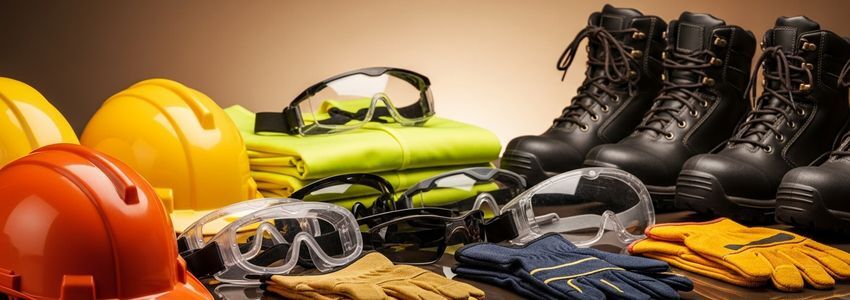
Safety Equipment Company Business Loans: The Complete Financing Guide for Safety Equipment Business Owners
Safety equipment companies are the backbone of a secure and productive workforce, providing essential gear from personal protective equipment (PPE) to complex industrial safety systems. To meet the ever-present demand, grow your operations, and navigate the complexities of inventory and regulation, securing the right funding is critical. Safety equipment business loans provide the necessary capital to purchase inventory, upgrade technology, expand facilities, and ensure your business remains a leader in workplace safety.
In This Article
- What Are Safety Equipment Company Business Loans?
- Who Qualifies for Safety Equipment Business Financing?
- Types of Financing Available for Safety Equipment Companies
- How Safety Equipment Business Loans Work
- How Safety Equipment Companies Use Business Loans
- How Crestmont Capital Helps Safety Equipment Companies
- Real-World Financing Scenarios
- Comparing Loan Options for Safety Equipment Businesses
- How to Apply for a Safety Equipment Business Loan
- Frequently Asked Questions
- How to Get Started
- Conclusion
What Are Safety Equipment Company Business Loans?
Safety equipment company business loans are specialized financial products designed to address the unique capital needs of businesses that manufacture, distribute, or sell safety gear and supplies. These loans are not one-size-fits-all; they encompass a range of financing solutions tailored to the specific challenges and opportunities within the occupational safety industry. Whether you are a PPE distributor needing to stock up on inventory, a manufacturer of fall protection systems investing in new machinery, or a retailer expanding your storefront, these loans provide the fuel for growth and operational stability.
The safety industry is characterized by high inventory costs, the need for continuous innovation to meet evolving standards, and the pressure to fulfill large contracts for industrial, construction, and government clients. Unlike a generic business loan, financing for this sector recognizes these nuances. Lenders who specialize in industrial and B2B sectors, like Crestmont Capital, understand the cash flow cycles, the value of specialized equipment, and the importance of having capital ready to seize opportunities.
These financial tools can be used for a variety of purposes, including:
- Inventory Purchases: Bulk buying of hard hats, safety glasses, gloves, respirators, and other essential PPE.
- Equipment Acquisition: Financing for manufacturing machinery, testing equipment, or warehouse automation systems.
- Working Capital: Covering day-to-day operational expenses like payroll, rent, and marketing, especially while waiting for invoices from large clients to be paid.
- Business Expansion: Funding the opening of a new location, expanding a warehouse, or launching an e-commerce platform.
- Research and Development: Investing in the creation of new, innovative safety products to stay ahead of the competition and meet new regulatory requirements.
Ultimately, safety equipment business loans are strategic instruments that empower owners to overcome financial hurdles, capitalize on growth opportunities, and continue their vital mission of protecting workers across all industries.
Who Qualifies for Safety Equipment Business Financing?
Qualifying for safety equipment business financing involves meeting a set of criteria that lenders use to assess the health and viability of your company. While requirements can vary between lenders and loan products, most financial institutions, including alternative lenders like Crestmont Capital, look at a core group of factors. Understanding these qualifications can help you prepare a strong application and increase your chances of approval.
The safety equipment industry is diverse, and financing is available for a wide range of business types, including:
- Manufacturers: Companies that produce safety equipment, from simple items like gloves to complex machinery like gas detection systems.
- Wholesale Distributors: Businesses that purchase safety products in bulk from manufacturers and sell them to retailers or large end-users.
- Retailers: Both brick-and-mortar stores and e-commerce sites that sell safety supplies directly to consumers and small businesses.
- PPE Specialists: Companies focusing specifically on personal protective equipment, a high-demand sector.
- Industrial Safety Suppliers: Businesses that provide comprehensive safety solutions, including equipment, training, and consulting, to industrial clients.
- Occupational Safety Consultants: Firms that advise on compliance and safety protocols, often requiring capital for growth and technology.
Key Qualification Criteria
When you apply for a loan, lenders will typically evaluate the following aspects of your business:
- Time in Business: Most lenders prefer to see a track record of at least one to two years in operation. This history demonstrates stability and a proven business model. Startups may have more limited options, but some financing is available for newer companies with strong business plans and financials.
- Annual Revenue: Your company's revenue is a primary indicator of its ability to repay a loan. Lenders will have a minimum annual revenue threshold, which can range from $100,000 to $250,000 or more, depending on the loan size and type. Consistent and growing revenue strengthens your application.
- Credit Score: Both your personal and business credit scores will be reviewed. A higher credit score (typically 650+) opens up more options with better rates and terms. However, many alternative lenders can work with business owners who have less-than-perfect credit, offering flexible solutions based on overall business performance.
- Cash Flow and Bank Statements: Lenders will analyze your recent business bank statements (usually the last 3-6 months) to assess your cash flow. They want to see consistent deposits, a healthy average daily balance, and no excessive negative balance days. This analysis helps them understand your real-world ability to handle loan repayments.
- Industry and Business Plan: A clear understanding of your position in the safety equipment market is crucial. Lenders are more confident in businesses that have a solid plan for using the funds to generate a return on investment, whether it's through inventory expansion, new equipment, or market growth.
Preparing documents such as bank statements, tax returns, and financial statements in advance can significantly speed up the application process. At Crestmont Capital, we streamline this process, often requiring minimal paperwork to provide a quick funding decision.
Ready to Fund Your Safety Equipment Business?
See what you qualify for in minutes with our simple, secure application. No obligation, no impact on your credit score.
Apply Now →Types of Financing Available for Safety Equipment Companies
Safety equipment businesses have diverse financial needs, from managing massive inventory orders to investing in cutting-edge manufacturing technology. Fortunately, there is a wide array of financing products available, each suited for different scenarios. Understanding these options is the first step toward choosing the right financial tool to achieve your goals.
1. Term Loans
A traditional term loan provides a lump sum of capital upfront, which you repay over a set period (the "term") with fixed, regular payments. These are excellent for large, planned investments with a clear return.
- Best For: Major expansions, purchasing real estate (like a warehouse), large-scale equipment purchases, or business acquisitions.
- Pros: Predictable payments make budgeting easy. Often come with lower interest rates for well-qualified borrowers.
- Cons: The application process can be more rigorous than other options, and they are less flexible for fluctuating needs.
2. Business Line of Credit
A Business Line of Credit offers access to a revolving pool of funds up to a certain limit. You can draw from it as needed and only pay interest on the amount you use. Once you repay the borrowed amount, the full credit line becomes available again.
- Best For: Managing cash flow gaps, handling unexpected expenses, or seizing opportunities that require quick capital, like a discounted inventory deal.
- Pros: Highly flexible. You have funds on standby without having to re-apply. Great for ongoing or seasonal needs.
- Cons: Interest rates can be variable and sometimes higher than term loans.
3. Equipment Financing
Specifically designed for purchasing machinery and equipment, this type of loan uses the equipment itself as collateral. This makes it one of the most accessible forms of financing for safety equipment manufacturers or distributors needing to upgrade their technology.
- Best For: Buying manufacturing machinery (e.g., injection molding machines for hard hats), testing equipment, warehouse forklifts, or specialized software.
- Pros: The loan is secured by the asset, reducing risk for the lender and often leading to high approval rates and favorable terms. It doesn't tie up your other business assets.
- Cons: The funds can only be used for the specified equipment purchase.
- Learn More: Explore our Equipment Financing solutions tailored for your industry.
4. SBA Loans
Backed by the U.S. Small Business Administration (SBA), these loans are offered through partner lenders like banks and financial institutions. The government guarantee reduces the lender's risk, often resulting in long terms and low interest rates.
- Best For: A wide range of purposes, including working capital, real estate purchase, equipment, and business expansion. The SBA 7(a) and 504 loan programs are popular choices.
- Pros: Among the most competitive rates and longest repayment terms available, which keeps monthly payments low.
- Cons: The application process is notoriously long and document-intensive, making it unsuitable for businesses needing fast cash. Qualification standards are also very strict.
- Further Reading: Discover if SBA Loans are the right fit for your long-term goals.
5. Working Capital Loans
These are short-term loans designed to cover everyday operational expenses. Working Capital Loans are perfect for bridging the gap while waiting for accounts receivable or for funding a large inventory order before a busy season.
- Best For: Payroll, rent, marketing campaigns, inventory, and managing seasonal cash flow.
- Pros: Fast funding, often within 24-48 hours. The application process is typically simple with minimal paperwork.
- Cons: Terms are shorter, and costs can be higher than long-term loans due to the speed and convenience.
6. Invoice Financing (Accounts Receivable Financing)
If your safety equipment company deals with large corporate or government clients that have long payment terms (Net 30, 60, or 90), invoice financing can be a lifeline. You sell your outstanding invoices to a financing company at a discount to get immediate cash.
- Best For: Businesses with reliable, but slow-paying, commercial customers. It unlocks the cash tied up in unpaid invoices.
- Pros: Funding is based on the value of your invoices, not just your credit score. Provides immediate cash flow improvement.
- Cons: The fees (discount rate) can be higher than traditional loans. You receive a percentage of the invoice value upfront (e.g., 85%) and the rest, minus fees, when your customer pays.
Pro Tip: Many safety equipment businesses use a combination of financing types. For example, you might use equipment financing for a new production line and a business line of credit to manage the fluctuating costs of raw materials.
How Safety Equipment Business Loans Work
Navigating the world of business financing can seem complex, but the process of securing a safety equipment business loan, especially with a modern lender, is designed to be straightforward and efficient. The journey from identifying a need for capital to having funds in your bank account can be broken down into a few key stages. Understanding this process helps demystify financing and empowers you to make informed decisions for your company.
Step 1: Identify Your Funding Need
The first step is to clearly define why you need the capital and how much you require. Are you trying to fulfill a massive order for PPE? Do you need to upgrade a critical piece of manufacturing equipment? Are you expanding your warehouse to hold more inventory? Having a specific, well-defined purpose for the loan not only helps you determine the right amount to request but also strengthens your application by showing lenders a clear plan for a return on their investment.
Step 2: Choose the Right Lender
You have several options when it comes to lenders:
- Traditional Banks: Banks often offer low rates but have a slow, paper-heavy application process and very strict qualification criteria. They are often not the best fit for businesses needing funds quickly or those that don't fit a perfect credit profile.
- SBA Lenders: These are banks or credit unions that offer SBA-guaranteed loans. They provide excellent terms but come with the longest application timelines.
- Alternative Lenders (like Crestmont Capital): Fintech lenders and direct private lenders specialize in speed and flexibility. They leverage technology to streamline the application and underwriting process, often providing funding in as little as 24 hours. They are typically more willing to work with a wider range of credit profiles and business situations, making them an ideal partner for the dynamic needs of a safety equipment company.
Step 3: The Application Process
With an alternative lender like Crestmont Capital, the application is designed for speed:
- Simple Online Application: You'll start by filling out a short online form that asks for basic information about you and your business. This usually takes only a few minutes.
- Submit Minimal Documentation: Instead of mountains of paperwork, you'll typically only need to provide a few recent business bank statements. This allows the lender to quickly assess your company's revenue and cash flow.
- Consult with a Funding Specialist: A dedicated specialist will review your application and documents. They will contact you to understand your specific needs and business goals, ensuring they can match you with the best possible financing options.
Step 4: Underwriting and Approval
This is where the lender evaluates the risk and determines the loan amount, rate, and term you qualify for. Unlike traditional banks that focus heavily on historical credit, alternative lenders take a more holistic view. They analyze your daily cash flow, revenue consistency, and overall business health. This modern approach to underwriting allows for much faster decisions, often within hours.
Step 5: Receive and Accept an Offer
Once approved, you will receive one or more financing offers. The offer will clearly outline the loan amount, the repayment term, the interest rate or factor rate, and any associated fees. Your funding specialist will walk you through the details to ensure you fully understand the terms. Once you accept the offer that best suits your needs and sign the agreement electronically, the funding process is initiated.
Step 6: Funding
After the agreement is signed, the funds are transferred directly to your business bank account, often via wire or ACH. With lenders like Crestmont Capital, this entire process from application to funding can be completed in as little as 24-48 hours, providing the immediate capital your safety equipment business needs to operate and grow.
How Safety Equipment Companies Use Business Loans
Strategic use of capital is what separates a growing business from a stagnant one. For safety equipment companies, business loans are not just a financial tool but a catalyst for expansion, innovation, and stability. The funds can be deployed across various facets of the business to solve immediate problems and build long-term value. Here are some of the most common and impactful ways occupational safety business financing is used.
1. Bulk Inventory and PPE Stockpiling
The core of any safety supply business is its inventory. Having the right products in stock at the right time is crucial. A loan can be used to make large, bulk purchases of high-demand items like N95 respirators, safety gloves, hard hats, and high-visibility clothing. This allows you to take advantage of volume discounts from manufacturers, avoid stockouts during periods of high demand (such as a public health crisis or new regulatory enforcement), and fulfill large customer orders without delay. This is a primary use for working capital loans or a business line of credit.
2. Investing in Manufacturing and Production Technology
For manufacturers of safety equipment, staying competitive means investing in modern technology. Equipment financing is perfectly suited for purchasing new machinery like automated cutting tables for protective fabrics, injection molding machines for helmets, or advanced testing equipment to ensure products meet ANSI or NIOSH standards. These investments can increase production efficiency, improve product quality, and lower per-unit costs.
3. Warehouse Expansion and Logistics Improvement
As your business grows, so does your need for storage space. A term loan or SBA loan can fund the purchase or lease of a larger warehouse. This allows you to hold more inventory, streamline your fulfillment process, and reduce shipping times. Funds can also be used to upgrade warehouse logistics, such as implementing an inventory management system or purchasing new forklifts and pallet racking.
4. Research and Development (R&D)
The safety industry is constantly evolving with new materials, technologies, and regulations. A business loan can fund R&D for innovative new products, like "smart" PPE with integrated sensors, more ergonomic fall protection harnesses, or eco-friendly safety materials. Staying on the cutting edge of product development is a powerful competitive advantage.
5. Expanding Sales and Marketing Efforts
You may have the best products, but you need to reach your customers. A loan can be used to hire more sales representatives to target new territories or industries (like construction, healthcare, or energy). It can also fund a comprehensive digital marketing strategy, including a new e-commerce website, search engine optimization (SEO), and targeted online advertising to reach safety managers and purchasing agents directly.
6. Bridging Cash Flow Gaps
Safety equipment suppliers often work with large corporate or government clients who pay on Net 30, Net 60, or even longer terms. This can create significant cash flow gaps, making it difficult to pay suppliers or meet payroll. A business line of credit or invoice financing provides immediate access to cash, ensuring your operations run smoothly while you wait for customer payments to come in.
Industry Insight: The demand for safety equipment is closely tied to economic activity in sectors like construction and manufacturing. According to the U.S. Census Bureau, manufacturing construction spending has seen significant growth, directly increasing the need for industrial safety supplies.
7. Meeting Regulatory Compliance and Certification Costs
Getting products certified by organizations like NIOSH, ANSI, or CE is a costly but essential process. A loan can cover the expenses of third-party testing, documentation, and legal fees associated with ensuring your products are fully compliant with national and international safety standards. This not only is a legal requirement but also a major selling point for your products.
How Crestmont Capital Helps Safety Equipment Companies
In the fast-paced safety equipment industry, you need a financial partner who moves as quickly as you do. Traditional banks, with their lengthy approval processes and rigid criteria, often can't provide the agility that safety equipment manufacturers and distributors require. This is where Crestmont Capital excels. We specialize in providing fast, flexible, and accessible financing solutions tailored to the unique demands of your business.
We understand that when a large order comes in or a critical piece of machinery fails, you don't have weeks to wait for a loan decision. Our entire process is built for speed and efficiency, helping you capitalize on opportunities and solve challenges without missing a beat.
The Crestmont Capital Advantage:
- Speed and Efficiency: Our streamlined online application takes minutes to complete. With minimal paperwork required, we can often provide a decision within hours and have funds in your account in as little as 24 hours. This speed is critical for inventory-heavy businesses like those in the safety sector.
- A Wide Range of Funding Options: We are not a one-trick pony. We offer a comprehensive suite of Small Business Loans, including working capital, equipment financing, and business lines of credit. This allows us to create a customized financing strategy that perfectly aligns with your specific needs, whether it's for short-term cash flow or long-term investment.
- High Approval Rates: We look beyond just the credit score. Our underwriting process takes a holistic view of your business's health, focusing on your cash flow and revenue. This allows us to approve many businesses that may have been turned down by traditional banks.
- Industry Expertise: We have extensive experience working with businesses in the B2B, manufacturing, and distribution sectors. We understand the challenges you face with inventory management, supply chain logistics, and accounts receivable. This expertise allows us to provide not just funding, but also valuable guidance. Similar to our work with cleaning supply businesses, we know how to finance inventory-centric operations.
- Dedicated Funding Specialists: When you partner with Crestmont Capital, you're not just a number. You'll be assigned a dedicated funding specialist who will work with you every step of the way, from application to funding. They take the time to understand your goals and help you navigate your options to find the perfect solution.
Our mission is to empower safety equipment business owners with the capital they need to thrive. We handle the financing so you can focus on what you do best: protecting America's workforce.
Partner with a Lender Who Understands Your Industry
Get fast, flexible financing from a team that knows the safety equipment business. Start your application today.
Get Funded Fast →
Real-World Financing Scenarios
To better understand how safety equipment business loans work in practice, let's explore six detailed, real-world scenarios. These examples illustrate how different financing products can be applied to solve specific challenges and drive growth for various types of businesses within the industry.
Scenario 1: The PPE Distributor and a Large Government Contract
The Business: "Secure-All Supply," a regional distributor of personal protective equipment, has just won a $500,000 contract to supply N95 masks, face shields, and disposable gloves to a state government agency. The contract has a tight 30-day delivery deadline, but the payment terms are Net 60.
The Challenge: Secure-All needs to pay its overseas manufacturer $250,000 upfront to produce and ship the inventory. They don't have the cash on hand and cannot wait 60 days post-delivery to get paid by the state.
The Solution: The owner applies for a $275,000 Short-Term Working Capital Loan from Crestmont Capital. The application is approved within hours based on their strong monthly revenues and the signed government contract. They receive the funds in two days.
The Outcome: Secure-All pays their manufacturer immediately, ensuring the products are made and shipped on time. They successfully fulfill the large contract, solidifying their reputation as a reliable government supplier. The profits from the contract easily cover the cost of the loan, and they are now positioned to bid on even larger contracts.
Scenario 2: The Fall Protection Manufacturer Upgrading Machinery
The Business: "Apex Safety Systems" manufactures high-end fall protection harnesses and lanyards. Their current industrial sewing machines are aging, causing production bottlenecks and occasional quality control issues.
The Challenge: A new line of automated, computer-controlled sewing machines costs $150,000. This technology would increase their production capacity by 40% and improve product consistency, but it's a significant capital expense.
The Solution: Apex applies for $150,000 in Equipment Financing. Because the new machinery itself serves as collateral for the loan, the approval process is quick and requires no other business assets to be pledged. They secure a 5-year term with predictable monthly payments.
The Outcome: The new machines are installed and operational within a month. Apex increases its output, reduces waste, and can now produce more complex harness designs. The increased profit from higher production volume more than covers the monthly loan payment, generating a positive ROI from day one.
Scenario 3: The Retail Safety Store Managing Seasonality
The Business: "SiteSafe Gear," a retail store specializing in safety equipment for the construction industry, experiences significant seasonal fluctuations. Sales spike in the spring and summer but slow down considerably in the winter.
The Challenge: They need to purchase large amounts of inventory in late winter to prepare for the spring rush, but their cash flow is at its lowest point during that time.
The Solution: The owner secures a $100,000 Business Line of Credit. In February, they draw $75,000 to stock up on hard hats, safety vests, and work boots. As sales pick up from April through August, they use the revenue to pay down the balance.
The Outcome: With the line of credit, SiteSafe Gear is fully stocked and never misses a sale during its peak season. They can replenish inventory as needed by drawing more funds. During the slow winter months, they have a zero balance and pay nothing, giving them the ultimate financial flexibility to manage their seasonal business cycle.
Scenario 4: The Gas Detection Startup Needing R&D Funds
The Business: "AeroSense Technologies," a startup founded by two chemical engineers, is developing a new, low-cost wireless gas detection sensor for industrial facilities. They have a working prototype but need capital for final development, testing, and regulatory certification.
The Challenge: As a new company with limited revenue history, they are struggling to get a loan from a traditional bank.
The Solution: They partner with a lender that offers financing for newer businesses based on the founders' strong personal credit and a detailed business plan. They secure a $75,000 term loan to fund the final R&D phase and pay for UL and ATEX certifications.
The Outcome: The funding allows AeroSense to complete product development and achieve the necessary certifications. They successfully launch their product at a major industry trade show, securing several large pre-orders. The loan was the critical bridge that took their innovative idea from prototype to a market-ready product.
Scenario 5: The Industrial Supplier Expanding its Warehouse
The Business: "Industrial Safety Solutions" has been operating for 10 years and has built a large, loyal customer base. They are outgrowing their leased warehouse space and want to purchase their own, larger facility.
The Challenge: A suitable 20,000-square-foot warehouse is for sale for $1.2 million. They need a significant down payment and a long-term financing solution.
The Solution: Given their strong financials and long time in business, they are a perfect candidate for an SBA 504 Loan. This program allows them to purchase the property with only a 10% down payment. The loan is structured with a long 25-year repayment term and a low, fixed interest rate.
The Outcome: They successfully purchase the warehouse. Their monthly mortgage payment is comparable to their old lease payment, but now they are building equity in a valuable asset. The larger space allows them to increase their inventory, improve efficiency, and add new product lines, leading to significant long-term growth.
Scenario 6: The E-commerce PPE Retailer Funding a Marketing Blitz
The Business: "PPE-Online.com" is a fast-growing e-commerce retailer. They've identified a major opportunity to capture market share by launching an aggressive digital marketing campaign ahead of their competitors.
The Challenge: The campaign, which includes paid search, social media advertising, and content marketing, requires an upfront investment of $50,000 over three months. They expect a high return, but the revenue will come in after the ad spend.
The Solution: They take out a $50,000 Unsecured Working Capital Loan. The fast, online process means they get the funds within 48 hours and can launch their campaign immediately without disrupting their regular cash flow for inventory.
The Outcome: The marketing campaign is a huge success, driving a 300% increase in website traffic and a 150% increase in sales over the next quarter. The profits generated far exceeded the cost of the loan, proving it to be a wise and timely investment in growth.
Comparing Loan Options for Safety Equipment Businesses
Choosing the right type of financing is crucial for maximizing its benefit to your business. A loan that is perfect for one scenario may be unsuitable for another. This table provides a side-by-side comparison of the most common financing options for safety equipment companies to help you decide which path is best for your specific needs.
| Financing Type | Loan Amount | Term Length | Funding Speed | Best For |
|---|---|---|---|---|
| Working Capital Loan | $5,000 - $500,000 | 3 - 24 months | Very Fast (1-2 days) | Inventory purchases, bridging cash flow, marketing, unexpected expenses. |
| Business Line of Credit | $10,000 - $250,000 | Revolving (1-2 years) | Fast (1-5 days) | Ongoing cash flow management, seasonal inventory needs, emergency funds. |
| Equipment Financing | Up to 100% of equipment cost | 2 - 7 years | Fast (2-5 days) | Purchasing manufacturing machinery, warehouse vehicles, testing devices. |
| SBA Loan | Up to $5 Million | 7 - 25 years | Slow (30-90+ days) | Business acquisition, real estate purchase, major long-term expansion projects. |
How to Choose the Right Option
When evaluating these options, consider three key factors:
- Purpose: What exactly will you use the money for? If it's for a specific piece of equipment, equipment financing is the obvious choice. If it's for general operational costs, a working capital loan or line of credit is more appropriate.
- Urgency: How quickly do you need the funds? If you need capital this week to secure an inventory deal, a working capital loan is your best bet. If you are planning a long-term expansion and can wait a few months, the favorable terms of an SBA loan might be worth the wait.
- Repayment: How do you plan to repay the loan? For a one-time project with a clear ROI, a term loan with fixed payments works well. For managing unpredictable cash flow, the flexibility of a line of credit, where you only pay for what you use, is superior.
The best approach is often to consult with a financing specialist who can assess your unique situation and recommend the most suitable product or combination of products. As a leading provider of various small business loans, Crestmont Capital is equipped to guide you to the optimal solution.
How to Apply for a Safety Equipment Business Loan
At Crestmont Capital, we've engineered our application process to be as simple and fast as possible, so you can get back to running your business. Forget the weeks of waiting and mountains of paperwork associated with traditional banks. Follow these simple steps to secure the funding your safety equipment company needs.
Step 1: Complete Our Simple Online Application
Start by filling out our secure, one-page online application. It takes just a few minutes to complete and asks for basic information about your business, such as your company name, time in business, and average monthly sales. This initial step has no impact on your credit score.
Step 2: Submit Basic Documentation
To verify your revenue and business health, we typically only require your last three to four months of business bank statements. You can upload these securely through our online portal. For larger or more complex loan requests, we may ask for additional documents like tax returns or financial statements, but our goal is always to keep the paperwork to a minimum.
Step 3: Speak with a Dedicated Funding Specialist
Once your application and documents are submitted, a dedicated funding specialist will be assigned to your file. They will contact you to discuss your business, understand your specific funding needs, and answer any questions you may have. This personal touch ensures we find the perfect financing solution tailored to your unique goals.
Step 4: Receive and Review Your Offers
Based on our quick underwriting review, you will receive your loan offers, often on the same day you apply. Your funding specialist will walk you through the terms of each option, clearly explaining the loan amount, repayment schedule, and total cost of financing. We believe in complete transparency, so you can make a confident and informed decision.
Step 5: Get Funded
After you select the offer that works best for you and electronically sign the loan agreement, the funding process is initiated immediately. The capital is transferred directly into your business bank account, with funds often available in as little as 24 hours. It’s that simple.
Frequently Asked Questions
What is a safety equipment business loan? +
A safety equipment business loan is a type of commercial financing specifically designed for companies that manufacture, distribute, or sell safety products and PPE. These loans provide capital for needs common to the industry, such as purchasing large volumes of inventory, investing in manufacturing equipment, managing cash flow, and funding expansion.
What types of safety equipment companies can get financing? +
Financing is available for a wide range of businesses in the safety sector, including PPE manufacturers, industrial safety wholesalers, e-commerce and retail safety supply stores, fall protection system producers, and occupational safety consulting firms. If your business is involved in workplace safety, you are likely eligible to apply.
How much can I borrow for my safety supplies company? +
Loan amounts can range from as little as $5,000 for small working capital needs to over $5 million for large-scale projects like real estate acquisition via an SBA loan. The amount you qualify for depends on factors like your annual revenue, cash flow, time in business, and credit history.
What are the minimum qualifications to apply? +
While specific criteria vary by loan product, typical minimums include being in business for at least one year, having an annual revenue of $150,000 or more, and a personal credit score of 600+. However, Crestmont Capital evaluates the overall health of your business and can often find solutions for companies that don't meet all of these criteria perfectly.
How quickly can I get funded? +
One of the biggest advantages of working with an alternative lender like Crestmont Capital is speed. For products like working capital loans and lines of credit, the entire process from application to funding can be completed in as little as 24 to 48 hours. Equipment financing may take a few days, while SBA loans take significantly longer.
Can I get a loan if I have bad credit? +
Yes, it is possible. While a strong credit score will get you the best rates and terms, we specialize in helping business owners with less-than-perfect credit. We place a heavy emphasis on your business's recent revenue and cash flow. If your business is healthy and generating consistent income, we can often find a financing solution for you.
Do I need to provide collateral for a PPE company business loan? +
It depends on the loan type. Many working capital loans and business lines of credit are unsecured, meaning they do not require specific collateral, although a general lien on business assets may be required. Equipment financing loans use the equipment being purchased as collateral. SBA loans typically require collateral for larger loan amounts.
What can I use the funds for? +
The funds can be used for almost any legitimate business purpose. Common uses for safety equipment companies include buying inventory in bulk, purchasing new manufacturing or testing equipment, expanding a warehouse, hiring staff, launching marketing campaigns, covering payroll, or simply managing day-to-day operational expenses.
What are the typical interest rates and terms? +
Rates and terms vary widely based on the loan product, your business's financial health, and your credit profile. Short-term working capital loans may have terms of 3-24 months with factor rates, while SBA loans can have terms up to 25 years with very low interest rates. We provide clear, transparent offers so you know the exact cost before committing.
How is an alternative lender different from a bank? +
Alternative lenders like Crestmont Capital prioritize speed, flexibility, and technology. Our application process is online and requires minimal paperwork, leading to funding in days, not weeks. We also have more flexible qualification criteria, focusing on recent business performance rather than just historical credit. Banks are typically slower, more rigid, and have stricter requirements.
Can I get a loan for a startup safety equipment company? +
Financing for startups (businesses under one year old) can be more challenging, as most lenders want to see a history of revenue. However, some options do exist, such as financing based on strong personal credit, a robust business plan, or specific programs like startup SBA loans. It's best to speak with a funding specialist to explore your specific options.
What documents do I need to apply? +
For most of our loan products, the process is very simple. You will typically only need to provide your most recent 3-4 months of business bank statements along with our simple online application. For larger or more complex loans like an SBA loan, more documentation such as tax returns, profit and loss statements, and a balance sheet will be required.
Will applying for a loan affect my credit score? +
Submitting an initial application with Crestmont Capital will not impact your credit score. We perform a "soft credit pull" to pre-qualify you, which is not visible to other lenders. A "hard credit pull" is only conducted later in the process if you decide to move forward with a specific loan offer.
How does a business line of credit work for a safety company? +
A business line of credit provides a revolving credit limit that you can draw from as needed. It's ideal for a safety company to manage inventory. You can draw funds to buy stock for a busy season, then as you sell the products and generate revenue, you can pay back the line of credit. You only pay interest on the funds you've drawn, making it a very flexible and cost-effective tool for managing cash flow.
Can I refinance an existing business loan? +
Yes, refinancing is often a smart financial move. If your business has grown and your credit has improved since you took out your original loan, you may be able to refinance into a new loan with a lower interest rate, a longer term, or a lower monthly payment. You can also consolidate multiple debts into a single, manageable payment.
How to Get Started
Taking the next step toward funding your safety equipment business is simple and fast. At Crestmont Capital, we've removed the barriers to accessing capital, allowing you to get a clear picture of your financing options in minutes. Follow this straightforward path to get started today.
Apply in Minutes
Fill out our secure, one-page online application. It’s quick, easy, and won't affect your credit score.
Review Your Options
A dedicated funding specialist will contact you to discuss your needs and present you with clear, transparent loan offers tailored to your business.
Receive Your Funds
Once you select the best option and sign the agreement, your funds will be deposited directly into your business bank account, often in as little as 24 hours.
Don't Let a Lack of Capital Hold You Back
The capital you need to grow your safety equipment company is just a few clicks away. Start your application now.
Apply Now →Conclusion
For owners of safety equipment companies, the mission is clear: to provide the essential products that protect workers and keep industries running safely. However, achieving this mission requires more than just industry expertise; it requires strategic financial management. Safety equipment business loans are a powerful tool that enables you to navigate the unique challenges of your industry, from managing vast inventories and fulfilling large contracts to investing in the technology that keeps you competitive.
The modern financing landscape, led by partners like Crestmont Capital, has made accessing this vital capital faster and more straightforward than ever before. By understanding the different types of financing available and choosing the right solution for your specific needs, you can unlock your company's full potential. Whether you are scaling up production, expanding your market reach, or simply stabilizing your cash flow, the right funding can be the catalyst for your next stage of growth. Don't let financial constraints limit your ability to make workplaces safer. Explore your options today and build a more secure future for your business and the customers you serve.
Disclaimer: The information provided in this article is for general educational purposes only and is not financial, legal, or tax advice. Funding terms, qualifications, and product availability may vary and are subject to change without notice. Crestmont Capital does not guarantee approval, rates, or specific outcomes. For personalized information about your business funding options, contact our team directly.








