
 (800) 949-0401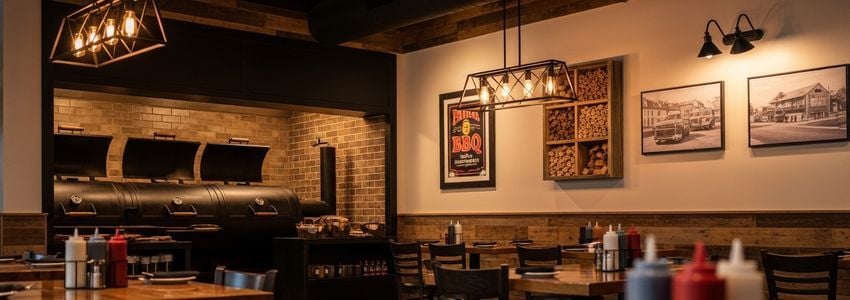
Rib Crib Franchise Loan: The Complete Financing Guide for Rib Crib BBQ Franchise Owners
If you have ever driven through Oklahoma, Kansas, or Texas and caught the unmistakable smell of slow-smoked brisket drifting from a Rib Crib restaurant, you already know why this brand has loyal fans across the Midwest and South. Founded in 1992 in Tulsa, Oklahoma, Rib Crib BBQ has grown from a single smoker in a retrofitted house to a regional powerhouse with more than 60 locations across eight states. For aspiring franchise owners, this growth story presents a compelling opportunity, and financing is the critical first step to making it happen.
This guide walks you through every financing option available for opening a Rib Crib BBQ franchise, from SBA loans and equipment financing to business lines of credit and working capital loans. Whether you are a first-time franchisee or an experienced multi-unit operator, understanding your funding options before you sign the Franchise Disclosure Document (FDD) puts you in the strongest possible position.
Ready to explore your Rib Crib franchise financing options? Crestmont Capital works with restaurant franchise buyers across the country. Apply Now to get matched with the right loan product for your situation.
In This Article
- Rib Crib BBQ Franchise Overview
- Rib Crib Franchise Cost Breakdown
- Financing Options for Rib Crib Franchise Owners
- SBA Loans for Rib Crib Franchisees
- Equipment Financing for Your Rib Crib Kitchen
- Working Capital Loans for Daily Operations
- Rib Crib and BBQ Industry: By the Numbers
- How to Qualify for a Franchise Loan
- Application Tips for Restaurant Franchise Buyers
- Next Steps
- Frequently Asked Questions
Rib Crib BBQ Franchise Overview
Rib Crib was founded by Bret Chandler in 1992 with a simple but powerful concept: exceptional slow-smoked barbecue at a price that working families could afford. Starting with a menu of just five meats and two sides, the brand built a deeply loyal customer base in Tulsa before expanding aggressively through Oklahoma and into neighboring states.
Today, Rib Crib operates in eight states: Oklahoma, Texas, New Mexico, Kansas, Missouri, Arkansas, Iowa, and Florida. The brand was recognized by Restaurant Business magazine as one of the "Top 50 Growth Chains" as far back as 2005, and it has continued to attract franchise investors who want to bring authentic American BBQ to their markets.
The franchise model is designed for scalability. Rib Crib encourages multi-unit development and offers prospective franchisees two restaurant format options that suit different real estate situations and budget levels. Whether you want a smaller counter-service concept or a full-size table-service restaurant, the brand has a model to match.
Why Investors Choose Rib Crib
- Proven concept: 30+ years of operating history with a passionate customer base
- Scalable formats: Two format options reduce barriers to entry in various markets
- Underserved territories: The brand is still expanding, meaning prime territories remain available
- Strong brand loyalty: Rib Crib customers return frequently, driving repeat business revenue
- Growing BBQ category: The U.S. BBQ restaurant market reached $5.1 billion in 2025 with continued growth projected
Rib Crib Franchise Cost Breakdown
Before you can secure financing, you need to understand the full investment picture. The Rib Crib FDD outlines the following investment requirements for prospective franchisees as of the most recent available data:
Initial Investment Range
- Small Format (counter service or table service): $250,000 to $750,000
- Mid-Size Format (table service): $370,000 to $1,350,000
- Overall range: $400,000 to $1.3 million total estimated investment
Fees and Ongoing Costs
- Franchise fee: $35,000
- Royalty fee: 4% of gross sales
- Marketing/advertising fee: Varies by market and agreement
Minimum Financial Requirements
- Liquid capital per unit: $225,000
- Net worth per unit: $500,000
- Three-unit development (example): $675,000 liquid capital, $1.5 million net worth
These numbers mean that most Rib Crib franchise buyers will need some combination of cash equity and external financing. Even applicants with strong liquid capital typically use loans to preserve cash flow for working capital and unexpected expenses during the launch phase.
Callout: Understanding Your Total Investment
The estimated investment range in the FDD does not always capture every cost. Budget for pre-opening expenses like training travel, soft opening costs, initial inventory overage, and three to six months of working capital as a buffer. A conservative total budget often runs 10-15% higher than the FDD mid-range estimate.
Financing Options for Rib Crib Franchise Owners
Restaurant franchise financing typically involves stacking multiple products rather than relying on a single loan. Here is a breakdown of the most commonly used loan types for Rib Crib-scale investments.
1. SBA 7(a) Loans
The SBA 7(a) loan is the most popular financing tool for franchise buyers. With loan amounts up to $5 million, competitive interest rates, and repayment terms up to 10 years for working capital (25 years for real estate), it is well suited to covering the bulk of a Rib Crib investment. Learn more about how SBA loans work for franchise buyers.
2. SBA 504 Loans
If you plan to purchase commercial real estate for your Rib Crib location, the SBA 504 loan program provides long-term, fixed-rate financing for major assets. This program involves a CDC (Certified Development Company), a third-party lender, and a minimum 10% equity injection from you.
3. Equipment Financing
Commercial kitchen equipment for a BBQ restaurant, including smokers, refrigeration units, prep tables, and ventilation systems, is among the most significant line items in a restaurant buildout. Equipment financing lets you fund these purchases separately while preserving your SBA loan proceeds for real estate, leasehold improvements, and working capital.
4. Business Lines of Credit
A business line of credit is ideal for managing the cash flow variability that comes with a seasonal restaurant. Use it to cover payroll during a slow winter month, buy extra inventory for a BBQ festival promotion, or bridge a gap between high-volume periods.
5. Conventional Term Loans
If you have strong business credit, substantial collateral, or a history of profitable restaurant operations, conventional term loans from banks or alternative lenders may offer faster funding timelines than SBA loans at competitive rates.
6. Alternative Business Loans
For franchisees who do not meet traditional bank standards but have strong revenue history (common among operators expanding to a second or third unit), alternative lenders can provide working capital or bridge financing quickly. These products typically carry higher rates but offer speed and flexibility that SBA loans cannot match.
SBA Loans for Rib Crib Franchisees
The SBA loan is the gold standard for franchise financing, and Rib Crib has been listed in the SBA Franchise Directory, confirming its eligibility for SBA-backed financing. This is critical because only franchises on the SBA directory can qualify for SBA loan programs.
SBA 7(a) Loan Basics
- Maximum loan amount: $5 million
- Down payment: Typically 10-20% of total project cost
- Repayment term: Up to 10 years (working capital/equipment), up to 25 years (real estate)
- Interest rate: Prime rate plus a lender spread (variable)
- SBA guarantee: Up to 85% for loans under $150,000; 75% for larger loans
What SBA Loans Can Cover
- Franchise fee ($35,000)
- Leasehold improvements and construction costs
- Initial equipment and kitchen setup
- Furniture, fixtures, and technology systems
- Pre-opening training and ramp-up expenses
- Initial inventory
- Working capital reserves
Qualifying for an SBA Loan
Lenders evaluate SBA franchise loan applications based on several key factors. You will generally need:
- Personal credit score of 680 or higher (690+ preferred)
- No bankruptcies in the past 3 years
- 10-20% equity injection (cash down payment)
- Sufficient collateral (real estate, equipment, or personal assets)
- A business plan with realistic financial projections
- Demonstrated management experience (food service experience a plus)
The SBA does not lend money directly. You apply through an SBA-approved lender, which can be a bank, credit union, or alternative lender like Crestmont Capital. Working with an experienced franchise lender is important because they understand the nuances of restaurant franchise applications and can guide you through the documentation process.
Not sure which loan product fits your Rib Crib plan? Crestmont Capital's team specializes in restaurant business loans and can match you with the right program. Apply Now or call our team today.
Equipment Financing for Your Rib Crib Kitchen
A BBQ restaurant requires serious commercial equipment. The heart of any Rib Crib location is the smoker, but the full equipment list is extensive and can represent $100,000 or more of the total investment depending on format and whether you are leasing or purchasing the space.

Common Equipment Categories
- Commercial smokers and pits: The signature element of any BBQ restaurant; high-quality commercial units can cost $15,000 to $80,000 or more
- Walk-in coolers and freezers: Essential for raw meat storage and food safety compliance
- Prep tables and food processing equipment: Slicers, mixers, and prep stations
- Ventilation and exhaust systems: Required by health codes and especially critical for smoker operations
- Point-of-sale systems: POS technology for order management, loyalty programs, and reporting
- Small wares and serving equipment: Trays, utensils, holding equipment, and warming units
How Equipment Financing Works
Equipment financing is a secured loan where the equipment itself serves as collateral. This means lower rates than unsecured business loans and easier approval even for newer businesses. Terms typically range from 24 to 84 months, and many lenders can fund within a few business days once approved.
For Rib Crib buyers who are pairing equipment financing with an SBA loan, structuring your financing stack correctly helps maximize cash availability for working capital. An experienced lender can help you determine how to allocate costs across loan products efficiently.
Working Capital Loans for Daily Operations
Even with a well-funded launch, most restaurant franchise owners face cash flow challenges during the first 12 to 24 months of operation. Payroll does not wait for your busy season, and supply costs can spike unexpectedly. A working capital loan or line of credit gives you the flexibility to handle these situations without disrupting operations.
When to Use Working Capital Financing
- Covering payroll during ramp-up before the restaurant reaches full revenue
- Buying extra inventory for high-volume events or holidays
- Handling unexpected equipment repairs before your new equipment warranty kicks in
- Funding marketing initiatives to drive traffic in your first six months
- Managing seasonal slowdowns common in restaurant operations
Crestmont Capital's small business financing options include both working capital loans and business lines of credit tailored to restaurant operators.
Callout: The Six-Month Rule for Restaurants
Restaurant industry advisors consistently recommend budgeting for at least six months of operating expenses as a working capital reserve before opening. For a Rib Crib location projecting $800,000 in annual revenue, that means roughly $100,000 to $150,000 in accessible reserves beyond your construction and equipment budget.
Rib Crib and BBQ Industry: By the Numbers
BBQ Restaurant Industry: Key Statistics for 2026
Sources: IBISWorld, National Restaurant Association, franchise.ribcrib.com
How to Qualify for a Franchise Loan
Lenders evaluating restaurant franchise loan applications look at a combination of personal and business financial factors. Understanding what they want to see helps you prepare a stronger application and improves your approval odds.
Personal Financial Profile
- Credit score: Most SBA lenders want 680+; some alternative lenders will work with 600+
- Personal income and tax returns: Two to three years of personal tax returns showing stable income
- Personal net worth statement: Detailing all assets (real estate, retirement accounts, investments) and liabilities
- Liquidity documentation: Bank statements showing the $225,000+ liquid capital requirement
Business and Franchise Documentation
- Signed or pending franchise agreement or letter of intent
- Rib Crib FDD (provided by the franchisor)
- Business plan with three-year financial projections
- Site selection information (lease term, location demographics)
- Resumes demonstrating relevant management or food service experience
Common Reasons Franchise Loan Applications Are Denied
- Credit score below lender minimums
- Insufficient liquid capital or equity injection
- Incomplete or unrealistic business plan projections
- Recent bankruptcy or significant derogatory credit history
- Franchise not listed on the SBA Franchise Directory (does not apply to Rib Crib, which is listed)
If you have concerns about any of these factors, working with a lender experienced in franchise financing can help you identify and address potential issues before they derail your application. Check out Crestmont Capital's guide to commercial financing options to understand the full landscape.
Application Tips for Restaurant Franchise Buyers
Applying for a franchise loan is not like applying for a personal mortgage. The process involves more documentation, longer timelines, and a deeper evaluation of your business plan. Here are strategies that improve your chances of approval and help you move faster through the process.
1. Get Pre-Qualified Before You Sign the FDD
Knowing your financing options before signing a franchise agreement prevents you from overcommitting. Pre-qualification gives you a realistic budget and helps you negotiate site selection with confidence. It also demonstrates to Rib Crib's franchise development team that you are a serious, well-prepared candidate.
2. Build a Realistic Business Plan
Lenders see hundreds of franchise business plans. Projections that assume immediate maximum capacity will raise red flags. A credible plan shows conservative year-one sales, gradually increasing utilization, realistic labor and food cost percentages, and a clear path to profitability. Research comparable Rib Crib locations and use industry benchmarks from sources like the SBA business planning resources to support your assumptions.
3. Choose the Right Lender
Not all lenders are created equal for franchise financing. SBA Preferred Lenders can process loans faster because they have delegated underwriting authority. Working with a lender who has specific restaurant franchise experience means they understand Rib Crib's model, the typical investment range, and the documentation the franchisor provides.
4. Understand Your Debt Service Coverage
Lenders will calculate your projected Debt Service Coverage Ratio (DSCR), which measures whether your expected cash flow is sufficient to cover loan payments. A DSCR of 1.25 or higher is the typical minimum for SBA loans. Make sure your financial projections result in adequate DSCR or discuss with your lender how to structure the loan to achieve it.
5. Prepare Your Personal Guarantee Documents Early
SBA loans and most franchise loans require a personal guarantee from all owners with 20% or more equity. This means your personal assets may be at risk if the business fails to repay the loan. Understanding this commitment fully before signing helps set realistic expectations and motivates thorough business planning.
Compare your options with a lender who knows restaurant franchises. Crestmont Capital has helped franchise buyers across all categories secure the right financing mix. Start Your Application Now and get a financing assessment within 24 hours.
Connecting Rib Crib Financing to Other Franchise Opportunities
If you are exploring multiple franchise options alongside Rib Crib, it helps to understand how restaurant franchise financing works across the category. Our in-depth financing guides for Fuzzy's Taco Shop franchise loans and Tony Roma's franchise loans cover similar concepts and help you benchmark investment requirements across full-service and fast-casual models.
Next Steps: Financing Your Rib Crib Franchise
Your Rib Crib Financing Roadmap
- Review the FDD: Request the Franchise Disclosure Document from Rib Crib's franchise development team. Have an attorney with franchise experience review it before signing anything.
- Assess your financial position: Calculate your liquid capital, net worth, and personal credit score. Identify any gaps before approaching lenders.
- Get pre-qualified: Apply for pre-qualification with Crestmont Capital or another experienced franchise lender to understand your borrowing capacity and likely loan terms.
- Select your site: Work with Rib Crib's real estate team to identify and evaluate potential locations. Your site selection significantly affects construction costs and lender confidence in your projections.
- Build your business plan: Create detailed financial projections based on comparable Rib Crib unit data, regional demographics, and realistic ramp-up timelines.
- Submit your loan application: With your FDD, business plan, site information, and financial documents ready, submit your formal loan application. SBA loans typically take 45-90 days to close; alternative loans can close in as few as 3-5 business days.
- Close and fund: Once approved, your lender will coordinate the closing. Funds are typically distributed in stages aligned with construction milestones.
Frequently Asked Questions About Rib Crib Franchise Loans
How much does it cost to open a Rib Crib franchise?
The total investment to open a Rib Crib BBQ franchise ranges from approximately $400,000 to $1.35 million depending on the format selected. The small format (counter or table service) runs $250,000 to $750,000, while the mid-size table-service format ranges from $370,000 to $1.35 million. The initial franchise fee is $35,000.
Can I get an SBA loan for a Rib Crib franchise?
Yes. Rib Crib has been listed on the SBA Franchise Directory, making it eligible for SBA 7(a) and SBA 504 loan programs. SBA 7(a) loans of up to $5 million can cover franchise fees, construction costs, equipment, and working capital. You will need a credit score of at least 680, a 10-20% equity injection, and relevant management experience to qualify.
How much liquid capital do I need to open a Rib Crib?
Rib Crib requires a minimum of $225,000 in liquid capital per unit. If you are committing to a multi-unit development agreement (for example, three units), you will need to demonstrate $675,000 in liquid capital. Your net worth requirement is $500,000 per unit. These requirements exist regardless of how much financing you obtain.
What is the royalty fee for Rib Crib franchisees?
Rib Crib franchisees pay a royalty fee of 4% of gross sales. This is below the industry average for full-service restaurant franchises, which typically ranges from 4% to 6%. Marketing and advertising fees are separate and may vary by market and development agreement terms.
What financing options are best for a first-time Rib Crib franchise buyer?
For first-time franchise buyers, an SBA 7(a) loan is typically the best primary financing vehicle because it offers the longest repayment terms and lowest down payment requirements. Many first-time buyers also use equipment financing separately to fund kitchen equipment, which preserves SBA loan proceeds for higher-priority uses like working capital. A business line of credit can supplement both to handle day-to-day cash flow needs during the first year.
How long does it take to get a franchise loan for Rib Crib?
SBA loan timelines vary but typically range from 45 to 90 days from application submission to closing. The timeline depends on lender processing speed, completeness of your documentation, and appraisal requirements if real estate is involved. SBA Preferred Lenders can often process applications faster due to delegated underwriting authority. Alternative business loans can close in 3 to 10 business days but typically carry higher costs.
Do I need restaurant experience to open a Rib Crib franchise?
Rib Crib's franchise requirements emphasize experience in food service, retail, or multi-unit management. You do not necessarily need to have worked in a restaurant kitchen, but you should have a track record of building and managing high-performing teams. Multi-unit management experience is particularly valued. From a lending perspective, relevant industry experience also strengthens your loan application.
Can I use a business line of credit to help fund a Rib Crib franchise?
A business line of credit is not typically used as the primary funding source for a franchise acquisition because most lines of credit are for working capital, not capital expenditures. However, a line of credit is an excellent supplementary tool to manage cash flow during your first year of operations. Many Rib Crib franchise owners use a combination of an SBA loan for capital expenses and a line of credit for ongoing operational flexibility.
What states have Rib Crib franchise locations?
As of 2025 and 2026, Rib Crib operates in eight states: Oklahoma, Texas, New Mexico, Kansas, Missouri, Arkansas, Iowa, and Florida. The brand's strongest presence is in Oklahoma, where it was founded, but it continues to expand into new territories. Prospective franchisees should contact Rib Crib's franchise development team directly to inquire about available territories in their target markets.
Is Rib Crib a good investment for franchise owners?
Rib Crib operates in the growing BBQ restaurant segment, which saw the U.S. market reach $5.1 billion in 2025 with an 8.2% CAGR over the preceding five years. The brand has over 30 years of operating history, strong customer loyalty in its core markets, and a flexible dual-format model. Like all restaurant franchises, success depends heavily on site selection, local market dynamics, operational execution, and access to adequate startup capital. No specific income or profitability claims are made here; you should review Item 19 of the FDD for financial performance representations.
What documents do I need to apply for a Rib Crib franchise loan?
A typical franchise loan application requires: two to three years of personal tax returns; personal financial statement; bank statements showing liquid capital; a copy of the franchise agreement or FDD; business plan with financial projections; site information or letter of intent from a landlord; resume or professional history; and personal identification. Your lender may request additional documents based on your specific situation and the loan program.
Can I finance the Rib Crib franchise fee as part of my loan?
Yes. The $35,000 franchise fee can typically be included in an SBA 7(a) loan as part of the total project cost. It is not required to be paid separately out of pocket, though some buyers do choose to pay the franchise fee from liquid capital and finance the larger capital expenditures. Discuss the most effective structure with your lender.
How much working capital should I budget for a new Rib Crib location?
Industry best practice for restaurant startups is to budget at least three to six months of operating expenses as working capital reserves. For a Rib Crib location projecting annual sales of $800,000 to $1.2 million, this means budgeting approximately $100,000 to $200,000 in accessible working capital beyond your construction and equipment budget. These reserves should be separate from your required liquid capital for franchise qualification purposes.
What credit score do I need to qualify for a Rib Crib franchise loan?
For an SBA loan, most lenders require a minimum personal credit score of 680, with 690+ preferred for more favorable terms. Alternative business lenders may work with scores as low as 600 but typically charge higher interest rates. Your credit score is one factor among many; lenders also heavily weigh your liquidity, business plan quality, industry experience, and collateral position.
Are there any special financing programs for restaurant franchise buyers?
Yes. Beyond SBA programs, some franchise-specific lenders offer financing packages tailored to the restaurant industry. These may include equipment leasing programs for commercial kitchen equipment, specialized franchise financing that bundles construction, equipment, and working capital into a single loan, and franchisor-referred lender relationships. The SBA loan programs page is a good starting resource, and Crestmont Capital can help you identify and compare options specific to your franchise investment.
Callout: One Resource Worth Bookmarking
The U.S. Census Bureau's Small Business data provides demographic and market data that can strengthen your site selection analysis and lender presentation. Pairing census data with local foot traffic and competition mapping creates a more compelling case for lender confidence in your chosen market.
Disclaimer: The information provided in this article is for general educational purposes only and is not financial, legal, or tax advice. Funding terms, qualifications, and product availability may vary and are subject to change without notice. Crestmont Capital does not guarantee approval, rates, or specific outcomes. For personalized information about your business funding options, contact our team directly.








