Retro Fitness has carved out a strong niche in the affordable premium gym market, offering fitness enthusiasts a high-value membership experience at a competitive price point. If you are considering opening a Retro Fitness franchise, understanding your financing options is just as important as finding the right location - and Crestmont Capital specializes in getting franchise owners funded quickly with flexible terms that work for your business model.
In This Article
Retro Fitness: An Overview
Retro Fitness was founded in 2004 in New Jersey by Eric Casaburi, a fitness entrepreneur who believed that premium gym experiences should be accessible to everyone - not just the wealthy. The brand launched with a simple but powerful premise: deliver a top-tier facility with state-of-the-art equipment, clean environments, and professional staff at a membership price that everyday Americans could afford.
From those humble beginnings in New Jersey, Retro Fitness has grown into a national franchise with more than 120 locations across the United States. The brand positions itself squarely in the "affordable premium" segment of the fitness industry, competing with Pure Barre and Anytime Fitness on value while offering a much broader range of equipment and programming than budget-only gyms.
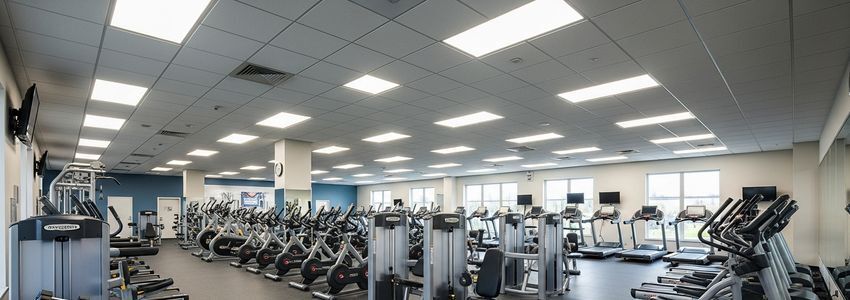
Retro Fitness gyms typically range from 8,000 to 15,000 square feet and offer a comprehensive fitness experience including free weights, cardio equipment, functional training zones, group fitness classes, smoothie bars, and personal training services. This multi-revenue-stream model makes Retro Fitness locations more financially resilient than single-service fitness concepts.
The fitness industry has demonstrated remarkable resilience even during economic downturns, as consumers continue to prioritize health and wellness spending. According to industry research, gym and fitness club revenue in the U.S. exceeds $35 billion annually, and the demand for affordable premium fitness options continues to grow. Retro Fitness is well positioned to capture this demand with a proven franchise system backed by two decades of operational experience.
For aspiring franchise owners, Retro Fitness offers comprehensive training, marketing support, site selection assistance, and an established brand that carries consumer trust. The company has received multiple recognitions from Entrepreneur Magazine and Franchise Times as a top franchise investment in the fitness category.
Key Fact: The U.S. fitness industry generates over $35 billion in annual revenue, and affordable premium gym concepts like Retro Fitness are among the fastest-growing segments - making this franchise category attractive for business investors seeking stable, recurring revenue.
How Much Does a Retro Fitness Franchise Cost?
Before diving into financing options, it is essential to understand the full scope of what it costs to open a Retro Fitness franchise. The total investment varies based on location, market size, facility size, and buildout requirements - but you should plan for a significant capital commitment.
Initial Franchise Fee: Retro Fitness charges an initial franchise fee in the range of $49,500 to $69,500, depending on your specific market and the size of your territory. This fee grants you the right to operate under the Retro Fitness brand and access their systems, training, and ongoing support.
Real Estate and Leasehold Improvements: Finding and building out a gym space is one of the largest expenses in the Retro Fitness investment. Depending on the condition of the space and local construction costs, leasehold improvements typically range from $400,000 to $1,200,000. You will need a space of approximately 8,000 to 15,000 square feet in a high-traffic area with good parking and visibility.
Equipment Costs: A fully equipped Retro Fitness gym requires a significant investment in fitness equipment. This includes cardio machines (treadmills, ellipticals, stationary bikes), free weights and weight training equipment, functional training zones, and group fitness studio equipment. Total equipment costs typically range from $200,000 to $500,000.
Technology and Software: Retro Fitness requires franchisees to invest in their proprietary management software, point-of-sale systems, access control systems, and digital signage. Budget approximately $25,000 to $50,000 for technology infrastructure.
Working Capital: Like any business, a new Retro Fitness location will take time to build its membership base. Franchisees should have three to six months of operating expenses on hand as working capital. This typically means reserving $100,000 to $200,000 to cover payroll, rent, utilities, marketing, and other ongoing costs while membership revenue ramps up.
Additional Startup Costs: You will also need to budget for insurance, professional fees (legal and accounting), initial marketing and grand opening expenses, and miscellaneous supplies. These additional costs typically add another $50,000 to $100,000 to the total investment.
Ongoing Fees: After opening, Retro Fitness franchisees pay a royalty fee of approximately 5% of gross monthly revenues, plus a marketing fund contribution of around 2% of gross revenues. These ongoing fees are important to factor into your financial projections when modeling your loan repayment capacity.
Total Investment Range: When all costs are considered, opening a Retro Fitness franchise typically requires a total investment between $1,100,000 and $3,500,000. Retro Fitness generally requires franchisees to have a minimum net worth of $1,500,000 and liquid assets of at least $500,000.
Ready to Finance Your Retro Fitness Franchise?
Get fast, flexible financing from the #1 business lender in the U.S. No obligation - apply in minutes.
Apply Now ->Financing Options for Retro Fitness Franchise Owners
Given the significant capital requirements of a Retro Fitness franchise, most franchisees use a combination of personal equity and financing to fund their investment. Understanding the full range of financing options available to you is the first step toward building a workable capital stack.
SBA 7(a) Loans: The SBA 7(a) loan program is one of the most popular financing tools for franchise owners. These government-backed loans offer competitive interest rates, long repayment terms (up to 10 years for working capital and up to 25 years for real estate), and relatively flexible qualification requirements. SBA 7(a) loans can be used for almost any business purpose including leasehold improvements, equipment, working capital, and even franchise fees. Loan amounts can go up to $5 million, making them well-suited for Retro Fitness investments. Learn more about SBA loan options at Crestmont Capital.
SBA 504 Loans: If you plan to purchase commercial real estate for your Retro Fitness location rather than lease, the SBA 504 loan program can be an excellent option. These loans are specifically designed to help businesses purchase fixed assets and offer low down payment requirements (typically 10%) and very competitive long-term fixed rates. SBA 504 loans can be combined with conventional financing to cover the full cost of a property purchase.
Equipment Financing: Given the substantial equipment costs involved in opening a Retro Fitness gym, equipment financing deserves special consideration. Equipment loans allow you to finance fitness machines, weight systems, and technology infrastructure using the equipment itself as collateral. This means you can preserve more of your liquid capital for working capital and other startup needs. Repayment terms typically range from 3 to 7 years, and interest rates are competitive because the collateral reduces lender risk. Explore equipment financing options at Crestmont Capital.
Conventional Business Term Loans: Traditional term loans from banks or alternative lenders can supplement your SBA financing or serve as a standalone solution for established franchisees looking to open additional locations. Conventional term loans typically offer faster approval times than SBA loans, though they may come with higher rates or shorter terms.
Business Lines of Credit: A business line of credit can be an invaluable tool during the pre-opening and early operating phases of your Retro Fitness franchise. Unlike a term loan, a line of credit gives you flexible access to capital that you can draw on as needed and repay over time. This is particularly useful for managing cash flow gaps during the membership ramp-up period and for handling unexpected expenses during construction and buildout.
ROBS (Rollover for Business Startups): Some franchisees use their existing retirement savings (401k or IRA funds) to fund part of their franchise investment through a ROBS structure. While this approach carries its own risks and complexities, it can allow you to invest without taking on debt for a portion of your capital. This should always be done with the guidance of a qualified financial and legal advisor.
By the Numbers
Retro Fitness Franchise - Key Statistics
$69K
Initial Franchise Fee
5%
Royalty Fee
120+
Locations Nationwide
$2.3M
Avg. Total Investment
How Crestmont Capital Helps Retro Fitness Franchise Owners
Crestmont Capital has earned its reputation as the #1 business lender in the United States by doing one thing better than anyone else: getting business owners funded quickly, with loan products designed to meet their actual needs. For Retro Fitness franchise owners, this means access to a full suite of financing solutions backed by a team that understands the unique financial dynamics of the fitness franchise industry.
Fast Approval Timelines: One of the biggest frustrations franchise owners face when seeking traditional bank financing is the timeline. Bank loan approvals can take 60 to 90 days or longer, which creates significant challenges when you have a lease agreement to sign and a buildout timeline to meet. Crestmont Capital's streamlined application process and in-house underwriting team mean that many applications receive a decision in as little as 24 to 72 hours. Visit our fast business loans page to learn more.
Flexible Loan Structures: Not every Retro Fitness franchise has the same financing needs. Some owners are opening their first location and need full acquisition financing. Others are established franchisees looking to expand into a second or third market. Crestmont Capital works with you to build a financing package that fits your specific situation, whether that means structuring an SBA loan for maximum benefit or creating a hybrid solution that combines equipment financing with a working capital line of credit. Explore our small business loan options to see what is available.
Franchise-Specific Expertise: Crestmont Capital's lending team has extensive experience working with franchise owners across dozens of categories, including fitness franchises. This means our underwriters understand how to evaluate the financial performance of a fitness franchise, how to account for ramp-up periods in their credit analysis, and how to structure loans that align with your business's cash flow profile. We speak the language of franchising.
Access to Multiple Lender Networks: Because Crestmont Capital works with a broad network of lenders and credit facilities, we can often find financing solutions for franchise owners who have been turned down by traditional banks. Whether your credit history has a few blemishes, your business is newer, or you need to close quickly on a time-sensitive deal, our team has the relationships to find you a path forward.
Ongoing Support: Crestmont Capital's relationship with our clients does not end at funding. As your Retro Fitness business grows and matures, we can help you access additional capital for renovations, equipment upgrades, marketing campaigns, or expansion to new locations. We are built to be your long-term financing partner.
Ready to Finance Your Retro Fitness Franchise?
Get fast, flexible financing from the #1 business lender in the U.S. No obligation - apply in minutes.
Apply Now ->
Who Qualifies for Retro Fitness Franchise Financing?
Understanding what lenders look for when evaluating a Retro Fitness franchise loan application can help you prepare your application and improve your chances of approval. Here is a detailed breakdown of the key qualification criteria.
Personal Credit Score: For SBA loans and most conventional financing, lenders prefer a personal credit score of 680 or higher. However, scores in the 620 to 679 range may still qualify with compensating factors such as strong business experience, substantial collateral, or a large down payment. Crestmont Capital also works with financing options for applicants with lower credit scores through our bad credit business loans program.
Net Worth and Liquidity Requirements: Retro Fitness itself requires franchisees to have a minimum net worth of $1,500,000 and liquid assets of at least $500,000. Lenders will also want to confirm that you have sufficient personal financial strength to support the loan and inject your required equity contribution into the deal.
Relevant Business Experience: While you do not need to have run a gym before, lenders will want to see evidence of management experience and business acumen. Backgrounds in retail management, operations, hospitality, or any multi-location service business are viewed positively. Strong management teams can also compensate for gaps in the franchisee's personal experience.
Franchise Brand Recognition: Lenders look favorably on established franchise brands with proven track records. Retro Fitness's 20-year operating history, 120+ location network, and inclusion on reputable franchise rankings work in your favor when seeking financing. Established brands reduce lender risk by demonstrating that the business model has been validated at scale.
Down Payment Requirements: Most lenders require franchise investors to contribute 10% to 30% of the total project cost as an equity injection. For SBA loans, the typical requirement is 10% to 20% equity. Having a larger down payment not only improves your approval odds but also reduces your total debt service and improves your monthly cash flow.
Collateral: Depending on the loan type and amount, lenders may require collateral to secure the financing. This can include the business assets (equipment, fixtures, leasehold improvements), personal real estate, or other business assets you own. SBA loans have more flexible collateral requirements than many conventional lenders.
Time in Business: For existing Retro Fitness franchisees seeking financing to expand, lenders will want to review at least two to three years of business financial statements to verify performance. Strong revenue trends, healthy profit margins, and consistent debt service coverage ratios (ideally above 1.25x) will significantly strengthen your expansion loan application.
Real-World Financing Scenarios
To help illustrate how Retro Fitness franchise financing works in practice, here are several realistic scenarios that reflect common situations our clients face.
Scenario 1: First-Time Franchisee Entering the Market
Marcus is a 42-year-old operations manager who has spent 15 years in retail management. He has always been passionate about fitness and sees a clear market opportunity for a Retro Fitness in his mid-sized Midwestern city. He has $400,000 in liquid assets, a 720 credit score, and net worth of approximately $1.8 million including his home equity. Marcus secures an SBA 7(a) loan for $1,600,000 to cover leasehold improvements, equipment, initial franchise fee, and working capital. His equity injection of $200,000 represents about 11% of the total project cost. With a 10-year repayment term and competitive interest rates, his monthly debt service fits comfortably within his projected membership revenue model.
Scenario 2: Existing Franchisee Expanding to Second Location
Jennifer has successfully operated a Retro Fitness location in the southeastern U.S. for three years. Her gym generates $1.2 million in annual revenue with strong profit margins, and she has identified an attractive second location opportunity in a neighboring suburb. Because her existing business has a solid track record, she qualifies for a conventional business term loan at favorable rates. Crestmont Capital structures a $1.8 million loan package combining equipment financing with a term loan, using her existing location's assets and cash flow as supporting collateral. She opens her second location within six months of initial contact with our team.
Scenario 3: Multi-Unit Deal with Complex Financing Needs
Robert is a seasoned franchise investor who owns several locations across different fitness brands. He is acquiring the rights to three Retro Fitness territories and needs to finance all three buildouts over an 18-month period. Crestmont Capital works with Robert to structure a phased financing approach that covers the first location immediately, with commitments in place for the subsequent two locations tied to performance milestones. This blended approach - combining SBA financing for the first location with conventional lending for subsequent openings - reduces his total financing costs while providing the capital he needs to execute his expansion plan.
Scenario 4: Franchisee Needing Bridge Financing
Sarah has been approved for SBA financing to open her Retro Fitness location, but the SBA process is taking longer than expected. Her landlord is pressing for a signed lease and she needs to show proof of committed financing. Crestmont Capital provides a short-term bridge facility that allows Sarah to secure her real estate deal while the SBA loan finalizes. Once the SBA funds are disbursed, the bridge facility is retired. This type of flexible, creative financing is what sets Crestmont Capital apart from traditional lenders who work within rigid product boxes.
Comparing Your Financing Options
Not all loan products are created equal, and the best financing choice for your Retro Fitness franchise depends on your specific financial situation, timeline, and goals. Here is a structured comparison of the primary options.
SBA 7(a) Loans vs. Conventional Term Loans: SBA 7(a) loans offer the best terms for most franchise investors - lower rates, longer repayment periods, and government backing that reduces lender risk. The tradeoff is a longer and more paperwork-intensive approval process. Conventional term loans close faster and involve less documentation, but typically come with shorter terms and potentially higher rates. For most first-time Retro Fitness franchisees, SBA financing is worth the additional effort due to the substantially lower monthly payments. Learn about long-term business loan options at Crestmont Capital.
Equipment Financing vs. All-In Term Loans: Financing your gym equipment separately from your leasehold improvements and working capital can be advantageous because equipment loans typically carry lower interest rates (the equipment serves as collateral) and may have tax advantages through Section 179 deductions. However, managing multiple loans adds administrative complexity. Your Crestmont Capital advisor can help you model both approaches and determine which structure minimizes your total cost of capital. Explore short-term business loan options for additional flexibility.
Lines of Credit vs. Term Loans for Working Capital: For the working capital component of your franchise startup, a business line of credit may be more advantageous than a fixed term loan. A line of credit gives you the flexibility to draw funds as needed and pay interest only on what you use. As your membership revenue builds, you can pay down the line without prepayment penalties, reducing your interest costs. A term loan, by contrast, requires fixed monthly payments regardless of your actual cash needs. For more insights on franchise financing, see our guide on Crumbl Cookie franchise financing which covers many similar concepts.
Key Fact: Retro Fitness is SBA-approved as a franchise brand, which means lenders familiar with the SBA Franchise Directory can process your loan application without additional brand-level due diligence - helping streamline the approval process and potentially accelerating your timeline to opening day.
Frequently Asked Questions
How much does a Retro Fitness franchise cost in total?
The total investment to open a Retro Fitness franchise typically ranges from $1,100,000 to $3,500,000 depending on location, market, facility size, and buildout requirements. This includes the initial franchise fee of $49,500 to $69,500, leasehold improvements, equipment, technology, working capital, and other startup costs. Retro Fitness requires franchisees to have a minimum net worth of $1,500,000 and at least $500,000 in liquid assets.
Can I use an SBA loan to finance a Retro Fitness franchise?
Yes, SBA loans are one of the most popular financing options for Retro Fitness franchisees. The SBA 7(a) loan program is particularly well-suited for franchise investments because it offers loan amounts up to $5 million, competitive interest rates, and repayment terms of up to 10 years for working capital and business acquisition purposes. Retro Fitness is recognized on the SBA Franchise Directory, which simplifies the application process with SBA-approved lenders like those in Crestmont Capital's network.
What credit score do I need to get a Retro Fitness franchise loan?
For SBA loans and conventional financing, most lenders prefer a minimum personal credit score of 680. Scores of 720 or above typically qualify for the best rates and terms. That said, credit scores in the 620 to 679 range may still qualify with strong compensating factors such as substantial business experience, significant collateral, or a larger equity contribution. Crestmont Capital works with lenders across a broad credit spectrum and can often find solutions for borrowers who have been declined elsewhere.
How much do I need as a down payment for a Retro Fitness franchise loan?
Most lenders require an equity injection of 10% to 30% of the total project cost. For SBA 7(a) loans, the typical requirement is 10% to 20% equity contribution from the borrower. Given that a Retro Fitness franchise can cost $1.1 million to $3.5 million, you should expect to contribute between $110,000 and $700,000 as your down payment, depending on the total deal size and loan type. Having a larger down payment improves your approval odds and reduces your monthly debt service.
How long does it take to get approved for a Retro Fitness franchise loan?
Approval timelines vary by loan type. Conventional business loans through Crestmont Capital can receive preliminary approval in as little as 24 to 72 hours. SBA 7(a) loans typically take 30 to 90 days for full approval and funding due to the additional documentation and government review requirements. Equipment financing often has the fastest turnaround, with approvals in 1 to 3 business days. Working with an experienced lender like Crestmont Capital who knows the franchise space can significantly reduce delays.
Can I finance Retro Fitness gym equipment separately from the rest of the build?
Yes, and in many cases this is a smart strategy. Equipment financing allows you to finance your treadmills, weight systems, cardio machines, and other fitness equipment using the equipment itself as collateral. This typically results in lower interest rates compared to unsecured working capital loans. Equipment loans can be structured separately from your SBA or conventional financing for leasehold improvements and working capital, giving you a blended approach that minimizes your overall cost of capital.
What is the royalty fee for a Retro Fitness franchise?
Retro Fitness franchisees pay an ongoing royalty fee of approximately 5% of gross monthly revenues. In addition, there is a marketing fund contribution of approximately 2% of gross revenues. These ongoing fees are important to build into your financial projections when modeling your loan repayment capacity. A lender reviewing your loan application will want to see that your projected revenues can comfortably cover both your royalty obligations and your debt service payments while leaving adequate cash flow for operations.
Do I need prior experience in the fitness industry to get a Retro Fitness franchise loan?
No, you do not need to have worked in the fitness industry previously. Lenders are more focused on your general management and business experience than on specific industry expertise. Backgrounds in retail management, hospitality, healthcare administration, operations, or any multi-location service business are viewed positively. If you lack operational experience, hiring a strong management team with relevant backgrounds can help compensate for this gap in lenders' eyes.
Can I get financing if I already own another franchise or business?
Yes, existing business owners often have advantages when seeking franchise financing. Your existing business's revenue and cash flow can provide additional support for a new loan. Lenders will conduct a global cash flow analysis that looks at your personal income, existing business obligations, and projected Retro Fitness revenues together. If your existing businesses are performing well and your overall debt service coverage is healthy, this can significantly strengthen your application for a Retro Fitness franchise loan.
What documents do I need to apply for a Retro Fitness franchise loan?
The documentation required for a franchise loan typically includes: personal tax returns for the past 2 to 3 years, personal financial statement, business tax returns (if you own an existing business), franchise disclosure document (FDD) from Retro Fitness, franchise agreement, business plan with financial projections, proposed lease or site information, and entity formation documents. For SBA loans, additional government-specific forms will also be required. Your Crestmont Capital advisor will guide you through exactly what is needed for your specific loan type.
How does the Retro Fitness franchise cost compare to other fitness franchises?
Retro Fitness falls in the mid-to-upper range for fitness franchise investments. Boutique concepts like Club Pilates or Pure Barre typically cost $200,000 to $600,000 to open, while traditional big-box gym brands like LA Fitness or Planet Fitness can exceed $4 million. Retro Fitness at $1.1 million to $3.5 million occupies the middle ground, offering a comprehensive facility experience at a more accessible investment level than full-scale big-box competitors. This positions it well for investors seeking a balance between investment size and revenue potential.
What interest rates can I expect on a Retro Fitness franchise loan?
Interest rates vary based on loan type, your creditworthiness, collateral, and current market conditions. SBA 7(a) loans are tied to the prime rate plus a spread set by the lender, typically resulting in rates from 7% to 12% in current market conditions. Conventional term loans may carry slightly higher rates. Equipment financing rates typically range from 6% to 15% depending on credit strength and loan term. Crestmont Capital will present you with multiple options and clearly explain all costs so you can make an informed decision.
Can I use a business line of credit to cover working capital while my gym ramps up?
Yes, a business line of credit is an excellent tool for managing working capital needs during the membership ramp-up phase. Unlike a term loan with fixed monthly payments, a revolving line of credit allows you to draw funds as needed and repay them as your cash flow allows. This flexibility is particularly valuable in the early months of a new gym location when revenue is still building. Crestmont Capital offers business lines of credit that can be sized and structured to meet the specific working capital needs of a Retro Fitness franchise.
Is Retro Fitness a good franchise investment from a financing perspective?
From a lender's perspective, Retro Fitness has several attributes that make it attractive as a financing subject. The brand has a 20-year operating history, 120+ locations, and a proven business model. The fitness industry has shown consistent demand and resilience. The membership model provides recurring, predictable revenue which lenders view positively. Additionally, the multi-revenue-stream model (memberships, personal training, smoothie bar) provides revenue diversification. These factors, combined with Retro Fitness's inclusion on reputable franchise rankings, make this a business that sophisticated lenders can underwrite with confidence.
How soon after opening can I expect my Retro Fitness franchise to become profitable?
Profitability timelines vary significantly based on market conditions, membership pricing, the quality of your location, and how effectively you execute pre-sale and grand opening marketing campaigns. Generally speaking, fitness franchises that run strong pre-sale campaigns and open with substantial founding memberships can reach operating break-even within 12 to 24 months. Full return on invested capital typically takes 4 to 7 years for a franchise of this scale. A well-structured financing package that minimizes monthly debt service can accelerate your path to profitability by reducing fixed costs in the critical early phase.
Ready to Finance Your Retro Fitness Franchise?
Get fast, flexible financing from the #1 business lender in the U.S. No obligation - apply in minutes.
Apply Now ->How to Get Started with Crestmont Capital
Complete our quick application at offers.crestmontcapital.com/apply-now - takes just a few minutes.
A Crestmont Capital advisor will review your needs and match you with the right franchise financing option.
Receive your funds and open your franchise - often within days of approval.
Conclusion
Opening a Retro Fitness franchise is a significant financial commitment, but it is also an opportunity to build a recurring-revenue business in one of the most resilient and growing consumer sectors in the United States. With the right financing partner by your side, the path from franchise applicant to gym owner becomes much more manageable.
Understanding your Retro Fitness franchise cost is just the starting point. The real key is structuring your financing in a way that maximizes your flexibility, minimizes your monthly debt service, and leaves you with enough working capital to operate effectively through the critical membership ramp-up phase. Whether you pursue an SBA loan, equipment financing, a business line of credit, or a combination of all three, Crestmont Capital has the expertise and lender relationships to build you the right solution.
Do not let financing uncertainty slow your momentum. The Retro Fitness franchise opportunity you are looking at today may not be available tomorrow - markets move fast, and the best locations are competitive. Apply with Crestmont Capital today and let us put together a financing package that gets you into business quickly and on the best possible terms. Explore our full range of business line of credit and loan products to see everything we can do for your Retro Fitness franchise investment.
Disclaimer: The information provided in this article is for general educational purposes only and is not financial, legal, or tax advice. Funding terms, qualifications, and product availability may vary and are subject to change without notice. Crestmont Capital does not guarantee approval, rates, or specific outcomes. For personalized information about your business funding options, contact our team directly.