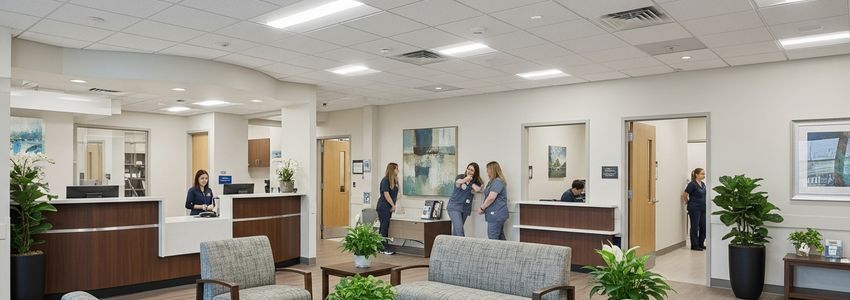
If you own or operate an addiction treatment facility, securing the right rehab center business loans can be the difference between turning patients away or expanding your capacity to save lives. The addiction treatment industry is one of the most important and fastest-growing segments of American healthcare, yet financing a rehab center comes with unique challenges - from navigating insurance reimbursement cycles to funding specialized equipment and residential facility upgrades. This comprehensive guide covers every financing option available to rehab center owners, what lenders look for, and how to get funded fast.
Key Stat: According to the Substance Abuse and Mental Health Services Administration (SAMHSA), more than 40 million Americans aged 12 and older have a substance use disorder, yet fewer than 10% receive treatment - representing enormous unmet demand for addiction treatment services and a compelling growth opportunity for facility owners seeking capital.
In This Article
- Why Rehab Centers Need Business Financing
- Types of Loans for Addiction Treatment Facilities
- SBA Loans for Rehab Centers
- Working Capital Solutions for Treatment Centers
- Equipment Financing for Rehab Facilities
- How to Qualify for a Rehab Center Business Loan
- Loan Amounts, Rates, and Terms
- Addiction Treatment Industry Stats
- How to Apply for Rehab Center Financing
- Next Steps
- Frequently Asked Questions
Why Rehab Centers Need Business Financing
Operating a drug and alcohol rehabilitation center is capital-intensive. Unlike traditional outpatient practices, inpatient and residential addiction treatment facilities carry massive overhead: 24/7 staffing, licensed clinical personnel, residential accommodations, medical detox equipment, and compliance requirements under state licensing boards and the Joint Commission. At the same time, revenue cycles can be unpredictable due to insurance reimbursement delays, patient census fluctuations, and payer mix changes.
Rehab center owners seek financing for a wide range of purposes, including:
- Expanding bed capacity - Adding residential beds to meet waitlist demand
- Purchasing or renovating facilities - Acquiring new properties or upgrading existing ones to meet licensing standards
- Staffing costs - Funding payroll during periods of insurance reimbursement delays
- Medical equipment - Detox monitoring equipment, MAT (medication-assisted treatment) dispensaries, and telehealth infrastructure
- Marketing and patient acquisition - Digital marketing, intake center expansion, and referral networks
- Working capital gaps - Bridging the gap between service delivery and insurance payment
- Licensing and accreditation costs - Joint Commission accreditation, CARF certification, and state licensing fees
- Technology systems - EHR/EMR platforms, billing software, and patient management systems
The good news: lenders increasingly recognize addiction treatment as a recession-resistant, growing sector. Even during economic downturns, demand for substance abuse treatment remains high. With the right financial profile, rehab center operators can access significant capital from a variety of sources.
Ready to Fund Your Rehab Center?
Get fast, flexible financing from the #1 business lender in the U.S. No obligation - apply in minutes.
Apply Now ->Types of Loans for Addiction Treatment Facilities
Rehab centers have access to several categories of business financing. Understanding which loan type fits your specific need will help you apply strategically and secure the best terms.
1. Term Loans
A traditional small business loan provides a lump sum of capital repaid over a fixed period with regular payments. Term loans work well for rehab centers making large one-time investments - purchasing property, funding major renovations, or acquiring another facility. Loan terms can range from 1 to 10 years, with interest rates depending on your credit profile and lender type. Banks and credit unions typically offer lower rates but have stricter qualification requirements and longer timelines. Alternative lenders can fund in as little as 24-48 hours with more flexible qualification criteria.
2. Business Lines of Credit
A business line of credit functions like a revolving credit account - you draw funds as needed and only pay interest on what you use. This is ideal for managing the cash flow gaps that plague treatment centers: insurance companies often take 30 to 90 days to reimburse claims, yet your payroll, utilities, and supply costs are due immediately. A credit line provides the liquidity buffer to keep operations smooth regardless of reimbursement timing.
3. Equipment Financing
Specialized medical equipment for a rehab center - vital signs monitors, medication dispensing systems, telehealth equipment, EEG/EKG devices for detox patients - can run tens of thousands of dollars per unit. Equipment financing allows you to acquire needed assets with the equipment itself serving as collateral, often enabling approval even if your business is relatively young or credit history is limited. You benefit from using the equipment immediately while spreading payments over its useful life.
4. Working Capital Loans
Short-term working capital loans provide a quick cash infusion to cover operating expenses. Unlike term loans, these are typically unsecured, funded quickly, and repaid over 6-24 months. They're best used to cover payroll during a slow census period, fund a marketing push to increase admissions, or handle an unexpected operational expense. Working capital loans usually carry higher interest rates than bank term loans, but the speed and accessibility make them valuable tools for treatment center operators.
5. SBA Loans
U.S. Small Business Administration-backed loans offer some of the best rates and terms available, with the government guaranteeing a portion of the loan to reduce lender risk. We'll cover SBA options in depth in the next section.
6. Invoice Financing
For rehab centers with significant accounts receivable from insurance companies, invoice financing lets you convert outstanding claims into immediate cash. Rather than waiting 60-90 days for an insurance reimbursement, you can receive 80-90% of the invoice value upfront, with the balance (minus fees) remitted once the insurer pays. This is a powerful tool for reducing cash flow stress without taking on traditional debt.
7. Short-Term Business Loans
Short-term business loans provide rapid access to capital - sometimes within hours - for immediate needs like emergency repairs, temporary staffing spikes, or a bridge between insurance payment cycles. These loans are typically repaid via daily or weekly automatic payments over 3-18 months.
SBA Loans for Rehab Centers
The Small Business Administration offers several loan programs well-suited for addiction treatment facilities. Because rehab centers are healthcare businesses - and healthcare is an SBA-eligible industry - operators can access these programs as long as the business meets SBA's size standards and for-profit status requirements. Nonprofit treatment centers are generally not eligible for SBA loans.
SBA 7(a) Loans
The most popular SBA program, the 7(a) loan, can provide up to $5 million for virtually any business purpose: working capital, equipment, real estate, or expansion. For rehab centers, the 7(a) is ideal for acquiring a facility property, funding a major expansion, or refinancing existing high-interest debt. Key features:
- Loan amounts up to $5 million
- Terms up to 10 years for working capital, 25 years for real estate
- Interest rates: Prime + 2.25% to 4.75% (variable) or fixed rate options
- 10% down payment typically required
- Approval timeline: 4-8 weeks through traditional SBA lenders, 5-10 business days through SBA Preferred Lenders
According to the SBA's official loan program pages, health services businesses represent one of the most active sectors for 7(a) loan approvals.
SBA 504 Loans
The SBA 504 program is specifically designed for major asset purchases - real property and large equipment. If your rehab center needs to purchase a building or make significant real estate improvements, the 504 offers an attractive structure: a conventional lender provides 50% financing, a Certified Development Company (CDC) provides 40% via an SBA-guaranteed debenture, and the borrower contributes just 10% down. Key advantages include below-market fixed interest rates and terms up to 25 years for real estate. The 504 is an excellent option for treatment centers looking to own rather than lease their facility.
SBA Community Advantage Loans
For smaller rehab centers or those in underserved communities, the SBA Community Advantage program provides loans up to $350,000 through mission-based lenders like CDFIs. These programs often serve operators who may not qualify for traditional SBA 7(a) loans due to limited collateral or a shorter operating history.
Key Stat: The addiction treatment industry in the U.S. was valued at over $42 billion as of 2023, according to Reuters, with strong projected growth driven by increased insurance parity requirements under the Mental Health Parity and Addiction Equity Act (MHPAEA) and expanded Medicaid coverage in many states.
Working Capital Solutions for Treatment Centers
Cash flow management is one of the most persistent challenges for addiction treatment facility operators. Insurance reimbursement delays, authorizations denials requiring appeals, and patient attrition all create unpredictable revenue gaps. Even well-run facilities with strong clinical outcomes can find themselves cash-strapped when a major insurance payer delays a batch of claims or when census unexpectedly drops during a slow admissions period.
Several working capital solutions are particularly valuable for rehab centers:
Revolving Lines of Credit
A revolving line of credit is the go-to working capital tool for treatment centers. You draw funds as needed, repay as cash comes in, and the credit becomes available again. This flexibility makes it ideal for managing week-to-week cash flow variations. Many Crestmont Capital clients in the behavioral health space use their credit line as a permanent safety net, drawing on it during slow payment periods and repaying aggressively when insurance remittances arrive.
Merchant Cash Advances (for Centers with Credit Card Revenue)
If your facility accepts credit card payments from private-pay patients, a merchant cash advance (MCA) provides a lump sum advanced against your future credit card receivables. Repayment is a percentage of daily card transactions, making it flexible during slow periods. MCAs typically have higher factor rates than traditional loans, so they're best used strategically and for short durations.
Insurance Receivables Financing
This specialized form of invoice financing is designed specifically for healthcare providers. Rather than waiting for insurance reimbursement, you assign your outstanding claims to a financing company that advances you a percentage of the receivable value immediately. When the insurer pays, the financing company takes its fees and remits the balance to you. For rehab centers billing large volumes of insurance claims, this can dramatically improve cash flow without requiring traditional debt qualification.

Equipment Financing for Rehab Facilities
Modern addiction treatment centers require sophisticated and often expensive equipment. The good news: equipment financing is one of the most accessible forms of business financing because the equipment itself serves as collateral, reducing lender risk.
Common equipment financing needs for rehab centers include:
Medical and Clinical Equipment
- Vital signs monitoring systems - Essential for medical detox protocols, especially for alcohol and benzodiazepine withdrawal where cardiac complications can arise
- Medication-Assisted Treatment (MAT) infrastructure - Secure dispensing systems for buprenorphine, methadone, and naltrexone
- EEG and neurological assessment tools - Used in dual-diagnosis programs to assess neurological health
- Drug testing equipment - Urinalysis panels, breathalyzers, and point-of-care testing devices
- Telehealth systems - HIPAA-compliant video conferencing and remote patient monitoring platforms
Facility and Operational Equipment
- Kitchen and food service equipment - For residential programs providing full meals
- Fitness and wellness equipment - Exercise facilities are a standard component of holistic treatment programs
- HVAC systems - Residential facilities require reliable climate control for patient comfort and safety
- Security systems - Cameras, access control, and emergency response systems required by most state licensing boards
Technology and Software
- Electronic Health Record (EHR) systems - Substance abuse-specific EHR platforms like Kipu, Procentive, or Netsmart
- Revenue cycle management software - Automated insurance verification, authorization, and billing systems
- Patient engagement platforms - Apps and portals supporting aftercare and alumni programs
Equipment financing terms for rehab centers typically range from 24 to 84 months, with rates between 6% and 25% depending on credit quality, equipment type, and lender. Many lenders offer 100% financing with no down payment for qualified borrowers.
Ready to Fund Your Rehab Center?
Get fast, flexible financing from the #1 business lender in the U.S. No obligation - apply in minutes.
Apply Now ->How to Qualify for a Rehab Center Business Loan
Lenders evaluate addiction treatment businesses using many of the same criteria applied to other healthcare businesses, with some industry-specific considerations. Understanding what lenders look for will help you prepare a strong application and maximize your approval odds.
Time in Business
Most traditional lenders require at least 2 years of operating history. Alternative lenders may work with businesses open 6-12 months, though rates will be higher. New rehab center startups face the most significant financing challenges and may need to rely on SBA startup programs, personal assets, or investor capital to fund initial operations.
Annual Revenue
Lenders want to see sufficient revenue to cover loan payments with a comfortable buffer. As a general guideline:
- Working capital loans: $100,000+ annual revenue
- Term loans: $250,000+ annual revenue
- SBA loans: Varies by loan size and use of proceeds
Credit Score
Both personal and business credit scores factor into the decision. For SBA loans, a minimum personal credit score of 650-680 is typically required, with 700+ preferred. For alternative lenders and bad credit business loans, approval may be possible with scores as low as 550-600.
Cash Flow and Bank Statements
Lenders will review 3-6 months of business bank statements to assess cash flow patterns. They want to see regular deposits, reasonable average daily balances, and no excessive overdrafts. For healthcare businesses, the presence of consistent insurance reimbursement deposits is viewed favorably.
Industry-Specific Considerations
- Licensing status - Active, unencumbered state licensure is typically required. Facilities under investigation or with recent license sanctions may face difficulty
- Accreditation - Joint Commission or CARF accreditation is viewed positively and may improve loan terms
- Payer mix - Heavy reliance on Medicaid can create concerns about reimbursement rate risk; a diversified payer mix (commercial insurance, self-pay, Medicaid) is favorable
- Census stability - Lenders may ask about occupancy rates and census history
- Compliance history - No significant regulatory actions, billing fraud investigations, or DEA violations
Collateral
Secured loans backed by collateral - real estate, equipment, or receivables - typically offer better rates and higher approval rates. Unsecured options are available but may carry higher rates. The facility's real property (if owned) can serve as valuable collateral for larger loan requests.
Loan Amounts, Rates, and Terms
Rehabilitation center business loans span a wide range based on facility size, loan type, and borrower qualifications:
| Loan Type | Typical Amount | Rate Range | Term | Speed |
|---|---|---|---|---|
| Working Capital Loan | $25K - $500K | 10% - 40% | 6 - 24 months | 24 - 72 hours |
| Business Line of Credit | $10K - $500K | 8% - 35% | Revolving | 1 - 5 days |
| Term Loan (Alternative) | $50K - $2M | 9% - 35% | 1 - 5 years | 1 - 5 days |
| SBA 7(a) Loan | $50K - $5M | Prime + 2.25% - 4.75% | 10 - 25 years | 4 - 8 weeks |
| Equipment Financing | $10K - $5M | 6% - 25% | 24 - 84 months | 1 - 5 days |
| Invoice Financing | Up to 90% of AR | 1% - 5% per month | Per invoice | 24 - 72 hours |
Rates and terms vary significantly by lender and borrower profile. According to Forbes Advisor, the key driver of rate variation is borrower creditworthiness - a strong credit profile and solid financials can reduce rates substantially compared to the higher end of the ranges above. Working with an established lender like Crestmont Capital that specializes in healthcare businesses can also help you access more competitive terms.
Addiction Treatment Industry Stats
Addiction Treatment Industry at a Glance
$42B+
U.S. Industry Revenue (2023)
40M+
Americans with Substance Use Disorder
16,000+
Treatment Facilities Nationwide
5.7%
Projected Annual Growth Rate
90%
of People with SUD Who Go Untreated
$600B
Annual Economic Cost of Addiction in the U.S.
Sources: SAMHSA, National Drug Intelligence Center, IBISWorld, Bloomberg Intelligence
The data tells a powerful story: the addiction treatment industry is both socially critical and economically significant. Per Bloomberg Intelligence research on behavioral health investment, the sector has attracted growing institutional capital precisely because of its recession-resistant demand profile and regulatory tailwinds from insurance parity laws. For individual facility operators, this macro context means more financing options - including private equity, healthcare-focused lenders, and SBA programs - are available than ever before.
CNBC has also highlighted how the opioid crisis and increased mental health awareness have driven significant investment in addiction treatment infrastructure across the country, with both private operators and health systems expanding capacity to meet demand.
How to Apply for Rehab Center Financing
The application process varies by loan type and lender, but the following documents are typically required for any significant business loan:
Standard Documentation Checklist
- Business documents: Articles of incorporation, operating agreement, EIN/tax ID, business licenses
- State licensure: Current state behavioral health or substance abuse treatment license
- Financial statements: 2-3 years of business tax returns, current profit & loss statement, balance sheet
- Bank statements: 3-6 months of business bank statements
- Personal financial information: Personal tax returns (2-3 years), personal credit authorization
- Business plan: For SBA loans or larger requests - including patient capacity, payer mix, staffing model
- Accounts receivable aging report: For invoice financing applications
- Insurance contracts: Copies of key payer contracts helpful for lender review
Applying with Crestmont Capital
Crestmont Capital works with addiction treatment facilities of all sizes, from small outpatient programs to large residential centers. Our online application takes minutes, and our team of healthcare lending specialists understands the unique dynamics of the treatment industry. We can often provide same-day decisions and fund within 24-72 hours for qualifying facilities.
For facilities seeking larger amounts or SBA financing, our team can guide you through the full documentation process and match you with the most appropriate program for your needs. Whether you need a quick working capital injection or long-term real estate financing, we have solutions designed for healthcare operators.
For more context on how financing works for healthcare providers broadly, our guide on healthcare business loans covers the full landscape of medical financing options. And if you're dealing with cash flow timing issues specifically, our article on invoice financing provides a deep dive into receivables-based funding.
Key Stat: According to the U.S. Small Business Administration, healthcare and social assistance businesses collectively represent one of the fastest-growing segments for SBA loan volume, reflecting both the sector's growth and increasing lender comfort with healthcare cash flows.
Next Steps
Assess Your Financing Need
Before applying, clearly define what you need capital for: working capital, equipment, real estate, or expansion. The purpose will guide which loan type is most appropriate and how much to request.
Review Your Financial Profile
Pull your personal and business credit reports. Review your 3-6 month bank statements to understand your average cash flow. Gather 2-3 years of business tax returns and ensure your financial statements are current.
Confirm Compliance and Licensing
Ensure your facility's state license is current and in good standing. Address any outstanding compliance issues before applying, as lenders will screen for licensing status. If pursuing SBA financing, confirm your facility meets SBA eligibility requirements (for-profit status, size standards).
Apply with the Right Lender
Match the lender to your loan type and timeline. For fast working capital or equipment financing, alternative lenders like Crestmont Capital can fund in days. For SBA loans, work with an SBA Preferred Lender to streamline the process.
Deploy Capital Strategically
Once funded, deploy capital toward the highest-impact use first. If using a working capital loan, prioritize actions that will increase census or revenue - marketing, staff hiring, or expanding capacity - so the loan generates measurable return on investment.
Conclusion
The addiction treatment industry is one of the most purpose-driven businesses in America, and it requires access to capital that matches its ambitions. Whether you need to bridge a cash flow gap, expand your bed capacity, purchase a facility, or invest in the technology needed to deliver world-class clinical care, rehab center business loans provide the financial foundation for sustainable growth. From SBA programs with long terms and competitive rates to fast-funding working capital solutions and equipment financing, the options have never been more varied or accessible. The key is matching the right financing tool to your specific need - and working with a lender that understands the unique financial dynamics of the addiction treatment space.
Crestmont Capital specializes in healthcare business financing and has helped hundreds of treatment facility operators secure the capital they need to grow. If you're ready to explore your options, our team is standing by to provide a fast, no-obligation consultation and a same-day funding estimate for qualifying facilities.
Ready to Fund Your Rehab Center?
Get fast, flexible financing from the #1 business lender in the U.S. No obligation - apply in minutes.
Apply Now ->Frequently Asked Questions
Can a rehab center get a business loan?
What types of loans are available for addiction treatment facilities?
How much can a rehab center borrow?
Do nonprofit rehab centers qualify for business loans?
What credit score is needed for a rehab center business loan?
How does insurance reimbursement affect rehab center loan qualification?
Can I get a business loan to start a new rehab center?
How long does it take to get a rehab center business loan?
What can I use rehab center business loan funds for?
Is equipment financing available for medical detox equipment?
Can I use a business loan to purchase a rehab center?
What is invoice financing for rehab centers?
Are there emergency loans available for rehab centers?
Does Joint Commission accreditation help with loan applications?
What are the interest rates on rehab center business loans?
Disclaimer: The information provided in this article is for general educational purposes only and is not financial, legal, or tax advice. Funding terms, qualifications, and product availability may vary and are subject to change without notice. Crestmont Capital does not guarantee approval, rates, or specific outcomes. For personalized information about your business funding options, contact our team directly.