Securing reefer truck financing is a critical step for any business involved in the transportation of temperature-sensitive goods. Whether you are an independent owner-operator or managing a large fleet, acquiring these specialized vehicles represents a significant capital investment. Understanding the landscape of financing options, qualification requirements, and application processes is essential for maintaining a competitive edge and ensuring the safe, compliant delivery of perishable products. This guide provides a comprehensive overview of refrigerated truck financing to help you make informed decisions, optimize your cash flow, and grow your business with the right assets.
In This Article
- What Is Reefer Truck Financing?
- Types of Reefer Truck Financing
- How Reefer Truck Financing Works
- Reefer Truck Financing at a Glance
- Who Qualifies for Reefer Truck Financing?
- Costs, Rates, and Terms
- Reefer Truck Loan vs. Lease: Which Is Better?
- How Crestmont Capital Helps
- Real-World Scenarios
- How to Get Started
- Frequently Asked Questions
What Is Reefer Truck Financing?
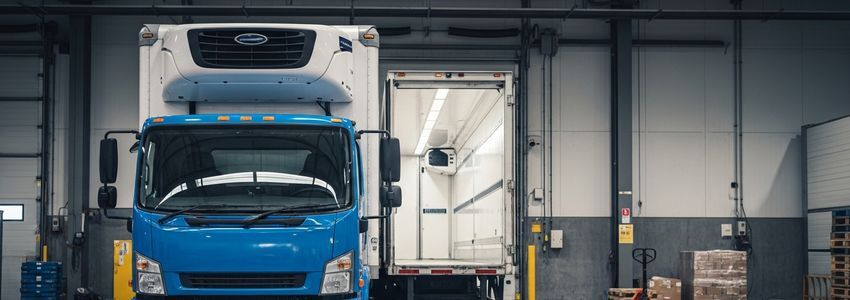
Reefer truck financing is a specialized form of asset-based lending that enables businesses to acquire refrigerated trucks and trailers without paying the full purchase price upfront. Instead, a lender provides the capital to purchase the equipment, and the business repays the lender over a set period through regular installments. The reefer truck itself typically serves as the collateral for the loan or lease, making it a secured form of financing.
This type of funding is distinct from general business loans because it is specifically tied to the acquisition of a revenue-generating asset. Lenders who specialize in this area, like Crestmont Capital, understand the unique value and operational lifecycle of refrigerated transport vehicles. This includes the truck or tractor, the refrigerated trailer (the "reefer unit"), and the complex refrigeration system that maintains a consistent temperature.
Businesses across numerous industries rely on reefer trucks to transport their goods safely. The integrity of the "cold chain" - the unbroken series of refrigerated production, storage, and distribution activities - is paramount. Key industries include:
- Food and Beverage: Transporting fresh produce, dairy, meat, frozen foods, and beverages.
- Pharmaceuticals: Moving temperature-sensitive medicines, vaccines, and biomedical materials.
- Floriculture: Shipping fresh flowers and plants that require cool temperatures to prevent wilting.
- Chemicals: Transporting specific chemicals that must be kept at stable temperatures for safety and efficacy.
- Cosmetics: Moving high-value beauty products that can be damaged by heat.
The demand for these services is robust and growing. The global cold chain market is projected to expand significantly, with one report from Reuters suggesting its value could reach nearly $879 billion by 2032. This growth underscores the increasing need for reliable reefer trucks and the financing solutions that make their acquisition possible. For businesses in these sectors, having access to a modern, well-maintained fleet is not just an operational advantage; it is a fundamental requirement for success and compliance. Financing allows companies to scale their operations, replace aging equipment, and meet rising consumer and regulatory demands without depleting their working capital.
Types of Reefer Truck Financing
When you decide to finance a reefer truck, you will encounter several different financial products. Each is structured differently to suit various business goals, cash flow situations, and long-term asset strategies. Understanding these options is the first step toward choosing the right path for your company. The most common structures fall under the umbrella of equipment financing and leasing.
Equipment Finance Agreements (EFAs)
An Equipment Finance Agreement, or EFA, is a straightforward loan specifically for purchasing equipment. With an EFA, you borrow a set amount of money to buy the reefer truck and make fixed monthly payments for a predetermined term. From a practical standpoint, you are the owner of the truck from day one. The lender places a lien on the truck's title as collateral, which is removed once the loan is fully paid off.
- Ownership: You own the asset immediately.
- Tax Benefits: You may be able to take advantage of tax deductions like Section 179, which allows businesses to deduct the full purchase price of qualifying equipment in the year it is placed into service. You can also depreciate the asset over time. (Consult a tax professional for specific advice.)
- End of Term: Once the final payment is made, you own the truck free and clear with no further obligations.
$1 Buyout Lease (Capital Lease)
A $1 Buyout Lease functions very similarly to an EFA and is often categorized as a type of loan for tax and accounting purposes. You make regular lease payments throughout the term, and at the end, you have the option to purchase the reefer truck for a nominal amount, typically just $1. This structure is designed for businesses that are certain they want to own the equipment at the end of the financing term.
- Ownership Intent: The clear intention is for you to own the truck.
- Tax Treatment: Like an EFA, this is generally treated as a purchase, allowing you to potentially benefit from Section 179 and depreciation.
- Payment Structure: Payments may be slightly different from an EFA but achieve the same goal of full ownership.
Fair Market Value (FMV) Lease (Operating Lease)
A Fair Market Value (FMV) lease is a true lease, comparable to renting the equipment for a set period. Your monthly payments are typically lower than with a loan because you are only paying for the depreciation of the truck during the lease term, not its full value. This is an excellent option for businesses that want to maintain a modern fleet, avoid the risks of ownership, and have lower monthly expenses. It's a key component of many equipment leasing strategies.
- Ownership: The lender retains ownership of the truck.
- Lower Payments: Monthly payments are often lower, preserving cash flow.
- Tax Benefits: Lease payments can often be treated as an operating expense and fully deducted from your taxable income.
- End of Term Options: At the end of the lease, you have several choices:
- Return the equipment and walk away.
- Purchase the truck for its current Fair Market Value.
- Renew the lease at a new, adjusted rate.
- Upgrade to a new truck with a new lease agreement.
TRAC Lease (Terminal Rental Adjustment Clause)
A TRAC lease is a specialized type of lease designed specifically for vehicles like trucks and trailers. It combines features of both capital and operating leases. A pre-determined residual value for the truck is set at the beginning of the lease. At the end of the term, the truck is sold. If it sells for more than the residual value, you receive the surplus. If it sells for less, you are responsible for making up the difference. This structure offers flexibility and is common in the commercial truck financing industry.
Working Capital Loans
While not a direct method for financing the truck itself, small business loans in the form of working capital can be crucial for supporting your reefer truck operations. These loans are not secured by the truck but can be used for related expenses like insurance down payments, fuel, driver hiring costs, maintenance reserves, or even the down payment for an equipment loan. They provide the liquidity needed to get your new asset on the road and generating revenue immediately.
Ready to Finance Your Reefer Truck?
Get a no-obligation quote today. Our simple application takes just minutes.
Apply Now ->How Reefer Truck Financing Works
The process of securing reefer truck financing is designed to be efficient, especially when working with a lender that specializes in the transportation industry. While specific steps may vary slightly between lenders, the general workflow follows a clear and logical progression from application to funding. Here is a detailed breakdown of how it works.
Step 1: Initial Application and Consultation
The journey begins with a simple application. At Crestmont Capital, this can often be completed online in a few minutes. You will provide basic information about your business, such as its legal name, time in business, and estimated annual revenue. You will also provide details about yourself as the owner, including your contact information. At this stage, you will also specify the type and cost of the reefer truck you intend to purchase, whether it is new or used, and from which dealer or private seller.
Following the application, a dedicated financing specialist will contact you. This consultation is a crucial step. The specialist will discuss your business needs, your long-term goals, the specific role of the reefer truck in your operations, and your preferences regarding loans versus leases. This conversation helps tailor the financing solution to your exact situation.
Step 2: Documentation and Underwriting
After the initial consultation, the lender will request a few documents to verify the information provided and assess the financial health of your business. The required documentation is typically minimal for established businesses with good credit. Common requirements include:
- Bank Statements: Usually the last 3-6 months of business bank statements to verify revenue and cash flow.
- Equipment Quote: A formal invoice or bill of sale from the seller detailing the reefer truck's specifications, VIN, and price.
- Business Identification: Basic documents like a voided check or articles of incorporation.
- Credit Application: A formal application that gives the lender permission to check your personal and business credit history.
Once these documents are submitted, the file moves to the underwriting department. Underwriters are the risk analysts who evaluate your application. They review your credit profile, time in business, cash flow, industry experience, and the value of the collateral (the reefer truck). Their goal is to determine your ability to repay the loan and to structure an approval with appropriate rates and terms. This process is often much faster with specialized lenders, sometimes taking only a few hours.
Step 3: Approval and Contract Review
If your application is approved, the financing specialist will present you with a formal offer. This will clearly outline all the key details of the financing agreement, including:
- The total amount financed.
- The interest rate or factor rate.
- The term length (e.g., 60 months).
- The fixed monthly payment amount.
- Any down payment requirement.
- The type of financing (e.g., EFA, FMV Lease).
This is your opportunity to review the terms carefully and ask any questions. A good lender will walk you through the contract, ensuring you understand every aspect of the agreement before you sign. Once you are satisfied with the terms, you will sign the financing documents, which can typically be done electronically for speed and convenience.
Step 4: Funding and Vehicle Acquisition
After the signed contracts are received, the final step is funding. The lender will coordinate directly with the seller of the reefer truck. They will verify the truck's details and title, and then they will wire the funds directly to the seller to complete the purchase. This process protects all parties involved and ensures the transaction is handled professionally.
Once the seller confirms receipt of the funds, you can take possession of your reefer truck and put it to work for your business. Your first payment will typically be due approximately 30 days later. The entire process, from application to having the keys in your hand, can often be completed in as little as 24-48 hours, a stark contrast to the weeks or months traditional bank loans can take.
Reefer Truck Financing at a Glance
Quick Guide
How Reefer Truck Financing Works - At a Glance
Apply in Minutes
Submit a simple online application with basic information about your business and the reefer truck you need. It's fast, secure, and requires no hard credit pull to start.
Review Your Options
Receive your approval and customized financing offers, often within hours. A dedicated advisor will help you compare loan vs. lease options and select the best terms for your budget.
Sign Documents Electronically
Once you've chosen your terms, complete the financing agreement with secure e-signatures. No need to visit a bank or mail paperwork.
Get Your Truck
We pay the seller directly. Once the funds are transferred, you can pick up your reefer truck and start generating revenue immediately.

Who Qualifies for Reefer Truck Financing?
Lenders evaluate several key factors to determine a business's eligibility for reefer truck financing. The goal is to assess the level of risk and the likelihood that the loan will be repaid on time. While traditional banks often have very strict requirements, alternative lenders like Crestmont Capital offer more flexibility, providing options for a wider range of business profiles. Here are the primary qualifications lenders consider.
Credit Score
Credit history is a significant factor in any lending decision. Lenders will look at both your personal FICO score and your business credit profile. A strong credit score (typically 650 or higher) will qualify you for the best rates and terms. However, having a lower credit score does not automatically disqualify you. Many lenders specialize in bad credit equipment financing and can provide solutions for business owners with scores in the high 500s or low 600s. These programs may require a larger down payment or have higher interest rates to offset the increased risk, but they make it possible for businesses with past credit challenges to acquire essential equipment.
Time in Business
The length of time your business has been operational is a key indicator of stability. Most lenders prefer to work with businesses that have been established for at least two years. This track record demonstrates that you have experience managing operations and generating consistent revenue. However, programs are available for newer businesses and even startups. Startup financing for reefer trucks often requires the owner to have strong personal credit, relevant industry experience (such as a proven history as a company driver), and a solid business plan. A larger down payment may also be required for businesses with less than two years of history.
Key Stat: According to data from the U.S. Census Bureau, retail sales in the food and beverage sector exceeded $975 billion in a recent 12-month period. This massive market depends entirely on the cold chain logistics that reefer trucks provide.
Annual Revenue and Cash Flow
Lenders need to see that your business generates enough income to comfortably afford the monthly financing payments. They will analyze your business bank statements to assess your average monthly deposits and overall cash flow. There is no single revenue threshold that applies to all situations; the requirement is relative to the size of the loan. A business seeking to finance a $150,000 reefer truck will need to show more substantial revenue than one financing a $50,000 used trailer. Consistent cash flow without frequent non-sufficient funds (NSF) transactions or negative balance days is a strong positive indicator.
Down Payment
A down payment reduces the lender's risk by lowering the loan-to-value ratio and demonstrates your own financial commitment to the purchase. For well-qualified borrowers with strong credit and several years in business, 100% financing with no down payment is often possible. For startups, businesses with weaker credit, or those purchasing older equipment, a down payment is more common. It can range from 10% to 25% of the purchase price. Having cash available for a down payment can significantly increase your chances of approval and may help you secure a lower interest rate.
Collateral (The Reefer Truck Itself)
In equipment financing, the asset being purchased serves as the primary collateral. The lender's decision is therefore heavily influenced by the quality and value of the reefer truck. Lenders have specific guidelines regarding the age and mileage of used trucks they are willing to finance. A newer truck from a reputable brand like Carrier or Thermo King will be easier to finance than a much older model with high mileage. The lender will assess the truck's resale value to ensure it can recoup its investment if you default on the loan. Providing a detailed spec sheet and maintenance history for a used truck can strengthen your application.
Costs, Rates, and Terms
Understanding the financial components of a reefer truck financing agreement is essential for budgeting and evaluating offers. The costs, rates, and terms can vary widely based on your business profile, the lender, and the equipment itself. Here is a breakdown of what to expect.
Interest Rates and Factor Rates
The interest rate is the percentage of the principal charged by the lender for the use of its money. For strong-credit borrowers (700+ FICO, 2+ years in business), interest rates on reefer truck loans can be very competitive, often starting in the single digits (e.g., 6-9%). For businesses with fair credit (mid-600s), rates might be in the low double-digits (10-18%). For those with challenged credit, rates can be higher to compensate for the lender's risk.
Some financing products, particularly for short-term loans or high-risk scenarios, may use a factor rate instead of an interest rate. A factor rate is a decimal figure (e.g., 1.25) that is multiplied by the loan amount to determine the total repayment amount. For example, a $100,000 loan with a 1.25 factor rate means you will repay a total of $125,000.
Loan and Lease Terms
The term is the length of time you have to repay the loan or lease. For reefer truck financing, terms typically range from 24 to 72 months (2 to 6 years). Longer terms result in lower monthly payments but increase the total amount of interest you pay over the life of the loan. Shorter terms mean higher monthly payments but less total interest paid. The age and condition of the truck can influence the maximum term length a lender will offer. For instance, a brand-new truck might qualify for a 72-month term, while a 7-year-old truck might be limited to a 36-month term.
Down Payment
As mentioned earlier, the down payment is the initial cash you pay upfront. It is calculated as a percentage of the truck's total purchase price.
- Excellent Credit: 0% - 5% down
- Good/Fair Credit: 10% - 15% down
- Challenged Credit/Startups: 20% - 30% down
A larger down payment reduces the financed amount, which in turn lowers your monthly payment and can help you get approved with a better rate.
Total Cost of Financing
To fully understand the cost, you must look beyond the monthly payment. The total cost of financing is the sum of all your payments (including the down payment) over the entire term. When comparing offers, calculate the total cost for each to see which is most affordable in the long run. A loan with a lower monthly payment but a much longer term could ultimately cost you thousands more in interest than a loan with a slightly higher payment and a shorter term.
Pro Tip: Always ask the lender for a full amortization schedule. This document breaks down each payment into principal and interest, giving you a clear picture of how your loan balance decreases over time and the total interest you will pay.
Reefer Truck Loan vs. Lease: Which Is Better?
One of the most important decisions you will make is whether to finance your reefer truck with a loan (like an EFA) or a lease (like an FMV). There is no single "best" answer; the right choice depends entirely on your business's financial situation, operational needs, and long-term strategy.
| Feature | Reefer Truck Loan (EFA) | Reefer Truck Lease (FMV) |
|---|---|---|
| Ownership | You own the truck from the start. The lender holds a lien until the loan is paid. | The lender (lessor) owns the truck. You have the right to use it during the lease term. |
| Monthly Payments | Typically higher, as you are paying off the full value of the truck plus interest. | Typically lower, as you are only paying for the truck's depreciation during the lease term. |
| Upfront Cost | May require a down payment, but 100% financing is possible for strong applicants. | Often requires fewer upfront costs, typically the first and last month's payments. |
| End-of-Term | You own the truck free and clear. You can keep it, sell it, or trade it in. | You have options: return the truck, renew the lease, or purchase it at its Fair Market Value. |
| Tax Implications | You may be able to utilize Section 179 and depreciation deductions. | Lease payments are often treated as a 100% deductible operating expense. |
| Best For | Businesses that want to build equity and own their assets for the long term. | Businesses that want to preserve cash flow, have lower payments, and regularly upgrade to new equipment. |
When to Choose a Loan
A loan is the ideal choice if your primary goal is ownership. If you plan to use the reefer truck for many years, well beyond the financing term, a loan makes the most sense. Once it's paid off, the truck becomes a valuable asset on your balance sheet with no associated payment. You can continue to use it to generate revenue, sell it to recoup some of your investment, or use it as a trade-in for your next vehicle. The potential tax advantages of Section 179 can also be a powerful incentive, especially in years when you have high profits that you wish to offset.
When to Choose a Lease
A lease is often the preferred option for businesses focused on maximizing cash flow and maintaining a modern fleet. The lower monthly payments of an FMV lease free up capital that can be used for other critical business needs like fuel, marketing, or hiring. Leasing is also attractive because it simplifies fleet management. You can operate a truck during its most reliable years and then easily upgrade to a new model with the latest technology and better fuel efficiency at the end of the term. This strategy minimizes maintenance costs and downtime associated with older vehicles. For businesses that want to keep their balance sheets lean, an operating lease keeps the asset and the associated liability off the books.
How Crestmont Capital Helps
Navigating the world of reefer truck financing can be complex, but you do not have to do it alone. As the #1 rated business lender in the U.S., Crestmont Capital provides a streamlined, transparent, and consultative approach to help you secure the funding you need. We understand the unique challenges and opportunities within the transportation and logistics industry.
Expertise in Trucking
We are not generalist lenders; we are specialists in equipment and vehicle financing. Our team understands the difference between a Carrier and a Thermo King unit, the importance of maintenance records, and the value of a reliable truck to your bottom line. This industry-specific knowledge allows us to underwrite applications more intelligently and approve financing that other lenders might decline. We have extensive experience with all types of commercial vehicles, making us a leading resource for both semi truck financing and specialized reefer units.
Speed and Efficiency
In the transportation business, time is money. A truck sitting at a dealership waiting for financing is a truck that is not earning revenue. We have built our process around speed. Our simple online application takes only minutes to complete, and we often provide approvals in as little as two hours. Funding can be completed within 24 hours, meaning you can get your reefer truck on the road and working for you almost immediately.
Flexible Solutions for All Credit Profiles
We believe that your past credit history should not prevent you from building a successful future. Crestmont Capital offers a wide array of financing programs designed to accommodate businesses of all types and sizes. Whether you are a well-established fleet with pristine credit or a new owner-operator with a few blemishes on your report, we have a solution. Our strong relationships with a diverse network of lending partners enable us to find competitive terms for nearly any situation.
Dedicated Personal Service
When you work with Crestmont Capital, you are not just a number in a system. You will be assigned a dedicated financing advisor who will be your single point of contact throughout the entire process. Your advisor will take the time to understand your business, answer your questions, and guide you toward the best possible financing structure. We pride ourselves on building long-term relationships with our clients, serving as a trusted funding partner for their ongoing growth.
Experience the Crestmont Capital Difference
Let our team of experts find the perfect financing for your business needs. Fast approvals, top-rated service.
Apply Now ->Real-World Scenarios
To better illustrate how reefer truck financing works in practice, let's explore a few common scenarios that business owners face.
Scenario 1: The Startup Owner-Operator
- Business: A new trucking company founded by a driver with 10 years of experience.
- Need: To purchase their first truck, a reliable 3-year-old Kenworth with a Thermo King reefer unit, costing $120,000.
- Profile: No business credit history, but a personal FICO score of 680. Has saved $20,000 for a down payment.
- Financing Solution: The owner applies for startup equipment financing. Given their strong industry experience and solid personal credit, the lender approves them. They are required to make a 15% down payment ($18,000). They secure a 60-month EFA for the remaining $102,000. This allows them to launch their business and start building a business credit history.
Scenario 2: The Expanding Food Distributor
- Business: An established food distribution company with 8 years in business.
- Need: To add two brand-new $180,000 reefer trucks to their fleet to service a new grocery store contract. Total need: $360,000.
- Profile: Strong business credit, consistent annual revenues over $3 million, and a FICO score of 750.
- Financing Solution: The business wants to preserve cash for inventory and operations. They opt for a 60-month FMV lease. Because of their excellent credit and history, they are approved for 100% financing with only the first and last month's payments due upfront. The lower monthly payments of the lease fit perfectly into their operating budget, and they plan to upgrade to new trucks again in five years.
Scenario 3: The Business with Challenged Credit
- Business: A small produce hauler, in business for 4 years.
- Need: To replace an old, unreliable reefer trailer. They find a 5-year-old used Great Dane trailer for $45,000.
- Profile: The business had a slow year previously, resulting in some late payments and a drop in the owner's FICO score to 590. However, revenue has been strong and consistent for the last 6 months.
- Financing Solution: The owner applies for a bad credit equipment loan. While a traditional bank would likely decline, a specialized lender sees the recent positive cash flow and the essential nature of the equipment. They approve the financing with a 25% down payment ($11,250) on a 36-month term. The rate is higher, but it allows the business to acquire the necessary asset to continue operating and rebuilding their credit.
How to Get Started
Ready to move forward with financing your reefer truck? Following a clear, organized process will make securing your funding simple and stress-free. Here are the steps to take.
Define Your Equipment Needs
Start by identifying the exact reefer truck or trailer that fits your operational requirements. Consider factors like new vs. used, brand (e.g., Peterbilt, Freightliner), reefer unit manufacturer (e.g., Carrier, Thermo King), size, and any special features. Get a formal quote or bill of sale from the dealership or private seller. Having this information ready will expedite the financing process.
Gather Your Documents
Prepare the necessary paperwork to support your application. While requirements vary, it is a good practice to have the following on hand: the equipment quote, your last 3-6 months of business bank statements, and basic information about your business (address, EIN, etc.). Having these documents ready will allow your application to move quickly through underwriting.
Submit Your Application
Complete a simple online application with a trusted lender like Crestmont Capital. The initial application is fast, secure, and typically does not require a hard credit pull, so it will not impact your credit score. This is the quickest way to get the process started and find out what financing options are available to you.
Consult with a Financing Specialist
Once your application is received, a financing expert will contact you to discuss your needs in detail. Use this opportunity to ask questions about loans vs. leases, rates, and terms. Your specialist will work to find the best possible financing solution tailored to your specific business goals and financial situation.
Frequently Asked Questions
What is reefer truck financing?›
Reefer truck financing is a type of business loan or lease used specifically to acquire refrigerated trucks or trailers. The vehicle itself serves as collateral, making it a form of secured asset financing. It allows businesses to obtain essential equipment for transporting temperature-sensitive goods without paying the full cost upfront.
How does the financing process work?›
The process typically involves four steps: 1) Submit a simple online application. 2) Provide basic documentation, such as bank statements and an equipment quote. 3) Receive and review your financing approval and terms. 4) Sign the documents electronically, after which the lender pays the seller directly and you take possession of the truck.
What are the typical interest rates for reefer truck financing?›
Interest rates vary based on your credit score, time in business, and the age of the truck. For well-qualified borrowers, rates can start in the single digits (6-9%). For businesses with fair or challenged credit, rates will be higher, typically ranging from 10% to 25% or more.
Who qualifies for reefer truck financing?›
Lenders look at a combination of factors, including credit score (personal and business), time in business (typically 2+ years is preferred, but startup programs exist), and annual revenue/cash flow. A down payment and relevant industry experience can also significantly strengthen an application.
Can I finance a used reefer truck?›
Yes, both new and used reefer trucks and trailers can be financed. Lenders will have guidelines regarding the maximum age and mileage of used equipment they will finance. Financing a used truck is a common way to lower the initial investment and monthly payments.
Is it better to lease or buy a reefer truck?›
It depends on your business goals. Buying (through a loan or EFA) is better if you want to build equity and own the asset long-term. Leasing (an FMV lease) is better if you want lower monthly payments, want to preserve cash flow, and prefer to upgrade to new equipment every few years.
Can I get financing with bad credit?›
Yes, it is possible. Many lenders, including Crestmont Capital, offer programs specifically for businesses with challenged credit. These programs may require a larger down payment, have a higher interest rate, or a shorter term, but they provide a viable path to acquiring essential equipment.
How fast can I get funded?›
The process can be very fast. With a streamlined lender, you can often get an approval within hours of submitting your application and have the funds sent to the seller within 24 to 48 hours. This allows you to get your truck on the road quickly.
What documents are needed to apply?›
For most applications under $250,000, the documentation is minimal: a completed application, a quote for the reefer truck, and your last three months of business bank statements. For larger amounts or more complex situations, more extensive financial records may be requested.
Are SBA loans an option for reefer trucks?›
Yes, SBA loans, like the 7(a) and 504 loan programs, can be used to purchase equipment, including reefer trucks. They often offer excellent rates and long terms but have a much longer application process and stricter qualification requirements compared to direct equipment financing.
Can a startup business get reefer truck financing?›
Yes, startup financing is available. Lenders will place more emphasis on the owner's personal credit score, relevant industry experience (e.g., prior experience as a driver), and a solid business plan. A larger down payment (typically 20% or more) is usually required for startups.
What truck and reefer unit brands qualify for financing?›
Virtually all major and reputable brands qualify. This includes truck manufacturers like Peterbilt, Kenworth, Freightliner, Volvo, and Mack, as well as reefer unit brands like Carrier and Thermo King. The key is that the equipment is in good, operable condition and holds reasonable resale value.
How much of a down payment do I need?›
The down payment can range from 0% to 30%. Well-qualified businesses with strong credit and a long history can often secure 100% financing with zero down. Startups or businesses with weaker credit will typically need to provide a down payment of 10-25%.
What is the difference between a loan and a lease?›
With a loan (or Equipment Finance Agreement), you are the owner of the truck from day one and build equity with each payment. With a true lease (or Fair Market Value lease), the lender owns the truck, and you pay to use it for a set term, resulting in lower monthly payments and end-of-term flexibility to upgrade.
Why should I choose Crestmont Capital?›
Crestmont Capital is the #1 rated business lender, specializing in fast, flexible equipment financing. We offer expert guidance, a simple application process, approvals in hours, funding in as little as 24 hours, and solutions for all credit profiles. Our dedicated advisors work to find the best terms to help your business succeed.
Start Your Reefer Truck Application Today
Take the first step towards acquiring the equipment your business needs to grow. Get funded in as little as 24 hours.
Apply Now ->Investing in a reefer truck is a significant but necessary step for any business in the cold chain logistics space. The right financing partner makes all the difference, transforming a daunting capital expenditure into a manageable and strategic investment. By understanding your options, preparing your documentation, and working with a lender that specializes in the trucking industry, you can secure the funding you need quickly and on favorable terms. This allows you to focus on what you do best: delivering valuable, temperature-sensitive goods safely and efficiently to customers who depend on you.
Disclaimer: The information provided in this article is for general educational purposes only and is not financial, legal, or tax advice. Funding terms, qualifications, and product availability may vary and are subject to change without notice. Crestmont Capital does not guarantee approval, rates, or specific outcomes. For personalized information about your business funding options, contact our team directly.