
 (800) 949-0401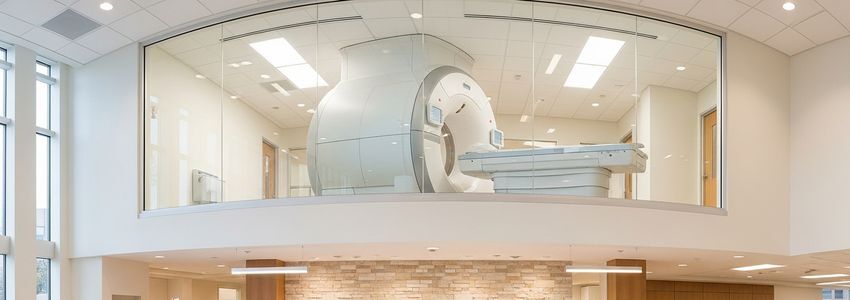
Real-Life Examples of Successful Equipment Financing in Healthcare: A Complete Guide
In the rapidly advancing world of healthcare, staying competitive means equipping your practice with the latest medical technology. However, the high cost of state-of-the-art equipment can be a significant barrier, straining cash flow and hindering growth. This is where strategic healthcare equipment financing emerges as a powerful solution, enabling practices of all sizes to acquire necessary assets without massive upfront capital expenditure. This guide explores real-world examples and provides a comprehensive look at how financing can transform your medical, dental, or veterinary practice.
In This Article
- What is Healthcare Equipment Financing?
- The Key Benefits of Financing Medical Equipment
- How Does the Financing Process Work?
- Types of Healthcare Equipment You Can Finance
- Real-World Scenarios: 6 Detailed Case Studies
- Who Qualifies for Healthcare Equipment Financing?
- How Crestmont Capital Streamlines the Process
- Financing vs. Leasing vs. Bank Loans: A Comparison
- Frequently Asked Questions (FAQ)
- Next Steps to Secure Your Financing
- Conclusion: Investing in Your Practice's Future
What is Healthcare Equipment Financing?
Healthcare equipment financing is a specialized form of business funding designed specifically for medical, dental, veterinary, and other health-related practices to acquire necessary equipment. Instead of paying the full purchase price upfront-which can often run into tens or even hundreds of thousands of dollars-practices can secure a loan or lease to cover the cost. The practice then makes regular, predictable payments over a set term, allowing the equipment to generate revenue while it is being paid for.
This financial tool is fundamentally different from a generic business loan. Lenders who specialize in healthcare equipment financing, like Crestmont Capital, understand the unique challenges and opportunities within the medical industry. They recognize the value and long-term return on investment (ROI) of specialized assets like MRI machines, digital X-ray sensors, and surgical lasers. The equipment itself often serves as the collateral for the loan, which can simplify the application process and reduce the need for other business or personal assets to be pledged.
Essentially, it is a strategic approach that aligns equipment costs with the revenue it helps generate. This method empowers practice owners to adopt new technologies, replace outdated machinery, expand service offerings, and ultimately provide better patient care without depleting their working capital. Whether it is a small private practice or a large multi-specialty clinic, financing provides a scalable and financially prudent path to technological advancement.
The Key Benefits of Financing Medical Equipment
Choosing to finance medical equipment instead of purchasing it outright with cash offers a multitude of strategic advantages that can significantly impact a practice's financial health and competitive standing. These benefits extend far beyond simple cost management, influencing everything from patient care to tax liability.
1. Conservation of Working Capital
This is perhaps the most critical benefit. High-cost medical equipment can easily drain a practice's cash reserves. By financing, you keep your capital free for other essential operational needs such as payroll, marketing, inventory, or unexpected expenses. This liquidity provides a crucial safety net and allows for more agile business decisions.
2. Predictable, Fixed Monthly Payments
Financing agreements typically come with a fixed interest rate and a set term, resulting in consistent monthly payments. This predictability makes budgeting and financial forecasting much simpler and more accurate. You know exactly what your equipment costs will be each month, eliminating the risk of fluctuating expenses and allowing for better long-term financial planning.
3. Potential Tax Advantages
Financing and leasing equipment can offer significant tax benefits. Under Section 179 of the IRS tax code, businesses may be able to deduct the full purchase price of qualifying new or used equipment in the year it is put into service. This can substantially lower your taxable income. Additionally, the interest paid on an equipment loan is typically tax-deductible. It is always best to consult with a tax professional to understand the specific benefits for your practice.
4. Staying Technologically Competitive
The healthcare industry is driven by technological innovation. Outdated equipment can lead to less efficient workflows, inferior diagnostic capabilities, and a perception of being behind the times. Equipment financing allows you to regularly upgrade to the latest technology, ensuring you can offer the highest standard of care. This not only improves patient outcomes but also helps attract and retain both patients and top-tier staff.
Key Stat: According to reports, the global medical equipment financing market is projected to grow significantly, driven by the increasing demand for advanced diagnostic and therapeutic technologies and the high cost associated with them.
5. Flexible and Customized Terms
Unlike rigid traditional bank loans, specialized lenders like Crestmont Capital offer flexible financing structures tailored to the unique needs of a healthcare practice. This can include options like deferred payments, seasonal payment schedules that align with revenue cycles, or longer terms to lower monthly payments. This customization ensures the financing plan supports your business goals, rather than constraining them.
6. Fast and Streamlined Approval Process
Time is critical in healthcare. When a key piece of equipment fails or a new service opportunity arises, you cannot afford to wait weeks or months for a bank loan committee to make a decision. Independent lenders specializing in healthcare financing often have a much faster, more streamlined application and approval process-sometimes providing a decision and funding within a matter of days. This speed allows you to acquire necessary equipment quickly and minimize operational downtime.
7. Building Business Credit
Successfully managing and paying off an equipment financing agreement helps build a strong credit history for your practice. This can make it easier to secure other types of financing in the future, such as a line of credit or a loan for practice expansion, often at more favorable rates.
Ready to Upgrade Your Practice?
Don't let capital constraints hold you back. See how much you qualify for in minutes with our simple, no-obligation application.
Apply Now →How Does the Financing Process Work?
Navigating the world of healthcare equipment financing can seem complex, but specialized lenders have refined the process to be as efficient and straightforward as possible. While specific steps may vary slightly between lenders, the core journey from identifying a need to acquiring your equipment generally follows a clear path. Here is a breakdown of how it typically works with a lender like Crestmont Capital.
Step 1: Identify Your Equipment Needs and Get a Quote
The process begins with you, the practice owner or manager. You identify a specific piece of equipment your practice needs-whether it is a new dental chair, a diagnostic ultrasound machine, or an electronic health records (EHR) software system. You then work with your chosen equipment vendor or manufacturer to get a formal quote or invoice that details the total cost, including any taxes, shipping, and installation fees.
Step 2: Complete a Simple Application
The next step is to apply for financing. Unlike traditional banks that often require extensive paperwork and detailed business plans, lenders like Crestmont Capital offer a streamlined, one-page application. This can usually be completed online in just a few minutes. You will need to provide basic information about your practice (name, address, time in business) and the equipment you wish to finance.
Step 3: Submit Minimal Documentation
Along with the application, you may be asked for a few supporting documents. For smaller financing amounts (e.g., under $250,000), this is often minimal and may only include the equipment quote and a few recent business bank statements. For larger, more complex transactions, additional financial information might be requested. The goal is to get a clear picture of your practice's financial health without overburdening you with paperwork.
Step 4: Receive a Credit Decision
This is where specialized lenders truly shine. Because they focus on equipment financing and understand the healthcare industry, their underwriting process is highly efficient. You can often receive a credit decision within hours, not days or weeks. This rapid turnaround allows you to move forward with your equipment purchase confidently and without delay.
Step 5: Review and Sign Financing Documents
Once approved, you will receive the financing agreement documents for review. These documents will outline all the terms of the arrangement, including the total amount financed, the interest rate, the monthly payment, and the length of the term. Modern lenders use e-signature technology, allowing you to review and sign everything digitally from your computer or phone, further speeding up the process.
Step 6: Funding and Equipment Delivery
After the signed documents are received, the lender coordinates directly with your chosen equipment vendor. They will issue a purchase order and transfer the funds to the vendor to pay for the equipment. The vendor then schedules the delivery and installation of the equipment at your practice. You do not have to handle the payment logistics-the lender takes care of it. Your payment obligations begin only after you have confirmed the equipment has been delivered and is in good working order.
Types of Healthcare Equipment You Can Finance
One of the greatest advantages of specialized medical equipment financing is its versatility. Virtually any piece of equipment or technology that is essential to the operation and growth of a healthcare practice can be financed. This includes not just the large, high-cost diagnostic machines, but also the smaller tools, software, and office furniture that keep a practice running smoothly. The equipment can be new or used, providing even more flexibility for practices on a tighter budget.
Here is a look at the broad categories and specific examples of assets commonly financed:
Diagnostic and Imaging Equipment
This category represents some of the most significant capital investments for many practices. Financing makes these essential tools accessible.
- MRI Machines (Magnetic Resonance Imaging)
- CT Scanners (Computed Tomography)
- X-Ray Machines (including digital and portable units)
- Ultrasound Systems (2D, 3D, and 4D)
- PET Scanners (Positron Emission Tomography)
- Mammography Systems
- C-Arms for surgical imaging
Dental and Orthodontic Equipment
Modern dentistry is highly technology-driven. Dental equipment financing helps dentists stay at the forefront of their field.
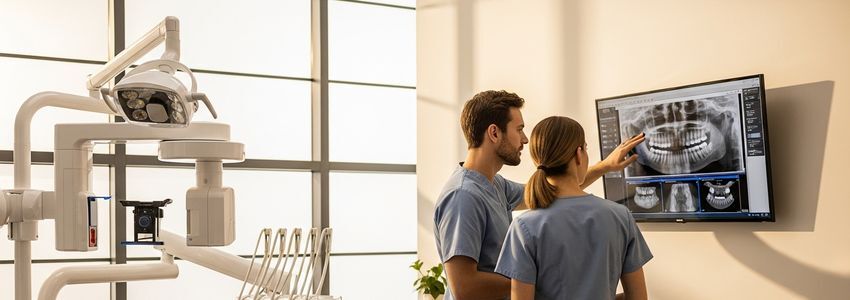
- Dental Chairs and Delivery Systems
- Digital X-Ray Sensors and Panoramic Systems
- CBCT Scanners (Cone Beam Computed Tomography)
- Intraoral Cameras and Scanners
- CAD/CAM Milling Machines for in-office restorations
- Autoclaves and Sterilization Equipment
- Laser Dentistry Systems
Surgical and Operating Room Equipment
For surgical centers and hospitals, financing is key to outfitting state-of-the-art operating rooms.
- Surgical Tables and Lights
- Anesthesia Machines and Monitors
- Electrosurgical Units
- Endoscopy and Laparoscopy Equipment
- Surgical Lasers (e.g., CO2, YAG)
- Patient Monitoring Systems
Laboratory and Testing Equipment
In-house labs provide faster results and new revenue streams, made possible through financing.
- Blood Analyzers (Hematology and Chemistry)
- Microscopes
- Centrifuges
- Incubators and Refrigerators
- DNA Sequencers
Veterinary Equipment
Veterinary practices have equipment needs similar to human medicine, and financing is just as crucial.
- Digital X-Ray and Ultrasound for animals
- Surgical and Anesthesia equipment for pets
- Dental stations for animals
- In-house diagnostic lab equipment
Software, IT, and Office Equipment
Financing is not limited to clinical hardware. The technology that runs the practice is also eligible.
- Electronic Health Record (EHR) and Practice Management (PM) Software
- PACS (Picture Archiving and Communication System)
- Servers, Computers, and Networking Hardware
- Phone Systems
- Office Furniture and Waiting Room Fixtures
Healthcare Equipment Financing: By The Numbers
8 out of 10
U.S. companies finance or lease their equipment, highlighting its role as a primary acquisition strategy. (Source: Equipment Leasing and Finance Association)
Up to 100%
Of the equipment cost, including soft costs like tax, shipping, and installation, can often be financed, preserving your cash.
$250,000+
The cost of a single mid-range MRI machine, making financing an essential tool for imaging centers to acquire this technology.
24 Hours
Or less is the typical turnaround time for financing approval from specialized lenders like Crestmont Capital, compared to weeks from traditional banks.
Real-World Scenarios: 6 Detailed Case Studies
Theory is useful, but real-life examples truly illustrate the transformative power of healthcare equipment financing. Below are six detailed scenarios showcasing how different types of practices leveraged financing through a lender like Crestmont Capital to overcome challenges, seize opportunities, and ultimately enhance their patient care and profitability.
Case Study 1: The Expanding Dental Practice and the CBCT Scanner
- The Practice: "Bright Smiles Dental," a successful three-operatory general dentistry practice owned by Dr. Evans for eight years.
- The Challenge: Dr. Evans wanted to expand her services to include more complex procedures like dental implant placements and orthodontics. However, her traditional 2D panoramic X-ray machine lacked the detailed imaging required for these treatments. She was referring a significant amount of high-revenue implant cases to specialists, losing both income and patient continuity.
- The Equipment: A Cone Beam Computed Tomography (CBCT) machine. Total cost including installation and training software: $125,000.
- The Financing Solution: Dr. Evans was hesitant to use her practice's line of credit or deplete cash reserves. She applied for an equipment finance agreement with Crestmont Capital. With her strong business credit and time in business, she was approved within four hours for 100% financing.
- The Terms: A 60-month (5-year) term with a fixed monthly payment of approximately $2,600. The CBCT machine itself served as the collateral.
- The Outcome: The new CBCT scanner was installed within two weeks. Dr. Evans could now perform implant planning and placement in-house. Within the first year, she retained 20 implant cases she would have otherwise referred out. At an average of $4,000 per implant, this generated $80,000 in new revenue. The monthly financing payment was easily covered by just one new implant case every two months. Patient satisfaction increased, and the practice's reputation as a modern, full-service provider grew, attracting new patients.
Case Study 2: The New Diagnostic Imaging Center and the MRI Machine
- The Practice: "Precision Imaging Partners," a new outpatient diagnostic center founded by two experienced radiologists.
- The Challenge: As a startup, securing a multi-million dollar traditional bank loan for their cornerstone piece of equipment-a 1.5T MRI machine-was proving difficult. Banks were wary of the new business entity despite the founders' experience and required a massive down payment of 30%, which would have exhausted their startup capital.
- The Equipment: A refurbished Siemens 1.5T MRI system. Total cost including shielding, installation, and service contract: $850,000.
- The Financing Solution: They turned to equipment leasing for healthcare as an alternative. Crestmont Capital structured a Fair Market Value (FMV) lease. This option offered a lower monthly payment than a traditional loan because the practice was only paying for the use of the equipment during the lease term, not the full purchase price.
- The Terms: A 7-year (84-month) FMV lease with a monthly payment of around $11,500. The down payment required was only the first and last month's payment, preserving over $200,000 in working capital compared to the bank's requirement.
- The Outcome: The lease allowed Precision Imaging to launch with a state-of-the-art MRI machine while keeping significant cash on hand for marketing, staffing, and operational runway. At the end of the lease, they have the option to purchase the equipment at its fair market value, return it and upgrade to newer technology, or renew the lease. This flexibility is crucial in a field where technology evolves so quickly.
Case Study 3: The Rural Family Clinic and Telehealth Integration
- The Practice: "Creek Valley Family Medicine," a small, two-physician clinic serving a rural community.
- The Challenge: Many of their patients were elderly or had transportation issues, making regular check-ups difficult. The clinic wanted to implement a robust telehealth platform to improve care accessibility, but the combined cost of hardware and software was prohibitive for their tight budget.
- The Equipment: A complete telehealth package including high-definition webcams, diagnostic peripherals (digital stethoscopes, otoscopes), secure HIPAA-compliant software licenses, and new computer workstations for two exam rooms. Total cost: $35,000.
- The Financing Solution: The clinic's owner applied for a straightforward equipment financing loan. Because the amount was under $50,000, the application was approved based on a simple one-page form and the last three months of business bank statements.
- The Terms: A 36-month (3-year) term with a monthly payment of approximately $1,100.
- The Outcome: The telehealth system allowed the clinic to conduct virtual visits, reducing patient no-shows and improving chronic disease management. They could bill for these virtual consultations, creating a new revenue stream that more than covered the financing cost. Most importantly, it significantly improved access to care for their community, fulfilling the clinic's core mission.
Case Study 4: The Orthopedic Surgeon and the In-Office C-Arm
- The Practice: A solo orthopedic surgeon, Dr. Chen, specializing in sports medicine.
- The Challenge: Dr. Chen was performing many minor procedures, such as guided injections, at a local hospital. This involved scheduling hassles, facility fees, and lost time traveling between his office and the hospital. He wanted to bring these procedures in-house to improve efficiency and patient convenience.
- The Equipment: A portable C-Arm (mobile fluoroscopy machine) for real-time imaging during procedures. Total cost for a used model: $75,000.
- The Financing Solution: Dr. Chen opted to finance the used C-Arm. Crestmont Capital's expertise in financing pre-owned medical equipment was a key factor. They understood the value and longevity of the asset and offered competitive rates.
- The Terms: A 48-month (4-year) term with a monthly payment of about $1,800.
- The Outcome: By performing just four additional guided injection procedures in his office each month, Dr. Chen completely covered the C-Arm's financing payment. His schedule became more efficient, allowing him to see more patients. Patient satisfaction soared due to the convenience of "one-stop" treatment. The investment paid for itself multiple times over during the financing term.
Did You Know?: Financing "soft costs" is a major benefit. Many healthcare financing solutions allow you to bundle the costs of shipping, installation, and training-which can be up to 25% of the total project cost-into the loan, requiring zero cash out of pocket.
Case Study 5: The Multi-Location Veterinary Hospital and Digital X-Ray Upgrade
- The Practice: "All Paws Veterinary Group," a growing network with three hospital locations.
- The Challenge: Two of their locations were still using old film-based X-ray systems. This process was slow, labor-intensive, and produced lower-quality images. They wanted to upgrade all locations to a uniform digital radiography (DR) system to standardize care and improve diagnostic speed.
- The Equipment: Three complete DR systems. Total project cost: $180,000.
- The Financing Solution: The practice needed a single, consolidated financing solution for all three units. They secured a master lease agreement. This allowed them to finance the entire project under one contract with a single monthly payment, simplifying their accounting.
- The Terms: A 60-month (5-year) equipment finance agreement with a monthly payment of roughly $3,750.
- The Outcome: The switch to digital X-ray was a game-changer. Image acquisition time dropped from 15 minutes to under one minute per study. This allowed them to see more patients daily. The higher-quality images led to faster, more accurate diagnoses. Furthermore, they could easily share digital images with specialists for consultations, improving the quality of care for complex cases. The increased efficiency and throughput across the three locations generated enough new revenue to make the investment highly profitable.
Case Study 6: The Ophthalmology Practice and a Phacoemulsification System
- The Practice: "Clear View Eye Center," a well-established ophthalmology practice with a high volume of cataract surgeries.
- The Challenge: Their primary phacoemulsification machine, used for cataract removal, was nearing the end of its service life. Newer models offered better fluidics, increased efficiency, and improved safety profiles, leading to better surgical outcomes and faster procedure times.
- The Equipment: A new Alcon Centurion Vision System. Total cost: $95,000.
- The Financing Solution: The practice had strong financials and could have paid cash, but the partners decided financing was a more strategic use of capital. They chose a medical practice equipment loan to preserve their cash for a potential office expansion.
- The Terms: A 5-year (60-month) loan with a monthly payment of approximately $1,975.
- The Outcome: The new system reduced average cataract surgery time by 15%. This allowed the lead surgeon to comfortably perform one additional surgery per surgical day. The revenue from just two extra surgeries per month more than covered the equipment payment. The improved technology also reduced complication rates and was a strong marketing point for attracting new patients, reinforcing their reputation as a leading-edge surgical center.
Who Qualifies for Healthcare Equipment Financing?
One of the most common questions from practice owners is, "Will I be approved?" While every lender has its own specific underwriting criteria, the qualifications for healthcare equipment financing are often more flexible and accessible than those for traditional bank loans. Lenders who specialize in this area look at a holistic picture of the practice's health and potential. Here are the key factors they typically consider:
1. Credit Score
Both personal and business credit scores play a role. A strong credit history demonstrates financial responsibility and a track record of meeting obligations. While a high score is beneficial, lenders in this space can often work with a wider range of credit profiles than a traditional bank. A lower score might result in a slightly higher interest rate or a request for a down payment, but it is not always a deal-breaker, especially if other factors are strong.
2. Time in Business
Lenders prefer to work with established practices, as a longer history provides more data on financial stability and revenue consistency. The general benchmark is often two years in business. However, this is not a rigid rule. Many lenders, including Crestmont Capital, have specialized programs for startups and new practices, particularly if the owners have strong personal credit and relevant industry experience. A well-structured business plan can be crucial for new ventures seeking financing.
3. Practice Revenue and Cash Flow
Underwriters will analyze your practice's financial health by reviewing recent business bank statements. They are looking for consistent revenue, positive cash flow, and the ability to comfortably handle the new monthly payment. They want to see that the practice is not over-leveraged and has a sufficient buffer to manage its expenses. The key is demonstrating that the new equipment payment can be easily integrated into your budget.
4. Type and Value of Equipment
The equipment itself is a major factor, as it serves as the collateral for the loan. Lenders are very familiar with the resale value and useful life of various types of medical equipment. Financing a standard, high-demand piece of equipment like a digital X-ray machine is often straightforward. Highly specialized or custom-built equipment might require more detailed underwriting. The lender's confidence in the asset's value can make the approval process smoother.
5. Industry Specifics
Being in the healthcare industry is, in itself, a positive qualifying factor. Healthcare is generally seen as a stable and recession-resistant sector. According to data from the U.S. Census Bureau, the Health Care and Social Assistance sector is one of the largest and most consistently growing parts of the economy. Lenders understand that the demand for medical, dental, and veterinary services is consistent, which makes healthcare practices reliable borrowers.
How Crestmont Capital Streamlines the Process
In a competitive landscape of healthcare financing solutions, choosing the right lending partner is as important as choosing the right equipment. Crestmont Capital stands out by focusing on the specific needs of healthcare professionals and engineering a process built for speed, simplicity, and flexibility. Here is how we make a difference:
Deep Industry Expertise
We are not generalist lenders. Our team is composed of financing specialists who live and breathe the healthcare industry. We understand the difference between a CBCT scanner and a C-Arm. We know the revenue potential of an in-house lab analyzer. This expertise allows us to make faster, more intelligent underwriting decisions because we inherently understand the value and ROI of the assets you are acquiring.
A Simple, Fast-Track Application
We have eliminated the burdensome paperwork that typifies traditional bank loans. Our process starts with a simple one-page online application that can be completed in minutes. For most transactions under $250,000, this application, along with a few bank statements and an equipment quote, is all we need to get started. We value your time and have designed our system to get you an answer as quickly as possible.
Rapid Approvals and Funding
Our streamlined process and technology-driven underwriting platform enable us to provide credit decisions in hours, not weeks. Once you are approved and have signed the digital documents, we work directly with your equipment vendor to coordinate payment and delivery. This speed means you can get your new equipment operational and generating revenue for your practice without unnecessary delays.
Flexible and Creative Structures
We recognize that no two practices are identical. We do not offer one-size-fits-all solutions. Instead, we work with you to structure a financing plan that aligns with your specific financial situation and business goals. This can include:
- Deferred Payments: Start your payments 90 days after you receive your equipment, giving you time to get it up and running.
- Step-Up Payments: Begin with lower payments that gradually increase as your revenue from the new equipment grows.
- Seasonal Payments: For practices with fluctuating revenue cycles, we can structure payments to be higher during your busy season and lower during slower months.
- 100% Financing: We can often finance the total project cost, including soft costs like taxes, shipping, and training, so you have zero cash out of pocket.
Financing for a Wide Range of Needs
From startups to established multi-location groups, from new to used equipment, we have financing programs to fit. We are not just a source for medical practice equipment loans; we are a long-term growth partner for your practice.
Experience the Crestmont Capital Difference
Our dedicated healthcare financing experts are ready to build a custom solution for your practice. Get started today.
Get a Free Quote →Financing vs. Leasing vs. Bank Loans: A Comparison
Understanding the nuances between different funding options is crucial for making the best financial decision for your practice. Here’s a comparative breakdown of the three most common methods for acquiring medical equipment.
| Feature | Equipment Financing (Crestmont Capital) | Equipment Leasing (Crestmont Capital) | Traditional Bank Loan |
|---|---|---|---|
| Ownership | You own the equipment from the start. The lender holds a lien until the loan is paid off. | The leasing company (lessor) owns the equipment. You (lessee) have the right to use it for the lease term. Ownership options exist at the end. | You own the equipment. The bank holds a lien, often with a blanket lien on all business assets. |
| Down Payment | Often requires little to no down payment. 100% financing is common. | Typically requires first and last month's payment upfront. Very low initial cash outlay. | Usually requires a significant down payment, often 10% to 20% of the equipment cost. |
| Approval Speed | Very Fast. Approvals can be granted in as little as a few hours. | Very Fast. Similar rapid approval process to financing. | Slow. The process can take several weeks or even months. |
| Flexibility | Highly flexible terms, payment structures, and options for various credit profiles. | Most flexible option, with end-of-term choices like purchase, renew, or upgrade to new technology. | Generally rigid terms and strict underwriting criteria. Less room for customization. |
| Collateral | The equipment being financed typically serves as the sole collateral. | The equipment itself is the collateral. No other business assets are at risk. | Often requires a blanket lien on all business assets, and sometimes personal guarantees. |
| Tax Treatment | You may be able to deduct the full cost in year one (Section 179) and deduct interest payments. | Lease payments are often treated as a direct operating expense and can be fully deducted. | You can depreciate the asset over time and deduct interest payments. |
| Best For | Practices that want to own equipment long-term and build equity in their assets. | Practices that need to manage obsolescence (e.g., IT, imaging) and want lower monthly payments. | Well-established practices with pristine credit and a long-standing bank relationship, who are not in a hurry. |
Frequently Asked Questions (FAQ)
1. Can I finance used or refurbished medical equipment?
Absolutely. Crestmont Capital and other specialized lenders frequently finance used and refurbished equipment. This is a great strategy for practices to acquire high-quality assets at a lower cost. Our underwriters are experienced in assessing the value and useful life of pre-owned equipment from reputable dealers.
2. What is the minimum and maximum amount I can finance?
Financing amounts are very flexible. We can typically finance equipment starting from as low as $5,000 up to several million dollars. The amount you qualify for depends on your practice's financial health, credit history, and the value of the equipment.
3. How long are the typical repayment terms?
Repayment terms generally range from 24 to 84 months (2 to 7 years). Shorter terms mean higher monthly payments but less total interest paid. Longer terms offer lower, more manageable monthly payments. We work with you to find a term that best fits your budget and cash flow.
4. What are the interest rates for healthcare equipment financing?
Interest rates are determined by several factors, including your credit score, time in business, the loan amount, and the term length. Specialized lenders like Crestmont Capital have access to competitive rates due to their focus on the stable healthcare industry. For an accurate quote, the best step is to complete a no-obligation application.
5. Can I finance soft costs like software, training, and installation?
Yes. This is a major advantage of working with a specialized lender. We can often bundle all "soft costs" associated with your equipment purchase-including taxes, shipping, installation, and initial training-into the total financing amount. This allows for 100% financing with no cash out of pocket.
6. What is the difference between an equipment loan and a lease?
With an equipment loan (or Equipment Finance Agreement), you are the owner of the equipment from day one. With a lease, the leasing company owns the equipment, and you pay to use it. Leases often have lower monthly payments and offer flexibility at the end of the term to upgrade. Loans are better if you plan to keep the equipment for its entire useful life.
7. Can new or startup practices get financing?
Yes. While it can be more challenging than for an established practice, we have specific programs designed for startups. We typically look for strong personal credit from the owner(s), a solid business plan, and relevant industry experience. Financing is a key tool for getting a new practice off the ground.
8. What happens if the equipment becomes outdated before the loan is paid off?
This is a key consideration, especially with rapidly evolving technology. If you have a loan, you can often sell the old equipment and use the proceeds to pay off the remaining balance before financing a new unit. Alternatively, an equipment lease (specifically an FMV lease) is designed for this situation, allowing you to simply return the old equipment and start a new lease on the latest technology.
9. Will I need to provide a personal guarantee?
For closely-held private practices, a personal guarantee from the owner(s) is often required. This is a standard practice in business lending that ensures the principals are committed to the success of the business and the repayment of the loan.
10. Can I pay off the loan early? Are there prepayment penalties?
This depends on the specific terms of your financing agreement. Some loans have prepayment penalties, while others do not. It is an important question to ask your financing specialist when reviewing the documents. We offer transparent terms and will clearly explain any provisions related to early payoff.
11. Can I finance equipment from any vendor or a private seller?
Generally, yes. We can work with almost any reputable equipment manufacturer, dealer, or distributor in the U.S. We can also facilitate financing for private party sales, though this may require some additional steps like an equipment inspection to verify its condition and value.
12. Does financing cover veterinary and chiropractic equipment?
Yes. Our healthcare equipment financing programs cover the full spectrum of health and wellness practices, including veterinary, chiropractic, physical therapy, optometry, and more. Any equipment essential to operating these practices is typically eligible for financing.
13. How does this differ from an SBA loan?
SBA loans are guaranteed by the government and can offer very favorable terms, but they are known for their extensive paperwork and extremely long approval times (often several months). As an official SBA lending partner, we know that direct equipment financing is significantly faster and more streamlined, making it ideal for when you need equipment quickly. As reported by CNBC, speed is often a critical factor for small businesses seizing opportunities.
14. What documents are typically required for an application?
For financing under $250,000, the process is often application-only or "app-only lite." This typically requires just the completed one-page application, a copy of the equipment invoice/quote, and your last 3-4 months of business bank statements. For larger amounts, we may ask for additional financials like tax returns or income statements.
15. What happens at the end of an equipment lease?
At the end of a lease term, you typically have several options depending on the lease structure. For a Fair Market Value (FMV) lease, you can: 1) Purchase the equipment for its current fair market value, 2) Return the equipment and walk away, or 3) Return the equipment and enter a new lease for brand-new technology. For a $1 Buyout Lease, you own the equipment at the end by making a final $1 payment.
Your Practice's Next Big Step is One Click Away
Find out what financing options are available for you. Our fast, secure application has no impact on your credit score.
Apply Now →Next Steps to Secure Your Financing
Ready to equip your practice for success? Crestmont Capital makes the process simple and transparent. Follow these steps to get the funding you need to grow.
Get Your Quote
Contact your preferred equipment vendor and get a detailed quote or invoice for the specific equipment, software, and any related costs you want to finance.
Complete Our Quick Application
Fill out our secure online application. It takes just a few minutes and provides us with the basic information we need to get started.
Discuss Your Options
A dedicated healthcare financing specialist will contact you to discuss your application, understand your goals, and present the best possible financing options and structures for your practice.
Receive and Equip
Once you sign the final documents, we handle the rest. We pay your vendor directly, and they deliver and install your new equipment. You can start improving patient care and generating revenue immediately.
Conclusion: Investing in Your Practice's Future
In today's competitive healthcare landscape, having access to modern, efficient equipment is not a luxury-it is a necessity for providing excellent patient care and maintaining a profitable practice. As the real-world examples demonstrate, healthcare equipment financing is a powerful and strategic tool that levels the playing field, allowing practices of all sizes to acquire the technology they need to thrive.
By preserving precious working capital, offering predictable payments, and providing significant tax advantages, financing empowers you to invest in growth without taking on undue financial risk. It transforms a daunting capital expenditure into a manageable operating expense, aligning the cost of the equipment with the revenue it generates over time. Whether you are a dentist adding implant services, a new imaging center, or a rural clinic embracing telehealth, the right financing partner can turn your vision into reality.
At Crestmont Capital, we are more than just a lender; we are a dedicated partner committed to the success of your practice. Our expertise in the healthcare sector, combined with our fast, flexible financing solutions, ensures you get the equipment you need, when you need it. Do not let budget constraints dictate the quality of your care. Invest in your practice's future today.
Disclaimer: The information provided in this article is for general educational purposes only and is not financial, legal, or tax advice. Funding terms, qualifications, and product availability may vary and are subject to change without notice. Crestmont Capital does not guarantee approval, rates, or specific outcomes. For personalized information about your business funding options, contact our team directly.








