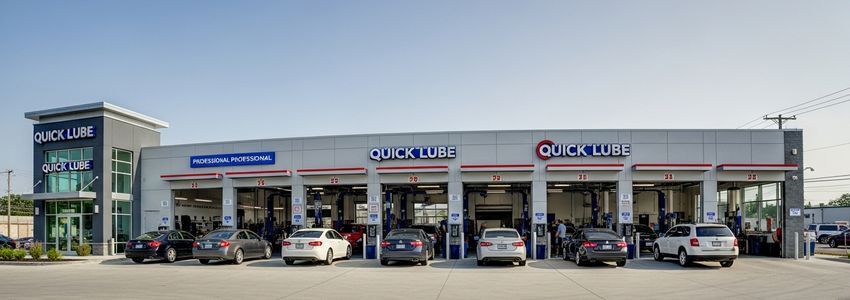
The quick lube industry is a cornerstone of the American automotive aftermarket, providing essential services that keep millions of vehicles running smoothly. For owners and operators of these fast-paced businesses, staying competitive requires constant investment and strategic financial planning. This is where quick lube business loans become a critical tool, providing the necessary capital to upgrade equipment, expand services, or manage day-to-day operational costs effectively.
Navigating the world of commercial financing can seem complex, but understanding your options is the first step toward securing the funds your oil change shop needs to thrive. Whether you are looking to purchase a new franchise, renovate your service bays, or simply improve your cash flow, a tailored financing solution can accelerate your growth. This comprehensive guide will break down everything you need to know about securing funding for your quick lube business, from the types of loans available to the qualifications lenders look for.
In This Article
- What Is a Quick Lube Business Loan?
- Why Quick Lube Shop Owners Need Financing
- Types of Loans Available for Quick Lube Businesses
- How Quick Lube Business Loans Work
- Who Qualifies for Quick Lube Business Financing?
- How Crestmont Capital Helps Quick Lube Business Owners
- Loan Amounts, Rates, and Terms
- Comparing Financing Options for Oil Change Shops
- Real-World Scenarios: Quick Lube Financing in Action
- Frequently Asked Questions
- How to Get Started
- Conclusion
What Is a Quick Lube Business Loan?
A quick lube business loan is not a single, specific product but rather a category of commercial financing designed to meet the unique needs of oil change shops and automotive service centers. These funds can be used for a wide range of business purposes, from purchasing tangible assets to covering operational expenses. Unlike generic loans, financing tailored for the quick lube industry considers the specific revenue models, equipment needs, and cash flow cycles of these businesses.
The core purpose of these loans is to provide capital that enables growth, improves efficiency, and ensures financial stability. For a new entrepreneur, this might mean securing the funds to cover franchise fees and initial setup costs. For an established multi-location operator, it could involve financing a large-scale equipment upgrade across all their shops to improve service speed and capacity.
Ultimately, these financial tools are designed to be flexible. They can be structured as lump-sum term loans with predictable payments, revolving lines of credit for ongoing needs, or specialized Equipment Financing that secures the loan with the purchased asset itself. The right type of loan depends entirely on the specific financial challenge or opportunity your quick lube business is facing.
Why Quick Lube Shop Owners Need Financing
The automotive service industry is capital-intensive, and quick lube shops are no exception. From specialized machinery to skilled labor, significant investment is required to operate successfully. Financing provides the liquidity needed to address these demands without depleting essential working capital, allowing owners to seize opportunities and manage challenges proactively.
Here are some of the most common reasons quick lube owners seek external funding:
Purchasing and Upgrading Equipment
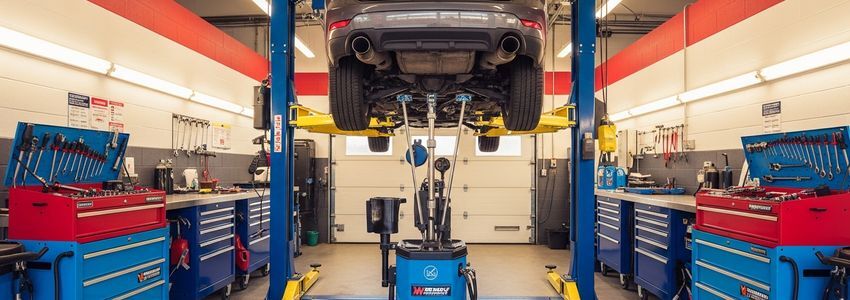
Modern quick lube shops rely on sophisticated equipment to provide fast and accurate service. This includes vehicle lifts, oil dispensing systems, diagnostic tools, tire rotation machines, and fluid exchange equipment. This machinery is expensive to purchase and requires regular maintenance or replacement, making financing a practical way to acquire necessary assets without a massive upfront cash outlay.
Expanding to New Locations
For successful quick lube owners, expansion is a natural step toward increasing market share and revenue. Opening a new location involves substantial costs, including real estate deposits, construction or renovation, equipment purchasing, and initial marketing. A business expansion loan provides the large-scale capital required to manage this complex process smoothly and efficiently.
Covering Franchise Fees and Startup Costs
Joining a well-known franchise like Jiffy Lube, Valvoline, or SpeeDee can provide a significant advantage through brand recognition and operational support. However, this comes with hefty initial franchise fees, training costs, and specific build-out requirements. Small Business Loans can be structured to cover these initial costs, helping entrepreneurs launch their franchise on solid financial footing.
Managing Inventory and Supplies
A quick lube shop must maintain a substantial inventory of motor oils, filters, wiper blades, fluids, and other essential parts. Bulk purchasing can lead to significant cost savings, but it also ties up cash. Financing can be used to purchase inventory strategically, ensuring you have the necessary supplies on hand while taking advantage of volume discounts from suppliers.
Hiring and Training Technicians
Skilled automotive technicians are the lifeblood of any service center. As your business grows, you will need to hire more staff. Financing can cover the costs associated with recruitment, onboarding, and specialized training, ensuring your team is well-prepared to deliver high-quality service and operate new equipment safely and effectively.
Funding Marketing and Advertising
Attracting new customers and retaining existing ones requires a consistent marketing effort. Business loans can fund comprehensive marketing campaigns, including local digital advertising, direct mail, social media management, and branding initiatives. This investment is crucial for building a strong customer base and standing out in a competitive market.
Key Insight: Proactive financing allows quick lube owners to invest in revenue-generating activities like marketing and equipment upgrades, rather than simply reacting to financial shortfalls.
Bridging Cash Flow Gaps
Even profitable businesses can experience temporary cash flow shortages due to seasonal slowdowns, delayed customer payments, or unexpected large expenses. Working Capital Loans or a business line of credit provide a flexible financial safety net, ensuring you can cover payroll, rent, and other fixed costs without interruption.
Ready to Fuel Your Growth?
Get the capital you need for equipment, expansion, or working capital. Fast, simple, and transparent funding.
Apply Now →Types of Loans Available for Quick Lube Businesses
Quick lube shop owners have access to a diverse range of financing products, each with unique structures, terms, and use cases. Understanding the differences is key to selecting the option that best aligns with your business goals. Here are the most common types of financing available.
Term Loans
A traditional term loan provides a lump sum of capital that is repaid over a set period with fixed, predictable monthly payments. This structure is ideal for large, one-time investments where the total cost is known upfront, such as opening a new location, purchasing a competitor's shop, or undertaking a major facility renovation. Term loans offer stability in budgeting due to their fixed interest rates and payment schedules.
SBA Loans
SBA loans are partially guaranteed by the U.S. Small Business Administration, which reduces the risk for lenders and often results in more favorable terms for the borrower. These loans, such as the popular 7(a) and 504 programs, can offer high borrowing amounts, long repayment periods, and competitive interest rates. While the application process can be more intensive and time-consuming, the benefits can be substantial for qualifying businesses looking to make significant long-term investments.
Equipment Financing
Specifically designed for the purchase of machinery and equipment, this type of loan is one of the most popular for quick lube shops. The equipment being purchased-such as new vehicle lifts, diagnostic computers, or oil management systems-serves as the collateral for the loan. This often makes it easier to qualify for, even for businesses with less-than-perfect credit. Equipment financing allows you to preserve your working capital for other operational needs while acquiring revenue-generating assets.
Business Line of Credit
A Business Line of Credit operates much like a credit card, providing access to a revolving pool of funds up to a certain limit. You can draw from the line as needed and only pay interest on the amount you use. This flexibility makes it an excellent tool for managing unpredictable expenses, bridging seasonal cash flow gaps, or seizing time-sensitive opportunities like a bulk inventory deal. Once you repay the drawn amount, the full credit line becomes available again.
Working Capital Loans
These are short-term loans designed to cover everyday operational expenses rather than large asset purchases. Working capital loans are perfect for boosting cash flow to cover payroll, rent, marketing costs, or unexpected repairs. They are typically characterized by a fast application and funding process, making them an ideal solution for addressing immediate financial needs and keeping your business running smoothly.
Merchant Cash Advance (MCA)
A merchant cash advance is not a traditional loan but rather an advance on your future credit and debit card sales. A provider gives you a lump sum of cash in exchange for a percentage of your daily card transactions until the advance is repaid, plus a fee. While MCAs offer very fast funding with minimal qualification requirements, they typically come with a higher overall cost than traditional loans and should be considered carefully for short-term, urgent funding needs.
How Quick Lube Business Loans Work
Securing a business loan for your quick lube shop involves a structured process that moves from initial application to the final disbursement of funds. While the specific steps can vary slightly between lenders and loan types, the general workflow remains consistent. Understanding this process can help you prepare effectively and streamline your path to funding.
Step 1: Application and Pre-Qualification
The process begins when you submit an application to a lender like Crestmont Capital. This initial step typically involves providing basic information about your business, such as its legal name, time in business, annual revenue, and the desired loan amount. Modern lenders offer simple online applications that can often be completed in minutes, giving you a pre-qualification decision quickly without impacting your credit score.
Step 2: Document Submission
After pre-qualification, the lender will request specific documents to verify the information you provided and assess the financial health of your business. Common documents include recent bank statements (typically the last 3-6 months), profit and loss statements, a balance sheet, and business tax returns. For larger loans or SBA financing, you may also need to provide a detailed business plan and personal financial statements.
Step 3: Underwriting and Review
Once all documents are submitted, your application moves to the underwriting stage. This is where the lender's team performs a detailed analysis of your business's financial health, credit history, and ability to repay the loan. They will evaluate your cash flow, debt-to-income ratio, and the overall stability of your operations. This is the most critical phase, as it determines whether your loan is approved and on what terms.
Step 4: Approval and Offer
If the underwriting review is successful, the lender will extend a formal loan offer. This offer will clearly outline the approved loan amount, interest rate, repayment term, and any associated fees. It is crucial to review this document carefully and ask your loan officer any questions you may have to ensure you fully understand the terms before accepting the offer.
Step 5: Funding
Upon your acceptance of the loan offer and signing the final agreements, the lender will initiate the funding process. With alternative lenders like Crestmont Capital, this final step is often incredibly fast. The approved capital is typically deposited directly into your business bank account, often within 24 to 48 hours, allowing you to put the funds to work immediately.
By the Numbers
Quick Lube and Oil Change Industry - Key Statistics
$8.4B
U.S. Quick Lube Market Size in 2023. The industry remains a stable and essential part of the automotive aftermarket. (Source: IBISWorld)
2.1%
Annualized Market Size Growth from 2018–2023. This indicates consistent consumer demand for quick maintenance services. (Source: IBISWorld)
7,700+
Number of Quick Lube Businesses in the U.S. The market is competitive, requiring investment to stand out. (Source: IBISWorld)
80%
Percentage of car maintenance performed by independent shops and dealerships, with quick lubes capturing a key segment. (Source: Reuters)
Who Qualifies for Quick Lube Business Financing?
Lenders evaluate several key factors to determine a business's eligibility for financing and its level of risk. While specific requirements vary between loan products and lenders, understanding these core criteria will help you position your quick lube shop for a successful application. Strong performance in these areas increases your chances of approval and helps you secure more favorable terms.
Credit Score
Both your personal and business credit scores play a significant role. A strong credit history demonstrates responsible financial management and a lower risk of default. While traditional banks often require excellent credit (700+), many alternative lenders have more flexible criteria and can work with business owners across a wider credit spectrum. For those with challenged credit, there are still options available, such as specialized bad credit business loans that weigh other factors more heavily.
Time in Business
Lenders prefer to see a track record of stability and operational history. Most lenders require a minimum of six months to one year in business to be eligible for financing. Businesses that have been operating for two or more years are generally seen as lower risk and may qualify for better rates and higher loan amounts. Startups or new franchises may need to seek specific financing programs like SBA loans, which sometimes have provisions for new ventures.
Annual Revenue
Your shop's annual revenue is a direct indicator of its ability to generate the cash flow needed to make loan payments. Lenders will have a minimum annual revenue threshold, which could range from $100,000 to $250,000 or more, depending on the loan size and type. Consistent and strong revenue demonstrates a healthy demand for your services and a stable business model.
Cash Flow and Bank Statements
Beyond top-line revenue, lenders will scrutinize your recent bank statements to analyze your daily and monthly cash flow. They look for consistent deposits, a healthy average daily balance, and an absence of frequent non-sufficient funds (NSF) notices or overdrafts. Positive cash flow is perhaps the most critical factor, as it proves you have the liquidity to handle loan repayments without straining your operations.
Pro Tip: Maintaining a clean business bank account with a consistent positive balance for at least three months prior to applying can significantly improve your chances of approval.
Collateral
Some loans, particularly larger term loans or those from traditional banks, may require collateral. Collateral is a tangible asset (such as real estate, equipment, or accounts receivable) that you pledge to secure the loan. For many quick lube business loans, such as equipment financing, the asset being purchased serves as its own collateral. Unsecured loans, which do not require specific collateral, are also widely available, though they may rely more heavily on your business's revenue and credit profile.
How Crestmont Capital Helps Quick Lube Business Owners
In a competitive market, choosing the right lending partner is just as important as choosing the right loan. Crestmont Capital stands out as the nation's #1 rated business lender by focusing on speed, transparency, and a deep understanding of the automotive service industry. We provide financing solutions specifically designed to help quick lube shop owners achieve their goals.
Our process is built for busy entrepreneurs. The streamlined online application takes only a few minutes to complete, and we provide fast decisions, often within hours. This efficiency means you can get from application to funding in as little as 24 hours, allowing you to act quickly on opportunities like purchasing new equipment or securing a new location without lengthy delays.
We believe in building partnerships, not just processing transactions. Each client is assigned a dedicated loan advisor who takes the time to understand the specific needs and challenges of your quick lube business. This personalized approach ensures you are matched with the optimal financing product-whether it's flexible equipment financing for new lifts or a working capital loan to boost your marketing efforts. We offer a wide range of products to ensure a perfect fit for your situation.
Furthermore, Crestmont Capital is a direct lender, which means we use our own funds and make our own credit decisions. This eliminates the middleman, resulting in a faster, more transparent, and often more affordable financing experience. We are committed to providing clear, easy-to-understand terms with no hidden fees, so you can make financial decisions with confidence and focus on what you do best: providing excellent service to your customers.
Experience the Crestmont Capital Difference
Partner with the #1 rated business lender for fast, reliable funding. See your options today.
See Funding Options →Loan Amounts, Rates, and Terms
The specific details of your loan offer-the amount, interest rate, and repayment term-will depend on a combination of factors, including the type of loan, your business's financial profile, and the lender's risk assessment. Understanding the typical ranges for these components can help you set realistic expectations when seeking financing for your quick lube shop.
Loan Amounts
Loan amounts can vary widely, from a few thousand dollars for a small working capital boost to several million for a major expansion or acquisition. For quick lube shops, common loan amounts often fall into these ranges:
- Working Capital Loans: $5,000 to $250,000
- Equipment Financing: $10,000 to $500,000+ (often up to 100% of the equipment cost)
- Business Lines of Credit: $10,000 to $1,000,000
- Term Loans & SBA Loans: $25,000 to $5,000,000+
The amount you qualify for will be primarily determined by your annual revenue and ability to demonstrate sufficient cash flow to support the repayment.
Interest Rates and Fees
Interest rates are a measure of the cost of borrowing and can be expressed as a simple interest rate, an annual percentage rate (APR), or a factor rate (common with MCAs). Rates are influenced by your credit score, time in business, the loan type, and overall market conditions. Generally, lower-risk borrowers with strong financials will receive lower rates. It is also important to inquire about any origination fees, underwriting fees, or prepayment penalties that may be part of the loan agreement.
Repayment Terms
The repayment term is the length of time you have to pay back the loan. Shorter terms, common for working capital loans and MCAs, can range from 3 to 18 months and involve more frequent payments (daily or weekly). Longer terms, typical for term loans, equipment financing, and SBA loans, can extend from 2 to 10 years or even longer, usually with fixed monthly payments. A longer term results in lower individual payments but may lead to a higher total interest paid over the life of the loan.
Comparing Financing Options for Oil Change Shops
With several financing paths available, it can be challenging to determine which one is the best fit for your specific need. Each loan type has distinct advantages and is suited for different business scenarios. This table provides a side-by-side comparison of the most common options for quick lube business owners.
| Feature | Term Loan | Equipment Financing | Business Line of Credit | Working Capital Loan |
|---|---|---|---|---|
| Best For | Large, one-time investments like expansion, renovations, or business acquisition. | Purchasing new or used machinery like lifts, diagnostic tools, and oil systems. | Ongoing cash flow management, unexpected expenses, and inventory purchasing. | Short-term needs like payroll, marketing campaigns, or minor repairs. |
| Loan Amount | $25,000 - $2,000,000+ | $10,000 - $1,000,000+ | $10,000 - $500,000 | $5,000 - $250,000 |
| Repayment Term | 1 - 10 years | 2 - 7 years (matches equipment lifespan) | Revolving (typically 6-24 month terms on draws) | 3 - 18 months |
| Funding Speed | 3 days - 2 weeks | 1 - 3 days | 1 - 5 days | As fast as 24 hours |
| Credit Requirement | Good to Excellent (660+) | Fair to Excellent (600+) | Good to Excellent (650+) | Fair to Excellent (550+) |
Choosing the right product requires a clear understanding of your business objective. For a planned equipment upgrade, equipment financing is the logical choice. For managing the unpredictable nature of day-to-day operations, a line of credit offers unparalleled flexibility. A careful review of your goals against this table can help guide your decision.
Real-World Scenarios: Quick Lube Financing in Action
To better illustrate how these loans work in practice, let's explore a few hypothetical scenarios that quick lube business owners commonly face. These examples show how different financing products can be applied to solve specific challenges and create growth opportunities.
Scenario 1: Upgrading Outdated Service Bays
The Challenge: "Super-Fast Lube," a shop that has been in business for 15 years, is struggling to keep up with customer demand. Their two hydraulic lifts are slow, and they lack modern fluid exchange machines, causing service times to lag behind competitors.
The Solution: The owner, Maria, applies for $80,000 in equipment financing. Because the new lifts and fluid machines serve as collateral, she is approved quickly despite having a fair credit score. The funds are paid directly to the equipment vendor, and Maria's new, efficient service bays are installed within two weeks. Her shop can now service 30% more cars per day, and the increased revenue easily covers the monthly loan payment.
Scenario 2: Opening a Second Location
The Challenge: "Express Oil & Go" is a highly profitable single-location quick lube. The owner, David, finds a prime location for a second shop in a neighboring town but needs significant capital for the down payment on the lease, renovations, equipment, and initial marketing.
The Solution: David works with Crestmont Capital to secure a $350,000 term loan. With his strong business financials and excellent credit, he qualifies for a 7-year term with a competitive interest rate. This lump sum provides all the necessary capital to launch the second location successfully, allowing him to maintain consistent branding and operational standards from day one.
Scenario 3: Navigating a Seasonal Slowdown
The Challenge: "Coastal Quick Lube" is located in a tourist town and experiences a significant drop in business during the winter off-season. The owner, Sarah, needs a way to cover fixed costs like rent and payroll during these lean months without draining her cash reserves.
The Solution: Sarah proactively applies for and is approved for a $75,000 business line of credit. She doesn't draw any funds during the busy summer season. When revenue dips in November, she draws $20,000 to cover her expenses. As business picks up again in the spring, she repays the drawn amount, restoring her full credit line for any future needs. This provides a crucial financial safety net without the commitment of a traditional loan.
Scenario 4: A First-Time Franchise Purchase
The Challenge: An experienced automotive manager, Tom, wants to purchase his own business by buying into a national quick lube franchise. He has significant industry experience but lacks the full $200,000 needed for the franchise fee, initial inventory, and required training.
The Solution: Tom leverages his strong personal credit and detailed business plan to apply for an SBA 7(a) loan. The SBA guarantee makes him a more attractive borrower, and he is approved for a $225,000 loan with a 10-year repayment term. This financing covers all of his startup costs and provides extra working capital for the first six months of operation, setting his new franchise up for long-term success.
Frequently Asked Questions
How fast can I get a loan for my quick lube shop?
The funding speed depends on the loan type and lender. With alternative lenders like Crestmont Capital, working capital loans and equipment financing can often be funded in as little as 24-48 hours after approval. Term loans may take a few days to a week, while SBA loans have the longest timeline, typically ranging from 30 to 90 days.
What credit score do I need to qualify?
Credit requirements vary. For traditional bank loans or SBA loans, you will likely need a personal credit score of 680 or higher. However, many alternative lenders are more flexible, with options available for business owners with scores as low as 550. Lenders will also consider other factors like your business revenue and cash flow.
Can I get a loan if my quick lube business is new?
It can be more challenging, but it is possible. Most lenders require at least 6-12 months in business. For startups, SBA loans, equipment financing (where the asset is collateral), or financing based on strong personal credit and a solid business plan are often the best options. Some lenders also offer specific franchise financing for new owners.
Will I need to provide collateral for my loan?
Not always. Many financing options, such as working capital loans and some term loans, are unsecured and do not require specific collateral. However, they may require a personal guarantee. For equipment financing, the equipment itself serves as the collateral. Larger loans or those for businesses with weaker credit profiles are more likely to require collateral.
What is the difference between an interest rate and an APR?
An interest rate is the percentage charged on the principal loan amount. The Annual Percentage Rate (APR) is a broader measure of the cost of borrowing, as it includes the interest rate plus any additional fees, such as origination or closing fees. APR provides a more complete picture of the total cost of the loan.
Can I use a business loan to buy an existing quick lube shop?
Yes, absolutely. A business acquisition loan, often structured as a term loan or an SBA loan, is specifically designed for this purpose. Lenders will evaluate the financial health of the business you intend to purchase in addition to your own qualifications.
How much working capital should I apply for?
A good rule of thumb is to calculate your essential operating expenses (rent, payroll, utilities, inventory) for a 2-3 month period. This amount should be sufficient to cover any short-term cash flow gaps. It's important to apply for what you need without over-leveraging your business.
What documents are typically required for an application?
For most applications with an alternative lender, you will need your last 3-6 months of business bank statements, your driver's license, and a voided business check. For larger or more traditional loans, you may also need to provide business and personal tax returns, profit and loss statements, a balance sheet, and a detailed business plan.
Does applying for a loan hurt my credit score?
Most modern lenders, including Crestmont Capital, use a "soft pull" for the initial pre-qualification process, which does not impact your credit score. A "hard pull," which can have a small, temporary impact on your score, is typically only performed once you decide to move forward with a specific loan offer.
Can I pay off my business loan early?
This depends on the lender and the loan agreement. Some loans come with prepayment penalties, which are fees for paying the loan off before its term ends. Many modern lenders, however, offer loans with no prepayment penalties, allowing you to save on interest if you are able to pay it off early. Always clarify this before signing a loan agreement.
What's the difference between a direct lender and a broker?
A direct lender (like Crestmont Capital) uses its own capital to fund loans and makes its own underwriting decisions. A broker acts as an intermediary, connecting borrowers with a network of different lenders. Working with a direct lender often results in a faster, more streamlined process with greater transparency on terms and fees.
How are repayment amounts determined?
Repayment is calculated based on the total loan amount, the interest rate (or factor rate), and the repayment term. For a term loan, this is amortized into fixed payments over the life of the loan. For an MCA, it's a percentage of your daily sales. For a line of credit, you only make payments on the amount you have drawn.
Can I use a loan to pay for franchise marketing fees?
Yes. Working capital loans and term loans are excellent tools for funding marketing and advertising initiatives, including any mandatory marketing or royalty fees required by your franchise agreement. Investing in marketing is a common and smart use of business financing.
What if my loan application is denied?
If your application is denied, the lender is required to provide a reason. Common reasons include low revenue, insufficient cash flow, a high debt-to-income ratio, or a low credit score. Use this feedback to improve your business's financial health, and you can reapply in the future, typically after 3-6 months.
Is industry experience important to lenders?
Yes, especially for larger loans or for financing a new business. Lenders view relevant industry experience as a significant mitigating factor for risk. An owner who understands the operational challenges and market dynamics of the quick lube industry is seen as more likely to succeed and repay their loan obligations.
How to Get Started
Securing the financing your quick lube shop needs is a straightforward process with Crestmont Capital. Follow these simple steps to get on the path to funding and take your business to the next level.
Apply Online in Minutes: Complete our simple, secure online application. Provide some basic information about your business and your funding needs. This initial step is fast, free, and won't affect your credit score.
Review Your Offers: A dedicated loan advisor will contact you to discuss your application and present you with tailored funding options. We'll walk you through the rates, terms, and amounts so you can make an informed decision.
Receive Your Funds: Once you select the best offer for your business and sign the agreement, the funds will be deposited directly into your business bank account. In many cases, you can receive your capital in as little as 24 hours.
Don't Wait to Grow Your Business
A few minutes is all it takes to see how much funding you qualify for. Start your application now.
Apply Now →Conclusion
For quick lube shop owners, strategic financing is not just about covering expenses-it's about fueling growth, enhancing efficiency, and securing a competitive edge in a dynamic industry. Quick lube business loans provide the vital capital needed to invest in state-of-the-art equipment, expand your footprint, manage inventory, and launch effective marketing campaigns. By understanding the different types of financing available and the qualifications lenders look for, you can confidently pursue the funding that aligns with your vision.
The path from a financial need to a funded solution can be fast and transparent with the right partner. At Crestmont Capital, we specialize in providing tailored financing for businesses in the automotive service sector, just like yours. We are committed to helping you navigate the process with clarity and speed, ensuring you get the resources you need to keep your business moving forward. To learn more about how we can help your quick lube business succeed, we encourage you to explore our funding solutions and see how easy it is to get started.
Disclaimer: The information provided in this article is for general educational purposes only and is not financial, legal, or tax advice. Funding terms, qualifications, and product availability may vary and are subject to change without notice. Crestmont Capital does not guarantee approval, rates, or specific outcomes. For personalized information about your business funding options, contact our team directly.