Pipe relining equipment financing gives plumbing and trenchless repair contractors a way to acquire cured-in-place pipe (CIPP) rigs, inversion drums, UV curing systems, and winch setups without tying up cash reserves. Homeowners and municipalities increasingly prefer trenchless repair over dig-and-replace methods, and contractors who can offer it are winning more bids. This guide covers how pipe relining equipment financing works, what it costs, who qualifies, and how to structure a deal that fits your cash flow.
In This Article
- What Is Pipe Relining Equipment Financing?
- Key Benefits of Financing Your Equipment
- How Pipe Relining Equipment Financing Works
- Types of Equipment You Can Finance
- Who This Financing Is Best For
- Comparing Your Financing Options
- How Crestmont Capital Helps
- Real-World Scenarios
- Frequently Asked Questions
- Next Steps
What Is Pipe Relining Equipment Financing?
Pipe relining equipment financing is a loan or lease structured specifically to help contractors purchase or upgrade the specialized machinery used in trenchless pipe repair. Instead of digging up and replacing a damaged sewer or water line, relining crews insert a resin-saturated liner into the existing pipe, then cure it in place with heat, UV light, or ambient air to form a new pipe within the old one. The equipment involved, inversion drums, air compressors, UV light trains, winches, and felt or fiberglass tube stock, represents a significant capital investment for any plumbing or utility contracting business.
Because this equipment is specialized and often imported or custom-built, sticker prices run higher than standard plumbing tools. Financing spreads that cost over the useful life of the equipment, which can stretch five to seven years depending on usage and maintenance. Most lenders structure these deals as equipment financing agreements where the asset itself secures the loan, which typically means faster approvals and less reliance on other collateral.
For contractors who already run jetting trucks or video inspection crews, adding relining capability turns a single service call into a full trenchless repair solution, capturing more revenue per job and keeping crews from referring lining work to a competitor.
Trenchless pipe repair has moved from a niche specialty to a mainstream expectation among homeowners, property managers, and municipal engineers. Digging up a driveway, sidewalk, or finished basement floor to replace a cracked sewer lateral is disruptive, slow, and expensive once you factor in restoration costs. Cured-in-place pipe technology avoids most of that disruption, which is a major selling point contractors can use to win jobs at a premium over traditional excavation pricing. The equipment that makes this possible, however, is not something most plumbing shops already have sitting in a truck bed.
Understanding financing options matters because the investment decision is rarely just about the sticker price of one machine. A functional relining operation usually requires a coordinated set of tools working together: a way to clean and prep the pipe, a way to install the liner, a way to cure it, and a way to verify the finished job. Lenders who understand this industry can structure a single financing agreement that covers the full system rather than forcing a contractor to piece together financing deal by deal.
Key Benefits of Financing Your Pipe Relining Equipment
Buying relining equipment outright can mean putting $30,000 to $150,000 or more into hardware before a single job is billed. Financing changes that math in several ways:
- Preserve working capital. Keep cash on hand for payroll, fuel, and material purchases instead of draining reserves on a single equipment purchase.
- Match payments to revenue. Structure terms so monthly payments align with the new jobs the equipment allows you to book.
- Access newer technology sooner. UV-cure systems and improved inversion drums reduce job time. Financing lets you upgrade without waiting years to save cash.
- Potential tax advantages. Many financing structures allow equipment costs to be expensed or depreciated, which your accountant can walk through based on current tax rules.
- Build business credit. On-time payments on an equipment loan can strengthen your company's credit profile for future financing needs.
- Bundle soft costs. Training, installation, and software for UV curing controls can often be rolled into the same financing agreement as the hardware.
Ready to Add Trenchless Capability to Your Crew?
Get fast, flexible financing from the #1 business lender in the U.S. No obligation, apply in minutes.
Apply Now →How Pipe Relining Equipment Financing Works
The process for financing pipe relining equipment follows a similar structure to other equipment financing deals, with a few industry-specific details worth understanding before you apply.
Step 1: Get a vendor quote. Identify the specific equipment package you need, inversion drum, air compressor, UV light train, generator, tube stock inventory, and get a written quote from your supplier. Lenders use this quote to determine the financed amount.
Step 2: Apply with your financials. Most lenders want to see 3 to 6 months of business bank statements, basic company information, and sometimes tax returns depending on the loan size. Many equipment financing applications can be completed in a single sitting.
Step 3: Receive underwriting decision. Because the equipment itself typically serves as collateral, approval can come back in as little as 24 to 72 hours for amounts under six figures. Larger packages or multi-unit fleet purchases may take longer.
Step 4: Equipment is purchased and delivered. Once approved, funds are typically sent directly to the equipment vendor, and your new relining rig is shipped or delivered to your shop.
Step 5: Begin fixed monthly payments. Payments are set for the agreed term, often ranging from 24 to 84 months, so you can plan cash flow around a predictable monthly obligation.
By the Numbers
Pipe Relining and Trenchless Repair: Key Statistics
$6.5B+
Estimated U.S. trenchless pipe rehabilitation market size in 2025
111K+
Plumbing, heating, and air-conditioning contractor establishments in the U.S. (Census Bureau)
$15K-$150K+
Typical investment range to outfit a lateral lining crew with full equipment
24-72 Hrs
Typical funding timeline with alternative equipment lenders
Key Stat: The U.S. Census Bureau counts more than 111,000 employer establishments in the plumbing, heating, and air-conditioning contracting category, a large and growing base of potential customers for trenchless repair services.
Types of Pipe Relining Equipment You Can Finance
Pipe relining is not a single machine purchase. Most crews need a package of complementary equipment, and lenders will often finance the full bundle in one agreement. Common categories include:
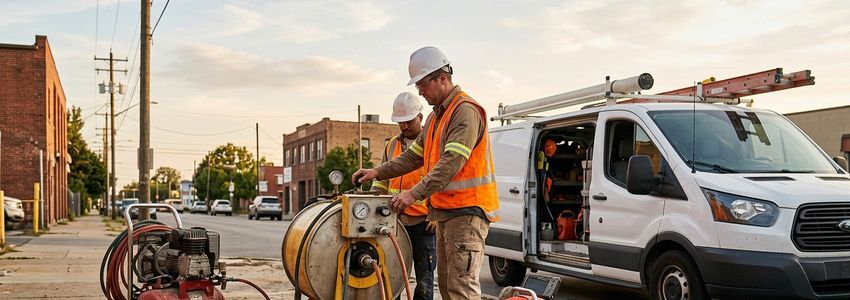
- Inversion drums and cannons. Used to invert the resin-saturated liner into the host pipe using air or water pressure.
- UV curing light trains. Cure the liner in place using ultraviolet light, often faster than traditional heat or ambient cure methods.
- Steam or hot water boilers. Used for heat-cure liner systems as an alternative to UV curing.
- Air compressors and generators. Provide the power and pressure needed to run inversion and curing equipment on site.
- Winches and pulling systems. Used to pull liners through longer or more complex pipe runs.
- Felt and fiberglass liner tube stock. Consumable inventory that some financing programs can bundle into working capital add-ons.
- CCTV inspection cameras. Used before and after lining to verify pipe condition and confirm a successful cure.
- Service vehicles. Vans or trucks built out to transport and deploy the full relining rig to job sites.
Combining several of these into a single financed package is common, since a functional relining crew generally needs most of this equipment to complete a job from start to finish.
Vendor pricing varies widely based on pipe diameter capability, cure method, and brand. Entry-level lateral lining setups for 2-inch to 8-inch residential pipe can be assembled for well under $30,000, while a crew outfitted to handle mainline sewer diameters with UV-cure capability can easily exceed $150,000 once vehicles, generators, and inventory are included. Contractors evaluating financing options should get itemized quotes for each major component so the lender can see exactly what is being financed and structure the term accordingly.
One detail worth planning for: curing systems in particular represent rapidly evolving technology. UV-cure trains have gotten faster and more reliable over the past several years, and contractors financing a heat-cure system today should ask their lender about upgrade or trade-in provisions in case a faster system becomes the market standard before the loan term ends.
Who This Financing Is Best For
Pipe relining equipment financing tends to make the most sense for a specific set of contractors:
- Established plumbing contractors looking to add trenchless repair as a new service line without pausing other operations to save cash.
- Sewer and drain cleaning businesses that already run jetting or camera inspection crews and want to capture lining work instead of subcontracting it out.
- Utility and municipal contractors bidding on public infrastructure rehabilitation projects that require trenchless capability as a bid qualification.
- Growing trenchless specialists who want to add a second crew or upgrade from heat-cure to faster UV-cure systems to take on more jobs per week.
- New entrants with industry experience such as former employees of an established relining company who have the technical know-how but need capital to start their own operation.
Businesses with at least one year of operating history, consistent monthly revenue, and a workable credit profile tend to see the fastest approvals. Newer businesses are not automatically excluded, but may see different terms or be asked for a larger down payment.
It also helps to think about seasonality when evaluating whether financing fits your business. In many regions, trenchless repair demand ramps up during wetter months when aging clay and cast iron pipes are most likely to fail, and slows during the coldest winter weeks when ground conditions make access harder. Structuring a financing term with this cycle in mind, rather than assuming flat monthly revenue year-round, helps avoid a payment that feels comfortable in July and tight in January.
Comparing Your Financing Options
Several financing structures can be used to fund pipe relining equipment, each with different tradeoffs. The right choice often depends less on which option has the lowest headline rate and more on how quickly you need the equipment in hand, how large the total package is, and whether you plan to bundle vehicles or real estate into the same financing request.
Contractors financing a single piece of equipment under $100,000 typically find equipment financing or leasing to be the fastest path, often from application to funded in under a week. Larger requests, especially those bundling a service vehicle, shop space, or multiple crews worth of equipment, may be better suited to an SBA loan despite the longer approval timeline, since the lower rate and longer term reduce the monthly payment burden on a bigger total balance.
| Financing Type | Best For | Typical Amount | Term | Key Feature |
|---|---|---|---|---|
| Equipment Financing | Purchasing inversion rigs, UV systems, compressors | $25,000 - $500,000+ | 24 - 84 months | Equipment serves as collateral |
| Equipment Leasing | Lower upfront cost, option to upgrade later | $15,000 - $300,000 | 24 - 60 months | Lower monthly payments than a loan |
| SBA Loans | Larger packages, real estate plus equipment | Up to $5,000,000 | Up to 25 years | Lower rates, longer terms |
| Business Line of Credit | Covering consumables, liner tube stock, repairs | $10,000 - $500,000 | Revolving | Draw as needed, pay interest only on what you use |
How Crestmont Capital Helps Pipe Relining Contractors
Crestmont Capital works with plumbing and trenchless contractors to structure financing around the realities of the trade, including seasonal demand swings and the mix of equipment and vehicle needs these crews face. Our equipment financing programs can fund inversion drums, UV curing systems, and compressors as a single package, and our used equipment financing option is available for contractors sourcing pre-owned rigs from retiring operators.
For contractors who also need capital for consumables like liner tube stock and resin, a business line of credit can run alongside your equipment loan to smooth out job-to-job cash flow. And for larger expansions, such as adding a second crew or a dedicated service vehicle, our construction equipment financing programs and plumbing company business loans can be combined to fund the full build-out.
Contractors already running jetting trucks or camera inspection crews often pair this financing with expansions covered in our guides to sewer jetting truck financing and sewer camera financing, building a complete trenchless service offering under one roof.
We also work with contractors who are scaling beyond a single crew. If your relining business is winning larger municipal or commercial contracts, pairing equipment financing with a broader commercial financing strategy, including working capital to cover payroll during longer project timelines, can keep growth from outpacing your cash position. Our team has experience structuring multi-product financing packages for contractors managing exactly this kind of expansion.
Build a Full Trenchless Service Line
Crestmont Capital works with contractors at every stage of growth. Competitive rates, fast decisions.
Apply Now →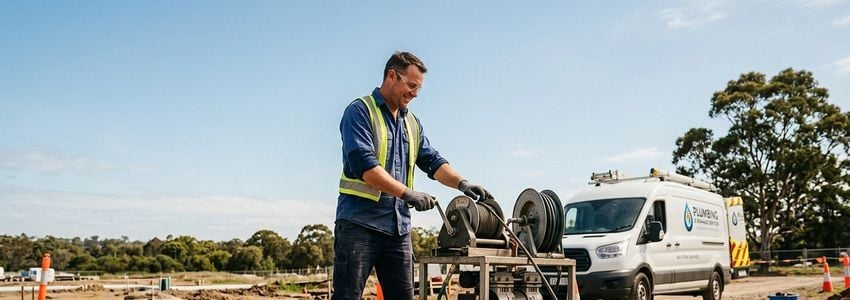
Pro Tip: Ask your equipment vendor whether training and installation can be rolled into your financing agreement. Many lenders, including Crestmont Capital, can bundle these soft costs so your crew is fully operational without a separate out-of-pocket expense.
Real-World Scenarios
Scenario 1: The Plumbing Contractor Adding a New Service Line
- The Business: A 6-year-old residential plumbing company with steady repair and remodel revenue.
- The Opportunity: Customers keep asking about trenchless sewer repair instead of a full dig-and-replace, and the company has been referring that work to a competitor.
- The Challenge: A full relining package, inversion drum, UV light train, compressor, and camera, quotes out at $95,000, more than the company wants to pull from savings.
- The Solution: An equipment financing agreement covers the full package with a 60-month term. Monthly payments are covered by two to three relining jobs per month, and the company keeps every dollar of revenue from jobs beyond that instead of handing it to a subcontractor.
Scenario 2: The Trenchless Specialist Upgrading to UV Cure
- The Business: A dedicated trenchless repair company running heat-cure equipment for four years.
- The Opportunity: UV-cure systems can cut job time significantly compared to heat cure, letting the crew complete more jobs per week.
- The Challenge: The existing heat-cure equipment still has resale value, and the company does not want to take on a large loan while also managing a trade-in.
- The Solution: Equipment leasing is used for the new UV system, with the resale of the old heat-cure rig applied toward the first several months of payments, keeping the transition cash-flow neutral.
Scenario 3: The Municipal Bid Contractor
- The Business: A utility contractor that primarily bids on municipal sewer rehabilitation contracts.
- The Opportunity: A new municipal contract requires trenchless capability and a second crew to meet the project timeline.
- The Challenge: The contract will not pay out until work is completed and inspected, creating a cash flow gap for new equipment and a second vehicle.
- The Solution: An SBA loan covers the larger equipment and vehicle package with a longer term and lower monthly payment, while a business line of credit covers consumables and payroll until the first milestone payment arrives.
Frequently Asked Questions
1. What is pipe relining equipment financing?+
It is a loan or lease used specifically to purchase or upgrade equipment for trenchless pipe repair, including inversion drums, UV curing systems, air compressors, and related gear. The equipment typically secures the financing.
2. How much does a full pipe relining equipment package cost?+
A basic lateral lining setup can start under $30,000, while a full package with inversion drum, UV curing train, compressor, generator, and camera equipment can run $100,000 to $150,000 or more depending on brand and capability.
3. What credit score do I need to qualify?+
Alternative equipment lenders often work with business owners who have a personal credit score of 600 or higher. Traditional bank financing and SBA loans typically look for scores of 680 or above.
4. How long does approval take?+
For equipment financing under roughly $150,000, approval can take as little as 24 to 72 hours once your application and vendor quote are submitted. Larger packages or SBA financing can take longer.
5. Can I finance used pipe relining equipment?+
Yes. Many lenders finance used equipment, though terms may differ based on the age and condition of the unit. Lenders will typically want to verify remaining useful life before approving a used equipment purchase.
6. What documents do I need to apply?+
Most lenders ask for 3 to 6 months of business bank statements, a vendor quote for the equipment, and basic business information. Larger financing requests may require tax returns and financial statements.
7. How long do I need to be in business to qualify?+
Most lenders prefer at least one year in business, though some alternative lenders will work with newer companies that show strong revenue or relevant industry experience from the owner's prior employment.
8. What is the difference between equipment financing and equipment leasing?+
With equipment financing, you own the equipment from day one and build equity as you pay down the loan. With a lease, you make payments to use the equipment for a set term, often with lower monthly payments and the option to buy, return, or upgrade at the end of the term.
9. Can financing cover training and installation costs?+
Many lenders, including Crestmont Capital, can bundle soft costs such as vendor training, delivery, and installation into the same financing agreement as the equipment itself.
10. Do I need a down payment?+
Some equipment financing programs require no down payment for well-qualified borrowers, while others may ask for 10 to 20 percent down, particularly for newer businesses or larger equipment packages.
11. Is UV-cure equipment more expensive to finance than heat-cure equipment?+
UV-cure systems typically carry a higher upfront price than heat-cure setups, which means a larger financed amount. However, many contractors find the faster cure times and reduced labor per job offset the higher payment over time.
12. Can I use an SBA loan for pipe relining equipment?+
Yes. SBA 7(a) and 504 loans can be used to finance equipment purchases, often with longer repayment terms and lower rates than conventional equipment financing, though the application process is more document-intensive.
13. What happens if I default on equipment financing?+
Because the equipment typically serves as collateral, a lender can repossess the financed equipment in the event of default. Most lenders will work with borrowers facing temporary hardship before pursuing repossession.
14. Can I finance consumable supplies like liner tube stock along with the equipment?+
Consumables are usually better suited to a business line of credit or working capital loan rather than equipment financing, since they are used up rather than held as a depreciating asset. Many contractors pair an equipment loan with a revolving line of credit to cover both needs.
15. How do I get started?+
Get a quote from your equipment vendor for the specific package you need, then contact a financing specialist to discuss your options. Most applications can be completed online in minutes, with funding decisions often available within a few business days. It helps to have a rough sense of your monthly job volume goals going in, since that number drives how a lender structures your repayment term against expected revenue.
Get Your Trenchless Crew Equipped
Join the contractors who trust Crestmont Capital for fast, flexible equipment financing. Apply today.
Apply Now →Next Steps
Conclusion
Pipe relining equipment financing gives plumbing and trenchless contractors a practical path to adding a high-demand service line without draining cash reserves. Whether you are outfitting your first lining crew, upgrading from heat cure to UV cure, or adding a second rig to handle municipal contract work, the right financing structure keeps monthly payments aligned with the new revenue the equipment generates. Crestmont Capital works with contractors across the trenchless and plumbing industry to structure financing that fits each business's specific equipment needs and growth plans.
The contractors who move first on adding trenchless capability tend to capture the most referral and repeat business in their service area, since customers increasingly ask for the less disruptive option before agreeing to a full excavation. Securing the right pipe relining equipment financing now, structured around your actual job volume and seasonal cash flow, is the difference between slowly saving toward a purchase and being ready to bid on the next trenchless job that comes across your desk.
Disclaimer: The information provided in this article is for general educational purposes only and is not financial, legal, or tax advice. Funding terms, qualifications, and product availability may vary and are subject to change without notice. Crestmont Capital does not guarantee approval, rates, or specific outcomes. For personalized information about your business funding options, contact our team directly.