
 (800) 949-0401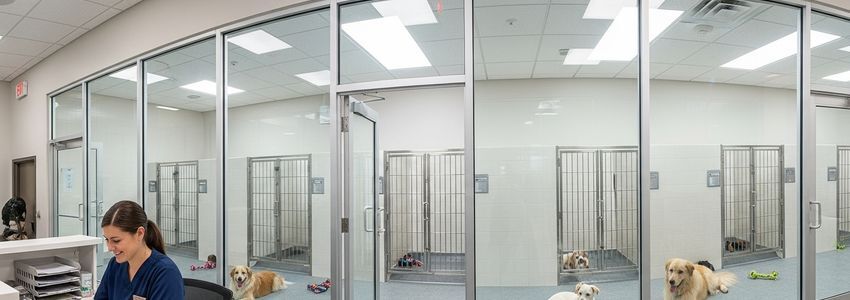
Pet Boarding Business Loans: The Complete Financing Guide for Pet Boarding and Kennel Owners
The pet care industry is one of the most recession-resistant sectors in the U.S. economy. When budgets tighten, pet owners cut back on personal luxuries before they cut back on their pets. Pet boarding and kennel businesses sit at the intersection of necessity and love — owners who travel for work or vacation need somewhere safe for their animals, and that need does not disappear in a downturn. But building or expanding a pet boarding facility requires significant capital: specialized construction, climate control, kennels, runs, staffing, licensing, and ongoing supplies. This guide covers every financing option available to pet boarding and kennel business owners, what lenders look for, how to qualify, and how to get funded.
In This Article
- Why Pet Boarding Businesses Need Financing
- Types of Pet Boarding Business Loans
- Equipment Financing for Kennels and Pet Facilities
- SBA Loans for Pet Boarding Businesses
- How to Qualify for a Pet Boarding Business Loan
- Pet Boarding Loan Rates, Terms, and Amounts
- Best Uses for Pet Boarding Financing
- Pet Care Industry Statistics
- How to Apply and What to Prepare
- Why Pet Boarding Owners Choose Crestmont Capital
- Frequently Asked Questions
Why Pet Boarding Businesses Need Financing
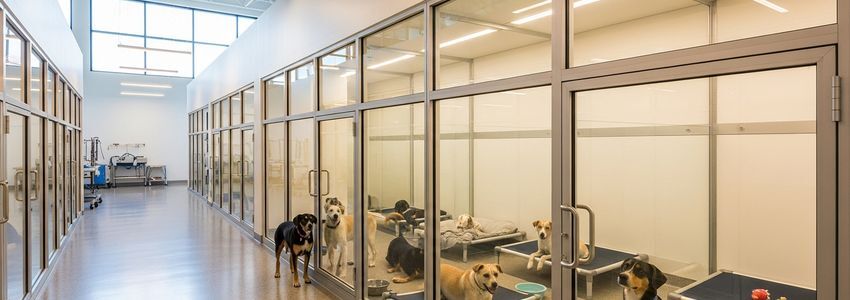
Pet boarding and kennel operations face unique capital challenges that differ from most service businesses. The physical infrastructure requirements are substantial: kennel runs and suites need specialized flooring, drainage, HVAC, and soundproofing. Outdoor play areas require secure fencing, shade structures, and drainage systems. Fire safety, zoning compliance, and state licensing often require building improvements before you can open or expand.
According to the American Pet Products Association (APPA), U.S. pet industry expenditures exceeded $147 billion in 2023, with pet services (boarding, grooming, training, daycare) representing one of the fastest-growing segments. Pet owners spent over $11 billion on pet services in 2023 alone — a figure that has grown more than 150% over the past decade.
Common reasons pet boarding businesses seek financing include:
- Building or expanding a facility — construction or renovation of kennel runs, cat suites, grooming areas, outdoor play yards
- Equipment purchase — kennels, crates, grooming tables, HVAC systems, security cameras, water and feeding systems
- Opening a new location — leasehold improvements, security deposits, initial operating capital
- Acquiring an existing pet boarding business — purchase of established operation with existing clientele
- Working capital — managing seasonal cash flow gaps, covering payroll during slow periods, or maintaining supplies
- Technology investment — reservation software, pet monitoring systems, client communication platforms
- Marketing and growth — building brand presence, launching a loyalty program, or expanding into grooming, training, or daycare services
Industry Advantage: Lenders view pet boarding businesses favorably because of the industry's recession resilience and high repeat-client rates. Pet owners who board regularly tend to use the same trusted facility consistently — creating predictable recurring revenue that supports loan repayment. For context on how pet care businesses compare to other service sectors for financing, see our Dog Daycare Business Loans: The Complete Financing Guide for Pet Business Owners.
Types of Pet Boarding Business Loans
Small Business Term Loans
Term loans are lump-sum loans repaid over a fixed period with regular payments — typically monthly. For pet boarding businesses, term loans work best for significant one-time investments: facility construction or major renovation, opening a new location, or acquiring an existing business. Terms range from 12 to 84 months with rates from 6% to 45%+ depending on lender type and borrower profile.
Equipment Financing
Equipment financing is specifically designed for purchasing business equipment, using the equipment itself as collateral. For pet boarding facilities, this covers kennels, kennel systems, grooming equipment, HVAC systems, security systems, and feeding/watering equipment. Because equipment secures the loan, approval thresholds are lower and rates are generally better than unsecured financing. See our Best Equipment Financing Options for Small Businesses: The Complete 2026 Guide for detailed equipment loan structures.
SBA 7(a) Loans
SBA 7(a) loans provide some of the lowest rates and longest terms available for small business financing. Pet boarding businesses qualify as legitimate small businesses in the pet care services sector. SBA loans are ideal for established operations needing $100,000+ for major expansions, building improvements, or business acquisitions. Approval takes 60 to 90 days and requires strong documentation.
Business Lines of Credit
A revolving business line of credit gives pet boarding businesses on-demand access to capital — draw when needed, repay as cash flow allows, draw again. Lines of credit are ideal for managing the seasonal nature of pet boarding (holiday peaks vs. slow periods), covering unexpected facility repairs, or managing payroll during growth phases.
Commercial Real Estate Loans
Pet boarding businesses that own or plan to purchase their facility may benefit from commercial real estate financing. SBA 504 loans specifically support real estate acquisition with favorable terms (up to 25 years, below-market rates on the SBA portion). For boarding facilities operating in owned buildings, building equity while paying off a mortgage rather than rent can significantly improve long-term profitability.
Merchant Cash Advances
MCAs provide immediate capital repaid through a percentage of daily card sales. Approval is fast (24–48 hours) with minimal documentation. The trade-off is cost — effective APRs typically range from 60% to 150%+. Best reserved for urgent short-term needs when other options are unavailable.
Ready to Grow Your Pet Boarding Business?
Get fast, flexible financing from the #1 business lender in the U.S. No obligation — apply in minutes.
Apply Now →Equipment Financing for Kennels and Pet Facilities
Pet boarding facility equipment represents a major capital category because purpose-built kennel infrastructure is essential for safe, compliant, and competitive operations. Key equipment categories and typical costs include:
- Kennel run systems: $1,500–$5,000 per run for commercial stainless steel or coated wire systems; $5,000–$15,000 per run for premium indoor suite builds
- Cat condos and suites: $500–$3,000 per unit for commercial cat housing
- HVAC and ventilation: $8,000–$30,000+ for commercial pet facility HVAC with proper air exchange rates
- Drainage systems: $5,000–$20,000 for proper kennel flooring and drainage (essential for health code compliance)
- Grooming equipment: $3,000–$15,000 for professional grooming tables, tubs, dryers, and tools
- Security systems: $2,000–$10,000 for commercial security cameras and monitoring systems
- Automated feeding/watering: $1,000–$5,000 for automated water and feeding stations
For a 20-run facility expansion, equipment costs alone can reach $50,000–$150,000. Equipment financing allows you to spread this cost over 2 to 6 years while the new capacity generates revenue to service the payments.
Equipment financing for pet boarding businesses typically requires:
- Equipment invoice or quote (lender finances against this value)
- 6+ months in business (some lenders work with startups if equipment value is sufficient)
- Credit score 580+
- Basic revenue evidence (bank statements)
SBA Loans for Pet Boarding Businesses
The SBA 7(a) and SBA 504 programs are both available to pet boarding businesses. The right program depends on how you plan to use the funds:
SBA 7(a) — Best for Operations, Working Capital, and Acquisitions
SBA 7(a) loans (up to $5 million) cover working capital, equipment, leasehold improvements, and business acquisitions. For pet boarding owners buying an existing kennel business, SBA 7(a) acquisition loans cover the purchase price plus initial working capital in a single loan.
SBA 504 — Best for Real Estate and Large Equipment
SBA 504 loans are specifically designed for fixed-asset purchases — commercial real estate and heavy equipment. The structure is typically 50% from a conventional lender, 40% from a Certified Development Company (CDC) with SBA guarantee, and 10% down from the borrower. This structure enables pet boarding owners to purchase their own facility building with only 10% down and favorable 20–25 year terms.
How to Qualify for a Pet Boarding Business Loan
Lender requirements vary by loan type and lender, but these are the key qualification factors for pet boarding business financing:
Credit Score Requirements
- Traditional bank loans: 700+
- SBA 7(a) loans: 650–680+
- Online alternative term loans: 600–650+
- Equipment financing: 580–620+
- Business lines of credit: 600–650+
- MCAs: 500+ (some with no minimum)
Time in Business
- Banks and SBA: 2 years preferred
- Online alternative lenders: 6 months to 1 year
- Equipment financing: 6 months (some work with startups)
- MCAs: 3 to 6 months
Annual Revenue
- SBA and bank loans: $150,000+ annually
- Online term loans: $100,000+ annually
- Equipment financing: Varies — equipment value is primary collateral
- MCAs: $10,000+ in monthly card sales
Industry-Specific Considerations
- State and local licensing: Pet boarding businesses typically require state animal care facility licenses, local business licenses, and compliance with zoning regulations. Lenders may verify license status.
- Facility condition: For facility-secured loans, lenders may require a physical inspection or appraisal of the property.
- Seasonality: Pet boarding revenue spikes during holidays and summer travel season, then dips in off-peak periods. Be prepared to explain seasonal patterns and show that average annual revenue supports debt service.
- Insurance: Commercial general liability and animal bailee insurance are typically required before funding. Verify your coverage is current.
Pet Boarding Loan Rates, Terms, and Amounts
Best Uses for Pet Boarding Financing
Starting a New Pet Boarding Business
Opening a pet boarding facility from scratch is capital-intensive. Startup costs typically include: commercial space lease deposits ($5,000–$20,000), leasehold improvements and kennel construction ($30,000–$150,000+), equipment ($20,000–$80,000), licensing and inspection fees ($1,000–$5,000), insurance ($3,000–$8,000/year), initial staffing, and 3–6 months of operating capital reserves. Total startup capital needs for a new pet boarding facility commonly range from $75,000 to $300,000+ depending on size and market.
Expanding Kennel Capacity
Adding kennel runs, outdoor play areas, or specialty accommodations (luxury suites, cat condos, small dog areas) to a facility that regularly hits capacity is one of the highest-ROI financing uses in the pet care sector. A 10-run expansion at $3,000 per run in equipment plus $15,000 in facility improvements ($45,000 total) generating 70% occupancy at $40/night per run creates approximately $100,000 in new annual revenue — paying off in under a year on a favorable loan.
Adding Grooming or Daycare Services
Pet boarding businesses that add grooming or dog daycare services increase revenue per client visit and deepen client relationships that drive boarding referrals. Grooming buildout (professional tub, tables, dryers, tools, separate grooming space) typically requires $10,000–$30,000. Daycare expansion (additional play areas, staffing, safety systems) typically requires $15,000–$50,000. These additions meaningfully increase revenue diversity and reduce seasonal volatility.
Buying an Existing Pet Boarding Business
Acquiring an established boarding facility with existing client base, staff, and licenses is often more efficient than starting from scratch. SBA 7(a) acquisition loans cover purchase price, working capital, and any immediate facility improvements in a single financing package. Established pet boarding businesses typically sell for 2–4x annual EBITDA, with price depending on client retention, facility condition, and lease terms.
Purchasing Your Facility Building
Pet boarding owners who lease their facility are vulnerable to lease non-renewal — potentially losing a built client base tied to a specific location. SBA 504 loans enable qualifying owners to purchase their facility building with as little as 10% down, building equity while securing their location long-term.
Pet Care Industry Statistics
- U.S. pet industry total expenditures exceeded $147 billion in 2023, up from $103 billion in 2020 (APPA)
- Pet services (boarding, grooming, training, daycare) represent the fastest-growing pet industry segment, with compound annual growth rates exceeding 7%
- Approximately 67% of U.S. households (90.5 million homes) own at least one pet (APPA 2023–2024 Survey)
- Dog ownership grew significantly post-2020, with an estimated 23 million households adding a pet during the pandemic — many of those pets now require ongoing boarding services
- Average pet boarding rates range from $25–$85 per night for dogs depending on market and facility tier; premium luxury boarding facilities charge $75–$150+ per night
- The pet boarding and grooming industry employs approximately 275,000 workers in the United States (Bureau of Labor Statistics)
- Pet care businesses have shown above-average recession resilience — the industry grew through the 2008–2009 financial crisis and the 2020 COVID disruption (though with temporary suppression during travel lockdowns)
By the Numbers
Pet Boarding Industry — Key Statistics
$150B+
U.S. pet industry annual spend (2023)
$9.8B
U.S. pet boarding & grooming market size
66%
U.S. households own a pet
6%
Average annual industry growth rate
How to Apply and What to Prepare
Preparing the right documentation before applying significantly speeds up approval and strengthens your application:
For Online Alternative Lenders
- 3 to 6 months of business bank statements
- Business tax return (most recent year)
- Government-issued ID
- Basic business information (EIN, entity type, address)
- State animal care facility license (may be requested)
For SBA and Bank Loans
- 2 to 3 years of business tax returns
- 2 to 3 years of personal tax returns
- Year-to-date profit and loss statement
- Current balance sheet
- 12 months of business bank statements
- Facility lease agreement (or property deed if owned)
- State animal care facility license and local business license
- Business plan with financial projections (for startups or acquisitions)
- Personal financial statement
- List of equipment and assets (for equipment-secured loans)
Tips for Strengthening Your Application
- Separate business banking: A dedicated business bank account showing consistent deposits aligned with your reported revenue is essential for credible underwriting.
- Document occupancy rates: If you use reservation software, ability to show average occupancy (percentage of runs booked) demonstrates demand and revenue predictability.
- Show seasonal context: If your application is submitted during a slow period, provide historical monthly revenue data showing your holiday and peak-season performance.
- Verify licensing: Confirm all state and local licenses are current before applying. License lapses or pending renewals can delay approval.
- Know your numbers: Average nightly rate, average occupancy, revenue per run, monthly revenue — lenders asking these questions are evaluating whether you run a managed operation.
Why Pet Boarding Owners Choose Crestmont Capital
Crestmont Capital is the #1 rated business lender in the United States. We work with pet care business owners across the country — from solo kennel operators to multi-location pet resort chains. Our team understands the pet boarding industry's seasonal dynamics, licensing requirements, and facility-intensive capital needs.
- Fast approvals: Decisions in as little as 24 hours for qualified applicants
- Flexible amounts: $10,000 to $5 million+ depending on need and qualification
- Multiple products: Term loans, equipment financing, lines of credit, SBA programs
- Transparent terms: No hidden fees, clear total cost disclosure before you sign
- Industry experience: We understand pet boarding businesses and their unique financing needs
Get Your Pet Boarding Business Loan Today
Apply in minutes. No obligation. Funding as fast as 24 hours.
Apply Now →Frequently Asked Questions
Frequently Asked Questions: Pet Boarding Business Loans
Disclaimer: This article is provided for general educational purposes only and does not constitute financial, legal, or tax advice. Loan rates, terms, and requirements vary by lender and are subject to change. Statistics cited reflect publicly available industry data as of the publication date and may not reflect current conditions. Consult a qualified financial advisor before making business financing decisions.








