
 (800) 949-0401
Permanent Facility Improvement Loans: The Complete 2026 Guide to Funding Long-Term Business Upgrades
Investing in your physical space is one of the most impactful decisions a business owner can make, and securing the right permanent facility improvement loans is the critical first step in turning that vision into a reality. As we move into 2026, the need for modern, efficient, and customer-friendly commercial spaces has never been greater. Whether you are looking to expand your footprint to meet growing demand, renovate an outdated interior to enhance customer experience, or upgrade essential systems to improve operational efficiency, financing is the engine that drives these transformative projects. These long-term upgrades are not mere expenses; they are strategic investments that can significantly increase your property's value, boost revenue, and secure your competitive edge for years to come. This comprehensive guide is designed for U.S. small business owners who recognize the need to invest in their facilities but require a clear roadmap for funding these crucial upgrades. Navigating the world of commercial financing can be complex, with a wide array of loan products, qualification requirements, and application processes to consider. We will demystify the process, providing an in-depth exploration of the best loan options available, from government-backed SBA loans to traditional commercial real estate financing. You will learn what types of projects qualify, how to build a strong application, and what to expect from lenders. At Crestmont Capital, the #1 business lender in the U.S., we have helped thousands of businesses secure the capital needed to build, expand, and modernize their operations. We understand that a facility improvement project is more than just construction; it is about building the future of your company. This guide distills our extensive experience into actionable insights, real-world scenarios, and expert tips to empower you to make informed financing decisions. By understanding the landscape of permanent facility improvement loans, you can confidently pursue the upgrades that will fuel your business's long-term growth and success.In This Article
- What Are Permanent Facility Improvement Loans?
- Key Benefits of Facility Improvement Financing
- Types of Facility Improvement Projects That Qualify
- Loan Products Best Suited for Facility Improvements
- How Permanent Facility Improvement Loans Work
- Qualification Requirements
- Industry-Specific Uses: Who Benefits Most
- Comparing Facility Improvement Loan Options
- Real-World Scenarios: How Businesses Use Facility Improvement Loans
- How Crestmont Capital Helps with Facility Improvement Financing
- Tips for a Stronger Facility Improvement Loan Application
- Frequently Asked Questions
- How to Get Started
What Are Permanent Facility Improvement Loans?
Permanent facility improvement loans are a category of business financing specifically designed to fund significant, long-lasting upgrades, renovations, or expansions to a commercial property. Unlike a short-term working capital loan used for inventory or payroll, these financial instruments are intended for capital expenditures that add tangible, long-term value to a business's physical assets. The term "permanent" does not imply the loan lasts forever, but rather that the improvements it finances are structural and enduring, not temporary or cosmetic. These projects are meant to enhance the functionality, efficiency, safety, or market value of the property for many years to come. This type of financing is not a single, specific loan product. Instead, it is an umbrella term that encompasses several different loan types, each suited for different project scopes and business situations. For example, a business might use an SBA 504 loan to build a major addition onto their factory or a commercial real estate loan to completely gut and remodel a newly purchased retail space. The common thread is the use of funds: the capital is earmarked for substantial physical alterations that will serve the business over an extended period. The core purpose of these loans is to bridge the gap between a business's vision for its physical space and its available cash flow. Major renovations, expansions, and system overhauls can cost tens of thousands, hundreds of thousands, or even millions of dollars. Very few small or medium-sized businesses can or should fund such large-scale projects out of pocket. Doing so would deplete critical cash reserves needed for daily operations. Permanent facility improvement loans provide the necessary capital upfront, allowing the business to spread the cost over a longer repayment term, typically ranging from 5 to 25 years. This aligns the cost of the improvement with the long-term value it generates, making it a financially sound strategic investment. These loans are foundational tools for growth, enabling businesses to adapt to market changes, scale their operations, and create an environment that supports long-term success.Key Benefits of Facility Improvement Financing
Securing dedicated financing for facility upgrades offers a multitude of strategic advantages that extend far beyond a simple facelift for your property. These benefits impact everything from your balance sheet and operational efficiency to customer perception and employee satisfaction. Understanding these advantages is key to building the business case for your investment.Increased Property Value and Equity
One of the most direct financial benefits is the appreciation of your commercial property's value. Well-executed renovations, expansions, and modernizations are capital improvements that directly increase the asset's worth. For business owners who own their property, this translates to a significant boost in equity. This newly created equity can be a powerful financial tool for the future, serving as collateral for future loans or increasing the sale price of the property should you decide to exit. Lenders view these projects favorably because the loan is often secured by an asset that is increasing in value as a direct result of the financing.Improved Operational Efficiency and Reduced Costs
Many facility improvements are aimed at streamlining operations. For a manufacturing business, this could mean reconfiguring the plant floor for a more logical workflow or installing upgraded machinery that increases output. For a warehouse, it might involve adding loading docks or a modern inventory management system. Furthermore, upgrading essential systems like HVAC, lighting, and insulation to modern, energy-efficient models can lead to substantial long-term savings on utility bills. These operational gains and cost reductions improve your bottom line month after month, helping the project pay for itself over time.Enhanced Customer Experience and Brand Image
Your physical space is a critical component of your brand identity and a key touchpoint in the customer journey. An outdated, cramped, or inefficient facility can deter customers and create a poor impression. Conversely, a modern, clean, and well-designed space can attract new customers, encourage repeat business, and allow you to command higher prices. A restaurant renovation can create a more inviting ambiance, a retail store remodel can improve product visibility and traffic flow, and a medical office upgrade can create a more comfortable and professional environment for patients.Boosted Employee Morale and Productivity
Your employees spend a significant portion of their lives in your facility. A workspace that is comfortable, safe, and equipped with the right tools can have a profound impact on morale, productivity, and retention. Improvements like better lighting, ergonomic workstations, updated break rooms, and efficient climate control contribute to a positive work environment. For labor-intensive industries, upgrades that improve safety and reduce physical strain are not just beneficial but essential for attracting and retaining top talent in a competitive labor market.Compliance with Regulations and Future-Proofing
Facility improvement loans are often used to bring a building up to current codes and regulations, such as those mandated by the Americans with Disabilities Act (ADA). Ensuring your facility is accessible to all customers and employees is not only a legal requirement but also a good business practice. Additionally, financing can be used to future-proof your business by upgrading technology infrastructure, installing sustainable energy sources like solar panels, or adapting your space for anticipated changes in your industry or customer behavior.Types of Facility Improvement Projects That Qualify
Lenders are generally receptive to funding a wide range of projects, provided there is a clear business case demonstrating how the improvement will benefit the company's long-term health and profitability. The key is that the project constitutes a significant, long-lasting capital improvement rather than routine maintenance or a minor cosmetic fix. Below are some of the most common types of projects that qualify for permanent facility improvement loans.Building Expansions and Additions
When a business outgrows its current space, an expansion is often the most logical next step. This can include adding a second story, building a new wing onto an existing structure, or expanding the warehouse portion of a mixed-use facility. These projects are classic candidates for facility improvement financing as they directly support business growth and increased revenue capacity.Major Interior and Exterior Renovations
This broad category covers comprehensive remodels designed to modernize a facility. Interior projects can include gutting and reconfiguring the floor plan, updating flooring and lighting, remodeling restrooms and common areas, or creating a new customer-facing lobby. Exterior renovations might involve installing a new facade, replacing all windows and doors, repaving a parking lot, or professional landscaping to improve curb appeal.Essential System Upgrades (HVAC, Electrical, Plumbing)
The core systems of a building are critical to its function. Upgrading an aging, inefficient HVAC system to a modern, energy-efficient one can provide significant ROI through lower utility costs. Likewise, overhauling the electrical system to support new, high-powered equipment or redoing the plumbing to meet health codes are essential improvements that lenders readily finance.Structural Repairs and Improvements
Projects that ensure the structural integrity and safety of a building are highly fundable. This includes major undertakings like a complete roof replacement, foundation repair, or seismic retrofitting in earthquake-prone areas. These improvements protect the core asset and are considered non-negotiable for the long-term viability of the property.Energy-Efficiency and Green Retrofits
There is a growing emphasis on sustainability, and many loan programs offer favorable terms for projects that reduce a building's environmental impact. This can include installing solar panels on the roof, upgrading to high-efficiency windows, adding insulation, or converting to LED lighting throughout the facility. The demonstrable cost savings on energy bills make these projects financially attractive.ADA and Accessibility Compliance
Bringing a facility into full compliance with the Americans with Disabilities Act (ADA) is a common and necessary use of funds. Projects can include installing ramps, widening doorways, remodeling restrooms to be accessible, adding elevators, and creating designated accessible parking.Specialized Equipment Installation
Sometimes, a facility improvement is centered around the installation of large, fixed equipment. For a restaurant, this could be a complete commercial kitchen overhaul with new hoods, walk-in coolers, and ovens. For a manufacturer, it might be the installation of a new, large-scale production line that requires modifications to the building itself.Technology and Infrastructure Upgrades
In today's digital world, a building's technology infrastructure is as important as its plumbing. Financing can be used for projects like installing a new server room with dedicated cooling, running new ethernet or fiber-optic cabling throughout the building, or upgrading security systems with integrated cameras and access control.Ready to Upgrade Your Facility?
Get fast, flexible facility improvement financing from the #1 business lender in the U.S. No obligation - apply in minutes.
Apply Now ->Loan Products Best Suited for Facility Improvements
Choosing the right loan product is crucial for the success of your facility improvement project. The best option depends on the project's size, your business's financial health, and your long-term goals. Here is a detailed breakdown of the most common and effective financing vehicles for these types of upgrades.SBA 7(a) Loans
Overview: The SBA 7(a) loan program is the U.S. Small Business Administration's primary program for helping small businesses. While it can be used for a variety of purposes, it is an excellent tool for real estate purchases and major renovations. The SBA doesn't lend the money directly; instead, it provides a guarantee to lenders (like Crestmont Capital) for up to 85% of the loan amount. This reduces the lender's risk, making it easier for small businesses to qualify for large-dollar, long-term financing.
Pros: SBA 7(a) loans are highly versatile and can be used to finance the real estate, construction, and even the soft costs (like architectural fees) associated with a facility improvement project. They offer long repayment terms (up to 25 years for real estate), which keeps monthly payments manageable. Interest rates are competitive and capped by the SBA.
Typical Terms: Loan amounts can go up to $5 million. Repayment terms are typically 10 years for equipment and up to 25 years for real estate. Interest rates are variable, tied to the Prime Rate, plus a lender spread. Down payments are often in the 10-20% range, which is lower than many conventional loans.
Who It's Best For: Established small businesses with strong credit and financials that need flexible financing for a multi-faceted project that might include real estate acquisition, construction, and equipment purchase all bundled into one loan.
SBA 504 Loans
Overview: The SBA 504 loan program is specifically designed for financing fixed assets, such as real estate and major equipment. It has a unique structure involving three parties: a conventional lender (like a bank) finances about 50% of the project cost, a Certified Development Company (CDC), which is a non-profit partner of the SBA, finances up to 40%, and the business owner contributes as little as 10% for the down payment. The SBA guarantees the CDC's portion of the loan.
Pros: The standout benefit of the 504 loan is the low down payment requirement, which preserves the business's working capital. It also offers a long-term, fixed interest rate on the CDC portion of the loan, providing stability and predictable payments for up to 25 years. This is one of the most powerful tools available for major facility expansions and renovations. You can find more details on SBA loan programs directly on their website.
Typical Terms: Project sizes can be well over $10 million. The borrower's down payment is typically 10%. The CDC/SBA portion has a fixed interest rate with terms of 20 or 25 years. The conventional lender's portion (50%) will have its own terms, which are often shorter (5-10 years) with a variable or fixed rate.
Who It's Best For: Businesses looking to finance a large-scale facility improvement, expansion, or new construction project who want to minimize their initial cash outlay and lock in a long-term, fixed interest rate.
Commercial Real Estate (CRE) Loans
Overview: These are conventional loans offered directly by banks and lenders without any government guarantee. They are used to purchase, develop, or renovate commercial properties. Because there is no government backing, the lender assumes all the risk, so qualification criteria can be stricter than for SBA loans.
Pros: The application and funding process for a conventional CRE loan can be faster than for an SBA loan, as there is less government paperwork involved. There is also more flexibility in structuring the loan, and there is no cap on the loan amount, making it suitable for very large projects. The property being improved typically serves as the primary collateral.
Typical Terms: Loan-to-value (LTV) ratios are often around 75-80%, meaning a down payment of 20-25% is usually required. Repayment terms (amortization) can be as long as 20-25 years, but the loan may have a shorter term (e.g., a 5 or 10-year balloon), meaning it will need to be refinanced at that time. Interest rates can be fixed or variable.
Who It's Best For: Highly qualified borrowers with strong financials, significant cash for a down payment, and a need to fund a project quickly or one that exceeds the SBA's $5 million loan limit.
Equipment Financing
Overview: While not for building renovations, equipment financing is a critical tool when a facility improvement involves purchasing and installing major new equipment. This could be anything from new CNC machines for a factory to a complete set of new medical imaging devices for a clinic. The equipment itself serves as the collateral for the loan.
Pros: Equipment financing is often easier and faster to obtain than real estate loans because the collateral is standardized and easily valued. It allows you to acquire necessary equipment without a large cash outlay. In many cases, 100% of the equipment cost can be financed. It also keeps your other lines of credit and business assets free for other needs.
Typical Terms: Loan terms typically match the expected useful life of the equipment, usually ranging from 3 to 10 years. Interest rates can be fixed or variable and depend on the age and type of equipment and the borrower's creditworthiness.
Who It's Best For: Businesses whose facility upgrade is centered on acquiring and installing specific, high-value pieces of machinery or technology.
Business Term Loans
Overview: A traditional business term loan provides a lump sum of capital that is repaid with fixed monthly payments over a predetermined period. While often used for working capital or business acquisition, larger, longer-term loans from lenders like Crestmont Capital can be used for smaller-scale facility improvements or renovations.
Pros: Term loans are straightforward and predictable. You know exactly what your payment will be each month and when the loan will be paid off. The funding process can be much faster than for SBA or conventional real estate loans, sometimes in a matter of days or weeks.
Typical Terms: Loan amounts can range from $25,000 to over $500,000. Repayment terms are typically shorter than real estate loans, ranging from 2 to 7 years. Interest rates can be fixed or variable. A general business lien or specific collateral may be required.
Who It's Best For: Businesses undertaking smaller renovation projects (e.g., under $250,000) that do not involve purchasing real estate or major structural changes, and who value speed and simplicity in the funding process.
Business Line of Credit
Overview: A business line of credit provides access to a revolving pool of funds up to a certain limit. You can draw from it as needed and only pay interest on the amount you have borrowed. It is not typically used for a single, large-scale project but can be an excellent tool for managing ongoing or phased improvements.
Pros: The primary benefit is flexibility. You can use the funds to pay multiple contractors, purchase materials as needed, and cover unexpected costs that arise during the renovation process. Once you repay the borrowed amount, the credit becomes available to use again.
Typical Terms: Credit limits can range from $10,000 to over $250,000. They are typically revolving, meaning they do not have a set end date as long as you remain in good standing. Interest rates are almost always variable and are higher than those for secured term loans.
Who It's Best For: Businesses managing a series of smaller, phased improvement projects or those who need a flexible funding source to cover ancillary costs and overruns associated with a larger project financed by a term or SBA loan.
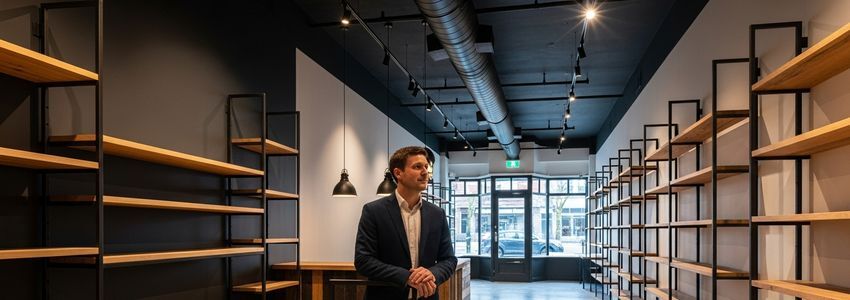
How Permanent Facility Improvement Loans Work
The journey from identifying the need for a facility upgrade to cutting the ribbon on your completed project involves a structured financing process. While the specifics can vary slightly depending on the loan type and lender, the core stages are generally consistent. Understanding this process will help you prepare effectively and navigate the steps with confidence.Step 1: Project Planning and Pre-Application
This initial phase is about due diligence. Before you even approach a lender, you need a well-defined plan. This involves determining the exact scope of your project, engaging with architects or engineers if necessary, and obtaining detailed bids from qualified contractors. You must develop a comprehensive project budget that includes not only the hard costs of construction and materials but also soft costs like permits, design fees, and a contingency fund (typically 10-15%) for unexpected issues. This detailed plan and budget will be a cornerstone of your loan application.Step 2: Application and Documentation
Once your plan is in place, you will complete the lender's formal application. This will require submitting a substantial package of documents. Be prepared to provide:- Business Financials: Typically 2-3 years of business tax returns, profit and loss statements, and balance sheets.
- Personal Financials: Personal tax returns for all owners with 20% or more stake in the business, and a personal financial statement.
- Project Details: The detailed project plan, budget, contractor bids, architectural drawings, and permits.
- Business Plan: A narrative explaining the project, its purpose, and projections showing how it will improve revenue or profitability.
- Legal Documents: Articles of incorporation, business licenses, and lease agreements if you are a tenant.
Step 3: Underwriting and Due Diligence
This is the stage where the lender thoroughly vets you, your business, and your project. The underwriting team will analyze all the documents you submitted to assess the risk of the loan. Key activities during this phase include:- Credit Analysis: Reviewing your personal and business credit history and scores.
- Financial Analysis: Scrutinizing your business's cash flow, profitability, and debt-to-income ratios to ensure you can comfortably afford the new loan payment.
- Project Viability Review: Assessing the feasibility of your project, the reputation of your contractor, and the reasonableness of your budget.
- Appraisal and Environmental Review: For loans involving real estate, the lender will order a third-party appraisal to determine the current and post-renovation value of the property. An environmental assessment may also be required to check for any contamination issues.
Step 4: Approval and Commitment Letter
If the underwriting process is successful, the lender will issue an approval, followed by a formal commitment letter or term sheet. This document outlines the final terms of the loan, including the loan amount, interest rate, repayment term, fees, and any specific conditions (covenants) you must meet before and during the loan period. It is critical to review this document carefully with your legal or financial advisor before signing.Step 5: Closing and Funding
Closing is the final legal step where all loan documents are signed. This is typically handled by a title company or an attorney. Once all documents are executed and any closing costs or down payments are paid, the loan is officially funded.Step 6: Disbursement of Funds
How the funds are disbursed depends on the loan and project size. For smaller term loans, you may receive the full amount as a lump sum in your business bank account. For larger construction and renovation projects, the funds are often placed in an escrow account and disbursed in draws. This means the lender will release funds in stages as certain project milestones are completed and verified by an inspector. This protects both you and the lender by ensuring the money is being used as intended and the project is progressing on schedule.Quick Guide
How Facility Improvement Financing Works - At a Glance
Complete Application
Fill out our simple online application with basic information about your business and your financing needs.
Submit Documents
Provide key documents like financial statements, project plans, and contractor bids for our underwriting team.
Receive Approval
Once approved, you'll receive a clear term sheet outlining your loan amount, rate, and repayment schedule.
Get Funded & Begin Work
After closing, funds are disbursed according to the project plan, allowing you to start your facility upgrades.
Qualification Requirements
Lenders evaluate several key factors to determine a business's eligibility for a permanent facility improvement loan. While requirements vary between loan products and lenders, the following criteria are almost always part of the assessment. Strengthening your position in these areas will significantly improve your chances of approval.Credit Score
Both your personal credit score (for all major owners) and your business credit score will be scrutinized. For SBA and conventional bank loans, lenders typically look for a personal credit score of 680 or higher. A score above 720 will put you in a much stronger position to receive the best rates and terms. Some alternative lenders may work with lower scores, but often at a higher cost.Time in Business
Lenders want to see a track record of stability and success. Most traditional lenders and SBA programs require a minimum of two years in operation. Businesses that have been established for five years or more are viewed most favorably. Startups and very young businesses will find it extremely difficult to qualify for this type of financing, as they lack the historical financial data to prove they can handle the debt.Annual Revenue and Cash Flow
Your business must generate sufficient revenue to comfortably cover its existing expenses plus the new loan payment. Lenders will analyze your Debt Service Coverage Ratio (DSCR), which compares your net operating income to your total debt obligations. A DSCR of 1.25x or higher is a common benchmark, meaning your business generates at least $1.25 in cash flow for every $1 of debt payments. Minimum annual revenue requirements can range from $100,000 for smaller loans to over $500,000 for larger SBA and conventional loans.Property Ownership vs. Lease Requirements
Your relationship to the property is a critical factor.- Property Owners: If you own the commercial property, you have the most financing options. The property itself will serve as the primary collateral, making the loan more secure for the lender.
- Tenants/Lessees: Securing financing for major improvements as a tenant is more challenging but not impossible. You will need a long-term lease with a term that extends beyond the repayment period of the loan. You will also need your landlord's explicit permission for the renovations. The loan will likely be secured by a lien on your business assets (not the property) and may require a personal guarantee. These are often referred to as leasehold improvement loans.
Down Payment / Equity Injection
Very few facility improvement loans offer 100% financing. Lenders require you to have some "skin in the game." The required down payment, or equity injection, varies by loan type:- SBA 504 Loans: Typically 10%
- SBA 7(a) Loans: 10% to 20%
- Conventional CRE Loans: 20% to 25% or more
Collateral
For any significant loan, lenders will require collateral to secure their investment. For property owners, the commercial real estate being improved is the primary collateral. The lender will place a lien on the property until the loan is paid off. If the property equity is not sufficient to cover the loan amount, the lender may also require a lien on other business assets, such as accounts receivable, inventory, or equipment. A personal guarantee from all major owners is also standard practice.See if You Qualify Today
Our specialists match businesses with the right facility improvement loan based on your unique needs and financial profile.
Check Eligibility ->Industry-Specific Uses: Who Benefits Most
While nearly any business with a physical location can benefit from facility improvements, certain industries see particularly high returns on these investments due to the nature of their operations and customer interactions.Restaurants and Hospitality: For restaurants, bars, and hotels, ambiance is paramount. Facility improvement loans are used to remodel dining rooms for a better guest experience, overhaul kitchens for efficiency and safety, or add outdoor patios to increase seating capacity and revenue.
Retail Stores: Retailers use these loans to create more engaging and modern shopping environments. This includes updating store layouts for better traffic flow, installing modern lighting and fixtures to highlight products, and creating "experiential" retail spaces that draw customers in.
Medical and Dental Offices: Healthcare providers finance upgrades to create a more professional and comfortable patient environment, expand treatment rooms to see more patients, and reconfigure spaces to accommodate new, state-of-the-art medical equipment.
Manufacturing and Industrial: Manufacturers secure financing to reconfigure plant floors for new production lines, expand their facilities to increase capacity, upgrade electrical systems to power heavy machinery, and improve logistics with new loading docks.
Warehousing and Distribution: These businesses use loans to increase storage capacity by raising roof heights or adding square footage, improve efficiency by installing modern conveyor and sorting systems, and enhance logistics by adding more loading bays.
Automotive Services: Auto repair shops and dealerships finance the addition of new service bays, the purchase and installation of heavy-duty vehicle lifts, and the renovation of customer waiting areas to improve service capacity and customer comfort.
Comparing Facility Improvement Loan Options
Choosing the right loan requires a clear comparison of your top options. This table provides a side-by-side look at the key features of the most popular financing products for permanent facility improvements.| Feature | SBA 7(a) Loan | SBA 504 Loan | Term Loan | Equipment Financing |
|---|---|---|---|---|
| Loan Amounts | Up to $5 million | $125,000 to $5.5 million+ | $25,000 to $500,000+ | Up to 100% of equipment cost |
| Repayment Terms | Up to 25 years (for real estate) | 20 or 25 years (for CDC portion) | 2 to 7 years | 3 to 10 years |
| Interest Rates | Variable (Prime + spread) | Fixed (CDC), Variable/Fixed (Bank) | Fixed or Variable | Fixed or Variable |
| Down Payment | 10% - 20% | As low as 10% | Varies (often 0-20%) | 0% - 20% |
| Time to Fund | 45 - 90+ days | 60 - 120+ days | 5 days - 3 weeks | 2 - 10 days |
| Best For | Versatile projects combining real estate, construction, and working capital. | Large-scale real estate construction or renovation with minimal cash down. | Smaller, non-structural renovations where speed is a priority. | Projects focused on acquiring and installing major new machinery. |
Real-World Scenarios: How Businesses Use Facility Improvement Loans
To better illustrate the practical application of these loans, here are five scenarios showing how different businesses leverage financing to achieve their growth objectives.1. The Restaurant Renovation
An established Italian restaurant with a loyal clientele was struggling with an outdated dining room and an inefficient kitchen. To attract a younger demographic and improve service speed, the owner decided on a full-scale renovation. They secured a $350,000 SBA 7(a) loan. The funds were used to completely remodel the dining area with modern decor, expand the bar, and purchase a new, state-of-the-art oven and walk-in cooler. The versatile 7(a) loan covered construction, equipment, and even some working capital to manage cash flow during the brief closure. Post-renovation, the restaurant saw a 40% increase in reservations and a significant boost in per-customer spending.
2. The Medical Office Expansion
A growing pediatric practice owned its building but had run out of examination rooms. To reduce patient wait times and hire another doctor, they needed to expand. The partners opted for an SBA 504 loan for a $1.2 million project to build a 2,500-square-foot addition. With just a 10% down payment ($120,000), they preserved capital for new medical equipment. The loan structure provided a stable, 25-year fixed rate on the SBA portion, making their new, larger mortgage payment predictable and manageable. The expansion allowed them to increase their patient capacity by 50% and significantly improve operational workflow.
3. The Retail Store Remodel
The owner of a boutique clothing store wanted to refresh her space to better compete with online retailers. The project involved new lighting, custom shelving, new flooring, and creating a comfortable lounge area for customers. Since the project was relatively small and didn't involve major structural changes, speed was a priority. She obtained a $75,000 business term loan. The application was approved in three days, and the funds were available within a week. This allowed her to complete the remodel quickly between seasons, minimizing business disruption and creating a more attractive, modern shopping environment that boosted foot traffic and sales.
4. The Manufacturing Facility Upgrade
A metal fabrication company won a large new contract that required a specialized, high-capacity laser cutting machine. The machine itself cost $400,000 and required a significant electrical system upgrade and a reinforced concrete pad for installation, costing an additional $50,000. They used two financing products. First, they secured $400,000 in equipment financing with a 7-year term, using the machine as collateral. For the facility modifications, they used their existing business line of credit to pay the electrical and concrete contractors, providing the flexibility needed to manage the installation process seamlessly.
5. The Warehouse Modernization
An e-commerce fulfillment company was leasing a large warehouse but struggling with inefficient order picking. To improve speed and accuracy, they decided to invest in a semi-automated conveyor and sorting system. The project cost was $600,000. Because they were tenants, a real estate-backed loan was not an option. They secured a $600,000 leasehold improvement loan, structured as a term loan with a 7-year repayment period, which was shorter than their 10-year lease. The loan was secured by the business's assets and a personal guarantee from the owner. The new system drastically reduced fulfillment errors and allowed them to double their daily shipping volume.
How Crestmont Capital Helps with Facility Improvement Financing
Navigating the complexities of permanent facility improvement loans requires a knowledgeable and experienced partner. At Crestmont Capital, we specialize in simplifying this process for business owners across the United States. We understand that your focus should be on running your business and planning your growth, not on deciphering convoluted loan applications. Our role is to serve as your dedicated financing expert, guiding you from initial concept to successful funding. Our access to a vast network of lending partners and a deep portfolio of loan products means we are not limited to a one-size-fits-all approach. We take the time to understand the specifics of your project, your financial situation, and your long-term goals. This allows us to identify the optimal financing solution for your unique needs. Whether that is a government-guaranteed SBA loans program offering a low down payment, a fast and flexible traditional term loans for a smaller renovation, or a large-scale commercial real estate financing package for a major expansion, we have the expertise to structure the deal correctly. Our team of specialists handles the heavy lifting, from preparing the application package to liaising with underwriters and closing agents. We excel at positioning your project in the best possible light to lenders, highlighting the strategic value and return on investment. We have extensive experience with all forms of commercial financing, including specialized products like construction business loans and general business expansion loans. By partnering with Crestmont Capital, you gain more than just a loan; you gain a strategic advisor committed to securing the capital you need to build the future of your business.Tips for a Stronger Facility Improvement Loan Application
A well-prepared loan application can be the difference between a quick approval and a frustrating denial. Lenders are looking for organized, professional, and financially sound proposals. Follow these tips to significantly strengthen your application and improve your odds of securing the financing you need.1. Develop a Meticulously Detailed Project Plan and Budget.
Do not approach a lender with a vague idea. Present a comprehensive plan that includes architectural drawings, a detailed scope of work, and a line-item budget. Your budget should account for everything: materials, labor, permits, fees, and a 10-15% contingency fund for unexpected costs. This shows the lender you are a serious, organized planner who has minimized the risk of project failure.2. Obtain Multiple, Professional Contractor Bids.
Get at least three detailed bids from licensed and insured contractors with experience in commercial projects. This demonstrates that you have done your due diligence to find a competitive price and a qualified partner. A lender will have more confidence in a project backed by a reputable contractor.3. Organize All Financial Documents in Advance.
Have 2-3 years of business and personal tax returns, recent profit and loss statements, balance sheets, and bank statements ready to go. Having clean, organized financials makes the underwriter's job easier and presents your business as professional and well-managed.4. Review and Improve Your Credit Profile.
Before applying, pull your personal and business credit reports. Check for any errors and dispute them. Pay down high-balance credit cards to lower your credit utilization, which can provide a quick boost to your scores. A higher credit score makes you a lower-risk borrower and can unlock better interest rates.5. Write a Compelling Business Case for the Project.
Beyond the numbers, tell a story. In a brief executive summary or business plan, explain *why* this project is necessary. How will it increase revenue, reduce costs, or improve efficiency? Provide clear financial projections showing the expected return on investment (ROI). This helps the lender understand the strategic purpose behind the loan request.6. Be Prepared with Your Down Payment.
Ensure your required down payment funds are liquid and accessible in a business bank account. Lenders will need to verify the source of these funds. Showing that you have the capital ready to inject into the project demonstrates your financial commitment and readiness.7. Understand Your Collateral Position.
Know the value of the assets you are offering as collateral. If you are using your commercial property, have a recent appraisal or a good estimate of its current market value. Be prepared to offer a personal guarantee, which is a standard requirement for most small business loans.8. Work with an Experienced Business Loan Advisor.
Partnering with a firm like Crestmont Capital can be a game-changer. An experienced advisor knows what lenders are looking for and can help you prepare and package your application for the highest chance of success. They can also connect you with the right lenders for your specific industry and project type.Industry Insight: According to data from the U.S. Census Bureau's Value of Construction Put in Place Survey, spending on commercial construction and renovation is a multi-billion dollar industry. In recent years, private spending on improvements for commercial facilities has consistently exceeded $80 billion annually, highlighting the critical role these investments play in the American economy.
Frequently Asked Questions
What qualifies as a permanent facility improvement?
Can renters get facility improvement loans?
What is the minimum credit score needed?
How long does the approval and funding process take?
Can I use these loans for ADA compliance upgrades?
What is the difference between a facility improvement loan and a construction loan?
Can I bundle multiple improvements into a single loan?
Do I need a business plan for my application?
What collateral is required?
Can startups get facility improvement financing?
Are energy efficiency upgrades covered?
What is the maximum loan amount I can get?
Can I use a business line of credit for facility improvements?
What happens if the improvements go over the initial loan amount?
How do repayment terms work?
How to Get Started
Taking the first step toward transforming your business facility is straightforward. By following a clear, structured approach, you can move from vision to reality efficiently. Here is how to begin the process with Crestmont Capital.Assess Your Project and Needs
Begin by clearly defining the scope of your facility improvement project. Create a detailed list of the upgrades you need, research potential costs, and start gathering preliminary quotes from contractors. A clear understanding of your project's goals and budget is the essential foundation for a successful financing application.
Gather Key Financial Documents
Prepare for the application process by organizing your financial paperwork. Collect the last 2-3 years of business and personal tax returns, current profit and loss statements, balance sheets, and recent business bank statements. Having these documents ready will streamline the underwriting process significantly.
Apply with a Crestmont Capital Specialist
Complete our simple online application or speak directly with one of our financing specialists. We will review your project details and financial profile to match you with the best possible loan options from our extensive network. Our team will guide you through every step, ensuring you get the right funding with the best terms available.
Ready to Transform Your Facility?
Crestmont Capital specializes in helping businesses secure the right facility improvement financing quickly. Apply now or speak with a specialist.
Apply Now ->Conclusion
In the competitive business landscape of 2026 and beyond, your physical facility is more than just a place of business-it is a strategic asset. Investing in its improvement is a direct investment in your company's future efficiency, profitability, and brand reputation. Securing the appropriate permanent facility improvement loans is the most critical step in this process, providing the capital necessary to execute your vision without compromising your operational cash flow. From expanding your footprint to modernizing your systems, the right financing empowers you to build a space that can support your growth for years to come. The world of commercial financing offers a diverse range of powerful tools, each designed for specific needs. Whether the best fit is the low-down-payment advantage of an SBA 504 loan, the flexibility of an SBA 7(a), or the speed of a traditional term loan, understanding your options is paramount. By preparing a thorough project plan, organizing your financials, and presenting a strong business case, you can position your company for a successful funding outcome. At Crestmont Capital, we are committed to being more than just a lender; we are your strategic financing partner. We bring clarity and expertise to the complex lending process, ensuring you are matched with the permanent facility improvement loans that align perfectly with your project's scope and your business's financial health. We invite you to take the next step toward transforming your facility and securing your long-term success.Disclaimer: The information provided in this article is for general educational purposes only and is not financial, legal, or tax advice. Funding terms, qualifications, and product availability may vary and are subject to change without notice. Crestmont Capital does not guarantee approval, rates, or specific outcomes. For personalized information about your business funding options, contact our team directly.








