
 (800) 949-0401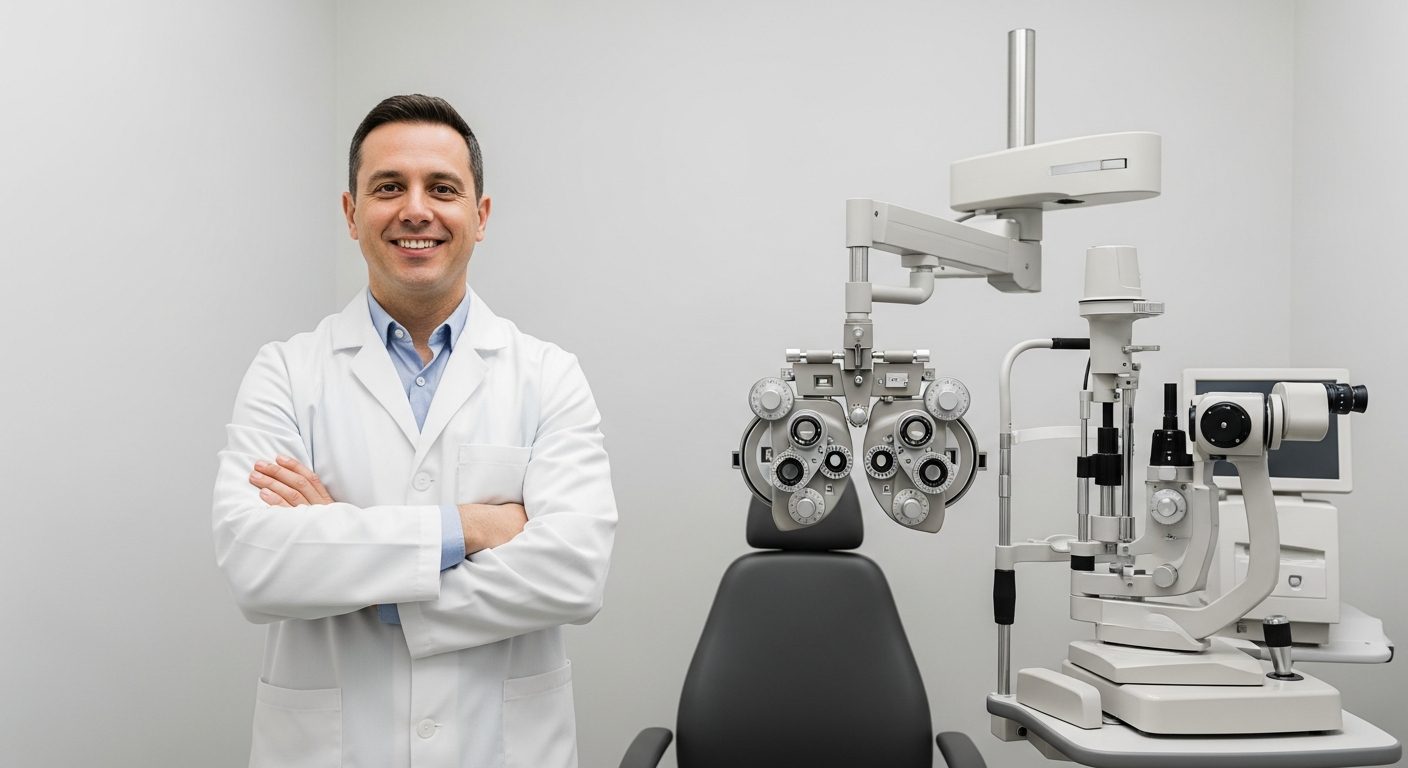
Optometry Practice Loans: The Complete Financing Guide for Eye Care Owners
Running an optometry practice takes more than clinical expertise. It takes capital. Whether you are opening your first office, acquiring an existing clinic, upgrading to the latest diagnostic technology, or simply managing cash flow between insurance reimbursements, optometry practice loans give you the financial foundation to keep your practice growing and your patients well served.
This guide covers everything you need to know about financing for optometry practices in 2026: which loan types fit which goals, how qualification works, what lenders look for, and how to move from application to funding as quickly as possible.
Why Optometrists Need Specialized Financing
Optometry sits at a unique intersection of healthcare and retail. Your practice simultaneously provides clinical eye care services and sells optical products like frames, lenses, and contact lenses. That dual business model creates funding needs that differ significantly from a general small business or even most other healthcare practices.
The equipment alone sets optometry apart. A single optical coherence tomography (OCT) unit can cost $40,000 or more. A full exam lane outfitted with a phoropter, slit lamp, autorefractor, and visual field analyzer may run $100,000 to $250,000. When you factor in leasehold improvements, optical inventory, EHR software, and staffing costs, opening a new practice routinely requires $200,000 to $500,000 in startup capital.
Meanwhile, established practices face their own pressures: aging equipment that affects diagnostic accuracy and patient experience, rising overhead that squeezes margins, and expansion opportunities that require fast access to capital. The right optometry practice loan addresses each of these needs without forcing you to drain personal savings or compromise your cash reserves.
Types of Optometry Practice Loans
SBA Loans for Optometry Practices
Small Business Administration loans are among the most popular financing tools for healthcare professionals, and optometrists are no exception. Since 2020, the SBA 7(a) program alone has authorized nearly $200 million in loans to more than 330 optometrist business owners nationwide. That track record reflects how well SBA loans align with the needs of eye care practices.
SBA 7(a) loans can fund almost any legitimate business purpose: purchasing equipment, financing a practice acquisition, covering startup costs, refinancing existing debt, or managing working capital. Loan amounts reach up to $5 million, and repayment terms can extend to 25 years for real estate transactions or 10 years for working capital and equipment. Rates are competitive, typically tied to the prime rate plus a lender-set spread.
The SBA 504 program offers an alternative structure for larger capital investments. A 504 loan pairs conventional bank financing with a below-market SBA portion, and it works best for major fixed-asset purchases like commercial real estate or high-cost imaging systems. If you plan to purchase the building where your practice operates, the 504 is worth exploring seriously.
The tradeoff with SBA loans is time and documentation. Expect to provide three years of business and personal tax returns, financial statements, a business plan, and potentially additional paperwork depending on the use of funds. Funding timelines can run from a few weeks to several months. For optometrists who can plan ahead, the favorable terms often make that wait worthwhile. Learn more about your SBA options at Crestmont Capital's SBA Loan page.
Equipment Financing for Optometry
Equipment financing is one of the most efficient ways to acquire the diagnostic tools your practice needs. Rather than paying full price upfront, you spread the cost over a fixed term, typically three to seven years, with the equipment itself serving as collateral. That collateral structure often makes approval easier compared to unsecured loans, and it preserves your working capital for day-to-day operations.
For optometry, equipment financing is particularly valuable given the cost profile of modern diagnostic technology. OCT machines, digital retinal cameras, corneal topographers, and automated visual field analyzers represent major investments that quickly become standard of care. Equipment financing lets you stay current without a large capital outlay.
At the end of the financing term, you own the equipment outright. This distinguishes equipment financing from equipment leasing, which can offer lower monthly payments but does not result in ownership. Depending on your tax situation, ownership may also give you access to Section 179 expensing, which allows you to deduct the full cost of qualifying equipment in the year of purchase. For details on equipment financing for your optometry practice, Crestmont Capital can walk you through your options.
Business Lines of Credit
A business line of credit is a revolving credit facility you draw from as needed, repay, and draw again. Unlike a term loan that delivers a lump sum, a line of credit gives you ongoing access to funds up to a set limit, and you only pay interest on what you actually use.
For optometry practices, lines of credit are ideal for managing the timing gaps that are common in healthcare: waiting on insurance reimbursements, covering payroll during a slow month, buying seasonal optical inventory, or addressing an unexpected equipment repair. A line of credit gives you financial flexibility without the cost of carrying a large term loan you may not always need.
Qualification for a business line of credit generally requires at least one to two years in business, positive cash flow, and a solid credit profile. Established optometry practices with consistent revenue typically qualify with favorable terms. Explore business lines of credit to see if this flexible tool fits your practice needs.
Practice Acquisition Loans
Buying an existing optometry practice is often a faster path to profitability than building from scratch. An established practice comes with an existing patient base, trained staff, proven revenue history, and operational systems already in place. Acquisition loans are specifically designed to finance these purchases.
Lenders who specialize in healthcare practice acquisitions understand the value components unique to optometry: goodwill tied to the patient relationship, the optical dispensary inventory, equipment, and real property if applicable. Strong acquisition targets with documented revenue histories and loyal patient panels attract favorable loan terms. Startup loan amounts for practice acquisitions frequently range from $250,000 to $1 million or more, depending on the size and revenue of the target practice.
Working Capital Loans
Working capital loans provide short-to-medium-term funding to support your practice's daily operations. They are not designed for large capital purchases but rather for bridging revenue gaps, handling unexpected expenses, funding a marketing push, or covering the costs of bringing on new staff ahead of a growth phase.
For optometry practices that experience seasonal patient volume fluctuations or regular delays in insurance reimbursements, working capital loans offer a practical solution. Terms typically range from three months to three years, and approval can often happen within a few business days for qualified applicants. Crestmont Capital offers unsecured working capital loans that do not require you to pledge specific assets as collateral.
How Much Does It Cost to Open or Expand an Optometry Practice?
Understanding your actual capital needs before approaching a lender is essential for both planning and presenting a strong loan application. The numbers for optometry practices in 2026 break down roughly as follows:
- Leasehold improvements and build-out: $50,000 to $150,000 depending on the space and market
- Diagnostic equipment (full exam lane setup): $100,000 to $250,000 for a comprehensive outfitting
- Advanced imaging equipment (OCT, retinal cameras): $40,000 to $100,000+ per system
- Optical inventory (frames, lenses, contacts): $20,000 to $80,000 for initial stock
- EHR and practice management software: $10,000 to $35,000 for setup and licensing
- Furniture, fixtures, and technology: $15,000 to $40,000
- Working capital reserve (first 6-12 months): $100,000 or more depending on your patient ramp-up pace
Total startup costs for a full-service optometry clinic in 2026 typically range from $200,000 to $500,000 or higher. Expansion projects for an existing practice are generally less capital-intensive, but adding a second exam lane, upgrading to a high-end imaging suite, or relocating to a larger space can still require $100,000 to $300,000 or more.

Qualifying for Optometry Practice Loans: What Lenders Evaluate
Lenders look at a set of consistent factors when evaluating any healthcare practice loan. Understanding these criteria ahead of time lets you prepare a stronger application and address any weaknesses before they become obstacles.
Personal and Business Credit Scores
Most lenders want to see a personal credit score of 650 or higher for conventional financing, though SBA lenders often require 680 or above. Your business credit profile matters too. If your practice has been operating for at least a couple of years, lenders will pull your business credit report alongside your personal history. Building and maintaining strong scores on both fronts expands your options and lowers your cost of capital.
For guidance on strengthening your credit before applying, the complete guide to building business credit on the Crestmont blog is a solid starting resource.
Time in Business
Most conventional and SBA lenders prefer at least two to three years of operating history. Startup financing is available but typically requires a strong personal credit score, a detailed business plan, and sometimes personal collateral. If your practice is under two years old, alternative lenders and specialty healthcare financing programs may be more accessible than traditional bank products.
Revenue and Cash Flow
Lenders want to see that your practice generates enough revenue to service the loan comfortably. Most use the debt service coverage ratio (DSCR) as a benchmark, generally looking for a DSCR of at least 1.25. That means your net operating income should be 25% greater than your total debt payments. Optometry practices with healthy revenue histories typically satisfy this requirement without difficulty.
A profitability range of 25% to 35% is considered healthy for optometry, according to industry benchmarks. Practices that keep overhead between 55% and 65% of revenue are well positioned for loan approval. If your overhead exceeds 70%, a lender may view it as a structural concern worth addressing before applying.
Business Plan and Financial Projections
For startups and acquisition loans, a well-constructed business plan is often required. Your plan should include three to five years of financial projections, a description of your market and patient demographic, your competitive positioning, and a breakdown of how loan proceeds will be deployed. For established practices, detailed financial statements for the past two to three years typically replace the business plan requirement.
Student Loan Debt Considerations
Optometry school is a significant financial investment. The average optometry graduate carries approximately $228,674 in student loan debt as of the close of 2024, with about 16% carrying balances over $300,000. This debt load affects your personal debt-to-income ratio, which lenders examine when evaluating practice loans. Some healthcare lenders factor in projected practice income when assessing affordability, which can work in your favor compared to standard underwriting.
How Crestmont Capital Helps Optometrists Access Financing
Crestmont Capital works directly with optometry practice owners to find the right financing structure for their specific situation. Whether you are in the planning stages for a new practice, looking to expand a successful clinic, or simply need a flexible line of credit to manage cash flow between insurance reimbursements, Crestmont provides access to multiple funding solutions with a streamlined application process.
Unlike a single bank with rigid lending criteria, Crestmont works across multiple funding channels to match your practice with the product that fits your credit profile, revenue, and use of funds. Equipment financing, working capital loans, business lines of credit, and SBA-backed programs are all available through one application. You can start with a quick quote at Crestmont Capital's online quote form or apply directly at our loan application portal.
Real-World Scenarios: When Optometry Practice Loans Make Sense
Scenario 1: Opening a Cold-Start Practice
Dr. Sarah Chen completed her optometry residency and wants to open her own practice in a mid-sized suburban market. She has identified a 1,800-square-foot retail space near a medical complex. Her estimated startup needs total $385,000, covering build-out, two exam lanes, an OCT unit, initial optical inventory, EHR software, and six months of working capital. She secures an SBA 7(a) loan for $350,000 with a 10-year term, combining it with $35,000 in personal savings to cover the remainder. The loan's graduated payment structure allows lower early payments while her patient base builds.
Scenario 2: Acquiring an Established Practice
Dr. Marcus Thompson has been an associate at an optometry group for five years. The retiring owner of a solo practice nearby offers him a buyout at $475,000, reflecting the practice's patient panel, optical dispensary, and equipment. Marcus qualifies for a practice acquisition loan with the equipment as collateral and the practice's three-year revenue history serving as primary underwriting support. He closes in eight weeks and retains the existing staff to ensure a smooth patient transition.
Scenario 3: Upgrading Diagnostic Technology
A two-doctor optometry practice has been operating for six years with aging diagnostic equipment. The partners identify a $90,000 investment in new OCT and digital retinal imaging systems as critical to both patient care quality and competitive positioning in their market. They use equipment financing with a 60-month term to spread the cost. The tax benefits of Section 179 expensing in the first year offset a significant portion of the first-year cost.
Scenario 4: Opening a Second Location
A successful solo optometrist has built her primary practice to 3,000 annual patient visits and sees clear demand for a second location in an adjacent neighborhood. She uses a business line of credit for the initial build-out costs and optical inventory, then replaces the line draw with a term loan once the second location opens and begins generating revenue. This approach minimizes interest costs during the setup phase while preserving flexibility.
Scenario 5: Managing Insurance Reimbursement Delays
A practice with strong patient volume experiences a two-month backlog in insurance reimbursements following a billing system change. Payroll and supply invoices are due while cash sits locked in accounts receivable. The practice draws on its existing business line of credit for $35,000 to bridge the gap, then repays the draw within 60 days as reimbursements clear. Total interest cost: less than $400. The alternative would have been delaying staff payroll or missing supplier payments.
Industry Outlook: Why Optometry Financing Demand Is Growing
Several structural trends are driving increased investment in optometry practices, which in turn increases demand for practice financing. The U.S. population is aging rapidly, and older adults require more frequent eye care. Screen time across all age groups has increased dramatically in recent years, driving higher rates of myopia and digital eye strain. The global ophthalmic equipment market was valued at $4.33 billion in 2024 and is projected to reach $6.60 billion by 2031, reflecting both technological advancement and growing service demand.
Private equity consolidation in healthcare is also reshaping the optometry landscape. Independent practitioners increasingly face competition from vision service chains and private equity-backed groups. Investing in modern equipment, expanded services, and quality patient experience is essential to maintaining a competitive position. Financing makes those investments possible without requiring owners to deplete personal reserves.
For optometrists who want to understand the broader financing landscape, the complete guide to medical practice loans covers the wider healthcare financing context that applies across eye care and other healthcare specialties.
Frequently Asked Questions: Optometry Practice Loans
How much can I borrow for an optometry practice loan?
Loan amounts vary by product and lender. SBA 7(a) loans go up to $5 million. Practice acquisition and startup loans typically range from $250,000 to $1 million or more. Equipment financing amounts are generally tied to the cost of the specific equipment. Working capital loans tend to range from $25,000 to $500,000 depending on your practice revenue and credit profile.
Do I need to put down collateral for an optometry practice loan?
It depends on the loan type. Equipment financing uses the purchased equipment as collateral, which simplifies approval. SBA loans may require collateral if available, but the SBA will not deny a loan solely because you lack sufficient collateral. Unsecured working capital loans and lines of credit do not require specific collateral, though lenders may take a general business lien. Personal guarantees are common for most small business loans.
How long does it take to get approved for optometry practice financing?
Alternative and specialty lenders can approve working capital loans and equipment financing in as little as 24 to 72 hours. SBA loans have longer timelines, generally two to eight weeks from application to funding. Practice acquisition loans requiring detailed underwriting typically take three to six weeks. Planning ahead and having your financial documents organized in advance significantly speeds up any process.
Can I get a startup optometry practice loan with no practice revenue history?
Yes, startup loans are available for new optometry practices. Lenders typically require a strong personal credit score (680 or higher), a detailed business plan with financial projections, evidence of your clinical experience and optometry license, and sometimes personal collateral or a larger down payment. Some lenders specialize in healthcare startup financing specifically because the profession carries lower default risk than general small businesses.
What credit score do I need for an optometry practice loan?
Most conventional lenders want a personal credit score of at least 650, with SBA lenders typically looking for 680 or higher. Some alternative lenders will work with scores in the 600 to 640 range for the right practice profile, though terms may be less favorable. Higher scores expand your options and lower your borrowing costs, so it is worth taking steps to strengthen your credit before applying if your score is below the preferred range.
Can I use an optometry practice loan to pay off student debt?
Business loans are generally not permitted for personal debt repayment, including student loans. However, refinancing or consolidating practice-related business debt is an acceptable use of proceeds. If student loan debt is affecting your personal debt-to-income ratio and limiting your loan options, discuss this with your lender upfront. Many healthcare lenders understand this context and factor your projected practice income into their underwriting calculations.
What is the difference between equipment financing and an equipment lease for optometry?
Equipment financing results in ownership at the end of the term and may offer tax advantages through Section 179 deductions. Equipment leasing offers lower monthly payments and the ability to upgrade to newer technology at the end of the lease, but you do not own the equipment unless you exercise a purchase option. The right choice depends on how quickly the technology evolves, your cash flow situation, and your long-term goals for the specific piece of equipment.
Next Steps: Applying for Optometry Practice Financing
If you are ready to explore financing for your optometry practice, the process starts with a clear picture of your funding needs and your current financial profile. Gather your last two to three years of tax returns, recent bank statements, any existing financial statements, and a summary of your planned use of funds. For startup or acquisition loans, add a business plan and financial projections to that package.
Then reach out to a lender who understands healthcare practice financing. The application process at Crestmont Capital is designed to be fast and straightforward. You can get a preliminary view of your options in minutes through the quick quote tool, or go directly to the full application to begin the formal process.
Conclusion
Optometry practice loans give eye care professionals the financial tools to start, grow, and modernize their practices without sacrificing the liquidity needed to run day-to-day operations. From SBA programs designed for large-scale practice purchases to flexible equipment financing and working capital solutions for established clinics, the right loan structure makes a meaningful difference in how quickly and confidently you can invest in your practice.
Understanding your options, knowing what lenders look for, and presenting a clean application puts you in the strongest possible position. Whether you are a new graduate building from the ground up or an experienced optometrist ready to expand, optometry practice financing is more accessible than most practitioners realize. Crestmont Capital is here to help you find the path to funding that fits your goals.
Disclaimer: The information provided in this article is for general educational purposes only and is not financial, legal, or tax advice. Funding terms, qualifications, and product availability may vary and are subject to change without notice. Crestmont Capital does not guarantee approval, rates, or specific outcomes. For personalized information about your business funding options, contact our team directly.








