
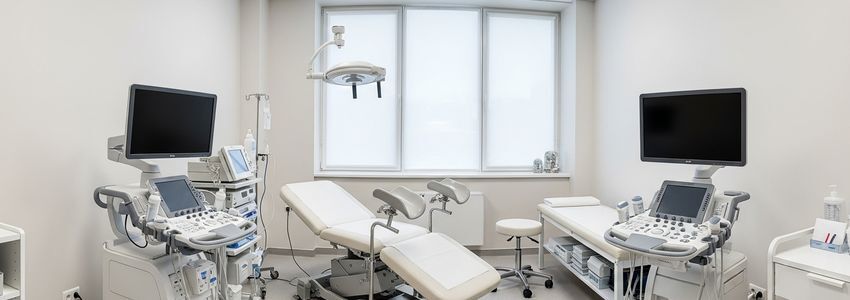
Running an obstetrics and gynecology practice is one of the most demanding and rewarding paths in medicine. From delivering babies at 3 a.m. to managing complex gynecologic conditions, OB-GYN physicians dedicate their careers to women's health at every stage of life. But sustaining and growing a thriving OB-GYN practice requires more than clinical expertise - it demands smart financial management and access to the right capital at the right time.
Whether you are opening a new OB-GYN office, expanding to a second location, upgrading ultrasound equipment, or bridging a gap between insurance reimbursements and payroll, OB-GYN practice loans give you the resources to keep your business healthy. This guide covers every financing option available to obstetrics and gynecology practices in 2026, including eligibility requirements, typical loan amounts, how to apply, and tips for getting the best terms.
According to the U.S. Small Business Administration, healthcare practices represent one of the fastest-growing segments of small business lending - and for good reason. OB-GYN practices generate predictable revenue, serve essential community needs, and benefit from long patient relationships that create stable income streams. Lenders recognize these strengths, making financing more accessible than many physicians expect.
In This Article
- What Are OB-GYN Practice Loans?
- Why OB-GYN Practices Need Financing
- Types of OB-GYN Practice Loans
- How Much Can You Borrow?
- Eligibility Requirements
- How the Application Process Works
- OB-GYN Financing at a Glance
- Best Uses of OB-GYN Practice Funding
- Equipment Financing for OB-GYN Practices
- Financing Options If Your Credit Is Challenged
- Tips for Getting the Best Loan Terms
- Next Steps
- FAQ
What Are OB-GYN Practice Loans?
OB-GYN practice loans are financing products designed specifically for obstetrics and gynecology practices - either as physician-owned small businesses or as structured medical groups. These loans provide capital for a wide range of business needs: purchasing or leasing clinical space, acquiring diagnostic and surgical equipment, hiring additional staff, covering operational expenses during slow reimbursement cycles, or funding a practice acquisition.
Unlike consumer loans or general business credit, OB-GYN practice loans are often structured with the unique cash flow patterns of medical practices in mind. Lenders who specialize in healthcare financing understand that insurance reimbursements can lag 30-90 days behind services rendered, that delivery volume fluctuates seasonally, and that malpractice insurance and credentialing costs add significant overhead. The best lenders for OB-GYN practices offer flexible repayment terms, competitive rates, and funding speeds that match the pace of your business.
OB-GYN physicians can access financing through multiple channels: traditional banks and credit unions, SBA-backed lenders, specialty healthcare lenders, and alternative online lenders. Each option has distinct advantages depending on your credit profile, time in practice, and how quickly you need capital.
Quick Fact: The U.S. has more than 47,000 licensed OB-GYN physicians, making it one of the largest medical specialty markets in the country. Access to reliable practice financing helps these physicians focus on patient care rather than cash flow stress. (CNBC)
Why OB-GYN Practices Need Financing
Obstetrics and gynecology practices face financial challenges that are unique to their specialty. Understanding these pressures helps you identify the right financing product for your situation.
High startup costs: Launching a new OB-GYN practice requires a significant capital investment. A well-equipped exam suite with ultrasound technology, electronic fetal monitoring equipment, and colposcopy units can cost $150,000 to $400,000 before you see your first patient. Add in lease deposits, EMR software licensing, malpractice insurance premiums, and six months of operating reserves, and initial funding needs commonly reach $500,000 or more.
Reimbursement delays: OB-GYN practices bill both professional fees and facility fees, navigating multiple payers including commercial insurance, Medicaid, and Medicare. Average days in accounts receivable for OB-GYN practices typically run 45-75 days, creating cash flow gaps that can strain payroll and vendor payments even when your practice is busy.
Equipment upgrades: Medical technology evolves rapidly. 3D ultrasound systems, hysteroscopy towers, LEEP (Loop Electrosurgical Excision Procedure) equipment, and digital colposcopes all represent major capital expenditures. Staying current with clinical technology is not just about competitive differentiation - it is about delivering the standard of care your patients deserve.
Staffing investments: OB-GYN practices require highly trained clinical staff. Certified nurse midwives, surgical techs, medical assistants, and front-desk coordinators who understand obstetric workflows are in high demand. Competitive salaries and benefits packages require ongoing capital.
Malpractice and compliance: OB-GYN carries some of the highest malpractice premiums in medicine, often $100,000 to $300,000 or more annually per physician. Regulatory compliance costs for HIPAA, state licensure, and payer credentialing add additional overhead that financing can help manage.
According to Forbes, physician-owned practices are among the most creditworthy small business borrowers, with default rates significantly below the national average - a fact that gives OB-GYN physicians strong negotiating leverage with lenders.
Ready to Fund Your OB-GYN Practice?
Get competitive rates and fast approvals from lenders who understand medical practice financing.
Apply Now - Takes 5 MinutesTypes of OB-GYN Practice Loans
OB-GYN physicians have access to a full menu of financing options. The best choice depends on your specific need, timeline, credit profile, and how much collateral you can offer.
SBA Loans
SBA loans are government-backed loans issued by private lenders and partially guaranteed by the U.S. Small Business Administration. For OB-GYN practices, the SBA 7(a) loan is the most flexible option, with loan amounts up to $5 million and repayment terms up to 10 years (or 25 years for real estate). The SBA 504 loan works well for purchasing practice real estate or major equipment, with lower down payments than conventional financing. Visit SBA.gov for details on current programs and lender requirements. SBA loans offer the best long-term rates but require strong credit, solid documentation, and 60-90 days to fund.
Term Loans
Traditional term loans provide a lump sum of capital repaid over a fixed period with regular payments. Small business term loans for OB-GYN practices typically range from $50,000 to $2 million, with terms of 1-10 years and interest rates starting around 7-9% for well-qualified borrowers. Term loans are ideal for larger, planned investments where you want predictable monthly payments.
Business Lines of Credit
A business line of credit gives your OB-GYN practice revolving access to capital up to a set limit. You draw funds when needed and only pay interest on what you use. Lines of credit are perfect for managing cash flow gaps between insurance reimbursements, covering payroll during slow months, or handling unexpected expenses without disrupting operations. Limits typically range from $25,000 to $500,000 for established practices.
Equipment Financing
Ultrasound machines, electronic fetal monitors, colposcopes, hysteroscopy systems, and LEEP units are expensive but essential. Equipment financing lets you acquire the technology you need while preserving working capital. The equipment itself serves as collateral, which often means lower rates and easier approval than unsecured loans. Terms typically match the useful life of the equipment, ranging from 3-7 years.
Long-Term Business Loans
For major investments like practice acquisitions, real estate purchases, or large-scale renovations, long-term business loans spread repayments over 5-25 years, keeping monthly obligations manageable even for seven-figure loan amounts. These work well for OB-GYN physicians purchasing an established practice or adding a second location.
Short-Term Business Loans
Short-term business loans provide fast capital - often within 24-72 hours - for immediate needs. Terms typically run 3-18 months. While rates are higher than long-term financing, the speed and accessibility make them valuable for OB-GYN practices facing urgent cash flow needs, unexpected equipment failures, or time-sensitive opportunities.
Practice Acquisition Loans
Buying an established OB-GYN practice is often a faster path to a thriving career than building from scratch. Practice acquisition loans fund the purchase price, transition costs, and initial operating capital. Lenders typically look at the practice's existing revenue, patient volume, and the buyer's credentials. Loan amounts can reach $2-5 million for well-established practices.
Working Capital Loans
Working capital loans provide unrestricted cash for day-to-day operations: payroll, rent, supplies, utilities, and other recurring expenses. For OB-GYN practices with strong revenue but inconsistent cash flow due to reimbursement cycles, working capital financing bridges the gap between services rendered and payment received.
Insider Tip: Many OB-GYN practices use a combination of financing products - a term loan for a major equipment purchase, paired with a line of credit for ongoing cash flow management. This layered approach gives you both stability and flexibility.
How Much Can You Borrow?
The amount your OB-GYN practice can borrow depends on several factors: your practice's annual revenue, time in practice, credit score, existing debt obligations, and what you plan to use the funds for. Here is a general framework:
- Startup OB-GYN practices (under 2 years): $25,000 - $500,000, typically through SBA microloan programs, equipment financing, or startup-focused lenders
- Established practices (2-5 years): $50,000 - $1.5 million through term loans, SBA 7(a), or lines of credit
- Mature practices (5+ years): $100,000 - $5 million+ through SBA 7(a), SBA 504, or conventional bank lending
- Practice acquisitions: Up to $5 million through specialized healthcare lenders or SBA 7(a)
Most alternative and online lenders cap OB-GYN practice loans at $500,000 to $2 million, while bank and SBA programs can accommodate much larger amounts. If your practice generates $500,000 or more in annual revenue, most lenders will consider financing up to 2-3x your monthly revenue as a starting benchmark.
According to data from the U.S. Census Bureau, ambulatory health care services - which include OB-GYN practices - generated over $1.3 trillion in annual revenue, reflecting the enormous economic footprint of physician-owned practices in the U.S.
Eligibility Requirements
Lender requirements vary significantly between traditional banks, SBA programs, and alternative lenders. Here is what most lenders evaluate when reviewing an OB-GYN practice loan application:
| Factor | Traditional Bank / SBA | Alternative Lender |
|---|---|---|
| Minimum Credit Score | 680-720+ | 550-600+ |
| Time in Practice | 2+ years | 6+ months |
| Annual Revenue | $250,000+ | $100,000+ |
| Debt Service Coverage | 1.25x or higher | 1.1x or higher |
| Collateral | Often required | Often not required |
| Funding Speed | 30-90 days | 24 hours - 2 weeks |
In addition to these factors, lenders will typically review your medical license, any malpractice claims history (major claims can affect eligibility), DEA registration if applicable, and the financial statements of your practice entity. Having clean books prepared by a healthcare-experienced CPA strengthens your application significantly.
How the Application Process Works
Applying for an OB-GYN practice loan is straightforward, especially if you work with a lender familiar with healthcare financing. Here is what to expect:
Step 1 - Prepare your documentation. Gather 2-3 years of practice tax returns, 3-6 months of business bank statements, a current profit and loss statement, a balance sheet, and a description of how you plan to use the funds. If you are buying equipment, include vendor quotes. If acquiring a practice, include the purchase agreement and the seller's financials.
Step 2 - Choose your lender type. Decide whether you need speed (alternative lenders), lower rates (SBA or bank), or maximum loan size (SBA 504 or bank). Your credit profile and timeline will guide this decision.
Step 3 - Submit the application. Most online lenders have digital applications that take 10-15 minutes. Bank and SBA applications are more thorough but provide access to better terms for well-qualified practices.
Step 4 - Underwriting and approval. Alternative lenders may approve in 24-72 hours. Banks and SBA lenders typically take 30-90 days. During underwriting, be responsive to requests for additional documentation to avoid delays.
Step 5 - Review terms and close. Carefully review the loan agreement, particularly the interest rate (fixed vs. variable), repayment term, prepayment penalties, and any covenants. Once signed, funds are typically deposited within 1-5 business days.
For practices that need capital quickly, same-day business loans are available through select alternative lenders for well-qualified applicants with strong revenue history.
Compare OB-GYN Practice Loan Options
Tell us about your practice and we will match you with the best financing options available - no commitment required.
Get My Options NowOB-GYN Practice Financing at a Glance
OB-GYN Practice Loan: Key Stats and Benchmarks (2026)
Data reflects 2026 market averages. Actual terms vary by lender and applicant profile.
Best Uses of OB-GYN Practice Funding
OB-GYN practice loans are flexible. Here are the most impactful ways physicians invest borrowed capital in their practices:
Ultrasound equipment upgrades: Modern 3D/4D ultrasound systems from GE Healthcare, Philips, or Samsung Medison cost $50,000 to $150,000 or more. Upgrading from older equipment improves diagnostic accuracy, patient satisfaction, and billing potential for detailed fetal anatomy surveys.
Electronic fetal monitoring: Hospital-grade fetal monitoring systems for labor and delivery suites or in-office use require significant capital investment. Equipment financing allows you to acquire new monitoring technology without a large cash outlay.
In-office procedure expansion: Adding procedures like LEEP, endometrial ablation, or hysteroscopy to your in-office capabilities can significantly increase revenue while improving convenience for patients. Each procedure suite requires equipment, supplies, and staff training.
EMR system upgrades: Switching from an outdated EMR to a purpose-built OB-GYN system like Modernizing Medicine, Athenahealth, or Epic can streamline operations and improve billing accuracy. Implementation and training costs often run $30,000-$150,000 and are well-suited for financing.
Hiring nurse midwives or NPs: Expanding your care team with certified nurse midwives (CNMs) or nurse practitioners (NPs) increases capacity without the overhead of adding a physician partner. Financing covers recruitment fees, signing bonuses, and salary during the ramp-up period.
Office renovation or expansion: Creating a welcoming, comfortable environment matters to obstetric patients who visit frequently during pregnancy. Renovating your waiting area, adding private consultation rooms, or expanding to accommodate more exam lanes all require capital that loans can provide.
Telehealth infrastructure: Post-pandemic, OB-GYN practices that offer telehealth for prenatal visits, contraception counseling, and postpartum follow-up gain a competitive advantage. Building telehealth infrastructure requires investment in technology, staff training, and workflow redesign.
Practice acquisition: Purchasing an established OB-GYN practice gives you an immediate patient base, trained staff, and proven revenue streams. Practice acquisition loans can finance 70-90% of the purchase price, with terms designed around the practice's existing cash flow.
According to The Wall Street Journal, physician practice acquisitions have accelerated significantly as younger doctors seek established practices rather than starting from scratch - making practice acquisition financing one of the fastest-growing segments of healthcare lending.
Equipment Financing for OB-GYN Practices
Equipment represents one of the largest and most frequent capital needs for OB-GYN practices. Understanding your equipment financing options helps you make smart decisions that preserve cash flow while keeping your practice on the cutting edge of women's healthcare.
The most commonly financed OB-GYN equipment includes:
- Ultrasound systems ($30,000 - $150,000): 2D, 3D/4D, and point-of-care ultrasound units
- Electronic fetal monitors ($15,000 - $60,000): Intrapartum and antepartum monitoring systems
- Colposcopes ($5,000 - $25,000): For cervical cancer screening and diagnosis
- LEEP systems ($8,000 - $20,000): Loop electrosurgical excision procedure equipment
- Hysteroscopy towers ($20,000 - $80,000): For uterine diagnostic and operative procedures
- Endometrial ablation systems ($30,000 - $100,000): NovaSure, Minerva, and similar platforms
- Exam tables and procedure chairs ($5,000 - $20,000): Motorized OB-GYN specific tables
- Pelvic floor therapy equipment ($15,000 - $50,000): Biofeedback and neurostimulation systems
Equipment financing through Crestmont Capital allows you to acquire equipment with as little as zero down, fixed monthly payments that match the revenue the equipment generates, and potential tax advantages on depreciation. Terms typically range from 36-84 months, and approval can happen in as little as 24-48 hours for straightforward transactions.
Equipment Financing Tip: When financing OB-GYN equipment, ask your lender about "soft cost" coverage. Many equipment financing programs also cover installation, training, and maintenance contracts - not just the hardware itself. This can significantly reduce your out-of-pocket costs at setup.
For OB-GYN practices that prefer to avoid long-term ownership obligations, equipment leasing is an alternative that offers lower monthly payments and the option to upgrade at end of term. Your financial advisor can help you determine whether buying or leasing makes more sense for specific equipment categories based on your practice's tax situation and technology refresh cycle.
If you are considering adding a new service line - such as urogynecology, in-office hysteroscopy, or minimally invasive laparoscopic surgery - equipment financing for each procedure type can be structured as a separate facility, keeping your capital allocations organized and your overall borrowing manageable.
Also consider: nurses from the nurse practitioner practice loan guide outlines some parallel financing patterns relevant to OB-GYN group practices that employ NPs and CNMs as primary care providers.
Financing Options If Your Credit Is Challenged
Not every OB-GYN physician has a perfect credit score. Student loan balances, past financial difficulties during residency, or early career credit card debt can all weigh on your personal credit profile. The good news is that alternative lenders have made financing more accessible for physicians with less-than-perfect credit histories.
Bad credit business loans for OB-GYN practices are available from lenders who look beyond your FICO score to evaluate your practice's revenue, cash flow stability, and growth trajectory. If your practice is generating consistent revenue - even $10,000 or more per month - many alternative lenders can provide working capital financing with credit scores as low as 550.
Strategies for OB-GYN physicians with challenged credit include:
- Revenue-based financing: Repayments flex with your monthly collections, making them manageable during slow periods
- Equipment financing: Equipment serves as collateral, reducing the lender's risk and making approval more accessible
- Invoice financing: Use your outstanding insurance claims (accounts receivable) as collateral for immediate cash
- Secured lines of credit: Pledge practice assets or a certificate of deposit to secure a line of credit at better terms than unsecured options
- Co-signer or co-borrower: Adding a partner with stronger credit can improve your terms significantly
Working proactively to improve your credit while accessing alternative financing creates a stronger position for refinancing into better terms within 12-24 months. Pay down revolving balances, dispute any inaccurate items on your credit report, and ensure all practice bills are paid on time to build positive payment history.
For practices that need capital immediately, fast business loans from alternative lenders can fund within 24-72 hours, providing immediate relief while you work on longer-term financing strategies.

Tips for Getting the Best OB-GYN Practice Loan Terms
Getting approved is one thing. Getting the best possible terms is another. These strategies help OB-GYN physicians negotiate and qualify for the most competitive financing available:
1. Know your numbers cold. Lenders respect borrowers who understand their practice's finances. Know your annual revenue, monthly collections, operating expenses, profit margin, and existing debt service before any conversation with a lender. This demonstrates competence and builds trust.
2. Clean up your credit before applying. Even small improvements in your credit score - paying down balances, correcting errors - can move you into a lower rate tier. A 30-point improvement can save thousands of dollars in interest over the life of a large loan.
3. Work with a healthcare-focused lender. Lenders who specialize in medical practice financing understand OB-GYN cash flow cycles, malpractice insurance costs, and credentialing timelines. They are more likely to approve your application and offer terms that fit your business model.
4. Have a clear use of funds statement. Lenders want to know exactly how you will use the capital and how it will improve your practice. A concise, well-reasoned explanation - "We are purchasing a new 3D ultrasound system that will generate approximately $8,000 per month in additional revenue" - inspires confidence.
5. Compare multiple lenders. Never accept the first offer you receive. Working with a financing marketplace or broker who can present your application to multiple lenders simultaneously gives you leverage and often results in significantly better terms.
6. Consider SBA if you have time. If you are not in a rush, SBA loans offer rates and terms that alternative lenders cannot match. A 25-year term on a real estate loan or a 10-year term on a business loan at SBA rates can save hundreds of thousands of dollars compared to conventional alternatives.
7. Build a relationship before you need money. The best time to establish a banking relationship is when you do not need a loan. Opening a business account, building a deposit history, and meeting with your banker regularly creates goodwill that pays dividends when you need financing.
According to Bloomberg, physician-owned practices that use professional financial advisors and work with specialist healthcare lenders consistently receive better loan terms than those who approach general business lenders directly - often saving 1-2 percentage points on interest rates for the same loan amount and credit profile.
Pro Tip: Before applying for any loan, run your practice through a financial health assessment. Review your accounts receivable aging report, identify any payer issues creating delays, and ensure your billing and coding are maximally optimized. Lenders reward practices with efficient collections and predictable revenue.
Next Steps: How to Get Started
Your Action Plan for OB-GYN Practice Financing
-
1
Define your capital need: Identify exactly what you need funding for and how much. Be specific - "purchase a Mindray DC-70X ultrasound for $85,000" is better than "upgrade equipment."
-
2
Gather your documents: Pull together 2-3 years of tax returns, 3-6 months of bank statements, a current P&L, balance sheet, and any equipment quotes or purchase agreements.
-
3
Check your credit: Pull your personal credit report and review it for errors. Know your score before lenders do - surprises during underwriting cause delays and anxiety.
-
4
Choose your lender type: Decide whether speed or cost is your priority. Alternative lenders for speed; banks and SBA for best rates. Compare at least 3 offers before committing.
-
5
Apply and negotiate: Submit your application, respond promptly to information requests, and do not hesitate to negotiate on rate, term, or fees. Lenders expect it from informed borrowers.
-
6
Put capital to work: Once funded, execute your plan immediately. Track the ROI of your investment so you have concrete data to support future borrowing requests.
Start Your OB-GYN Practice Loan Application Today
Crestmont Capital works with OB-GYN physicians across the country to find the right financing for every stage of practice growth.
Apply in 5 MinutesConclusion
OB-GYN practices occupy a unique and essential position in the healthcare landscape. The capital needs of an obstetrics and gynecology practice are real, substantial, and ongoing - from the day you open your doors through every expansion, upgrade, and transition in your career. The good news is that the financing landscape for OB-GYN physicians has never been more accessible or more diverse.
Whether you need $50,000 for a new colposcope or $2 million to acquire an established practice, there is a loan product designed for your situation. By understanding the full range of options - from SBA 7(a) and equipment financing to business lines of credit and fast alternative loans - you can make informed decisions that strengthen your practice's financial foundation without sacrificing the capital flexibility you need to serve your patients well.
The physicians who build the most successful OB-GYN practices are not just excellent clinicians - they are also savvy business owners who leverage financing strategically to grow revenue, reduce operational friction, and create the kind of practice that attracts both excellent patients and excellent staff. Take the next step today: define your capital need, gather your documents, and connect with a lender who understands the unique world of obstetrics and gynecology practice financing.
For more information on related financing options, explore our guides to SBA loans for medical practices and functional medicine practice loans for additional context on physician financing strategies.
Frequently Asked Questions
What types of loans are available for OB-GYN practices?
OB-GYN practices can access SBA 7(a) loans, SBA 504 loans, conventional term loans, equipment financing, business lines of credit, practice acquisition loans, and short-term working capital loans. The best option depends on your specific need, credit profile, time in practice, and how quickly you need funds.
How much can an OB-GYN practice borrow?
Loan amounts range from $25,000 for new or small practices to $5 million or more for established groups seeking practice acquisitions or real estate. The amount you qualify for depends on your annual revenue, credit score, time in practice, and the purpose of the loan.
What credit score do I need to qualify for an OB-GYN practice loan?
Traditional banks and SBA lenders typically require a minimum credit score of 680-720. Alternative lenders may approve OB-GYN practice loans with scores as low as 550-600, particularly if your practice has strong monthly revenue. Higher credit scores generally unlock better rates and terms.
How fast can I get funding for my OB-GYN practice?
Alternative lenders can approve and fund OB-GYN practice loans in as little as 24-72 hours for well-qualified applicants. Traditional bank loans take 2-4 weeks, while SBA loans typically require 30-90 days from application to funding due to the additional documentation and review requirements.
Can I get a loan to buy an existing OB-GYN practice?
Yes. Practice acquisition loans are specifically designed for purchasing established medical practices. SBA 7(a) loans are particularly well-suited for this purpose, offering up to $5 million with repayment terms of up to 10 years for business acquisitions. Lenders will evaluate both the buyer's creditworthiness and the target practice's revenue and patient history.
What equipment can I finance for an OB-GYN practice?
You can finance virtually any medical equipment, including ultrasound systems, electronic fetal monitors, colposcopes, LEEP units, hysteroscopy towers, endometrial ablation systems, exam tables, pelvic floor therapy devices, and EMR systems. Equipment financing is secured by the equipment itself, often making approval easier than unsecured loans.
Can I get an OB-GYN practice loan with bad credit?
Yes. Several financing options - including equipment financing, revenue-based financing, and invoice financing - are accessible to OB-GYN physicians with credit scores below 650. Lenders using these approaches focus more on your practice's monthly revenue and cash flow than your personal credit score.
What documents do I need to apply for an OB-GYN practice loan?
Typical documentation includes 2-3 years of business tax returns, 3-6 months of business bank statements, a current profit and loss statement, a balance sheet, a description of how funds will be used, your medical license, and any equipment quotes or purchase agreements. SBA loans require more extensive documentation including a business plan and personal financial statements.
What interest rates should I expect on OB-GYN practice loans?
Interest rates vary widely depending on loan type, lender, and your credit profile. SBA loans typically range from 6.5-9%, conventional bank loans from 7-12%, equipment financing from 6-15%, and alternative lenders from 15-45% annualized for short-term products. Well-qualified OB-GYN physicians with strong credit and solid revenue history qualify for the best rates.
Is a business line of credit better than a term loan for my OB-GYN practice?
It depends on your need. A term loan is better for a specific, one-time expense like equipment or a renovation where you know the exact amount needed. A line of credit is better for ongoing cash flow management, covering payroll during slow reimbursement periods, or handling unpredictable expenses. Many OB-GYN practices benefit from having both.
How does insurance reimbursement timing affect my loan options?
OB-GYN practices often face 45-75 day reimbursement cycles, creating cash flow gaps. Lenders who understand this pattern may offer longer grace periods, interest-only payment phases, or revenue-based repayment that adjusts to your collections. Invoice financing or accounts receivable financing allows you to borrow against outstanding insurance claims to bridge these gaps immediately.
Can a new OB-GYN practice (under 1 year old) get a loan?
New OB-GYN practices face more limited options, but startup financing is available. SBA microloans, equipment financing, and startup-focused lenders all serve businesses under one year old. Strong personal credit, significant collateral, and a detailed business plan improve your chances. Some physician-focused lenders make exceptions for medical professionals given the predictable earning potential of established physician careers.
How do OB-GYN practice loans differ from personal physician loans?
OB-GYN practice loans are made to the practice entity (LLC, PC, or partnership) based on the business's financial performance. Personal physician loans are made to the individual based on their income and personal credit. Practice loans often offer higher amounts and can include assets as collateral, while personal loans are unsecured but may close faster for smaller amounts.
What is the typical repayment term for an OB-GYN practice loan?
Repayment terms vary by loan type. Short-term working capital loans run 3-18 months. Equipment loans typically match the useful life of the asset, ranging from 3-7 years. Term loans run 1-10 years. SBA 7(a) loans extend up to 10 years for business purposes and 25 years for real estate. SBA 504 loans have 10-25 year terms for major fixed assets.
Should I work with a healthcare-specific lender or a general business lender?
Healthcare-specific lenders offer significant advantages for OB-GYN practices: they understand your reimbursement cycles, recognize the value of a medical license as a soft asset, and are familiar with the regulatory environment of physician practices. They are also more likely to approve applications that general lenders might view unfavorably due to high malpractice insurance costs or Medicaid payer mix. Working with a healthcare-focused lender typically results in better terms and a smoother process.
Disclaimer: The information provided in this article is for general educational purposes only and is not financial, legal, or tax advice. Funding terms, qualifications, and product availability may vary and are subject to change without notice. Crestmont Capital does not guarantee approval, rates, or specific outcomes. For personalized information about your business funding options, contact our team directly.



