
 (800) 949-0401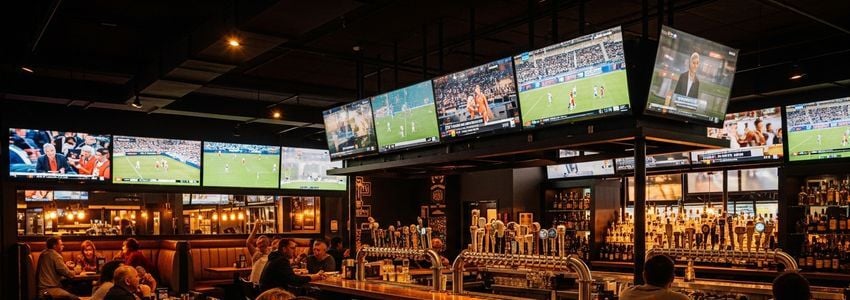
Miller's Ale House Franchise Loan: The Complete Financing Guide for Miller's Ale House Franchise Owners
In This Article
- Miller's Ale House Franchise Overview
- Startup Costs and Initial Investment
- Miller's Ale House Franchise at a Glance
- Financing Options for Your Miller's Ale House
- SBA Loans for Miller's Ale House Franchises
- How to Qualify for Franchise Financing
- The Financing Application Process
- Tips for Securing the Best Rates
- Frequently Asked Questions
Miller's Ale House is one of America's most beloved casual dining sports bar chains, known for its extensive menu, ice-cold beer selection, and electric atmosphere during live sports events. Founded in 1988 in Jupiter, Florida, Miller's Ale House has grown to over 100 locations across the United States, attracting loyal customers who return for the food, drinks, and camaraderie.
If you have been dreaming of owning a thriving sports bar franchise with a proven track record, Miller's Ale House could be the right opportunity for you. But like any major restaurant investment, opening a Miller's Ale House requires significant capital. Understanding your Miller's Ale House franchise cost and finding the right financing solution is the critical first step toward making your entrepreneurial vision a reality.
This comprehensive guide walks you through everything you need to know about financing a Miller's Ale House franchise, from startup costs and loan types to qualification requirements and application strategies.
Ready to Finance Your Franchise?
Get fast, flexible financing from the #1 business lender in the U.S. No obligation - apply in minutes.
Apply Now →Miller's Ale House Franchise Overview
Miller's Ale House occupies a unique space in the restaurant franchise world. Unlike fast food or quick-service concepts, it operates as a full-service casual dining and sports bar, which means higher average ticket prices, stronger recurring revenue from beverage sales, and a customer base that returns multiple times per week.
The brand positions itself as a neighborhood gathering place where guests come to watch the big game, celebrate with friends, or enjoy a hearty meal. The menu features everything from Zingers (their famous bone-in wings) and hand-crafted burgers to seafood and pastas. The bar program is equally important, with dozens of draft beers, cocktails, and seasonal specials driving significant beverage revenue.
Here are some key facts about the Miller's Ale House franchise brand:
- Founded: 1988 in Jupiter, Florida
- Headquarters: Orlando, Florida
- Total locations: 100+ across the U.S.
- Concept: Casual dining sports bar with full food and beverage menu
- Target demographics: Sports fans, families, professionals, and group diners
- Average unit volume: $5 million or more annually (varies by location)
- Franchise model: Licensed restaurant model (select markets)
It is worth noting that Miller's Ale House operates primarily as a company-owned chain and has limited franchise availability. However, the brand has worked with qualified operators and multi-unit restaurant groups in select markets. If you are pursuing a Miller's Ale House license or partnership opportunity, securing strong financing from day one is essential to your application and approval process.
For those unable to secure a Miller's Ale House license directly, financing guidance for comparable sports bar and casual dining investments is equally valuable. The structure of funding a concept like Miller's Ale House mirrors what you would need for similar full-service sports bar franchises.
Startup Costs and Initial Investment
Understanding the full investment picture for a Miller's Ale House or equivalent casual dining sports bar franchise requires examining several cost categories. These costs vary based on location, real estate conditions, construction requirements, and the specific terms of your franchise or license agreement.
Estimated Initial Investment Breakdown
| Cost Category | Estimated Range |
|---|---|
| Initial Franchise / License Fee | $50,000 - $100,000+ |
| Real Estate / Leasehold Improvements | $800,000 - $2,500,000 |
| Equipment (Kitchen, Bar, AV) | $300,000 - $700,000 |
| Furniture, Fixtures & Decor | $150,000 - $400,000 |
| Technology & POS Systems | $30,000 - $80,000 |
| Pre-Opening Training & Expenses | $30,000 - $75,000 |
| Initial Inventory & Supplies | $50,000 - $120,000 |
| Working Capital (3-6 months) | $200,000 - $500,000 |
| Insurance, Permits & Licenses | $25,000 - $60,000 |
| Total Estimated Investment | $1,635,000 - $4,535,000+ |
The wide range in these numbers reflects the significant variation between markets. A location in a high-traffic urban center will likely cost more than a suburban location in a growing market. Construction and buildout costs have also increased significantly due to material and labor inflation in recent years.
Miller's Ale House Franchise at a Glance
Miller's Ale House: Key Investment Metrics
Financing Options for Your Miller's Ale House
Securing the right combination of financing for a full-service sports bar franchise requires a strategic approach. Most operators do not fund these investments with a single loan, but rather a combination of debt financing, equity, and sometimes personal capital. Here are the primary financing vehicles to consider:

1. SBA Loans (Small Business Administration)
The SBA loan programs are widely considered the gold standard for franchise financing. The SBA does not lend money directly but guarantees a portion of the loan made by approved lenders, which reduces risk for the bank and allows them to offer better terms to borrowers. There are two primary SBA loan programs relevant to franchise financing:
- SBA 7(a) Loan: The most popular and versatile SBA loan. Loan amounts up to $5 million with repayment terms up to 10 years for working capital or 25 years for real estate. Competitive interest rates, often Prime + 2.25% to 4.75%.
- SBA 504 Loan: Designed for major fixed asset purchases such as commercial real estate and heavy equipment. Works best when you are purchasing or building the physical location. Structured as a combination of a conventional bank loan and a Certified Development Company (CDC) loan.
To learn more about SBA loan options for franchise businesses, visit our comprehensive SBA loans guide.
2. Conventional Term Loans
Traditional term loans from banks, credit unions, and alternative lenders are another solid option. These do not carry the government guarantee of SBA loans, so qualification standards can be stricter and rates slightly higher, but they can be funded faster and may offer more flexibility in terms and structure.
Many regional banks with experience in restaurant lending offer term loans for franchise acquisitions. If you have a strong credit profile and substantial collateral, conventional financing can be an excellent complement or alternative to SBA options.
3. Equipment Financing
Virtually all restaurant franchises require significant equipment investments, from commercial ovens and deep fryers to draft beer systems and audio-visual equipment for sports viewing. Rather than rolling all of this into a single loan, many franchise owners finance equipment separately.
Equipment loans and leases use the equipment itself as collateral, which can improve approval rates and reduce interest costs. Explore options through our equipment financing page to see how you can separate and optimize this portion of your investment.
4. Business Lines of Credit
A business line of credit is a revolving credit facility that allows you to draw funds as needed, up to an approved limit. This is ideal for managing cash flow during the ramp-up period after opening, covering seasonal fluctuations in revenue, or handling unexpected expenses without disrupting operations.
Having a line of credit in place before you open can make the difference between a smooth launch and a cash flow crisis. Learn more about business lines of credit and how they work at our business line of credit page.
5. Alternative and Fast Funding Options
For operators who need to move quickly, or who do not yet qualify for traditional bank financing, there are alternative funding solutions including:
- Revenue-based financing: Repayment tied to monthly revenue, which can help during slower periods.
- Merchant cash advances (MCAs): Quick access to capital based on future credit card sales, though at higher costs.
- Business loans through alternative lenders: Faster approvals, less paperwork, though often at higher rates. See fast business loans options.
Ready to Finance Your Franchise?
Get fast, flexible financing from the #1 business lender in the U.S. No obligation - apply in minutes.
Apply Now →SBA Loans for Miller's Ale House Franchises
Given the capital requirements of a full-service sports bar franchise, SBA loans are often the most practical financing tool for qualified franchisees. Here is a deeper look at how SBA loan programs apply to this type of investment.
SBA 7(a) Loan for Franchise Financing
The SBA 7(a) program is the most commonly used SBA loan for franchise businesses. You can use 7(a) proceeds for:
- Franchise fees and working capital
- Leasehold improvements and buildout costs
- Equipment and furnishings
- Initial inventory purchases
- Refinancing existing business debt
Most SBA 7(a) loans for restaurant franchises are structured over 10 years for working capital/equipment and up to 25 years if real estate is included. Interest rates are tied to the Prime Rate plus a margin, which as of 2026 means rates in the 9% to 12% range depending on the lender and loan structure.
SBA 504 for Real Estate and Heavy Equipment
If you are purchasing a building for your Miller's Ale House location, or making major structural improvements to a leased property with a long-term lease, the SBA 504 program offers distinct advantages:
- Up to 90% financing on eligible fixed assets
- Long-term fixed interest rates on the CDC portion (typically 25 years for real estate)
- Lower down payment requirements compared to conventional commercial real estate loans
The SBA 504 loan is structured in three parts: 50% from a conventional lender, 40% from a CDC (nonprofit organization certified by SBA), and 10% from the borrower.
Is Miller's Ale House on the SBA Franchise Registry?
The SBA Franchise Registry is a directory of franchises that have been reviewed and approved for expedited SBA loan processing. Brands on the registry have their franchise agreements pre-reviewed, which speeds up the lender's underwriting process significantly.
If Miller's Ale House is not on the registry, it does not mean you cannot get an SBA loan for the investment. It simply means the lender will need to review the license or franchise agreement as part of their due diligence, which can add 2 to 4 weeks to the process. Working with a lender experienced in restaurant franchise financing, like Crestmont Capital, helps navigate this efficiently.
How to Qualify for Franchise Financing
Qualifying for financing for a large restaurant investment requires preparation across several dimensions. Here is what lenders will evaluate when reviewing your application:
Personal Credit Score
Most SBA lenders require a minimum personal credit score of 680, with preferred applicants in the 700+ range. Higher credit scores unlock better interest rates and terms. If your score is below 680, spend 6 to 12 months actively improving it before applying. According to CNBC reporting on credit scores, making consistent on-time payments and reducing your credit utilization are the fastest ways to improve your score.
Net Worth and Liquid Assets
Lenders will evaluate your total net worth and the liquidity of your assets. For a franchise of this scale, you will likely need to demonstrate:
- Net worth: $1,000,000 or more
- Liquid assets: $300,000 to $500,000 in readily accessible funds
Liquid assets demonstrate that you can handle unexpected costs, absorb short-term losses during the ramp-up period, and make loan payments even in slower months.
Restaurant and Business Experience
Experience in restaurant operations, management, or related fields significantly strengthens your application. Lenders and franchisors want to see that you have the operational knowledge to succeed. This can include:
- Prior ownership or management of restaurants
- Franchise ownership in other concepts
- Management roles in food service or hospitality
- Business ownership in other industries with demonstrated profitability
If you lack direct restaurant experience, consider partnering with an experienced operator or hiring a seasoned general manager as part of your business plan.
Comprehensive Business Plan
A thorough, professional business plan is essential for securing financing. Your plan should include:
- Executive summary and concept overview
- Market analysis and demographic research for your target location
- Competitive landscape assessment
- Detailed financial projections (income statement, cash flow, balance sheet) for 3 to 5 years
- Staffing and management structure
- Marketing and customer acquisition strategy
- Exit strategy (optional but appreciated by lenders)
According to the SBA's official guidance, a strong business plan demonstrates your understanding of the industry and your specific market, which reduces perceived risk for lenders.
Collateral
SBA loans and most conventional commercial loans require collateral. In restaurant franchise financing, eligible collateral typically includes:
- Commercial real estate (if purchasing the property)
- Equipment and fixtures financed
- Personal real estate (often required as additional collateral)
- Business assets
Many first-time franchise borrowers are concerned about pledging personal real estate as collateral. While this is common practice and does not necessarily mean you will lose your home if the business struggles, it is important to understand the risks involved and work with legal counsel before signing any loan documents.
The Financing Application Process
Understanding the financing timeline can help you plan your business launch more effectively. Here is a general step-by-step overview of how the franchise financing process works:
Step 1: Assess Your Financial Readiness
Pull your personal credit report, calculate your net worth, and inventory your liquid assets. Identify any gaps and develop a plan to address them before applying.
Step 2: Choose Your Financing Partner
Select a lender with experience in restaurant franchise financing. At Crestmont Capital, we specialize in small business loans and franchise financing, with deep experience navigating SBA programs and alternative lending options for restaurant operators.
Step 3: Gather Required Documents
Most lenders will require the following documentation:
- Personal and business tax returns (3 years)
- Personal financial statement
- Resume and business biography
- Business plan with financial projections
- Franchise or license agreement (or letter of intent)
- Site lease or purchase agreement (if available)
- Bank statements (6-12 months)
- Information on any existing business debt
Step 4: Submit Your Application
Submit your completed application with all supporting documents. With SBA loans, the lender will submit to the SBA for approval after their own review. This process typically takes 30 to 90 days depending on the complexity of the transaction and the lender's workload.
Step 5: Underwriting and Approval
During underwriting, the lender verifies your information, orders appraisals and title reports as needed, and completes their credit analysis. You may be asked for additional documentation during this stage. Respond promptly to keep the process moving.
Step 6: Closing and Funding
Once approved, you will proceed to closing where you sign the loan documents. Funds are typically dispersed within a few days of closing. For construction projects, funds are often released in draws tied to construction milestones.
Tips for Securing the Best Financing Terms
Working to optimize your financing terms can save you tens of thousands of dollars over the life of your loan. Here are practical strategies to help you secure the best possible deal:
Improve Your Credit Profile
Even a small improvement in your credit score can translate to meaningfully better interest rates. In the 6 months before applying, focus on paying down revolving credit balances, avoid opening new credit accounts, and dispute any errors on your credit report.
Increase Your Equity Contribution
Putting more of your own money into the deal reduces the lender's risk and often qualifies you for better rates and terms. Most franchise lenders want to see at least 20% to 30% equity contribution. Increasing this to 35% or 40% can unlock better offers from some lenders.
Work with Multiple Lenders
Do not commit to the first loan offer you receive. Shopping your application with multiple lenders allows you to compare rates, terms, and fees. Just be mindful of how hard inquiries affect your credit; try to submit all applications within a short window so the inquiries are grouped together.
Demonstrate Industry Expertise
Lenders feel more comfortable approving large restaurant loans to borrowers with relevant experience. If you have a strong background in food service, management, or operations, make sure this is prominently featured in your loan application and business plan.
Choose the Right Location
Location quality affects not only your restaurant's revenue potential but also the lender's confidence in the loan. A well-researched location with strong traffic counts, favorable demographics, and limited direct competition makes for a stronger loan application.
Understanding Ongoing Costs After Opening
Securing financing for your initial investment is just the beginning. Understanding the ongoing financial obligations of operating a Miller's Ale House or comparable sports bar franchise helps you build a sustainable business model from day one.
Royalties and Marketing Fees
Most franchise agreements include ongoing royalties (typically 4% to 6% of gross sales) and contributions to a national or regional marketing fund (typically 1% to 3% of gross sales). These fees are paid in addition to your debt service, so factor them carefully into your financial projections.
Food and Beverage Costs
Restaurant food and beverage costs typically run 28% to 35% of gross sales, depending on the concept and menu mix. For a sports bar with a strong beverage program, beverage costs (typically 20% to 25% of beverage sales) can help offset higher food costs.
Labor Costs
Labor is the single largest expense for most full-service restaurants. Expect total labor costs including wages, benefits, and payroll taxes to run 30% to 38% of gross sales. Effective scheduling, cross-training, and technology adoption can help manage these costs over time.
Occupancy and Utilities
Rent and occupancy costs for a sports bar typically run 7% to 10% of gross sales. Utility costs (particularly electricity for TVs, lighting, and HVAC) can be significant and vary by climate and location.
Alternatives to Miller's Ale House for Sports Bar Franchising
If you are pursuing a sports bar franchise investment but Miller's Ale House is not available in your market, there are several comparable concepts worth considering. When evaluating sports bar franchise opportunities, look for brands with:
- Strong brand recognition in the region
- Proven unit economics with available Item 19 disclosures
- Reasonable royalty and marketing fee structures
- A collaborative franchisee support culture
- Defensible menu differentiation from competitors
Comparable casual dining sports bar franchise concepts include Walk-On's Bistreaux and Bar, Arooga's Grille House and Sports Bar, Draft Sports Bar and Grill, and several regional concepts with growing national footprints.
For other franchise loan guides in the casual dining and restaurant space, check out our coverage of Firehouse Subs franchise financing and Tropical Smoothie Cafe franchise loans.
You can also explore our broader resources on small business financing to understand the full range of tools available to entrepreneurs.
Ready to Finance Your Franchise?
Get fast, flexible financing from the #1 business lender in the U.S. No obligation - apply in minutes.
Apply Now →Frequently Asked Questions
1. How much does it cost to open a Miller's Ale House franchise?
The total investment for a Miller's Ale House location typically ranges from $1.6 million to $4.5 million or more, depending on location size, real estate costs, and market-specific construction requirements. This includes franchise or license fees, equipment, buildout, working capital, and pre-opening expenses.
2. Does Miller's Ale House offer franchising opportunities?
Miller's Ale House operates primarily as a company-owned chain but has worked with qualified restaurant operators and multi-unit groups in select markets through a licensing model. Availability is limited, and applicants typically need extensive restaurant operations experience and significant capital.
3. Can I use an SBA loan to finance a Miller's Ale House?
Yes. SBA 7(a) and SBA 504 loans are commonly used for full-service restaurant franchise financing. These programs offer competitive rates and longer repayment terms. If Miller's Ale House is not on the SBA Franchise Registry, the lender will conduct their own review of the license agreement, which adds some time to the process.
4. What credit score do I need to finance a restaurant franchise?
Most SBA lenders require a minimum personal credit score of 680, with 700 or above preferred for the most competitive rates. For alternative lending options, some lenders will consider scores as low as 600 to 620, though rates will be higher and terms less favorable.
5. How long does it take to get approved for a franchise loan?
Approval timelines vary by lender and loan type. SBA loans typically take 30 to 90 days from application to funding. Conventional bank loans may take 30 to 60 days. Alternative lenders can move much faster, sometimes approving and funding within days, though their rates are generally higher.
6. Do I need restaurant experience to get a franchise loan?
Prior restaurant experience is not always required, but it significantly strengthens your application. Both lenders and franchise brands generally prefer operators with relevant experience. If you lack direct restaurant experience, having a strong management team with industry backgrounds can compensate.
7. What documents do I need for a franchise loan application?
You will typically need personal and business tax returns for 3 years, a personal financial statement, business plan with projections, franchise or license agreement, bank statements for 6 to 12 months, a resume highlighting relevant experience, and any existing business debt schedules.
8. How much equity do I need to put into a franchise investment?
Most lenders for restaurant franchises expect a minimum equity contribution of 20% to 30% of the total project cost. Contributing 30% or more can help you qualify for better rates and signals to the lender that you have meaningful skin in the game.
9. Can I use equipment financing separately from my main franchise loan?
Yes. Many restaurant operators use separate equipment financing to cover kitchen equipment, bar systems, audiovisual equipment, and POS technology. Financing equipment separately can reduce the size of your primary loan and potentially lower your overall cost of capital.
10. What is the typical interest rate for a franchise loan?
Interest rates vary based on the loan type, your creditworthiness, and market conditions. In 2026, SBA 7(a) rates typically range from 9% to 12.5%, depending on the prime rate and the lender's spread. Conventional bank rates may be slightly higher. Alternative lenders charge more, sometimes 15% to 25% or higher.
11. Can I get a franchise loan with bad credit?
It is more challenging to secure franchise financing with bad credit, but some options exist. Alternative lenders have lower credit score thresholds (sometimes 550+), and adding a creditworthy co-signer or guarantor can help. However, rates will be significantly higher. Working on improving your credit before applying is the most cost-effective approach.
12. How does Crestmont Capital help with franchise financing?
Crestmont Capital is a leading business lender with expertise in franchise financing. We work with franchise operators to identify the best loan structure, prepare strong applications, and access competitive rates through our network of SBA-approved lenders and alternative funding partners. Our team guides you through every step of the process.
13. What is working capital, and why do I need it in my franchise loan?
Working capital refers to the cash you need to cover day-to-day operating expenses while the business builds to profitability. New restaurants typically take 6 to 18 months to reach full operational speed, and having working capital reserves prevents you from defaulting on your loan or cutting corners during the ramp-up phase. Most lenders require you to include working capital in your total funding request.
14. Is a line of credit better than a term loan for franchise financing?
Term loans and lines of credit serve different purposes. A term loan provides a lump sum for capital expenditures (buildout, equipment), while a line of credit provides flexible access to funds for ongoing working capital needs. Most franchise operators benefit from having both: a term loan for the initial investment and a line of credit for operational flexibility.
15. What happens if I default on a franchise loan?
Defaulting on a franchise loan has serious consequences, including damage to your personal and business credit, potential loss of the business and any pledged collateral, and possible personal liability if you signed a personal guarantee. If you encounter financial difficulty, contact your lender immediately to discuss workout options such as loan modifications, deferments, or restructuring before a default occurs.
Disclaimer: The information provided in this article is for general educational purposes only and is not financial, legal, or tax advice. Funding terms, qualifications, and product availability may vary and are subject to change without notice. Crestmont Capital does not guarantee approval, rates, or specific outcomes. For personalized information about your business funding options, contact our team directly.








