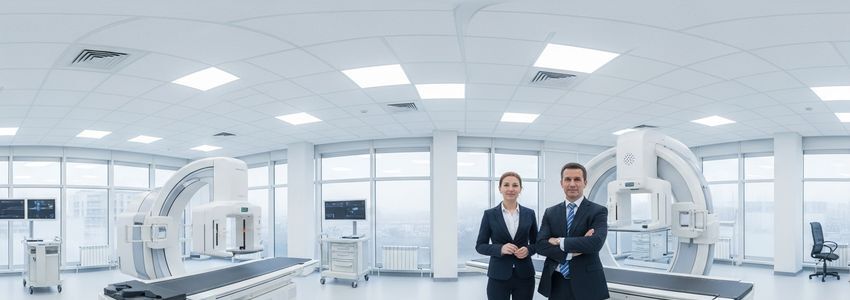
Medical device financing gives healthcare businesses - from private practices to imaging centers to surgical suites - the ability to acquire the equipment they need without draining working capital. Whether you need an MRI machine, ultrasound equipment, surgical robots, or diagnostic tools, the right financing strategy can mean the difference between staying competitive and falling behind. This complete guide covers everything healthcare business owners need to know about financing medical devices in 2024 and beyond.
In This Article
- What Is Medical Device Financing?
- Types of Medical Equipment You Can Finance
- Medical Device Financing Options Compared
- Qualification Requirements
- Rates, Terms, and Costs
- Medical Device Financing at a Glance
- Key Benefits of Financing vs. Buying Outright
- The Application Process Step by Step
- Tips for Getting the Best Terms
- Frequently Asked Questions
- Next Steps
- Conclusion
What Is Medical Device Financing?
Medical device financing is a type of business funding specifically designed to help healthcare organizations acquire diagnostic, surgical, therapeutic, or administrative equipment. Rather than paying the full purchase price upfront - which can range from a few thousand dollars for a basic diagnostic tool to well over $1 million for advanced imaging systems - a healthcare business spreads costs over a fixed repayment period while using the equipment immediately.
Financing for medical devices typically falls under two broad categories: equipment financing loans and equipment leases. With a loan, the practice owns the device at the end of the term. With a lease, the practice makes monthly payments for the right to use the equipment, often with options to purchase, upgrade, or return at the end of the lease period.
The healthcare sector is one of the largest users of equipment financing in the United States. According to the U.S. Small Business Administration, equipment financing represents one of the most common forms of business credit for medical practices and healthcare startups alike. The industry's constant need for cutting-edge technology makes equipment financing not just convenient but strategically essential.
Crestmont Capital - founded in 2015 and rated the #1 business lender in the country - has helped hundreds of healthcare businesses secure the funding they need to modernize their operations, expand service offerings, and improve patient outcomes.
Types of Medical Equipment You Can Finance
One of the advantages of medical device financing is its breadth. Virtually any piece of equipment used in a clinical, surgical, dental, veterinary, or diagnostic setting can be financed. Below is a breakdown of the most commonly financed medical devices by category:
Diagnostic and Imaging Equipment
- MRI machines (average cost: $150,000 - $3 million)
- CT scanners ($50,000 - $2.5 million)
- X-ray systems ($15,000 - $200,000)
- Ultrasound equipment ($20,000 - $200,000)
- PET scan systems ($1 million+)
- Digital mammography systems ($100,000 - $500,000)
- Endoscopy equipment ($10,000 - $100,000)
Surgical and Procedural Equipment
- Surgical robots and robotic-assisted surgery systems
- Laparoscopic equipment
- Anesthesia machines
- Operating room tables and lighting
- Electrosurgical units
- Sterilization and autoclave systems
Dental and Specialty Equipment
- Dental chairs, units, and delivery systems
- Cone beam CT (CBCT) scanners for dentistry
- Laser dentistry equipment
- Orthodontic and oral surgery tools
- Ophthalmology equipment (LASIK, cataract surgery systems)
- Physical therapy and rehabilitation equipment
Laboratory and Testing Equipment
- Blood analyzers and hematology systems
- PCR machines and genomics tools
- Chemistry analyzers
- Centrifuges and microscopes
- Pathology and histology equipment
Administrative and Technology Equipment
- Electronic health record (EHR) hardware and servers
- Practice management software infrastructure
- Telemedicine platforms and hardware
- Waiting room kiosks and check-in systems
Ready to Finance Your Medical Equipment?
Crestmont Capital offers fast approvals, competitive rates, and flexible terms for healthcare businesses of all sizes.
Apply Now - Get Funded in 24-48 HoursMedical Device Financing Options Compared
Healthcare businesses have several financing options available, each with different structures, costs, and benefits. Understanding your options ensures you choose the right fit for your practice's cash flow, tax strategy, and long-term goals.
1. Equipment Financing Loans
With an equipment financing loan, the lender provides capital to purchase the device outright. The equipment itself serves as collateral, which often makes approval easier and rates more competitive than unsecured loans. The practice repays the loan with fixed monthly payments over a set term (typically 24-84 months), and owns the equipment free and clear once the loan is paid off.
Best for: Equipment you want to own long-term; devices with a long useful life (MRI machines, surgical tables, etc.)
2. Equipment Leasing
Leasing allows a practice to use equipment for a monthly payment without taking ownership. At the end of the lease term, you can typically purchase the equipment (sometimes for as little as $1), renew the lease, or return the device and upgrade to newer technology.
- Operating Lease (Fair Market Value Lease): Lower monthly payments, more flexibility to upgrade; equipment stays off balance sheet in many cases
- Capital Lease ($1 Buyout Lease): Higher payments but you own the equipment at end of term for $1; treated like a purchase for accounting purposes
Best for: Technology that becomes obsolete quickly (diagnostic software, imaging upgrades); practices that prioritize cash flow over ownership
3. SBA 7(a) and SBA 504 Loans
The SBA loan programs offer some of the lowest interest rates available for small business equipment purchases. The SBA 504 loan in particular is designed for large fixed-asset purchases and can finance up to $5.5 million in equipment at below-market interest rates. However, SBA loans come with longer approval timelines (2-6 weeks or more) and stricter documentation requirements.
Best for: Large equipment purchases where rate savings justify the longer process; practices with strong financials and established operating history
4. Business Line of Credit
A business line of credit provides revolving access to funds that can be used for equipment purchases, supplies, or any other business expense. Unlike a term loan, you only pay interest on what you draw. Lines of credit offer tremendous flexibility for practices with ongoing equipment needs.
Best for: Smaller, recurring equipment purchases; situations where exact costs are not known in advance
5. Working Capital Loans
A small business loan or working capital loan can also be used for equipment purchases, especially when the equipment does not qualify as collateral (e.g., software, disposable devices, or used equipment with questionable resale value). Rates are typically higher than secured equipment loans, but approval is faster and documentation requirements are lighter.
Qualification Requirements for Medical Device Financing
Qualification criteria vary by lender and loan type, but healthcare businesses generally need to meet the following thresholds:
Typical Requirements from Traditional Lenders
- Credit Score: 650+ personal credit score (680+ preferred for best rates)
- Time in Business: 2+ years of operation
- Annual Revenue: $150,000-$250,000 minimum
- Financial Documents: 2 years of tax returns, 3-6 months of bank statements, profit and loss statements
- Down Payment: 10-20% may be required for large purchases
Requirements from Alternative and Online Lenders (Like Crestmont Capital)
- Credit Score: 550+ (options available for lower scores)
- Time in Business: 6+ months
- Monthly Revenue: $10,000+
- Documentation: 3 months of bank statements, basic business info
What About New Medical Practices?
Startups and newly established practices face a higher bar but still have options. Some lenders offer startup medical equipment financing with reduced documentation requirements, especially if the applicant has a strong personal credit score, healthcare industry experience, and a solid business plan. A personal guarantee is typically required for practices under 2 years old.
If your credit score is less than ideal, bad credit business loans from alternative lenders may provide a pathway to the equipment you need while you work on improving your credit profile.
Rates, Terms, and Costs of Medical Device Financing
Understanding the full cost of financing is critical before signing any agreement. Here's what healthcare businesses typically see in the market:
Interest Rates
- Bank/Credit Union Equipment Loans: 4% - 9% APR
- SBA 504/7(a) Loans: Prime + 2.75% to Prime + 4.75%
- Online/Alternative Lenders: 7% - 30% APR (varies widely by creditworthiness)
- Equipment Leases: Effective rates of 5% - 18% depending on equipment type and lease structure
Loan Terms
- Short-term: 12-36 months (lower total interest, higher monthly payments)
- Mid-term: 36-60 months (balanced payments and cost)
- Long-term: 60-84 months (lower monthly payments, higher total cost)
Fees to Watch For
- Origination fees (0.5% - 3% of loan amount)
- Documentation fees
- Prepayment penalties (common in some lease agreements)
- End-of-lease purchase option fees
- Insurance requirements for high-value equipment
Section 179 Tax Deduction
The IRS Section 179 deduction allows businesses to deduct the full purchase price of qualifying equipment in the year it was purchased, rather than depreciating it over several years. For 2024, the deduction limit is $1,160,000 (subject to phase-out above $2,890,000 in equipment purchases). This tax benefit can significantly reduce the effective cost of medical device financing. Consult your tax advisor to understand how Section 179 applies to your situation.
Medical Device Financing at a Glance
Medical Device Financing: Key Stats & Facts
Sources: SBA.gov, Equipment Leasing and Finance Association, IRS.gov
Need Fast Funding for Medical Equipment?
Don't wait weeks for a bank decision. Crestmont Capital approves healthcare businesses in as little as 24 hours with minimal paperwork.
Get My Rate - No ObligationKey Benefits of Financing vs. Buying Medical Equipment Outright
Many healthcare business owners ask whether financing makes sense when they could pay cash. Here's a breakdown of the key advantages of financing your medical devices rather than using working capital:
1. Preserve Cash Flow
Healthcare businesses face unpredictable expenses - insurance reimbursement delays, staffing costs, supplies, and compliance costs all compete for cash reserves. Financing spreads the cost of equipment over months or years, keeping your working capital available for day-to-day operations and unexpected needs.
2. Acquire Better Equipment Sooner
Waiting until you've saved enough to buy equipment outright may mean years of lost revenue and competitive disadvantage. Financing allows you to bring in the best available technology now and generate revenue from it immediately, often covering the monthly payment many times over.
3. Tax Advantages
As mentioned earlier, Section 179 and bonus depreciation provisions can allow healthcare businesses to deduct the full cost of financed equipment in the year of purchase. Interest paid on equipment loans is also generally deductible as a business expense. These deductions can substantially reduce your effective cost of ownership.
4. Build Business Credit
Consistently making on-time payments on equipment financing builds your business credit profile. A strong business credit score opens doors to larger credit lines, better loan terms, and more financing options as your practice grows.
5. Keep Pace with Technology
Medical technology evolves rapidly. Equipment leases in particular allow healthcare businesses to upgrade to newer devices at the end of the lease term without being stuck with outdated equipment or having to sell used gear at a loss.
6. Easier Approval Than Other Loan Types
Because the equipment itself serves as collateral in most equipment financing arrangements, lenders take on less risk - which means approval is often easier and faster than for unsecured business loans. Fast business loans for equipment can be approved and funded within 24-48 hours in many cases.

The Application Process: Step by Step
Applying for medical device financing with a modern lender like Crestmont Capital is far simpler than most business owners expect. Here's what the process looks like from start to funded:
Step 1: Identify the Equipment and Vendor
Before applying, know what equipment you need and get a quote or invoice from your vendor. Having a specific device, model, and price in mind speeds up the approval process. If you're comparing multiple devices, most lenders can pre-qualify you so you know your budget before finalizing the purchase.
Step 2: Gather Your Documents
For most equipment financing applications, you'll need:
- 3-6 months of business bank statements
- Business and personal tax returns (1-2 years)
- Driver's license or government-issued ID
- Vendor quote or equipment invoice
- Basic business information (EIN, business address, years in operation)
For larger loans (over $500,000), lenders may also request a profit and loss statement, balance sheet, accounts receivable report, and business plan.
Step 3: Submit Your Application
With Crestmont Capital and other modern lenders, applications are completed online in minutes. There's no need to visit a branch or schedule lengthy meetings. Most platforms allow you to upload documents digitally and receive preliminary decisions quickly.
Step 4: Review Your Offer
Once approved, you'll receive a detailed loan or lease offer outlining the loan amount, interest rate, monthly payment, term length, fees, and any conditions. Review carefully and compare offers if you've applied with multiple lenders.
Step 5: Sign and Get Funded
After accepting your offer, funds are typically disbursed directly to the equipment vendor within 24-72 hours. In some cases with direct purchase structures, the lender pays the vendor directly and you take delivery of the equipment immediately.
Tips for Getting the Best Medical Device Financing Terms
A few strategic steps can significantly improve the terms you receive on medical equipment financing:
Improve Your Credit Score Before Applying
Even a modest improvement in your personal credit score (say, from 640 to 680) can move you into a better rate tier. Pay down revolving credit balances, dispute any errors on your credit report, and avoid applying for new credit in the months before your equipment financing application.
Show Strong Revenue Trends
Lenders want to see consistent or growing revenue. If your practice has had a strong recent quarter, apply while those numbers are fresh. Avoid applying during seasonal slowdowns if your practice experiences them.
Consider a Down Payment
Offering 10-20% down on the equipment purchase reduces the lender's risk and can unlock better rates. If you have some cash available, a partial down payment combined with financing often produces the best overall outcome.
Compare Multiple Lenders
Don't accept the first offer you receive. Apply with 2-3 lenders to compare rates and terms. Crestmont Capital's team can often match or beat competing offers - making it worth a quick consultation even if you've already received a quote elsewhere.
Use a Specialist Lender for Healthcare
Lenders with healthcare industry experience understand the unique dynamics of medical practices - including insurance reimbursement cycles, regulatory costs, and equipment depreciation curves. Working with a lender who knows your industry often results in more favorable and flexible terms than going to a general-purpose bank.
Negotiate Equipment Vendor Terms
Vendors of high-cost medical equipment often have manufacturer financing programs or can refer you to preferred lenders. These programs sometimes offer promotional rates or deferred payment options. Always ask your vendor what financing options they can offer before going directly to a third-party lender.
Research by Forbes Advisor consistently shows that businesses that shop multiple lenders save an average of 1-3 percentage points on equipment financing rates - a meaningful difference over multi-year loan terms. Additional guidance from AP News business reporting underscores the importance of timing your application when revenue trends are strongest.
Frequently Asked Questions About Medical Device Financing
What credit score do I need to finance medical equipment?
How much can I borrow for medical device financing?
Can a new medical practice get equipment financing?
Is it better to lease or finance medical equipment?
How long does it take to get approved for medical device financing?
Can I finance used medical equipment?
What documents are needed for a medical equipment loan?
Are there tax benefits to financing medical equipment?
Can I get medical device financing with bad credit?
What interest rates should I expect for medical equipment financing?
Does medical device financing require a personal guarantee?
Can I finance multiple pieces of medical equipment at once?
How does medical equipment financing affect my balance sheet?
Is medical device financing available for dental practices?
What happens if I can't make payments on my medical equipment loan?
Next Steps: How to Get Started with Medical Device Financing
Get specific quotes from 2-3 vendors for the device(s) you want to acquire. Know the exact make, model, new or used, and total cost including installation and training.
Check your personal and business credit scores, gather your last 3-6 months of bank statements, and review your revenue trends. Knowing your financial picture before applying helps set realistic expectations.
Complete Crestmont Capital's simple online application in minutes. Get a decision in as little as 24 hours with competitive rates designed for healthcare businesses.
Review all offers carefully. Compare APR, total cost of financing, monthly payment, term length, and any fees. Choose the option that best aligns with your cash flow and long-term goals.
Once you sign your agreement, funds are disbursed directly to your equipment vendor. Take delivery of your new medical device and put it to work generating revenue for your practice.
Get Pre-Qualified Today
Check your rate without impacting your credit score. Crestmont Capital has helped healthcare businesses finance over $100M in medical equipment since 2015.
Check My Rate NowConclusion
Medical device financing is one of the most powerful tools available to healthcare business owners who want to grow their practice, improve patient outcomes, and stay ahead of the competition - without draining cash reserves or taking on unnecessary risk. Whether you need an advanced imaging system, surgical equipment, dental technology, or laboratory instruments, there is a financing solution designed to fit your needs and budget.
Understanding your options - from traditional equipment loans to SBA programs to alternative lenders - puts you in the driver's seat when it comes to negotiating terms and finding the right fit. The key is to act strategically: know your credit profile, gather your documents, compare multiple lenders, and choose the structure (loan vs. lease) that aligns with your practice's financial goals.
Crestmont Capital has been helping healthcare businesses across the United States access fast, flexible funding since 2015. As the #1 rated business lender in the country, we understand the unique challenges and opportunities facing medical, dental, and specialty practices - and we're here to help you get the equipment you need to thrive.
Ready to take the next step? Apply now and get a decision on your medical device financing in as little as 24 hours.
For more information on your funding options, explore our resources on equipment financing, small business loans, and SBA loan programs. You can also review Bloomberg's healthcare industry coverage for broader market context on medical technology investment trends.
Disclaimer: The information provided in this article is for general educational purposes only and is not financial, legal, or tax advice. Funding terms, qualifications, and product availability may vary and are subject to change without notice. Crestmont Capital does not guarantee approval, rates, or specific outcomes. For personalized information about your business funding options, contact our team directly.