In a competitive market, operating with outdated machinery is not just inefficient; it is a direct threat to your company’s long-term viability and growth. Transforming legacy systems into modern, high-performance assets is a crucial step for any forward-thinking company, and specialized equipment financing for small business provides the necessary capital to make this transition seamless. By leveraging a targeted equipment replacement loan, you can unlock new levels of productivity, reduce operational costs, and secure a significant competitive advantage without depleting your working capital.
In This Article
- Why Upgrading Legacy Equipment Is a Business Imperative
- Types of Loans for Equipment Modernization
- How Equipment Modernization Loans Work
- Industries That Benefit Most from Equipment Upgrades
- Equipment Modernization by the Numbers
- How Crestmont Capital Helps You Modernize
- How to Qualify for Equipment Financing
- Real-World Scenarios: Businesses That Upgraded Successfully
- Comparing Your Equipment Financing Options
- Frequently Asked Questions
- How to Get Started
Why Upgrading Legacy Equipment Is a Business Imperative
The decision to continue operating with legacy equipment versus investing in a modern upgrade is one of the most critical financial and operational choices a business owner can make. While the upfront cost of new machinery can seem daunting, the hidden and compounding costs of maintaining outdated systems often represent a far greater financial burden over time. A legacy system upgrade is not merely a capital expenditure; it is a strategic investment in efficiency, safety, and future profitability.
Holding onto old equipment past its effective lifespan introduces a cascade of negative consequences. These systems are prone to frequent breakdowns, leading to unplanned downtime that halts production, delays customer orders, and damages your company's reputation. The costs associated with these interruptions are substantial, encompassing not only lost revenue but also the high price of emergency repairs, expedited shipping for replacement parts, and overtime pay for staff working to catch up on production backlogs. Furthermore, sourcing parts for obsolete machinery can be a significant challenge, often requiring custom fabrication at a premium price.
Beyond direct repair costs, legacy equipment is notoriously inefficient. Older machines consume significantly more energy than their modern counterparts, leading to inflated utility bills that erode profit margins month after month. They often lack the automation and precision of new technology, resulting in higher material waste, lower output quality, and increased labor costs per unit produced. This technological gap places businesses at a severe competitive disadvantage against leaner, more agile competitors who have already embraced modernization. According to a report highlighted by Forbes, companies that fail to upgrade can see their operational costs creep up by as much as 20% annually compared to modernized competitors.
Safety and compliance are other critical factors. Outdated equipment may not meet current Occupational Safety and Health Administration (OSHA) standards, exposing your business to significant fines and legal liabilities. Modern systems are designed with advanced safety features, such as emergency stops, protective guards, and automated monitoring, which protect your most valuable asset: your employees. A safer work environment also leads to higher morale, reduced employee turnover, and lower workers' compensation insurance premiums.
Finally, the inability to integrate legacy systems with modern software, such as Enterprise Resource Planning (ERP) and Customer Relationship Management (CRM) platforms, creates data silos and operational bottlenecks. This lack of connectivity prevents businesses from leveraging real-time data for decision-making, optimizing supply chains, and providing the seamless customer experience that is expected in today's digital economy. An equipment modernization initiative breaks down these barriers, paving the way for a more connected, data-driven, and profitable operation.
Ready to Modernize Your Equipment?
Stop letting outdated equipment limit your growth. Get fast, flexible equipment financing from the #1 business lender in the U.S.
Apply Now →Types of Loans for Equipment Modernization
Financing a legacy system upgrade requires selecting the right financial product for your specific business needs, cash flow, and long-term goals. There are several types of loans and financing structures designed specifically for acquiring new machinery and technology. Understanding the nuances of each option is the first step toward making an informed decision.
Equipment Financing Agreements
This is the most direct and common form of equipment financing. An Equipment Financing Agreement (EFA) is a loan where the funds are used exclusively to purchase a specific piece of equipment. The key feature of an EFA is that the equipment itself serves as the collateral for the loan. This self-collateralizing nature often makes EFAs easier to qualify for than traditional bank loans, as it reduces the lender's risk. Typically, you can finance up to 100% of the equipment's cost, including soft costs like taxes, shipping, and installation. Terms usually range from two to seven years, with fixed monthly payments that make budgeting predictable. At the end of the loan term, you own the equipment outright.
Equipment Leases
Equipment leasing offers an alternative to purchasing, allowing you to use the equipment for a set period in exchange for regular payments. Leases are particularly attractive for technology that becomes obsolete quickly, as they provide an easy path to upgrading at the end of the term. There are two primary types of leases:
- Operating Lease: This is a true rental agreement. You use the equipment for a fraction of its useful life, and payments are typically lower than loan payments. At the end of the term, you can return the equipment, renew the lease, or purchase it at its fair market value. Operating leases are often treated as an operating expense for tax purposes and keep the asset and liability off your balance sheet.
- Capital Lease (or Finance Lease): This structure is more akin to a loan. The lease term covers the majority of the equipment's useful life, and at the end, you typically have the option to purchase the equipment for a nominal amount, such as $1. This type of lease is treated as a purchase for accounting purposes, meaning the asset is recorded on your balance sheet, and you can take depreciation deductions.
SBA Loans
The U.S. Small Business Administration (SBA) guarantees a portion of loans made by partner lenders, which reduces risk for the lenders and allows them to offer favorable terms to small businesses. Two main SBA programs can be used for equipment modernization:
- SBA 7(a) Loan: This is the SBA's most popular loan program, offering flexibility for various business purposes, including equipment purchases. Loan amounts can go up to $5 million with repayment terms of up to 10 years for equipment. Interest rates are competitive, but the application process is known for being documentation-intensive and can take longer than other financing options.
- SBA 504 Loan: This program is specifically designed for financing fixed assets, such as real estate and long-life machinery. It involves a unique structure with three parties: a bank or conventional lender finances 50% of the project cost, a Certified Development Company (CDC) finances 40% with an SBA-guaranteed loan, and the business owner contributes a 10% down payment. These loans offer long terms (up to 20 years) and fixed, below-market interest rates, making them ideal for major capital equipment financing projects. You can learn more about these programs on the official SBA.gov website.
Business Term Loans
A traditional business term loan provides a lump sum of capital that you repay with interest over a fixed period. While not specifically designated for equipment, a term loan can certainly be used for that purpose. These loans are best for businesses with strong credit and a proven history of revenue. The funds are versatile, but the lender may require additional collateral beyond the equipment itself, such as business assets or a personal guarantee. Terms and rates vary widely based on the lender and the borrower's financial profile.
Business Line of Credit
A business line of credit provides access to a revolving pool of funds up to a certain limit. You can draw from the line as needed and only pay interest on the amount you use. This option offers maximum flexibility, making it suitable for businesses that may need to make multiple smaller equipment purchases over time or want a capital cushion for unexpected upgrade opportunities. Once you repay the borrowed amount, the full credit limit becomes available again. Interest rates on lines of credit are often variable and can be higher than those for term loans.
Industry Insight: According to the Equipment Leasing and Finance Association, U.S. businesses invest over $1 trillion annually in equipment and software. Companies that regularly upgrade equipment report up to 25% higher productivity versus those operating on legacy systems older than 7 years.
How Equipment Modernization Loans Work
Securing an equipment replacement loan is a structured process designed to be efficient and transparent. While specifics can vary between lenders, the core mechanics remain consistent. Understanding this process demystifies financing and empowers you to navigate it with confidence. The journey typically involves four key stages: application, underwriting, approval, and funding.
Step 1: Application and Documentation
The process begins when you submit an application to a lender like Crestmont Capital. Modern lenders have streamlined this step with simple online applications that can often be completed in minutes. You will need to provide basic information about your business, such as its legal name, address, tax ID number (EIN), and years in operation. You will also need to provide details about the equipment you intend to purchase, including a quote or invoice from the vendor. This document should specify the make, model, cost, and any associated soft costs like delivery and installation.
To assess your financial health, lenders typically request several key documents:
- Business Bank Statements: Usually the most recent three to six months. Lenders analyze these to verify revenue, assess cash flow patterns, and ensure you can manage an additional monthly payment.
- Financial Statements: This may include a profit and loss statement and a balance sheet, especially for larger loan requests.
- Business and Personal Tax Returns: Often required to get a complete picture of your business's profitability and your personal financial standing.
- Business Plan (for new businesses): If your company is less than two years old, a business plan with financial projections may be necessary to demonstrate viability.
Step 2: Underwriting and Credit Review
Once your application is submitted, it moves to the underwriting stage. This is where the lender performs its due diligence to assess the risk of the loan. Underwriters will analyze all the documents you provided, focusing on key metrics like your average daily bank balance, monthly revenue, and existing debt obligations. They will also run a credit check on both the business and the principal owners. A strong credit history demonstrates a track record of responsible debt management and significantly improves your chances of approval.
For an equipment loan, the underwriters also evaluate the equipment itself. They consider its expected lifespan, resale value, and importance to your operations. Equipment that holds its value well (like heavy construction machinery) is considered strong collateral and can make financing easier to secure. You can find more details on this process in our equipment financing 101 guide.
Step 3: Approval and Offer
If the underwriting review is successful, the lender will extend a financing offer. This offer will outline the specific terms of the loan, including:
- Loan Amount: The total capital being provided.
- Interest Rate: The cost of borrowing, which can be fixed or variable.
- Term Length: The repayment period, typically 24 to 84 months.
- Monthly Payment: The fixed amount you will pay each month.
- Fees: Any origination fees or documentation fees associated with the loan.
It is crucial to review this offer carefully to ensure you understand all the terms and that the monthly payment fits comfortably within your budget. This is also the time to ask the lender any clarifying questions you may have before signing the final loan documents.
Step 4: Funding and Equipment Purchase
After you accept the offer and sign the loan agreement, the final stage is funding. In most equipment financing scenarios, the lender pays the equipment vendor directly. This simplifies the process for you, as you do not have to handle the large cash transfer yourself. Once the vendor confirms receipt of payment, they will release the equipment for delivery and installation at your facility. Your repayment schedule begins shortly after, typically within 30 days of the equipment being delivered. You can then put your new, modern system to work generating revenue for your business.
Industries That Benefit Most from Equipment Upgrades
While nearly every industry relies on some form of equipment, several sectors are particularly sensitive to the costs of operating legacy systems. For these businesses, regular equipment modernization is not just beneficial; it is essential for survival and growth. Financing provides the pathway to acquire the mission-critical assets they need to stay competitive.
Manufacturing
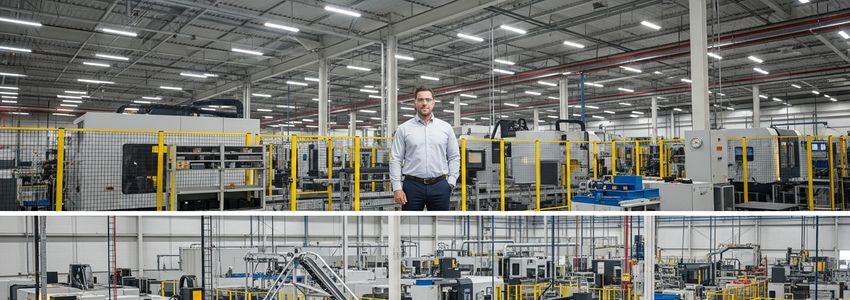
The manufacturing sector is arguably the most reliant on high-performance machinery. Outdated CNC machines, lathes, presses, and robotic arms lead to slower production cycles, higher defect rates, and increased energy consumption. Modernizing with automated, energy-efficient equipment can dramatically boost output, improve product quality, and lower per-unit costs. Specialized manufacturing equipment financing allows factories to acquire state-of-the-art systems that can run 24/7 with minimal oversight, providing a swift and significant return on investment. According to the U.S. Census Bureau, manufacturers' shipments are valued at trillions of dollars annually, and efficiency gains from technology directly impact this massive economic output.
Construction and Heavy Industry
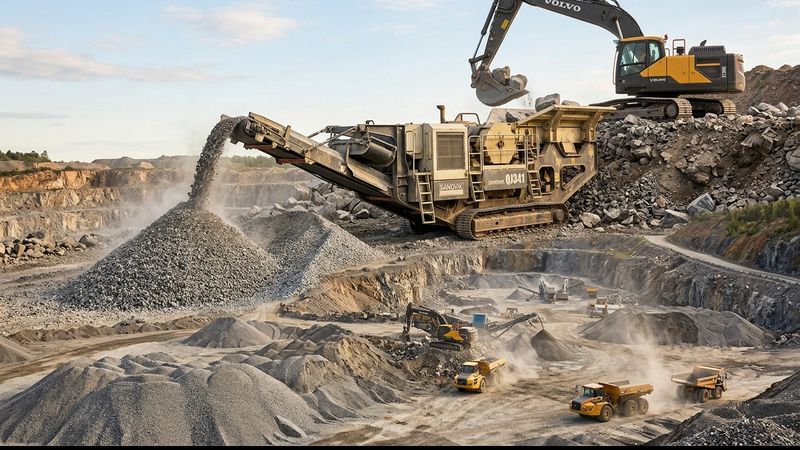
In construction, legacy equipment like aging excavators, bulldozers, and cranes are not only less efficient but also pose serious safety risks. They consume more fuel, break down more often on job sites, and lack the precision of modern GPS-guided machinery. Upgrading to new heavy equipment reduces project timelines, minimizes fuel expenses, and enhances worksite safety. An equipment replacement loan enables construction firms to acquire the powerful, reliable assets needed to bid on and win larger, more profitable contracts.
Healthcare and Medical
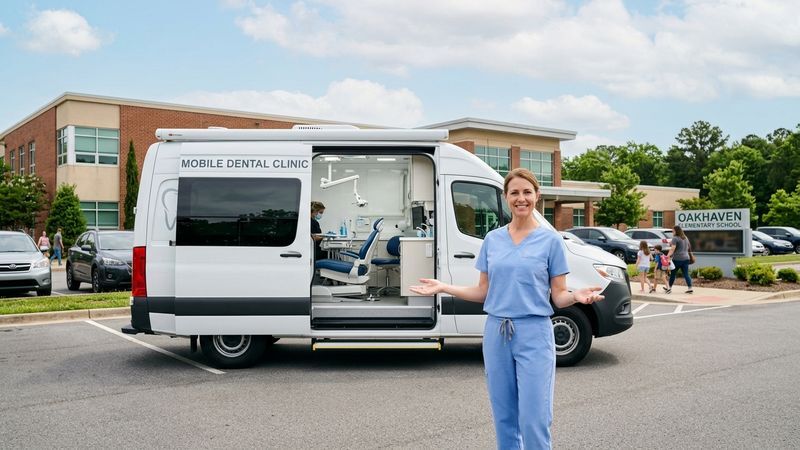
The medical field is driven by technological advancement. Operating with outdated diagnostic imaging machines (MRI, CT scanners), laboratory equipment, or surgical tools can compromise patient care and put a facility at a competitive disadvantage. Modern medical equipment provides more accurate diagnoses, enables less invasive procedures, and improves patient outcomes. Financing allows private practices, clinics, and hospitals to acquire the latest technology without a massive upfront capital outlay, ensuring they can offer the highest standard of care and attract top medical talent.
Logistics and Transportation
For trucking and logistics companies, the fleet is the core of the business. Older trucks have poorer fuel economy, higher maintenance costs, and are less compliant with modern emissions standards. They also lack the advanced telematics and tracking systems that are standard in new vehicles. Modernizing a fleet with new semi-trucks, delivery vans, or forklifts reduces fuel and repair costs, improves driver satisfaction, and provides the data needed to optimize routes and delivery schedules, directly boosting profitability.
Agriculture
Farming has become a high-tech industry. Legacy tractors, combines, and irrigation systems lack the precision agriculture technology that is now essential for maximizing crop yields and minimizing waste. Modern agricultural equipment uses GPS, sensors, and data analytics to optimize planting, fertilizing, and harvesting. This technology conserves water, reduces the use of chemicals, and increases overall farm productivity. Financing helps farmers acquire these advanced tools to compete in a global market.
Restaurant and Hospitality
In the fast-paced restaurant industry, an old, inefficient commercial kitchen can be a major bottleneck. Aging ovens, refrigerators, and dishwashers consume more energy and are prone to breakdowns during peak service hours. Upgrading to modern, energy-efficient appliances can significantly lower utility bills, speed up food preparation, and improve workflow in the kitchen. An equipment loan can help a restaurant owner overhaul their kitchen, leading to better food quality, faster service, and a more profitable operation.

Equipment Modernization by the Numbers
Investing in new equipment is a data-driven decision. The numbers clearly show that upgrading from legacy systems provides a powerful return on investment through increased efficiency, lower costs, and greater access to capital. Here is a look at the key statistics that underscore the value of equipment modernization.
$1+ Trillion
Annual investment by U.S. businesses in new equipment and software, highlighting the constant drive for modernization and competitive advantage.
25%+
Productivity increase reported by companies that regularly upgrade their core operational equipment compared to those using older systems.
20-30%
Reduction in operating costs, including energy consumption and maintenance, achieved by businesses after a legacy system upgrade.
~75%
Approval rate for equipment financing applications from qualified small and medium-sized businesses, demonstrating high accessibility to capital.
How Crestmont Capital Helps You Modernize
Navigating the world of equipment financing can be complex, but you do not have to do it alone. At Crestmont Capital, we specialize in providing tailored financing solutions that empower businesses to execute their legacy system upgrade strategies efficiently and affordably. Our approach is built on a foundation of speed, flexibility, and deep industry expertise, setting us apart from traditional lenders.
We understand that when an opportunity to upgrade arises or a critical piece of equipment fails, time is of the essence. Our streamlined online application process takes just minutes to complete, and our dedicated funding advisors work quickly to process your request. In many cases, we can provide approvals in a matter of hours and funding in as little as 24 hours. This speed ensures that you can acquire the necessary equipment without costly delays, keeping your operations running smoothly and allowing you to capitalize on market opportunities.
One size does not fit all in business financing. Crestmont Capital offers a wide range of financing products, including Equipment Financing Agreements, leases, and working capital loans. This allows us to structure a deal that aligns perfectly with your company's cash flow, tax strategy, and long-term goals. Whether you need 100% financing to preserve working capital, a flexible lease structure to manage technological obsolescence, or a specific repayment schedule that matches your seasonal revenue, our team will work with you to create a customized solution.
Our funding advisors are more than just loan officers; they are industry specialists. We have extensive experience working with businesses in manufacturing, construction, healthcare, logistics, and more. This expertise means we understand the specific challenges and opportunities within your sector. We recognize the value of the equipment you are financing and can provide insightful guidance on structuring the best possible deal. We act as a strategic partner, committed to helping your business grow and succeed through smart capital investments.
Finally, our commitment to transparency and exceptional customer service is unwavering. From your initial application to the final funding, you will have a dedicated point of contact to answer your questions and guide you through the process. We believe in building long-term relationships with our clients, providing the ongoing financial support they need to thrive in a competitive landscape.
Speak with an Equipment Financing Specialist
Our advisors understand the unique needs of businesses upgrading legacy systems. Get a customized financing plan today.
Get Your Equipment Loan →How to Qualify for Equipment Financing
Qualifying for an equipment modernization loan is often more straightforward than securing other types of business financing, primarily because the equipment itself serves as collateral. However, lenders still conduct a thorough evaluation of your business's financial health to determine your creditworthiness. Understanding the key qualification criteria can help you prepare a strong application and increase your chances of approval.
Lenders typically assess what is known as the "Five Cs of Credit":
1. Character (Credit History): Lenders will review the personal credit scores of the business owners as well as the business's credit profile. A strong credit history with a consistent record of on-time payments indicates financial responsibility. While a perfect score is not required, most lenders look for a personal credit score of 600 or higher. A higher score often leads to more favorable interest rates and terms. If you have some blemishes on your credit report, be prepared to explain them.
2. Capacity (Cash Flow): This is one of the most critical factors. Lenders need to be confident that your business generates sufficient cash flow to comfortably handle the new monthly loan payment in addition to your existing obligations. They will analyze your business bank statements to assess your average monthly revenue and daily balances. A healthy, consistent cash flow is a strong indicator that you have the capacity to repay the loan.
3. Capital (Down Payment): While many equipment financing programs offer 100% financing, providing a down payment can significantly strengthen your application. A down payment, typically 10-20% of the equipment cost, reduces the lender's risk and demonstrates your commitment to the investment. It can also result in a lower monthly payment and better interest rates.
4. Collateral: In an equipment loan, the asset being financed is the primary collateral. The lender will assess the value, condition (if used), and expected lifespan of the equipment. Machinery that has a strong resale value and a long useful life is considered excellent collateral, making it easier to secure financing. For this reason, it is important to provide a detailed quote from a reputable vendor.
5. Conditions: Lenders consider external factors, including the health of your industry and the broader economic climate. They also look at how the new equipment will be used and its potential to increase your revenue or efficiency. A clear, compelling case for how the legacy system upgrade will improve your business's performance can make a significant difference in the lending decision.
Pro Tip: When applying for equipment modernization loans, gather 3-6 months of business bank statements, your most recent tax returns, and a brief description of the equipment being replaced. Lenders move faster when documentation is ready upfront.
In addition to the Five Cs, most lenders have a minimum time-in-business requirement, often ranging from six months to two years. Newer businesses may still qualify but might need to provide a strong business plan, financial projections, and have excellent personal credit to compensate for the lack of business history. Preparing your documentation in advance and ensuring your financial records are accurate and up-to-date will streamline the process and present your business in the best possible light.
Real-World Scenarios: Businesses That Upgraded Successfully
The theoretical benefits of equipment modernization become much clearer when viewed through the lens of real-world business scenarios. Across various industries, companies are leveraging targeted financing to replace outdated systems, unlocking significant growth and efficiency. Here are five examples of how businesses transformed their operations.
Scenario 1: The Manufacturing Plant
- The Business: A mid-sized metal fabrication shop in Ohio specializing in custom parts for the automotive industry.
- The Problem: Their primary CNC machine, purchased over 15 years ago, was becoming a major liability. It suffered from frequent breakdowns, leading to costly downtime and missed deadlines. It lacked the precision for modern specifications, resulting in a high scrap rate of nearly 15%. The machine's slow processing speed created a production bottleneck that limited the shop's ability to take on new, larger contracts.
- The Solution: The owner decided to invest in a new 5-axis CNC machining center. This modern equipment offered significantly higher precision, faster cutting speeds, and full automation capabilities, allowing for "lights-out" manufacturing overnight.
- The Financing: The owner secured a $350,000 Equipment Financing Agreement from Crestmont Capital. The new CNC machine served as the sole collateral for the loan, which was structured with a 7-year term and a fixed monthly payment that was predictable and manageable.
- The Outcome: Within six months, the fabrication shop's scrap rate dropped to under 2%. The new machine's speed increased overall production capacity by 40%, allowing them to take on two major new clients. The automation features reduced labor costs per part, and the shop's profitability increased by over 25% in the first year after the upgrade.
Scenario 2: The Healthcare Clinic
- The Business: A private diagnostic imaging clinic in Florida.
- The Problem: The clinic was operating with an 8-year-old MRI machine. The image quality was lower than that of newer models, and scan times were long, limiting patient throughput. The machine's high energy consumption and expensive service contract were also eating into profits. Competing clinics in the area had already upgraded their technology, and the clinic was starting to lose patient referrals.
- The Solution: The clinic's partners chose to lease a new, state-of-the-art 3T MRI system. This machine provided superior image resolution for more accurate diagnoses and reduced scan times by an average of 30%.
- The Financing: They opted for a 60-month operating lease. This structure provided a lower monthly payment than a loan and gave them the flexibility to upgrade to even newer technology at the end of the lease term, a critical consideration in the rapidly evolving medical tech field.
- The Outcome: The clinic was able to increase its daily patient capacity by 25%. The higher-quality images improved their reputation among referring physicians, leading to a 20% increase in patient volume. The new machine was also more energy-efficient, and the lease included a comprehensive service package, reducing their monthly operational costs.
Scenario 3: The Restaurant Group
- The Business: A local restaurant group with three locations in Texas.
- The Problem: The flagship location's kitchen was equipped with aging, inefficient commercial ovens and refrigeration units. The ovens had inconsistent temperature control, leading to food quality issues. The refrigerators were struggling to maintain temperature during peak summer months, resulting in food spoilage. The combined energy draw of the old appliances was also driving up utility bills.
- The Solution: The owner decided to perform a complete kitchen overhaul, purchasing new ENERGY STAR-rated convection ovens, walk-in coolers, and commercial ranges.
- The Financing: The owner used a $75,000 equipment replacement loan to finance the entire package of new kitchen appliances. The loan featured a 5-year term, allowing the cost to be spread out over time.
- The Outcome: The new kitchen equipment immediately improved food consistency and quality, leading to better customer reviews. Food spoilage was virtually eliminated. Most impressively, the restaurant's monthly utility bill decreased by nearly $1,000 due to the energy-efficient appliances, and the faster cooking times improved ticket times during busy dinner services.
Scenario 4: The Logistics Company
- The Business: A regional third-party logistics (3PL) company based in California.
- The Problem: The company's fleet of 20 delivery trucks was aging. The average vehicle was over 10 years old, resulting in poor fuel efficiency (averaging 6 miles per gallon) and frequent, costly repairs. The constant breakdowns were disrupting delivery schedules and damaging their reputation for reliability.
- The Solution: The company decided to replace the 10 oldest trucks in their fleet with new, fuel-efficient models equipped with modern telematics for route optimization and real-time tracking.
- The Financing: They secured a $1.2 million equipment loan to purchase the ten new trucks. The loan was structured with monthly payments that were partially offset by the anticipated savings in fuel and maintenance costs.
- The Outcome: The new trucks averaged over 9 miles per gallon, leading to a 33% reduction in fuel costs for those vehicles. Maintenance expenses for the fleet dropped by over 50% in the first year. The improved reliability and real-time tracking capabilities allowed them to offer better service, helping them land a major new contract with a national retailer.
Comparing Your Equipment Financing Options
Choosing the right financing structure is as important as choosing the right equipment. Each option has distinct implications for your cash flow, balance sheet, and long-term business strategy. A direct comparison of an equipment loan, an equipment lease, a business line of credit, and an SBA loan reveals these key differences, helping you align your financing choice with your specific business objectives.
An Equipment Loan is a straightforward path to ownership. It's ideal for long-life assets that form the core of your operations. By making regular payments, you build equity in the equipment, and once the loan is paid off, it becomes a debt-free asset on your balance sheet. This ownership allows you to claim depreciation tax benefits, which can be a significant advantage. However, it typically requires a larger monthly payment compared to a lease.
An Equipment Lease, particularly an operating lease, is designed for access over ownership. It is the perfect solution for technology that evolves rapidly, such as computers or medical imaging devices. Lease payments are often lower than loan payments and can be treated as a deductible operating expense. This structure keeps the equipment off your balance sheet, which can be beneficial for certain financial ratios. The trade-off is that you do not build equity in the asset.
A Business Line of Credit offers unparalleled flexibility. It is not tied to a single purchase but provides a revolving fund you can use for various needs, including smaller equipment upgrades or repairs. This is best for businesses that need ongoing access to capital for unpredictable expenses. The downside is that interest rates are often variable and can be higher than those on a structured term loan.
An SBA Loan represents the gold standard for long-term, low-rate financing. Backed by the federal government, these loans offer some of the most favorable terms available. They are excellent for major, transformative investments in capital equipment. However, this advantage comes with a rigorous and lengthy application process that requires extensive documentation and patience.
The table below provides a side-by-side summary of these key financing options:
| Feature | Equipment Loan | Equipment Lease | Line of Credit | SBA Loan |
|---|---|---|---|---|
| Ownership | Yes, at the end of the term. | No, you are renting. Option to buy may exist. | N/A (Funds used to purchase, so you own it). | Yes, you own the equipment. |
| Upfront Cost | May require a down payment (10-20%). | Low to no down payment, often first/last month. | No upfront cost to open the line. | Typically requires a 10% down payment. |
| Tax Benefits | Can depreciate the asset (e.g., Section 179). | Lease payments are often fully tax-deductible. | Interest paid is tax-deductible. | Can depreciate the asset. Interest is deductible. |
| Flexibility | Less flexible; tied to a specific asset. | High flexibility to upgrade at end of term. | Very flexible; use funds for any business need. | Moderately flexible; funds for approved uses. |
| Approval Speed | Fast (often 1-3 days). | Fast (often 1-3 days). | Fast for approval, draws are instant. | Slow (can take several weeks to months). |
| Ideal Use Case | Long-life equipment you intend to keep. | Tech that quickly becomes obsolete. | Ongoing, smaller equipment needs or repairs. | Large, expensive capital equipment purchases. |
Frequently Asked Questions
1. Can I finance 100% of the equipment cost?
Yes, many equipment financing agreements and leases allow for 100% financing, covering the total cost of the equipment plus soft costs like taxes, shipping, and installation. This helps businesses conserve their working capital for other operational needs. However, providing a down payment can sometimes result in more favorable loan terms.
2. What is the difference between an equipment loan and a lease?
The primary difference is ownership. With an equipment loan, you make payments toward owning the asset, and it is yours at the end of the term. With a lease, you are essentially renting the equipment for a set period. At the end of the lease, you can typically return it, renew the lease, or purchase it. Loans build equity, while leases offer lower payments and flexibility to upgrade.
3. How long does it take to get approved and funded?
For lenders like Crestmont Capital, the process is very fast. An online application takes only a few minutes, and approval can often be granted within a few hours. Once you sign the loan documents, funding can occur in as little as 24 hours. The entire process, from application to the vendor being paid, can be completed in 1-3 business days.
4. Can I finance used equipment?
Absolutely. Most lenders will finance both new and used equipment. When financing used equipment, the lender will typically require an inspection or appraisal to verify its condition and fair market value. The loan term for used equipment may be shorter than for new equipment, often tied to the asset's remaining useful life.
5. What credit score do I need for an equipment replacement loan?
While credit requirements vary by lender, a personal credit score of 600 or higher is generally a good starting point for equipment financing. Lenders also heavily weigh other factors like your business's cash flow and time in business. A stronger credit score will typically help you secure a lower interest rate.
6. Does the equipment itself serve as the only collateral?
In most equipment financing agreements, the equipment being purchased is the sole collateral for the loan. This is a major advantage as it means you do not have to pledge other business or personal assets. However, a personal guarantee from the business owner is still a standard requirement.
7. What are "soft costs" and can they be financed?
Soft costs are expenses related to the equipment purchase that are not part of the asset's price tag itself. This includes sales tax, delivery charges, installation fees, and initial training costs. Many financing agreements allow you to roll these soft costs into the total loan amount, providing a single, convenient payment.
8. What happens if I want to pay off my equipment loan early?
Policies on prepayment vary by lender. Some loans have no prepayment penalties, allowing you to pay off the balance early and save on future interest. Other loan agreements may include a prepayment penalty or require you to pay a certain portion of the remaining interest. It is important to clarify this with your lender before signing the agreement.
9. Can a new business or startup qualify for equipment financing?
Yes, it is possible for startups to qualify, although it can be more challenging than for established businesses. Lenders will place a heavier emphasis on the owner's personal credit score, industry experience, and a detailed business plan with strong financial projections. A significant down payment can also greatly improve a startup's chances of approval.
10. What are the typical interest rates for equipment loans?
Interest rates for equipment loans can vary widely, typically ranging from 6% to 30% or more. The rate you receive depends on your credit score, time in business, annual revenue, the loan term, and the type of equipment being financed. Businesses with strong financials and credit will qualify for the most competitive rates.
11. How does Section 179 tax deduction work with equipment financing?
Section 179 of the IRS tax code allows businesses to deduct the full purchase price of qualifying new or used equipment in the year it is put into service, rather than depreciating it over several years. This is a powerful incentive for modernization. When you finance equipment with a loan or capital lease, you can still take the full Section 179 deduction, which can significantly lower your tax liability. Consult with a tax professional for details specific to your business.
12. Can I finance equipment from a private seller?
Yes, financing equipment from a private seller is possible, but it may involve a few extra steps. The lender will need to verify the seller's ownership of the equipment and ensure there are no existing liens on it. They will also likely require a third-party inspection and appraisal to confirm the equipment's value and condition before approving the loan.
13. What is a "dollar buyout" lease?
A dollar buyout lease, also known as a capital lease or finance lease, is a lease structure where you have the option to purchase the equipment for a nominal amount, typically $1, at the end of the lease term. This type of lease is essentially a loan disguised as a lease and is treated as such for tax and accounting purposes, allowing you to depreciate the asset.
14. What documents are typically required for an application?
For smaller loan amounts (under $250,000), the process is often streamlined. You will typically need a completed one-page application, the last 3-6 months of your business bank statements, and a quote or invoice for the equipment. For larger requests, you may also need to provide financial statements (P&L, balance sheet) and business tax returns.
15. What if the equipment I need is highly specialized or custom-built?
Financing for specialized or custom-built equipment is available. Because this type of equipment may have a limited resale market, lenders will place a greater emphasis on your business's overall financial strength, including cash flow and credit history. They may also require a larger down payment to mitigate the risk associated with the highly specific collateral.
Transform Your Equipment, Transform Your Business
Join thousands of U.S. businesses that have upgraded their operations with Crestmont Capital equipment financing.
Start My Application →How to Get Started
Taking the first step toward modernizing your equipment is simple and fast. At Crestmont Capital, we have designed a straightforward process to get you the capital you need with minimal hassle, allowing you to focus on running your business. Follow these four steps to begin your equipment transformation.
Apply Online in Minutes
Complete our secure, one-page online application. It requires only basic information about you and your business and can be finished in less than five minutes. There is no cost or obligation to apply.
Speak with a Specialist
A dedicated equipment financing advisor will contact you to discuss your specific needs, review your options, and answer any questions you have. We will help you gather the necessary documents, such as bank statements and an equipment quote.
Get Your Offer
Once we review your application, you will receive a clear, transparent financing offer outlining your approved amount, interest rate, and term. We work to get you the best possible terms based on your business profile.
Get Funded and Grow
After you accept the offer and sign the documents, we transfer the funds directly to your equipment vendor. You get your new equipment and can immediately put it to work to increase revenue and efficiency.
Conclusion
The decision to move on from legacy equipment is a pivotal moment for any business. It marks a transition from maintaining the status quo to actively investing in future growth, efficiency, and competitiveness. While the initial cost can be a barrier, a wide array of flexible financing solutions exists to make this critical upgrade achievable without disrupting your cash flow. By understanding your options and partnering with an experienced lender, you can turn outdated machinery into a powerful engine for profitability. The right equipment financing for small business is not just a loan; it is a strategic tool that empowers you to build a more resilient, productive, and successful enterprise for years to come.
Disclaimer: The information provided in this article is for general educational purposes only and is not financial, legal, or tax advice. Funding terms, qualifications, and product availability may vary and are subject to change without notice. Crestmont Capital does not guarantee approval, rates, or specific outcomes. For personalized information about your business funding options, contact our team directly.