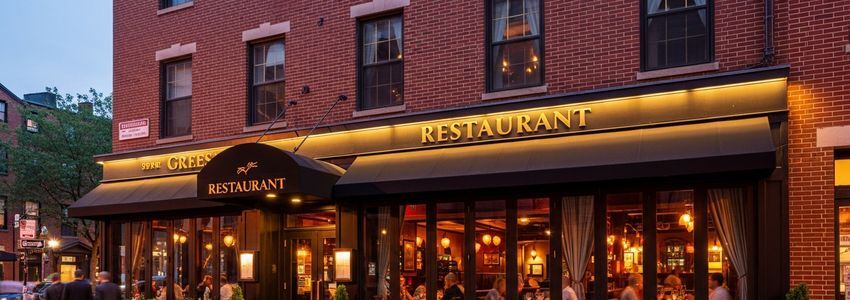
Restaurant Loans in Cambridge and Boston: The Complete Financing Guide
Navigating the vibrant culinary landscapes of Cambridge and Boston requires more than just exceptional food and service; it demands robust financial planning and access to capital. For restaurateurs seeking to open a new establishment, expand an existing one, or simply manage day-to-day operations, understanding the diverse options for restaurant loans Boston Cambridge offers is paramount. This comprehensive guide will illuminate the pathways to securing the financing your food business needs to thrive in these competitive and dynamic markets.
In This Article
- Boston/Cambridge Restaurant Market Overview
- Types of Restaurant Loans Available
- SBA Loans for Boston/Cambridge Restaurants
- Equipment Financing for Restaurant Owners
- Working Capital and Lines of Credit
- How to Qualify for a Restaurant Loan
- Comparison Table of Loan Options
- Real-World Scenarios
- How Crestmont Capital Helps
- Frequently Asked Questions (FAQ)
- Next Steps for Your Restaurant Financing
- Conclusion
Boston/Cambridge Restaurant Market Overview
The restaurant industry in Boston and Cambridge is a cornerstone of the regional economy, a vibrant tapestry of culinary innovation, historical charm, and diverse flavors. From the bustling Seaport District eateries to the eclectic independent cafes of Harvard Square, and the innovative dining experiences in Kendall Square, this market presents both immense opportunities and unique challenges for restaurateurs. Understanding the local landscape is crucial for any business owner planning to secure financing.
According to recent data from the Massachusetts Restaurant Association (MRA), the food service industry in Massachusetts generated over $19 billion in sales annually before the pandemic, with projections for significant recovery and growth. Boston and Cambridge, as major urban centers and tourist destinations, contribute substantially to these figures. The metropolitan area boasts thousands of restaurants, employing tens of thousands of individuals and serving millions of residents and visitors each year. This robust market signifies a strong consumer base and a dynamic environment for culinary businesses.
However, the market is also characterized by intense competition, high operating costs-especially real estate and labor-and an ever-evolving regulatory landscape. A recent report by Bloomberg highlighted the increasing cost of doing business in major U.S. cities, with Boston often ranking among the most expensive. This means that restaurant owners in Cambridge and Boston frequently require substantial capital to cover startup costs, leasehold improvements, inventory, and working capital to sustain operations through initial growth phases or seasonal fluctuations.
Key characteristics of the Boston/Cambridge restaurant market:
- Diverse Culinary Scene: From fine dining and international cuisine to casual bistros, food trucks, and fast-casual concepts, the variety is immense. This diversity caters to a broad customer base but also means niche markets can be highly competitive.
- High Consumer Expectations: Diners in Boston and Cambridge are often sophisticated and discerning, demanding quality, innovation, and excellent service. This necessitates ongoing investment in staff training, menu development, and facility upgrades.
- Strong Tourism and Student Population: Both cities are major tourist destinations and home to numerous universities, providing a consistent influx of potential customers. However, this also means demand can be seasonal, with dips during academic breaks or off-peak tourist seasons.
- Labor Market Challenges: The region faces a competitive labor market, often leading to higher wage expectations and challenges in staffing. Efficient operations and attractive compensation packages are vital.
- Real Estate Costs: Commercial rents in prime locations are among the highest in the nation. Securing a desirable location often requires significant upfront capital for deposits, build-outs, and leasehold improvements.
Given these market dynamics, securing the right type of financing is not just about getting a loan; it's about strategizing for long-term success. Whether you're a first-time restaurateur with an innovative concept or an established brand looking to expand, the financial tools available can make all the difference in navigating this exciting yet challenging environment.
Ready to Fuel Your Restaurant's Growth?
Don't let financing challenges hold back your culinary vision. Crestmont Capital offers tailored loan solutions for Boston and Cambridge restaurants.
Apply NowTypes of Restaurant Loans Available
The world of business financing offers a spectrum of products, each designed for different needs and business profiles. For restaurant owners in Boston and Cambridge, understanding these options is the first step towards securing the most advantageous funding.
-
Traditional Bank Loans: Often considered the gold standard, traditional bank loans from institutions like Bank of America, Citizens Bank, or smaller local banks offer competitive interest rates and longer repayment terms. They are typically secured by collateral and require a strong credit history, a detailed business plan, and significant financial documentation. While appealing due to their cost-effectiveness, they can be challenging to obtain for startups or businesses with less-than-perfect credit, and the application process can be lengthy. These are ideal for established restaurants with proven profitability and substantial assets.
-
Small Business Administration (SBA) Loans: Backed by the U.S. Small Business Administration, these loans reduce risk for lenders, making it easier for small businesses, including restaurants, to qualify. SBA loans feature lower down payments, longer repayment terms, and competitive interest rates. Programs like the SBA 7(a) and SBA 504 are particularly popular for restaurants. They are versatile and can be used for almost any business purpose, from real estate acquisition and construction to working capital and equipment purchases. However, the application process can be rigorous and time-consuming, involving extensive paperwork and strict eligibility criteria.
-
Merchant Cash Advances (MCAs): An MCA is not technically a loan but an advance on future credit card sales. A lump sum is provided, and repayment is made through a percentage of daily credit card transactions until the advance, plus a fee, is repaid. MCAs are known for their speed and accessibility, often requiring minimal documentation and approving businesses with less-than-perfect credit. They are excellent for short-term cash flow needs or unexpected expenses. However, the cost of an MCA can be significantly higher than traditional loans, and the daily repayment structure can impact cash flow if sales fluctuate.
-
Business Lines of Credit: A business line of credit offers flexible access to funds up to a pre-approved limit. You only pay interest on the amount you draw, and as you repay, funds become available again. This revolving credit facility is ideal for managing fluctuating cash flow, covering unexpected expenses, or bridging gaps between revenue and expenditures. It's a fantastic tool for restaurants dealing with seasonal demand, inventory purchases, or minor operational needs. Qualification typically requires a good credit score and a stable business history.
-
Equipment Financing: For restaurants, specialized restaurant equipment financing is crucial. This type of loan is specifically designed to purchase or lease essential machinery, from ovens and refrigerators to point-of-sale (POS) systems and furniture. The equipment itself often serves as collateral, making it easier to qualify than for unsecured loans. It helps preserve working capital and allows restaurants to acquire necessary assets without a large upfront investment. This is vital for new establishments outfitting their kitchens or existing ones upgrading to more efficient technology.
-
Working Capital Loans: Working capital loans are unsecured loans designed to cover day-to-day operational expenses, such as payroll, rent, inventory, utilities, and marketing. They provide a quick injection of cash to maintain liquidity and smooth out cash flow cycles. These loans are typically short-term and can be a lifeline for restaurants experiencing seasonal dips or unexpected increases in operational costs. While generally faster to approve than traditional loans, they may carry higher interest rates depending on the lender and borrower's creditworthiness.
Each of these loan types offers distinct advantages and disadvantages. The best choice for your Boston or Cambridge restaurant will depend on your specific financial needs, business stage, credit profile, and repayment capacity.
SBA Loans for Boston/Cambridge Restaurants
SBA loans represent a cornerstone of small business financing, offering a unique blend of government backing and commercial lending that makes them particularly attractive for restaurants in high-cost, competitive markets like Boston and Cambridge. The Small Business Administration doesn't directly lend money; instead, it guarantees a portion of loans made by approved lenders, thereby reducing the risk for banks and financial institutions and encouraging them to lend to small businesses that might not otherwise qualify for conventional financing.
Why SBA Loans are Ideal for Boston/Cambridge Restaurants:
- Lower Down Payments: Compared to conventional loans, SBA loans often require lower equity injections, which can be a significant advantage given the high startup costs in this region.
- Longer Repayment Terms: SBA loans typically offer longer repayment periods, sometimes up to 10 years for working capital and equipment, and up to 25 years for real estate. This results in lower monthly payments, improving a restaurant's cash flow.
- Competitive Interest Rates: Because of the government guarantee, lenders can offer more favorable interest rates than they might for an unguaranteed loan, making SBA loans a cost-effective option over the long term.
- Versatile Use of Funds: SBA loan proceeds can be used for a wide array of business purposes, including:
- Purchasing or renovating real estate (e.g., acquiring a restaurant building in the North End).
- New construction or leasehold improvements (e.g., building out a new space in Kendall Square).
- Purchasing equipment, furniture, and fixtures.
- Working capital to cover operational expenses.
- Refinancing existing debt under more favorable terms.
- Business acquisition (e.g., buying an established diner in Cambridge).
Key SBA Programs Relevant to Restaurants:
-
SBA 7(a) Loan Program: This is the most common and flexible SBA loan program. It offers up to $5 million in financing for various general business purposes. For restaurants, a 7(a) loan can be used for working capital, equipment purchases, leasehold improvements, inventory, and even the acquisition of an existing restaurant. The repayment terms are long, and rates are capped, providing stability.
-
SBA 504 Loan Program: The 504 program provides long-term, fixed-rate financing for major fixed assets, such as real estate and large equipment. It involves a partnership between a commercial lender (providing 50% of the project cost), a Certified Development Company (CDC) (providing up to 40% with an SBA guarantee), and the borrower (contributing at least 10%). This program is excellent for restaurants looking to purchase their building or undertake significant renovations, offering stable, affordable payments over 10 to 20 years.
-
SBA Microloan Program: For smaller financing needs, the Microloan program provides loans up to $50,000. These are typically administered by non-profit community-based organizations that also offer business counseling. Microloans can be invaluable for startups or small existing restaurants needing funds for small equipment, inventory, or specific marketing initiatives.
Navigating the SBA Application Process:
While the benefits are substantial, the SBA loan application process can be rigorous. Lenders will thoroughly review your business plan, financial projections, personal credit history, and collateral. It's crucial to have:
- A well-structured business plan outlining your restaurant's concept, market analysis, management team, and financial projections.
- Detailed financial statements (for existing businesses).
- Personal and business credit reports in good standing.
- Evidence of industry experience and management capability.
- A clear understanding of how the loan funds will be used.
Working with an experienced SBA lender, such as Crestmont Capital, can significantly streamline the process and increase your chances of approval. Our expertise in navigating SBA requirements helps Boston and Cambridge restaurateurs access these powerful financing tools. For more detailed information, you can visit our dedicated SBA Loans page.
Equipment Financing for Restaurant Owners
In the fast-paced and competitive culinary environment of Boston and Cambridge, the right equipment can be the difference between a struggling kitchen and a thriving restaurant. From state-of-the-art ovens and industrial refrigerators to specialized cooking stations, efficient POS systems, and comfortable dining furniture, every piece plays a critical role. However, the cost of outfitting a modern restaurant can be substantial, making restaurant equipment financing an indispensable tool for owners.

What is Equipment Financing?
Equipment financing is a specialized loan product designed specifically for the purchase of machinery, vehicles, and other tangible assets. For restaurants, this means financing anything from a new walk-in freezer to a complete kitchen remodel, or even a new fleet of delivery vehicles for a growing catering operation. The key advantage of this type of financing is that the equipment itself often serves as collateral for the loan. This reduces the risk for the lender, which can translate into more favorable terms for the borrower, even for businesses with less-than-perfect credit or limited operating history.
Benefits for Boston/Cambridge Restaurants:
- Preserves Working Capital: Instead of tying up a large amount of cash in equipment purchases, financing allows restaurants to spread the cost over time. This frees up valuable working capital for day-to-day operations, inventory, payroll, and marketing efforts, which is crucial in a market with high operating costs.
- Access to Latest Technology: The restaurant industry constantly evolves, with new technologies emerging to improve efficiency, reduce waste, and enhance the customer experience. Equipment financing enables restaurants to acquire the latest ovens, energy-efficient refrigeration, advanced POS systems, or innovative cooking apparatus without a significant upfront investment, helping them stay competitive.
- Faster Approval Process: Compared to traditional term loans, equipment financing often has a quicker approval process because the asset being financed acts as collateral. This can be critical when a restaurant needs to replace a broken piece of equipment quickly to avoid operational downtime.
- Tax Advantages: In many cases, interest paid on equipment loans and depreciation of the equipment can be tax-deductible, providing additional financial benefits. Consult with a tax professional to understand specific implications for your business.
- Flexible Terms: Lenders often offer flexible repayment schedules that can be tailored to a restaurant's cash flow, including seasonal payment options or longer terms for more expensive equipment.
What Can Be Financed?
Virtually any essential equipment for a restaurant can be financed, including:
- Kitchen Equipment: Ovens, ranges, griddles, fryers, refrigerators, freezers, ice machines, dishwashers, food processors, mixers, ventilation systems.
- Dining Room Equipment: Tables, chairs, bar stools, serving carts, display cases.
- Point-of-Sale (POS) Systems: Hardware and software for order taking, payment processing, inventory management, and customer relationship management.
- Software and Technology: Reservation systems, online ordering platforms, kitchen display systems.
- Delivery Vehicles: For restaurants offering catering or delivery services.
- HVAC and Plumbing Upgrades: Essential infrastructure improvements.
Leasing vs. Buying:
Restaurant equipment financing often comes in two primary forms: a loan to purchase the equipment outright, or a lease agreement.
- Leasing: Offers lower monthly payments and the flexibility to upgrade equipment regularly. At the end of the lease term, you can typically purchase the equipment at a reduced price, return it, or upgrade to newer models. This is ideal for rapidly evolving technology or equipment with high depreciation.
- Buying (with a loan): You own the equipment from the start, building equity. This is often preferred for long-lasting, high-value equipment that you plan to use for many years.
Choosing between leasing and buying depends on your restaurant's long-term strategy, cash flow, and desire for ownership. Crestmont Capital specializes in both equipment financing and leasing solutions, helping Boston and Cambridge restaurants acquire the assets they need to deliver exceptional culinary experiences. Explore more on our related blog post about financing new equipment and kitchen upgrades.
Did You Know?
The average cost to open a new restaurant in a major metropolitan area like Boston can range from $250,000 to over $1 million, with equipment alone often accounting for 10-15% of that initial investment.
Working Capital and Lines of Credit
For any restaurant in the competitive Boston and Cambridge market, maintaining healthy cash flow is as critical as the quality of its cuisine. Even profitable restaurants can face periods of cash flow strain due to seasonality, unexpected expenses, or the lag between serving customers and receiving payments from catering contracts or third-party delivery platforms. This is where working capital loans and business lines of credit become invaluable financial tools.
Understanding Working Capital Loans:
A working capital loan is a short-term, unsecured loan designed to cover a business's operational expenses. Unlike equipment loans or real estate loans, which are for specific asset purchases, working capital is about providing liquidity for day-to-day needs.
Typical Uses for Restaurants:
- Inventory Purchases: Stocking up on fresh ingredients, beverages, and supplies.
- Payroll: Ensuring employees are paid on time, especially during slower periods or when expanding staff.
- Rent and Utilities: Covering fixed monthly overheads.
- Marketing and Advertising: Funding promotional campaigns to attract new customers or boost off-peak traffic.
- Unexpected Repairs: Addressing sudden equipment breakdowns or facility issues.
- Seasonal Fluctuations: Bridging gaps during slower seasons (e.g., summer dips for restaurants near universities).
Benefits of Working Capital Loans:
- Quick Access to Funds: Often have a faster approval and funding process compared to traditional term loans, making them ideal for urgent needs.
- Flexibility: Funds can be used for a wide range of operational expenses without strict limitations.
- Unsecured Options: Many working capital loans are unsecured, meaning they don't require specific collateral, which is beneficial for businesses without significant fixed assets.
Understanding Business Lines of Credit:
A business line of credit functions much like a credit card for your business. A lender approves you for a maximum credit limit, and you can draw funds as needed, up to that limit. You only pay interest on the amount you've borrowed, and as you repay the principal, the funds become available again for future use. This revolving nature makes it an exceptionally flexible financing option.
Benefits of a Business Line of Credit for Restaurants:
- Ultimate Flexibility: Provides ongoing access to funds, perfect for managing unpredictable cash flow. You can draw funds for small, immediate needs or larger, planned expenses without re-applying each time.
- Cost-Effective for Fluctuating Needs: Since interest is only paid on drawn amounts, it can be more cost-effective than a term loan if you don't need the full amount upfront or if your needs fluctuate.
- Emergency Fund: Serves as a financial safety net for unexpected emergencies, such as a sudden drop in sales, a major appliance breakdown, or a temporary supply chain disruption.
- Supports Growth: Can be used to seize timely opportunities, like bulk inventory purchases at a discount, or to fund a small, immediate expansion project.
- Builds Credit: Responsible use and timely repayment of a business line of credit can help improve your business's credit profile, opening doors to more favorable financing in the future.
For a restaurant in Boston or Cambridge, where operational costs can be high and market dynamics can shift rapidly, having access to a reliable working capital solution or a flexible line of credit is not a luxury, but a necessity. It provides the financial agility to respond to challenges, capitalize on opportunities, and ensure the smooth, uninterrupted operation of your culinary business. Crestmont Capital offers both working capital loans and business lines of credit tailored to the specific needs of restaurants, helping you maintain a healthy financial foundation.
Expert Tip:
Many restaurants experience seasonal revenue fluctuations. A business line of credit can be an ideal solution to bridge cash flow gaps during slower periods, allowing you to cover fixed costs and retain staff without stress.
How to Qualify for a Restaurant Loan
Securing a restaurant loan in the competitive Boston and Cambridge market requires demonstrating financial stability, a clear vision, and a strong repayment capacity. While specific requirements vary by loan type and lender, several key factors are universally assessed. Understanding these criteria will significantly improve your chances of approval.
-
Strong Credit Score (Personal and Business): Lenders will evaluate both your personal credit score (FICO) and your business credit score. A personal credit score of 680 or higher is generally preferred, especially for newer businesses or smaller loan amounts. For established businesses, a strong business credit history (e.g., Dun & Bradstreet PAYDEX score) indicating timely payments to suppliers and creditors is crucial. A good credit score signals responsible financial management and reduces perceived risk for the lender.
-
Time in Business and Industry Experience: New restaurants often face higher scrutiny. Lenders typically prefer businesses with at least 1-2 years of operating history, demonstrating stability and a proven track record. However, some specialized lenders and SBA microloan programs do cater to startups. If you're a startup, highlighting your extensive culinary or business management experience, along with a solid business plan, becomes even more critical.
-
Consistent Revenue and Cash Flow: For existing restaurants, lenders will analyze your financial statements (profit and loss statements, balance sheets, bank statements) to assess revenue trends, profitability, and most importantly, consistent cash flow. They want to ensure your business generates enough income to comfortably cover loan repayments in addition to all other operating expenses. High sales volume is good, but consistent net profit and positive cash flow are better indicators of repayment ability.
-
Comprehensive Business Plan: Especially for startups or significant expansion projects, a well-researched and detailed business plan is essential. This document should outline:
- Executive Summary: A concise overview of your business, mission, and objectives.
- Company Description: Legal structure, history, and current status.
- Market Analysis: In-depth research on the Boston/Cambridge restaurant market, target audience, competition, and your unique selling proposition.
- Management Team: Resumes and experience of key personnel.
- Service/Product Line: Your menu, pricing strategy, and operational plan.
- Marketing and Sales Strategy: How you plan to attract and retain customers.
- Financial Projections: Detailed 3-5 year projections for revenue, expenses, and profitability, including a clear breakdown of how loan funds will be utilized and repaid.
-
Collateral (for Secured Loans): For traditional term loans, SBA 504 loans, and equipment financing, collateral is often required. This can include real estate, equipment, accounts receivable, or inventory. Collateral reduces the lender's risk, potentially leading to better loan terms. If your business has valuable assets, leverage them.
-
Debt Service Coverage Ratio (DSCR): Lenders will calculate your DSCR to determine your ability to service new debt. A common benchmark is a DSCR of 1.25x or higher, meaning your net operating income is 1.25 times your total debt obligations (including the proposed new loan). This demonstrates that you have sufficient income to cover all your debt payments.
-
Personal Guarantee: Many small business loans, especially for privately held companies, will require a personal guarantee from the business owner(s). This means you are personally responsible for repaying the loan if the business defaults. Be prepared for this requirement, as it's standard practice.
-
Industry-Specific Experience: While not always a strict requirement, demonstrating prior success or extensive experience in the restaurant industry can significantly bolster your application, especially if you are seeking a loan for a new venture. Lenders are more comfortable backing individuals who understand the unique challenges and opportunities of the culinary world.
Preparing Your Application:
To streamline the qualification process, gather all necessary documentation in advance:
- Business license and registrations.
- Bank statements (past 6-12 months).
- Tax returns (personal and business, past 2-3 years).
- Financial statements (P&L, balance sheet).
- Legal documents (articles of incorporation, partnership agreements).
- Personal financial statement.
- Detailed breakdown of how loan funds will be used.
By proactively addressing these qualification factors and presenting a compelling case, your Boston or Cambridge restaurant will be well-positioned to secure the financing it needs for success.
Unlock Your Restaurant's Potential
Whether you're starting fresh or planning expansion, Crestmont Capital provides expert guidance and competitive loan options. Let us help you find the perfect financing solution.
Apply NowComparison Table of Loan Options for Boston/Cambridge Restaurants
Choosing the right financing can be complex given the variety of options available. This table provides a quick comparison of the most common loan types for restaurants in Boston and Cambridge, highlighting their typical uses, advantages, and considerations.
| Loan Type | Best For | Typical Use in Boston/Cambridge | Pros | Cons | Key Requirements |
|---|---|---|---|---|---|
| SBA 7(a) Loans | General business purposes, moderate to large funding. | Restaurant acquisition, significant expansion, working capital, equipment, real estate. | Low down payments, long terms, competitive rates, versatile. | Rigorous application, lengthy approval process, personal guarantee. | Good credit, strong business plan, 2+ years in business (preferred). |
| SBA 504 Loans | Major fixed asset purchases (real estate, large equipment). | Purchasing a restaurant building, extensive renovations, large kitchen equipment. | Long fixed terms, low down payment, stable payments, lower interest rates. | Specific use only, complex application, collateral required. | Good credit, profitable business, significant collateral. |
| Equipment Financing | Acquiring specific machinery or assets. | New ovens, refrigeration, POS systems, furniture, food trucks. | Equipment serves as collateral, preserves capital, quick approval, tax benefits. | Specific use only, less flexible than working capital. | Equipment quote, decent credit. |
| Working Capital Loans | Day-to-day operational expenses, short-term needs. | Payroll, inventory, rent, utilities, marketing campaigns, seasonal cash flow. | Quick funding, flexible use of funds, unsecured options. | Shorter terms, potentially higher interest rates, frequent payments. | Consistent revenue, 6+ months in business. |
| Business Line of Credit | Ongoing, flexible access to funds for various needs. | Managing cash flow fluctuations, emergency fund, small inventory purchases, minor repairs. | Only pay interest on drawn funds, revolving access, great for emergencies. | Requires good credit, potential for fees (e.g., draw fees). | Good credit, consistent revenue, 1+ year in business. |
| Merchant Cash Advance (MCA) | Quick cash for businesses with high credit card sales. | Immediate cash flow needs, urgent repairs, bridge short-term gaps. | Fast funding, accessible with lower credit, no fixed payments. | Very high cost, daily repayments, can impact cash flow significantly. | High volume of credit card sales. |
Real-World Scenarios for Boston/Cambridge Restaurants
To illustrate how different financing options can apply, let's look at a few hypothetical scenarios involving restaurants in the Boston and Cambridge area. These examples demonstrate the strategic thought process behind choosing the right loan for specific business needs.
Scenario 1: "The Fenway Grill" - Expanding a Popular Sports Bar in Boston
- The Business: The Fenway Grill, a beloved sports bar near Fenway Park, has been operating successfully for 10 years. They own their building, have a loyal customer base, and consistent revenue. They want to expand their kitchen to offer a more diverse menu and renovate their patio seating area to capitalize on warmer weather, requiring approximately $300,000 for construction and new equipment.
- The Challenge: They need significant capital for fixed asset improvements and new kitchen equipment without draining their existing cash reserves.
- The Solution: An SBA 504 loan would be an excellent fit. Since they own their building and the funds are for fixed assets (renovations and equipment), the 504 program offers long-term, fixed-rate financing with a low down payment. The favorable terms would allow them to manage larger monthly payments more comfortably, preserving their working capital for ongoing operations. They could also consider supplementing with an equipment financing loan specifically for the new kitchen appliances if they want to separate those costs.
Scenario 2: "The Harvard Square Bistro" - A Startup Fine Dining Experience in Cambridge
- The Business: Chef Anya Patel, with a strong culinary background from Michelin-starred restaurants, plans to open The Harvard Square Bistro, a new fine dining establishment. She has a prime lease location secured but needs $450,000 for extensive leasehold improvements, initial inventory, staff hiring, and marketing. She has some personal savings but requires substantial external funding.
- The Challenge: As a startup, traditional banks might be hesitant. She needs comprehensive funding for various purposes.
- The Solution: A SBA 7(a) loan would be the most suitable. The 7(a) program is versatile and can cover leasehold improvements, equipment, working capital, and even initial marketing expenses. While the application process is rigorous, Chef Patel's strong business plan, detailed financial projections, and proven culinary experience would strengthen her case. The longer repayment terms and lower interest rates of an SBA loan would provide her new bistro with a more manageable financial start. A smaller portion could also be covered by a working capital loan for immediate needs.
Scenario 3: "Boston Bites on Wheels" - A Growing Food Truck Fleet
- The Business: Boston Bites on Wheels, a popular food truck operation known for its gourmet sandwiches, has been operating for three years. They have two trucks and a consistent presence at various Boston events and lunch spots. They want to purchase a third, larger food truck and upgrade their existing POS systems across all trucks, totaling $120,000.
- The Challenge: They need specific funding for new assets and tech upgrades, but also want to maintain flexibility for unexpected repairs or inventory needs.
- The Solution: Equipment financing is ideal for the new food truck and POS systems. The truck itself can serve as collateral, streamlining the approval process and offering competitive rates. For general operational flexibility, a business line of credit would be highly beneficial. This would allow them to draw funds as needed for emergency truck repairs, unexpected catering order inventory, or to cover payroll during a slow week, without having to apply for a new loan each time.
Scenario 4: "The Seaport Seafood Shack" - Bridging Seasonal Gaps
- The Business: The Seaport Seafood Shack, a seasonal restaurant in Boston's Seaport District, thrives during the summer and early fall but experiences significant dips in revenue during the winter months. They are entering their fifth year and have good credit and profitability during peak season. They need about $75,000 to cover winter payroll, maintenance, and pre-season inventory purchases without depleting their reserves.
- The Challenge: Managing cash flow during predictable seasonal downturns.
- The Solution: A business line of credit is perfectly suited for this scenario. The Seaport Seafood Shack can draw funds during the leaner winter months to cover essential expenses and then repay the drawn amount as revenue picks up in the spring and summer. This revolving credit ensures they always have access to funds when needed, without incurring interest on the full amount unless it's drawn, providing crucial financial stability throughout the year.
These scenarios highlight that the "best" loan is always the one that precisely matches your restaurant's specific situation, goals, and financial health. A tailored approach, often combining different types of financing, is frequently the most effective strategy.
Boston & Cambridge Restaurant Industry at a Glance
~3,000+
Restaurants & Bars in Metro Area*
$19 Billion+
Annual MA Restaurant Sales*
~150,000
Industry Employees in MA*
7-10%
Average Profit Margin (Pre-Tax)
*Data sourced from the Massachusetts Restaurant Association and U.S. Census Bureau estimates for the Boston-Cambridge-Newton, MA-NH Metropolitan Statistical Area.
How Crestmont Capital Helps Boston/Cambridge Restaurants
At Crestmont Capital, we understand the unique financial demands and vibrant opportunities within the Boston and Cambridge restaurant industry. As a leading business lender, rated #1 in the U.S., our mission is to empower culinary entrepreneurs with the capital and expertise they need to succeed in these dynamic markets. We don't just offer loans; we provide strategic financial partnerships designed to fuel growth, manage challenges, and realize ambitious visions.
Our Expertise in Restaurant Financing:
We have extensive experience working with a diverse range of restaurant businesses, from burgeoning food trucks and trendy cafes to established fine dining establishments and multi-location chains. This deep industry knowledge allows us to:
- Understand Your Specific Needs: We know that a startup bistro in Cambridge has different requirements than an established Italian restaurant in Boston's North End looking to expand. Our team takes the time to understand your business model, cash flow cycles, growth plans, and specific challenges.
- Navigate Local Market Nuances: We are keenly aware of the high operating costs, competitive landscape, and regulatory environment in Boston and Cambridge. This local insight helps us recommend financing solutions that are truly viable and sustainable for your operation.
- Streamline the Application Process: Restaurant owners are busy. Our streamlined application process and dedicated funding specialists minimize paperwork and accelerate approvals, allowing you to focus on what you do best-running your restaurant.
Tailored Financing Solutions:
Crestmont Capital offers a comprehensive suite of loan products specifically designed to meet the diverse needs of the restaurant sector:
- SBA Loans (7(a) and 504): As a preferred SBA lender, we excel at guiding Boston and Cambridge restaurateurs through the complexities of SBA loan applications. Whether you need funds for real estate acquisition, major renovations, business acquisition, or extensive working capital, our experts maximize your chances of approval for these highly advantageous government-backed loans.
- Restaurant Equipment Financing & Leasing: We provide flexible financing solutions for all your equipment needs-from essential kitchen appliances and advanced POS systems to furniture and catering vehicles. Our competitive rates and customizable terms ensure you get the equipment you need without straining your cash flow. Learn more on our dedicated Restaurant Business Loans page.
- Working Capital Loans: For managing daily operations, inventory, payroll, and bridging seasonal gaps, our working capital loans provide quick access to funds with flexible repayment options.
- Business Lines of Credit: Offering unparalleled flexibility, our business lines of credit are perfect for managing fluctuating cash flow, covering unexpected expenses, or seizing immediate growth opportunities. You only pay interest on what you use, providing an ideal safety net.
- Commercial Real Estate Loans: If your goal is to own your restaurant's location in Boston or Cambridge, we offer competitive commercial real estate loans to help you secure that valuable asset, providing long-term stability and equity.
Our Commitment to Your Success:
- Personalized Service: You'll work with a dedicated funding specialist who understands the restaurant industry and is committed to finding the best solution for your unique situation.
- Competitive Rates & Terms: We leverage our market position to offer some of the most favorable rates and flexible repayment terms available.
- Fast Funding: We know that time is often of the essence. Our efficient processes are designed to get you the funds you need quickly.
- Transparent Process: We believe in clear communication and complete transparency, ensuring you understand every aspect of your financing agreement.
Partnering with Crestmont Capital means gaining a financial ally committed to the growth and prosperity of your restaurant in Boston or Cambridge. We provide more than just capital; we offer a pathway to realizing your culinary ambitions.
Your Culinary Dream, Our Financial Support
Crestmont Capital is ready to help your Boston or Cambridge restaurant reach new heights. Discover why we're the #1 choice for business lending.
Apply NowFrequently Asked Questions (FAQ)
1. What is the average interest rate for a restaurant loan in Boston or Cambridge?
2. Can I get a restaurant loan as a startup in Boston or Cambridge?
3. What collateral is typically required for a restaurant loan?
4. How long does it take to get approved for a restaurant loan?
5. What is the difference between a working capital loan and a business line of credit?
6. Can I use a restaurant loan to cover payroll or rent in Boston?
7. Are there specific grants available for restaurants in Boston or Cambridge?
8. What financial documents do I need to apply for a restaurant loan?
- Business bank statements (past 6-12 months)
- Business and personal tax returns (past 2-3 years)
- Profit and Loss (P&L) statements
- Balance sheets
- Debt schedule
- Personal financial statement
- Business plan (especially for startups or large loans)
- Legal documents (e.g., articles of incorporation, business licenses)
- Credit reports (personal and business)
9. Can I refinance existing restaurant debt with a new loan?
10. What is a Debt Service Coverage Ratio (DSCR) and why is it important?
11. How does seasonal revenue affect my ability to get a loan?
12. Can a bad personal credit score prevent me from getting a restaurant loan?
13. What is the difference between a business line of credit and a business loan for my restaurant?
14. How long does it take to get approved for a restaurant loan in Boston or Cambridge?
15. How does Crestmont Capital differ from other business lenders for Boston and Cambridge restaurants?
Ready to Secure Financing for Your Boston or Cambridge Restaurant?
Apply in minutes and get matched with the right loan for your restaurant. Fast approvals, flexible terms, and expert support from the #1 business lender in the U.S.
Apply Now →Conclusion
The restaurant industry in Boston and Cambridge is one of the most dynamic and competitive markets in the country. Accessing the right restaurant loans in Boston and Cambridge is not just about survival - it is about positioning your establishment to grow, innovate, and serve your community for years to come. Whether you need an SBA loan to expand your dining room, equipment financing to upgrade your kitchen, or a line of credit to manage seasonal cash flow, the right financing solution exists for your restaurant.
Crestmont Capital understands the unique challenges and opportunities that come with running a restaurant in the Greater Boston area. Our team of financing specialists works with restaurant owners across Cambridge and Boston every day to structure loan packages that match their specific needs and goals. With competitive rates, flexible terms, and a fast application process, we make it easier to focus on what matters most - creating outstanding dining experiences for your guests.
Do not let capital constraints hold your restaurant back. Apply online today and take the first step toward securing the restaurant loans Boston and Cambridge businesses need to thrive.
Disclaimer: The information provided in this article is for general educational purposes only and is not financial, legal, or tax advice. Funding terms, qualifications, and product availability may vary and are subject to change without notice. Crestmont Capital does not guarantee approval, rates, or specific outcomes. For personalized information about your business funding options, contact our team directly.