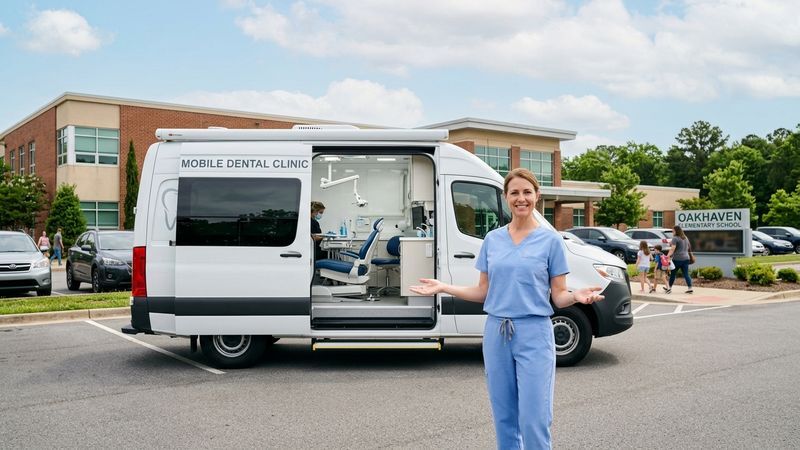
Running a preschool is one of the most rewarding businesses you can operate, but it also comes with significant financial demands. From facility upgrades to staffing costs, curriculum materials to licensing fees, the expenses add up quickly. Preschool business loans give childcare entrepreneurs the capital they need to launch, grow, and sustain a thriving early education program. Whether you are opening your first preschool or expanding an existing one, the right financing can make all the difference.
In this guide, we break down every major financing option available to preschool owners, explain how to qualify, and show you exactly how to use borrowed capital to build a stronger business.
In This Article
- What Are Preschool Business Loans?
- Why Preschools Need Financing
- Types of Preschool Business Loans
- How to Qualify for Preschool Financing
- Preschool Loan Comparison Table
- How to Use Financing to Grow Your Preschool
- How Crestmont Capital Helps Preschool Owners
- Real-World Scenarios
- Tips for a Successful Loan Application
- How to Get Started
- Frequently Asked Questions
What Are Preschool Business Loans?
Preschool business loans are commercial financing products designed to help early childhood education operators fund their operational needs, expansion plans, and capital expenditures. These loans work just like any other small business loan, but they are commonly used to address the unique costs associated with running a licensed childcare or preschool facility.
Unlike personal loans, business loans are underwritten based on the financial performance and creditworthiness of the business itself. This means your preschool's revenue, time in operation, and cash flow all factor into the lender's decision. Depending on the loan type, you may also need to provide a personal guarantee or collateral.
Preschools qualify for a wide range of financing products including term loans, lines of credit, SBA loans, and equipment financing. The best option depends on what you need the funds for, how quickly you need them, and the financial profile of your business.
Industry Snapshot: The U.S. childcare and preschool market generates over $60 billion in annual revenue, with more than 500,000 establishments operating across the country. Despite strong demand, many preschool owners struggle to access the capital needed to grow their programs or upgrade their facilities.
Why Preschools Need Financing
The preschool business model is cash-intensive. Unlike software companies or professional services firms, preschools carry high fixed costs tied to physical space, staffing ratios, and compliance requirements. These costs do not fluctuate much regardless of enrollment numbers, which creates consistent cash flow pressure.
Here are the most common reasons preschool owners seek financing:
- Facility renovations and improvements: Upgrading classrooms, adding bathrooms, installing safety equipment, and meeting state licensing requirements often cost tens of thousands of dollars.
- Curriculum materials and supplies: Quality early education programs require ongoing investment in learning materials, books, art supplies, outdoor play equipment, and educational technology.
- Staffing costs: Hiring and retaining qualified early childhood educators is expensive. Payroll is typically the largest operating expense for any preschool.
- Expansion to a new location: Opening a second preschool location requires significant upfront capital for leasehold improvements, deposits, equipment, and marketing.
- Licensing and compliance costs: Meeting state and local childcare regulations often requires specific upgrades, certifications, background checks, and facility modifications.
- Working capital gaps: Enrollment fluctuates seasonally, and preschool revenues can dip over the summer. A line of credit helps bridge these gaps.
- Marketing and enrollment growth: Building a strong enrollment base requires investment in digital marketing, community outreach, and local advertising.
Need Capital for Your Preschool?
Crestmont Capital offers fast, flexible financing for childcare and early education businesses. Apply in minutes and get funded in as little as 24-48 hours.
Apply Now →Types of Preschool Business Loans
Preschool owners have access to several types of business financing. Each product is suited to different needs, timelines, and financial situations. Understanding your options is the first step toward finding the right fit.
SBA Loans
Small Business Administration loans are partially guaranteed by the federal government, which allows lenders to offer lower interest rates and longer repayment terms than conventional loans. The SBA 7(a) loan is the most popular option for preschool owners who need larger amounts - typically $50,000 to $5 million - for facility purchases, construction, or major expansions.
SBA loans require strong credit (typically 680 or higher), at least two years in business, and detailed financial documentation. The application process takes longer than alternative lenders, often four to eight weeks. However, the lower rates and extended terms make SBA loans an excellent choice for well-qualified preschool owners planning long-term investments.
Term Loans
A term loan provides a lump sum of capital upfront that is repaid over a fixed period, typically one to five years. Term loans are ideal for specific, one-time investments such as renovating a facility, purchasing playground equipment, or launching a new preschool location. Interest rates vary based on creditworthiness, loan amount, and lender type.
Alternative lenders like Crestmont Capital can approve term loans much faster than banks - often within 24-48 hours - with less stringent credit requirements. Loan amounts typically range from $10,000 to $500,000 for childcare businesses.
Business Line of Credit
A business line of credit works like a revolving credit account. You draw funds as needed and only pay interest on what you use. This makes it ideal for managing cash flow gaps, covering payroll during slow enrollment periods, or handling unexpected expenses like a broken HVAC unit or emergency repairs.
Lines of credit are typically approved for $10,000 to $250,000, with revolving terms that renew as you repay the balance. They offer maximum flexibility and are one of the most popular financing tools for established preschool operators.
Equipment Financing
If you need to purchase playground equipment, commercial kitchen appliances, security systems, CCTV cameras, or large educational furniture, equipment financing is often the most cost-effective solution. The equipment itself serves as collateral, which typically results in lower rates and easier approval compared to unsecured loans.
Equipment financing can cover 80-100% of the purchase price, with repayment terms matched to the useful life of the asset. This preserves your working capital for other needs while allowing you to acquire essential equipment immediately.
Working Capital Loans
Working capital loans are short-term financing designed to cover day-to-day operating expenses. These are particularly valuable for preschools that experience seasonal enrollment dips during summer months. Working capital loans typically have terms of three to eighteen months and can be funded quickly - sometimes within the same business day.
Merchant Cash Advance (MCA)
An MCA provides a lump sum of capital in exchange for a percentage of your future revenue. Repayment happens automatically as a daily or weekly deduction from your bank account. While MCAs are fast and accessible (even with lower credit scores), they carry higher effective costs than traditional loans. Use them only as a last resort when faster options are unavailable.
SBA Microloans
For newer preschools or those seeking smaller amounts under $50,000, SBA Microloans offered through nonprofit intermediaries can be a viable option. These loans focus on serving underserved small businesses and may have more flexible credit requirements than standard SBA programs.

By the Numbers
Preschool Financing - Key Statistics
$60B+
U.S. childcare market annual revenue
500K+
Childcare establishments in the U.S.
24-48h
Funding speed with alternative lenders
$500K
Max loan available through Crestmont
How to Qualify for Preschool Financing
Lenders evaluate preschool loan applications using the same core criteria they apply to all small businesses. Understanding these factors will help you prepare a strong application and improve your approval odds.
Credit Score
Your personal credit score plays a significant role in most business loan decisions, especially if your preschool is relatively new or lacks an extensive financial history. Most traditional lenders want a minimum score of 680, while alternative lenders may work with scores as low as 550. The higher your score, the better your rates and terms.
Time in Business
Lenders prefer businesses that have been operating for at least one to two years. Startups and newer preschools can still qualify for some loan types, but the options are more limited. If you have been operating for two or more years and have consistent revenue, you will have access to the broadest range of financing products.
Annual Revenue
Most lenders want to see annual revenue of at least $100,000 to $150,000 for working capital loans or term loans. SBA loans may require higher revenue thresholds depending on the loan amount. Your revenue demonstrates your ability to service the debt and reassures the lender about repayment.
Cash Flow
Lenders look at your Debt Service Coverage Ratio (DSCR), which measures how much cash flow you have available after paying all debts. A DSCR above 1.25 is typically required, meaning your net operating income is 25% higher than your debt payments. Maintaining healthy cash flow is critical for preschool loan approval.
Business Plan and Purpose of Funds
Having a clear plan for how you will use the loan proceeds strengthens your application. Whether you are buying new playground equipment, renovating classrooms, or funding a marketing campaign to boost enrollment, demonstrating a clear ROI on the borrowed capital improves lender confidence.
Licensing and Compliance
Preschools must be properly licensed under state and local childcare regulations. Lenders will verify that your business is operating legally and in good standing. Ensure all licenses, permits, and certifications are current before applying.
Preschool Loan Comparison Table
| Loan Type | Best For | Typical Amount | Speed | Credit Required |
|---|---|---|---|---|
| SBA 7(a) Loan | Facility purchase, major expansion | $50K - $5M | 4-8 weeks | 680+ |
| Term Loan | Renovations, new location, growth | $10K - $500K | 24-72 hours | 580+ |
| Line of Credit | Cash flow, seasonal gaps, repairs | $10K - $250K | 1-5 days | 600+ |
| Equipment Financing | Playground, kitchen, security systems | $5K - $500K | 1-3 days | 580+ |
| Working Capital Loan | Payroll, supplies, operating costs | $5K - $250K | Same day | 550+ |
| SBA Microloan | Startups, smaller needs | Up to $50K | 2-6 weeks | 620+ |
Ready to Fund Your Preschool's Growth?
Our financing specialists understand the childcare industry. Get matched with the right product for your preschool in minutes.
Get Your Rate →How to Use Financing to Grow Your Preschool
Borrowing capital is only valuable when it is deployed strategically. Here are the most impactful ways preschool owners can invest loan proceeds to generate measurable returns.
Facility Improvements and Licensing Compliance
State licensing requirements for childcare facilities can be strict and expensive to meet. Installing commercial-grade smoke detectors, updating bathroom fixtures to meet child safety standards, adding fencing around outdoor play areas, or renovating nap rooms can easily run $20,000 to $100,000. Financing these improvements allows you to stay compliant without draining your operating cash.
Beyond compliance, upgraded facilities attract more families. A modern, well-maintained classroom with bright colors, dedicated learning zones, and updated furniture communicates quality to prospective parents and can justify higher tuition rates.
Expanding Enrollment Capacity
If you currently have a waitlist, that is a clear signal to expand. Converting unused space into additional classroom capacity, adding a second age group such as toddlers or pre-K, or opening a second location all require upfront capital. A term loan can fund this expansion while the projected enrollment revenue provides a clear repayment path.
Staffing and Professional Development
Quality childcare is labor-intensive. Many preschools are constrained by state-mandated teacher-to-child ratios, which means you can only enroll as many children as you can staff. Using a working capital loan to hire additional qualified teachers unlocks enrollment growth. Investing in professional development and certifications for your team also reduces turnover, which is one of the most expensive problems preschool owners face.
Outdoor Play Equipment
Commercial-grade outdoor play equipment is a major capital expense - a comprehensive playground setup can cost $15,000 to $75,000. Equipment financing is ideal for this type of purchase because the equipment serves as collateral, making approval straightforward and rates competitive.
Marketing and Enrollment Campaigns
Many preschool owners underinvest in marketing, relying primarily on word-of-mouth. A targeted digital marketing campaign, improved website, or local advertising initiative can significantly boost enrollment. Using a short-term loan to fund a marketing push during back-to-school season can generate a substantial return on investment through new tuition revenue.
Technology and Administration Tools
Childcare management software, parent communication apps, security cameras, and digital check-in systems improve both safety and efficiency. These investments often pay for themselves quickly through reduced administrative time and improved parent satisfaction. Equipment financing or a working capital loan can fund these upgrades without a large upfront cash outlay.
How Crestmont Capital Helps Preschool Owners
Crestmont Capital specializes in small business financing for operators in service industries including childcare and early education. We understand the seasonal nature of preschool revenue, the importance of quick access to capital for time-sensitive facility upgrades, and the unique challenges of running a licensed childcare program.
Our underwriting process considers the full picture of your business rather than relying solely on credit scores. We look at cash flow trends, enrollment trajectory, and your plan for how the capital will be used. This approach allows us to say yes more often than traditional banks, and to move faster when you need funds urgently.
Crestmont Advantage: We offer same-day approvals for working capital loans and lines of credit, with funding often arriving within 24-48 hours. Our childcare lending specialists can walk you through your options and match you with the product that best fits your preschool's needs and timeline.
Whether you need a working capital loan to cover payroll during a slow summer, an equipment financing line to replace your playground, or a term loan to fund a second location, Crestmont Capital has you covered. Our rates are transparent, our terms are flexible, and our team is dedicated to your success.
Real-World Scenarios
Scenario 1: Upgrading a Facility to Meet New State Requirements
A preschool owner in Ohio received notice that her facility needed $35,000 in renovations to comply with updated state fire safety and bathroom accessibility requirements within 90 days. She applied through Crestmont Capital and received a term loan approval within 48 hours. The renovations were completed on time, and she retained her license without interruption.
Scenario 2: Bridging a Summer Cash Flow Gap
A preschool director in Florida noticed that enrollment dropped by 30% every June and July as families traveled and older children moved on to kindergarten. She established a $50,000 business line of credit in the spring and drew $25,000 over the summer to cover payroll and utility costs. By September, strong fall enrollment allowed her to repay the balance in full.
Scenario 3: Adding a Toddler Program to Expand Revenue
A childcare center in Texas had been running a preschool program for three-year-olds and four-year-olds but saw an opportunity to add a toddler room for eighteen-month to two-year-olds. This required $45,000 in leasehold improvements, miniature furniture, and additional staffing. A term loan covered the expansion costs, and the new program added $8,000 in monthly tuition revenue within six months.
Scenario 4: Replacing Aging Playground Equipment
A preschool owner in Illinois discovered that her outdoor playground equipment was deteriorating and posed a safety concern. She used equipment financing to purchase and install $28,000 in new commercial-grade playground equipment. The equipment served as collateral, making approval fast and the interest rate favorable.
Scenario 5: Opening a Second Location
After running a successful preschool for five years with a consistent waitlist, a California owner decided to open a second location in a nearby suburb. She secured a $150,000 SBA 7(a) loan to cover the build-out, first year's lease, and initial staffing costs. Within twelve months, the second location was fully enrolled and profitable.
Scenario 6: Emergency HVAC Replacement
In the middle of August, a preschool owner in Arizona had her central HVAC system fail completely. With temperatures exceeding 110 degrees, she could not safely operate without air conditioning. She applied for a $15,000 working capital loan through Crestmont Capital and received same-day approval, allowing her to contract with an HVAC company immediately and avoid closing the school.
Tips for a Successful Preschool Loan Application
Before applying for financing, take these steps to put your best foot forward and maximize your chances of approval at competitive rates.
- Review your credit report: Check both your personal and business credit reports for errors before applying. Disputing inaccuracies can quickly improve your score. You can access your free annual report at AnnualCreditReport.com.
- Organize your financial documents: Most lenders require three to six months of bank statements, your most recent tax returns, and a profit and loss statement. Having these ready speeds up the process significantly.
- Know your revenue numbers: Be prepared to state your monthly gross revenue clearly. Lenders use this to calculate how much you can qualify for and whether you can service the debt.
- Articulate your use of funds: Lenders approve loans more confidently when you can clearly explain what the money will be used for and why it is a sound investment for your preschool.
- Consider collateral options: If you own equipment, property, or other business assets, using them as collateral can improve your rate and increase your approved amount.
- Apply through a lender who knows childcare: Not all lenders understand the preschool business model. Working with a lender who has experience financing childcare operations leads to better outcomes.
Pro Tip: According to the Small Business Administration, childcare businesses are considered essential service providers and may qualify for certain SBA programs specifically designed to support community-serving organizations. Ask your lender whether you qualify for any specialized programs.
How to Get Started
Complete our quick application at offers.crestmontcapital.com/apply-now - it takes just a few minutes and does not affect your credit score.
A Crestmont Capital advisor who understands the preschool industry will review your application and match you with the right financing option for your goals.
Receive your funds often within 24-48 hours of approval and put them to work immediately. Whether you are renovating a classroom or covering payroll, fast access to capital keeps your preschool running smoothly.
Frequently Asked Questions
Can a preschool qualify for a business loan?
Yes. Preschools and childcare centers qualify for the same range of business loans as any other small business. Lenders evaluate your revenue, credit history, time in operation, and cash flow. Both traditional banks and alternative lenders like Crestmont Capital work with preschool owners regularly.
How much can I borrow for my preschool?
Loan amounts depend on your revenue, credit score, and intended use. Working capital loans often start at $5,000 and go up to $250,000. Term loans can range from $10,000 to $500,000 through alternative lenders, and SBA loans can go up to $5 million for qualified borrowers with strong financial profiles.
What credit score do I need for a preschool business loan?
Requirements vary by lender and loan type. Traditional bank loans and SBA loans typically require a minimum credit score of 680. Alternative lenders may approve borrowers with scores as low as 550, especially when revenue and cash flow are strong. A higher credit score generally results in better rates and terms.
Can I get a preschool loan as a startup?
Startup preschools face more limited options but can still find financing. SBA Microloans, equipment financing, and some alternative lenders work with businesses under two years old. A strong personal credit score, detailed business plan, and personal collateral improve your chances. You may also explore CDFI loans or grants specifically for childcare startups.
How fast can I get funding for my preschool?
Funding speed depends on the loan type. Working capital loans and lines of credit from alternative lenders can be approved and funded within 24-48 hours. Term loans typically take two to five business days. SBA loans require four to eight weeks due to the additional government review process.
What documents do I need to apply for a preschool loan?
Most lenders require: three to six months of business bank statements, your most recent business and personal tax returns, a profit and loss statement, your current business license and childcare operating permit, and a brief description of how you plan to use the funds. Some lenders may also request lease agreements, payroll records, or enrollment data.
Can I use a loan to pay preschool staff salaries?
Yes. Working capital loans and lines of credit can be used to cover payroll. This is one of the most common uses for preschool financing, particularly during summer months when enrollment dips. Ensuring your staff is paid on time preserves morale, reduces turnover, and keeps your operations running smoothly.
Is there a grant available for preschools instead of a loan?
Yes, several grants exist for childcare and early education businesses. The Child Care and Development Fund (CCDF) administered by the federal government and managed by states provides grants to eligible childcare providers. Some states also have specific grant programs for preschool facility improvements or curriculum development. However, grants are competitive and often restricted in how they can be used. Loans provide faster, more flexible access to larger amounts.
Can I use equipment financing for playground equipment?
Yes. Commercial-grade playground equipment, outdoor furniture, climbing structures, and safety surfacing all qualify for equipment financing. The equipment serves as collateral, which typically results in favorable rates and up to 100% financing of the purchase price. This preserves your working capital while allowing you to invest in critical safety and engagement features for your students.
How does a business line of credit help manage seasonal enrollment drops?
Preschool enrollment commonly drops in the summer when families travel and children age out. A business line of credit allows you to draw funds during slow months to cover fixed costs like rent, utilities, and staff salaries, then repay the balance when fall enrollment returns. You only pay interest on what you draw, making it a highly cost-effective tool for seasonal cash flow management.
What interest rates can I expect on a preschool business loan?
Interest rates vary widely based on loan type, lender, credit score, and business financials. SBA loans typically range from 6% to 11%. Bank term loans average 7% to 13%. Alternative lender term loans range from 10% to 35%. Working capital and lines of credit from alternative lenders often carry higher rates but fund much faster. Equipment financing rates typically fall between 6% and 20%.
Do I need collateral for a preschool business loan?
Not always. Many working capital loans and lines of credit from alternative lenders are unsecured, meaning no specific collateral is required. SBA loans and larger term loans typically require collateral or a personal guarantee. Equipment financing uses the purchased equipment as collateral. The stronger your business financials, the more likely you are to qualify without pledging collateral.
Can I refinance an existing preschool loan for better terms?
Yes. Refinancing your existing business debt can reduce your interest rate, lower monthly payments, or extend your repayment term. If your preschool has grown and your credit profile has improved since your original loan, you may qualify for significantly better terms. Refinancing through an SBA loan is a common strategy for preschool owners who initially took higher-rate alternative financing.
How does owning the preschool building affect my financing options?
Owning your preschool property significantly expands your financing options. You can use the equity in the building as collateral for larger loans at lower rates, or apply for an SBA 504 loan specifically for commercial real estate. Property ownership also demonstrates business stability to lenders and can lead to higher loan approvals at better terms than renters typically receive.
What is the best loan for opening a second preschool location?
For expanding to a second preschool location, a term loan or SBA 7(a) loan is typically the best fit. A term loan through an alternative lender funds faster and has less paperwork, making it ideal if you need to move quickly on a lease opportunity. An SBA loan offers better rates and longer terms, making it ideal for larger build-outs or when you want to minimize monthly payments while the new location ramps up enrollment.
Conclusion
Preschool business loans open the door to growth, stability, and excellence in early childhood education. Whether you need to renovate your facility, bridge a seasonal cash flow gap, hire additional staff, or expand to a second location, the right financing can transform your vision into reality without compromising your day-to-day operations.
The key is understanding your options, preparing a strong application, and working with a lender who understands the preschool industry. From fast-funding working capital loans to long-term SBA financing, there is a product designed for virtually every preschool need and financial profile.
Crestmont Capital has helped hundreds of childcare businesses access the capital they need to grow. Our team understands the unique demands of running a licensed preschool, and we are committed to fast, transparent, and flexible small business financing that puts your students and your business first. Apply today and find out how much you qualify for in minutes.
Apply for Preschool Business Financing Today
Join hundreds of childcare owners who trust Crestmont Capital. Fast approvals, flexible terms, and dedicated support for early education businesses.
Apply Now →Disclaimer: The information provided in this article is for general educational purposes only and is not financial, legal, or tax advice. Funding terms, qualifications, and product availability may vary and are subject to change without notice. Crestmont Capital does not guarantee approval, rates, or specific outcomes. For personalized information about your business funding options, contact our team directly.