
 (800) 949-0401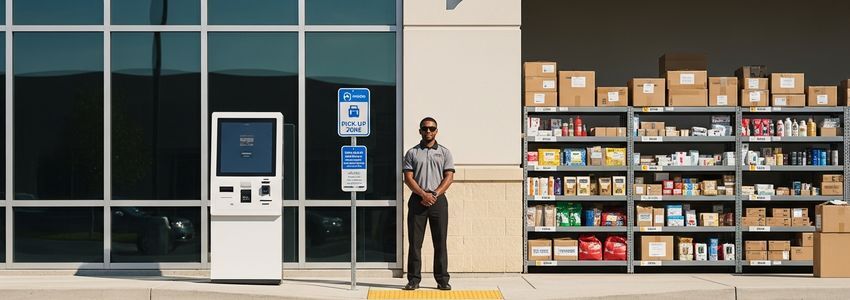
Loans for Improving Customer Pick-Up and Delivery Stations: The Complete Guide for Business Owners
In today's competitive commercial landscape, customer convenience is no longer a luxury- it is a fundamental expectation. The rapid acceleration of e-commerce and the widespread adoption of omnichannel retail strategies have fundamentally altered consumer behavior. Businesses are now judged not only on the quality of their products but also on the efficiency, speed, and reliability of their fulfillment processes. Central to this new paradigm are customer pick-up and delivery stations. These logistical hubs are the critical final touchpoint in the customer journey, and their effectiveness can significantly impact satisfaction, loyalty, and a company's bottom line. For many businesses, however, the capital required to build, renovate, or upgrade these essential facilities presents a significant hurdle. This is where strategic financing becomes indispensable. Obtaining **loans for improving customer pick-up and delivery stations** provides the necessary capital to invest in the infrastructure and technology required to meet modern consumer demands. These specialized financing solutions enable companies to modernize their operations, from installing automated locker systems and redesigning storefronts for efficient curbside service to implementing sophisticated order management software. By leveraging external funding, businesses can undertake these critical projects without depleting their operational cash flow, ensuring they remain competitive and poised for growth. As a #1 rated business lender in the United States, Crestmont Capital understands the unique financial challenges and opportunities facing businesses today. We specialize in providing fast, flexible, and accessible funding solutions tailored to specific operational needs. This comprehensive guide will explore every facet of financing for customer pick-up and delivery station improvements. We will cover why this investment is crucial, the types of financing available, the specific upgrades you can fund, and how to navigate the application process to secure the capital your business needs to thrive.In This Article
- What Are Loans for Customer Pick-Up and Delivery Stations?
- Why Businesses Are Investing in Pick-Up and Delivery Infrastructure
- How Financing Works
- Types of Financing Available
- Upgrades You Can Finance
- Who Qualifies
- How Crestmont Capital Helps
- Comparing Financing Options
- Real-World Business Scenarios
- FAQ
- How to Get Started
What Are Loans for Customer Pick-Up and Delivery Stations?
Loans for improving customer pick-up and delivery stations are not a single, distinct loan product. Instead, the term refers to a category of business financing solutions used specifically to fund the development, construction, renovation, and technological enhancement of a company's order fulfillment infrastructure. This can range from minor upgrades, like new signage, to major capital projects, such as building a dedicated drive-thru lane or installing a network of smart lockers. The core purpose of this financing is to provide businesses with the upfront capital needed to create a more efficient, secure, and user-friendly experience for customers retrieving orders or for delivery drivers managing outgoing packages. These loans are designed to cover a wide spectrum of costs associated with such projects. This includes the purchase of physical assets (hard costs) like shelving, lockers, and point-of-sale systems, as well as associated expenses (soft costs) like installation labor, software subscriptions, architectural design fees, and employee training. Because the needs of a restaurant differ greatly from those of a retail store or a distribution center, the financing is structured to be flexible. The ultimate goal is to empower businesses to bridge the gap between their current capabilities and the expectations of the modern consumer. By financing these improvements, a company can enhance its operational workflow, reduce customer wait times, minimize errors in order fulfillment, and create a seamless connection between its online and physical presence. This strategic investment, facilitated by targeted business loans, directly contributes to improved customer satisfaction, increased operational capacity, and a stronger competitive position in the market.Why Businesses Are Investing in Pick-Up and Delivery Infrastructure
The strategic imperative for investing in pick-up and delivery infrastructure is driven by undeniable shifts in consumer behavior and market dynamics. The convenience economy is no longer an emerging trend; it is the established standard. Businesses that fail to adapt risk becoming obsolete. The data supporting this shift is compelling and highlights several key reasons why companies are prioritizing these investments. First and foremost is the overwhelming consumer demand for flexible fulfillment options. The rise of "click-and-collect" services, including Buy Online, Pick-up In-Store (BOPIS) and curbside pick-up, has been meteoric. According to a report highlighted by CNBC, the U.S. click-and-collect market is projected to surpass $140 billion by 2024, demonstrating a sustained and powerful consumer preference. This model offers customers the immediacy of e-commerce with the convenience of local retrieval, eliminating shipping costs and wait times. A poorly executed pick-up experience- characterized by long waits, confused employees, or a disorganized process- can negate these benefits and damage brand reputation. Second, operational efficiency is a major driver. A well-designed pick-up and delivery station streamlines the entire fulfillment process. It reduces in-store congestion, frees up sales associates to focus on in-person customers, and minimizes the time spent searching for and handing off orders. For businesses managing last-mile delivery, an organized station for drivers reduces dispatch times and improves route efficiency. This optimization translates directly to lower labor costs, higher order throughput, and reduced potential for costly errors. The U.S. Small Business Administration (SBA) often emphasizes the importance of operational efficiency for small business profitability, and these infrastructure investments are a direct path toward achieving it. Third, investing in this infrastructure is a powerful competitive differentiator. In a crowded marketplace, the customer experience is paramount. A business offering a seamless, 24/7 pick-up option via smart lockers or a dedicated, fast-moving curbside service stands out from competitors who do not. As noted in a Forbes analysis of retail trends, creating a "frictionless" customer journey is key to building loyalty. A state-of-the-art pick-up station is a tangible, visible commitment to customer convenience that can attract new clients and foster repeat business. It signals that a company is modern, technologically adept, and values its customers' time. This investment is not merely an operational upgrade; it is a strategic move to secure market share and build a resilient, future-proof business model.How Financing for Pick-Up and Delivery Station Improvements Works
Securing financing for your pick-up and delivery station project is a structured process designed to connect your business needs with the right capital solution. While the specifics can vary slightly between lenders, the fundamental steps remain consistent. Understanding this process demystifies the experience and empowers you to approach it with confidence. At Crestmont Capital, we prioritize a streamlined, transparent journey to get you funded quickly. Here is a step-by-step breakdown of how it typically works: **Step 1: Assess Your Needs and Define the Project Scope** Before seeking funding, you must have a clear vision. What specific improvements do you need to make? Are you installing smart lockers, redesigning a storefront, purchasing sorting equipment, or a combination of these? Create a detailed project plan that includes a comprehensive list of all anticipated costs. This should cover equipment, construction, labor, software, permits, and a contingency fund for unexpected expenses. Having a precise funding target is the most critical first step. **Step 2: Gather Essential Business Documentation** Lenders will need to evaluate the financial health and viability of your business. Prepare key documents in advance to expedite the process. This typically includes: * Business bank statements (usually the most recent 3-6 months) * Business tax returns * Profit and Loss (P&L) statements and balance sheets * A list of equipment or a detailed project proposal from contractors * Basic information about your business, such as your Employer Identification Number (EIN) and articles of incorporation. **Step 3: Research Lenders and Submit an Application** Not all lenders are the same. Look for a lender with experience in your industry and a history of funding similar projects. A direct lender like Crestmont Capital often provides faster decisions and more flexible terms than a traditional bank. The application process is typically completed online and is designed to be quick, often taking only a few minutes. You will submit your basic business information and the requested documentation from Step 2. **Step 4: Underwriting and Review** Once your application is submitted, it enters the underwriting phase. A team of financial specialists will review your documentation to assess your business's creditworthiness, cash flow, and overall financial stability. They will analyze your revenue, time in business, and credit history to determine your eligibility and the loan terms you qualify for. At Crestmont Capital, our advanced technology and experienced team allow for a rapid underwriting process, often leading to a decision within hours. **Step 5: Receive and Accept Your Offer** If approved, you will receive a formal loan offer. This document will clearly outline the loan amount, interest rate or factor rate, repayment term, and any associated fees. It is crucial to review this offer carefully to ensure you fully understand the terms. A dedicated funding specialist should be available to answer any questions you have. Once you are satisfied with the offer, you will sign the loan agreement electronically. **Step 6: Funding** After the signed agreement is received, the lender initiates the transfer of funds. With modern, efficient lenders like Crestmont Capital, this final step is exceptionally fast. The approved capital is typically deposited directly into your business bank account, often in as little as 24 hours. You can then immediately begin executing your project and improving your customer pick-up and delivery stations.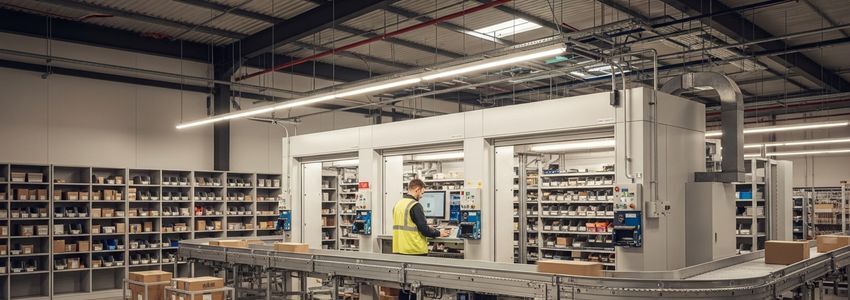
Types of Financing Available for Pick-Up and Delivery Upgrades
When planning to upgrade your customer pick-up and delivery stations, selecting the right type of financing is as important as choosing the right equipment. Each funding option has a unique structure, designed to suit different project scales, timelines, and business financial situations. Crestmont Capital offers a suite of flexible solutions to ensure you find the perfect match for your objectives. ### 1. Equipment Financing **Best for:** Purchasing specific physical assets like smart lockers, conveyor systems, POS terminals, and security cameras. Equipment financing is a specialized loan used to acquire tangible business assets. The equipment itself typically serves as the collateral for the loan, which can make this option easier to qualify for, even for businesses with less-than-perfect credit. The loan terms are often structured to match the expected useful life of the equipment. This is an ideal choice when your project is centered around acquiring new hardware. For a deeper dive, our guide on what equipment financing is and how it works provides extensive detail. * **How it works:** You receive funds to purchase the equipment, and you make regular payments over a set term. Once the loan is fully paid, you own the equipment outright. * **Key Advantage:** It allows you to acquire essential, often expensive, equipment without a large upfront cash outlay, preserving your working capital for other business needs. ### 2. Unsecured Working Capital Loans **Best for:** Comprehensive projects that include a mix of costs, such as construction, labor, software, marketing, and inventory. When your project involves more than just equipment, working capital loans offer unparalleled flexibility. These are lump-sum loans that can be used for nearly any business purpose. They are particularly useful for funding the "soft costs" associated with a station upgrade, such as hiring contractors to build a pick-up counter, paying for software integration, or launching a marketing campaign to inform customers about your new service. Because they are often unsecured, they do not require you to pledge specific collateral. * **How it works:** You receive a single infusion of cash and repay it with fixed payments over a short to medium term. * **Key Advantage:** Speed and flexibility. Approval and funding can happen in as little as 24 hours, and you have the freedom to allocate the funds as your project demands. ### 3. Business Line of Credit **Best for:** Ongoing projects, unexpected expenses, and managing cash flow during the upgrade process. A business line of credit functions like a business credit card but with a higher credit limit and often better rates. You are approved for a maximum credit amount and can draw funds as needed, up to that limit. You only pay interest on the funds you actually use. This is an excellent tool for managing a phased renovation or for having a financial safety net to cover unforeseen costs that arise during construction or implementation. * **How it works:** Draw funds when you need them and repay the borrowed amount over time. As you repay, your available credit is replenished, making it a reusable financial resource. * **Key Advantage:** Maximum flexibility and control. It provides on-demand access to capital, ensuring your project stays on track without interruption. Our guide to the working capital line of credit explains its strategic uses. ### 4. SBA Loans **Best for:** Large-scale, long-term projects for well-established businesses with strong credit. SBA loans are partially guaranteed by the U.S. Small Business Administration, which allows banks and lenders to offer them with long repayment terms and competitive interest rates. They can be used for major construction, real estate acquisition, and large equipment purchases. However, the application process is significantly longer and more documentation-intensive than other options, and the qualification criteria are very strict. This option is best suited for substantial, long-range strategic investments rather than projects requiring immediate funding. * **How it works:** A lengthy application and underwriting process, which can take several weeks or months. * **Key Advantage:** Potentially the lowest rates and longest terms available for those who qualify and can accommodate the timeline.By the Numbers
Customer Pick-Up and Delivery Infrastructure - Key Statistics
75%
Of U.S. online shoppers have used Buy Online, Pick-up In-Store (BOPIS) services, demonstrating massive consumer adoption. (Source: CNBC)
$140B+
Projected value of the U.S. click-and-collect market by 2024, indicating sustained, high-value growth in the sector. (Source: Insider Intelligence)
64%
Of retailers cite improving the omnichannel customer experience as a top priority for technology investments. (Source: Forbes)
5-10 Min
Is the maximum wait time most customers are willing to tolerate for a curbside pick-up order before satisfaction drops significantly. (Source: Rakuten)
Ready to Upgrade Your Customer Experience?
Don't let capital constraints hold you back. Get the funding you need for lockers, signage, software, and more. Fast, simple, and reliable.
Apply NowPick-Up and Delivery Station Upgrades You Can Finance
The term "pick-up and delivery station" encompasses a wide range of physical and digital assets. A well-structured loan can finance virtually any component required to create a world-class fulfillment hub. Below is a detailed breakdown of the specific upgrades businesses can fund. ### Physical Infrastructure and Construction This category covers the foundational, tangible elements of your station. These are often the most capital-intensive components but also provide the most visible improvements to the customer experience. * **Automated Smart Lockers:** Secure, self-service lockers that allow customers to retrieve orders 24/7 using a unique code. This reduces labor costs and provides ultimate convenience. Financing can cover the locker units, installation, and integration. * **Designated Pick-Up Counters:** Building a dedicated counter or service area, separate from the main sales floor, to streamline the pick-up process and reduce congestion. * **Curbside Pick-Up Bays:** Creating clearly marked, dedicated parking spots for curbside customers. This can include construction costs for paving, painting, and installing call buttons or check-in systems. * **Drive-Thru Windows:** For quick-service restaurants, pharmacies, or other applicable businesses, financing can cover the complete construction of a drive-thru lane, including the window, communication system, and pneumatic tubes. * **Weather Protection:** Installing awnings, canopies, or covered walkways to protect customers and employees from the elements during pick-up. * **Temperature-Controlled Storage:** Purchasing commercial refrigerators, freezers, or warming units to hold orders (like groceries or prepared meals) at the correct temperature until pick-up. * **Modular Shelving and Racking:** Installing high-density, organized shelving systems to store prepared orders efficiently, making them easy for staff to locate quickly. ### Technology and Software The digital backbone of your station is just as critical as the physical space. Financing can help you acquire the technology needed for a seamless, error-free operation. * **Order Management System (OMS):** Software that centralizes order information from all channels (online, in-app, phone) and provides a single source of truth for staff. * **Locker Management Software:** The platform that controls access to smart lockers, sends notifications to customers, and provides analytics on usage. * **Point-of-Sale (POS) System Upgrades:** Modernizing your POS to integrate with online ordering platforms and support faster, contact-free payments for pick-up orders. * **Handheld Scanners and Mobile Devices:** Equipping staff with devices to scan orders, update statuses in real-time, and manage inventory on the go. * **Digital Signage and Order Status Boards:** Installing screens that display order numbers and statuses (e.g., "In Progress," "Ready for Pick-Up"), similar to those in fast-food restaurants, to manage customer expectations and flow. * **Geofencing and Customer Arrival Technology:** Software that uses a customer's smartphone location to alert staff when they are approaching, allowing employees to prepare the order for immediate handoff upon arrival. ### Logistics and Material Handling Equipment For businesses with higher volume, financing the right handling equipment is essential for maintaining speed and accuracy. * **Conveyor Systems:** Installing automated conveyors to move packages or prepared orders from a backroom or kitchen to the front-end pick-up station. * **Sorting Systems:** Automated equipment that can sort packages by delivery route or orders by customer name, drastically reducing manual labor and errors. * **Commercial Carts, Dollies, and Hand Trucks:** Purchasing ergonomic and durable equipment to help staff move heavy or bulky orders safely and efficiently. * **Pallet Jacks and Lifts:** For warehouse or B2B environments, financing the equipment needed to manage palletized orders at the loading dock. ### Facility Improvements and Ambiance Creating a safe, accessible, and well-lit environment is crucial for a positive customer experience and staff productivity. * **Improved Lighting:** Upgrading to bright, energy-efficient LED lighting both inside the station and in the surrounding parking areas for safety and visibility. * **Security Systems:** Installing high-definition security cameras and access control systems to protect merchandise, equipment, and customers. * **Parking Lot Reconfiguration:** Repaving, restriping, or redesigning the parking lot to improve traffic flow and create a safe, dedicated path for pick-up customers. * **ADA Compliance Upgrades:** Ensuring your station is fully accessible by installing ramps, automatic doors, and other required features. * **Signage and Wayfinding:** Investing in high-quality, clear, and professional signage to direct customers from the street to the pick-up location, both externally and internally.Pro Tip: When planning your budget, bundle related costs. A loan for smart lockers should also include the cost of software integration, electrical work, and a marketing campaign to announce the new feature. A comprehensive approach ensures you have the capital for a successful launch.
Who Qualifies for Pick-Up and Delivery Station Loans?
Qualifying for business financing to upgrade your pick-up and delivery stations is more accessible than many business owners assume. While traditional banks often have rigid and stringent requirements, modern lenders like Crestmont Capital take a more holistic view of a business's health. The focus is on your company's potential and current performance, not just a single credit score. Here are the primary factors that lenders evaluate: * **Time in Business:** Most lenders prefer to work with established businesses. A common minimum requirement is at least 6 months to one year of operational history. This demonstrates that your business has a track record and is past the initial start-up phase. * **Annual Revenue:** Lenders need to see consistent cash flow to be confident in your ability to repay the loan. While the specific threshold varies, a minimum annual revenue of $100,000 to $250,000 is a typical benchmark. Strong, verifiable revenue is one of the most important qualification factors. * **Credit Score:** Both your personal and business credit scores will be considered. A higher credit score will generally result in better terms and lower rates. However, many alternative lenders, including Crestmont Capital, have programs designed for business owners with fair or challenged credit. A score below 650 does not automatically disqualify you, especially if you have strong revenue. * **Industry:** Virtually any industry that can benefit from improved fulfillment processes can qualify. This includes, but is not limited to: * Retail (apparel, electronics, home goods) * Restaurants (QSR, casual dining) * Grocers and Supermarkets * Pharmacies * Distribution and Logistics Companies * Automotive Parts Suppliers * Dry Cleaners and Laundromats * B2B Wholesalers * **Bank Statements:** Your recent business bank statements are a crucial part of the evaluation. Lenders look for a healthy average daily balance, consistent deposits, and responsible financial management. They want to see that you are not frequently overdrawing your account. It is important to note that you do not need to be perfect in every category. A business with a shorter operational history might qualify if it has exceptionally strong revenue. Similarly, a business with lower revenue might be approved if it has been operating successfully for many years with excellent credit. The goal is to present a complete picture of a healthy, viable business poised for growth with the help of strategic financing.How Crestmont Capital Helps You Upgrade Your Operations
Navigating the world of business financing can be complex, but it does not have to be. At Crestmont Capital, we have built our reputation on simplifying the process and delivering results. As a #1 rated direct lender, we provide the capital and the expertise to help you successfully execute your pick-up and delivery station upgrades. Our approach is fundamentally different from traditional banks, focusing on speed, flexibility, and a deep understanding of your business needs. **A Broad Spectrum of Funding Solutions** We recognize that a one-size-fits-all approach to lending fails to meet the diverse needs of American businesses. That is why we offer a comprehensive portfolio of small business financing options. Whether you need targeted equipment financing for a new locker system, versatile working capital loans for a complete renovation, or an agile business line of credit for ongoing needs, we have a solution tailored to your project's specific requirements. Our funding specialists work with you to identify the product that offers the best terms and structure for your goals. **Speed and Efficiency** In business, timing is everything. A lengthy loan application process can mean missing a critical window of opportunity to upgrade your facilities before a busy season. We have engineered our process for maximum efficiency. Our online application takes just minutes to complete, and because we are a direct lender, we can make decisions in-house without the bureaucratic delays common at large banks. In many cases, businesses can receive approval within hours and have funds deposited in their account in as little as 24 hours. This speed allows you to move forward with your project confidently and without delay. **High Approval Rates and Flexible Criteria** We believe in the potential of small and medium-sized businesses. Our underwriting process looks beyond just a credit score, taking into account your company's overall financial health, including revenue, cash flow, and time in business. This holistic approach results in significantly higher approval rates than traditional lending institutions. We are committed to finding a way to say "yes" and have programs designed to support businesses across a wide range of credit profiles and industries. **Dedicated, Expert Guidance** When you partner with Crestmont Capital, you are not just getting a loan; you are gaining a dedicated financial partner. Each client is assigned a funding specialist who serves as your single point of contact throughout the process. They take the time to understand your project, answer your questions, and guide you toward the best financial strategy. This personalized service ensures a smooth, transparent, and supportive experience from application to funding and beyond.Get a Personalized Funding Quote
Our specialists are ready to help you find the perfect financing solution for your project. See your options in minutes with no obligation.
Apply NowThe Crestmont Advantage: With funding possible in as fast as 24 hours, you can start your station upgrade this week, not next quarter. We move at the speed of your business.
Comparing Financing Options for Delivery Station Upgrades
Choosing the right financial product is critical for the success of your project. Each option offers a different blend of features, benefits, and costs. This table provides a clear, side-by-side comparison of the three most common financing types for pick-up and delivery station improvements.| Feature | Equipment Financing | Working Capital Loan | Business Line of Credit |
|---|---|---|---|
| Best For | Purchasing specific, high-value physical assets like smart lockers, conveyor belts, or POS systems. | Comprehensive projects with mixed costs, including construction, labor, software, and marketing. | Phased projects, managing unexpected costs, and ongoing operational flexibility during the upgrade. |
| Funding Structure | Lump sum paid directly for the acquisition of specific equipment. | Lump sum deposited into your business bank account for flexible use. | Revolving credit limit; draw funds as needed, up to your approved amount. |
| Use of Funds | Restricted to the purchase of the financed equipment and related soft costs (installation, shipping). | Highly flexible. Can be used for almost any business purpose related to the project. | Completely flexible. Use for any business expense as it arises. |
| Repayment | Fixed monthly payments over a set term (typically 2-7 years). | Fixed daily, weekly, or monthly payments over a shorter term (typically 6-24 months). | Pay interest only on the amount drawn. Principal is repaid according to the agreement, replenishing available credit. |
| Collateral | The equipment being financed typically serves as the primary collateral. | Usually unsecured, meaning no specific collateral is required. May require a personal guarantee. | Often unsecured, especially for smaller credit limits. May be secured by general business assets for larger limits. |
| Speed to Funding | Fast. Typically 24-72 hours after approval. | Very fast. Often funded in as little as 24 hours. | Fast initial setup. Once approved, funds can be drawn instantly. |
Real-World Business Scenarios
To better illustrate how loans for improving customer pick-up and delivery stations work in practice, let's explore several detailed scenarios across different industries. These examples show how specific financing products can solve tangible business challenges and create significant value. ### Scenario 1: The Independent Retail Boutique A popular clothing boutique sees a surge in online orders but struggles with the in-store pick-up process. Customers wait in the main checkout line, causing congestion, and staff spend valuable time searching for packages in a disorganized backroom. The owner decides to install a 24/7 smart locker system at the front of the store. * **Project Cost:** $45,000 ($35,000 for the locker unit, $5,000 for electrical work and installation, $5,000 for integration software and marketing). * **Financing Solution:** The owner secures a **$45,000 equipment financing** agreement. * **Outcome:** The loan specifically covers the hard asset (the lockers) and the directly related soft costs. The boutique now offers a seamless, contact-free pick-up option, freeing up staff to focus on in-store sales. Customer satisfaction soars due to the convenience, and the store is able to process more online orders without increasing labor costs. ### Scenario 2: The Family-Owned Restaurant A restaurant with a loyal following wants to capitalize on the take-out trend but their current setup is inefficient. Phone orders and delivery driver pick-ups are handled at the host stand, creating chaos during peak dinner hours. The owner wants to build a dedicated pick-up window and redesign the entrance. * **Project Cost:** $75,000 ($50,000 for construction, $15,000 for a new POS system and order status screens, $10,000 for permits and architectural plans). * **Financing Solution:** The owner obtains a **$75,000 working capital loan**. * **Outcome:** The working capital loan provides the flexibility to pay the contractor, purchase the new technology, and cover all associated soft costs with a single infusion of cash. The new pick-up station dramatically improves workflow, reduces order errors, and speeds up service for both take-out customers and delivery drivers, leading to higher revenue and better online reviews. ### Scenario 3: The Regional Distribution Center A B2B distributor is expanding and needs to improve the efficiency of its loading docks to handle increased volume. Their current process of manually loading and sorting packages for local delivery is slow and labor-intensive. The plan is to install an automated conveyor and sorting system. * **Project Cost:** $250,000. * **Financing Solution:** The company uses an **equipment financing loan** to cover the entire cost of the machinery and its installation. * **Outcome:** The new system triples the distributor's outbound capacity, reduces labor costs by 30%, and significantly decreases sorting errors. The financing allows them to acquire this mission-critical asset while preserving cash for inventory and payroll. The loan payments are predictable, making it easy to budget for the new operational expense. ### Scenario 4: The Community Pharmacy A pharmacy wants to offer patients a more private and convenient way to pick up prescriptions, especially after hours. They decide to implement a secure, temperature-controlled locker system accessible from a vestibule. The project is multi-phased: first the lockers, then a software upgrade, and finally a minor renovation of the entrance. * **Project Cost:** Estimated at $60,000, but with potential for unforeseen costs during renovation. * **Financing Solution:** The pharmacy secures a **$75,000 business line of credit**. * **Outcome:** They draw $40,000 immediately to purchase and install the lockers. Two months later, they draw another $15,000 for the software upgrade. The remaining $20,000 is available as a safety net for the renovation. This approach provides maximum flexibility, allowing them to manage the project's cash flow effectively and only pay interest on the funds they are actively using. ### Scenario 5: The Urban Grocery Store A grocery store in a dense urban area wants to launch a curbside pick-up service but has limited parking. The plan is to convert a section of their storefront, install commercial-grade refrigerators and freezers, and implement a customer check-in app. * **Project Cost:** $120,000. * **Financing Solution:** A combination approach. They use a **$50,000 equipment loan** specifically for the refrigeration units. For the remaining $70,000 in construction, software, and signage costs, they take out a **working capital loan**. * **Outcome:** By using two different loan types, the grocer optimizes their financing. The equipment loan provides a longer term and lower rate for the hard assets, while the working capital loan offers the speed and flexibility needed for the rest of the project. The new service is a huge success, attracting busy urban professionals and increasing the store's overall sales volume.Future-Proofing Your Business: An investment in pick-up and delivery infrastructure is more than an upgrade; it is a strategic move to align your business with the permanent shift in consumer behavior toward convenience and digital integration.
Frequently Asked Questions
What specific costs can a loan for pick-up and delivery stations cover?
These loans are extremely versatile and can cover nearly every expense associated with your project. This includes hard costs like smart lockers, shelving, construction materials, and POS systems, as well as soft costs like installation labor, software subscriptions, architectural design fees, permit applications, and even marketing to promote your new service.
How much can I borrow to improve my station?
Loan amounts can range from as little as $5,000 for minor upgrades to over $500,000 for major construction and equipment installations. The amount you qualify for depends on your business's annual revenue, cash flow, time in business, and credit profile. A strong financial history will allow you to access higher funding amounts.
What are the typical credit score requirements?
While a higher credit score (670+) will generally secure the best rates and terms, many modern lenders like Crestmont Capital have programs for business owners with a wide range of credit profiles. We often have solutions for applicants with credit scores as low as 550, provided the business demonstrates strong and consistent revenue.
How long does the entire funding process take?
One of the primary advantages of working with a direct lender like Crestmont Capital is speed. The online application takes only a few minutes. Approval can often be granted within a few hours, and funds can be deposited into your business account in as little as 24 hours after you accept the offer.
What types of businesses qualify for these loans?
A wide variety of businesses can qualify. This includes retail stores, restaurants, pharmacies, grocery stores, distribution centers, B2B suppliers, dry cleaners, and more. Any business that handles physical goods and can benefit from a more efficient customer fulfillment process is a strong candidate for this type of financing.
How do I apply for a pick-up and delivery station loan?
The application process is designed to be simple and digital. You can typically apply online through the lender's website by filling out a short form with basic information about your business. You will also need to provide recent business bank statements and other standard financial documents.
What are the interest rates for these types of loans?
Interest rates vary widely based on the type of loan, your creditworthiness, your business's financial health, and the repayment term. Equipment financing and SBA loans typically have lower, more traditional interest rates. Short-term working capital loans may use a factor rate instead of an APR. The best way to know your specific rate is to apply and receive a no-obligation offer.
What documentation do I need to have ready?
To expedite the process, you should have your last 3-6 months of business bank statements, your most recent business tax return, and a copy of your driver's license. For equipment financing, a quote or invoice for the equipment you intend to purchase is also required. Having these documents ready will allow for a much faster underwriting decision.
Can I finance specific upgrades like lockers, signage, or conveyors?
Absolutely. Equipment financing is perfectly suited for purchasing specific assets like smart lockers, digital signage, and conveyor systems. The equipment itself serves as collateral, making it a straightforward and popular option for these types of hardware-focused upgrades.
What is the main difference between an equipment loan and a working capital loan for this purpose?
The primary difference is the use of funds. An equipment loan is specifically for purchasing physical assets. A working capital loan is more flexible and can be used for a mix of costs, including construction, labor, software, and other non-tangible expenses where an equipment loan would not apply.
Can I use the loan to finance software and technology upgrades?
Yes. A working capital loan or a business line of credit is an excellent way to finance technology upgrades. This includes purchasing licenses for order management systems, locker software, POS upgrades, and developing a customer-facing app for order tracking and check-in.
What if I have bad credit? Can I still get funded?
Yes, it is still possible to get funded even with a challenging credit history. Lenders like Crestmont Capital place a strong emphasis on your business's cash flow and revenue. If you can demonstrate consistent sales and a healthy bank account, we can often find a financing solution that works for you.
Are there minimum loan amounts?
Yes, most lenders have a minimum funding amount, which is typically around $5,000 to $10,000. This ensures that the loan is substantial enough to make a meaningful impact on your business operations. Be sure to confirm the lender's minimum before applying.
How quickly can I actually receive the funds in my account?
For working capital loans and lines of credit, funding is extremely fast. Once you sign the loan agreement, the funds are typically wired to your business bank account and can be available in as little as 24 hours. Equipment financing may take slightly longer (48-72 hours) to coordinate payment with the equipment vendor.
Do I need to provide collateral for these loans?
It depends on the loan type. For equipment financing, the equipment itself is the collateral. For working capital loans and lines of credit, they are often unsecured, meaning no specific collateral is required, though a general lien on business assets and a personal guarantee are common.
How to Get Started
Taking the next step to upgrade your customer pick-up and delivery station is simple and straightforward with Crestmont Capital. Our process is designed to get you the capital you need with minimal hassle so you can focus on what matters most- running your business.Apply Online in Minutes
Fill out our secure, one-page application. It's fast, easy, and won't impact your credit score. Tell us about your business and your funding needs.
Speak with a Specialist
A dedicated funding specialist will contact you to review your options, answer your questions, and help you choose the best financing solution for your project.
Get Funded Fast
Once you approve your offer and sign the agreement, we'll transfer the funds directly to your business bank account, often in as little as 24 hours.
Your Project Starts Now
Don't wait. The future of your business depends on meeting customer expectations today. Click below to start your application.
Apply NowConclusion
The landscape of commerce has irrevocably shifted. Customer expectations for speed, convenience, and flexibility are at an all-time high, and the physical point of order fulfillment has become a critical battleground for customer loyalty. Investing in modern, efficient, and technologically advanced customer pick-up and delivery stations is no longer a forward-thinking luxury but a present-day necessity for survival and growth. These upgrades directly enhance the customer experience, streamline operations, reduce costs, and provide a powerful competitive advantage. While the capital required for such projects can seem daunting, a wide range of accessible and flexible financing solutions exists to make these goals attainable. From targeted equipment financing for specific hardware to versatile working capital loans and lines of credit for comprehensive renovations, there is a funding tool perfectly suited for your project's scope and scale. By partnering with a lender that values speed, transparency, and a deep understanding of your business, you can secure the necessary capital without disrupting your cash flow or derailing your operations. Crestmont Capital is committed to empowering businesses like yours to adapt and thrive in this dynamic environment. We provide the fast, reliable funding you need to build the infrastructure for your future success. By leveraging strategic **loans for improving customer pick-up and delivery stations**, you can transform your business operations, exceed customer expectations, and solidify your position as a leader in your market.Disclaimer: The information provided in this article is for general educational purposes only and is not financial, legal, or tax advice. Funding terms, qualifications, and product availability may vary and are subject to change without notice. Crestmont Capital does not guarantee approval, rates, or specific outcomes. For personalized information about your business funding options, contact our team directly.








