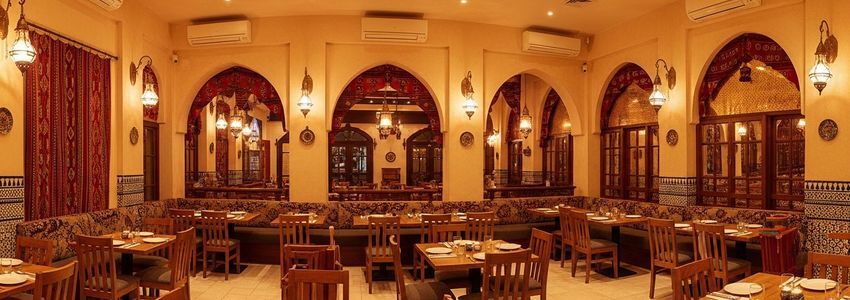
The vibrant and diverse culinary landscape of the United States has seen a significant surge in popularity for Middle Eastern cuisines, with Lebanese food leading the charge. Known for its fresh ingredients, aromatic spices, and a delightful array of flavorful dishes like hummus, falafel, shawarma, and tabbouleh, Lebanese cuisine offers a unique dining experience that resonates with a growing American palate. This increasing demand has created a fertile ground for new Lebanese restaurants to open and existing ones to expand, renovate, or update their offerings.
As more entrepreneurs venture into the promising Lebanese restaurant sector, the need for robust and accessible financing becomes paramount. Whether you're a seasoned restaurateur looking to scale your operations or an aspiring chef aiming to launch your dream eatery, securing the right business loan is a critical step towards achieving your goals. This comprehensive guide is designed to illuminate the path for Lebanese restaurant owners seeking capital, covering everything from understanding loan types to qualifying for funding and making the most of your investment.
In This Article
Why Lebanese Restaurant Owners Seek Financing
The restaurant industry, while rewarding, is capital-intensive. Lebanese restaurants are no exception. Several key factors drive the need for financing among owners in this niche:
Startup Costs
Launching a new Lebanese restaurant involves substantial upfront investment. This includes securing a prime location, which often requires significant leasehold improvements or purchase costs. Then there's the expense of kitchen equipment – from ovens and grills to refrigeration and prep stations – specialized for preparing authentic Lebanese dishes. Dining area furnishings, decor that evokes the rich cultural heritage of Lebanon, initial inventory of high-quality ingredients, permits, licenses, and initial marketing efforts all contribute to a considerable startup budget. Many entrepreneurs find that their personal savings are insufficient to cover these extensive initial outlays, making business loans a necessity.
Expansion and Growth
For established Lebanese restaurants, financing can fuel ambitious growth plans. This might involve opening additional locations in new neighborhoods or cities, a strategic move to capture a wider customer base. Expansion can also mean increasing the capacity of an existing restaurant by acquiring more space, renovating the interior to accommodate more diners, or upgrading the kitchen to handle a higher volume of orders. Financing can also be used to invest in catering services, expanding reach beyond the dine-in experience, or developing a robust delivery and takeout operation, which has become increasingly vital in the modern food service landscape. This strategic investment is key to staying competitive and meeting rising demand.
Renovations and Upgrades
The dining experience is as crucial as the food itself. To maintain customer appeal and stay current with trends, Lebanese restaurants often need to undertake renovations. This could involve modernizing the dining area to create a more inviting ambiance, updating the kitchen with more efficient and state-of-the-art equipment to improve service speed and food quality, or enhancing the facade to attract walk-in customers. Financing ensures these upgrades can be made without disrupting cash flow, allowing the restaurant to continue operating smoothly while undergoing transformation. Investing in aesthetics and functionality directly impacts customer satisfaction and, consequently, revenue.
Working Capital Needs
Even successful restaurants face periods where immediate cash is needed to bridge gaps between expenses and revenue. This is known as working capital. Financing can provide a crucial safety net to cover day-to-day operational costs such as payroll, rent, utility bills, and inventory replenishment, especially during slower seasons or unexpected downturns. It ensures that the restaurant can maintain its high standards of service and quality without compromising on essential expenditures. A stable supply of working capital is fundamental to the long-term health and resilience of any food business.
Equipment Purchases
The quality and efficiency of kitchen equipment directly impact the food served and the speed of service. Lebanese cuisine often requires specialized tools, like high-quality shawarma rotisseries, large mixers for doughs, and efficient grills. Financing options like equipment financing make it feasible for restaurant owners to acquire the best machinery without a massive upfront cash outlay. This investment can lead to improved food consistency, reduced waste, and faster preparation times, all contributing to a better customer experience and increased profitability.
Ready to Fund Your Business?
Apply in minutes with Crestmont Capital - the #1 business lender in the U.S.
Apply Now →Types of Loans for Lebanese Restaurants
Navigating the world of business loans can seem daunting, but understanding the different options available can help Lebanese restaurant owners find the best fit for their specific needs. Here are the most common types of financing:
Term Loans
A term loan is a lump sum of capital that is repaid over a fixed period with regular payments, typically including both principal and interest. These loans are ideal for significant investments like purchasing property, acquiring major equipment, or funding a substantial renovation project. They offer predictable repayment schedules, making budgeting easier. Term loans can be short-term (1-3 years), medium-term (3-10 years), or long-term (10+ years), with interest rates and repayment terms varying based on the lender, the borrower's creditworthiness, and the loan amount. For a large expansion or a complete restaurant overhaul, a term loan can provide the substantial capital required.
Business Line of Credit
A business line of credit functions much like a credit card for your business. It provides access to a revolving pool of funds up to a certain limit. You can draw funds as needed and only pay interest on the amount you've borrowed. As you repay the borrowed amount, those funds become available again. This type of financing is excellent for managing fluctuating cash flow, covering unexpected expenses, or bridging short-term gaps in revenue. For a Lebanese restaurant, a line of credit can be invaluable for managing seasonal demand, covering payroll during slower months, or purchasing inventory when needed. This flexible option ensures you have capital readily available without the commitment of a large lump sum. Learn more about how a business line of credit can support your operations.
SBA Loans
Loans guaranteed by the Small Business Administration (SBA) are often favored by small businesses due to their favorable terms, including lower interest rates and longer repayment periods. While they have a more rigorous application process, SBA loans can be a fantastic option for significant investments. There are various SBA loan programs, such as the SBA 7(a) loan, which can be used for a wide range of business purposes, including real estate, equipment, and working capital. The SBA doesn't lend money directly but guarantees a portion of the loan made by an approved lender, reducing the lender's risk and allowing them to offer more competitive terms. These can be particularly beneficial for Lebanese restaurants looking to make large capital expenditures or refinance existing debt. Explore the benefits of SBA loans for your business.
Equipment Financing
As mentioned, specialized equipment is crucial for authentic Lebanese cuisine. Equipment financing provides funds specifically for the purchase of new or used machinery. The equipment itself often serves as collateral for the loan, which can make it easier to qualify for, even with less-than-perfect credit. This type of loan allows you to acquire essential items like commercial ovens, food processors, refrigeration units, and dining furniture without depleting your working capital. This targeted financing ensures you can equip your kitchen for optimal performance and culinary excellence. Discover how equipment financing can benefit your restaurant.
Merchant Cash Advances (MCAs)
A merchant cash advance is not technically a loan but an advance on your future credit card sales. A provider gives you a lump sum in exchange for a percentage of your daily credit card transactions. MCAs are known for their speed and accessibility, making them a popular choice for businesses that need quick funding and may not qualify for traditional loans. However, they typically come with higher costs than traditional loans, often expressed as a factor rate rather than an interest rate. They can be a viable short-term solution for immediate cash needs, but it's important to understand the total cost before committing. This option is best suited for businesses with consistent daily credit card sales.
Invoice Financing
If your Lebanese restaurant does a significant amount of catering for corporate clients or events that pay invoices after service, invoice financing can be a useful tool. This involves selling your outstanding invoices to a third-party company at a discount in exchange for immediate cash. The financing company then collects the payment from your client. This provides a quick injection of cash based on your accounts receivable, helping to smooth out cash flow when you have to wait for client payments. It's a way to leverage your earned revenue before it's actually received.
How Much Can You Borrow?
Determining the exact amount you can borrow for your Lebanese restaurant depends on several factors, and lenders will assess your business's financial health and the purpose of the loan. Generally, lenders look at:
- Revenue and Cash Flow: Lenders will scrutinize your past and projected revenue and cash flow statements. A consistent and healthy cash flow indicates your ability to repay the loan. Restaurants with higher revenues and positive cash flow can typically borrow more.
- Credit Score: Both your personal credit score and your business credit score play a significant role. Higher scores demonstrate a lower risk to lenders, often resulting in larger loan amounts and better terms.
- Time in Business: Established businesses with a proven track record are generally viewed as less risky than new ventures. Lenders often prefer to see at least two years of operation.
- Industry Experience: Your experience in the restaurant industry, particularly with Lebanese cuisine, can influence lending decisions.
- Collateral: The availability of assets that can be pledged as collateral (e.g., real estate, equipment) can increase the loan amount you can secure and often lead to more favorable terms.
- Loan Purpose: The amount you need will also be influenced by what you intend to use the funds for. A loan for a small equipment upgrade will be less than one for opening a second location. Lenders will want to see a clear business plan justifying the requested amount.
- Debt-to-Income Ratio (Business): Lenders will assess your business's existing debt obligations relative to its income to ensure you can handle additional payments.
As a general guideline, lenders may offer loans ranging from a few thousand dollars for working capital needs to hundreds of thousands, or even millions, for major expansions or acquisitions. It's crucial to have a realistic understanding of your business's financial capacity and to clearly articulate your funding needs and how they will contribute to your restaurant's growth and profitability when applying.
How to Qualify
Qualifying for a business loan for your Lebanese restaurant requires demonstrating your business's viability and your ability to repay the borrowed funds. While requirements vary by lender and loan type, here are the common criteria:
Solid Business Plan
A well-crafted business plan is essential. It should detail your restaurant concept, target market, marketing strategy, management team, financial projections, and how the loan will be utilized to achieve specific business goals. For a Lebanese restaurant, this plan should highlight what makes your offering unique, whether it's authentic family recipes, a modern fusion approach, or exceptional customer service. According to Forbes Advisor, a strong business plan is often the first hurdle for securing funding.
Financial Records
Lenders will meticulously review your financial statements. This typically includes:
- Profit and Loss (P&L) Statements: To show your revenue, cost of goods sold, operating expenses, and net profit over time.
- Balance Sheets: To outline your assets, liabilities, and equity.
- Cash Flow Statements: To demonstrate how cash moves in and out of your business.
- Tax Returns: Both business and personal tax returns for the past few years.
- Bank Statements: To verify your cash flow and account activity.
Having organized and accurate financial records is non-negotiable. For Lebanese restaurants, this means meticulously tracking food costs, labor, rent, utilities, and sales, differentiating between dine-in, takeout, and catering revenue.
Creditworthiness
Your personal credit score is often a significant factor, especially for smaller businesses or startups. Lenders use it to gauge your personal financial responsibility. A good to excellent personal credit score (typically 680+) can significantly improve your chances of approval and lead to better loan terms. Your business credit score, if established, is also important. Maintaining good relationships with suppliers and paying bills on time helps build a strong business credit profile.
Collateral
While not all loans require collateral, having assets to pledge can make it easier to qualify, especially for larger loan amounts or if your credit history is not perfect. For a restaurant, collateral could include real estate, business equipment (ovens, refrigerators, furniture), or even inventory. Secured loans often come with lower interest rates.
Time in Business and Revenue History
Most lenders prefer to work with businesses that have been operating for at least two years and can demonstrate consistent revenue. This track record proves the sustainability of your business model. For a Lebanese restaurant, this means showing consistent sales figures, customer loyalty, and adaptability to market changes.
Legal Documentation
You'll need to provide legal documents such as your business registration, articles of incorporation or LLC operating agreement, business licenses, and permits. Ensuring all your legal paperwork is in order is crucial for demonstrating compliance and legitimacy.
Pro Tip: Before applying for any loan, thoroughly review your personal and business credit reports. Identify any errors and dispute them, and aim to improve your scores by paying down existing debt and making all payments on time. This proactive approach can significantly boost your chances of approval and secure more favorable loan terms for your Lebanese restaurant.
Best Uses for Your Loan
Securing financing is a significant step, and utilizing the funds effectively is key to your Lebanese restaurant's success. Here are some of the most impactful ways to use your business loan:
Acquiring Prime Real Estate or Securing a Lease
Location is paramount for any restaurant. A loan can provide the down payment for purchasing a commercial property or cover the costs associated with securing a long-term lease in a high-traffic area. This foundational investment can set your Lebanese restaurant up for visibility and customer accessibility.
Purchasing State-of-the-Art Kitchen Equipment
Authentic Lebanese cuisine often requires specialized equipment, such as high-capacity shawarma rotisseries, professional-grade mixers for doughs, tandoor ovens for flatbreads, and advanced refrigeration systems. Investing in quality equipment not only enhances the authenticity and quality of your dishes but also improves efficiency and reduces maintenance costs. Equipment financing is specifically designed for these purchases.
Renovating and Redesigning Your Dining Space
Creating an inviting and comfortable ambiance is crucial for customer experience. Loan funds can be used to renovate your dining area, update decor to reflect Lebanese culture, improve lighting, upgrade seating, and enhance the overall customer journey. A refreshed space can attract new patrons and encourage repeat visits.
Expanding Your Menu and Offering New Specialties
Lebanese cuisine is rich and diverse. You might use loan funds to research and develop new signature dishes, source premium ingredients for authentic preparations, or invest in training your chefs to master new culinary techniques. This can help differentiate your restaurant and cater to evolving customer tastes.
Marketing and Advertising Campaigns
To attract and retain customers, a well-executed marketing strategy is essential. Loans can fund targeted advertising campaigns, social media marketing, public relations efforts, website development, and promotional events. Highlighting your unique Lebanese dishes and cultural experience through effective marketing can significantly boost your visibility.
Hiring and Training Skilled Staff
Exceptional service is a hallmark of successful restaurants. Financing can cover the costs of recruiting, hiring, and training skilled chefs, servers, and management staff. Investing in your team ensures consistent quality and a positive customer experience, which is especially important when conveying the nuances of Lebanese hospitality.
Increasing Inventory and Improving Supply Chain
To maintain the freshness and authenticity of your Lebanese dishes, you need a reliable supply of high-quality ingredients. Loans can help you purchase larger quantities of specialty ingredients, establish relationships with reliable suppliers, and manage inventory more effectively, ensuring you never run out of popular items.
Opening Additional Locations or Franchising
For successful Lebanese restaurants, expansion is often the next logical step. Loans can provide the capital needed to scout new locations, build out new premises, and launch additional branches, effectively multiplying your reach and revenue potential. This is a significant undertaking that requires careful planning and substantial funding.
Covering Working Capital Gaps
Unexpected expenses or seasonal dips in revenue can strain your cash flow. Loan funds can serve as a vital source of working capital to cover payroll, rent, utilities, and other operational costs, ensuring your restaurant continues to run smoothly even during challenging periods. This is where a fast business loan can be a lifesaver.
Pro Tip: Always create a detailed budget for how you plan to use the loan funds. This not only helps you stay organized but also demonstrates to lenders that you have a clear vision and a responsible approach to managing finances, increasing their confidence in your ability to repay.
Why Choose Crestmont Capital
When seeking financing for your Lebanese restaurant, partnering with a trusted and experienced lender is crucial. Crestmont Capital is dedicated to providing small businesses with the capital they need to thrive. Here's why we stand out:
Expertise in Small Business Lending
At Crestmont Capital, we understand the unique challenges and opportunities faced by small businesses, including those in the dynamic restaurant industry. Our team possesses deep expertise in financial solutions tailored to meet the diverse needs of entrepreneurs. We've helped countless businesses secure the funding required to launch, grow, and succeed.
Fast and Efficient Application Process
We recognize that time is money, especially in the fast-paced restaurant world. Our application process is streamlined and designed for speed and efficiency. We aim to provide you with funding options quickly, so you can act on opportunities without unnecessary delays. You can explore our fast business loans to see how quickly you can get funded.
Competitive Rates and Flexible Terms
We strive to offer some of the most competitive rates and flexible repayment terms in the industry. We work with you to understand your specific financial situation and business goals, tailoring loan packages that fit your budget and repayment capacity. Our goal is to provide financing that supports your growth, not hinders it.
Dedicated Customer Support
Our commitment to our clients extends beyond just providing a loan. We offer dedicated customer support throughout the entire process, from initial inquiry to post-funding. Our team is available to answer your questions, provide guidance, and ensure a smooth and positive lending experience. We believe in building long-term partnerships with our clients.
Variety of Funding Solutions
Whether you need a term loan for a major expansion, a line of credit for working capital, or specialized equipment financing, Crestmont Capital offers a comprehensive suite of funding solutions. We are equipped to handle diverse financial needs, ensuring you find the right product for your Lebanese restaurant.
Focus on Business Growth
Our mission is to empower businesses to achieve their full potential. We see ourselves as more than just lenders; we are partners in your success. We are committed to providing the financial resources that enable Lebanese restaurant owners to invest in their dreams, expand their reach, and build lasting legacies.
Financing at a Glance
Lebanese Restaurant Growth & Financing Snapshot
The popularity of Lebanese cuisine in the U.S. presents a significant opportunity. Understanding key market trends and financing needs can pave the way for success.
| Metric | Data Point / Trend | Implication for Financing |
|---|---|---|
| U.S. Market Growth for Middle Eastern Food | Projected CAGR of 5-7% (Industry Estimates) | High demand supports expansion & new ventures; requires capital for growth. |
| Popular Lebanese Dishes | Hummus, Shawarma, Falafel, Tabbouleh, Kebabs | Demand for authentic ingredients & specialized equipment financing. |
| Average Startup Costs for a Small Restaurant | $100,000 - $500,000+ (Varies by location & scale) | Significant need for startup loans, SBA loans, or initial investment. |
| Key Uses for Restaurant Loans | Real Estate, Equipment, Renovations, Working Capital, Marketing | Diverse loan products needed: Term Loans, Equipment Financing, Lines of Credit. |
| Importance of Online Presence | 70%+ of diners research restaurants online before visiting | Financing for website development, online ordering systems, digital marketing. |
| Financing Speed Preference | 60% of small businesses need funds within 1-2 weeks | Emphasis on fast approval processes and quick disbursal of funds. |
Source: Industry analysis and U.S. Census Bureau data.
Apply Now →Frequently Asked Questions About Lebanese Restaurant Business Loans
What are the typical loan amounts for a Lebanese restaurant?
Loan amounts can vary widely, from $5,000 for working capital to over $500,000 for major expansions or real estate purchases. The amount depends on your business's revenue, creditworthiness, and the specific purpose of the loan.
How long does it take to get approved for a restaurant loan?
Approval times can range from a few days for online lenders to several weeks for traditional bank or SBA loans. Factors like application completeness and lender efficiency play a role.
What credit score do I need to qualify for a restaurant loan?
While some lenders have low minimums, a personal credit score of 680 or higher is generally recommended for better terms. Business credit scores are also increasingly important.
Can I get a loan for a new Lebanese restaurant startup?
Yes, startup loans are available, but they are often more challenging to secure. Lenders will scrutinize your business plan, personal credit, and any available collateral very closely. SBA loans and some alternative lenders are good options to explore.
What documents are typically required for a restaurant loan application?
Common requirements include business and personal tax returns, bank statements, P&L statements, balance sheets, a business plan, and legal business documents.
How does a business line of credit differ from a term loan?
A term loan provides a lump sum repaid over time, while a line of credit offers flexible access to funds up to a limit, on which you only pay interest for what you use.
What is collateral and why is it important for restaurant loans?
Collateral is an asset pledged to secure a loan. It reduces risk for the lender, making it easier to qualify and often securing lower interest rates. For restaurants, this could be equipment or real estate.
Can I use a loan to purchase an existing Lebanese restaurant?
Yes, business acquisition loans are common. Lenders will evaluate the seller's financials, the restaurant's performance, and your ability to manage the business.
What are the benefits of an SBA loan for a restaurant?
SBA loans typically offer lower interest rates, longer repayment terms, and higher loan amounts compared to conventional loans, making them attractive for significant investments.
How can I improve my chances of qualifying for a loan?
Strengthening your credit score, maintaining accurate financial records, developing a solid business plan, and potentially offering collateral can significantly improve your qualification prospects.
What is a merchant cash advance (MCA) and when is it suitable?
An MCA is an advance on future credit card sales. It's fast and accessible but often comes with higher costs. It's suitable for businesses needing quick cash and with consistent credit card sales.
Can I refinance existing restaurant debt with a new loan?
Yes, debt consolidation or refinancing loans are available. This can help you secure better terms, lower monthly payments, and simplify your debt management.
What role does the business plan play in loan applications?
The business plan demonstrates your understanding of the market, your strategy for success, and how the loan will be used to achieve profitability, providing lenders confidence in your venture.
Are there loans specifically for restaurant equipment?
Yes, equipment financing is a specialized loan product designed to fund the purchase of machinery and equipment, often using the equipment itself as collateral.
What are the key differences between traditional bank loans and alternative lenders?
Traditional banks often have stricter requirements and longer approval times but may offer lower rates. Alternative lenders typically offer faster approvals and more flexible terms but may have higher costs.
Next Steps
Ready to Fund Your Business?
Apply in minutes with Crestmont Capital - the #1 business lender in the U.S.
Apply Now →Ready to Fund Your Business?
Apply in minutes with Crestmont Capital - the #1 business lender in the U.S.
Apply Now →- Assess Your Needs: Clearly define why you need financing and how much capital you require. Is it for startup, expansion, equipment, or working capital?
- Review Your Finances: Gather all necessary financial documents, including tax returns, P&L statements, and bank statements. Ensure they are accurate and up-to-date.
- Check Your Credit: Obtain copies of your personal and business credit reports. Address any errors and work on improving your scores if necessary.
- Develop a Business Plan: If you don't have one, create a comprehensive business plan that outlines your restaurant's vision, market analysis, and financial projections.
- Research Lenders: Compare different types of loans and lenders. Consider traditional banks, credit unions, online lenders, and SBA loan providers.
- Prepare Your Application: Fill out loan applications thoroughly and accurately. Be ready to provide all requested documentation promptly.
- Consult with Experts: Consider speaking with a financial advisor or a business consultant who can offer guidance on your financing options.
- Apply with Crestmont Capital: If you're looking for a reliable partner with a streamlined process and competitive terms, consider Crestmont Capital. Our team is ready to discuss your financing needs.
Disclaimer: The information provided in this article is for general educational purposes only and is not financial, legal, or tax advice. Funding terms, qualifications, and product availability may vary and are subject to change without notice. Crestmont Capital does not guarantee approval, rates, or specific outcomes. For personalized information about your business funding options, contact our team directly.

Allan Garfinkle
Allan Garfinkle is the Chief Revenue Officer at Crestmont Capital, where he has spent more than a decade leading revenue strategy, business development, and operational growth. With 28 years of experience building and advising startups and small businesses, Allan has helped more than 10,000 business owners navigate financing decisions, growth opportunities, and changing economic conditions. He earned a Bachelor of Science in Economics and an MBA with a concentration in Finance from Northeastern University, as well as a Juris Doctor from New England Law, where his studies focused on contracts and business law. His writing draws on extensive practical experience in small-business lending, equipment financing, business credit, and commercial finance.