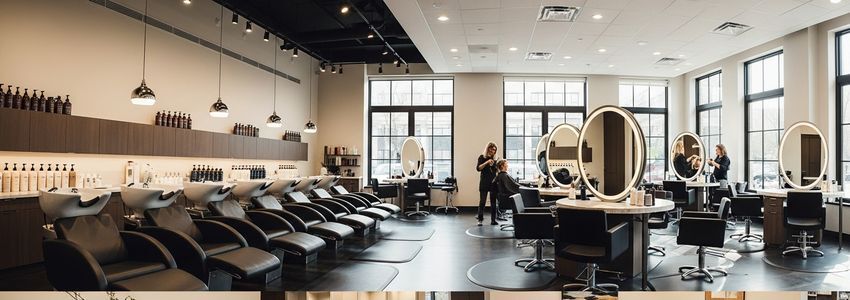
Opening or expanding a salon requires significant upfront investment. Styling chairs, shampoo bowls, color stations, and reception furniture can easily cost tens of thousands of dollars. For most salon owners, paying for all of this equipment out of pocket simply is not realistic. That is where salon equipment leasing becomes one of the most practical financial tools available to beauty professionals. Instead of depleting your cash reserves on chairs and stations, you pay a predictable monthly fee and keep your working capital where it belongs - funding payroll, retail inventory, marketing, and daily operations.
This guide covers everything you need to know about leasing salon equipment: how the process works, what types of equipment qualify, what to look for in a lease agreement, how Crestmont Capital can help, and how to get started today.
In This Article
- What Is Salon Equipment Leasing?
- Key Benefits of Leasing Salon Equipment
- What Equipment Qualifies for Leasing?
- How Salon Equipment Leasing Works
- Types of Equipment Lease Structures
- Leasing vs. Buying: A Side-by-Side Comparison
- Who Qualifies for Salon Equipment Leasing?
- Real-World Scenarios
- How Crestmont Capital Helps Salon Owners
- Frequently Asked Questions
- How to Get Started
What Is Salon Equipment Leasing?
Salon equipment leasing is a financing arrangement in which a lender purchases equipment on your behalf and then rents it back to you for a fixed monthly payment over an agreed term - typically 24 to 72 months. At the end of the lease, you generally have the option to purchase the equipment at fair market value or a pre-negotiated residual price, return the equipment, or upgrade to newer models and start a new lease.
Unlike a traditional equipment loan where you are building ownership equity with every payment, a lease is essentially a long-term rental that keeps your cash flow intact. Many salon owners find that leasing allows them to open or renovate their salon months sooner than they could have if they needed to save up the full purchase price of their equipment package.
Industry Insight: According to the Equipment Leasing and Finance Association (ELFA), approximately 8 in 10 U.S. businesses use some form of equipment financing, and the beauty and personal care sector ranks among the top industries for equipment leasing activity due to the specialized nature of salon furniture and tools.
Key Benefits of Leasing Salon Equipment
The appeal of salon equipment leasing goes far beyond just preserving cash. Here is why thousands of salon owners choose leasing over outright purchase every year:
- Low or no down payment required. Most equipment leases require little to no money down, allowing you to fully equip your salon without a large upfront investment.
- Predictable monthly payments. Fixed monthly lease payments make budgeting simple. You know exactly what you owe every month, which helps with cash flow planning.
- Preserve working capital. By spreading the cost of equipment over time, you keep cash available for payroll, rent, retail product inventory, and marketing.
- Access to high-end equipment. Leasing lets you equip your salon with premium chairs, stations, and tools that might otherwise be out of budget if you were paying cash.
- Stay current with trends. At the end of your lease term, you can upgrade to new equipment - keeping your salon modern and competitive without the financial burden of always buying new.
- Potential financial advantages. Lease payments are often treated as business operating expenses, which can reduce your taxable income. Always consult your accountant for guidance specific to your situation.
- Fast approval and funding. Equipment leasing typically has faster approval timelines than SBA loans or traditional bank loans, often funding in as little as 24 to 48 hours.
Ready to Equip Your Salon?
Get flexible salon equipment leasing from the #1 business lender in the U.S. No obligation - apply in minutes.
Apply Now →What Equipment Qualifies for Leasing?
The great news for salon owners is that virtually all of your major salon equipment can be financed through a lease. Lenders typically look for equipment that has a useful life of at least two to three years and can be repossessed if necessary. Most professional salon equipment easily meets these criteria.
Here is a breakdown of the most common salon items that qualify for equipment leasing:
Styling Chairs and Barber Chairs
Hydraulic styling chairs and barber chairs are among the most financed pieces of salon equipment. High-quality styling chairs from brands like Takara Belmont, Pibbs, or Collins can range from $400 to $1,500+ per unit. For a salon with 10 stations, that is $4,000 to $15,000 in chairs alone - a perfect candidate for leasing.
Shampoo Units and Backwash Stations
Shampoo bowls and backwash units require plumbing connections and typically cost $500 to $3,000 per unit depending on features. Leasing allows you to equip multiple shampoo stations without a large upfront outlay.
Styling Stations and Vanity Units
Freestanding or wall-mounted styling stations, which include mirrors, storage, and electrical outlets, range from $300 to $2,000+ per unit. Complete station packages can easily exceed $5,000 to $20,000 for a full salon buildout.
Reception Furniture and Waiting Area Seating
Reception desks, waiting area chairs, and retail display units are all eligible for leasing. First impressions matter, and leasing allows you to invest in a premium front-of-house experience.
Additional Qualifying Equipment
- Hood dryers and heated styling equipment
- Color processing stations and color storage systems
- Nail technician stations and pedicure chairs
- Waxing tables and treatment beds
- Salon POS systems and scheduling software hardware
- UV sterilization units and sanitation equipment
- Retail display shelving and merchandising fixtures
- Salon sinks and plumbing fixtures
How Salon Equipment Leasing Works
Understanding the mechanics of a salon equipment lease will help you make a more informed decision and negotiate better terms. Here is a step-by-step overview of the process:
Quick Guide
How Salon Equipment Leasing Works - At a Glance
Select the chairs, stations, shampoo units, and other equipment you need. Work with your preferred supplier or let your lender assist.
Submit a simple application with basic business and financial information. Most applications take just minutes to complete online.
Get approved - often within 24 to 48 hours. Review your monthly payment, lease term, and end-of-lease options before signing.
Your lender pays the vendor directly. Equipment is delivered and installed at your salon. You begin making monthly lease payments.
Once you are in the lease, you simply make monthly payments for the agreed term. At the end, you typically choose from three options: purchase the equipment (often at fair market value or $1), return the equipment, or upgrade to new equipment and start a new lease. The right end-of-lease option depends on the type of lease structure you chose at the start - more on that below.
Types of Equipment Lease Structures
Not all leases are structured the same way. Understanding the main types of equipment leases will help you choose the structure that best fits your salon's financial goals.
Operating Lease (Fair Market Value Lease)
An operating lease is structured more like a rental. Payments tend to be lower, and at the end of the term, you can return the equipment, purchase it at fair market value, or upgrade. This is ideal for salon owners who want to stay current with trends and plan to upgrade equipment every few years.
Finance Lease (Capital Lease)
A finance lease is structured more like a loan. Payments are typically higher because you are on track to own the equipment at the end of the term. At lease end, you can purchase the equipment for a nominal amount such as $1. This works well for equipment you plan to use long-term.
$1 Buyout Lease
With a $1 buyout lease, you pay a set monthly amount for the full term and then purchase the equipment for just $1 at the end. Monthly payments are slightly higher than with an FMV lease, but you gain full ownership. This is popular with salon owners who want the benefits of financing without ever losing the equipment.
Equipment Finance Agreement (EFA)
An EFA is technically a loan rather than a lease, but it functions similarly. You own the equipment from day one and make monthly installment payments. An EFA may provide different accounting treatment than a lease. Consult your accountant to determine which structure is most advantageous for your salon.
Leasing vs. Buying: A Side-by-Side Comparison
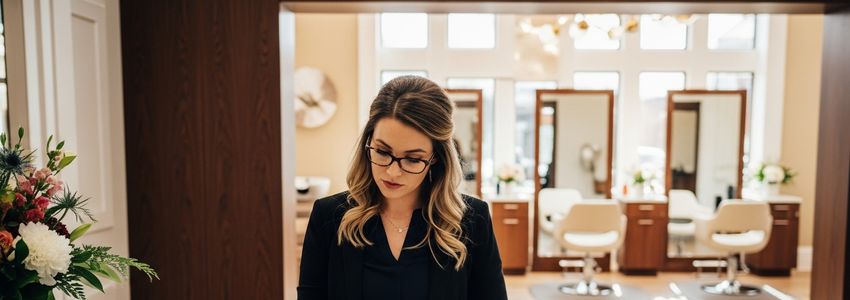
One of the most common questions salon owners have is whether leasing or buying outright is the better financial move. The honest answer is that it depends on your specific situation - your cash position, growth plans, and how long you expect to use the equipment. Here is a straightforward comparison:
| Factor | Leasing | Buying Outright |
|---|---|---|
| Upfront Cost | Low to none | Full purchase price |
| Monthly Cash Flow Impact | Fixed monthly payment | None (after purchase) |
| Ownership | Option at end of term | Immediate |
| Ability to Upgrade | Easy - at end of lease | Must resell old equipment |
| Equipment Risk | Lower - return option | You bear full depreciation risk |
| Approval Speed | Often 24-48 hours | N/A (cash purchase) |
| Working Capital Preserved | Yes - significant | No - cash depleted |
| Best For | Growing salons, new locations, cash flow management | Established salons with surplus cash |
Pro Tip: Many experienced salon owners choose leasing even when they have the cash to buy outright. Keeping $20,000 in your business account as a reserve fund is often more valuable than owning your chairs free and clear - especially during slow seasons or unexpected expenses.
Who Qualifies for Salon Equipment Leasing?
Salon equipment leasing is accessible to a broader range of applicants than traditional bank loans. Here is what most lenders look for when evaluating a salon equipment lease application:
Credit Score
Most equipment leasing companies prefer a personal credit score of 620 or higher, though some lenders work with scores as low as 580. The stronger your credit, the better your rates and terms will be. Business credit is also considered if you have an established credit profile for your salon.
Time in Business
Many lenders prefer applicants with at least six months to one year of business history. However, startup salon equipment leasing programs exist for new businesses and stylists opening their first location. Startup applicants may need to provide a business plan and personal financial statements.
Revenue and Cash Flow
Lenders want to see that your salon generates enough revenue to comfortably cover the monthly lease payment. They typically review bank statements to verify consistent cash flow. Most lenders look for monthly revenue of at least three to four times the monthly payment amount.
Equipment Value
The equipment itself must have legitimate commercial value and a reasonable useful life. Most salon equipment easily qualifies. Very low-cost or highly specialized niche items may be reviewed more carefully.
Personal Guarantee
Most salon equipment leases require a personal guarantee from the primary business owner. This means if the business defaults on the lease, the lender can pursue the owner personally for repayment.
Real-World Scenarios: Salon Equipment Leasing in Action
Understanding how other salon owners have used equipment leasing can help you evaluate whether it is right for your situation.
Scenario 1: New Salon Opening on a Budget
Maria was a seasoned colorist with a loyal clientele who finally decided to open her own 1,200-square-foot salon in suburban Phoenix. She needed eight styling chairs, four shampoo units, eight styling stations, a reception desk, and waiting area seating - a total equipment package worth approximately $38,000. Rather than depleting her savings and asking her family for help, Maria applied for a 48-month equipment lease. Her monthly payment came to $890, well within her projected cash flow. She opened her doors on time, fully equipped, with $22,000 still in her business account for the first few months of operating expenses.
Scenario 2: Established Salon Adding Stations
Carlos had been running a successful barber shop in downtown Miami for six years. His shop was consistently booked out, and he had an opportunity to expand into the adjacent retail space. Adding four new barber chairs, two additional stations, and updated reception furniture would cost $18,000. Rather than dipping into his equipment upgrade reserve, Carlos used an equipment lease with a $1 buyout option. His payments were $420 per month - a small fraction of the additional revenue the new stations were expected to generate.
Scenario 3: Salon Renovation and Rebranding
Jennifer had run a successful salon in uptown Charlotte for nine years. While her business was thriving, her equipment was showing its age - 10-year-old chairs, dated styling stations, and a reception area that no longer reflected her premium brand. A full refresh with new hydraulic chairs, contemporary stations, and modern shampoo units carried a price tag of $52,000. Jennifer leased all of the new equipment on a 60-month operating lease, allowing her to upgrade to top-of-the-line furnishings with monthly payments she could budget for confidently.
Scenario 4: Adding Nail Services to an Existing Salon
Priya wanted to add a full nail bar to her existing hair salon in suburban Chicago. Six pedicure chairs, six nail stations, and updated ventilation equipment would cost around $24,000. Her lease allowed her to add the new service line without disrupting the cash flow of her core hair business - and within three months, the nail bar was generating enough revenue to more than cover the lease payment.
Scenario 5: Multi-Location Salon Group Expansion
David owned a regional chain of three salons in the Pacific Northwest and was preparing to open a fourth location. Equipping an entirely new salon from scratch required $75,000 in equipment. His lender structured a portfolio lease that covered all equipment for the new location under a single agreement, simplifying his accounting and giving him competitive lease terms based on the strength of his multi-location business.
Equipment Holding You Back? It Doesn't Have To.
Crestmont Capital helps salon owners across the country lease the equipment they need - chairs, stations, shampoo units, and more. Get started with a quick application.
Get My Equipment Lease →How Crestmont Capital Helps Salon Owners
Crestmont Capital is one of the nation's leading business financing companies, rated #1 for small business lending in the United States. We specialize in working with small business owners - including salon and beauty industry professionals - to find equipment leasing and financing solutions that fit their specific needs and financial situations.
Here is what makes Crestmont Capital a trusted partner for salon equipment leasing:
- Wide range of lease programs. Whether you are looking for an operating lease, a $1 buyout lease, or a finance agreement, we have programs designed for salons of every size and stage.
- Fast approvals. We understand that time matters when you are trying to open or grow your business. Most applications receive a decision within 24 to 48 hours.
- Flexible credit requirements. We work with salon owners across the credit spectrum. While stronger credit means better terms, we also have programs for business owners rebuilding their credit profile.
- Startup-friendly options. If you are opening your first salon, we have lease programs specifically designed for new businesses with limited operating history.
- Expert guidance. Our financing specialists understand the beauty industry and can help you structure a lease that aligns with your revenue cycle, growth plans, and long-term goals.
In addition to salon equipment leasing, Crestmont Capital offers a full suite of financing options relevant to salon owners, including unsecured working capital loans for day-to-day expenses, business lines of credit for flexible cash access, and SBA loans for larger growth initiatives. For salon owners looking specifically at their equipment needs, our dedicated salon equipment financing and beauty salon equipment financing pages provide detailed information on available programs.
You can also explore our broader equipment leasing options for any additional equipment your business may need beyond the salon floor.
Frequently Asked Questions
What is salon equipment leasing?
Salon equipment leasing is a financing arrangement where a lender purchases equipment on your behalf - such as styling chairs, shampoo stations, or reception furniture - and leases it back to you for fixed monthly payments over an agreed term, typically 24 to 72 months. At the end of the lease, you can purchase the equipment, return it, or upgrade to newer models.
What types of salon equipment can be leased?
Nearly all salon equipment qualifies for leasing, including hydraulic styling chairs, barber chairs, shampoo bowls, backwash units, styling stations, reception desks, waiting area seating, hood dryers, nail stations, pedicure chairs, waxing tables, salon POS systems, color stations, UV sterilizers, and retail display fixtures.
How much does it cost to lease salon equipment?
The monthly cost depends on the total value of the equipment, the lease term, the type of lease structure, and your creditworthiness. As a general benchmark, a $20,000 equipment package on a 48-month lease might carry monthly payments in the range of $450 to $600. A $50,000 package might be $1,000 to $1,400 per month. Getting a custom quote from your lender will give you the most accurate numbers for your situation.
Can I lease salon equipment with bad credit?
Yes, many equipment leasing companies work with borrowers who have less-than-perfect credit. Credit scores as low as 580 may be considered by some lenders, though you may face higher monthly payments or shorter lease terms. Providing strong business revenue, a cosigner, or a security deposit can help offset a lower credit score.
How long does it take to get approved for salon equipment leasing?
Equipment leasing applications are typically much faster than traditional bank loans. With a specialized lender like Crestmont Capital, many applicants receive a credit decision within 24 to 48 hours. Funding - meaning payment to the equipment vendor - can happen within a few days after approval and documentation is complete.
Do I need a down payment to lease salon equipment?
Most salon equipment leases require little to no down payment. Some lenders may ask for a first and last payment upfront, or a modest security deposit depending on your credit profile. This is one of the primary advantages of leasing over purchasing outright - you can fully equip your salon without a large upfront investment.
What happens at the end of a salon equipment lease?
At the end of your lease term, you generally have three options: purchase the equipment (at fair market value with an FMV lease, or for $1 with a $1 buyout lease), return the equipment to the leasing company, or upgrade to new equipment and start a fresh lease. The right choice depends on the condition of the equipment, your business needs, and your financial goals.
Can I lease salon equipment for a startup salon with no revenue?
Yes, startup equipment leasing programs exist specifically for new salons. Lenders typically look at your personal credit score, personal financial statements, and a business plan to assess risk when business revenue history is not yet available. Having a strong personal credit score and clear financial projections significantly improves your chances of approval.
Is it better to lease or buy salon equipment outright?
Both options have advantages depending on your situation. Leasing preserves cash flow, requires minimal upfront investment, and makes it easy to upgrade equipment over time. Buying outright means you own the asset immediately and have no ongoing payment obligations. For most growing salon owners, leasing is the preferred choice because it keeps working capital available for operations, marketing, and unexpected expenses.
What is a fair market value (FMV) lease for salon equipment?
A fair market value (FMV) lease is a type of operating lease where your monthly payments are typically lower than a $1 buyout lease, but at the end of the term, you must either return the equipment, purchase it at its fair market value (what it would sell for on the open market at that time), or upgrade. FMV leases are best suited for salon owners who want lower payments and plan to update their equipment regularly.
Can I lease equipment from any vendor or supplier?
In most cases, yes. Equipment leasing companies typically work with any established supplier or vendor. You choose the equipment and vendor you prefer, and the lender pays the vendor directly on your behalf. Some lenders have preferred vendor networks that may offer additional benefits or streamlined processes.
Are lease payments fixed or variable?
Most salon equipment leases have fixed monthly payments that remain the same throughout the lease term. This makes budgeting simple and predictable. Variable rate equipment leases exist but are less common in the equipment leasing space compared to traditional business loans.
Who is responsible for maintenance and repairs on leased equipment?
In most equipment lease agreements, the lessee (you, the salon owner) is responsible for maintaining the equipment in good working condition. Many leases require you to return the equipment in reasonable condition at the end of the term. It is important to factor in maintenance and service costs when budgeting for leased equipment.
Can I terminate a salon equipment lease early?
Early termination of an equipment lease is generally possible but typically comes with penalties or fees, as the lender has committed capital based on the agreed lease term. Some lenders offer more flexible early termination options. It is important to understand the early termination provisions of any lease agreement before signing.
How does salon equipment leasing affect my business credit?
Responsible equipment leasing can help build your business credit profile. When payments are reported to commercial credit bureaus, consistent on-time payments demonstrate creditworthiness and can improve your business credit scores over time - making future financing easier and more affordable. Always confirm with your lender whether they report lease payment history to business credit bureaus.
How to Get Started
Complete our quick application at offers.crestmontcapital.com/apply-now - takes just a few minutes and does not affect your credit score to prequalify.
A Crestmont Capital salon financing specialist will review your needs, discuss available lease structures, and help you choose the right program for your salon.
After approval, your lender pays the vendor directly. Your equipment is delivered, you open or upgrade your salon, and you begin making simple monthly payments.
Conclusion
Salon equipment leasing is one of the most effective financial tools available to beauty industry professionals. Whether you are opening a new salon, adding stations to an established location, or refreshing aging equipment to maintain a premium brand, leasing lets you access the chairs, stations, shampoo units, and fixtures you need without depleting your cash reserves. With fast approvals, predictable monthly payments, and flexible end-of-lease options, salon equipment leasing is a practical and powerful path to growth.
Crestmont Capital is here to help salon owners across the country navigate their equipment financing options. Our team understands the beauty industry, and we are committed to finding lease structures that work for your specific situation - whether you are a solo stylist opening your first shop or a regional salon group expanding to new markets. If you are ready to explore salon equipment leasing, contact our team today or apply online to get started.
Start Equipping Your Salon Today
Apply in minutes. Get a decision in as little as 24 hours. Equip your salon without draining your cash flow.
Apply Now →Disclaimer: The information provided in this article is for general educational purposes only and is not financial, legal, or tax advice. Funding terms, qualifications, and product availability may vary and are subject to change without notice. Crestmont Capital does not guarantee approval, rates, or specific outcomes. For personalized information about your business funding options, contact our team directly.