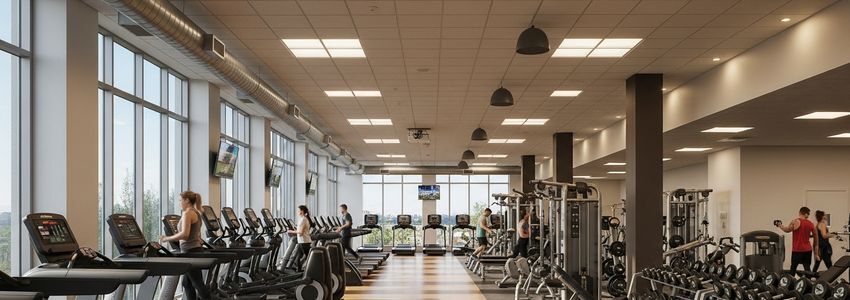
Running a gym or wellness center means staying ahead of member expectations, equipment wear, and the constant pressure to modernize your floor. The challenge is that commercial-grade fitness equipment — from treadmills and ellipticals to cable machines and recovery tech — carries significant price tags. Purchasing outright can lock up capital you need for staffing, marketing, and operations. That is why fitness equipment leasing has become one of the most strategic tools available to gym owners and wellness entrepreneurs across the country.
Whether you are opening your first boutique studio, expanding an existing fitness club, or replacing aging cardio rows, this guide covers everything you need to know about leasing fitness equipment: how it works, what it costs, who qualifies, and how Crestmont Capital can help you get the financing that fits your business model.
In This Article
- What Is Fitness Equipment Leasing?
- Key Benefits for Gyms and Wellness Centers
- How Fitness Equipment Leasing Works
- Types of Equipment You Can Lease
- Leasing vs. Buying Fitness Equipment
- Who Qualifies for Fitness Equipment Leasing?
- How Crestmont Capital Helps Fitness Businesses
- Real-World Scenarios
- Frequently Asked Questions
- How to Get Started
What Is Fitness Equipment Leasing?
Fitness equipment leasing is a financing arrangement in which a gym or wellness business acquires the use of commercial fitness equipment without purchasing it outright. Instead of paying the full purchase price upfront, you make fixed monthly payments over a defined term — typically 24 to 72 months — and at the end of the lease, you may have the option to purchase the equipment, return it, or upgrade to newer models.
This structure is fundamentally different from a traditional equipment loan, where you take ownership immediately and repay the financed amount over time. With a lease, the financing company retains legal ownership of the equipment during the lease term. This distinction has practical implications for cash flow, accounting treatment, and flexibility when it comes time to upgrade.
The fitness industry presents a particularly strong use case for leasing. Commercial treadmills, ellipticals, rowing machines, and strength systems can cost anywhere from $1,000 to $15,000 per unit. Outfitting a full gym floor can require $100,000 to $500,000 or more in equipment. Leasing makes it possible to equip a facility at a fraction of that upfront cost.
Industry Fact: According to the International Health, Racquet and Sportsclub Association (IHRSA), the U.S. fitness industry generates over $35 billion in annual revenue, with more than 41,000 fitness facilities in operation. Equipment quality is consistently cited as one of the top three factors members consider when choosing a gym.
Key Benefits of Leasing Fitness Equipment
Gym owners and wellness center operators who choose to lease rather than purchase their equipment often point to a consistent set of advantages that align with the way fitness businesses actually operate.
Preserve Working Capital
The most immediate benefit is cash flow preservation. When you lease instead of buying, you avoid large capital outlays and keep liquid funds available for rent, payroll, marketing, and the other operating expenses that keep your doors open. For a business that experiences seasonal membership fluctuations, maintaining cash reserves is critical to riding out slower months.
Access Better Equipment
Leasing allows you to equip your facility with top-tier commercial brands — Life Fitness, Precor, Technogym, Peloton Commercial, Matrix, and others — that might be cost-prohibitive to purchase outright. Members notice the difference between consumer-grade and commercial-grade equipment, and the quality of your floor directly impacts member retention and acquisition.
Stay Current With Technology
Fitness technology evolves rapidly. Modern treadmills come with integrated screens, workout tracking, heart rate monitoring, and app connectivity. Leasing allows you to upgrade at the end of each term rather than being locked into aging equipment. This is especially valuable for boutique studios and premium clubs competing for tech-savvy members.
Predictable Monthly Payments
Fixed lease payments make budgeting straightforward. You know exactly what your equipment costs on a monthly basis, which simplifies financial planning and makes it easier to model revenue per square foot against equipment expense.
Potential Tax Advantages
Lease payments are typically treated as operating expenses, which may be deductible in the year they are paid. This is in contrast to purchased equipment, which is depreciated over its useful life. The tax treatment of lease payments should always be verified with your accountant, as the specifics depend on your business structure and the type of lease agreement.
Ready to Upgrade Your Gym Floor?
Get fast, flexible fitness equipment leasing from the #1 business lender in the U.S. Competitive rates, simple approval, and no large upfront costs.
Apply Now →How Fitness Equipment Leasing Works
The leasing process for fitness equipment follows a relatively straightforward sequence from application to equipment delivery. Understanding each step helps you move through the process efficiently and secure the best possible terms.
Step 1 - Identify Your Equipment Needs
Begin by creating a detailed list of the equipment you need, including brand preferences, quantities, and specifications. Include everything from cardio machines and free weights to functional training rigs and recovery equipment. A clear scope of need makes it easier for lenders to structure an appropriate financing arrangement.
Step 2 - Apply With a Lender
Submit a lease application with a commercial lender or equipment financing specialist like Crestmont Capital. Most applications require basic business and personal financial information, including time in business, annual revenue, and credit profile. The application process for equipment leases is typically faster and less documentation-intensive than traditional bank loans.
Step 3 - Receive a Credit Decision
Lenders evaluate your creditworthiness and the quality of the collateral (the equipment itself) to determine approval and terms. Fitness equipment holds reasonable residual value, which supports approval for businesses that may have limited credit history or modest cash reserves.
Step 4 - Review and Sign Lease Agreement
Once approved, you receive a lease agreement outlining the monthly payment, term length, end-of-term options, and any maintenance or insurance requirements. Review this carefully, particularly the end-of-term provisions and early termination clauses.
Step 5 - Equipment Delivery and Installation
The lender funds the vendor, and the equipment is delivered to your facility. For large buildouts, this may be coordinated with your general contractor or equipment installer.
Step 6 - Monthly Payments and End of Term
You make fixed monthly payments for the duration of the lease. At the end of the term, you typically choose between purchasing the equipment at fair market value or a predetermined buyout price, returning the equipment, or entering a new lease on upgraded models.
By the Numbers
Fitness Equipment Leasing - Key Industry Statistics
$35B+
U.S. fitness industry annual revenue
41,000+
Fitness facilities in the U.S.
72 Mo
Maximum typical lease term for fitness equipment
$500K+
Typical equipment need for a mid-size gym buildout
Types of Fitness Equipment You Can Lease
Nearly any category of commercial fitness equipment can be financed through a lease arrangement. The breadth of what qualifies makes leasing accessible regardless of your facility type - from a 500-square-foot boutique studio to a 50,000-square-foot multi-purpose fitness campus.
Cardio Equipment
Treadmills, elliptical trainers, stationary bikes, rowing machines, stair climbers, and ski ergs are the backbone of most gym floors. These items carry per-unit costs ranging from $2,000 to $10,000 or more for commercial-grade models. Leasing a full cardio row of 20-30 machines represents a significant capital event that is well-suited to financing.
Strength and Resistance Equipment
Cable machines, selectorized strength machines, plate-loaded equipment, and functional training rigs are essential for any complete gym offering. A comprehensive strength floor from a commercial manufacturer can represent $100,000 to $300,000 in equipment value alone.
Free Weights and Racks
Dumbbells, barbells, kettlebells, weight plates, squat racks, power cages, and benches can be bundled into a lease arrangement along with other equipment categories. Financing all categories under a single agreement simplifies billing and administration.
Group Fitness and Studio Equipment
Indoor cycling bikes (including Peloton Commercial), rowing machines for group classes, yoga and Pilates props, and audio-visual systems for group fitness studios all qualify for leasing. Boutique studios that rely entirely on specialized equipment for their programming benefit significantly from leasing flexibility.
Recovery and Wellness Technology
Cryotherapy chambers, infrared saunas, compression therapy systems, red light therapy panels, and massage chairs represent the growing recovery segment of the wellness industry. These items carry high price tags and benefit from the flexibility to upgrade as the technology evolves.
Locker Room and Facility Equipment
Commercial lockers, steam generators, towel warmers, and facility management kiosks can also be included in equipment leasing arrangements, providing a comprehensive facility financing solution.
Leasing vs. Buying Fitness Equipment: A Side-by-Side Comparison
The decision between leasing and buying fitness equipment is one of the most important financial choices a gym owner faces. There is no universal right answer - the best choice depends on your cash position, growth plans, and operational priorities.
| Factor | Leasing | Buying |
|---|---|---|
| Upfront Cost | Low - first/last payment or small deposit | High - full purchase price or large down payment |
| Monthly Payments | Fixed, predictable | Loan payments or no payments if paid cash |
| Ownership | Lender owns during term; option to buy at end | Immediate ownership from day one |
| Technology Upgrades | Easy - upgrade at end of term | Requires selling old equipment and buying new |
| Cash Flow Impact | Minimal - preserves working capital | Significant - depletes reserves or requires large loan |
| Balance Sheet | Depends on lease type (operating vs. finance) | Asset recorded, depreciated over useful life |
| Long-Term Cost | Higher total cost over multiple lease cycles | Lower total cost if equipment has long useful life |
| Best For | Growth-focused operators, new facilities, tech-forward brands | Stable operations with strong cash reserves, long-haul assets |
Pro Tip: Many gym operators use a hybrid approach - purchasing durable, long-life items like free weight sets and racks outright, while leasing high-tech cardio and smart fitness equipment that becomes obsolete more quickly. This balances ownership benefits with upgrade flexibility.
Who Qualifies for Fitness Equipment Leasing?
One of the advantages of equipment leasing over traditional bank financing is that qualification standards tend to be more accessible. Because the equipment itself serves as collateral, lenders can extend credit to businesses that might not qualify for unsecured financing.
Credit Profile Requirements
Most lenders look for a personal credit score of 600 or above for standard lease programs. Businesses with scores in the 650-720 range will have access to a broader range of lenders and more competitive terms. Higher credit scores typically translate to lower rates and more flexible structures.
Time in Business
Established businesses with two or more years of operating history generally find the most favorable terms. That said, startup gym and wellness businesses can still access equipment leasing, particularly if the owner has relevant industry experience, strong personal credit, and a well-developed business plan. Some lenders offer startup-specific programs with modified underwriting criteria.
Revenue and Cash Flow
Lenders want to see that your business generates enough revenue to service the lease payments comfortably. As a general benchmark, your lease payment should not exceed 10-15% of your monthly gross revenue. For a gym generating $30,000 per month, a $3,000-4,500 monthly lease payment would typically be within a comfortable range.
Business Structure and Documentation
You will typically need to provide basic business documentation including your EIN, formation documents, and recent bank statements. More complex applications may require business or personal tax returns and a financial snapshot. The application process for equipment leasing is generally more streamlined than traditional commercial lending.
Find Out If You Qualify Today
Crestmont Capital works with gyms and wellness centers at every stage - from startups to established clubs. No obligation to apply.
Check Your Eligibility →
How Crestmont Capital Helps Fitness Businesses
Crestmont Capital is the #1 rated business lender in the United States, and we work extensively with fitness industry operators - from independent personal training studios to regional fitness club chains. Our gym equipment financing programs are designed to match the operational realities of fitness businesses, including seasonal revenue cycles, high equipment turnover rates, and the need for flexible upgrade paths.
We offer multiple financing structures to support different use cases. Equipment leases are ideal for businesses that want to upgrade frequently. Equipment financing loans work well for operators who want to build equity and own their equipment at the end of the term. Our business lines of credit provide the flexibility to fund equipment purchases, operational expenses, and working capital needs as they arise.
Beyond equipment, we also offer working capital loans that fitness businesses use for marketing campaigns, staff hiring, lease deposits for new locations, and general operational reserves. Having access to capital beyond just equipment financing gives gym owners the full financial toolkit they need to grow.
Our approval process is streamlined, transparent, and designed with small business owners in mind. We do not require extensive financial documentation for smaller equipment transactions, and we can provide funding decisions quickly - often within 24-48 hours of a complete application.
Why Crestmont Capital? We have been rated the #1 business lender in the U.S. because we focus on building long-term relationships with business owners. We are not a marketplace that shops your application to dozens of lenders - we are a direct lender with a dedicated team that understands the fitness industry.
Real-World Scenarios: Fitness Equipment Leasing in Action
To illustrate how fitness equipment leasing works in practice, here are several scenarios that reflect common situations gym owners and wellness entrepreneurs face.
Scenario 1 - New Boutique Studio Launch
A cycling instructor with 12 years of experience decides to open a boutique indoor cycling studio. She identifies a 2,500-square-foot space and needs 30 commercial cycling bikes, a reception area, audio-visual system, and front desk technology. Total equipment cost: approximately $120,000. Rather than depleting her savings or taking on a traditional bank loan, she leases the entire equipment package through Crestmont Capital. With a 48-month term and competitive rate, her monthly payment is approximately $2,800 - a manageable fixed cost as she builds her member base. At the end of the term, she has the option to purchase, return, or upgrade to the latest connected cycling technology.
Scenario 2 - Established Gym Upgrading Cardio Floor
A 10-year-old community gym is facing member churn because competitors have installed modern touchscreen cardio equipment. The owner needs to replace 25 treadmills and 20 ellipticals at a cost of approximately $200,000. He uses a fitness equipment lease to fund the upgrade with no large cash outlay. His existing strong credit profile and revenue history qualify him for a 60-month term at favorable rates. The new equipment drives a 15% increase in member retention within the first six months, easily justifying the monthly lease payment.
Scenario 3 - Wellness Center Adding Recovery Technology
A physical therapy and wellness center wants to add a cryotherapy chamber, four infrared saunas, and a compression therapy system to their offerings. These recovery technologies represent approximately $80,000 in equipment. Because recovery technology has a defined upgrade cycle and the center prefers to keep its technology current, leasing is the preferred option. The 36-month lease keeps monthly payments low while allowing the center to evaluate the market for next-generation recovery technology before committing to ownership.
Scenario 4 - Multi-Location Fitness Chain Expanding
A regional fitness operator with three existing locations is opening two new facilities simultaneously. Equipping both new gyms would require a $1.2 million capital outlay if purchased. Instead, the operator structures an equipment lease portfolio that spreads the cost across manageable monthly payments. The cash that would have gone to equipment purchase is redirected toward lease deposits for both new locations, marketing campaigns for member acquisition, and a hiring push for qualified fitness staff. The multi-location approach also gives the operator negotiating leverage for better lease rates across the portfolio.
Scenario 5 - Personal Training Studio Going Commercial
An independent personal trainer operating from a small rented space has built a client base large enough to support a dedicated commercial location. He is moving from a few thousand dollars of personal equipment to a $60,000 commercial setup including a functional training rig, commercial dumbbells, cable systems, and specialty barbells. Equipment leasing allows him to make this transition without depleting his working capital, with monthly payments structured around his current revenue projections and expected growth.
Scenario 6 - Corporate Wellness Center Build-Out
A real estate developer is adding a fitness center to a corporate office campus they manage. The amenity is expected to improve tenant retention and attract premium tenants. Equipment needs are approximately $150,000 for a full-service fitness center. Because the developer prefers to keep balance sheet assets clean, an operating lease structure is selected. This keeps the equipment off the books while delivering a modern facility that strengthens the property's competitive position.
Frequently Asked Questions
What is the difference between an equipment lease and an equipment loan?
An equipment loan is a traditional financing arrangement where you borrow money to purchase equipment and make payments until the loan is repaid - at which point you own the equipment outright. An equipment lease is different in that the lender (or lessor) retains ownership of the equipment during the lease term. You make monthly payments for the right to use the equipment. At the end of the lease, you typically choose to purchase, return, or upgrade the equipment. Leases generally have lower monthly payments but do not automatically result in ownership.
How much does it cost to lease fitness equipment for a gym?
The cost depends on the total equipment value, your credit profile, the lease term, and the type of lease structure. As a general benchmark, a lease on $100,000 in fitness equipment might carry monthly payments in the range of $1,800 to $2,500 on a 60-month term, depending on the interest rate built into the lease. Longer terms lower monthly payments but increase total cost over the life of the lease. Getting a quote from a specialized lender like Crestmont Capital will give you precise numbers based on your specific situation.
Can a new gym or startup fitness business qualify for equipment leasing?
Yes, startups can qualify for fitness equipment leasing, though the requirements and terms may differ from established businesses. Lenders typically place greater weight on the owner's personal credit score, relevant industry experience, and the strength of the business plan. Some lenders offer startup equipment leasing programs with modified underwriting criteria. Having a personal credit score of 650 or higher, a solid business plan, and some initial capital will significantly strengthen a startup application.
What happens at the end of a fitness equipment lease?
At the end of a fitness equipment lease, you typically have three options: purchase the equipment at fair market value or a predetermined price (often listed as a $1 buyout option), return the equipment to the lender, or enter into a new lease on updated or replacement equipment. The specific end-of-term options will be spelled out in your lease agreement, so it is important to review these provisions before signing.
Does leasing fitness equipment affect my business credit?
Equipment leases, like other business financing, can appear on your business credit report and influence your business credit score. Making consistent, on-time lease payments is a positive factor that can strengthen your business credit profile over time. Conversely, missed or late payments will negatively impact your credit. For businesses actively building their credit history, maintaining a clean payment record on an equipment lease is an effective strategy.
Can I lease used or refurbished fitness equipment?
Yes, many lenders offer financing for used and refurbished commercial fitness equipment. The equipment must typically be in good working condition and meet the lender's age and condition requirements. Used equipment financing can be an effective strategy for operators who want to minimize monthly costs, particularly when outfitting less trafficked areas of a facility or managing a tight budget during early growth stages.
What credit score do I need to lease fitness equipment?
Most standard fitness equipment lease programs look for a personal credit score of 600 or higher. Businesses with scores in the 650-720 range will typically access more competitive rates and terms. Scores above 720 generally unlock the most favorable lease structures. That said, credit is just one factor - revenue, time in business, and the overall strength of your financial profile all contribute to the underwriting decision.
How long does it take to get approved for a fitness equipment lease?
For straightforward applications with complete documentation, many equipment leases can be approved within 24 to 48 hours. Larger transactions or businesses with more complex financial situations may take 3-5 business days. This is significantly faster than traditional bank loans, which can take weeks. The streamlined process is one of the practical advantages of working with a specialized equipment lender.
Are there any restrictions on the brands or types of equipment I can lease?
Most lenders work with a broad range of commercial fitness equipment brands and types. There may be restrictions on equipment with very short useful lives or items that are difficult to repossess and resell. Generally speaking, commercial-grade cardio equipment, strength systems, free weights, and wellness technology all qualify without issue. Your lender will review the specific equipment list as part of the application process.
Can I add equipment to my lease mid-term?
Many lenders offer master lease agreements that allow you to add equipment to your existing arrangement as your business grows. This eliminates the need to apply for a separate lease every time you need additional equipment. The new equipment is typically added at a blended rate, and your monthly payment is adjusted accordingly. This flexibility is particularly valuable for growing fitness businesses that expect to add capacity in phases.
What documents do I need to apply for a fitness equipment lease?
For most fitness equipment lease applications under $100,000, you will typically need a completed application, a government-issued ID, your business EIN or tax ID, and 3-6 months of business bank statements. Larger applications may also require one to two years of business or personal tax returns, a recent profit and loss statement, and a list of the specific equipment you wish to lease including vendor quotes. The more complete your application, the faster the approval process.
Is leasing fitness equipment better than using a business line of credit?
Both tools serve different purposes. A fitness equipment lease is structured specifically for the acquisition of defined equipment assets, typically at lower monthly costs than drawing the full purchase price from a line of credit. A business line of credit is more flexible and can be used for any business purpose - equipment, inventory, marketing, payroll, and more. Many gym operators use both: leasing for major equipment acquisitions and maintaining a line of credit for operational flexibility. Crestmont Capital offers both products to fitness businesses.
What is a $1 buyout lease?
A $1 buyout lease (also called a capital lease) is structured so that at the end of the lease term, you can purchase the equipment for $1. This means your monthly payments effectively cover the full cost of the equipment, and you gain ownership at the end. Monthly payments on $1 buyout leases are typically higher than fair market value leases, but they are the preferred structure for businesses that intend to keep their equipment long-term and want to build equity through their lease payments.
How does seasonal revenue affect fitness equipment lease payments?
Standard equipment leases have fixed monthly payments that do not fluctuate with revenue. This means during slower months - which many gyms experience in summer - you still owe the full monthly payment. It is important to structure your lease payments at a level that is sustainable even in your slowest months. Some lenders offer seasonal payment structures where payments are lower during slow months and higher during peak months. Ask your lender about flexible payment options when structuring your agreement.
Can I finance gym renovations and construction along with equipment?
Equipment leases are specific to equipment assets and cannot typically be used for construction or renovation costs. However, Crestmont Capital offers several financing products that can cover renovation costs alongside equipment financing. Business term loans and working capital loans can be used for leasehold improvements, construction, build-outs, and other facility costs that fall outside the scope of equipment leasing. Combining an equipment lease with a separate renovation loan gives gym operators a comprehensive financing package for a full facility build-out or remodel.
How to Get Started
Complete our quick application at offers.crestmontcapital.com/apply-now - takes just a few minutes. Have your equipment list ready to get the most accurate quote.
A Crestmont Capital advisor with experience in the fitness industry will review your needs, discuss lease structures, and match you with the financing option that fits your goals.
Once approved and the lease is signed, we fund your equipment vendor directly. Your new fitness equipment is delivered, installed, and ready for members - often within days of approval.
Conclusion
Fitness equipment leasing is one of the most effective financing tools available to gym owners and wellness entrepreneurs. It preserves working capital, provides access to premium commercial equipment, keeps your facility current with evolving technology, and delivers predictable fixed payments that integrate cleanly into your financial planning. Whether you are launching a new studio, upgrading an aging facility, or expanding to multiple locations, a well-structured fitness equipment lease can accelerate your growth without overextending your balance sheet.
Crestmont Capital has the expertise, lender relationships, and product range to support fitness businesses at every stage. Our team understands the unique challenges of running a fitness or wellness business - seasonal revenue, high equipment turnover, and the constant pressure to deliver a superior member experience. We are ready to help you build the facility your members deserve.
Contact our team today to explore your fitness equipment leasing options and take the next step toward a stronger, better-equipped business.
Ready to Equip Your Gym or Wellness Center?
Apply in minutes. Fast approvals. Competitive rates. Crestmont Capital is the #1 rated business lender in the U.S.
Apply Now →Disclaimer: The information provided in this article is for general educational purposes only and is not financial, legal, or tax advice. Funding terms, qualifications, and product availability may vary and are subject to change without notice. Crestmont Capital does not guarantee approval, rates, or specific outcomes. For personalized information about your business funding options, contact our team directly.