
 (800) 949-0401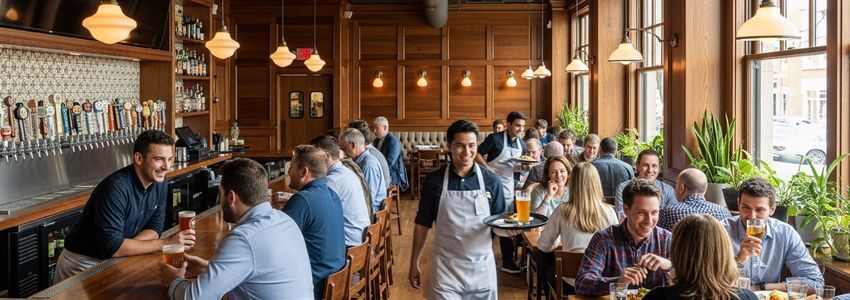
Lazy Dog Franchise Loan: The Complete Financing Guide for Lazy Dog Franchise Owners
If you've been searching for information about a Lazy Dog franchise loan, you're likely captivated by everything this beloved casual dining brand represents: scratch-made comfort food, dog-friendly patios, an impressive craft beer selection, and a welcoming atmosphere that keeps guests coming back. Lazy Dog Restaurant and Bar has built a fiercely loyal following since its founding in 2003, and it's no surprise that entrepreneurs across the country want a piece of what Chris Simms created in Westminster, California.
Here's the reality every aspiring restaurateur needs to understand: Lazy Dog does not offer franchise opportunities. Like In-N-Out Burger and Chick-fil-A, Lazy Dog operates as a privately owned, company-operated chain. There are no franchise disclosure documents, no franchise fees, and no territory rights available for purchase. The brand has deliberately chosen to maintain quality control by keeping all 30+ locations under corporate ownership.
But that doesn't mean your dream of owning a thriving casual dining restaurant is out of reach. This guide covers everything you need to know about financing a restaurant concept inspired by Lazy Dog's winning formula -- and how Crestmont Capital can help you secure the funding to make it happen.
In This Article
- What Is Lazy Dog Restaurant and Bar?
- Why Lazy Dog Does Not Franchise
- How to Open a Similar Casual Dining Concept
- Casual Dining Restaurant Startup Costs
- Restaurant Financing Options from Crestmont Capital
- SBA Loans for Restaurant Owners
- Equipment Financing for Restaurants
- Real-World Financing Scenarios
- How to Qualify for a Restaurant Loan
- Next Steps
- Frequently Asked Questions
What Is Lazy Dog Restaurant and Bar?
Lazy Dog Restaurant and Bar is a full-service casual dining chain founded in 2003 by Chris Simms in Westminster, California. What started as a single neighborhood gathering spot has grown into a regional powerhouse with more than 30 locations spread across California, Colorado, Nevada, Texas, Virginia, and several other states.
The brand's appeal is rooted in several distinct pillars that set it apart from typical chain restaurants:
- Pet-friendly patios: Lazy Dog was ahead of its time in welcoming four-legged companions. The outdoor patio experience -- complete with a dog menu offering grilled chicken and rice -- creates a unique social atmosphere that resonates with a growing demographic of pet-owning consumers.
- Scratch-made food: Unlike many casual chains that rely on frozen or pre-packaged ingredients, Lazy Dog's kitchen team prepares dishes from scratch daily. The menu rotates seasonally to feature fresh, locally sourced ingredients where possible.
- Craft beer focus: The bar program features an extensive rotating selection of craft beers on draft, paired with an approachable wine list and creative cocktail menu. This emphasis on beverage sales -- a high-margin category -- is a key part of the financial model.
- Mountain lodge aesthetic: The interior design leans into warm wood tones, cozy booths, and a rustic-yet-refined atmosphere that makes guests feel at home whether they're stopping in for happy hour or celebrating a birthday.
- Community-driven culture: Lazy Dog has cultivated a genuine sense of place within each market it enters. The brand supports local causes and creates environments where regulars become part of the fabric of the restaurant.
This combination of elements has earned Lazy Dog a passionate following and consistently strong same-store sales performance. According to industry observers at Forbes, experiential dining concepts that blur the line between neighborhood hangout and full-service restaurant have outperformed traditional casual dining chains throughout the post-pandemic recovery period.
Ready to Finance Your Restaurant?
Get fast, flexible financing from the #1 business lender in the U.S. No obligation - apply in minutes.
Apply NowWhy Lazy Dog Does Not Franchise
Many of the most beloved restaurant brands in America deliberately choose not to franchise, and Lazy Dog is firmly in that camp. Understanding why is important context for anyone researching a "Lazy Dog franchise loan."
Chris Simms and the leadership team at Lazy Dog have consistently prioritized brand quality and guest experience over rapid expansion. The franchise model, while capable of generating fast growth and licensing revenue, introduces variables that can dilute a brand's consistency. When you franchise, you're essentially trusting independent operators to uphold your standards across every touchpoint -- from food quality to service culture to physical environment.
Brands like In-N-Out Burger, Pal's Sudden Service, and Chick-fil-A have made similar decisions, maintaining either full company ownership or extremely tight operator controls. The result in each case has been remarkably consistent guest experiences and enduring brand loyalty that many franchise chains struggle to replicate.
For Lazy Dog specifically, the pet-friendly concept, scratch kitchen operations, and rotating seasonal menu require a level of day-to-day management attention that doesn't translate easily into a franchise operations manual. The brand's identity is deeply intertwined with its culture, and culture is notoriously difficult to systematize across independent franchise owners.
Important Note for Entrepreneurs
If you encounter any website or individual claiming to sell a Lazy Dog franchise, treat it as a potential scam. Lazy Dog has no franchise program, and any "franchise fee" paid to an unauthorized party would not result in a legitimate business relationship with the brand.
The good news: the characteristics that make Lazy Dog so appealing -- the casual atmosphere, the dog-friendly outdoor space, the craft beverage program, the scratch kitchen -- are all elements you can incorporate into an independent restaurant concept or a franchise with a similar positioning. And Crestmont Capital has helped hundreds of restaurant entrepreneurs secure the financing to do exactly that.
How to Open a Similar Casual Dining Concept
Since a Lazy Dog franchise isn't on the table, entrepreneurs who love the brand's DNA have two primary paths forward: open an independent casual dining concept with similar elements, or explore comparable franchise brands that do offer franchise opportunities.
Comparable Franchise Alternatives
Several casual dining franchise brands share meaningful overlap with the Lazy Dog positioning:
- Yard House: Craft beer-focused full-service chain with a wide menu (owned by Darden, not franchised, but worth understanding the model)
- BJ's Restaurant and Brewhouse: Similar casual dining with craft beer -- also company-operated
- Native Grill and Wings: Dog-friendly locations with casual atmosphere and strong bar program -- does offer franchise opportunities
- World of Beer: Craft beer bar franchise concept with food options
- Walk-On's Sports Bistreaux: Full-service casual dining franchise with strong community culture
If you're specifically interested in franchise financing rather than independent restaurant financing, you may also find our guides on franchise loan options and restaurant franchise financing helpful context for understanding how franchise lending works.
Opening an Independent Casual Dining Restaurant
Many of the most successful casual dining restaurants in America are independents -- not chains at all. A well-executed independent with Lazy Dog-inspired elements (warm atmosphere, dog-friendly patio, rotating craft beer list, scratch kitchen) can compete effectively within a local market and, over time, evolve into a multi-location regional brand of its own.
The key considerations when planning an independent casual dining concept include:
- Site selection: Demographics, foot traffic, parking, visibility, and proximity to residential neighborhoods all factor heavily into casual dining success
- Concept differentiation: What makes your restaurant the one guests choose over every other option in your market?
- Beverage program: A strong bar program can represent 25-40% of total revenue in a casual dining setting and dramatically improves overall unit economics
- Kitchen design: Scratch cooking requires appropriate equipment, ventilation, and labor -- all of which affect your capital requirements
- Licensing: Liquor licenses, health permits, and business licenses vary dramatically by state and municipality and can take months to secure
Casual Dining Restaurant Startup Costs
One of the most frequently asked questions from aspiring restaurant owners concerns the true all-in cost of opening a full-service casual dining concept. The range is wide because location, market, size, and concept all create significant variability.
For a casual dining concept similar in scope and positioning to Lazy Dog -- roughly 5,000 to 8,000 square feet of dining room plus kitchen, full bar, and outdoor patio -- you should plan for a total investment between $1.5 million and $4.5 million.
Here's a breakdown of major cost categories:
- Real estate and buildout: $600,000 - $2,000,000 (depending on whether you build out a raw shell or take over an existing restaurant space)
- Kitchen equipment: $150,000 - $400,000 (commercial ovens, refrigeration, prep equipment, exhaust systems, dishwashers)
- Bar equipment: $50,000 - $150,000 (draft beer systems, back bar refrigeration, POS systems, glassware)
- Furniture, fixtures, and decor: $100,000 - $300,000 (booths, tables, lighting, art, signage)
- Technology and POS: $15,000 - $40,000
- Liquor license: $5,000 - $500,000+ (varies enormously by state -- California licenses can be extremely expensive)
- Working capital: $100,000 - $300,000 (pre-opening payroll, training, marketing, initial inventory)
- Professional fees: $25,000 - $75,000 (architects, attorneys, accountants, consultants)
By the Numbers
Casual Dining Restaurant Financing - Key Statistics
$1.5M-$4.5M
Typical casual dining startup investment range
60%
Of restaurants that fail do so within the first year, per industry data
25-40%
Beverage sales share in a well-run casual dining restaurant
$5M+
SBA 7(a) loan maximum for restaurant projects
Restaurant Financing Options from Crestmont Capital
Crestmont Capital is the #1 rated business lender in the United States, with a track record of helping restaurant owners and entrepreneurs across every segment of the food service industry secure the capital they need to launch, expand, and thrive. Here's a breakdown of the financing solutions most relevant to restaurant entrepreneurs.
Small Business Loans
Small business loans from Crestmont Capital offer flexible terms and competitive rates for qualified borrowers. These term loans can be used for virtually any business purpose -- from funding a full restaurant buildout to purchasing a competitor's existing location.
Key advantages of Crestmont small business loans for restaurant owners:
- Loan amounts from $10,000 to $5 million+
- Terms from 1 to 10 years depending on use of funds
- Fixed and variable rate options
- Faster funding than traditional bank lending in many cases
- Dedicated loan advisors who understand the restaurant industry
Business Lines of Credit
A business line of credit is an invaluable tool for restaurant operators dealing with the cash flow volatility that comes with seasonal fluctuations, unexpected equipment failures, or opportunistic inventory purchases. Unlike a term loan, you draw from a line of credit only when you need it and pay interest only on what you've drawn.
For a casual dining restaurant, a revolving line of credit in the $50,000 to $500,000 range can serve as a financial safety net that allows you to respond quickly to both challenges and opportunities without disrupting your core operations.
Fast Business Loans
When timing is critical -- a lease opportunity that won't wait, urgent equipment repairs, or a vendor deal that expires -- fast business loans from Crestmont Capital can deliver funding in as little as 24 to 48 hours. These products are designed for established businesses with documented revenue rather than pre-opening startups.
Long-Term Business Loans
For major capital investments like a full restaurant buildout, long-term business loans spread the repayment over a period that aligns with the useful life of the assets being purchased. This keeps monthly debt service manageable while you grow your customer base and build toward profitability.
Ready to Finance Your Restaurant?
Get fast, flexible financing from the #1 business lender in the U.S. No obligation - apply in minutes.
Apply NowSBA Loans for Restaurant Owners
The U.S. Small Business Administration's loan programs are among the most powerful financing tools available to restaurant entrepreneurs. Because the SBA guarantees a portion of the loan (typically 75-85%), lenders are able to extend credit on terms that would otherwise be unavailable to restaurant borrowers -- particularly for startup projects.
Crestmont Capital works with SBA loan applicants to navigate the process efficiently and maximize approval odds. Here's what you need to know about the two primary SBA programs relevant to restaurant owners:
SBA 7(a) Loans
The SBA 7(a) program is the workhorse of small business lending. For restaurant projects, it can fund up to $5 million with terms of up to 10 years for working capital and up to 25 years for real estate. Interest rates are typically capped at prime plus 2.75% for loans over $50,000, making them highly competitive.
According to the U.S. Small Business Administration, the restaurant industry has historically been among the top sectors receiving SBA 7(a) funding. The program requires a business plan, financial projections, personal financial statements, and -- for startups -- evidence of industry experience.
SBA 504 Loans
If your restaurant project involves purchasing commercial real estate or major fixed assets, the SBA 504 program may be even more advantageous. This program provides long-term, fixed-rate financing for up to 40% of the project cost (with the borrower contributing 10% and a conventional lender funding the remaining 50%). Rates are typically below market and terms extend up to 25 years.
Pro Tip: SBA Loan Timing
SBA loans typically take 60-90 days to close. If you're negotiating a lease or targeting a specific location, start your SBA application as early in the process as possible. Working with an experienced lender like Crestmont Capital can help streamline the timeline considerably.
Equipment Financing for Restaurants
Commercial kitchen equipment represents one of the largest single line items in any restaurant budget. The good news: equipment is an ideal candidate for dedicated financing because the assets themselves serve as collateral, which typically results in more favorable rates and terms than unsecured business loans.
Equipment financing from Crestmont Capital allows restaurant owners to acquire the commercial refrigerators, ranges, ovens, dishwashers, draft beer systems, and other mission-critical tools they need without depleting working capital reserves.
Typical equipment financing terms for restaurants:
- Financing amounts: $10,000 to $2 million+
- Terms: 24-84 months depending on equipment life
- Rates: Vary based on creditworthiness and equipment type
- Down payment: Often 0-10% for qualified borrowers
- Structure: Can be organized as a loan (ownership at end) or lease (flexibility to upgrade)
For a casual dining restaurant concept in the Lazy Dog mold, equipment financing can cover the entire kitchen package, bar setup, and even technology infrastructure -- preserving your liquidity for the marketing, staffing, and working capital needs of the critical first months of operation.
A recent analysis from CNBC highlighted how restaurant operators who utilized equipment financing rather than cash purchases were significantly better positioned to weather the revenue volatility of their first year, maintaining the liquidity buffers needed to handle unexpected costs.
Real-World Financing Scenarios
Abstract financing concepts become much clearer when you see how they apply to real situations. Here are three scenarios representing different stages and scales of restaurant development.
Scenario 1: First-Time Restaurant Owner, Urban Market
Profile: A chef with 12 years of industry experience wants to open a 4,500 sq ft casual dining concept with a full bar and small dog-friendly patio in a mid-sized city. No prior business ownership, strong personal credit (720+ score), $200,000 in personal savings.
Estimated total project cost: $1.8 million
Recommended financing approach:
- SBA 7(a) loan: $1.4 million (covering buildout, equipment, initial working capital)
- Equipment financing: $200,000 (for kitchen package and bar setup)
- Equity injection: $200,000 (personal savings, satisfying the SBA's 10% equity requirement)
Monthly debt service estimate: Approximately $18,000-$22,000 depending on final rates and terms
Scenario 2: Experienced Operator Expanding to Second Location
Profile: An owner with an existing successful casual dining restaurant wants to open a second location. The existing business generates $2.2 million in annual revenue with demonstrated profitability. The new location will be in a suburb with strong demographics.
Estimated total project cost: $2.4 million
Recommended financing approach:
- Conventional small business loan against existing business assets: $1.2 million
- SBA 7(a) loan for new location: $900,000
- Business line of credit for working capital: $300,000
This multi-layered approach allows the operator to leverage the existing business's track record while securing government-backed terms for the new location's construction and equipment costs.
Scenario 3: Acquisition of Existing Restaurant
Profile: An entrepreneur wants to acquire an existing 6,000 sq ft casual dining restaurant that is currently underperforming. The seller is asking $850,000 for the business (including equipment and lease assumption). The buyer has strong credit and a background in restaurant management.
Recommended financing approach:
- SBA 7(a) acquisition loan: $750,000
- Equipment financing for immediate upgrades: $150,000
- Buyer equity: $100,000
Acquiring an existing restaurant can significantly reduce the risk compared to a ground-up buildout -- you inherit an existing customer base, trained staff, established vendor relationships, and a physical space that's already permitted for food service. The Bloomberg analysis of restaurant industry trends consistently shows that acquisition-based growth strategies carry meaningfully lower failure rates than greenfield openings.
How to Qualify for a Restaurant Loan
Understanding what lenders look for when evaluating restaurant loan applications can dramatically improve your odds of approval and help you present your project in the most favorable light possible.
For Startup Restaurant Loans
Startup restaurant financing is inherently more challenging than loans for established businesses because lenders are evaluating potential rather than proven performance. Factors that strengthen a startup application include:
- Personal credit score: Most lenders want to see 680+ for SBA loans; higher scores unlock better rates
- Industry experience: Documented management experience in the restaurant industry significantly improves approval odds
- Business plan quality: A detailed, realistic business plan with financial projections based on comparable market data
- Personal financial strength: Debt-to-income ratio, personal assets, net worth
- Equity injection: Skin in the game -- most SBA lenders want to see 10-20% of the project funded from personal resources
- Collateral: Personal real estate, equipment, or other assets that can secure the loan
For Existing Restaurant Businesses
If you're financing expansion of an existing restaurant, lenders will focus heavily on:
- Revenue trends: Is the business growing, stable, or declining?
- Profit margins: Restaurant EBITDA margins of 10-15%+ are considered healthy
- Debt service coverage ratio: Most lenders want to see DSCR of 1.25x or better
- Time in business: 2+ years of operating history is a common threshold
- Tax returns: 2-3 years of business and personal tax returns will be required
If your credit isn't where you'd like it to be, bad credit business loans and alternative small business financing options are also available. Crestmont Capital works with a wide range of credit profiles and specializes in finding creative solutions for entrepreneurs who don't fit the traditional bank lending box.
Did You Know?
According to the U.S. Census Bureau (Census.gov), there are approximately 1 million restaurant locations in the United States, generating over $900 billion in annual sales. Despite the well-publicized challenges of the industry, restaurants with strong differentiation and solid financial backing continue to represent compelling entrepreneurial opportunities.

Next Steps
Your Restaurant Financing Roadmap
Define Your Concept
Clarify the type of restaurant you want to open, your target market, and what will differentiate you from competitors in your trade area.
Build Your Business Plan
Develop a comprehensive business plan with realistic financial projections, market analysis, and operational detail. This is essential for any loan application.
Review Your Financial Profile
Pull your personal credit reports, organize your financial statements, and identify any issues that need to be addressed before applying for financing.
Consult with Crestmont Capital
Our restaurant financing specialists can review your project, identify the best financing structure, and help you understand exactly what you'll qualify for before you apply.
Apply and Close
Submit your complete application with supporting documentation. Crestmont's team will work to get you the fastest possible decision and fund your project efficiently.
Open Your Restaurant
With your financing secured, execute your build-out plan, hire and train your team, and open the doors to your new casual dining concept.
Ready to Finance Your Restaurant?
Get fast, flexible financing from the #1 business lender in the U.S. No obligation - apply in minutes.
Apply NowFrequently Asked Questions
Disclaimer: The information provided in this article is for general educational purposes only and is not financial, legal, or tax advice. Funding terms, qualifications, and product availability may vary and are subject to change without notice. Crestmont Capital does not guarantee approval, rates, or specific outcomes. For personalized information about your business funding options, contact our team directly.








