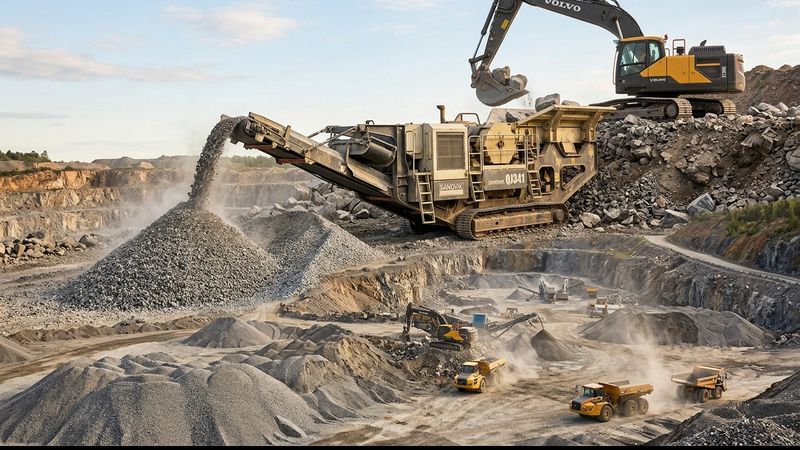
Land development loans give property developers, builders, and real estate investors access to the capital they need to transform raw land into shovel-ready sites, residential subdivisions, commercial parks, and mixed-use communities. Whether you are acquiring a vacant parcel, installing infrastructure, or preparing lots for construction, understanding your financing options is the first step toward turning a vision into a profitable project.
This guide covers every aspect of land development financing, from loan types and qualification requirements to interest rates, approval timelines, and strategies for getting funded faster in 2026.
What Are Land Development Loans?
A land development loan is a form of short-term financing used to acquire and improve raw or undeveloped land so it can be used for residential, commercial, or mixed-use construction. Unlike a standard small business loan or mortgage, land development financing accounts for the higher risk of undeveloped property and typically funds two separate phases of a project: land acquisition and site development (grading, utilities, roads, and infrastructure).
Lenders consider land development projects riskier than improved-property loans because undeveloped land generates no income, zoning approvals can be delayed, and development costs can escalate quickly. In exchange for assuming this risk, lenders typically charge higher interest rates, require more substantial down payments, and impose tighter repayment schedules compared to standard commercial real estate loans.
That said, the land development financing market is robust. According to the National Association of Home Builders, residential lot development investment exceeded $55 billion in recent years, and commercial land sales continue to expand alongside industrial, mixed-use, and logistics sector growth.
Types of Land Development Financing
Developers have access to several distinct loan products, each suited to a different stage of the development lifecycle.
1. Raw Land Loans
Raw land loans finance the purchase of completely undeveloped parcels with no utilities, roads, or infrastructure. Because undeveloped land produces no cash flow, lenders impose strict requirements, including large down payments (30 to 50 percent), proven development experience, and a clear exit strategy. Raw land loans are among the hardest development loans to secure from traditional banks, making alternative lenders and private capital an important option for many developers.
2. Land Acquisition and Development Loans (A&D Loans)
Acquisition and development (A&D) loans combine the purchase of land with the cost of site work, grading, utility installation, road construction, and lot preparation. These are the most common land development loans used by residential builders creating new subdivisions. Funds are typically disbursed in draws as each phase of work is completed and inspected.
3. Lot Development Loans
Lot development loans are used to subdivide larger parcels into individual buildable lots. Once infrastructure is in place, individual lots can be sold to home builders or end buyers, allowing the developer to repay the loan. These loans work well for developers who specialize in creating finished lots rather than building homes themselves.
4. Construction-to-Permanent Loans
Some lenders offer construction-to-permanent financing that begins as a development loan and converts to a long-term mortgage once the project is complete. This structure reduces the need to refinance at project completion and simplifies the capital stack.
5. Bridge Loans for Land Development
Bridge loans provide short-term financing while a developer secures a more permanent funding solution, completes permitting, or waits for market conditions to improve. They are typically faster to close and more flexible than traditional bank loans but come at a premium cost.
6. SBA Loans for Land Development
In specific cases, SBA loans can be used for land development. The SBA 504 loan program is particularly relevant for commercial real estate projects. However, SBA loans do not finance speculation or pure residential development, so eligibility is limited to owner-occupied commercial projects.
The most successful land development borrowers approach lenders with a fully packaged deal: completed feasibility study, zoning approvals in hand, detailed cost breakdown, and an experienced development team. Lenders want to see that you have done your homework before they commit capital to an unimproved parcel.
Ready to Finance Your Land Development Project?
Crestmont Capital has been helping real estate developers and builders access fast, flexible financing since 2015. Get pre-qualified in minutes.
Apply for Land Development FinancingHow Land Development Loans Work
Land development loans are structured differently from standard business loans. Understanding the mechanics helps you plan your project budget and cash flow effectively.
Draw Schedules
Rather than receiving a lump sum, most land development borrowers receive funds in installments called draws. Each draw is tied to the completion of a specific milestone, such as clearing and grading, underground utilities, paved roads, or final lot surveys. After you complete a phase, an inspector visits the site to verify the work, and then the lender releases the next draw. This structure protects the lender and ensures funds are being used as intended.
Interest Reserves
During the development period, you are typically only paying interest on the drawn amount, not the full loan commitment. Some lenders allow you to include an interest reserve in the loan, so you are not making out-of-pocket payments during the construction phase. This is especially useful for developers who are not generating income from the site during development.
Loan-to-Value and Loan-to-Cost Ratios
Lenders evaluate land development deals based on both loan-to-value (LTV) and loan-to-cost (LTC) ratios. LTV compares the loan amount to the appraised value of the completed project, while LTC compares the loan to the total project cost. Most lenders cap land development loans at 65 to 80 percent LTV and 75 to 85 percent LTC. You will need to contribute equity for the difference.
Loan Terms and Exit Strategies
Land development loans are short-term, typically 12 to 36 months. Your exit strategy, how you plan to repay the loan, is critical to lender approval. Common exits include selling finished lots to home builders, refinancing into a construction loan, or securing a permanent commercial mortgage once a project is stabilized.
Qualifications and Requirements
Qualifying for a land development loan requires demonstrating both financial strength and development experience. Here is what lenders evaluate.
Credit Score Requirements
Most commercial lenders require a personal credit score of at least 650 for land development financing, though scores of 700 or higher significantly improve terms. Your business credit profile also matters, especially if you operate through an LLC or corporation. If your credit is less than perfect, bad credit business loans and alternative lenders may still be able to help.
Development Experience
Lenders strongly prefer borrowers with a track record of completed land development or construction projects. If this is your first development, partnering with an experienced developer or hiring a seasoned project manager can help satisfy lender concerns. Providing case studies, project portfolios, and references from past projects all strengthen your application.
Down Payment and Equity
Expect to put down at least 20 to 30 percent for improved land (with utilities and road access) and 30 to 50 percent for raw land. Private lenders may require even more. The more equity you bring to the deal, the better your terms will be and the more likely you are to receive approval.
Project Feasibility and Documentation
You will need a complete project package that includes:
- Signed purchase contract or proof of land ownership
- Feasibility study and market analysis
- Zoning approval, conditional use permits, or entitlement status
- Site plan and engineering drawings
- Detailed project budget and cost breakdown
- Pro forma financial projections showing expected returns
- Resume of your development team and contractors
- Environmental reports (Phase 1 at minimum)
- Business financial statements for the past 2 years
Cash Reserves
Lenders want to see that you have sufficient liquidity to cover unexpected project costs. Most require evidence of 6 to 12 months of carrying costs in reserve, including loan payments, property taxes, and basic overhead.
Land Development Loan Rates and Terms
Land development financing is more expensive than conventional real estate lending because of the elevated risk involved. Here is what you can expect across different lender types.
Interest Rates
Interest rates on land development loans typically range from 7 to 14 percent depending on the borrower's creditworthiness, the project's risk profile, lender type, and market conditions. Banks and credit unions typically offer the lowest rates (7 to 10 percent), while private lenders, hard money lenders, and alternative lenders may charge 9 to 14 percent or more. According to Bloomberg, commercial real estate lending conditions have tightened in recent years, pushing more developers toward alternative capital sources.
Loan Terms
Most land development loans carry terms between 12 and 36 months. Some lenders offer extensions, but expect to pay additional fees. If your project timeline requires more flexibility, discuss extension provisions before signing.
Fees
Common fees include origination fees (1 to 3 percent), appraisal and inspection fees, draw fees, title and escrow costs, and environmental study fees. These can add up to 3 to 6 percent of the total loan amount, so factor them into your project budget.
Prepayment Penalties
Some lenders charge prepayment penalties if you repay the loan ahead of schedule. Ask about these terms upfront and negotiate for a soft prepayment structure that allows you to pay off the loan without penalties if you sell lots faster than projected.
Developers with strong credit (720+), multiple completed projects, and substantial equity contributions consistently receive the most competitive rates. Even a half-point reduction on a $2 million land development loan saves $10,000 per year. Consider using a business line of credit for smaller working capital needs to keep your land loan balance lower and reduce total interest costs.
The Application Process
Securing a land development loan requires more preparation than a standard business loan. Follow these steps to streamline your application.
Step 1: Prepare Your Project Package
Before approaching any lender, compile your full project package. This includes all the documentation listed in the qualifications section above. A well-prepared package demonstrates professionalism and significantly speeds up lender review time.
Step 2: Know Your Numbers
Before you apply, calculate your projected return on investment, breakeven point, profit margins per lot, and sensitivity analysis for cost overruns. Lenders will grill you on these numbers. If you are unsure, work with a real estate financial analyst to build your pro forma.
Step 3: Choose the Right Lender Type
Different lenders suit different project profiles. Community banks may be ideal for local developers with established relationships. Private lenders excel when you need speed or have a credit challenge. Alternative business lenders like Crestmont Capital can often fund faster than traditional banks while offering more flexible underwriting. The SBA is an option for commercial projects that qualify.
Step 4: Submit Your Application
Once you select a lender, submit your application with all required documents. Be prepared for follow-up questions, additional documentation requests, and potentially a longer underwriting timeline than standard loans. Land development deals typically take 30 to 60 days to close with banks, while alternative and private lenders may close in 10 to 20 days.
Step 5: Negotiate Terms
Do not accept the first term sheet you receive without review. Negotiate on interest rate, draw schedule flexibility, extension terms, prepayment penalty structures, and lender fees. Having multiple offers gives you leverage.
Get Fast Funding for Your Development Project
Crestmont Capital offers flexible land development and fast business loans with same-day approvals and funding in as little as 24 hours. Let us help you move your project forward.
See Your Funding OptionsLand Development Project Types Lenders Finance
Understanding which project types align with different lending programs can save you time and improve your approval odds.
Residential Subdivisions
Residential subdivision development remains the most common use case for land development loans. These projects involve acquiring large parcels, subdividing them into individual lots, installing roads and utilities, and selling finished lots to home builders or end buyers. The residential housing shortage across the United States has increased demand for lot development financing, making it a favorable sector for lenders.
According to the U.S. Census Bureau, the U.S. needs millions of additional housing units to address the current shortage, creating strong long-term demand for residential lot development.
Commercial and Industrial Land Development
Commercial land development includes projects like retail strip centers, office parks, industrial warehouses, logistics facilities, and mixed-use developments. These projects are typically larger in scale, require more complex entitlement processes, and carry higher development costs. However, commercial land development can generate substantial returns when positioned in high-demand markets.
Mixed-Use Development
Mixed-use projects combine residential, retail, office, and sometimes industrial uses on a single parcel. These projects are increasingly popular in urban and suburban markets where zoning policies support walkable, transit-oriented development. Mixed-use projects can be more complex to finance because lenders must underwrite multiple use types and revenue streams.
Multifamily Land Development
Preparing land for multifamily construction, including apartment complexes, townhomes, and condominiums, is another major category of land development. These projects require significant infrastructure investment and often involve more complex regulatory approvals than single-family residential lots.
Resort and Hospitality Development
Some developers acquire and develop land for hotel, resort, or recreational use. These projects are less common in traditional development lending but can attract specialty lenders, private equity, and joint venture structures.

Land Development Loan Snapshot
Land Development Loan Fast Facts
| Typical Loan Amount | $250,000 to $50 million+ |
| Loan Term | 12 to 36 months |
| Interest Rates | 7% to 14%+ depending on lender and risk profile |
| Down Payment Required | 20% to 50% |
| Minimum Credit Score | 650+ (preferred 700+) |
| LTV/LTC Ratio | 65% to 85% |
| Funding Timeline | 10 to 60 days depending on lender type |
| Common Exit Strategies | Lot sales, construction loan refinance, permanent financing |
Tips to Improve Your Approval Odds
Getting approved for a land development loan is more challenging than other forms of business financing. These strategies can meaningfully improve your success rate.
1. Secure Entitlements Before Applying
The single biggest factor that improves lender confidence is having your entitlements secured before you apply for financing. Entitlements include zoning approvals, subdivision plat approvals, environmental clearances, and utility commitments. Entitled land is substantially less risky than raw, unentitled land, and lenders reward this with better LTV ratios and lower rates.
2. Build Relationships with Local Lenders
Community banks and regional lenders often have more appetite for local land development projects than large national banks. They understand local market conditions, know the regulatory environment, and are more likely to give your project a fair review. Establish banking relationships before you need capital.
3. Demonstrate a Clear Exit Strategy
Every land development lender wants to know how they will get repaid. Prepare detailed projections showing your lot absorption rate, sale prices, and break-even timeline. Include letters of intent from potential buyers or builders if you have them. A clear, credible exit strategy reduces lender anxiety and speeds up approval.
4. Partner With Experienced Contractors
Lenders evaluate not just the project but the team executing it. Having an experienced general contractor, licensed civil engineer, and environmental consultant on your team demonstrates that you can actually deliver the project on time and on budget.
5. Consider Alternative and Fast Funding Sources
If traditional lenders are not a fit, alternative lenders like Crestmont Capital offer fast business loans and short-term business loans that can bridge gaps in your development capital stack. While these products may not cover the full land development amount, they can fund working capital, entitlement costs, and preliminary development expenses while you secure primary project financing.
Alternatives to Land Development Loans
If a traditional land development loan is not the right fit for your project or situation, consider these alternatives.
Joint Venture Partnerships
A joint venture (JV) with an equity partner provides capital without the burden of debt service. In a typical JV structure, an equity investor provides capital in exchange for a percentage of the project profits. This works well for developers who have land and expertise but lack the capital for the full project. According to Forbes, joint ventures have become an increasingly popular capital structure for mid-size developers navigating a more selective lending environment.
Seller Financing
In some cases, the landowner is willing to finance the purchase directly, allowing the developer to acquire the land with little or no bank financing. Seller financing typically carries higher interest rates than bank loans but avoids the strict qualification requirements and lengthy approval processes of institutional lenders.
Crowdfunding and Syndication
Real estate crowdfunding platforms allow developers to raise equity and debt capital from a pool of accredited investors. This approach works well for developers who lack a track record with traditional lenders or who need capital structures that blend debt and equity in creative ways.
Business Line of Credit
A business line of credit can fund preliminary development costs, feasibility studies, entitlement applications, and engineering work while you secure a full land development loan. A line of credit provides flexible access to capital without requiring the full loan package upfront.
Equipment Financing for Development Equipment
If your project requires significant equipment - excavators, graders, compactors, surveying equipment - consider equipment financing to separate those costs from your land development loan. This strategy can preserve your loan proceeds for land acquisition and infrastructure.
Common Mistakes Developers Make When Financing Land
Even experienced developers fall into common financing traps that cost them time, money, and opportunities.
Underestimating Development Costs
One of the most common mistakes is building a project budget that is too optimistic. Infrastructure costs, utility connection fees, regulatory compliance, and unexpected site conditions can easily push costs 20 to 30 percent above initial estimates. Build a contingency reserve of 10 to 15 percent into every budget.
Failing to Plan for Delays
Permitting and regulatory approval can take months or years longer than expected. If your loan term expires before your project is complete, you may be forced into a costly refinance or extension. Negotiate your loan terms to accommodate realistic timelines and include extension options in your agreement.
Ignoring Market Conditions
Land development is inherently a long-cycle business. Market conditions can shift significantly between project inception and lot sale. According to CNBC, rising interest rates and construction cost inflation have squeezed developer margins in recent years, making thorough market analysis more critical than ever. Conduct a thorough market feasibility study before committing to any development project.
Overpaying for Land
In competitive markets, developers can overpay for raw land when deal frenzy outpaces rational analysis. A simple rule: your land cost should not exceed 20 to 25 percent of the projected finished lot value. Exceeding this threshold makes it difficult to achieve acceptable returns even when construction proceeds smoothly.
Not Shopping Multiple Lenders
Many developers accept the first loan offer they receive without comparing terms. Given the wide variance in rates, fees, and flexibility across lender types, shopping at least three lenders can save tens of thousands of dollars on a typical project. Work with a mortgage broker or business financing consultant who specializes in development lending to access multiple options efficiently.
The most efficient capital stacks for land development projects often combine a primary land loan, an equipment lease for development machinery, a working capital line of credit for operational expenses, and potentially a bridge loan for timing gaps. Each product is optimized for its intended purpose, reducing your overall cost of capital. Explore all your options at Crestmont Capital.
Explore All Your Business Financing Options
From land development funding to working capital and equipment financing, Crestmont Capital helps developers and builders access the capital they need to grow. Apply online in minutes with no obligation.
Start Your Application TodayFrequently Asked Questions
What is a land development loan?
A land development loan is a short-term financing product used to acquire raw or undeveloped land and fund the site improvements needed to make it buildable. These loans typically cover land purchase, grading, road construction, utility installation, and other infrastructure work needed to prepare individual lots for home or commercial building construction.
How much can I borrow with a land development loan?
Loan amounts vary widely based on project scope, borrower qualifications, and lender type. Small lot development projects may qualify for $250,000 to $2 million, while large residential subdivisions and commercial developments can involve $10 million to $50 million or more. Most lenders cap loan amounts at 65 to 85 percent of the total project cost.
What credit score do I need for a land development loan?
Most traditional lenders require a minimum personal credit score of 650, with 700 or higher preferred for the best rates and terms. Alternative and private lenders may work with scores as low as 600 if the project has strong fundamentals and the borrower can contribute significant equity. Focus on improving your credit profile before applying to maximize your financing options.
How long does it take to get a land development loan?
Timelines vary by lender type. Traditional banks and credit unions typically take 30 to 60 days or longer to close a land development loan. Alternative and private lenders can often close in 10 to 20 days. The fastest approvals come from lenders who specialize in real estate and land development financing and have streamlined underwriting processes for this asset class.
What is the difference between a land loan and a land development loan?
A raw land loan only covers the purchase of undeveloped property. A land development loan covers both acquisition and the cost of site development work, including grading, utilities, roads, and infrastructure. Land development loans are more comprehensive and are specifically designed for developers who intend to improve the property for residential or commercial use, rather than simply holding raw land as an investment.
Can I get a land development loan with no experience?
First-time developers face significant challenges securing traditional land development loans because lenders rely heavily on track record. However, options exist. You can partner with an experienced developer, hire a seasoned project manager with a proven portfolio, or work with alternative lenders who place more weight on the project's fundamentals than on the borrower's history. Building a strong team is the single most effective strategy for first-time developers seeking financing.
Do land development loans cover the cost of permits and entitlements?
Some land development lenders include permit and entitlement costs in their loan programs, while others limit financing to acquisition and physical site work. Ask your lender specifically whether pre-development soft costs, including feasibility studies, engineering, environmental assessments, and permit fees, are eligible for financing. If not, a short-term business loan or line of credit can cover these upfront costs.
What is the interest rate on land development loans?
Interest rates on land development loans typically range from 7 to 14 percent depending on the lender type, project risk, loan-to-value ratio, and borrower credit profile. Banks and SBA programs offer the lowest rates, while private lenders and hard money lenders charge more for their speed and flexibility. Rates are influenced by the Federal Reserve's benchmark rates and current commercial lending market conditions.
What documents do I need for a land development loan?
Most lenders require a signed purchase agreement or deed, site plan and engineering drawings, zoning documentation and permits, a detailed project budget, pro forma financial projections, an environmental report, your development team's qualifications, business and personal financial statements, and proof of your equity contribution or down payment. The more comprehensive your documentation, the faster lenders can review your application.
Can I use an SBA loan for land development?
SBA loans can be used for certain types of land development, but with restrictions. The SBA 504 program allows financing for commercial real estate that will be owner-occupied, including commercial developments where the borrower operates a business on the property. Pure residential development, speculation, and investment properties generally do not qualify for SBA programs. Consult with an SBA-approved lender to determine whether your specific project qualifies.
What happens if my land development loan matures before the project is complete?
If your loan matures before the project is complete, you typically have three options: negotiate an extension with your current lender, refinance with a new lender, or sell the partially developed property. Extensions often involve additional fees and may carry higher interest rates. This risk underscores the importance of building realistic timelines into your initial loan term and negotiating extension provisions before signing your loan agreement.
Are land development loans interest-only during the development period?
Yes, most land development loans are structured as interest-only during the construction and development period. This reduces your cash outflow while the project is underway and no income is being generated. Principal repayment typically occurs when you sell finished lots, refinance into permanent financing, or at loan maturity. Some lenders allow you to include an interest reserve in the loan so that interest payments are funded from the loan itself rather than your operating cash flow.
How do lenders evaluate the value of undeveloped land?
Lenders typically appraise undeveloped land using three methods: the sales comparison approach (comparing sales of similar nearby parcels), the income approach (estimating value based on potential income once developed), and the cost approach (less commonly used for land). For land development loans, lenders are especially interested in the "as-completed" value, meaning the projected value once all site work is finished. Strong comparable sales data and a credible development budget are essential for securing favorable loan terms.
What are the risks of land development loans?
Key risks include market timing risk (property values may decline before lots are sold), cost overrun risk (development costs may exceed budget), entitlement risk (permits and approvals may be delayed or denied), interest rate risk (variable rate loans can increase debt service costs), and refinancing risk (inability to secure takeout financing at loan maturity). Managing these risks requires thorough pre-development planning, strong contractor relationships, conservative budgeting, and a flexible capital structure.
Can I get a land development loan with bad credit?
It is possible to secure land development financing with less-than-perfect credit, but it is significantly more challenging. Private lenders and hard money lenders place more emphasis on the project's value and your equity contribution than on your credit score. Bringing in a creditworthy co-borrower, contributing a larger down payment, securing entitlements before applying, and demonstrating a strong development track record through other means can all help offset credit concerns. Explore bad credit business loans for alternative financing options.
Next Steps
Ready to Finance Your Land Development Project?
Here is how to move forward with confidence:
- Complete your project package - Compile all required documentation including site plans, permits, budget, and pro forma.
- Check your credit - Review your personal and business credit reports and address any issues before applying.
- Explore all financing options - Compare traditional banks, SBA programs, alternative lenders, and private capital.
- Apply with Crestmont Capital - Get pre-qualified quickly and explore the full range of business financing options available for your project.
Apply now at offers.crestmontcapital.com/apply-now and take the first step toward funding your land development project today.
Disclaimer: The information provided in this article is for general educational purposes only and is not financial, legal, or tax advice. Funding terms, qualifications, and product availability may vary and are subject to change without notice. Crestmont Capital does not guarantee approval, rates, or specific outcomes. For personalized information about your business funding options, contact our team directly.