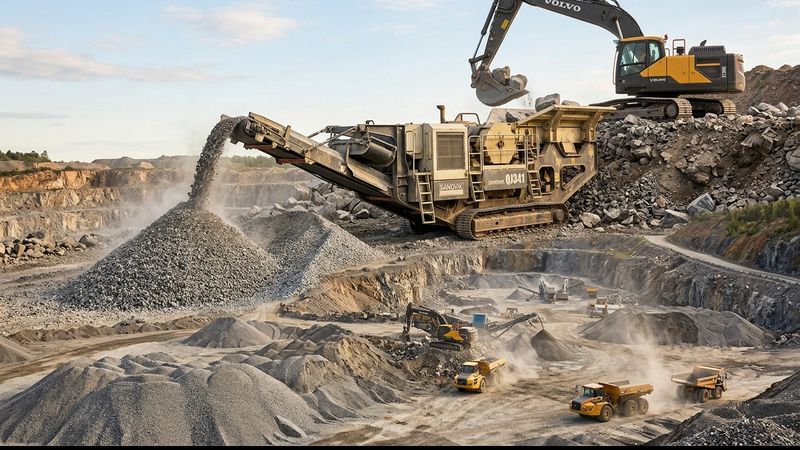
Land clearing is one of the most equipment-intensive trades in the construction and landscaping industries. Whether you're running a dedicated site preparation company or a full-service excavation and grading operation, success depends on having the right machinery, a reliable crew, and enough working capital to bridge the gaps between project payments. Land clearing business loans give contractors the financial fuel to invest in bulldozers, forestry mulchers, excavators, and skid steers without draining their operating accounts.
In this guide, we break down everything you need to know about financing your land clearing business - from the best loan types and qualification requirements to how Crestmont Capital can help you get funded fast.
In This Article
- What Are Land Clearing Business Loans?
- Key Benefits of Financing Your Land Clearing Business
- How Land Clearing Business Loans Work
- Types of Loans for Land Clearing Companies
- Who Qualifies for Land Clearing Business Loans?
- How Land Clearing Contractors Use Financing
- How Crestmont Capital Helps Land Clearing Companies
- Comparing Your Financing Options
- Real-World Financing Scenarios
- How to Get Started
- Frequently Asked Questions
What Are Land Clearing Business Loans?
Land clearing business loans are financing products specifically used by site preparation and land clearing contractors to fund equipment purchases, working capital, fleet expansion, payroll, and business operations. These loans come in several forms - from equipment financing and SBA loans to business lines of credit and short-term working capital - depending on the contractor's needs and financial profile.
The land clearing industry encompasses a wide range of services: tree removal, stump grinding, brush clearing, grading, site preparation for construction, and right-of-way maintenance for utilities and municipalities. All of these operations are heavily dependent on expensive, specialized equipment - a single forestry mulcher can cost $200,000 or more, and a fleet-ready excavator can run well above $300,000.
Because equipment costs are so high and project timelines so varied, most successful land clearing companies rely on some form of business financing to operate efficiently and grow. The right loan structure can make the difference between winning a large contract and turning it down because the equipment isn't in place.
Industry Insight: According to the U.S. Bureau of Labor Statistics, the excavation, grading, and land clearing sector employs hundreds of thousands of workers nationwide, with equipment costs representing 40-60% of total project budgets for most contractors.
Key Benefits of Financing Your Land Clearing Business
Strategic financing helps land clearing companies compete, scale, and stabilize their cash flow without sacrificing growth opportunities. Here are the primary benefits:
- Preserve working capital: Instead of tying up $200,000-$500,000 in a single equipment purchase, you can spread payments over 2-7 years and keep your operating account intact.
- Win larger contracts: With the right equipment in place, you can bid on larger site prep jobs, government contracts, and multi-phase commercial projects that competitors can't handle.
- Replace aging equipment faster: Outdated machinery means higher maintenance costs and slower project completion. Financing lets you upgrade on a cycle that makes business sense.
- Hire and retain crews: Working capital loans and lines of credit help you meet payroll consistently, even when client payments run late.
- Bridge seasonal gaps: Many land clearing companies see slower winter months. Financing helps smooth cash flow year-round.
- Build business credit: Consistently repaid business loans strengthen your credit profile, qualifying you for better terms on future financing.
- Scale multiple crews: As your reputation grows, financing lets you staff and equip multiple crews simultaneously rather than waiting for one job to finish before starting another.
Ready to Fund Your Land Clearing Operation?
Get fast, flexible financing from the #1 business lender in the U.S. Equipment loans, working capital, and SBA options available - apply in minutes.
Apply Now →How Land Clearing Business Loans Work
The process of obtaining a land clearing business loan typically follows these steps:
Step 1 - Application: You submit a business loan application that includes basic information about your company, revenue, time in business, and the amount you need. Many lenders, including Crestmont Capital, offer online applications that take just minutes to complete.
Step 2 - Document Review: The lender reviews your business bank statements (typically 3-6 months), tax returns, proof of business registration, and for equipment loans, a quote or invoice for the equipment you want to purchase.
Step 3 - Underwriting and Approval: The lender evaluates your cash flow, creditworthiness, time in business, and the collateral (for secured loans). Equipment financing decisions can come back within 24-48 hours. SBA loans take longer - typically 30-90 days.
Step 4 - Funding: Once approved, funds are deposited into your business account, or for equipment financing, payment is made directly to the vendor. Many working capital loans fund in as little as 24-48 hours.
Step 5 - Repayment: Repayments are made on the agreed schedule - monthly, weekly, or daily depending on the product. Equipment loans typically have fixed monthly payments. Lines of credit allow revolving draws and repayments.
By the Numbers
Land Clearing Industry - Key Statistics
$150K+
Average cost of a single forestry mulcher
40-60%
Of project costs tied up in equipment
24 Hrs
Typical funding timeline for equipment loans
7 Yrs
Maximum term for heavy equipment loans
Types of Loans for Land Clearing Companies
Not every financing product fits every situation. Here is a breakdown of the most common loan types used by land clearing contractors:
Equipment Financing
Equipment financing is the most commonly used product in the land clearing industry. The equipment itself serves as collateral, which makes approval easier and rates more competitive. You can finance bulldozers, excavators, forestry mulchers, skid steers, stump grinders, wood chippers, trailers, and support vehicles. Terms typically run 2-7 years with fixed monthly payments. Down payments of 0-20% may be required depending on the lender and your credit profile.
SBA Loans
SBA 7(a) and 504 loans offer longer terms (up to 25 years for real property, up to 10 years for equipment) and lower interest rates than conventional financing. They're ideal for larger investments - a major fleet expansion, the purchase of land for a business facility, or acquiring another company. SBA loans require more documentation and take longer to fund (30-90 days), but the favorable terms can translate into significantly lower monthly payments.
Business Line of Credit
A revolving business line of credit gives land clearing contractors access to capital on demand. Draw funds when you need to purchase materials, cover payroll during a slow stretch, or handle an unexpected repair. You only pay interest on what you draw, making lines of credit a cost-efficient way to manage day-to-day cash flow without committing to a fixed loan.
Working Capital Loans
Working capital loans are short-term to medium-term unsecured loans designed to cover operating expenses - payroll, fuel, insurance, subcontractor costs, and materials. They're useful when you've won a large contract and need to mobilize quickly before the first payment arrives. Terms typically range from 6 to 36 months with daily or weekly repayments.
Term Loans
Traditional term loans provide a lump sum that you repay over a fixed period with regular payments. They're flexible enough to be used for equipment, business expansion, or working capital. Terms range from 1 to 10 years depending on the lender and purpose.
Revenue-Based Financing
Revenue-based financing ties repayments to a percentage of your monthly revenue. This structure works well for land clearing companies with seasonal revenue fluctuations - you pay more during busy months and less during slower periods, reducing cash flow pressure.
| Loan Type | Best For | Typical Term | Funding Speed |
|---|---|---|---|
| Equipment Financing | Buying equipment, machinery, vehicles | 2-7 years | 24-72 hours |
| SBA Loan | Large investments, real estate, acquisitions | Up to 25 years | 30-90 days |
| Line of Credit | Cash flow management, recurring expenses | Revolving | 2-7 days |
| Working Capital Loan | Payroll, materials, bridge between payments | 6-36 months | 24-48 hours |
| Revenue-Based Financing | Seasonal businesses, variable revenue | 6-18 months | 24-48 hours |
Who Qualifies for Land Clearing Business Loans?
Qualification requirements vary by loan type and lender, but here are the general benchmarks most lenders use when evaluating land clearing companies:
- Time in business: Most lenders require at least 1-2 years of operating history. Equipment financing may be available to newer businesses with strong credit and a down payment.
- Annual revenue: Lenders typically want to see $100,000-$250,000 in annual revenue minimum, though some products are available to businesses generating less.
- Credit score: Personal credit scores of 600+ are commonly required for standard products. SBA loans prefer 650+. Some alternative lending products are available for lower scores.
- Cash flow: Lenders review your bank statements to confirm you have positive average monthly cash flow and sufficient revenue to support loan payments.
- Industry and license: Most lenders will ask for proof of business registration and any required contractor licenses for your state.
- Equipment details (for equipment loans): Lenders will request a purchase invoice, equipment quote, or description of the collateral being financed.
Pro Tip: Even if your personal credit score is below 650, equipment financing options may still be available because the machinery itself serves as collateral. Lenders take on less risk when there's tangible, recoverable collateral backing the loan.
How Land Clearing Contractors Use Financing
Financing is not one-size-fits-all for land clearing companies. Here are the most common ways contractors use business loans to grow their operations:
Purchasing Heavy Equipment
The single largest use of land clearing business loans is equipment acquisition. Bulldozers for mass grading, forestry mulchers for vegetation management, excavators for root removal and site prep, and skid steers for tight-space clearing are all staple investments. Equipment financing allows you to acquire new or used machinery with predictable monthly payments that match the revenue the equipment generates.
For contractors looking to explore construction equipment financing, Crestmont Capital offers competitive rates for new and used machinery with same-day approval available in many cases.
Expanding Your Fleet of Support Vehicles
Land clearing operations depend on more than just the clearing equipment itself. Trailers, support trucks, water trucks, and fuel vehicles are essential to keeping jobs running efficiently. Fleet expansion financing helps you add vehicles without depleting cash reserves.
Bidding on Government and Commercial Contracts
Many state and municipal contracts for right-of-way clearing, utility corridor maintenance, and public land management require contractors to demonstrate financial stability and equipment capacity before they can bid. A working capital loan or equipment loan can position your company to qualify for these higher-value contracts.
Covering Payroll Between Project Payments
Large clearing jobs - particularly government and commercial projects - often have net-30 to net-90 payment terms. A business line of credit ensures you can keep skilled operators and crew members on payroll without waiting for payment to clear.
Business Expansion and Second Crew Build-Out
Growing land clearing companies often reach a point where they can win more work than one crew can handle. Financing a second machine set and crew is a major operational decision. Business term loans and working capital products give you the capital to scale confidently.
Insurance and Bonding
Commercial general liability insurance, equipment insurance, and surety bonds are expensive but required for most land clearing contracts. Working capital loans can help cover these annual costs upfront rather than spreading them out of cash flow.
Need Capital to Scale Your Land Clearing Business?
Crestmont Capital funds land clearing contractors across the U.S. - fast approvals, competitive rates, and no runaround. Get your quote today.
Get Funded →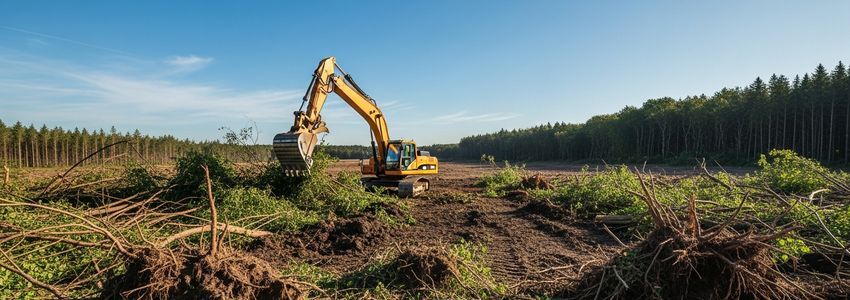
How Crestmont Capital Helps Land Clearing Companies
Crestmont Capital is rated #1 in the U.S. for small business lending, and we've worked with hundreds of land clearing and site preparation contractors across the country. We understand the unique challenges of this industry - the high equipment costs, the seasonal revenue swings, and the need to move quickly when a contract is on the line.
Here's what sets us apart for land clearing contractors:
- Fast approvals: Equipment financing approvals often come back within 24-48 hours. Working capital decisions can be made the same day you apply.
- Flexible products: We offer equipment financing, SBA loans, business lines of credit, working capital loans, and more - all under one roof.
- No industry bias: Some lenders are hesitant to fund land clearing companies due to perceived risk. We understand the business and have a track record of funding contractors in this space.
- Construction industry expertise: Our advisors understand how clearing contracts are structured, why cash flow gaps happen, and what it takes to build a profitable clearing operation.
- Competitive rates: We work with a network of lending partners to find the best rates and terms for your specific situation.
Whether you need equipment financing for a new forestry mulcher, a working capital loan to cover a slow month, or an SBA loan to fund a major fleet expansion, Crestmont Capital can match you with the right product. For related industries, you may also want to review our guides on excavation business loans and landscaping business loans for more context on how contractors in adjacent trades approach financing.
Did You Know? According to the SBA, small businesses with consistent access to financing are 2-3 times more likely to survive past the five-year mark compared to businesses that fund all growth from internal cash flow alone.
Comparing Your Financing Options
Understanding how different loan products stack up against each other helps you make the best decision for your business stage and goal.
Equipment Financing vs. Leasing
Equipment financing (a loan) results in ownership at the end of the term. Equipment leasing means you return the equipment when the lease ends, though many leases include a purchase option. For land clearing, where equipment can last 10-20 years with proper maintenance, financing to own usually makes more economic sense. Leasing can work well for equipment you plan to upgrade frequently, such as GPS systems or specialized attachments.
SBA Loan vs. Conventional Equipment Loan
SBA loans offer longer repayment terms and lower rates, which reduces monthly payments significantly on large purchases. However, they require extensive documentation and take weeks to close. If you need to move fast on an equipment purchase or a contract opportunity, a conventional equipment loan or alternative working capital product is usually the faster path. Many contractors use both: SBA for strategic, planned investments and conventional products for fast-moving needs.
Line of Credit vs. Working Capital Loan
A line of credit is revolving - you can draw and repay repeatedly, and you only pay interest on the balance outstanding. A working capital loan is a fixed lump sum you receive upfront and repay on a fixed schedule. If your needs are unpredictable or you expect to draw and repay multiple times, a line of credit is more flexible. If you have a specific, one-time capital need, a working capital loan is simpler.
For construction industry businesses similar to land clearing, our guide on construction business loans covers many of the same financing dynamics in more detail.
Real-World Financing Scenarios for Land Clearing Businesses
Understanding how financing plays out in real business situations makes it easier to evaluate your own options.
Scenario 1: Buying a First Forestry Mulcher
A two-year-old land clearing company with $400,000 in annual revenue wants to purchase a $175,000 forestry mulcher to expand into vegetation management contracts. Rather than depleting operating reserves, the owner applies for equipment financing with a 10% down payment. The loan funds in 48 hours with a 5-year term and a monthly payment that is fully covered by the revenue from the first contract the mulcher supports.
Scenario 2: Bridging the Gap on a 60-Day Payment Contract
A land clearing contractor wins a $280,000 commercial site preparation contract with a municipality. Payment terms are net-60. The contractor needs $90,000 to cover equipment fuel, labor, and insurance for the first two months before payment arrives. A working capital loan funds within 24 hours, allowing the crew to mobilize immediately without waiting on cash flow.
Scenario 3: Scaling from One Crew to Three
A successful clearing company with $1.2 million in annual revenue is turning down contracts due to capacity limitations. The owner secures an SBA 7(a) loan to purchase two additional excavators and a bulldozer, build out two additional crews, and expand into a larger yard facility. The SBA loan's 10-year term keeps monthly payments manageable even during the build-out phase.
Scenario 4: Emergency Equipment Repair
A mid-size land clearing company's primary excavator breaks down mid-project. The repair estimate is $45,000. The company doesn't have that available in cash without missing payroll. A business line of credit, already established for situations like this, covers the repair and is repaid over the following three months as project payments come in.
Scenario 5: Winning a Government Right-of-Way Contract
A land clearing company learns that a state utility authority is accepting bids for 18 miles of right-of-way maintenance. To qualify and perform, they need a specialized mulching head attachment and to increase bonding capacity. They use equipment financing for the attachment and a working capital loan to cover the increased insurance and bonding costs. They win the contract and the financing pays for itself within the first two months.
Scenario 6: Purchasing a Competitor's Fleet
A land clearing business owner learns that a regional competitor is retiring and selling their fleet. Rather than letting a competitor acquire the assets, the owner moves quickly with a combination of equipment financing (for the machines) and a short-term bridge loan (to close the deal fast). The acquisition nearly doubles the company's equipment capacity overnight.
How to Get Started
Complete our quick application at offers.crestmontcapital.com/apply-now - it takes just a few minutes and requires no hard credit pull to get started.
A Crestmont Capital advisor with experience in construction and equipment-heavy industries will review your needs, discuss your options, and match you with the right product.
Once approved, funds are typically available within 24-72 hours for most products. For equipment loans, payment goes directly to the vendor so you can take delivery immediately.
Land Clearing Financing - Apply Today
Fast, no-hassle business loans for contractors ready to grow. Equipment financing, working capital, and SBA loans available. Crestmont Capital - #1 in U.S. business lending.
Start Your Application →Frequently Asked Questions
What are land clearing business loans used for?
Land clearing business loans are used to purchase and finance equipment such as forestry mulchers, bulldozers, excavators, skid steers, and support vehicles. They are also used for working capital to cover payroll, fuel, insurance, bonding, materials, and operational expenses during periods when client payments are delayed.
How much can a land clearing company borrow?
Loan amounts vary widely depending on the product and your financials. Equipment loans can range from $25,000 to over $2 million for large machinery purchases. Working capital loans typically range from $10,000 to $500,000. SBA 7(a) loans go up to $5 million. The amount you qualify for is primarily based on your annual revenue, credit score, and time in business.
What credit score do I need to qualify for land clearing business loans?
Most conventional business loans require a personal credit score of 600-650 or higher. SBA loans typically prefer 650+. Equipment financing is often more flexible because the machinery serves as collateral - scores as low as 580 may qualify with a larger down payment. Alternative working capital products are available for lower scores in some cases.
Can a new land clearing company get financing?
Yes, though options are more limited for newer businesses. Equipment financing with a down payment of 10-20% is the most accessible option for startups and businesses under 1 year old. Lenders will pay close attention to the owner's personal credit history and prior industry experience. SBA Microloans are also available for newer businesses needing smaller amounts.
How fast can I get a land clearing business loan?
Equipment financing and working capital loans can fund in as little as 24-48 hours when you have your documents ready. Business lines of credit typically take 2-5 business days to establish. SBA loans require more time - typically 30-90 days from application to funding due to the additional documentation and government review process involved.
Do I need collateral for a land clearing business loan?
For equipment financing, the equipment itself serves as collateral, so no additional assets are required. For working capital loans under $250,000, many lenders do not require hard collateral - these are unsecured loans based primarily on your business revenue and credit history. Larger loans and SBA loans may require personal guarantees or additional collateral such as real estate or existing equipment.
Can I finance used land clearing equipment?
Yes. Most equipment lenders will finance used machinery, though they typically apply age and condition requirements. Used equipment loans may carry slightly higher interest rates and shorter terms than new equipment financing. Lenders generally want the equipment to have useful life remaining beyond the loan term. For very old or high-hour equipment, you may need a larger down payment.
What documents do I need to apply for a land clearing business loan?
Typical documents include 3-6 months of business bank statements, your most recent 1-2 years of business and personal tax returns, a government-issued ID, proof of business registration, and for equipment loans, a purchase invoice or equipment quote. SBA loans require additional items such as a business plan, financial projections, and more comprehensive financial statements.
What interest rates can I expect on land clearing business loans?
Interest rates vary significantly by loan type and your credit profile. Equipment financing rates typically range from 5% to 15% APR for borrowers with good credit. SBA loans range from approximately 6% to 10% depending on the product and prevailing prime rate. Working capital loans and alternative products can range from 15% to 45% APR. Always compare the total cost of financing - not just the interest rate - when evaluating options.
Is equipment leasing or equipment financing better for land clearing companies?
For most land clearing operations, equipment financing (owning) is the better long-term choice because heavy machinery holds value and has a long useful life. Leasing can make sense for equipment you plan to replace frequently, such as technology-dependent attachments or vehicles. The decision also depends on your tax strategy - leasing payments are fully deductible, while owned equipment is depreciated. Consult a tax professional to evaluate the best approach for your situation.
Can I get a land clearing business loan with bad credit?
Yes, though you'll have fewer options and may face higher rates. Equipment financing is the most accessible option for bad credit because the machinery serves as collateral, reducing lender risk. Revenue-based financing and short-term working capital loans are also available to businesses with lower credit scores if you have strong monthly revenue. Building your credit over time will expand your options and lower your borrowing costs.
How does a business line of credit help a land clearing company?
A business line of credit gives land clearing companies on-demand access to capital without having to apply for a new loan each time a need arises. It's ideal for covering payroll between payment cycles, handling unexpected equipment repairs, stocking supplies for a new job, or managing cash flow during slower months. You only pay interest on what you draw, making it cost-efficient for variable needs.
Are SBA loans a good option for land clearing businesses?
SBA loans are excellent for land clearing companies making large, planned investments - acquiring significant equipment packages, purchasing real estate for a facility, or acquiring a competitor. The lower rates and longer terms of SBA loans result in lower monthly payments, which preserves cash flow. The tradeoff is the time required to close - typically 30-90 days - and the extensive documentation required. For urgent capital needs, conventional loans or alternative products are faster.
Can I get financing for both equipment and working capital at the same time?
Yes. Many land clearing companies use stacked financing - for example, equipment financing to purchase machinery and a separate working capital loan or line of credit to fund operations. As long as your total debt service is supported by your revenue, lenders will often approve multiple products simultaneously or in sequence. Crestmont Capital can help you structure a financing plan that covers both your equipment and operational needs.
What should I look for when choosing a lender for my land clearing business?
Look for a lender with experience funding equipment-intensive businesses and construction-related trades. Evaluate the full cost of financing - not just the interest rate - including origination fees, prepayment penalties, and factor rates. Assess funding speed, flexibility of terms, and the quality of customer service. A lender familiar with the land clearing industry will understand your revenue cycles, equipment needs, and the seasonal nature of the work better than a generalist lender.
Conclusion
Land clearing is a high-demand, equipment-driven industry that rewards contractors who can mobilize quickly, handle large jobs, and maintain a reliable fleet. The biggest barrier to growth for most clearing companies isn't opportunity - it's access to capital. Land clearing business loans remove that barrier by giving you the financial tools to invest in equipment, scale your crews, and win contracts that less-capitalized competitors can't handle.
Whether you're looking to finance your first forestry mulcher, build out a second crew, or establish a business line of credit for cash flow flexibility, Crestmont Capital is ready to help. As the #1 business lender in the U.S., we specialize in fast, flexible financing for contractors in every trade - including the land clearing companies that prepare the ground for everything else to be built.
Apply today at offers.crestmontcapital.com/apply-now and get a funding decision in as little as 24 hours. Your next major project is waiting - don't let capital be what holds you back.
Disclaimer: The information provided in this article is for general educational purposes only and is not financial, legal, or tax advice. Funding terms, qualifications, and product availability may vary and are subject to change without notice. Crestmont Capital does not guarantee approval, rates, or specific outcomes. For personalized information about your business funding options, contact our team directly.