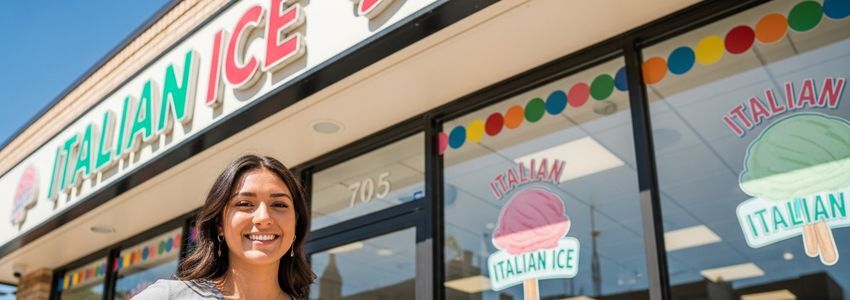
The frozen dessert market continues to experience impressive growth as consumer demand for high-quality, experiential treats remains strong. Among the brands leading this charge is Jeremiah's Italian Ice, a vibrant franchise concept known for its signature Gelati, positive community culture, and remarkable unit economics. For entrepreneurs looking to capitalize on this brand recognition, understanding the financial landscape is the first step toward ownership. Navigating the initial investment requirements requires a clear, strategic approach to capitalization.
Securing competitive financing is a critical element of launching a successful franchise location. While the brand offers a highly optimized business model, prospective owners must evaluate their funding options to ensure they maintain healthy cash flow from day one. This comprehensive guide details everything you need to know about navigating the jeremiah's italian ice franchise cost, evaluating various lending structures, and securing the capital necessary to build a thriving dessert business.
Whether you are a seasoned multi-unit operator looking to expand your portfolio or a first-time entrepreneur entering the franchise space, this guide provides the financial insights required to make informed decisions. From SBA loans to specialized equipment financing, we break down the funding pathways that can transform your business goals into a operational reality.
In This Article
- What Is Jeremiah's Italian Ice?
- Jeremiah's Italian Ice Franchise Cost Breakdown
- Financing Options for a Jeremiah's Italian Ice Franchise
- SBA Loans for Jeremiah's Italian Ice Franchises
- Franchise Loan Qualification Requirements
- How Crestmont Capital Helps Jeremiah's Franchise Owners
- How to Apply for a Jeremiah's Italian Ice Franchise Loan
- Real-World Scenarios: Jeremiah's Franchise Financing in Action
- Comparing Lenders for Franchise Financing
- Tips for Getting Your Jeremiah's Franchise Loan Approved
- Frequently Asked Questions
- How to Get Started
- Conclusion
What Is Jeremiah's Italian Ice?
Jeremiah's Italian Ice was founded in 1996 in Orlando, Florida, by Jeremy Vinick. Vinick sought to create a premium frozen dessert concept that combined the refreshing qualities of Italian ice with the rich, creamy texture of soft-serve ice cream. The result was their signature Gelati, a layered dessert that quickly captured the market and built a passionate customer base. Over the years, the brand has established itself as a staple of the Florida dessert scene before launching its highly successful franchise program.
The core menu of Jeremiah's revolves around over 40 flavors of high-quality, house-made Italian Ice, rich soft-serve ice cream, and their famous Gelati. This simple yet customizable menu keeps operational complexity low while maintaining high profit margins. The brand relies on a vibrant, high-energy atmosphere with bright colors, upbeat music, and family-friendly service, which drives consistent repeat business across diverse demographics.
Today, the brand has expanded to over 150 locations across multiple states, with a robust development pipeline. By focusing on community engagement, high-quality ingredients, and a streamlined operational model, the brand has earned recognition as one of the fastest-growing frozen dessert franchises in the United States. Its scalability and strong unit-level economics make it an attractive target for franchise investors looking to expand their footprint in the quick-service restaurant industry.
Jeremiah's Italian Ice Franchise Cost Breakdown
Before securing financing, you must understand the complete jeremiah's italian ice franchise cost structure. The initial capital required to launch a location depends on several factors, including geography, site selection, real estate conditions, and local construction costs. The brand operates primarily in inline, endcap, or freestanding locations, each carrying different development expenses.
According to the brand's Franchise Disclosure Document (FDD), the total initial investment ranges from approximately $195,000 to $465,000. This relatively low entry point compared to other quick-service restaurant concepts makes it highly accessible. However, franchisees must also meet specific financial requirements, including a minimum liquid capital of $100,000 and a net worth of at least $250,000 to qualify for ownership.
Here is a detailed breakdown of the estimated initial jeremiah's italian ice investment and ongoing fees:
| Expense Category | Estimated Cost Range | Payment Type / Frequency |
|---|---|---|
| Initial Franchise Fee | $35,000 | One-time fee upon signing |
| Leasehold Improvements | $85,000 to $210,000 | As incurred during construction |
| Equipment & Technology | $45,000 to $95,000 | Before opening |
| Signage & Graphics | $8,000 to $20,000 | Before opening |
| Initial Inventory & Supplies | $10,000 to $20,000 | Before opening |
| Grand Opening Marketing | $10,000 to $15,000 | Before and during launch |
| Professional Fees & Licenses | $5,000 to $15,000 | As incurred |
| Additional Funds (3 Months) | $20,000 to $45,000 | Working capital reserve |
| Royalty Fee | 6% of Gross Sales | Weekly or monthly |
| Marketing Fund Fee | 1% of Gross Sales | Weekly or monthly |
While these figures provide a solid baseline, the actual italian ice franchise cost will depend heavily on the physical condition of the commercial space you secure. Converting a former restaurant space can significantly lower leasehold improvement costs, whereas a cold shell space requires substantial plumbing, electrical, and HVAC work. This makes working with an experienced lender who understands commercial buildouts vital to keeping your project on time and within budget.
Ready to Fund Your Jeremiah's Franchise?
Get fast, flexible financing from the #1 business lender in the U.S. Apply in minutes with no obligation.
Apply Now →Financing Options for a Jeremiah's Italian Ice Franchise
When preparing to fund your franchise, you will find that several distinct loan structures exist to meet different capital requirements. Matching your specific capital needs with the right loan product is essential to preserving cash flow and maximizing return on investment. Below, we analyze the primary options used by franchise owners to manage their jeremiah's franchise financing.
SBA 7(a) Loans
The Small Business Administration 7(a) loan program is the most popular vehicle for franchise funding. Because the federal government guarantees a portion of the loan, lenders can offer highly competitive interest rates and long repayment terms. This structure is ideal for covering the full initial investment, including the franchise fee, construction costs, and working capital.
- Typical Rates: Prime + 1.5% to Prime + 3.00% (variable or fixed)
- Terms: Up to 10 years for working capital and equipment; up to 25 years for real estate purchases
- Pros: Low down payments, long amortization schedules, and competitive interest rates
- Cons: Stringent qualification criteria, extensive paperwork, and longer processing times
SBA 504 Loans
If your franchise development plan includes purchasing real estate or making major, long-term equipment acquisitions, an SBA 504 loan may be the superior choice. This program pairs a commercial bank loan with a loan from a Certified Development Company (CDC), resulting in fixed-rate, long-term financing designed specifically to promote economic development.
- Typical Rates: Fixed rates, typically lower than market averages
- Terms: 10, 20, or 25 years
- Pros: Low down payments (typically 10%), long-term fixed interest rates, and excellent predictability
- Cons: High upfront fees, limited flexibility for working capital, and complex structural requirements
Equipment Financing
A significant portion of your frozen dessert franchise loan will go toward specialized equipment, including batch freezers, soft-serve machines, walk-in coolers, and POS systems. Equipment financing allows you to secure a loan using the equipment itself as collateral. This minimizes the need for personal assets as security and speeds up the approval process.
- Typical Rates: 6% to 15% (fixed rates based on credit profile)
- Terms: 3 to 7 years
- Pros: Fast approval times, minimal collateral required outside of the equipment, and potential tax advantages under Section 179
- Cons: May require a down payment, and shorter repayment terms can lead to higher monthly payments
Working Capital Loans
A brand-new franchise location requires time to reach profitability. Working capital loans provide the cash reserves needed to cover operational expenses, payroll, local marketing, and inventory during the initial ramp-up period. These loans are designed for short-term liquidity rather than long-term construction projects.
- Typical Rates: 8% to 18%
- Terms: 12 to 36 months
- Pros: High flexibility, fast funding, and simple application processes
- Cons: Higher interest rates and shorter repayment windows compared to long-term debt
Business Lines of Credit
A business line of credit provides flexible access to capital on an as-needed basis. Instead of receiving a lump sum, you are approved for a maximum credit limit and only pay interest on the funds you draw down. This is an exceptional tool for managing seasonal cash flow fluctuations, which are common in the frozen dessert sector.
- Typical Rates: Prime + 2% to Prime + 7%
- Terms: Revolving (typically reviewed annually)
- Pros: Ultimate flexibility, interest paid only on utilized funds, and immediate access to capital
- Cons: Requires ongoing financial reporting and may carry annual maintenance fees
Alternative Lenders
For franchise owners who need to move quickly to secure a highly competitive real estate location, traditional bank timelines can be too slow. Alternative lenders offer rapid underwriting and funding solutions. While these loans may carry higher interest rates, they provide the speed and flexibility required to capitalize on time-sensitive market opportunities.
- Typical Rates: 9% to 22%
- Terms: 1 to 5 years
- Pros: Extremely fast approval and funding, lenient credit requirements, and streamlined paperwork
- Cons: Higher cost of capital and shorter amortization periods
By the Numbers
Jeremiah's Italian Ice Franchise - Key Statistics
Initial Franchise Fee
$35,000
Total Investment Range
$195K - $465K
Required Liquid Cash
$100,000+
Minimum Net Worth
$250,000+
SBA Loans for Jeremiah's Italian Ice Franchises
The Small Business Administration does not directly lend money to business owners. Instead, it provides guarantees to participating lenders, reducing their risk and encouraging them to extend credit to small business owners. For a Jeremiah's Italian Ice franchise, utilizing an SBA loan can mean the difference between a highly leveraged, stressful launch and a stable, well-capitalized business rollout.
A key advantage of pursuing SBA financing for this brand is its inclusion on the SBA Franchise Directory. When a brand is registered with the SBA, it means the franchise agreement has already been pre-approved by the agency. This eliminates the need for lenders to perform a detailed legal review of the franchise agreement for every individual applicant, significantly reducing processing times and increasing the probability of approval.
For most franchisees, the SBA 7(a) loan is the primary vehicle for funding. It can cover the initial franchise fee, real estate buildout, equipment purchases, and inventory, while leaving a healthy cushion for initial working capital. The maximum loan amount for an SBA 7(a) loan is $5 million, which is more than enough to fund a single location or even a multi-unit development agreement. To explore the structural requirements and guidelines for these programs, prospective owners can visit the official Small Business Administration portal.
SBA loans typically require a down payment of 10% to 20%, depending on the lender's risk assessment and the borrower's background. Because these loans carry longer repayment terms, your monthly debt service will be lower than with traditional commercial loans. This lower monthly overhead is crucial during the first twelve months of operation, allowing you to reinvest cash flow back into localized marketing and team recruitment.
Franchise Loan Qualification Requirements
Securing a franchise loan requires meeting specific criteria set by commercial lenders. While the strength of the franchise brand plays a role in the underwriting process, lenders focus primarily on your personal financial health, business background, and the viability of your proposed location. Understanding these qualification requirements before applying can help you address potential weaknesses in your application.
Lenders evaluate several primary pillars when underwriting a franchise loan application:
- Credit Score: A personal credit score of 680 or higher is typically required for standard commercial and SBA financing. Scores above 720 qualify for the most competitive interest rates and favorable terms. If your score is lower, you may need a strong co-signer or additional collateral.
- Liquid Capital and Net Worth: You must demonstrate that you have the liquid capital required by the franchisor (at least $100,000) and a net worth of $250,000 or more. Lenders want to see that you have skin in the game and possess enough personal cash reserves to weather unexpected operational challenges.
- Industry Experience: While previous restaurant or retail management experience is not strictly mandatory, it significantly strengthens your application. If you do not have direct management experience, lenders will look for transferable leadership, sales, or operational management skills.
- Collateral: For larger loan amounts, lenders often require collateral to secure the debt. This can include equity in personal real estate, business equipment, or other tangible assets. SBA loans have specific collateral guidelines, but a lack of collateral is rarely the sole reason for denial if all other factors are exceptionally strong.
- A Comprehensive Business Plan: You must present a detailed business plan that outlines your target market, local competition, marketing strategy, and five-year financial projections. This plan must demonstrate a deep understanding of your local territory and how you plan to capture market share.
Pro Tip: When applying for a franchise loan, prepare a personal financial statement (PFS) with supporting tax documents and bank statements beforehand. Having these organized accelerates the pre-qualification phase and signals to lenders that you are a highly organized borrower.
How Crestmont Capital Helps Jeremiah's Franchise Owners
At Crestmont Capital, we understand that securing financing for a franchise is a highly specialized process. Traditional local banks often lack familiarity with the unique operational structures, royalty models, and development timelines of franchise networks. Our dedicated franchise lending team understands the nuances of the frozen dessert industry, allowing us to package and place loans efficiently.
We offer a comprehensive suite of financial products tailored to every stage of your franchise journey. Whether you need a comprehensive SBA Loan to build out your first location, or specialized Equipment Financing to secure state-of-the-art batch freezers, we customize our lending solutions to align with your business model. Our goal is to structure financing that preserves your liquid capital and optimizes your monthly cash flow.
For existing operators looking to expand their footprint, we provide flexible Working Capital Loans and robust Business Lines of Credit to manage seasonal demand and bridge the gap between site selection and grand openings. Our deep expertise in Restaurant Business Loans ensures that your leasehold improvements, municipal permits, and initial inventory are fully funded without unnecessary delays.
Our experience extends across the entire frozen dessert and mobile food service sectors. We have helped entrepreneurs secure financing for various models, including mobile food concepts like the Kona Ice Franchise, established brick-and-mortar brands like Rita's Italian Ice, and traditional retail concepts detailed in our guide on Ice Cream Franchise Business Loans. This broad industry perspective allows us to anticipate underwriting challenges and streamline your path to funding.
Speak with a Franchise Financing Specialist
Crestmont Capital has helped hundreds of franchise owners secure the capital they need. Let us help you too.
Get Your Quote →How to Apply for a Jeremiah's Italian Ice Franchise Loan
Applying for a franchise loan can feel overwhelming, but breaking the process down into manageable steps can help you maintain momentum and avoid delays. The key to a smooth approval is preparation and organization. By gathering your documents and understanding what lenders look for, you can navigate the underwriting process with confidence.
The step-by-step application process typically follows this roadmap:
- Pre-Qualification: Contact a specialized franchise lender like Crestmont Capital for an initial consultation. During this phase, the lender will review your credit profile, liquid assets, and net worth to determine which loan products you qualify for and establish a realistic budget.
- Gather Required Documentation: Lenders require a comprehensive application package. You will need to compile your personal and business tax returns (past 3 years), personal financial statements, bank statements, a business plan with financial projections, the franchisor's Franchise Disclosure Document (FDD), and a signed franchise agreement or letter of intent.
- Site Selection and Lease Negotiation: Once you are pre-qualified, you will work with the franchisor to identify and secure a viable commercial location. Lenders will need to review the proposed lease agreement, as the lease terms must align with or exceed the amortization period of the loan.
- Formal Loan Submission: Your lender will package your complete application, including your business plan, site details, lease terms, and financial documents, and submit it to the underwriting department. This is where the lender conducts a deep dive into the cash flow potential of the business.
- Underwriting and Approval: During underwriting, the lender may request additional clarification regarding your financial history, construction bids, or projection assumptions. Promptly responding to these requests keeps the process moving forward. Once satisfied, the lender issues a commitment letter outlining the final loan terms.
- Closing and Funding: After accepting the loan terms, you will work with the legal and closing teams to finalize the loan documents. Once executed, the funds are disbursed to cover the franchise fee, construction draws, equipment purchases, and initial working capital, clearing the way for your grand opening.
Real-World Scenarios: Jeremiah's Franchise Financing in Action
To better understand how these financing options work in practice, let us examine three hypothetical scenarios based on typical franchise development situations. These examples illustrate how different capitalization strategies can be tailored to meet unique borrower profiles and business objectives.
Scenario 1: First-Time Franchisee Utilizing an SBA 7(a) Loan
Sarah is a corporate marketing manager with no prior restaurant experience but a strong background in brand management and local community organizing. She has a credit score of 740, $120,000 in liquid savings, and a net worth of $300,000. She wants to open her first Jeremiah's location in a growing suburban market.
The total projected cost for her inline location is $350,000. Sarah secures an SBA 7(a) loan through Crestmont Capital. She contributes 15% ($52,500) as a cash down payment, and the SBA loan funds the remaining $297,500. The loan carries a 10-year term at a variable rate of Prime + 2.0%. This structure allows Sarah to preserve over $67,000 of her personal liquid cash as an emergency operational reserve, ensuring she can comfortably manage payroll and marketing during her first year of business.
Scenario 2: Multi-Unit Expansion via Equipment Financing and Lines of Credit
Marcus and David are experienced multi-unit QSR operators who already own three successful quick-service concepts. They want to add two Jeremiah's Italian Ice locations to their portfolio over the next 18 months. Because they already have established banking relationships and strong business cash flow, they want to avoid pledging personal real estate as collateral.
They use a combination of equipment financing and a business line of credit to fund the expansion. For the first new location, they secure $90,000 in equipment financing for the batch freezers, refrigeration units, and POS systems, using the equipment itself as collateral. They fund the leasehold improvements using a $200,000 draw from their existing business line of credit, which they plan to pay down rapidly using cash flow from their other operating locations. This hybrid approach keeps their personal assets unencumbered and accelerates their development timeline.
Scenario 3: Existing Owner Securing Working Capital for Seasonal Scaling
Elena has owned a highly profitable Jeremiah's location for three years. Her business experiences strong seasonal demand, with sales peaking during the warm spring and summer months. To prepare for an exceptionally busy summer season, she wants to launch an aggressive local marketing campaign, hire and train ten additional seasonal staff members, and purchase bulk inventory to lock in volume discounts.
Elena secures a $50,000 working capital loan with a 24-month term. Because she has a proven three-year track record of consistent revenue, the loan is approved and funded in less than 48 hours. This quick access to capital allows her to execute her marketing strategy ahead of her competitors and purchase inventory at a discount, resulting in a record-breaking summer season that easily covers the cost of the short-term financing.
Did You Know? The global frozen dessert market is projected to reach over $135 billion by 2030, driven by consumer demand for premium, customizable, and experiential treats. Concepts like Italian ice and Gelati are leading this growth due to their high product margins and broad consumer appeal.

Comparing Lenders for Franchise Financing
Choosing the right lender is just as important as choosing the right loan product. Different lending institutions have varying appetites for risk, distinct underwriting speeds, and different levels of familiarity with the franchise business model. Comparing your options carefully can help you secure the best combination of rates, terms, and service.
The table below provides a comparison of the primary lender types available for franchise financing:
| Lender Type | Typical Interest Rates | Funding Speed | Approval Requirements | Pros & Cons |
|---|---|---|---|---|
| Traditional Banks | Low (Prime + 1% to 3%) | Slow (60 to 90 days) | Strict (high credit, substantial collateral) | Pros: Lowest rates. Cons: Slow process, high rejection rates. |
| SBA Preferred Lenders | Moderate (SBA capped rates) | Moderate (30 to 45 days) | Standardized (10% down, solid credit) | Pros: High approval rates, long terms. Cons: Heavy documentation required. |
| Specialized Franchise Lenders (e.g., Crestmont) | Competitive (tailored structures) | Fast (7 to 14 days) | Flexible (focus on brand and operator potential) | Pros: Extreme speed, industry expertise. Cons: May require slightly higher rates for speed. |
| In-House Franchisor Financing | High (often outsourced) | Varies | Varies (often restricted to specific assets) | Pros: Convenient. Cons: Limited capital amounts, higher overall costs. |
Tips for Getting Your Jeremiah's Franchise Loan Approved
The key to securing a quick and favorable loan approval lies in how you present your financial profile and business strategy to the underwriting team. Lenders are risk-averse by nature, so your goal is to demonstrate that you have thoroughly analyzed the local market, understand the operational realities of the business, and possess the financial discipline to manage debt responsibly.
According to small business lending analyses published by CNBC, preparation and detailed financial modeling are the primary differentiators between successful loan applicants and those who face delays or denials. To maximize your chances of securing a competitive franchise loan, implement these strategic practices:
- Maintain Strong Personal Credit: In the months leading up to your loan application, avoid opening new credit cards, taking out auto loans, or making other major financial moves that could temporarily lower your credit score or increase your debt-to-income ratio. Keep credit card balances low and resolve any outstanding disputes on your credit report.
- Develop a Highly Localized Business Plan: Do not rely solely on the generic business plan templates provided by the franchisor. Customize your plan with local demographic data, detailed competitor analyses, traffic counts for your proposed location, and a clear, actionable marketing strategy tailored to your specific community.
- Prepare Conservative Financial Projections: Build a detailed financial model that includes conservative, moderate, and aggressive growth scenarios. Underwriters are highly skeptical of overly optimistic projections. Showing that your business can remain solvent and meet its debt service obligations even under conservative revenue assumptions builds credibility.
- Highlight Your Management Team: If you do not have direct restaurant or retail management experience, highlight the qualifications of the team you plan to hire. Recruiting an experienced general manager with a proven track record in the local QSR market can offset a lender's concerns about your personal lack of industry experience.
- Partner with a Dedicated Franchise Lender: Work with a lender that has established relationships with the SBA and a deep understanding of the franchise business model. A specialized lender can help you package your application correctly the first time, avoiding the common pitfalls that lead to delays in traditional commercial underwriting.
Key Insight: Lenders look for a Debt Service Coverage Ratio (DSCR) of 1.25x or higher. This means your business's net operating income should be at least 125% of your annual debt payments, providing a safe financial cushion for your operations.
Frequently Asked Questions
How much does a Jeremiah's Italian Ice franchise cost?
The total initial investment for a Jeremiah's Italian Ice franchise ranges from approximately $195,000 to $465,000. This includes the initial franchise fee of $35,000, leasehold improvements, equipment, signage, initial inventory, and working capital reserves.
Can I get an SBA loan for a Jeremiah's franchise?
Yes, Jeremiah's Italian Ice is on the SBA Franchise Registry. This pre-approval of the franchise agreement streamlines the underwriting process, making it easier and faster for qualified buyers to secure SBA 7(a) or SBA 504 loans.
What credit score do I need for franchise financing?
Lenders typically require a minimum credit score of 680 for standard franchise and SBA loans. However, scores of 720 or higher are highly recommended to secure the most competitive interest rates and favorable terms.
How long does it take to get a franchise loan approved?
The timeline depends on the loan product and lender. SBA loans typically take 30 to 45 days through preferred lenders, while specialized alternative lenders or equipment financing can be approved in as little as 48 hours to 7 days.
What is the royalty fee for Jeremiah's Italian Ice?
The ongoing royalty fee is 6% of gross sales, paid weekly or monthly as specified in the Franchise Disclosure Document. There is also a 1% marketing fund fee that supports brand-wide advertising campaigns.
Do I need collateral to get a franchise loan?
Collateral requirements vary by loan type. SBA loans over $50,000 require lenders to follow specific collateral guidelines, which may include liens on business assets or personal real estate. Equipment financing uses the equipment itself as collateral, minimizing the need for personal assets.
Can I finance multiple Jeremiah's locations?
Yes, multi-unit development is common. Lenders can structure multi-unit financing packages, often combining an SBA loan for the first location with equipment financing and lines of credit for subsequent openings as cash flow stabilizes.
What documents do I need to apply for a franchise loan?
You will typically need 3 years of personal and business tax returns, personal financial statements, 6 months of bank statements, a business plan with 5-year projections, the Franchise Disclosure Document (FDD), and a signed franchise agreement.
Is Jeremiah's Italian Ice on the SBA franchise registry?
Yes. Jeremiah's is registered, which means the SBA has pre-approved the franchise agreement terms. This speeds up the processing of SBA loans by eliminating the need for individual contract reviews.
How does Crestmont Capital help franchise owners?
Crestmont Capital offers specialized franchise lending solutions, including SBA loans, equipment financing, and working capital. We understand the unique requirements of the restaurant industry, allowing us to package and fund loans quickly and efficiently.
What is the minimum down payment for a franchise loan?
For SBA loans, the typical down payment is between 10% and 20% of the total project cost. Equipment financing and alternative business loans may require lower down payments depending on your credit profile and business history.
Can I use equipment financing for a Jeremiah's franchise?
Yes. Equipment financing is an excellent choice for securing the specialized batch freezers, soft-serve machines, walk-in coolers, and technology systems required for a Jeremiah's location. This preserves your cash and uses the equipment as collateral.
What are the typical interest rates for franchise loans?
Interest rates vary widely. SBA loans typically range from Prime + 1.5% to Prime + 3.0%. Equipment financing ranges from 6% to 15%, and alternative short-term loans can range from 8% to 22% depending on creditworthiness and terms.
How profitable is a Jeremiah's Italian Ice franchise?
Profitability varies by location, operating costs, and local management. However, the frozen dessert sector is known for high gross margins because the raw ingredient costs (water, sugar, flavoring, dairy) are relatively low compared to the retail price.
What happens if I can't make my franchise loan payments?
If you face financial difficulties, contact your lender immediately. Lenders often prefer to work out a temporary modification or deferment plan rather than initiate foreclosure or default proceedings, which can affect your personal assets and credit.
How to Get Started
Review Your Financial Profile
Assess your personal liquidity, credit score, and net worth to ensure you meet the minimum requirements for both the franchisor and commercial lenders. Organize your tax returns and bank statements.
Get Pre-Qualified for Financing
Contact the franchise lending specialists at Crestmont Capital. We will analyze your financial situation and pre-qualify you for the loan products that best match your expansion goals and capital needs.
Submit Your Franchise Application
With your financing pre-qualification in hand, submit your formal application to Jeremiah's Italian Ice. Having secured funding options shows the franchisor that you are a serious, well-capitalized candidate.
Start Your Jeremiah's Franchise Journey Today
Apply online in minutes. No obligation. Our specialists are ready to find the right financing for your franchise goals.
Apply Now →Conclusion
Investing in a franchise is a proven path to business ownership, combining a recognized brand name with an established operational playbook. However, the key to unlocking the full potential of your business lies in securing the right capitalization structure. Understanding the complete jeremiah's italian ice franchise cost and matching those requirements with a customized financing strategy is the foundation upon which your future business success is built.
By leveraging SBA loans, specialized equipment financing, and working capital solutions, you can preserve your personal liquidity and build a business that is resilient to seasonal demand. Navigating this process requires a partner who understands the commercial lending landscape and the unique operational requirements of the frozen dessert industry. This specialized knowledge ensures that your loan package is structured to support healthy, long-term growth.
At Crestmont Capital, we are committed to helping franchise owners turn their business goals into thriving retail realities. Our dedicated team of franchise financing specialists is ready to guide you through every step of the funding process, from pre-qualification to closing. Contact us today to discuss your development plans and secure the competitive financing you need to launch your franchise journey.
Disclaimer: The information provided in this article is for general educational purposes only and is not financial, legal, or tax advice. Funding terms, qualifications, and product availability may vary and are subject to change without notice. Crestmont Capital does not guarantee approval, rates, or specific outcomes. For personalized information about your business funding options, contact our team directly.