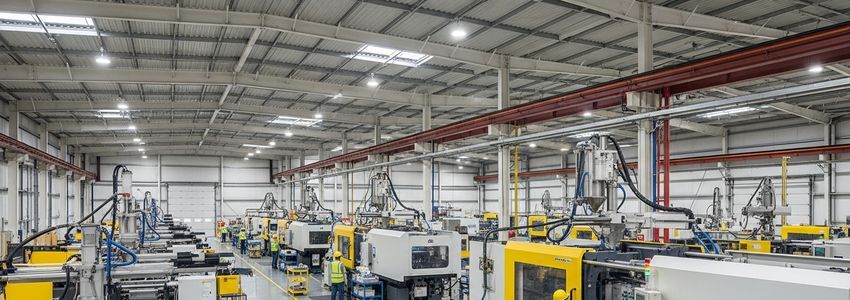
The injection molding industry is a capital intensive field, demanding significant investment in machinery, materials, and skilled labor. Whether you are launching a new facility, expanding your current operations, or managing daily cash flow, securing the right financing is critical for success. This guide explains the various injection molding business loans available, helping you identify the best funding solution to purchase equipment, hire staff, and grow your manufacturing business.
In This Article
- Why Financing is Essential for Injection Molding Businesses
- Key Types of Injection Molding Business Loans
- Deep Dive: Equipment Financing for Molding Machinery
- Understanding SBA Loans for Manufacturers
- Working Capital Solutions for Daily Operations
- How to Qualify for Injection Molding Financing
- The Step-by-Step Loan Application Process
- Understanding the Costs and Rates of Financing
- Tips for a Successful Loan Application
- Frequently Asked Questions
Why Financing is Essential for Injection Molding Businesses
Injection molding companies face unique financial challenges that make external funding a necessity rather than a luxury. The core of the business revolves around expensive, highly specialized machinery. A single industrial grade injection molding machine can cost anywhere from $50,000 for a smaller, used model to over $500,000 for a large, high-tonnage, new machine with advanced features.
Beyond the initial machine purchase, costs accumulate quickly. You need capital for molds (dies), which are custom engineered and can cost tens of thousands of dollars each. You also need funds for auxiliary equipment like dryers, chillers, grinders, and robotic arms for automation. These equipment costs alone can easily reach seven figures for a well equipped shop.
Financing also plays a crucial role in managing operational expenses. Raw materials like thermoplastic polymers must be purchased in bulk to secure good pricing, tying up significant cash. Meeting payroll for skilled technicians, engineers, and machine operators is a constant expense. An injection molding business loan provides the liquidity to cover these costs, especially when waiting on payment for large production runs, which can have payment terms of 30, 60, or even 90 days.
Growth and expansion are impossible without adequate capital. Whether you are adding a new production line, moving to a larger facility, or investing in new technology to stay competitive, financing provides the fuel. It allows you to take on larger contracts and scale your operations to meet growing market demand, a key factor for long term stability in a competitive industry.
Key Types of Injection Molding Business Loans
Several types of financing are available to injection molding businesses, each designed for different needs. Understanding these options helps you choose the most effective and affordable solution for your specific situation. The right choice depends on whether you are buying a specific piece of equipment, covering payroll, or funding a major expansion.
The most common funding categories include term loans, equipment financing, lines of credit, and government backed SBA loan programs. Term loans provide a lump sum of cash that you repay over a set period, making them ideal for planned investments. Equipment financing is specifically designed for purchasing machinery, with the machine itself serving as collateral. A business line of credit offers flexible access to funds for managing unexpected expenses or short term cash flow gaps.
Ready to Fund Your Injection Molding Business?
Crestmont Capital offers fast, flexible financing tailored to manufacturers. Get a decision in as little as 24 hours.
Apply NowDeep Dive: Equipment Financing for Molding Machinery
For most injection molding shops, equipment financing is the most direct and popular funding method. This type of loan is structured specifically for the purchase of new or used machinery. The primary advantage is that the equipment you are purchasing serves as its own collateral, which can make it easier to qualify for than other types of unsecured loans.
The process is straightforward. You identify the injection molding machine, mold, or auxiliary equipment you need and provide the quote to the lender. The lender then pays the supplier directly, and you make regular payments to the lender for a predetermined term, typically three to seven years. Because the loan is secured by a hard asset, lenders often see it as less risky, which can result in favorable interest rates and terms.
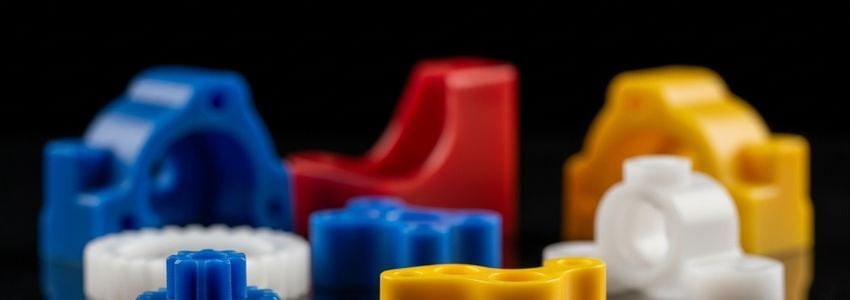
Another benefit of equipment financing is that it helps you preserve working capital. Instead of spending a large sum of cash upfront on a machine, you can spread the cost over several years. This frees up your cash to be used for other critical business needs like marketing, inventory, or hiring. Furthermore, Section 179 of the IRS tax code may allow you to deduct the full purchase price of qualifying equipment in the year it is put into service, providing a significant tax advantage.
When considering equipment financing, evaluate the total cost of the loan, not just the monthly payment. Look at the interest rate, any origination fees, and the loan term. While a longer term may offer a lower monthly payment, it could result in paying more in total interest over the life of the loan. Crestmont Capital specializes in structuring equipment financing that aligns with your business's cash flow and long term goals.
Understanding SBA Loans for Manufacturers
The U.S. Small Business Administration (SBA) partners with lenders to offer government backed loans to small businesses. These SBA loans are highly sought after because they typically feature long repayment terms and competitive interest rates. For an injection molding business, two programs are particularly relevant: the SBA 7(a) loan and the CDC/504 loan.
The SBA 7(a) loan is the most popular program and can be used for a wide range of purposes, including purchasing equipment, securing working capital, or even acquiring another business. Loan amounts can go up to $5 million, with terms extending up to 10 years for equipment and 25 years for real estate. This flexibility makes it a powerful tool for manufacturers planning significant investments.
The CDC/504 loan program is specifically designed for purchasing major fixed assets, such as commercial real estate or heavy machinery. The loan is structured with three parts: a portion from a conventional lender, a portion from a Certified Development Company (CDC), and a down payment from the business owner. This structure often results in a lower down payment and a favorable, fixed interest rate on the CDC portion of the loan, making it ideal for financing a new facility or a major equipment overhaul.
Key Takeaway
SBA loans offer excellent terms for large investments like real estate and heavy machinery, but the application process is typically longer and more document intensive than other financing options.
While SBA loans offer great benefits, the application process can be lengthy and requires extensive documentation. Lenders will scrutinize your business plan, financial projections, and personal financial history. Working with a lender experienced in SBA loans, like Crestmont Capital, can help you navigate the process efficiently and increase your chances of approval.
Working Capital Solutions for Daily Operations
While large equipment purchases get most of the attention, managing day to day expenses is just as important for survival. Working capital is the lifeblood of your business, covering costs like payroll, utilities, raw material purchases, and unforeseen repairs. A shortfall in working capital can halt production even if you have the best equipment.
A business line of credit is one of the most effective tools for managing working capital. It functions like a credit card for your business, giving you access to a predetermined amount of funds that you can draw from as needed. You only pay interest on the amount you use, and as you repay the balance, the funds become available to use again. This provides a flexible safety net for covering expenses while you wait for customer payments.
Another option is a short-term business loan. These loans provide a lump sum of cash that is typically repaid over a period of 18 months or less. They are useful for specific, short term needs, such as purchasing a large inventory of raw materials for a big contract or bridging a seasonal cash flow gap. The application process is often much faster than for traditional term loans, with funding possible in just a few days.
Injection Molding Industry: By the Numbers
$56.7B
U.S. Market Size (2023)
4,531
Number of Businesses
$500K+
High-End Machine Cost
Explore Your Financing Options Today
Our specialists understand the unique needs of the plastics manufacturing industry. Let us help you find the right funding solution.
Get a Free QuoteHow to Qualify for Injection Molding Financing
Lenders evaluate several key factors to determine your creditworthiness and the risk associated with a loan. Preparing in these areas will significantly improve your chances of securing the financing you need. While requirements vary by lender and loan type, most will focus on the same core criteria.
First, your personal and business credit scores are critical. A strong credit history demonstrates responsible financial management. Most lenders prefer a personal credit score above 650, but some alternative lenders may have more flexible requirements. Building a positive business credit history by paying suppliers on time is also very important.
Second, lenders want to see a proven track record. The amount of time your business has been in operation is a key indicator of stability. Most traditional lenders and SBA programs require at least two years in business. Newer businesses may still qualify for financing, especially for equipment loans where the machine itself secures the deal, but they may face higher rates.
Third, your annual revenue and cash flow are perhaps the most important factors. Lenders need to be confident that your business generates enough income to comfortably make loan payments. They will analyze your bank statements, profit and loss statements, and tax returns to assess your financial health. A history of consistent revenue and profitability is a strong signal that you can handle new debt.
Finally, be prepared to present a clear plan for how you will use the funds. For an equipment loan, this is simple: you provide the quote for the machine. For a working capital or expansion loan, a well-written business plan with financial projections can make a huge difference. It shows the lender that you have a strategic vision for growth and a clear path to generating the revenue needed to repay the loan.
The Step-by-Step Loan Application Process
Navigating the loan application process can seem daunting, but breaking it down into manageable steps makes it much simpler. A typical process follows a clear path from preparation to funding. Understanding these stages helps you stay organized and move through the process efficiently.
The first step is to gather your documentation. This usually includes several months of business bank statements, your most recent business tax returns, profit and loss statements, a balance sheet, and personal financial information. For equipment financing, you will also need a formal quote from the vendor. Having these documents ready before you apply will speed everything up.
The second step is to complete the application. With modern lenders like Crestmont Capital, this can often be done online in a matter of minutes. You will provide basic information about your business, the amount you are requesting, and the purpose of the loan. Be sure to fill out the application accurately and completely to avoid delays.
The third step is underwriting. This is where the lender's team reviews your application and supporting documents to assess your financial health and credit risk. They may contact you with follow up questions or requests for additional information. A responsive and cooperative approach during this stage is crucial for a smooth approval.
The final step is approval and funding. Once your loan is approved, the lender will present you with a formal offer outlining the terms, rates, and fees. After you review and sign the loan agreement, the funds are disbursed. For equipment financing, the funds are typically sent directly to the equipment seller, while for working capital loans, the money is deposited into your business bank account, often in as little as 24 hours.
Pro Tip
Organize all your financial documents in a digital folder before you start applying. This simple step can save you hours of time and make the application process much smoother.
Understanding the Costs and Rates of Financing
The cost of a business loan is more than just the interest rate. To make an informed decision, you need to understand all the potential costs involved. The total cost of borrowing is influenced by your credit profile, the type of loan, the term length, and the lender you choose.
The interest rate is the percentage of the loan amount that the lender charges for borrowing the money. Rates can be fixed, meaning they stay the same for the life of the loan, or variable, meaning they can change based on market conditions. Generally, stronger businesses with excellent credit will qualify for lower interest rates. Long-term business loans and SBA loans often have the most competitive rates.
In addition to interest, some loans come with fees. An origination fee is a one time charge for processing the loan, typically calculated as a percentage of the total loan amount. There may also be underwriting fees, documentation fees, or prepayment penalties if you decide to pay off the loan early. Always ask for a complete breakdown of all fees so you can calculate the Annual Percentage Rate (APR), which represents the true cost of borrowing.
The loan term, or repayment period, also affects the total cost. A shorter term means higher monthly payments but less total interest paid. A longer term results in lower monthly payments, which can be easier on your cash flow, but you will pay more in interest over the life of the loan. The key is to find a balance that fits your budget while minimizing the overall cost of the injection molding financing.
Tips for a Successful Loan Application
Securing approval for an injection molding business loan requires careful preparation. Taking a few extra steps before you apply can dramatically increase your chances of success and help you secure the best possible terms. It is about presenting your business as a stable and creditworthy investment.
First, check and improve your credit score. Obtain copies of both your personal and business credit reports to check for any errors or negative items. If your score is lower than you would like, take steps to improve it, such as paying down existing debt and ensuring all payments are made on time. A higher credit score directly translates to better loan offers.
Second, prepare a strong business case. As mentioned in our guide to manufacturing loans, a clear and detailed business plan is essential, especially for larger loan requests. Your plan should outline how the funds will be used to generate more revenue. Include realistic financial projections that show how your business will grow and how you will comfortably repay the loan. This demonstrates to lenders that you have a clear strategy for success.
Third, show strong and consistent cash flow. Lenders want to see healthy bank account balances and a steady stream of revenue. Before applying, try to increase the cash reserves in your business bank account. Avoid any non-sufficient funds (NSF) incidents, as these are major red flags for underwriters. A clean and consistent financial history proves your business is well managed.
Finally, work with the right lender. Not all lenders understand the specifics of the manufacturing industry. Choose a financial partner like Crestmont Capital that has experience with injection molding businesses. An experienced lender will understand your equipment needs, cash flow cycles, and growth opportunities, making them more likely to approve your loan and structure it in a way that benefits your business.
Ready to Get Started?
Our simple online application takes just a few minutes. See what financing your injection molding business qualifies for today.
Apply in MinutesFrequently Asked Questions
What is the minimum credit score needed for an injection molding business loan?
How quickly can I get funded?
Can I finance used injection molding equipment?
Do I need to provide a down payment for equipment financing?
What kind of documents are required for a loan application?
Can a startup injection molding business get financing?
What is the difference between a loan and a lease for equipment?
Will a business loan affect my personal credit?
Can I use a business loan to purchase raw materials?
What are typical interest rates for injection molding financing?
How does Section 179 help with equipment financing?
Can I refinance existing equipment debt?
What if my loan application is denied?
Can I finance soft costs like installation and training?
Is it better to get financing from a bank or an alternative lender?
Your Next Steps
- Assess Your Needs: Clearly define how much capital you need and how you will use it to grow your business.
- Gather Your Documents: Collect your business bank statements, tax returns, and any equipment quotes to prepare for the application.
- Review Your Credit: Check your personal and business credit reports for accuracy and address any issues.
- Contact a Financing Specialist: Speak with an expert at Crestmont Capital to discuss your options and find the best loan for your injection molding business.
Disclaimer: The information provided in this article is for general educational purposes only and is not financial, legal, or tax advice. Consult with a qualified financial professional before making any financing decisions.