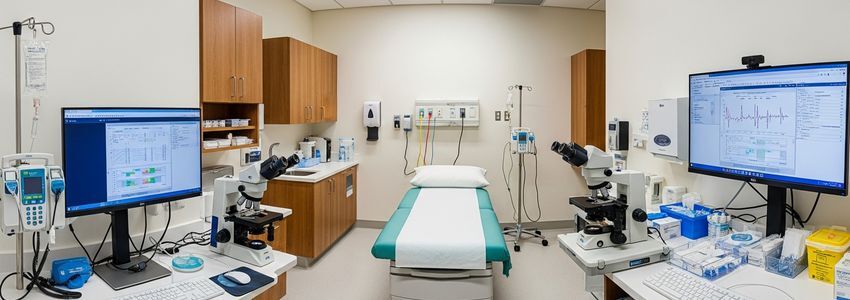
Infectious disease physicians operate at the forefront of public health, a reality made universally clear in recent years. This critical specialization demands not only profound medical expertise but also significant financial investment to establish, maintain, and grow a practice. From advanced diagnostic laboratories to sophisticated telehealth infrastructure and the recruitment of top-tier talent, the capital requirements are substantial. Securing the right funding through specialized infectious disease practice loans is essential for navigating these financial complexities and ensuring your clinic can provide the highest level of care.
In This Article
- What Are Infectious Disease Practice Loans?
- The Unique Financial Landscape of an ID Practice
- How ID Physicians Can Use Practice Financing
- Types of Infectious Disease Practice Loans Available
- Qualifying for an Infectious Disease Practice Loan
- The Application and Funding Process: A Step-by-Step Guide
- Choosing the Right Lender for Your ID Practice
- Frequently Asked Questions
- How to Get Started
What Are Infectious Disease Practice Loans?
Infectious disease practice loans are a category of specialized business financing tailored specifically to meet the distinct capital needs of ID physicians and their clinics. Unlike generic business loans, these financial instruments are designed by lenders who understand the unique operational costs, revenue cycles, and equipment requirements inherent to the field of infectious disease. This specialized approach ensures that the loan structure, terms, and funding amounts align with the strategic goals of the practice.
These loans are not a one-size-fits-all product. They encompass a range of financing solutions, from term loans for practice acquisition to equipment financing for a new molecular diagnostics platform. The primary purpose is to provide ID specialists with the necessary capital to cover everything from daily operational expenses to long-term growth initiatives. By partnering with an experienced lender like Crestmont Capital, physicians gain access to funding solutions that recognize the value and complexity of their work, enabling them to invest in the technology and talent required to combat complex pathogens and serve their communities effectively.
The Unique Financial Landscape of an ID Practice
The financial demands of an infectious disease practice are unlike those in almost any other medical specialty. They are characterized by high upfront costs for technology, stringent regulatory requirements, and often unpredictable revenue streams tied to public health events. Understanding these specific challenges is the first step toward securing appropriate financing.
High-Cost Diagnostic and Laboratory Equipment
Modern infectious disease management relies heavily on rapid and accurate diagnostics. This translates into a significant investment in sophisticated laboratory equipment. A well-equipped ID practice may require polymerase chain reaction (PCR) machines for molecular testing, automated blood culture systems, advanced microscopes with digital imaging capabilities, and biosafety cabinets to handle hazardous materials safely. These pieces of equipment can cost tens to hundreds of thousands of dollars each, representing a major capital outlay for any practice.
Stringent Regulatory and Compliance Costs
Operating a medical practice with an on-site laboratory involves navigating a complex web of regulations. Compliance with the Clinical Laboratory Improvement Amendments (CLIA) is mandatory and involves rigorous standards for personnel, quality control, and proficiency testing. Additionally, practices must adhere to OSHA guidelines for workplace safety, particularly concerning biohazards, and maintain strict HIPAA compliance to protect patient data. The costs associated with achieving and maintaining these certifications, including staff training and regular inspections, are a significant and ongoing operational expense.
Volatile Working Capital Needs
The revenue cycle for an ID practice can be highly variable. A public health crisis or a seasonal outbreak can lead to a surge in patient volume, increasing revenue but also straining resources and requiring immediate investment in supplies and staffing. Conversely, periods between outbreaks can be slower, leading to cash flow gaps while fixed costs like rent and payroll remain constant. This unpredictability, combined with often lengthy insurance reimbursement cycles, makes robust working capital and access to a business line of credit essential for financial stability.
Specialized Staffing and Talent Acquisition
An effective ID practice is built on a team of highly skilled professionals. Beyond the ID physicians themselves, the practice may need clinical microbiologists, infection preventionists, infusion nurses, and specialized administrative staff. Recruiting and retaining this top-tier talent in a competitive healthcare market often requires offering competitive salaries, benefits, and signing bonuses. These personnel costs represent one of the largest and most critical investments for the practice.
Investment in Telehealth and Digital Infrastructure
The post-pandemic era has solidified telehealth as a core component of patient care, especially in infectious disease for consultations and follow-up appointments. Building a secure, HIPAA-compliant telehealth platform requires investment in software, high-speed internet, quality audiovisual equipment, and integration with the practice's Electronic Health Record (EHR) system. Furthermore, the sensitive nature of patient data necessitates robust cybersecurity measures to prevent breaches, adding another layer of technology-related expense.
Ready to Grow Your Practice?
Get fast, flexible financing from the #1 business lender in the U.S. No obligation - apply in minutes.
Apply NowHow ID Physicians Can Use Practice Financing
Strategic use of financing can transform an infectious disease practice, enabling growth, enhancing efficiency, and improving patient outcomes. Infectious disease practice loans are versatile tools that can be deployed to address nearly any business need or opportunity that arises.
- Practice Acquisition or Partnership Buy-In: For physicians looking to start their own practice or become a partner in an established one, financing is critical. A loan can cover the purchase price of the practice, providing the necessary capital to take ownership and begin generating revenue.
- Expansion and Renovation: As patient demand grows, a practice may need to expand its physical footprint. Financing can be used to add more exam rooms, build a dedicated on-site infusion suite for outpatient parenteral antimicrobial therapy (OPAT), construct negative pressure isolation rooms, or renovate an existing space to improve workflow and patient experience.
- Medical Equipment Purchasing: Keeping a practice at the cutting edge of diagnostics is paramount. Equipment financing allows practices to acquire essential technology like PCR systems, sequencing machines, and advanced imaging devices without depleting cash reserves.
- Working Capital Management: A working capital loan or line of credit provides a crucial financial safety net. It can be used to cover payroll during a slow month, purchase a large inventory of vaccines or specialized pharmaceuticals ahead of an outbreak, or simply manage day-to-day operating expenses while waiting for insurance reimbursements to clear.
- Hiring and Staff Development: To expand services, a practice must invest in its team. A loan can provide the funds to recruit and hire additional physicians, nurse practitioners, or lab technicians, covering everything from signing bonuses to salaries for the initial months of employment.
- Technology and EMR/EHR Upgrades: Upgrading to a more efficient Electronic Medical Record (EMR) system or investing in a state-of-the-art telehealth platform can significantly improve practice operations. Financing can cover the costs of software licensing, hardware implementation, and staff training.
- Debt Consolidation: Many practices carry debt from various sources, such as multiple equipment leases or high-interest business credit cards. A long-term business loan can be used to consolidate these obligations into a single monthly payment, often at a lower interest rate, which simplifies finances and improves cash flow.
By the Numbers
Infectious Disease Practice Loans - Key Statistics
$18.4B
Projected U.S. infectious disease diagnostics market size by 2027.
85%
Physicians currently using telehealth to see patients, a massive increase from pre-pandemic levels.
$75k+
Typical cost range for a high-quality, real-time PCR (qPCR) machine for in-house molecular diagnostics.
21%
Projected shortage of adult infectious disease physicians in the U.S. by 2025.

Types of Infectious Disease Practice Loans Available
There are several types of financing products available to ID physicians, each suited for different purposes. Choosing the right one depends on the specific need, the amount of capital required, and the desired repayment structure. A knowledgeable lender can help you navigate these options to find the perfect fit for your practice.
Term Loans
A traditional term loan provides a lump sum of capital upfront, which is then repaid in fixed monthly installments over a set period (the term). These loans are ideal for large, planned investments with a clear cost, such as acquiring another practice, undertaking a major renovation, or purchasing a suite of new lab equipment. Terms can range from one to ten years or more, allowing for predictable budgeting.
Key Stat: According to a report by Forbes Advisor, the primary reasons small business owners seek financing are for expansion (39%) and to cover operating expenses (37%).
SBA Loans
Backed by the U.S. Small Business Administration, SBA loans are a popular choice for medical practices due to their favorable terms, long repayment periods, and competitive interest rates. The SBA 7(a) loan is highly versatile and can be used for working capital, equipment, or real estate. The SBA 504 loan is specifically designed for purchasing major fixed assets, such as the building for your clinic. While the application process can be more intensive, the benefits are often well worth the effort.
Equipment Financing
This type of loan is structured specifically for the purchase of machinery and technology. With equipment financing, the asset being purchased (e.g., a PCR machine or an autoclave) serves as the collateral for the loan itself. This often makes it easier to qualify for and can preserve other business assets. Terms are typically aligned with the expected useful life of the equipment.
Business Lines of Credit
A business line of credit provides access to a revolving pool of funds up to a set credit limit. You can draw from it as needed and only pay interest on the amount you use. This flexibility makes it the perfect tool for managing fluctuating cash flow, covering unexpected expenses like an emergency equipment repair, or seizing opportunities like a bulk discount on medical supplies. It functions as a financial safety net that is there when you need it.
Working Capital Loans
These are short-term loans designed to provide a quick infusion of cash to cover immediate operational needs. If your practice faces a temporary revenue shortfall while waiting for a large insurance payment, a working capital loan can bridge the gap, ensuring you can meet payroll, pay rent, and order necessary supplies without interruption. As a leader in providing comprehensive healthcare business loans, Crestmont Capital understands the urgency of these needs.
Get Your Custom Loan Offer
Our specialists will help you find the perfect financing solution for your ID practice. No cost, no obligation.
Get StartedQualifying for an Infectious Disease Practice Loan: What Lenders Look For
While specific requirements vary by lender and loan product, there are several core factors that underwriters will evaluate when assessing your application for an infectious disease practice loan. Preparing in these areas can significantly improve your chances of approval and help you secure the best possible terms.
Credit Score
Lenders will review both your personal and business credit scores. A strong personal credit score (typically 700 or higher) demonstrates a history of responsible financial management. An established business credit profile shows that the practice itself has managed its debts effectively. While a high score is beneficial, options are available for those with less-than-perfect credit; Crestmont Capital offers specialized bad credit business loans designed to help businesses in this situation.
Time in Business
The length of time your practice has been operational is a key indicator of stability. Most lenders prefer to see at least two years of business history. However, financing solutions exist for newer practices and even startups, especially if the physician has a strong personal credit history and a comprehensive business plan.
Annual Revenue and Cash Flow
Lenders need to see that your practice generates sufficient revenue to comfortably cover its operating expenses and the new loan payments. They will analyze recent bank statements, profit and loss statements, and tax returns to assess the health and consistency of your cash flow. Strong, steady revenue is one of the most important qualifications.
Business Plan
For startups, expansions, or practice acquisitions, a detailed business plan is essential. This document should outline your practice's mission, services offered, target patient population, marketing strategy, and management team. Most importantly, it must include detailed financial projections, including forecasted revenue, expenses, and a clear explanation of how the loan funds will be used to generate a positive return.
Required Documentation
Be prepared to provide a standard set of financial documents to support your application. This typically includes:
- Business and personal tax returns (2-3 years)
- Profit and Loss (P&L) statements and balance sheets
- Business bank statements (3-6 months)
- A copy of your medical license and any relevant business licenses
- Business debt schedule (a list of all current debts)
- Articles of incorporation or partnership agreement
The Application and Funding Process: A Step-by-Step Guide
Modern lenders like Crestmont Capital have streamlined the application process to be as fast and efficient as possible, allowing you to get funded quickly and focus on your practice. While the exact steps may vary slightly, the general process follows a clear path.
Step 1: Consultation and Pre-Qualification
The process begins with an initial consultation, often through a simple online form or a brief phone call. You will discuss your practice's needs, the amount of funding you are seeking, and the intended use of the funds. Based on this preliminary information, a funding specialist can help you identify the best loan options and determine your likelihood of approval.
Step 2: Submit a Formal Application
Once you have chosen a loan product, you will complete a formal application. At Crestmont Capital, this can be done online in minutes. You will then submit the required financial documents, which can typically be uploaded securely through an online portal.
Step 3: Underwriting and Review
This is where the lender's underwriting team carefully reviews your application and supporting documents. They will analyze your practice's financial health, credit history, and cash flow to assess the risk and make a final credit decision. Lenders with experience in healthcare, like Crestmont, understand the nuances of a medical practice's financials, leading to a more informed and often faster review.
Step 4: Approval and Offer Presentation
If your application is approved, you will receive a formal loan offer. This document will detail the approved loan amount, interest rate, repayment term, and any associated fees. A dedicated specialist will walk you through the offer to ensure you fully understand all the terms before you accept.
Step 5: Funding
After you accept the loan offer and sign the final documents, the funds are disbursed. With efficient lenders, this final step can be incredibly fast. For many loan products, the capital can be deposited directly into your business bank account in as little as 24 hours. This speed is a significant advantage over traditional banks, which, as noted by the SBA, can often have much longer funding timelines.
Key Stat: According to a CNBC report on small business credit, online lenders have significantly higher approval rates (and faster funding times) compared to large traditional banks.
Choosing the Right Lender for Your ID Practice
The lender you partner with can have as much of an impact on your success as the loan itself. When evaluating your options, look beyond the interest rate and consider factors that point to a true partnership.
- Healthcare Industry Specialization: Choose a lender that has demonstrable experience working with physicians and medical practices. They will understand the unique challenges of your field, from insurance billing cycles to the high cost of specialized equipment, and can offer more relevant and flexible financing solutions. Reviewing their track record with practices similar to yours, such as in this complete guide to medical practice loans, can be insightful.
- Speed and Efficiency: In medicine, opportunities and needs can arise quickly. Your lender should have a streamlined application process and the ability to fund your loan in days, not weeks or months. This agility allows you to purchase a critical piece of equipment or hire a key staff member without delay.
- Transparency and Clarity: A trustworthy lender is transparent about all loan terms, including interest rates, APR, repayment schedules, and any potential fees. There should be no surprises. You should feel comfortable asking questions and receive clear, straightforward answers.
- Flexible and Customizable Options: Your ID practice is unique, and your financing should be too. The best lenders offer a variety of small business loans and will work with you to tailor a solution that aligns with your specific cash flow, timeline, and strategic goals.
- Dedicated Support: Look for a lender that provides a dedicated funding specialist or account representative. Having a single point of contact who understands your practice and its history makes the entire process smoother and more personal, from application to final repayment.
Fund Your Practice's Future
Don't let a lack of capital hold you back. Secure the financing you need to provide exceptional care and grow your infectious disease practice.
Apply in MinutesFrequently Asked Questions
What is the typical interest rate for an infectious disease practice loan?
Interest rates vary widely based on the loan type, your creditworthiness, time in business, and overall financial health of the practice. SBA loans typically offer some of the most competitive rates, while shorter-term working capital loans may have higher rates. Crestmont Capital works to secure the best possible rate for every qualified applicant.
Can I get a loan for a new infectious disease practice?
Yes, financing is available for startup practices. Lenders will typically require a strong personal credit history from the physician, a detailed business plan with financial projections, and potentially a personal guarantee or down payment. SBA loans are often a great option for new medical practices.
How quickly can I receive funding?
Funding speed depends on the loan product. Working capital loans and lines of credit can often be funded in as little as 24-48 hours after approval. Term loans and SBA loans have a more involved underwriting process and may take several days to a few weeks.
What is the maximum loan amount I can qualify for?
Loan amounts can range from a few thousand dollars to several million. The amount you qualify for depends on your practice's annual revenue, profitability, credit profile, and the specific use of the funds. Crestmont Capital offers financing up to $5,000,000.
Do I need to provide collateral for the loan?
It depends on the loan type. Equipment financing uses the equipment itself as collateral. SBA loans and larger term loans often require collateral, which can include business assets, real estate, or accounts receivable. Some smaller, short-term loans may be unsecured, meaning they do not require specific collateral.
Can I finance 100% of my equipment purchase?
Yes, many equipment financing agreements are structured to cover 100% of the equipment's cost, and sometimes even soft costs like taxes, shipping, and installation. This allows you to acquire necessary technology without any upfront cash outlay.
What if I have bad credit? Can I still get a loan?
While a strong credit score is helpful, it is still possible to obtain financing with a lower credit score. Lenders will place more emphasis on other factors like your practice's revenue and cash flow. Crestmont Capital specializes in finding solutions for business owners across the credit spectrum.
Is an SBA loan better than a conventional loan for my practice?
Not necessarily "better," but different. SBA loans often have longer repayment terms and lower down payment requirements, which can be very attractive. However, conventional term loans from a lender like Crestmont Capital can often be approved and funded much faster, which is a major advantage if you have a time-sensitive need.
What documents are required for an application?
Typically, you will need several months of business bank statements, your most recent business tax returns, and a completed application form. For larger loans, you may also need to provide profit and loss statements, a balance sheet, and personal tax returns.
How is a business line of credit different from a term loan?
A term loan provides a single lump sum of cash that you repay over a fixed term. A line of credit provides access to a revolving credit limit that you can draw from and repay as needed, similar to a credit card. It's best for ongoing, fluctuating needs, while a term loan is better for a single large purchase.
Can I use a loan to buy out a partner?
Yes, a business loan is a common and effective way to finance a partnership buyout. A term loan can provide the necessary capital to purchase your partner's equity in the practice, allowing for a smooth transition of ownership.
Will applying for a loan affect my credit score?
Most initial pre-qualification applications, including the one at Crestmont Capital, use a "soft" credit pull, which does not impact your credit score. A "hard" credit pull, which may have a small, temporary impact on your score, is typically only performed later in the process once you decide to move forward with a specific loan offer.
Can I repay my loan early?
This depends on the lender and the specific loan agreement. Many loans, including those offered by Crestmont Capital, do not have prepayment penalties, allowing you to pay off your loan ahead of schedule and save on interest. Always confirm the prepayment policy before signing a loan agreement.
What is the difference between working capital and a line of credit?
A working capital loan is a type of short-term term loan providing a lump sum for immediate operational needs. A line of credit is a revolving fund you can draw from and repay over time. A line of credit is better for ongoing cash flow management, while a working capital loan is better for a specific, one-time cash shortfall.
Why should I choose Crestmont Capital for my practice loan?
As the #1 business lender in the U.S., Crestmont Capital offers a fast, streamlined application process, a wide range of loan products, and dedicated specialists who understand the unique needs of medical practices. We are committed to finding the best financing solution to help your infectious disease practice thrive.
How to Get Started
Complete our simple, secure application. This initial step is a soft credit pull and will not affect your credit score. You can do this at offers.crestmontcapital.com/apply-now.
A dedicated funding specialist will contact you to discuss your needs and present you with the best available loan options, tailored specifically for your ID practice.
Once you select an offer and complete the final steps, your funds can be deposited into your business account in as little as 24 hours.
Disclaimer: The information provided in this article is for general educational purposes only and is not financial, legal, or tax advice. Funding terms, qualifications, and product availability may vary and are subject to change without notice. Crestmont Capital does not guarantee approval, rates, or specific outcomes. For personalized information about your business funding options, contact our team directly.