How to Get a Loan Using Equipment as Collateral: The Complete Guide for Business Owners
Securing business funding does not always require perfect credit or years of profitability. For many small and mid-sized companies, one of the most reliable paths to capital is using equipment as collateral for a loan. This structure allows lenders to reduce their risk by tying the loan to a tangible asset your business already owns or plans to acquire - which often translates to better rates, higher approval rates, and faster funding. Whether you operate a trucking company, a medical practice, a construction firm, or a restaurant, using equipment as collateral can unlock significant capital when you need it most.
This guide walks you through exactly how equipment-collateral loans work, what types of equipment qualify, what lenders look for, and how to get started with Crestmont Capital - the nation's #1 rated business lender.
In This Article
What Is an Equipment Collateral Loan?
An equipment collateral loan is a type of secured business financing where your business equipment - machinery, vehicles, technology, or specialized tools - serves as the security backing the loan. If the borrower defaults, the lender has the right to seize and sell the equipment to recover the outstanding debt. This security arrangement reduces lender risk significantly, which typically results in more favorable borrowing terms compared to unsecured financing.
There are two main scenarios in which businesses use equipment as collateral for loans:
- Equipment financing (to purchase new equipment): The equipment you are buying becomes the collateral. The lender finances 80-100% of the purchase price, and the equipment itself secures the loan.
- Equipment-backed working capital loans: You use equipment your business already owns as collateral to secure a separate loan for other business purposes - payroll, inventory, expansion, marketing, or any other operational need.
Both approaches can be powerful tools for growing your business, and understanding the difference helps you choose the right structure for your current needs.
Key Stat: According to the Equipment Leasing and Finance Association (ELFA), over $1 trillion in equipment is financed or leased annually in the U.S. Equipment-secured loans represent one of the most active segments of commercial lending because of their reduced default risk.
How Equipment-Collateral Loans Work
Understanding the mechanics of equipment-collateral lending helps you approach lenders with confidence and negotiate better terms. Here is a step-by-step breakdown of how the process typically unfolds:
Quick Guide
How Equipment Collateral Loans Work - At a Glance
Determine which equipment you own or plan to purchase and get an appraisal or market value estimate.
Submit your application with basic business financials, equipment details, and ownership documentation.
The lender evaluates the equipment's value, condition, age, and marketability to determine loan-to-value (LTV) ratio.
The lender presents terms including loan amount, interest rate, repayment period, and any fees.
After signing, the lender places a lien on the equipment and funds are deposited - often within 24-72 hours.
Loan-to-Value (LTV) Explained
A critical concept in equipment-collateral lending is the loan-to-value ratio. Lenders typically offer 70-100% of the equipment's appraised value for new equipment, and 50-80% for used equipment. For example, if you own a commercial vehicle appraised at $80,000, a lender might offer you a loan of $56,000-$64,000 using it as collateral.
New equipment commands higher LTV ratios because it holds value better and is easier to resell. Older or specialty equipment may carry lower LTV ratios due to depreciation and limited resale markets. Understanding this framework helps you set realistic expectations before you apply.
Ready to Use Your Equipment as Leverage?
Crestmont Capital offers equipment-collateral loans with fast approvals and competitive rates. Apply in minutes.
Apply Now →Types of Equipment That Qualify as Collateral
One of the advantages of equipment-collateral lending is the wide range of assets that qualify. Lenders primarily care about the equipment's resale value, condition, and marketability - not the industry you operate in. Below is an overview of equipment categories that commonly qualify:
Heavy Construction and Industrial Equipment
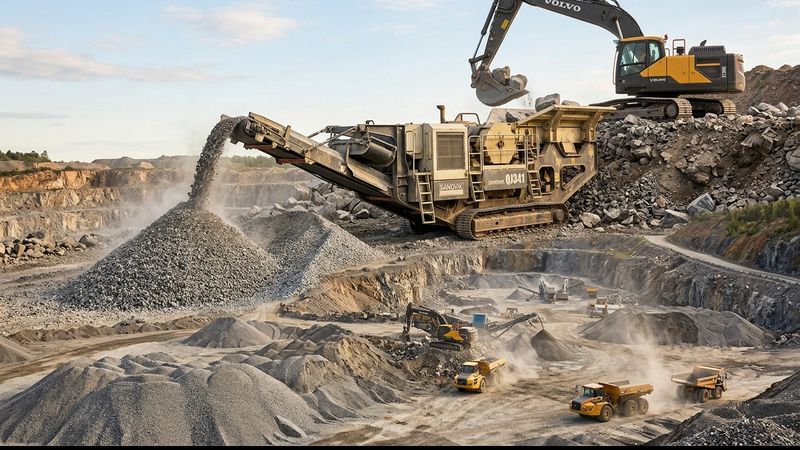
Excavators, bulldozers, cranes, concrete mixers, loaders, and other heavy construction machinery are among the most sought-after collateral in equipment lending. Their high values and strong resale markets make them attractive to lenders. A contractor with $500,000 in construction equipment on hand could access substantial working capital without taking on unsecured debt.
Commercial Vehicles and Fleet Assets
Semi-trucks, delivery vans, refrigerated trucks, dump trucks, flatbeds, and buses all serve as excellent collateral. Fleet vehicles depreciate in a predictable, well-documented manner, making them easier for lenders to value. Transportation and logistics businesses often use their fleets to secure lines of credit or term loans for operational needs.
Manufacturing and Production Equipment
CNC machines, injection molding equipment, industrial presses, lathes, conveyor systems, and packaging lines routinely serve as collateral for manufacturers seeking growth capital. These machines are expensive, durable, and have established secondary markets, which gives lenders confidence in their collateral value.
Medical and Healthcare Equipment
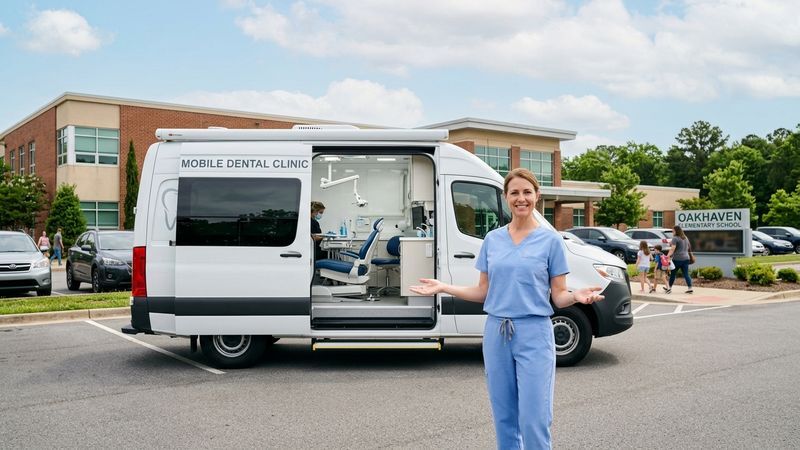
Dental chairs, X-ray machines, MRI systems, ultrasound units, and surgical equipment are high-value assets that work well as collateral. Medical equipment financing using existing assets as collateral is common among private practices and clinics looking to expand services or cover operational costs.
Restaurant and Food Service Equipment
Commercial ovens, refrigeration units, walk-in coolers, espresso machines, dishwashers, and POS systems can all serve as collateral. Restaurant owners frequently leverage their kitchen equipment to access capital for renovations, seasonal staffing, or opening new locations.
Technology and IT Infrastructure
Servers, telecommunications systems, data center hardware, specialized software systems, and networking infrastructure can qualify in many cases, though technology depreciates faster than physical machinery. Lenders typically offer lower LTV ratios on tech assets.
Agricultural Equipment
Tractors, harvesters, combines, irrigation systems, and other farm machinery are commonly used as collateral for agricultural loans. Farming businesses often use equipment equity to fund operating expenses between harvest seasons.
By the Numbers
Equipment Collateral Lending - Key Statistics
80%
of U.S. businesses use some form of financing for equipment acquisition
$1T+
in equipment financed annually in the U.S. (ELFA)
100%
financing available on new equipment with strong credit
24 hrs
typical funding time after approval at Crestmont Capital
Key Benefits of Using Equipment as Collateral
Using equipment as collateral is not just a fallback for businesses with weaker credit profiles. Even well-qualified businesses choose this route because of the distinct advantages it offers over unsecured financing:
Lower Interest Rates
Secured loans carry significantly lower interest rates than unsecured alternatives. When a lender holds a physical asset as security, the risk of total loss is dramatically reduced. This reduced risk passes through to the borrower in the form of lower borrowing costs. For long-term, large-dollar financing needs, this difference can save tens of thousands of dollars over the life of the loan.
Higher Loan Amounts
The value of your equipment determines how much you can borrow. A business with $1 million in machinery on its balance sheet can potentially access $700,000 or more in secured financing - an amount that would be difficult or impossible to secure through unsecured channels without significant revenue history and perfect credit.
More Flexible Qualification Requirements
Because the equipment mitigates the lender's risk, qualification requirements are often more flexible than for unsecured loans. Businesses with credit scores in the 550-620 range, shorter operating histories, or inconsistent revenue patterns can still qualify when they have valuable equipment to pledge. The asset speaks where the credit score may not.
Faster Approval and Funding
Equipment-collateral loans can often be approved and funded faster than SBA loans or traditional bank loans because the underwriting process is more straightforward. The equipment value is quantifiable, reducing the complexity of the credit decision. Many lenders, including Crestmont Capital, can approve and fund equipment-secured loans within 24-72 hours of application.
Retain Business Ownership and Cash Flow
Unlike equity financing, equipment-collateral loans let you access capital without giving up ownership shares or diluting equity. The loan is repaid over time from business revenues, preserving both ownership control and cash flow management flexibility.
Continue Using Your Equipment
A key advantage over selling equipment to raise cash is that you continue to use the equipment throughout the loan term. Your operations remain uninterrupted while the cash you needed goes to work in your business.
Pro Tip: If you own multiple pieces of equipment, you may be able to use a blanket lien on your equipment portfolio to access a larger loan than any single asset would support. Ask your lender about cross-collateralization options when applying.
Comparing Your Options: Equipment Collateral Loans vs. Other Financing
Understanding how equipment-collateral loans compare to alternatives helps you make the best decision for your situation:
| Feature | Equipment Collateral Loan | Unsecured Business Loan | Business Line of Credit |
|---|---|---|---|
| Interest Rates | 5-20% (lower risk) | 15-45% (higher risk) | 8-25% (variable) |
| Loan Amounts | Up to 100% of equipment value | Based on revenue/credit only | Based on creditworthiness |
| Credit Requirements | More flexible (550+) | Stricter (650+) | Moderate (600+) |
| Approval Speed | 24-72 hours | 1-7 days | 3-14 days |
| Collateral Required | Yes - equipment | No | Sometimes |
| Use of Funds | Any business purpose | Any business purpose | Revolving use |
Equipment-collateral loans stand out when a business has valuable assets on its balance sheet and needs a substantial lump sum for a specific purpose. Lines of credit work better for ongoing operational needs where flexibility is more important than a low rate on a single draw.

Qualification Requirements for Equipment-Collateral Loans
While requirements vary by lender, the following criteria apply broadly across the industry. Meeting most of these criteria puts you in a strong position for approval:
Equipment Value and Condition
The single most important factor is the appraised value and physical condition of the equipment. Lenders will want to verify age, make, model, hours of use (for machinery), mileage (for vehicles), maintenance records, and any existing liens. Equipment that is well-maintained, in working condition, and has a clear title with no encumbrances commands the best terms.
Business Operating History
Most lenders prefer businesses that have been operating for at least 6-12 months. Some specialty lenders will work with startups that have less than 6 months of history if the equipment value is substantial. Longer operating history correlates with lower perceived risk and better terms.
Credit Score
While equipment collateral provides significant cushion, credit scores still matter. Personal credit scores of 550 or above are typically the minimum threshold for most equipment-collateral lenders. Scores above 650 will secure better rates and terms. Business credit scores through Dun & Bradstreet, Experian Business, or Equifax Business are also factored in where available.
Revenue and Cash Flow
Lenders want assurance you can service the debt. Most require at least $50,000-$100,000 in annual revenue, though many work with businesses earning as little as $10,000/month. Three to six months of bank statements are the typical documentation requirement. Consistent, predictable cash flow is more important than peak revenue figures.
Down Payment (for Equipment Purchase Loans)
When using the loan to purchase new equipment, lenders may require a 10-20% down payment for borrowers with lower credit scores or shorter operating histories. Strong credit and business performance can eliminate the down payment requirement entirely.
Not Sure If You Qualify?
Our team at Crestmont Capital works with businesses across all credit profiles to find the right equipment financing solution. Get a free, no-obligation quote today.
Get Your Free Quote →How Crestmont Capital Helps You Get Funded
Crestmont Capital is the nation's #1 rated small business lender, and equipment-collateral financing is one of our core specialties. We work with businesses across every industry to structure equipment loans that deliver maximum capital at the best possible terms.
Our equipment financing programs cover new and used equipment purchases, with loan amounts ranging from $10,000 to over $5 million. We also offer equipment-backed working capital loans for businesses that own assets and need cash for other purposes.
For businesses that prefer not to take on ownership risk, our equipment leasing options provide access to equipment without the burden of collateral obligations at end-of-term. Our team can help you compare the total cost of ownership versus leasing to make the right decision for your balance sheet.
We also offer unsecured working capital loans and business lines of credit for businesses that need flexibility beyond what equipment-collateral loans provide. Our advisors help you structure a financing stack that supports both short-term needs and long-term growth.
Businesses with specific credit challenges can also explore our bad credit equipment financing programs, which are specifically designed to help business owners who have experienced financial setbacks access the capital they need to move forward.
Real-World Scenarios: Equipment Collateral Loans in Action
Understanding how equipment-collateral lending works in practice helps you see the full scope of its usefulness. Here are six representative scenarios across different industries:
Scenario 1 - Construction Contractor Needs Working Capital
A general contractor in Texas has $600,000 in excavation equipment fully paid off on his balance sheet. He wins a large commercial contract but needs $250,000 in working capital to cover payroll and materials before the first invoice is paid. He uses three of his excavators as collateral to secure a $250,000 term loan at 8.5% over 36 months. The equipment stays on-site and operational; he has the cash he needs within 48 hours of application.
Scenario 2 - Restaurant Owner Upgrades Kitchen
A restaurant owner in Chicago wants to add a commercial pizza oven and expand her delivery operations. She qualifies for $95,000 in equipment financing with the new equipment serving as its own collateral. The loan covers 100% of the equipment purchase, and she retains all working capital for day-to-day operations.
Scenario 3 - Medical Practice Refinances Equipment
A dental practice in Florida owns an imaging system and dental chair suite worth $400,000. The practice owner uses these as collateral to secure a $280,000 working capital loan to renovate the office, hire two new hygienists, and launch a patient referral marketing program. The loan terms are 10% over 48 months - far better than unsecured options would have offered.
Scenario 4 - Trucking Company Expands Its Fleet
A regional carrier in Ohio with 12 trucks wants to add 3 new semi-trucks. Using his existing fleet as additional collateral, he qualifies for 100% financing on the new trucks with a lower rate than his previous purchase, because the expanded collateral base reduces lender risk. The new trucks begin generating revenue within days of funding.
Scenario 5 - Manufacturing Firm Bridges a Revenue Gap
A Michigan manufacturer faces a 90-day gap between completing a production run and receiving payment from a large retailer. She uses her CNC machines as collateral for a $175,000 bridge loan, covering payroll and utilities. The loan is structured with a 6-month term, allowing full repayment once the retailer invoice clears.
Scenario 6 - Landscaping Company Buys New Equipment
A landscaping company in Arizona wants to expand into hardscaping and excavation work. The owner finances $120,000 in new equipment - a compact excavator and skid steer - using the newly acquired machines as collateral. His credit score is 592, which would have disqualified him from most unsecured loans, but the strong equipment value and 2 years of business history made approval straightforward.
Important: Equipment-collateral loans are secured obligations. Defaulting on the loan may result in the lender seizing your equipment. Always ensure your business can service the loan payments before borrowing, and work with a lender who structures the repayment terms around your actual cash flow cycle.
How to Get Started
Make a list of all equipment your business owns, including make, model, year, condition, and approximate market value. Check whether any existing liens are on the equipment (from prior financing).
Prepare 3-6 months of business bank statements, basic business financials, your equipment title or ownership documentation, and government-issued ID. Most lenders will also want proof of insurance on the equipment.
Submit your application at offers.crestmontcapital.com/apply-now. The application takes just minutes and our team will follow up to review your equipment and funding needs.
Once approved, review the loan terms, sign the agreement, and receive your funds - often within 24-48 hours of final approval. Crestmont Capital advisors will walk you through every step.
Frequently Asked Questions
What does it mean to use equipment as collateral for a loan?
Using equipment as collateral means pledging a piece of machinery, vehicle, or business asset as security for a loan. The lender places a lien on the equipment, giving them the right to seize and sell it if the borrower defaults. This reduces the lender's risk, which typically results in lower interest rates and more flexible terms than unsecured financing.
What types of equipment can be used as collateral?
Most business equipment qualifies as collateral including construction machinery, commercial vehicles, manufacturing equipment, medical devices, restaurant equipment, IT infrastructure, and agricultural machinery. The key factors are the equipment's appraised value, condition, age, and ease of resale in the secondary market.
How much can I borrow using equipment as collateral?
Loan amounts are typically 70-100% of the equipment's appraised value for new assets, and 50-80% for used assets. For example, machinery appraised at $200,000 could support a loan of $140,000-$200,000 depending on its age, condition, and the lender's policies. Lenders also factor in your business's revenue and creditworthiness when determining the final amount.
Can I get a loan using equipment I already own?
Yes. Using owned equipment as collateral for a working capital loan or term loan is a common financing strategy. The equipment does not need to be newly purchased - any equipment with clear title and verifiable value can be pledged. The proceeds of the loan can be used for any legitimate business purpose including payroll, expansion, inventory, or debt consolidation.
Does using equipment as collateral affect my ability to use it?
No. In most cases, your business continues to use the equipment normally throughout the loan term. The lender's lien is a legal claim on the asset - not physical possession. You can operate, maintain, and utilize the equipment as you always have while making regular loan payments. Ownership transfers back to you completely once the loan is paid off.
What credit score do I need to use equipment as collateral?
Most equipment-collateral lenders have a minimum credit score threshold of 550, though ideal borrowers have scores above 620. Even lower credit scores can qualify if the equipment value is high and the business has stable revenue. Crestmont Capital works with businesses across the credit spectrum and evaluates applications holistically - not just by credit score.
What happens if I default on an equipment-collateral loan?
If you default, the lender has the right to seize the collateral equipment and sell it to recover the outstanding loan balance. Any difference between the sale proceeds and the loan balance may still be owed by the borrower. If the equipment sells for more than the outstanding balance, the excess returns to you. It is critical to structure repayment terms that fit your cash flow to avoid default.
How quickly can I get funded using equipment as collateral?
Equipment-collateral loans are typically faster to process than SBA loans or traditional bank financing. Most private lenders, including Crestmont Capital, can approve applications within 24-48 hours and fund within 24-72 hours of approval. Expedited processing is available in some cases for urgent needs.
Is equipment collateral the same as equipment financing?
Not exactly. Equipment financing refers specifically to loans used to purchase equipment (where the new equipment serves as collateral). Equipment collateral loans can also refer to using existing, already-owned equipment as collateral for a separate loan that may be used for any purpose. Both structures involve equipment serving as security, but the intended use of funds differs.
Can I use multiple pieces of equipment to secure a larger loan?
Yes. Many lenders allow cross-collateralization, which means multiple assets are pledged as collateral for a single loan. This can significantly increase your borrowing capacity. A trucking company with 10 vehicles worth $1.5 million in total could potentially access $1 million or more through cross-collateralization. Ask your lender about this option during the application process.
Do I need to own the equipment outright to use it as collateral?
Most lenders prefer equipment with a clear title (no outstanding liens). However, if you have substantial equity in equipment that still carries a balance from prior financing, some lenders will accept it as collateral in a subordinate lien position, or may require that the prior lender be paid off from the new loan proceeds. Always disclose existing liens during the application process.
What interest rates can I expect on equipment-collateral loans?
Interest rates vary based on your credit profile, business financials, equipment type, and loan term. Well-qualified borrowers can access rates starting around 5-8% annually. Borrowers with lower credit scores or shorter business histories typically see rates in the 12-20% range. Rates on equipment-collateral loans are almost always lower than unsecured alternatives for the same borrower.
Is equipment-backed financing better than an SBA loan?
SBA loans offer lower rates for qualifying businesses, but they take longer to approve (often weeks or months) and have strict eligibility requirements. Equipment-collateral loans are faster, more flexible on credit, and easier to qualify for. For businesses that need capital quickly or do not meet SBA criteria, equipment-collateral financing is often the superior option. Many businesses use both over their lifetime.
What industries most commonly use equipment as loan collateral?
Construction, trucking and transportation, manufacturing, healthcare, agriculture, restaurants, and landscaping are among the most active industries for equipment-collateral lending. Any industry that relies on expensive machinery or vehicles - which is most industries - can benefit from using equipment equity to access capital.
How do I apply for an equipment-collateral loan with Crestmont Capital?
Applying is simple. Visit offers.crestmontcapital.com/apply-now and complete the short application form. You will need basic business information, details about the equipment you are using as collateral, and 3-6 months of bank statements. Our team will review your application and contact you within one business day to discuss your options and next steps.
Conclusion
Using equipment as collateral for a loan is one of the smartest financing strategies available to business owners who have invested in physical assets. It unlocks capital that would otherwise remain tied up in depreciating equipment, provides more favorable terms than unsecured alternatives, and keeps your operations running without disruption.
Whether you need to purchase new equipment, access working capital, bridge a cash flow gap, or fund a major expansion, equipment as collateral for a loan gives you leverage - in every sense of the word. The key is working with the right lender who understands equipment valuations, moves quickly, and structures terms around your actual business needs.
Crestmont Capital has helped thousands of businesses across the country access equipment-collateral financing efficiently and on terms that work. Our team understands the unique needs of every industry and every credit profile. We are ready to help you put your equipment equity to work.
Disclaimer: The information provided in this article is for general educational purposes only and is not financial, legal, or tax advice. Funding terms, qualifications, and product availability may vary and are subject to change without notice. Crestmont Capital does not guarantee approval, rates, or specific outcomes. For personalized information about your business funding options, contact our team directly.