Equipment upgrade financing gives business owners a structured path to replace aging machinery, adopt new technology, and keep operations running without depleting working capital. Whether you are a manufacturer facing production bottlenecks, a restaurant owner whose kitchen equipment is failing, or a contractor whose fleet is overdue for replacement, financing allows you to act now and pay over time.
This guide breaks down every major equipment upgrade financing option available in 2026, how to choose the right structure for your business, and exactly how to get approved and funded fast.
In This Article
- What Is Equipment Upgrade Financing?
- Why Businesses Finance Equipment Upgrades
- Types of Equipment Upgrade Financing
- How Equipment Upgrade Financing Works
- How to Qualify
- By the Numbers
- Industries That Benefit Most
- How Crestmont Capital Helps
- Real-World Scenarios
- Frequently Asked Questions
- How to Get Started
What Is Equipment Upgrade Financing?
Equipment upgrade financing is any loan, lease, or credit facility used to purchase, replace, or upgrade business equipment. Unlike general-purpose loans, this type of funding is specifically structured around the value and useful life of the asset being acquired. The equipment itself often serves as collateral, which can make approval easier and rates more competitive than unsecured loans.
Businesses use equipment upgrade financing to purchase everything from manufacturing machinery and commercial vehicles to IT hardware, medical devices, restaurant equipment, and agricultural implements. The financing can cover 100 percent of the equipment cost in many cases, including installation, shipping, and software licensing associated with the new asset.
At its core, equipment upgrade financing solves a fundamental business problem: critical equipment wears out, becomes obsolete, or needs replacement, but the capital to replace it outright is not always available. Financing bridges that gap while keeping monthly payments predictable and manageable.
Why Businesses Finance Equipment Upgrades Rather Than Paying Cash
Even businesses with sufficient cash reserves often choose to finance equipment upgrades for strategic reasons. Here are the most common:
- Preserve working capital: Spending $150,000 on a piece of machinery in one lump sum can wipe out months of operational flexibility. Financing spreads the cost while leaving cash available for payroll, inventory, and unexpected expenses.
- Access better equipment sooner: Waiting until you have saved enough to buy outright may mean operating with degraded equipment for years longer than necessary. Financing lets you upgrade immediately and capture efficiency gains right away.
- Predictable fixed payments: Monthly installment payments are easier to budget around than a single large capital expenditure that disrupts your cash flow planning.
- Leverage the equipment's productivity: If a $100,000 machine will generate an additional $40,000 per year in revenue, financing it at $2,000 per month means the equipment pays for itself through increased output.
- Keep credit lines open: Using dedicated equipment financing means your revolving business line of credit stays available for other operational needs.
Industry Insight: According to the Equipment Leasing and Finance Association (ELFA), approximately 79 percent of U.S. businesses use some form of financing when acquiring equipment. Financing is the norm, not the exception, across every major industry.
Types of Equipment Upgrade Financing
There is no single equipment loan. Multiple financing structures exist, each with different ownership implications, payment terms, and considerations. Understanding the options helps you choose the structure that fits your situation.
Equipment Loans (Term Financing)
An equipment term loan provides a lump sum that you use to purchase the equipment outright. You own the asset from day one, and the loan is repaid over a fixed term, typically 2 to 7 years, with monthly payments of principal and interest. When the loan is paid off, you own the equipment free and clear. This structure works best for equipment with long useful lives and high residual value.
Equipment Leasing
Equipment leasing lets you use the equipment in exchange for monthly payments without purchasing it. At the end of the lease term, you may have the option to buy the equipment at fair market value, return it, or renew the lease. Leasing is popular for technology and equipment that becomes obsolete quickly, because it allows upgrades without being stuck with depreciated assets. Equipment leasing can also offer lower monthly payments than a purchase loan for the same asset.
SBA 7(a) Loans for Equipment
Small Business Administration 7(a) loans can be used for equipment purchases and offer longer repayment terms up to 10 years for equipment, with government-backed guarantees that encourage lenders to approve businesses that might not qualify for conventional financing. SBA loans are well-suited for larger equipment upgrades requiring $150,000 or more, especially for established businesses.
Equipment Lines of Credit
Some lenders offer revolving credit lines specifically earmarked for equipment purchases. This structure is useful when you are upgrading multiple pieces of equipment over time, because you draw funds as needed rather than taking a lump sum. A business line of credit can serve a similar function for equipment-intensive businesses with ongoing upgrade needs.
Working Capital Loans for Equipment
While not equipment-specific, fast-approval working capital loans are sometimes used to bridge equipment upgrade costs when speed matters most. If a piece of critical production equipment fails unexpectedly, a 24-48 hour approval working capital loan may be the right tool, with refinancing into longer-term equipment financing to follow.
How Equipment Upgrade Financing Works
The process of obtaining equipment upgrade financing typically follows these steps:
- Identify the equipment: Get a vendor quote or invoice for the specific equipment you intend to purchase. Lenders will want this document to underwrite the loan amount.
- Apply with a lender: Submit your application with basic financial information. Most alternative lenders require 3-6 months of bank statements and a one-page application. Traditional banks and SBA lenders require more documentation.
- Underwriting and approval: The lender evaluates your creditworthiness, time in business, revenue, and the equipment's value. For equipment loans, the asset's useful life and resale value factor into the decision.
- Funding: Upon approval, funds are disbursed directly to the equipment vendor, or to you for reimbursement if you have already purchased the equipment.
- Repayment: You make fixed monthly payments over the agreed term. The equipment serves as collateral; failure to repay gives the lender the right to repossess it.
Speed Matters: Alternative lenders like Crestmont Capital can approve equipment upgrade financing in as little as 24 hours with funding in 2-5 business days. Traditional banks often take 4-8 weeks. If your equipment fails mid-production cycle, speed matters more than rate.
Ready to Upgrade Your Equipment?
Get equipment upgrade financing from the #1 business lender in the U.S. Fast approval, flexible terms. No obligation to apply.
Apply Now →How to Qualify for Equipment Upgrade Financing
Qualification criteria vary by lender and loan type. Here is what most lenders evaluate when reviewing equipment upgrade financing applications.
Credit Score
For conventional equipment loans, lenders typically prefer a personal credit score of 650 or above for the business owner. Some lenders will approve borrowers with scores as low as 580, particularly when the equipment has strong collateral value. SBA loans generally require 680 or above. For businesses with credit challenges, bad credit equipment financing options exist that focus more on cash flow than credit scores.
Time in Business
Most traditional lenders require at least 2 years in operation. Alternative lenders may approve businesses with as little as 6 months of operating history, though rates will be higher for newer businesses. Startups seeking equipment financing may need to explore SBA microloan programs or find lenders who specialize in early-stage companies.
Annual Revenue
Revenue requirements range widely. Some alternative lenders will work with businesses generating $100,000 or more annually, while SBA programs and traditional banks typically prefer $250,000 or above. The ratio of the loan amount to your annual revenue matters as much as the absolute number itself.
Equipment Type and Value
Lenders prefer equipment that holds its value over time. Machinery, vehicles, and medical equipment tend to be easier to finance than rapidly depreciating electronics. The loan amount is typically limited to 100 percent of the equipment's fair market value, and the lender will request a vendor quote or appraisal to confirm this figure.
Debt Service Coverage Ratio
Lenders calculate whether your business generates enough cash flow to service the new debt payment on top of existing obligations. A debt service coverage ratio of 1.25 or above is typically preferred, meaning your business generates $1.25 in cash flow for every $1.00 in debt service.

Equipment Upgrade Financing: By the Numbers
By the Numbers
Equipment Upgrade Financing in 2026
79%
of U.S. businesses use financing when acquiring equipment (ELFA)
$1.2T
in annual equipment financing volume in the United States
24 Hrs
Typical approval time with alternative lenders vs. 4-8 weeks at banks
100%
Equipment cost can be financed including installation and delivery
Industries That Benefit Most from Equipment Upgrade Financing
Equipment upgrade financing is relevant across virtually every sector of the economy, but some industries rely on it more heavily than others.
Manufacturing and Fabrication
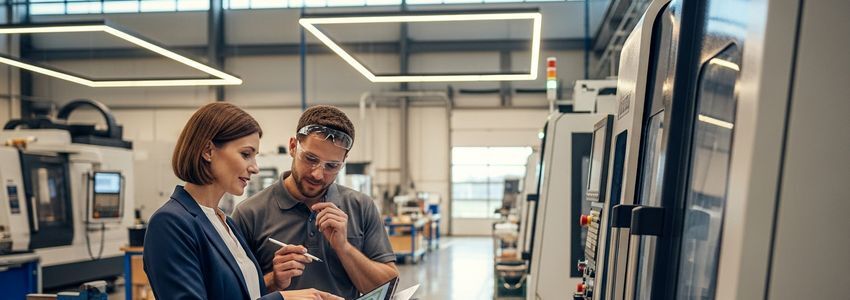
Manufacturers often operate with six- and seven-figure equipment investments on the floor at any given time. Aging CNC machines, welding equipment, stamping presses, and conveyors are replaced on regular schedules to maintain production quality and safety standards. Financing allows manufacturers to upgrade systematically without disrupting operations.
Construction and Heavy Contracting
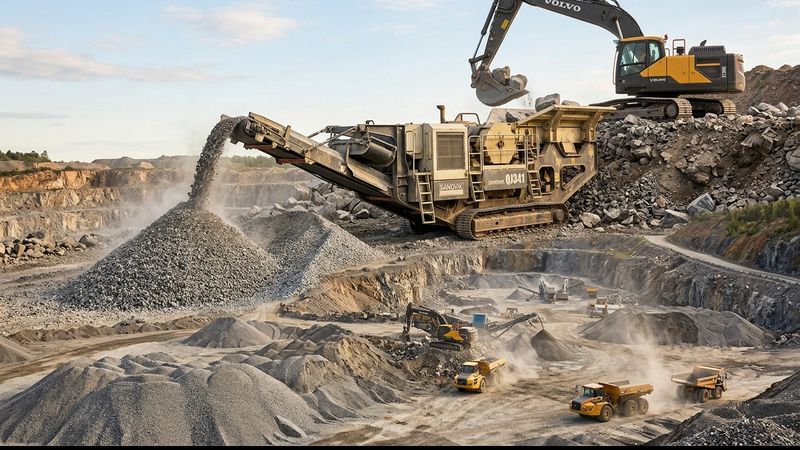
Excavators, bulldozers, cranes, and paving equipment represent enormous capital investments. Construction companies regularly finance equipment upgrades to replace worn equipment, expand fleet capacity for new contracts, or adopt newer equipment with better fuel efficiency and safety features. For a detailed look at this area, our guide on heavy equipment financing covers the full landscape.
Healthcare and Medical Practices
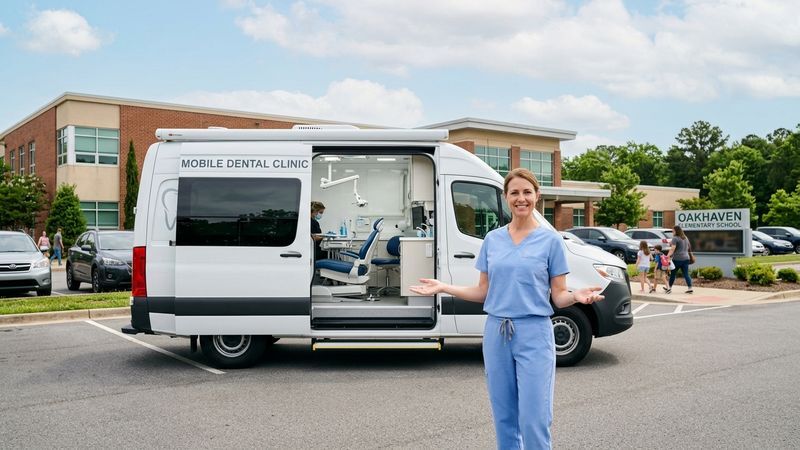
Diagnostic imaging machines, surgical equipment, dental technology, and laboratory instrumentation are expensive to purchase and require periodic replacement as technology advances. Financing allows healthcare providers to stay current with equipment without massive capital expenditures that strain practice finances.
Restaurants and Food Service
Commercial ovens, refrigeration systems, dishwashers, and POS systems need regular replacement in high-use food service environments. A failed walk-in cooler or commercial oven can shut down revenue generation within hours. Financing makes it possible to replace critical equipment quickly rather than waiting weeks for cash to accumulate.
Transportation and Logistics
Fleet vehicles depreciate over time, require increasing maintenance costs, and face regulatory compliance requirements that older equipment may not meet. Financing allows trucking companies, delivery services, and logistics providers to replace vehicles on schedule rather than running them past their optimal operating life.
Agriculture and Farming
Tractors, combines, irrigation systems, and precision agriculture technology are essential to farming operations and represent enormous capital requirements. Agricultural equipment financing programs give farmers access to new equipment while preserving working capital for seed, fuel, and operating costs.
How Crestmont Capital Helps You Finance Equipment Upgrades
Crestmont Capital is a direct business lender rated #1 in the U.S., offering flexible equipment upgrade financing to businesses across all major industries. Unlike banks, which often take weeks to process equipment loan applications and impose restrictive eligibility requirements, Crestmont Capital provides a streamlined approval process with funding as fast as 24-48 hours for qualified borrowers.
Whether you need to finance a single critical piece of equipment or an entire facility upgrade, Crestmont offers multiple financing structures tailored to your situation:
- Equipment term loans - Fixed monthly payments, own the asset from day one
- Equipment lines of credit - Draw as needed for ongoing upgrade programs
- Working capital bridges - Fast funding when equipment fails unexpectedly
- SBA loan programs - Government-backed options for larger upgrades
Our loan specialists understand that equipment upgrades are strategic business decisions. We work with each borrower to structure financing that matches your cash flow, upgrade timeline, and business objectives. Explore our equipment financing options or browse our full range of small business loans to find the right fit.
Need Equipment Financing Fast?
Crestmont Capital offers same-day decisions on equipment upgrade loans. Talk to a specialist and get funded in days, not weeks.
Get My Equipment Financed →Real-World Equipment Upgrade Financing Scenarios
Understanding how equipment upgrade financing works in practice helps clarify which structure is right for your situation.
Scenario 1: The Manufacturer with Outdated CNC Machinery
A metal fabrication shop in Ohio has been running the same CNC milling machines for 11 years. Maintenance costs have doubled over the past two years, and the machines are producing tolerances outside of specification for new automotive contracts the owner is trying to win. She needs $280,000 to replace two machines with modern CNC equipment. She applies for an equipment term loan through Crestmont Capital, is approved within 48 hours based on four years in business and $1.4M in annual revenue, and the new machines are installed within two weeks. Monthly payments of $4,800 over 60 months fit comfortably within her operating budget.
Scenario 2: The Restaurant Facing Equipment Failure
A New York City restaurant's walk-in refrigeration system fails on a Friday night before a weekend of full reservations. The replacement unit costs $38,000 installed. The owner applies online Saturday morning with bank statements, and has $40,000 in her account by Monday morning. She avoids losing $80,000 in weekend revenue by acting quickly. She refinances the balance into a lower-rate equipment loan six months later once operations stabilize.
Scenario 3: The Trucking Company Expanding Its Fleet
A regional trucking company in Texas has secured a new distribution contract that requires three additional semi-trucks. The owner does not want to deplete the company's $200,000 operating reserve on a $450,000 truck purchase. He finances the fleet expansion with a 5-year equipment term loan, keeping his cash reserves intact for fuel, driver payroll, and insurance during the ramp-up period for the new contract.
Scenario 4: The Dental Practice Technology Upgrade
A dental practice in Florida wants to add a cone beam CT scanner and digital X-ray system to improve diagnostic capabilities and attract new patients. The equipment package costs $175,000. The dentist finances through a healthcare equipment loan with a 7-year term, structured to align with the practice's monthly revenue cycle. The new technology enables the practice to bring in oral surgery referrals that previously went to specialists, increasing practice revenue by $22,000 per month.
Scenario 5: The Agricultural Operation Adopting Precision Technology
A Midwest corn and soybean farm wants to upgrade to GPS-guided precision planting and harvesting equipment to reduce seed waste and improve yield uniformity. The equipment upgrade costs $520,000. The operator secures an agricultural equipment loan with a 10-year term, projecting that the precision technology will save enough on inputs and increase yields to generate positive ROI within three growing seasons.
Scenario 6: The IT Services Company Upgrading Server Infrastructure
A managed IT services provider needs to replace its aging server infrastructure to support new clients and comply with updated data security regulations. The server upgrade costs $85,000. Rather than a traditional equipment loan, the company uses an equipment line of credit, drawing $40,000 immediately for the most critical servers and the remaining $45,000 six months later as client migration completes. This staged draw strategy saves interest costs compared to taking the full loan upfront.
Frequently Asked Questions
What is equipment upgrade financing?
Equipment upgrade financing is any loan, lease, or credit facility used to fund the purchase or replacement of business equipment. It allows businesses to spread the cost of equipment over time while gaining immediate access to updated technology and machinery. The equipment itself typically serves as collateral.
How much can I borrow for equipment upgrades?
Loan amounts range from $10,000 to $5 million or more depending on the lender and your financial profile. Most lenders will finance up to 100 percent of the equipment's fair market value. The maximum you qualify for depends on your business revenue, credit score, time in business, and the value of the equipment being purchased.
What credit score is required for equipment upgrade financing?
Most conventional lenders prefer a personal credit score of 650 or higher. Alternative lenders may approve applicants with scores as low as 580, particularly when the equipment has strong collateral value and the business has healthy revenue. SBA loans typically require 680 or above. Bad credit equipment financing options are available for borrowers with challenged credit.
What is the difference between an equipment loan and equipment leasing?
With an equipment loan, you own the equipment from day one and the loan is secured against the asset. At the end of the term, you own it outright. With a lease, you are paying for the right to use the equipment during the lease term, and at the end you can buy it, return it, or renew. Leasing typically has lower monthly payments but you do not build equity in the asset.
How fast can I get approved for equipment upgrade financing?
Alternative lenders like Crestmont Capital can approve equipment financing in as little as 24 hours with funding in 2-5 business days. Traditional banks typically take 4-8 weeks. SBA loans can take 4-12 weeks depending on the program and lender. If your equipment has failed or you face a time-sensitive upgrade, working with an alternative lender is almost always the faster path.
Can I finance used equipment upgrades?
Yes, most equipment lenders finance used equipment in addition to new. Used equipment financing often requires the equipment to be inspected and appraised to confirm its condition and fair market value. The equipment must typically be less than 10-15 years old and in good working condition. Rates may be slightly higher for used equipment than new due to additional collateral risk.
What documents do I need to apply for equipment upgrade financing?
Basic requirements typically include: a completed loan application, 3-6 months of business bank statements, a vendor quote or invoice for the equipment, business tax returns for the past 1-2 years, and identification for the business owner. Larger loan amounts may require profit and loss statements, balance sheets, and a business plan. The equipment quote is essential because lenders use it to determine the loan amount.
Is a down payment required for equipment upgrade financing?
Many equipment lenders will finance 100 percent of the equipment cost with no down payment required, particularly when the borrower has strong credit and the equipment has good collateral value. Some lenders require 10-20 percent down for higher-risk borrowers or for equipment that depreciates quickly. Down payment requirements vary by lender, equipment type, and your financial profile.
What interest rates should I expect on equipment upgrade financing?
Equipment financing rates vary based on your credit score, time in business, loan amount, and term. In 2026, well-qualified borrowers can expect rates ranging from 6-12 percent with traditional banks and 8-24 percent with alternative lenders. SBA equipment loans typically range from 7-10 percent. The equipment's value as collateral often allows for rates lower than unsecured business loans.
Can I finance an equipment upgrade if my business has bad credit?
Yes. Many lenders specialize in bad credit equipment financing, focusing on revenue and equipment value rather than credit scores alone. If your business generates consistent revenue, some lenders will approve equipment loans with personal credit scores as low as 550. Expect higher interest rates and potentially a down payment requirement.
What types of equipment can be financed?
Almost any type of business equipment can be financed, including manufacturing machinery, commercial vehicles, construction equipment, medical devices, restaurant equipment, agricultural machinery, IT infrastructure, and office equipment. Lenders may have restrictions on software-only purchases or equipment with very limited resale value.
How long are equipment upgrade loan terms?
Equipment loan terms typically range from 1-7 years for conventional lenders, with SBA 7(a) loans offering up to 10 years for equipment. Longer terms reduce monthly payments but increase total interest paid. Most lenders align the loan term with the equipment's expected useful life.
Can I refinance existing equipment debt?
Yes, equipment refinancing is available through many lenders. If you financed equipment at a high rate or need to extend the term to reduce monthly payments, refinancing can help. Equipment refinancing can also free up equity in paid-off equipment through a sale-leaseback structure.
Should I lease or buy equipment when upgrading?
Leasing is better when equipment becomes obsolete quickly and you want to upgrade regularly without being stuck with depreciated assets. Buying is better when the equipment has a long useful life, holds its value, and you prefer to build equity in the asset.
How do I compare equipment upgrade financing offers?
Compare offers using total cost of financing, not just interest rate or monthly payment. Calculate the total dollars you will repay over the life of the loan. Ask each lender for the APR, origination fees, prepayment penalties, and all other fees. Always read the full loan agreement before signing.
How to Get Started with Equipment Upgrade Financing
Obtain a formal quote or invoice for the equipment you intend to purchase. This is the primary document lenders use to underwrite your loan amount. Include all associated costs including delivery, installation, training, and warranty extensions.
Complete Crestmont Capital's quick application at offers.crestmontcapital.com/apply-now. You will need basic business information, recent bank statements, and the equipment quote. Most applications take less than 10 minutes.
A Crestmont Capital specialist will review your application and present available financing structures, including term loans, lines of credit, and SBA options. You choose the structure that fits your cash flow and business goals.
Once approved and documents are signed, funds are disbursed directly to your equipment vendor or to your business account. Most borrowers are funded within 2-5 business days of approval.
Conclusion
Equipment upgrade financing gives business owners the power to stay competitive, replace failing machinery, and adopt new technology without depleting working capital or waiting years to accumulate enough cash. Whether you choose an equipment term loan, a lease, an SBA loan, or a working capital bridge, the right structure depends on your business profile, the equipment you are purchasing, and your long-term financial goals.
The key to successful equipment upgrade financing is matching the loan structure to the asset and your cash flow. A 7-year loan for a machine with a 15-year useful life makes sense. A 5-year lease for technology that will be obsolete in 4 years also makes sense. What does not make sense is delaying a critical upgrade because capital is tied up when financing is available and affordable.
Crestmont Capital is here to help you navigate your equipment upgrade financing options. Our direct lending model means faster decisions, more flexible terms, and a financing partner who understands your business. Apply today and get a decision within 24 hours.
Disclaimer: The information provided in this article is for general educational purposes only and is not financial, legal, or tax advice. Funding terms, qualifications, and product availability may vary and are subject to change without notice. Crestmont Capital does not guarantee approval, rates, or specific outcomes. For personalized information about your business funding options, contact our team directly.