
 (800) 949-0401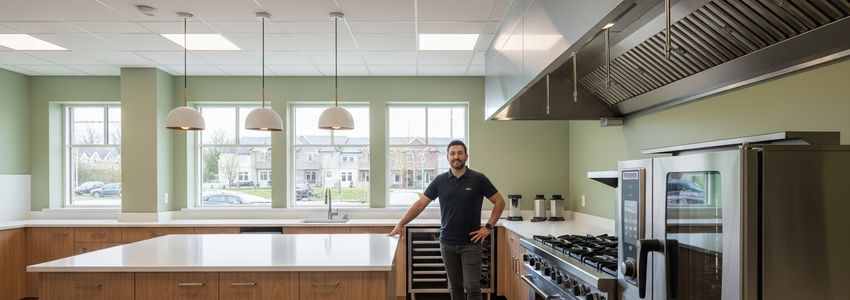
How a Startup Leveraged Equipment Leasing to Accelerate Growth: The Complete Guide for Entrepreneurs
Starting a business is expensive. From the first day you open your doors, you face a constant battle between the equipment you need to operate professionally and the capital you need to keep the lights on. For most startups, that tension resolves in one of two ways: they either delay necessary purchases until cash flow stabilizes, or they drain their working capital on equipment that ties up funds better used for hiring, marketing, and operations. Equipment leasing offers a third path, and for thousands of startups across every industry, it has been the funding strategy that made growth possible without the financial strain.
This guide breaks down exactly how startups can use equipment leasing to accelerate growth, the real numbers behind the decision, and how Crestmont Capital helps early-stage businesses access the equipment they need from day one.
In This Article
- What Is Equipment Leasing for Startups?
- Real-World Case Study: A Startup That Used Leasing to Scale
- Key Benefits of Leasing Equipment as a Startup
- How Equipment Leasing Works Step by Step
- Types of Equipment Leases for Startups
- Leasing vs. Buying: Side-by-Side Comparison
- Who Qualifies for Startup Equipment Leasing?
- How Crestmont Capital Helps Startups
- Real-World Scenarios by Industry
- How to Get Started
- Frequently Asked Questions
What Is Equipment Leasing for Startups?
Equipment leasing is a financing arrangement where a business uses equipment owned by a lender or leasing company in exchange for regular monthly payments over an agreed term. At the end of the lease, the business can typically choose to return the equipment, renew the lease, or purchase the equipment at a predetermined or fair-market value.
For startups, equipment leasing is not a workaround or a compromise. It is a deliberate financial strategy used by hundreds of thousands of businesses to acquire the tools they need without committing their entire cash reserve. The equipment you lease can be anything from commercial kitchen appliances and manufacturing machinery to vehicles, computers, diagnostic tools, and salon furniture.
Unlike a traditional loan where you borrow money and take ownership of the asset, a lease gives you access to the equipment without ownership. That distinction is critical for early-stage businesses because it lowers the capital commitment, preserves liquidity, and keeps options open as the business evolves.
Key Stat: According to the Equipment Leasing and Finance Association (ELFA), over 8 in 10 U.S. businesses use some form of equipment financing or leasing. For startups specifically, leasing is often the most accessible path because approval criteria tend to focus more on the equipment's value than the borrower's credit history.
Real-World Case Study: A Startup That Used Leasing to Scale
Consider a real-world scenario representative of what many Crestmont Capital clients experience. A new medical imaging center opening in a mid-size city needed an MRI machine, CT scanner, and supporting diagnostic technology to begin operations. Purchasing this equipment outright would have required roughly $1.4 million in upfront capital, depleting virtually all available startup funds before a single patient walked through the door.
Instead, the founders approached Crestmont Capital about a structured equipment lease. By leasing the imaging equipment over a 60-month term, their monthly outlay dropped to a manageable figure that could be covered by patient revenue within weeks of opening. The business retained the capital it needed for staffing, buildout, insurance, software systems, and marketing.
Within 18 months, the clinic had expanded to a second location. The original leased equipment remained in service, performing reliably under manufacturer maintenance contracts built into the lease. The company's balance sheet was clean, its cash position was strong, and the founders had avoided the equity dilution that would have come from taking on investors to fund the equipment purchase.
This story repeats across industries, from restaurant owners who lease commercial kitchen equipment rather than buy, to logistics companies that lease their first fleet of delivery vans, to construction firms that lease excavators and lifts for project-specific work.
By the Numbers
Equipment Leasing for Startups - Key Statistics
79%
Of U.S. businesses use equipment financing or leasing (ELFA)
$1T+
In business equipment financed annually across the U.S.
2-5 Days
Typical approval-to-funding timeline with Crestmont Capital
$0 Down
Many startup leases require little to no upfront payment
Key Benefits of Leasing Equipment as a Startup
Startup founders often focus on product development, customer acquisition, and team building. Equipment decisions tend to feel like logistical problems rather than strategic ones. But how you acquire your equipment directly shapes your cash position, your balance sheet, and your ability to respond to opportunities and setbacks. Here are the most important benefits of leasing over buying for startups.
Cash Flow Preservation
The most immediate benefit is that leasing replaces a large one-time capital outlay with a predictable monthly expense. That shift can mean the difference between a business that survives its first year and one that runs out of operating cash before achieving traction. Every dollar you avoid spending on equipment is a dollar available for payroll, inventory, customer acquisition, or unexpected costs.
Access to Better Equipment from Day One
Leasing lets startups access commercial-grade or enterprise-level equipment they could never afford to buy outright. A newly opened restaurant can lease professional ovens and refrigeration systems rather than starting with inferior consumer equipment that will need replacing soon anyway. A medical startup can access the diagnostic tools that patients expect without years of capital accumulation first.
Flexibility to Upgrade
Technology evolves. Equipment wears out. Markets shift. When you own equipment, you are locked into it until you can afford to sell and replace it. When you lease, you can often upgrade at the end of a term, keeping your operation running on current technology without a capital event every few years.
Balance Sheet Benefits
For many startups, maintaining a lighter balance sheet matters. Operating leases keep the asset off your books, which can improve financial ratios that investors, lenders, and landlords look at. While accounting standards have evolved, the strategic benefit of not having large fixed assets depreciate on your books remains relevant for many business structures.
Bundled Services and Maintenance
Many equipment leases include maintenance contracts, service agreements, or technology support. For startups that lack an internal maintenance team, this is an enormous operational advantage. Your equipment works, and when it does not, someone else fixes it without an unexpected bill hitting your budget.
Ready to Lease the Equipment Your Startup Needs?
Crestmont Capital works with startups across every industry to structure leases that fit your cash flow and your growth timeline. No obligation - apply in minutes.
Apply Now ->How Equipment Leasing Works Step by Step
Understanding the mechanics of equipment leasing helps startup founders negotiate better terms and avoid common pitfalls.
Quick Guide
How Startup Equipment Leasing Works - At a Glance
Determine exactly what equipment your startup requires, including specifications and vendor quotes.
Submit a lease application through Crestmont Capital, including basic financial and business information.
Get approved and review lease terms including monthly payment, term length, and end-of-lease options.
The leasing company purchases the equipment from your vendor and delivers it to your location.
Make predictable monthly payments throughout the lease term while running your business profitably.
The Lease Agreement
A lease agreement specifies the equipment being leased, the monthly payment amount, the lease term (typically 24 to 84 months), what happens at the end of the term, who is responsible for maintenance and insurance, and any early termination provisions. Before signing, carefully review the end-of-lease options, which typically include returning the equipment, purchasing it at fair-market value or a fixed price, or renewing the lease.
Documentation Required
Most equipment lease applications require basic business information, recent bank statements, a vendor invoice or quote for the equipment, and in some cases, financial statements. For startups with limited history, Crestmont Capital focuses heavily on the type and quality of equipment being leased, the strength of your business plan, and your ability to generate revenue from the equipment.
Types of Equipment Leases for Startups
Not all leases work the same way. The two primary types you will encounter are operating leases and capital leases (now classified as finance leases under modern accounting standards).
Operating Lease
An operating lease is typically a shorter-term arrangement where the lessee uses the equipment without any ownership rights or obligations at the end of the term. Monthly payments are lower because the lessor retains ownership and the residual value of the equipment. This works well for technology equipment, vehicles, and other assets that depreciate quickly or that you expect to replace regularly.
Finance Lease (Capital Lease)
A finance lease functions more like a loan. The lessee makes payments that cover most or all of the equipment's value, and at the end of the term, they typically have the option to purchase the equipment for a nominal fee (often $1). Monthly payments are higher than an operating lease but you build toward ownership. This works well for equipment that remains highly useful over many years and that you plan to keep long-term.
Fair Market Value Lease
This type of lease offers the most flexibility. At the end of the term, you can purchase the equipment at its current fair market value, return it, or lease newer equipment. Payments are generally lower than a $1 buyout lease because you are not covering the full asset value during the term.
Sale-Leaseback Arrangement
If your startup already owns equipment, a sale-leaseback allows you to sell it to a leasing company and then lease it back, converting a fixed asset into immediate cash you can deploy elsewhere in the business. This strategy has helped many growing companies unlock capital without disrupting operations.
Important: Crestmont Capital offers equipment leasing and equipment financing programs designed specifically for growing businesses, including startups that need flexible terms and lower barriers to entry than traditional bank leasing programs.
Leasing vs. Buying: Side-by-Side Comparison
The lease-vs-buy decision is one of the most consequential financial choices a startup makes. Here is a direct comparison to help you think through the decision clearly.
| Factor | Leasing | Buying (Cash or Loan) |
|---|---|---|
| Upfront Cost | Low or zero down payment | Full cost or large down payment required |
| Monthly Payment | Predictable fixed payment | Loan payment or no payment if buying outright |
| Equipment Ownership | None (option to buy at end of term) | Full ownership from day one |
| Upgrade Flexibility | Easy to upgrade at end of term | Must sell or write off old equipment first |
| Cash Flow Impact | Preserves working capital | Depletes reserves or requires loan approval |
| Balance Sheet | May stay off balance sheet (operating lease) | Asset and liability appear on balance sheet |
| Maintenance | Often included in lease agreement | Owner's responsibility, additional cost |
| Approval Requirements | Often more flexible for startups | Requires strong credit and financial history |
| Total Long-Term Cost | Higher if you intend to keep equipment long-term | Lower for equipment held many years |
Who Qualifies for Startup Equipment Leasing?
One of the most common misconceptions about equipment leasing is that it requires extensive business history and spotless credit. In reality, equipment leasing for startups operates on different criteria than traditional bank loans.
Business Age
Many lenders require two or more years in business for working capital loans or lines of credit. Equipment leasing programs frequently work with businesses that are much newer, sometimes only a few months old. Because the equipment itself serves as collateral, the lender's risk is partly offset by the tangible value of what you are leasing.
Credit Score
Strong personal and business credit helps you qualify for better rates and higher amounts, but it is not always a hard barrier. Many equipment leasing programs work with business owners who have scores in the 600s, particularly when the equipment is high-value, widely marketable, and from reputable manufacturers.
Revenue Requirements
For startup leases specifically, some lenders will waive minimum monthly revenue requirements if you are pre-revenue but have a clear business plan, industry experience, and a credible path to cash flow. This is particularly true for smaller equipment amounts under $50,000.
Industry Type
Most industries are eligible for equipment leasing. From restaurants and medical practices to construction firms, cleaning companies, gyms, salons, and technology businesses, Crestmont Capital works with startups in hundreds of categories. The primary exceptions are high-risk industries or businesses with certain regulatory issues.
Pro Tip: Startups often qualify for larger lease amounts than they expect. Because the equipment itself provides security, lenders can sometimes approve amounts that would be impossible to obtain through unsecured working capital loans or lines of credit. Ask about startup equipment financing options when you speak with a Crestmont Capital advisor.

How Crestmont Capital Helps Startups Access Equipment Leasing
Crestmont Capital is a U.S. business lender rated number one in the country for small business financing. We work with startups and established businesses across every industry to structure equipment leasing agreements that match their cash flow, growth timeline, and operational requirements.
What makes Crestmont Capital different for startups is the combination of flexible underwriting, speed, and breadth of equipment types we finance. While traditional banks often require years of financial statements, consistent profitability, and substantial collateral beyond the equipment itself, Crestmont Capital takes a more comprehensive view of each startup's potential.
A Dedicated Advisor for Every Client
When you apply through Crestmont Capital, you are not filling out a form and waiting for an automated decision. A dedicated financing advisor reviews your application, asks questions about your business model and equipment needs, and works to structure a lease that fits your specific situation. For startups, this personal attention can make the difference between approval and denial.
Multiple Lease Structures Available
We offer operating leases, finance leases, fair market value leases, and sale-leaseback arrangements. Our advisors help you understand the advantages of each structure given your financial situation, growth projections, and long-term intentions for the equipment.
Fast Approvals and Funding
Most equipment lease applications receive a decision within 24 to 48 hours. Funding and equipment delivery often happen within a week of approval. For startups in time-sensitive situations, such as pre-opening buildout deadlines or opportunity-driven purchases, this speed matters enormously.
You can explore your options through our equipment leasing page or apply directly at offers.crestmontcapital.com/apply-now.
Get Your Startup the Equipment It Needs Today
Apply with Crestmont Capital and get a decision in as little as 24 hours. We work with startups, businesses with limited credit history, and companies in every industry.
Apply Now ->Real-World Scenarios by Industry
Understanding how equipment leasing applies to your specific industry helps you think concretely about whether it fits your situation. Here are several common startup scenarios where leasing accelerates growth.
Restaurant Startup
A new restaurant needs commercial ovens, refrigeration units, prep equipment, dishwashers, and POS systems before opening day. Buying outright could cost $80,000 to $200,000 depending on the concept. Leasing those same assets through Crestmont Capital could reduce the upfront burden to near zero, with monthly payments structured around expected revenue. The owner opens on time, retains working capital for food costs and staffing, and focuses on building a customer base rather than recovering from a capital hole. Learn more about our restaurant equipment financing options.
Medical Practice Startup
A physician opening an independent practice needs examination tables, diagnostic equipment, computers, and potentially imaging technology. Leasing allows the practice to open fully equipped from the start, bill insurance from day one, and ramp revenue without depleting the investment capital needed for buildout, licensing, and malpractice insurance. Our medical equipment financing programs are designed specifically for healthcare providers at every stage.
Construction Company Startup
A general contractor starting their own firm needs excavators, lifts, or compactors to bid on projects. Buying a single excavator can cost $100,000 or more. Leasing allows the contractor to bid on and win projects with professional-grade equipment without a massive upfront investment, generating revenue that funds the business before any ownership transition is considered. Explore construction equipment financing options through Crestmont Capital.
Gym or Fitness Studio Startup
A fitness entrepreneur opening a new studio needs cardio machines, strength equipment, flooring, and software systems. Leasing the equipment lets them open a fully outfitted facility from day one, attract members with quality equipment, and use membership revenue to cover lease payments rather than burning through seed capital on depreciating assets. Our gym equipment financing programs support fitness startups nationwide.
Technology or Media Company
A media production startup needs cameras, editing systems, servers, and studio lighting. Leasing this technology equipment means staying current as technology evolves without being stuck with outdated gear after three years. For tech-intensive businesses, the ability to upgrade at the end of a term is particularly valuable.
How to Get Started
Complete our quick application at offers.crestmontcapital.com/apply-now - takes just a few minutes and requires no commitment.
A Crestmont Capital advisor will review your equipment needs and business situation, then structure a lease that fits your startup's specific cash flow and growth goals.
Once approved, equipment is delivered to your location - often within days. Start generating revenue immediately while preserving your capital for other priorities.
Frequently Asked Questions
Your Startup Deserves the Right Equipment from Day One
Crestmont Capital is the #1 business lender in the U.S. Apply now and let our specialists structure an equipment lease that works for your startup - fast, flexible, and built for growth.
Apply Now ->Conclusion
Equipment leasing is not a stopgap measure for startups that cannot afford to buy. It is a deliberate, strategic decision made by smart founders who understand that preserving working capital in the early stages of a business is just as important as having the right equipment. The startup that opens with the right equipment and $200,000 in the bank is in a far better position than one that opens with slightly better equipment and nothing left to operate.
For startups ready to stop waiting and start operating, equipment leasing through Crestmont Capital offers one of the clearest paths to having everything you need from day one. With flexible approval criteria, fast funding, and advisors who understand startup challenges, Crestmont Capital is the funding partner that helps early-stage businesses accelerate growth rather than delay it.
Disclaimer: The information provided in this article is for general educational purposes only and is not financial, legal, or tax advice. Funding terms, qualifications, and product availability may vary and are subject to change without notice. Crestmont Capital does not guarantee approval, rates, or specific outcomes. For personalized information about your business funding options, contact our team directly.








