
 (800) 949-0401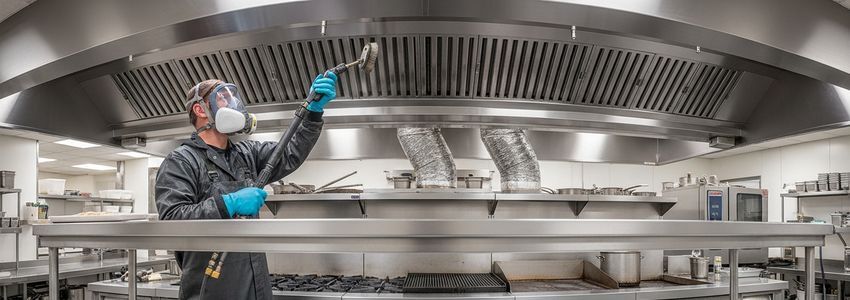
Hood Cleaning Business Loans: The Complete Financing Guide for Hood Cleaning Business Owners
If you run a commercial kitchen exhaust hood cleaning company, you already know this industry runs on fire code compliance, tight scheduling, and specialized equipment. What many hood cleaning business owners discover too late is that financing options designed for their niche can make or break their ability to grow, hire, and stay ahead of demand. Hood cleaning business loans give you the capital to scale your operation without waiting on slow invoice payments or draining cash reserves when a major opportunity arrives.
This guide covers everything you need to know about hood cleaning business loans, from the types of financing available to qualification requirements, how to choose the right product, and how Crestmont Capital can get you funded fast.
In This Article
- What Is Hood Cleaning and Why Does It Need Financing?
- Types of Hood Cleaning Business Loans
- How Hood Cleaning Business Financing Works
- Hood Cleaning Industry Statistics
- Equipment Financing for Hood Cleaning Companies
- How to Qualify for Hood Cleaning Business Loans
- How Crestmont Capital Helps Hood Cleaning Businesses
- Real-World Scenarios: When Hood Cleaning Businesses Need Loans
- Comparing Financing Options
- Frequently Asked Questions
- How to Get Started
What Is Hood Cleaning and Why Does It Need Financing?
Commercial kitchen exhaust hood cleaning is a fire-code mandated service industry. Every restaurant, hospital cafeteria, hotel kitchen, and institutional food service facility in the United States is legally required to have their exhaust hoods, fans, and ductwork professionally cleaned on a regular schedule. The National Fire Protection Association standard NFPA 96 governs these requirements, and failing to comply can result in fines, permit revocations, or catastrophic kitchen fires.
Hood cleaning companies operate in a recession-resistant niche. Restaurants and food service operations cannot legally stay open without complying, which means demand never truly disappears. But running a hood cleaning business still requires significant capital investment. Pressure washing rigs, chemical supplies, cleaning equipment, and vehicle fleets are expensive. Winning large commercial contracts sometimes means upfronting payroll and supplies weeks before the invoices get paid.
That gap between contract award and payment collection is exactly where hood cleaning business financing becomes essential. Without access to working capital or equipment loans, even a profitable hood cleaning operation can find itself unable to pursue growth.
Industry Requirement: According to NFPA 96, commercial kitchen hood systems must be cleaned quarterly, semi-annually, or annually depending on cooking volume. This creates a predictable, recurring revenue stream for hood cleaning companies that makes them excellent candidates for business financing.
Types of Hood Cleaning Business Loans
Hood cleaning business owners have access to a range of financing products. The right one depends on your specific need, whether you are buying equipment, bridging a cash flow gap, expanding your team, or growing into new markets.
Working Capital Loans
A working capital loan is designed for day-to-day operational expenses. Hood cleaning companies use these to cover payroll between large contracts, purchase chemical supplies in bulk, pay for vehicle maintenance, or handle unexpected operating costs. These loans typically fund quickly and do not require collateral.
Equipment Financing
Equipment financing helps you purchase pressure washing rigs, vacuum systems, rotary cleaning machines, hose reels, and specialized hood cleaning equipment without depleting your cash reserves. The equipment itself often serves as collateral, which makes approval easier even for businesses with less-than-perfect credit histories.
Business Lines of Credit
A business line of credit gives you flexible access to funds up to a set limit. You draw only what you need and pay interest only on what you use. This is ideal for hood cleaning businesses that face variable expenses or that experience seasonal fluctuations in contract volume.
Short-Term Business Loans
Short-term business loans deliver lump-sum funding repaid over a defined period, typically three to eighteen months. These work well for hiring a new cleaning crew, launching a marketing campaign, or handling a seasonal surge in demand without committing to long-term debt.
Small Business Loans
Traditional small business loans offer longer repayment terms and can fund larger capital needs. If your hood cleaning company is ready to open a second location, purchase a building, or make a significant fleet investment, a small business loan with a multi-year term may be the right fit.
SBA Loans
SBA loans are partially guaranteed by the Small Business Administration, which allows lenders to offer lower interest rates and longer repayment periods. They are ideal for established hood cleaning businesses with solid financial records looking to fund major growth initiatives. The tradeoff is a longer approval process compared to alternative lenders.
Invoice Financing
Hood cleaning businesses often work with large restaurant chains, school districts, and hospitality groups that pay on 30 to 60-day net terms. Invoice financing lets you borrow against those outstanding receivables so you can cover expenses now rather than waiting for payment.
Need Capital to Grow Your Hood Cleaning Business?
Crestmont Capital offers fast, flexible hood cleaning business loans with same-day decisions. Apply in minutes and get funded in as little as 24 hours.
Apply Now →How Hood Cleaning Business Financing Works
Applying for a hood cleaning business loan is a straightforward process when you work with the right lender. Here is what the typical process looks like from application to funding.
Quick Guide
How Hood Cleaning Business Loans Work
Complete a short online application with basic business and financial information. Most alternative lenders ask for 1-2 pages of information, not mountains of paperwork.
Lenders look at revenue, time in business, credit profile, and cash flow. Hood cleaning businesses benefit from predictable contract-based revenue, which lenders view favorably.
Within hours to days, depending on the lender and loan type, you receive a financing offer outlining the loan amount, interest rate or factor rate, term, and repayment structure.
After signing the agreement, funds are deposited directly into your business bank account. Alternative lenders like Crestmont Capital can fund in as little as 24 hours.
Hood Cleaning Industry Statistics
Understanding the size and scope of the hood cleaning industry helps put financing needs in context. This is not a niche service with limited demand. The commercial kitchen exhaust cleaning market serves hundreds of thousands of facilities across the United States, and that number grows every year as the food service industry expands.
By the Numbers
Hood Cleaning Industry at a Glance
1M+
Commercial food service establishments in the U.S. requiring hood cleaning
$1B+
Estimated annual revenue for the U.S. hood cleaning service market
4x
Frequency range for required cleanings per year based on NFPA 96 standards
90%+
Of kitchen fires that start from grease buildup in exhaust systems (NFPA data)
According to the U.S. Small Business Administration, fire prevention and facility maintenance services are among the most consistently funded categories for small business loans, given their compliance-driven demand and predictable revenue cycles. The U.S. Census Bureau reports that the number of food service establishments has grown steadily over the past decade, expanding the addressable market for hood cleaning companies every year.
Equipment Financing for Hood Cleaning Companies
Equipment is the backbone of any hood cleaning operation. Without reliable pressure washers, chemical injection systems, vacuum equipment, and service vehicles, you cannot deliver the level of cleaning required for NFPA 96 compliance. The challenge is that quality commercial-grade hood cleaning equipment is expensive, and replacing or adding to your fleet requires capital that many small businesses do not have sitting in reserve.
Equipment financing solves this problem by spreading the cost of equipment purchases over time. Instead of paying $30,000 to $80,000 upfront for a new cleaning rig or service truck, you make monthly payments that fit your cash flow. The equipment itself typically serves as collateral, which means the approval process is often faster and less stringent than unsecured business loans.
Common Equipment Hood Cleaning Businesses Finance
- Hot water pressure washers and cold water rinse systems
- Chemical supply tanks and injection systems
- Commercial wet-dry vacuum units for grease containment
- Rotary cleaning heads and flexible cable systems
- Service vans and box trucks with custom storage systems
- Ladder systems and access equipment for elevated ductwork
- Grease containment bags and collection systems
- Personal protective equipment in bulk
- Inspection cameras for verifying post-clean compliance
Pro Tip: When financing equipment for your hood cleaning business, consider purchasing income-generating assets that directly enable you to take on more contracts. A new service truck financed at $800 per month that allows you to add $5,000 in monthly recurring contracts has a clear and immediate return on investment.
How to Qualify for Hood Cleaning Business Loans

Qualification requirements vary by lender and loan type, but most alternative lenders use similar criteria to evaluate hood cleaning businesses. Understanding what lenders look for helps you position your application for the strongest possible outcome.
Time in Business
Most lenders require a minimum of six months to one year in business. Established hood cleaning companies with two or more years of operating history typically qualify for better rates and larger loan amounts. If you are a newer operation, focus on lenders that specialize in early-stage businesses or explore fast business loans designed for growing companies.
Monthly Revenue
Lenders want to see consistent revenue. Many alternative lenders require a minimum of $10,000 to $15,000 in monthly gross revenue. Hood cleaning companies benefit here because recurring service contracts create predictable monthly income, which lenders view positively when evaluating repayment ability.
Credit Profile
Your personal and business credit scores matter, but they are not the only factor. Alternative lenders weigh cash flow, revenue trends, and business health alongside credit scores. A business owner with a 580 credit score who runs a profitable hood cleaning company with consistent contracts may still qualify for meaningful financing. If your credit needs work, explore bad credit business loans as a starting point.
Bank Statements
Most lenders request three to six months of business bank statements. These statements reveal your actual cash flow patterns, average daily balance, and deposit frequency. Lenders use this information to verify revenue claims and assess repayment capacity.
Business Documentation
Standard documentation includes your business license, any required certifications (such as IKECA membership or state-specific hood cleaning certifications), proof of insurance, and sometimes a list of active service contracts. Having this documentation organized before you apply speeds up the process considerably.
How Crestmont Capital Helps Hood Cleaning Businesses
Crestmont Capital is rated the number one business lender in the country, and we specialize in getting capital to small and mid-size businesses quickly. For hood cleaning companies, that means understanding the seasonal nature of your business, the equipment-intensive cost structure, and the gap that often exists between contract execution and invoice payment.
We offer multiple financing products that align with the real operational needs of hood cleaning businesses. Whether you need working capital to bridge a slow month, equipment financing to add a third cleaning rig, or a line of credit to handle variable expenses, Crestmont Capital can structure a solution that fits your business model.
Many hood cleaning businesses come to us after being turned down by traditional banks. Banks often struggle to evaluate service businesses with recurring contract revenue because their underwriting models favor hard assets and long operating histories. At Crestmont Capital, we evaluate the full picture of your business health, not just a credit score and a balance sheet.
You can also explore our related financing guides for cleaning businesses, including our in-depth resource on commercial cleaning business loans, which covers related financing challenges facing service-industry companies. Restaurant owners who hire your services may find our restaurant business loans guide helpful for understanding how your clients think about their own financing.
Get Funded for Your Hood Cleaning Business Today
Apply with Crestmont Capital for fast decisions, flexible terms, and funding built for service businesses like yours. No obligation to apply.
Apply Now →Real-World Scenarios: When Hood Cleaning Businesses Need Loans
Hood cleaning business owners face specific situations where financing is not just helpful but often critical to seizing an opportunity or weathering a challenge. Here are some of the most common real-world scenarios where hood cleaning business loans make a direct impact.
Scenario 1: Winning a Large Restaurant Chain Contract
A hood cleaning company in Texas lands a contract to service 40 fast food restaurant locations across the state. The contract is worth $180,000 annually, but the first payment is not due until 60 days after service begins. The company needs to hire two additional cleaning technicians, purchase a new service van, and stock up on chemical supplies before the first job. A $50,000 working capital loan bridges the gap and lets the owner capitalize on a contract that could double the business's annual revenue.
Scenario 2: Emergency Equipment Replacement
A hood cleaning company's primary pressure washer breaks down mid-season. Replacing it costs $18,000, and waiting two to three weeks for insurance processing would mean canceling dozens of scheduled jobs and losing clients. An equipment loan or fast business loan delivers the funds in 24 to 48 hours, keeping the operation running without losing revenue or client relationships.
Scenario 3: Seasonal Cash Flow Shortfall
Hood cleaning volume tends to dip for some operators during slow periods when restaurant traffic is lower. Payroll, insurance, and vehicle lease payments do not pause during slower months. A business line of credit allows the owner to draw funds when needed and repay when contract volume picks back up, smoothing out the cash flow cycle without taking on unnecessary long-term debt.
Scenario 4: Geographic Expansion
A hood cleaning company based in Atlanta wants to expand into the Nashville market, where a competitor just closed. Setting up operations in a new city means leasing a service bay, hiring a crew, purchasing additional equipment, and covering marketing costs before the first check comes in. A $75,000 small business loan funds the expansion and lets the company move fast enough to capture market share before another competitor fills the vacuum.
Scenario 5: Building Business Credit
A newer hood cleaning company with 14 months of operating history and solid revenue decides to take a small working capital loan not because they desperately need the cash, but because responsibly managing loan repayments builds their business credit profile. In 12 months, they qualify for larger financing at better rates because they have a documented track record with a lender.
Key Insight: Hood cleaning companies have a structural advantage when applying for business loans. Because your work is legally mandated by fire codes, lenders see predictable, recurring demand in your revenue stream. This fire-code compliance driver makes your business model more attractive to lenders than discretionary service businesses that depend on optional consumer spending.
Comparing Financing Options for Hood Cleaning Businesses
Not every hood cleaning business loan is right for every situation. Understanding the differences between product types helps you select the financing option that best matches your need, timeline, and repayment capacity.
| Loan Type | Best For | Funding Speed | Term Range |
|---|---|---|---|
| Working Capital Loan | Payroll, supplies, cash flow gaps | 24-72 hours | 3-18 months |
| Equipment Financing | Pressure washers, trucks, tools | 2-5 days | 12-72 months |
| Business Line of Credit | Variable expenses, seasonal gaps | 1-3 days | Revolving |
| Short-Term Loan | Hiring, expansion, urgent needs | 24-48 hours | 3-12 months |
| SBA Loan | Large capital, lower rates | 30-90 days | Up to 25 years |
| Invoice Financing | Slow-paying commercial clients | 24-48 hours | Until invoice paid |
Frequently Asked Questions
How to Get Started
Complete our quick application at offers.crestmontcapital.com/apply-now in just a few minutes. No lengthy paperwork and no obligation.
A Crestmont Capital advisor will review your hood cleaning business needs and match you with the financing product that fits your situation best.
Receive your funds and put them to work - often within 24 hours of approval. Use your capital to take on more contracts, hire more staff, and build the hood cleaning operation you have been working toward.
Ready to Fund Your Hood Cleaning Business?
Join thousands of small business owners who trust Crestmont Capital for fast, flexible financing. Apply today and get a decision within hours.
Apply Now →Conclusion
Hood cleaning business loans give exhaust hood cleaning companies the capital they need to grow without waiting for cash flow to catch up with opportunity. Whether you need equipment financing to expand your fleet, working capital to bridge a gap between contract award and payment, or a business line of credit to handle the variable costs of a service business, the right financing product can make a meaningful difference in how fast you grow and how well you weather the slow periods.
The hood cleaning industry benefits from legally mandated demand, predictable recurring revenue from service contracts, and a customer base that cannot legally operate without your services. These factors make hood cleaning businesses favorable candidates for business financing, and lenders who understand the industry structure recognize that.
Crestmont Capital specializes in helping service businesses like yours access the funding they need quickly and efficiently. Apply today to find out what you qualify for, and take the next step toward building the hood cleaning operation you have worked hard to grow.
Disclaimer: The information provided in this article is for general educational purposes only and is not financial, legal, or tax advice. Funding terms, qualifications, and product availability may vary and are subject to change without notice. Crestmont Capital does not guarantee approval, rates, or specific outcomes. For personalized information about your business funding options, contact our team directly.








