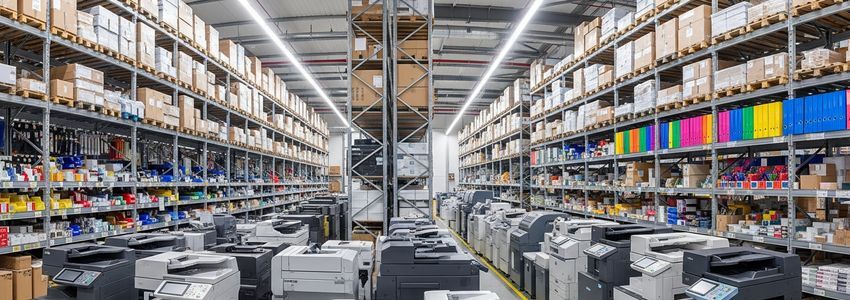
Equipment leasing is a powerful financial tool that enables small businesses across the United States to acquire critical assets without the immense capital outlay of an outright purchase. From construction excavators and medical imaging machines to restaurant ovens and IT servers, leasing provides the operational capacity necessary for growth and competition. It preserves working capital, offers potential tax advantages, and provides flexibility to upgrade technology as it evolves. For these reasons, a significant portion of all equipment acquired annually is done through leasing or financing.
However, this strategic advantage can quickly turn into a financial liability if you are not careful. The equipment leasing industry, while filled with reputable lenders, also contains providers who rely on complex contracts and obscure clauses to bolster their profits at the expense of their clients. These are the notorious hidden fees in equipment leasing-charges and obligations buried deep within the fine print that can dramatically inflate the total cost of your agreement. What appears to be an affordable monthly payment on the surface can become a burdensome obligation laden with unexpected costs that strain your cash flow and jeopardize your budget.
This comprehensive guide is designed to arm you, the small business owner, with the knowledge to navigate the complexities of equipment lease agreements. As the #1 rated U.S. business lender, Crestmont Capital is committed to transparency and empowering our clients. We believe a well-informed business owner is our best partner. We will dissect the most common hidden fees, explain the confusing jargon, and provide actionable strategies for identifying, questioning, and negotiating these costs before you sign. By understanding what to look for, you can ensure your next equipment lease is a true asset to your business, not a hidden drain on its resources.
In This Article
- What Are Hidden Fees in Equipment Leasing?
- The Most Common Hidden Fees to Watch For
- Deep Dive into Documentation Fees
- Navigating End-of-Lease Fees
- Uncovering Maintenance & Insurance Obligations
- The High Cost of Prepayment & Early Termination
- Understanding Rate Changes & Escalation Clauses
- How to Negotiate Hidden Fees
- How Crestmont Capital Provides Transparent Leasing
- Real-World Scenarios of Hidden Fees
- Your Next Steps to Secure a Fair Lease
- Frequently Asked Questions
- Conclusion
What Are Hidden Fees in Equipment Leasing?
The term "hidden fees" can be slightly misleading. In most cases, these charges are not literally invisible-they are technically disclosed within the multi-page lease agreement. The problem is that they are often buried in dense legal text, given innocuous-sounding names, or explained in a deliberately confusing manner. A hidden fee is any cost, charge, or financial obligation beyond the advertised monthly payment and stated buyout option that is not made explicitly clear to the lessee during the initial quoting and sales process.
The core issue is a lack of transparency. A leasing company might present a quote with a very attractive monthly payment, winning your business over competitors. However, that low payment is subsidized by a collection of ancillary fees that are only revealed once you are committed to the contract. These fees serve one primary purpose: to increase the lessor's profit margin on the deal. They can cover legitimate administrative costs, but they are frequently inflated well beyond the actual expense incurred by the leasing company.
Why do lessors use this tactic? It is a competitive strategy. By unbundling costs from the monthly payment, their initial offer appears more affordable. Less experienced business owners might compare two quotes based solely on the monthly payment, not realizing that the lower payment comes with thousands of dollars in additional fees over the life of the lease. This makes it absolutely critical to analyze the entire financial picture of a lease, not just the headline number. A thorough review of your equipment lease agreement is not just recommended-it is your primary defense against these costly surprises.
Avoid Hidden Fees with Transparent Financing
Get a clear, upfront quote from Crestmont Capital. See what your business qualifies for in minutes.
Apply NowThe Most Common Hidden Fees to Watch For
While the names and specifics can vary between leasing companies, a number of common fees appear regularly in equipment lease contracts. Understanding these upfront charges, recurring costs, and end-of-term surprises is the first step toward protecting your business. Here is a breakdown of the most prevalent fees you are likely to encounter.
Origination and Application Fees
This is often the very first fee you will encounter. An origination or application fee is a charge for processing your lease application and performing the initial underwriting. Lessors justify this fee as covering the cost of credit checks, financial statement analysis, and the administrative work required to set up the potential lease. While a reasonable fee for this service is understandable, it can sometimes be inflated. These fees typically range from $100 to $500 or more and are often non-refundable, meaning you will not get the money back even if your application is denied or you decide not to proceed. Always ask if this fee is refundable and under what conditions before submitting payment.
Documentation Fees
Closely related to origination fees, a documentation fee (or "doc fee") is a charge for preparing the lease contract and related paperwork. This can include drafting the master lease agreement, filing a UCC-1 financing statement to secure the lessor's interest in the equipment, and handling any necessary title work for vehicles. Like origination fees, doc fees are a standard part of the process, but their cost can vary wildly. A fee of a few hundred dollars might be reasonable, but some lessors charge excessive amounts that bear little resemblance to their actual costs, turning it into a significant profit center. We will explore this fee in more detail later.
Administrative Fees
This is perhaps the most ambiguous and frustrating fee for many business owners. An "administrative fee" is a catch-all charge that a lessor may add to each monthly invoice. The justification is that it covers the ongoing costs of managing your account, such as invoicing, payment processing, and customer service. However, these are standard operational costs for any lending business. When a separate administrative fee is charged, especially on a recurring basis, it is often pure profit for the lessor. Be highly skeptical of this fee and ask for it to be waived, as it can add up to a substantial amount over a multi-year lease term.
Interim Rent or Prorated Payments
Interim rent is one of the most common and misunderstood "gotchas" in equipment leasing. Most leases have a fixed start date for billing, such as the first of the month. However, your equipment may be delivered and put into service before that date. Interim rent is the fee charged for using the equipment during this "interim" period-the time between the delivery date and the official start of your lease term. The trap is that this rent is often not prorated. You could receive a piece of equipment on the 28th of the month and be charged a full month's rent for just a few days of use before your first official payment is due. Always clarify how interim rent is calculated and try to schedule delivery as close to the start of a billing cycle as possible.
Security Deposits
While a security deposit is not a hidden fee in itself, the terms surrounding it can be. A security deposit is an upfront payment, typically equal to one or two monthly payments, that the lessor holds as collateral. The critical questions to ask are: Is the deposit refundable? If so, under what exact conditions? And when will it be returned? Some agreements state that the deposit will be applied to the final payments of the lease, while others say it will be refunded within a certain number of days after the equipment is returned in good condition. Unscrupulous lessors may create vague return conditions or invent "damages" to justify keeping your deposit.
Property and Use Taxes
Business owners are often surprised to learn that they are responsible for paying property taxes on the equipment they are leasing, even though they do not technically own it. The lessor holds the title, but the lease agreement passes the tax liability on to you, the lessee. Typically, the lessor will pay the property tax to the relevant jurisdiction and then bill you for the amount. Where a hidden fee can emerge is when the lessor adds a "tax handling" or "administrative" fee on top of the actual tax bill. Similarly, your monthly lease payments are generally subject to state and local sales or use tax, which is added to your invoice and can increase your total payment by a significant percentage.
Late Payment Fees and Default Interest
Every contract will have penalties for late payments, but the severity of these penalties can be a hidden cost. Some lessors charge an exorbitant flat fee or a high percentage of the overdue amount. Worse, the contract might include a "default interest rate" clause. This means that if you are late on a single payment, the interest rate on the entire outstanding balance of the lease can skyrocket to a very high level (sometimes over 20%) for the remainder of the term. This can turn a minor, one-time issue into a long-term financial penalty.
Deep Dive into Documentation Fees
The documentation fee deserves special attention because it is nearly universal, frequently inflated, and often negotiable. While lessors have a legitimate need to cover the costs of preparing legal documents, the amount charged can often be a point of contention and a clear indicator of a lender's transparency.
What does a "doc fee" actually cover? Legitimate costs can include:
- UCC-1 Filing: A Uniform Commercial Code-1 financing statement is a legal form that a creditor files to give notice that it has an interest in the personal property of a debtor. This filing protects the lessor's rights to the equipment in case of default or bankruptcy. The state filing fees for a UCC-1 are typically nominal, often less than $100.
- Document Preparation: This involves the administrative time to generate the master lease agreement, schedules, and any other required paperwork. With modern software, this is largely an automated process.
- Title and Lien Searches: For titled equipment like vehicles or trailers, the lessor may perform searches to ensure the title is clear, adding a small administrative cost.
- Overnight Mail and Courier Services: The cost of sending physical documents for signature.
A reasonable documentation fee that reflects these actual costs might be in the range of $150 to $400. However, it is not uncommon to see lessors charge $500, $750, or even more. When the fee reaches these levels, it has moved beyond cost recovery and become a significant, non-negotiable profit source for the lender. It is a way to add hundreds of dollars to their bottom line on every single deal.
How can you address an excessive documentation fee? The first step is to question it directly. Ask your leasing representative for a specific breakdown of what the fee covers. If they cannot provide a clear and reasonable explanation, it is a red flag. You can and should attempt to negotiate this fee. State that you have received other quotes with lower or no documentation fees and ask them to match it or waive it to earn your business. A transparent lender who values your partnership will often be willing to reduce an inflated fee, while one who is reliant on it for profit will likely hold firm.
Navigating End-of-Lease Fees
The end of the lease term is one of the most dangerous periods for encountering unexpected and substantial costs. The language in the contract governing your options and obligations at maturity is critically important. A poorly understood end-of-lease clause can cost your business thousands of dollars.
Residual Value and Fair Market Value (FMV) Leases
The residual value is the estimated worth of the equipment at the end of the lease. In a Fair Market Value (FMV) lease, you have the option to purchase the equipment for its then-current market price. The hidden cost arises from how "fair market value" is determined. The lease agreement almost always gives the lessor the sole authority to determine this value, often through an appraiser of their choosing. This creates a conflict of interest. The lessor is incentivized to provide an inflated appraisal, forcing you to either pay more than the equipment is actually worth, enter into a costly new lease for the same old equipment, or abandon an asset that is critical to your operations.
Purchase Option and Titling Fees
Even in leases with a fixed purchase option, such as a $1 Buyout or a 10% Purchase Option lease, there can be hidden fees. The contract may stipulate a separate "purchase option fee" or "administrative fee" that must be paid to exercise your option. This could be a few hundred dollars simply for processing the paperwork to transfer the title. While you are technically buying the equipment for $1, a surprise $250 administrative fee can feel deceptive.
Return, De-installation, and Restocking Fees
If you choose not to purchase the equipment, you must return it. The contract will dictate the logistics and costs, which almost always fall on you, the lessee. These can include:
- De-installation Costs: The expense of professionally dismantling and removing the equipment from your facility.
- Crating and Packing Charges: The equipment must often be packed to specific, rigorous standards set by the lessor.
- Shipping and Freight Costs: You are typically responsible for arranging and paying for the transportation of the asset back to a location specified by the lessor, which could be across the country.
- Restocking Fees: Some lessors add a final restocking fee upon receiving the equipment.
These return costs can easily run into the thousands of dollars, a major expense that many business owners do not budget for at the end of the term.
Excessive Wear and Tear Charges
All lease agreements state that equipment must be returned in good condition, subject to "normal wear and tear." The problem lies in the subjective definition of "normal." A lessor can use this clause to bill you for any minor scratch, dent, or cosmetic issue, claiming it constitutes "excessive" wear. To protect yourself, it is vital to document the condition of the equipment with photos and video at the very beginning of the lease and again just before returning it.
Automatic Renewal (Evergreen) Clauses
This is one of the most predatory clauses in equipment leasing. An evergreen clause states that if the lessee does not provide written notice of their intent to terminate the lease within a specific window of time (e.g., between 90 and 180 days before the end of the term), the lease will automatically renew for an additional period, often a full year. This notification window is easily missed. A business owner who fails to send the proper notice on time can find themselves legally locked into another 12 months of payments for equipment they may have wanted to return or replace. This is a trap designed to extract extra payments from inattentive clients.
Uncovering Maintenance and Insurance Obligations
The total cost of using a piece of equipment extends beyond the lease payment itself. The contract will place specific obligations on you regarding the upkeep and protection of the asset, and failing to meet these can result in significant financial penalties.
Insurance Requirements
The lease agreement will require you to maintain comprehensive insurance on the equipment for the entire term, naming the lessor as "loss payee" and "additional insured." This protects their asset from damage, theft, or loss. The hidden cost emerges in the specific requirements. The lessor may mandate high coverage limits or special policy types that increase your insurance premiums. You must provide proof of this insurance to the lessor. If you fail to do so, the lessor has the right to implement "force-placed insurance."
Force-placed insurance is coverage that the lessor purchases on your behalf to protect their asset. While convenient, this type of insurance is notoriously expensive-often two to three times the cost of what you could secure on your own-and it only protects the equipment, offering no liability coverage for your business. The high premium for this force-placed policy is then billed directly to you, dramatically increasing your monthly outlay.
Maintenance and Repair Obligations
An equipment lease is typically a "net" lease, meaning you, the lessee, are responsible for all maintenance, service, and repairs required to keep the equipment in good working order. This is a significant operational cost that is entirely separate from your lease payment. If a critical component fails, the repair bill is yours to pay, even though you do not own the equipment. Some lessors may even require you to maintain a formal service contract with the manufacturer or an authorized dealer, adding another mandatory recurring expense for the duration of the lease.
Key Point: Under a typical equipment lease, the lessee bears all risks of ownership (maintenance, insurance, taxes) without holding the title. This is a crucial concept to understand when evaluating the total cost.
By the Numbers
Hidden Equipment Leasing Fees - Key Statistics
~80%
of U.S. businesses use some form of financing to acquire equipment, making lease terms a critical issue for millions of companies. (Source: ELFA)
15-20%+
Undisclosed fees, inflated residual values, and return costs can increase the total cost of a lease by this much over the initial quote.
90-180 Days
The typical notification window for terminating a lease with an evergreen clause. Missing this narrow window can trigger a costly automatic renewal.
$500+
Inflated documentation and administrative fees can add hundreds of non-negotiable profit dollars to a lessor's bottom line on a single deal.
The High Cost of Prepayment and Early Termination
Many business owners assume a lease operates like a traditional loan: if your business does well, you can pay it off early to save on interest. This is a dangerous and incorrect assumption. Equipment leases are structured very differently, and attempting to end one ahead of schedule is almost always a costly proposition.
An equipment lease is a non-cancelable contract for a specified term. The lessor has calculated their total profit based on receiving every single payment over that full term. If you try to terminate early, they will use contractual clauses to ensure they still receive their full expected profit, and sometimes even more.
Early Termination Penalties
The penalty for early termination is typically severe. Most lease agreements will require you to pay the sum of all remaining monthly payments immediately. In some cases, there may be an additional penalty fee on top of this amount. There is usually no discount for paying in a lump sum; you are simply paying for the entire future value of the lease today. This means there is often zero financial benefit to terminating the lease early.
Yield Maintenance and Make-Whole Provisions
More sophisticated contracts may include "yield maintenance" or "make-whole" clauses. These are complex formulas designed to calculate a final payoff amount that guarantees the lessor the same financial yield (rate of return) they would have achieved if you had made all payments on schedule. This calculation involves discounting the remaining lease payments to their present value using a specific interest rate (often tied to U.S. Treasury yields) and then adding that to the outstanding balance. The result is a payoff amount that is often close to-or even greater than-the simple sum of the remaining payments.
Understanding Rate Changes and Escalation Clauses
The monthly payment you are quoted may not be the payment you make for the entire life of the lease. Certain clauses can allow for payment amounts to change, introducing unpredictability into your budget.
Fixed vs. Variable Rates
Most equipment leases have a fixed payment, which is ideal for budgeting. However, some leases are based on a variable or floating interest rate. This rate is tied to a financial index, such as the Prime Rate. The contract will state that your payment is based on the index plus a certain margin (e.g., Prime + 4%). If the index goes up, your monthly payment will increase automatically. In a rising interest rate environment, as has been reported by outlets like Reuters, a variable rate lease can become significantly more expensive over time, a risk that many businesses cannot afford to take.
Annual Escalation Clauses
An escalation clause is a provision that pre-schedules payment increases over the lease term. For example, the contract might state that your monthly payment will increase by 3% every year on the anniversary of the lease. Lessors use this to offer a lower, more attractive payment in the first year. Business owners may focus on that initial low number without calculating the total cost over the full term. While the increases are disclosed in the contract, they are often overlooked, leading to surprise payment hikes down the road. An escalating payment structure almost always results in a higher total cost compared to a straightforward fixed-payment lease.
| Fee Type | Typical Cost | When It's Charged | Key Consideration |
|---|---|---|---|
| Origination/Application Fee | $100 - $500+ | Upfront, with application | Often non-refundable, even if denied. |
| Documentation Fee | $200 - $750+ | Upfront, before funding | Highly variable and often inflated; a key point for negotiation. |
| Interim Rent | Varies (can be a full month's payment) | Between equipment delivery and first official payment | Confirm if it's prorated or a full payment for a partial period. |
| End-of-Term Return Fees | $500 - $5,000+ | At lease maturity if you return the equipment | Includes shipping, crating, de-installation. Get estimates. |
| Excessive Wear & Tear | Varies greatly | After equipment is returned and inspected | Subjective definition. Document equipment condition thoroughly. |
| Late Payment Fee | 5-10% of payment or flat fee | After payment due date | Check for default interest clauses that apply to the entire balance. |
Get a Lease That Works For You, Not Against You
Our experts help you structure financing with clear terms and no surprises. Start your application today.
Apply Now
How to Negotiate Hidden Fees
You are not powerless against these fees. Many of them are negotiable, especially if you have good credit and are working with a lessor who values your business. Preparation and a willingness to ask questions are your best tools.
- Request a Full Fee Schedule Upfront: Before you even commit to an application, ask the leasing company to provide a written list of all potential fees associated with the lease, from origination to termination. A transparent lender will have no problem providing this.
- Question Every Line Item: Go through the quote and the lease agreement and question every single fee. Ask "What is this for?" and "How is this amount calculated?" Do not accept vague answers like "It's our standard fee." Press for specifics.
- Challenge Inflated Doc and Admin Fees: These are often the most negotiable. State that the fee seems high compared to the actual work involved and ask for it to be reduced or waived entirely. Point out that this is a cost of doing business for them.
- Leverage the Competition: The most powerful negotiation tactic is to have competing offers. Get quotes from at least two or three different lenders. If one company has a $750 doc fee and another has a $250 fee, you can use that to pressure the first company to lower theirs.
- Clarify End-of-Lease Terms: Do not wait until the end of the lease to understand your obligations. Negotiate these terms upfront. For an FMV lease, ask for a cap on the purchase price or a provision for a neutral, third-party appraiser. For any lease, get the return conditions in writing and clarify who pays for shipping.
- Ask to Strike Out the Evergreen Clause: Many lessors will agree to remove the automatic renewal clause if you ask. At a minimum, negotiate for a more reasonable notification period, such as 30-60 days, and require that they send you a written reminder before the notification window opens.
- Get Everything in Writing: Any concession, waiver, or change you negotiate must be reflected in the final lease agreement you sign. Verbal promises from a salesperson are not legally binding. If it is not in the contract, it did not happen.
How Crestmont Capital Provides Transparent Leasing
At Crestmont Capital, we have built our reputation as the #1 rated U.S. business lender by prioritizing transparency and client success. We view our relationship with you as a long-term partnership, not a one-time transaction. Our approach to equipment leasing is fundamentally different from lenders who rely on hidden fees.
Upfront Transparency: From your very first quote, we clearly disclose all costs associated with your financing. Our proposals itemize any fees so you can see the full picture and make an informed decision. There are no surprises and no fine print traps.
Dedicated Funding Advisors: When you work with Crestmont, you are assigned a dedicated funding advisor. This is your single point of contact who will walk you through every step of the process. They will take the time to explain the common equipment leasing terms, answer all your questions about the agreement, and ensure you are comfortable and confident before you sign.
Flexible and Clear Structures: We offer a variety of financing solutions, including true leases and equipment financing agreements (also known as a capital lease or $1 buyout lease). We help you choose the structure that best aligns with your business goals, whether that is low monthly payments or building equity for ownership. Our end-of-term options are clearly defined from the start.
A Holistic Financial Partnership: We understand that your business needs go beyond a single piece of equipment. We offer a full suite of funding solutions, including a flexible business line of credit, to support your ongoing operational and growth needs. Our goal is to be the financial partner you can rely on for all your capital requirements.
Our straightforward application process and commitment to education are designed to demystify business financing and empower you to make the best choices for your company's future.
Real-World Scenarios: The Financial Impact of Hidden Fees
To understand the tangible impact of these fees, let's look at a few realistic scenarios that business owners face.
Scenario 1: The Interim Rent Trap
The Business: A new cafe, "The Daily Grind," leases a $40,000 espresso machine and grinder package. Their monthly lease payment is set at $950, due on the 1st of each month.
The Situation: The equipment is delivered and installed on June 10th. The cafe owner assumes their first payment of $950 is due on July 1st. However, a week before July 1st, they receive a surprise invoice for $950 for "interim rent" to cover the period from June 10th to June 30th. The contract did not prorate this charge.
The Hidden Cost: $950. The cafe effectively paid a full month's rent for only 20 days of use, an unexpected hit to their opening cash flow.
Scenario 2: The Inflated FMV Buyout
The Business: "Apex Construction" leases a $120,000 backhoe on a 48-month FMV lease. They project that the machine's true market value will be around $40,000 at the end of the term, a price they are prepared to pay.
The Situation: At the end of the 48 months, Apex informs the lessor they wish to purchase the backhoe. The lessor hires an appraiser who, without any negotiation, values the equipment at $55,000. Apex knows this is well above the actual auction value for a machine of its age and hours.
The Hidden Cost: $15,000. Apex is now faced with a difficult choice: pay $15,000 more than the equipment is worth, try to find and finance a replacement machine quickly (disrupting operations), or enter a costly renewal on the old equipment.
Scenario 3: The Evergreen Clause Nightmare
The Business: A medical clinic, "Wellspring Health," leases a specialized $80,000 diagnostic machine on a 36-month lease. The monthly payment is $2,500.
The Situation: The clinic manager plans to return the machine at the end of the lease and upgrade to a newer model. The lease agreement contains an evergreen clause requiring written notice of termination no less than 90 days and no more than 180 days before the lease ends. The manager, busy with daily operations, misses this six-month window. They send the notice 60 days before the end date, only to be told the lease has already automatically renewed for another 12 months.
The Hidden Cost: $30,000 (12 additional payments of $2,500). The clinic is now stuck paying for an entire extra year on a machine they no longer wanted, preventing them from acquiring the new technology they needed.
Your Next Steps to Secure a Fair Lease
Navigating the equipment leasing process successfully requires diligence and a proactive approach. Follow these steps to protect your business from hidden fees and secure a financing agreement that truly works for you.
- Demand a Full Written Quote: Do not proceed with any lender based on a verbal quote or a simple monthly payment number. Insist on a detailed, written proposal that itemizes the equipment cost, term, monthly payment, purchase option, and a full schedule of all potential fees.
- Read the Master Lease Agreement-Twice: This is non-negotiable. You must read the entire contract, not just the payment schedule. Pay special attention to the sections on fees, insurance, maintenance, default, end-of-term options, and return conditions. Highlight anything you do not understand.
- Create a Fee Checklist: Use this article as a guide to create a checklist of fees to ask about. Go down the list with your leasing representative and have them confirm in writing which fees apply to your agreement and their exact costs.
- Consult with Professionals: Before signing, have your accountant or attorney review the lease agreement. Their professional eye can catch problematic clauses or financial implications that you might miss. An hour of legal fees can save you thousands of dollars in the long run.
- Partner with a Transparent Lender: The easiest way to avoid hidden fees is to choose a lending partner who does not use them. Select a company like Crestmont Capital that has a proven reputation for transparency, excellent customer service, and straightforward terms.
Ready for a Transparent Financing Partner?
Don't let hidden fees derail your business growth. Apply with Crestmont Capital for a clear, straightforward equipment lease.
Apply NowFrequently Asked Questions
What is the most common hidden fee in equipment leasing?
While many fees are common, inflated documentation fees and interim rent are two of the most frequent surprises for business owners. End-of-lease fees, such as excessive wear and tear charges and high return costs, also represent a significant and often overlooked financial risk.
Are documentation fees negotiable?
Yes, absolutely. Documentation fees are often highly negotiable, especially if they seem excessive (e.g., over $500). Use competing offers as leverage and do not hesitate to ask for the fee to be reduced or waived entirely as a condition of signing the lease.
What is an evergreen clause and how can I avoid it?
An evergreen clause automatically renews your lease for an additional term (often one year) if you fail to give proper termination notice within a specific, narrow timeframe. To avoid it, ask the lessor to remove the clause from the contract before you sign. If they refuse, diarize the notification window and send your notice via certified mail as soon as the window opens.
How is "Fair Market Value" (FMV) determined at the end of a lease?
Typically, the lease agreement gives the lessor the sole right to determine the FMV. They may use an in-house appraiser or a third party of their choosing. This creates a potential conflict of interest. To protect yourself, try to negotiate for a provision that allows for a neutral, third-party appraiser if you dispute the lessor's valuation.
Can I pay off my equipment lease early?
While you can technically pay the remaining balance, it rarely saves you money. Leases are non-cancelable contracts, and the typical payoff amount is the sum of all remaining payments, sometimes plus a penalty. There is no interest savings like there is with a traditional loan.
Who is responsible for repairs and maintenance on leased equipment?
The lessee (the business owner) is almost always responsible for all maintenance and repairs needed to keep the equipment in good working condition. This is a significant cost of use that is not included in the monthly lease payment.
What happens if I'm late on a lease payment?
You will be charged a late fee, which is typically a percentage of the payment or a flat dollar amount. More importantly, check your contract for a "default interest" clause, which could apply a much higher interest rate to your entire remaining balance after just one late payment.
Is interim rent legal?
Yes, if it is stipulated in the lease agreement you sign, it is a legal and enforceable charge. The key is to be aware of it before you sign and to understand how it is calculated (prorated daily or a full month's charge).
Do I have to pay property taxes on equipment I'm just leasing?
Yes, virtually all equipment lease agreements pass the responsibility for property taxes on to the lessee. The lessor will typically pay the tax and then bill you for reimbursement, sometimes with an added administrative fee.
How can I protect myself from excessive wear and tear charges?
Documentation is your best defense. Take detailed photos and videos of the equipment from all angles upon delivery, noting any existing cosmetic damage. Do the same thing just before you return it. This evidence can be invaluable in disputing unfair charges.
What is a UCC-1 filing fee?
A UCC-1 filing is a public notice that the lessor has a security interest in the leased equipment. The fee is the cost charged by the state to record this notice. The actual state filing fee is usually small, but it is often bundled into a larger, inflated "documentation fee" by the lessor.
Should I choose a lease with a fixed or variable rate?
For most small businesses, a fixed-rate lease is far superior. It provides a predictable, stable monthly payment that makes budgeting and cash flow management much easier. A variable rate introduces uncertainty and risk, as your payments could rise unexpectedly with market conditions.
What is the difference between a lease and equipment financing?
A true lease (like an FMV lease) is a rental agreement where the lessor retains ownership. Equipment financing (like a $1 buyout lease) is a loan where you build equity and are intended to own the equipment at the end. Financing agreements typically have fewer end-of-term fee surprises but may have higher monthly payments.
Why do I need a lawyer to review a simple lease agreement?
Equipment lease agreements are complex legal contracts drafted to protect the lessor's interests, not yours. An attorney can identify predatory clauses, ambiguous language, and unfavorable terms that you might overlook, potentially saving you thousands of dollars and significant legal trouble later.
How do I find a transparent equipment leasing company?
Look for lenders with strong positive reviews, a long history in the business, and a willingness to answer all your questions directly. A transparent lender like Crestmont Capital will provide clear, itemized quotes and have dedicated advisors to walk you through the contract. Be wary of any company that pressures you to sign quickly or is evasive about fees.
Conclusion
Equipment leasing remains an invaluable strategy for small businesses to grow and thrive. However, the potential benefits can be quickly eroded by a contract filled with hidden fees and one-sided clauses. The key to successful leasing is not to avoid it, but to approach it with diligence, skepticism, and a thorough understanding of the total cost of the agreement. Your monthly payment is only the beginning of the story. By scrutinizing documentation fees, clarifying end-of-lease obligations, and questioning every ambiguous charge, you transform yourself from a passive signatory into an empowered negotiator. Partnering with a lender like Crestmont Capital, who builds their business on transparency and trust, ensures that your focus can remain where it belongs: on using your new equipment to drive your company forward.
Disclaimer: The information provided in this article is for general educational purposes only and is not financial, legal, or tax advice. Funding terms, qualifications, and product availability may vary and are subject to change without notice. Crestmont Capital does not guarantee approval, rates, or specific outcomes. For personalized information about your business funding options, contact our team directly.