
 (800) 949-0401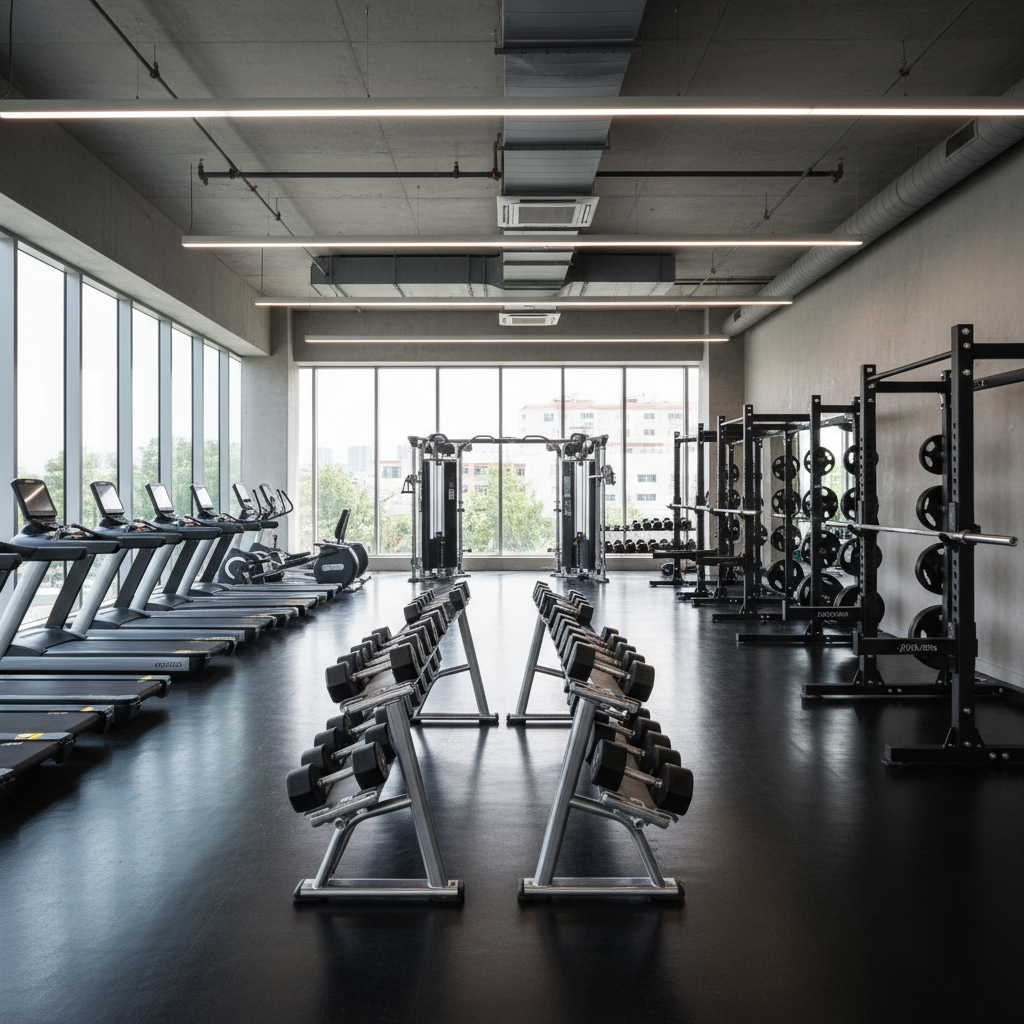
Gym Equipment Financing: The Complete Guide for Fitness Business Owners
Gym equipment financing is the strategy fitness business owners use to acquire the machines, weights, cardio equipment, and technology they need without draining their cash reserves. Whether you are opening your first location, upgrading an aging equipment fleet, or expanding into a second facility, understanding your financing options can be the difference between a thriving gym and one that struggles under the weight of a single large purchase.
The fitness industry in the United States is a multi-billion-dollar market that continues to grow each year. According to data from the U.S. Census Bureau, fitness and recreational sports centers represent one of the fastest-growing categories of small business investment. But building a competitive gym requires serious capital - commercial treadmills, ellipticals, squat racks, cable systems, free weights, rowing machines, and cardio theaters can easily run $100,000 to $500,000 or more for a full outfitting. That is where gym equipment financing comes in.
This guide covers everything you need to know: how financing works, what types of programs are available, who qualifies, and how to use funding strategically to build a world-class fitness facility.
What Is Gym Equipment Financing?
Gym equipment financing refers to any funding arrangement that allows a gym owner to acquire fitness equipment by spreading the cost over time rather than paying the full purchase price upfront. Instead of tying up tens of thousands of dollars in a single transaction, you make manageable monthly payments while the equipment starts generating revenue from day one.
The core principle is simple: your gym equipment is a revenue-generating asset. Every treadmill, weight rack, and exercise machine you put on your floor has the potential to serve paying members. Financing allows you to deploy more equipment faster, grow your membership base, and generate revenue that far exceeds your financing costs over the life of the loan.
Gym equipment financing is different from a general business loan because the equipment itself typically serves as collateral. This makes lenders more willing to extend credit, often at favorable terms, because they have a tangible asset backing the loan. For gym owners with limited operating history or less-than-perfect credit, this collateral-based structure can open doors that unsecured financing would not.
Why Gym Owners Choose Financing Over Paying Cash
Even gym owners with significant cash reserves often choose equipment financing over an outright purchase. The reasons go beyond simple cash conservation - strategic financing can actually improve your business's financial position in several important ways.
Preserving working capital is the most immediate benefit. Cash is the lifeblood of any business, and gym operations are no exception. Payroll, rent, utilities, marketing, and unexpected repairs all compete for the same pool of available funds. By financing your equipment, you keep your cash liquid and available for the operational needs that keep your gym running smoothly.
There are also significant tax advantages to consider. Under Section 179 of the U.S. tax code, many businesses can deduct the full cost of financed equipment in the year it was placed in service, rather than depreciating it over several years. Crestmont Capital's Section 179 tax deductions page breaks down how this benefit applies to equipment purchases, and many gym owners find it meaningfully reduces their net financing cost.
Additionally, financing allows you to stay competitive. The fitness industry is driven by member experience, and members expect modern, well-maintained equipment. Financing allows you to refresh your equipment on a cycle rather than waiting until you have saved enough cash - keeping your facility looking and functioning like a premium offering.
Types of Gym Equipment Financing Available
Gym owners have access to several distinct financing structures, each with its own advantages depending on your situation, cash flow profile, and long-term goals.
Equipment Loans
A standard equipment loan provides you with the capital to purchase gym equipment outright. You own the equipment from day one, make fixed monthly payments over a set term (typically 24 to 84 months), and build equity in the asset as you pay it down. At the end of the loan term, you own the equipment free and clear with no balloon payment or purchase option required.
Equipment loans are a strong choice when you want to build equity, plan to use the equipment for many years, or want to leverage Section 179 depreciation benefits. Equipment financing through Crestmont Capital connects gym owners with competitive rates and flexible structures suited to fitness businesses of all sizes.
Equipment Leasing
Equipment leasing works differently - you make monthly payments to use the equipment for a defined period, then at lease end you typically have the option to purchase the equipment at fair market value, renew the lease, or return the equipment and upgrade to newer models. Lease payments are generally lower than loan payments for the same equipment, making leasing attractive for gym owners who prioritize cash flow management or want to stay on the cutting edge of equipment technology.
Equipment leasing is especially popular among boutique fitness studios and CrossFit-style gyms where specialized equipment evolves rapidly and staying current matters for member retention.
Equipment Lines of Credit
An equipment line of credit functions like a revolving credit facility specifically for equipment purchases. You are approved for a maximum credit line - say $200,000 - and can draw against it as needed to purchase equipment. As you pay down the balance, the credit becomes available again. This structure is ideal for growing gyms that need to add equipment in stages, replace items as they wear out, or respond quickly to opportunities to acquire quality used equipment at favorable prices.
Equipment lines of credit give gym operators maximum flexibility without the need to apply for a new loan every time an equipment need arises.
Gym Equipment Financing with Bad Credit
Not every gym owner comes to the table with a perfect credit profile. New operators may lack business credit history, and established owners may have navigated difficult periods that affected their scores. The good news is that equipment-secured financing is among the most accessible credit products available - even for borrowers with challenged credit - because lenders have a tangible asset to fall back on.
Bad credit equipment financing through specialist lenders like Crestmont Capital often comes with more flexible underwriting than traditional bank products, focusing on the value of the equipment and your gym's revenue rather than relying solely on credit scores.
Working Capital Loans for Gym Owners
Sometimes gym owners need capital not just for equipment but for the surrounding infrastructure - flooring, lighting, HVAC upgrades, locker room renovations, signage, and technology systems like member management software. A working capital loan can provide additional funds alongside or independent of equipment financing to cover these broader buildout needs.
What Equipment Can Be Financed?
Almost any category of fitness equipment qualifies for financing, including:
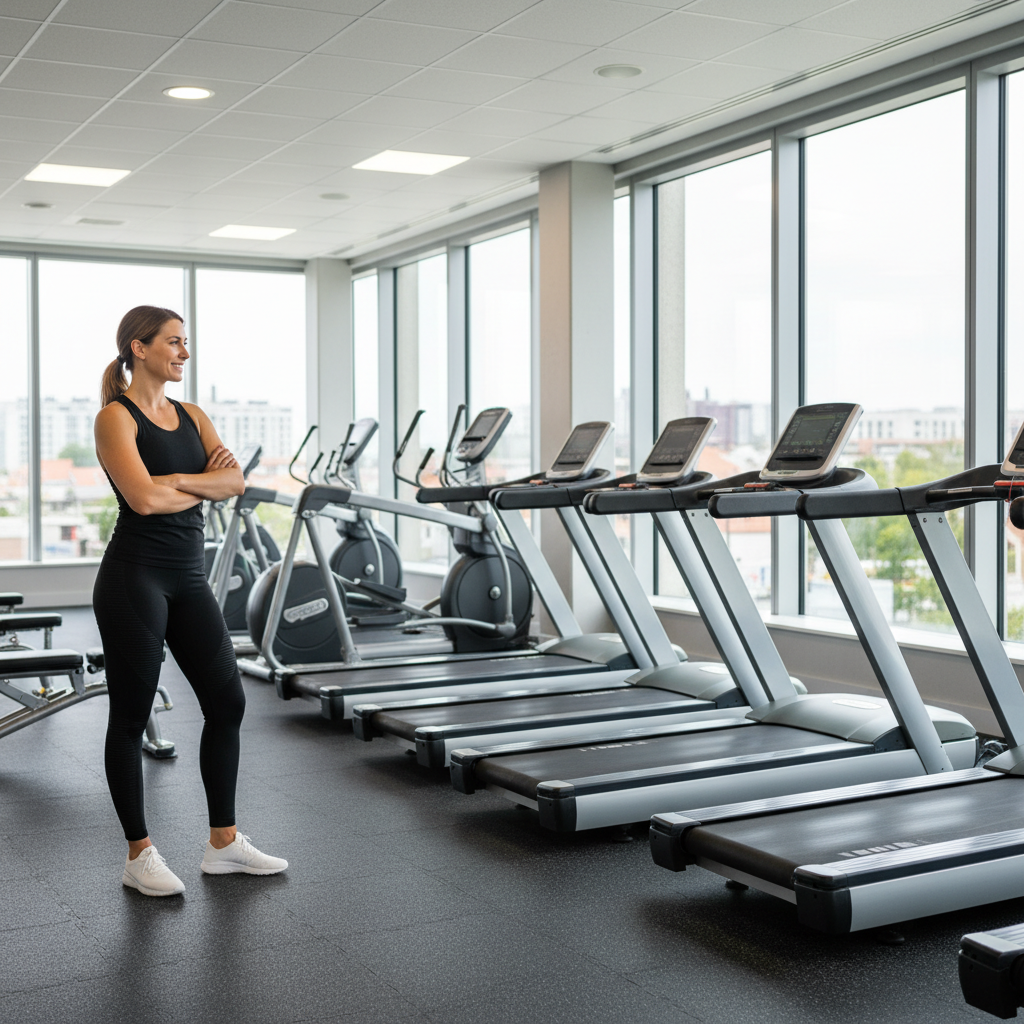
- Cardio equipment: treadmills, ellipticals, stationary bikes, rowing machines, stair climbers
- Strength equipment: free weights, weight racks, dumbbells, barbells, cable machines, plate-loaded equipment
- Functional training: squat racks, pull-up stations, gymnastics rings, battle ropes, plyo boxes, sleds
- Group fitness: spin bikes, yoga equipment, Pilates reformers, suspension trainers
- Recovery and wellness: infrared saunas, foam rollers, massage guns, ice baths
- Cardio theater systems: commercial-grade screens, sound systems, entertainment consoles
- Gym technology: member check-in kiosks, POS systems, access control, member management software
- Flooring: rubber gym flooring, turf surfaces, sport court tiles
Both new and used equipment can typically be financed, though lenders may apply different terms to used equipment depending on its age and condition. Some lenders specialize in specific equipment categories, so working with a broad-access lender like Crestmont Capital ensures you have access to the right product for your specific purchase.
How to Qualify for Gym Equipment Financing
Qualification requirements vary by lender and program, but most equipment financing applications are evaluated on a combination of the following factors:
Business Credit Score
Your business credit profile - including your PAYDEX score from Dun and Bradstreet and scores from Experian and Equifax Business - gives lenders a snapshot of how reliably your business pays its obligations. Strong business credit (generally a PAYDEX of 80 or above, roughly equivalent to paying invoices on time or early) supports better rates and higher approval amounts.
Personal Credit Score
For most small gym owners, the owner's personal credit score remains a relevant factor - especially in the early years of business operation. Many equipment financing programs are accessible to borrowers with personal scores in the 600s, and some programs work with scores even lower when the equipment value provides sufficient collateral coverage.
Time in Business
Lenders generally prefer to see at least 12 to 24 months of operating history, as this demonstrates the business can sustain itself. However, startup gym equipment financing programs do exist for new operators, often requiring a stronger personal credit profile or a larger down payment to offset the additional risk.
Annual Revenue
Monthly revenue from membership dues, personal training packages, and ancillary sales demonstrates your gym's ability to service debt. Most lenders want to see gross annual revenue sufficient to cover your payment obligations with reasonable cushion - typically a debt service coverage ratio above 1.25.
Down Payment
Many equipment financing programs require little or no down payment, particularly for well-qualified borrowers or new equipment with strong residual value. When a down payment is required, it typically ranges from 10 to 20 percent of the equipment cost.
Gym Equipment Financing Rates and Terms
Interest rates for gym equipment financing depend heavily on the borrower's credit profile, the type of equipment, loan amount, and loan term. As a general guide:
- Well-qualified borrowers (strong credit, established business): rates typically range from 5 to 12 percent annually
- Mid-tier borrowers (fair credit, moderate business history): rates typically range from 12 to 20 percent annually
- Challenged credit borrowers: rates may range from 20 to 35 percent or be structured as a factor rate
Loan terms for gym equipment typically range from 24 to 84 months for new equipment and 24 to 60 months for used equipment. Longer terms lower monthly payments but increase total interest paid - the right term depends on your cash flow needs and how long you plan to use the equipment.
According to SBA.gov, equipment financing is one of the most common and accessible forms of small business credit available to new and growing businesses, precisely because the collateral structure limits lender risk.
How Crestmont Capital Helps Gym Owners
Crestmont Capital has worked with fitness businesses across the country to structure equipment financing solutions that match the realities of running a gym. Unlike traditional banks that apply rigid underwriting criteria, Crestmont takes a holistic view of your business - considering your revenue trends, membership growth, market position, and the full value of your equipment - to build a financing package that actually works for your operation.
Whether you need $50,000 to refresh a single cardio floor or $500,000 to outfit a flagship facility from scratch, Crestmont's team of financing specialists can structure the right solution. The application process is straightforward, decisions are fast, and funding can be in place within days rather than weeks.
You can explore your options or get started immediately through the Crestmont Capital online application. If you have questions about which program fits your situation, our team is available to walk through the details with you.
Real-World Scenarios: Gym Equipment Financing in Action
Understanding how gym equipment financing works in practice helps illustrate when and why fitness business owners choose to finance rather than pay cash.
Scenario 1: Opening a Boutique Fitness Studio
A personal trainer opens a 3,000-square-foot boutique fitness studio specializing in strength training and functional fitness. The equipment list - squat racks, barbells, bumper plates, kettlebells, pull-up stations, and rowers - totals $85,000. Rather than depleting her startup capital, she finances $75,000 over 48 months at a competitive rate, keeping $40,000 in reserve for marketing, payroll, and the first few months of rent. Her monthly payment fits comfortably within her projected revenue from memberships.
Scenario 2: Upgrading a Legacy Gym
An established gym owner has run a successful 10,000-square-foot facility for eight years. His cardio equipment is aging, and members have started commenting on the outdated machines. He finances $200,000 in new commercial treadmills, ellipticals, and stationary bikes through an equipment loan with a 60-month term. The Section 179 deduction significantly offsets his first-year tax liability, and the new equipment drives a 15 percent increase in new memberships within six months.
Scenario 3: Adding a Recovery Area
A CrossFit gym owner wants to add a recovery and wellness area to differentiate her facility and increase revenue per member. She needs $45,000 for infrared saunas, massage chairs, compression therapy systems, and cold plunge equipment. She draws on an equipment line of credit already in place, funds the buildout in three weeks, and begins generating additional revenue from recovery memberships before her first monthly payment is due.
Scenario 4: Expanding to a Second Location
A gym operator with one thriving location wants to open a second facility across town. The new space needs $350,000 in equipment across multiple categories. He structures a combination of equipment financing for the large commercial pieces and a working capital loan to cover construction buildout, signage, and the first month of operating expenses. Having both products in place from day one means the second location opens fully equipped and ready to compete.
Scenario 5: Handling an Unexpected Equipment Failure
A major piece of commercial gym equipment fails unexpectedly in the middle of a busy quarter. The repair estimate is $8,000, but the equipment is too old to justify repair - replacement is the smarter choice at $22,000. An equipment line of credit allows the owner to fund the replacement within 48 hours, minimizing member disruption and protecting the gym's reputation for operational excellence.
Frequently Asked Questions About Gym Equipment Financing
How much can I borrow to finance gym equipment?
Financing amounts vary by lender and borrower qualification, but most equipment financing programs accommodate purchases from $10,000 to several million dollars. For smaller gyms and boutique studios, amounts from $25,000 to $250,000 are most common. Established multi-location operators can access significantly higher credit facilities through commercial equipment programs.
Can I finance used gym equipment?
Yes. Many lenders, including Crestmont Capital, offer financing for used commercial gym equipment. The equipment's age, condition, and remaining useful life will affect the available terms - used equipment typically qualifies for shorter loan terms and may require a higher down payment. However, high-quality used commercial equipment from reputable brands can still secure very favorable financing.
How long does it take to get approved?
Equipment financing approvals are typically much faster than traditional bank loans. Many applications receive a decision within 24 to 48 hours of submission, and funding can be in place within 2 to 5 business days for standard transactions. Larger or more complex transactions may take longer but are still generally faster than bank timelines.
Do I need to put money down to finance gym equipment?
Not always. Many equipment financing programs, especially for well-qualified borrowers financing new equipment, require no down payment. When a down payment is required, it typically ranges from 10 to 20 percent. Providing a voluntary down payment can improve your rate and reduce total financing cost even when it is not required.
Will gym equipment financing affect my personal credit?
Most small business equipment financing applications involve a personal credit inquiry, which can have a small temporary effect on your personal score. However, once established and paid consistently, business credit accounts can help build your business credit profile, which improves your access to future financing at better rates. Over time, building a strong payment history on equipment financing is one of the most reliable ways to improve your overall credit position.
Can I finance gym software and technology along with equipment?
Yes, many equipment financing programs are broad enough to cover gym technology investments including member management software, POS systems, access control hardware, and cardio entertainment systems. Some programs include these as part of a bundled equipment package, while others may handle them through a separate working capital product. Ask your financing specialist to confirm coverage for your specific list of needs.
What happens if I need to add more equipment mid-loan?
If you have an equipment line of credit, adding equipment is as simple as drawing against your available credit. If you have a standard equipment loan, you can apply for a new loan or explore a modification with your lender. Many gym owners establish equipment lines of credit specifically to maintain flexibility for future purchases and replacements without a new application process each time.
Next Steps: Getting Your Gym Equipment Financed
If you are ready to move forward, the process is more straightforward than many gym owners expect. Here is a simple roadmap:
Step 1: Identify your equipment needs. Create a detailed list of the equipment you need, whether new or used, along with vendor quotes where available. Having a clear picture of the total purchase helps your financing specialist structure the right program.
Step 2: Gather your financial documents. Most applications require recent bank statements (typically 3 to 6 months), recent tax returns, and basic business information. Having these ready speeds the process significantly.
Step 3: Apply online. Submit your application through Crestmont Capital's secure online platform. The application takes just a few minutes, and a specialist will be in touch quickly to discuss your options.
Step 4: Review your offer. Your financing specialist will present options tailored to your situation - different terms, rates, and structures. Take the time to understand the total cost of each option and choose the one that fits your business plan.
Step 5: Get funded and get your equipment. Once you accept an offer and complete the paperwork, funding moves quickly. In most cases, you can have your equipment on order or on its way within days.
Conclusion
Gym equipment financing gives fitness business owners the tools they need to build, upgrade, and expand without sacrificing the cash flow that keeps their operations healthy. Whether you are outfitting a new boutique studio, refreshing an established facility, or scaling a multi-location operation, the right financing strategy allows you to invest in equipment that generates revenue from day one while preserving capital for the operational needs that matter most.
The fitness industry rewards operators who invest in quality, and gym equipment financing makes that investment accessible regardless of where you are in your business journey. With programs available for new operators, established gyms, and owners across the credit spectrum, there has never been a better time to explore what financing can do for your facility.
Ready to get started? Apply for gym equipment financing with Crestmont Capital today, or reach out to our team to discuss your specific needs and get a personalized quote.
Disclaimer: The information provided in this article is for general educational purposes only and is not financial, legal, or tax advice. Funding terms, qualifications, and product availability may vary and are subject to change without notice. Crestmont Capital does not guarantee approval, rates, or specific outcomes. For personalized information about your business funding options, contact our team directly.








