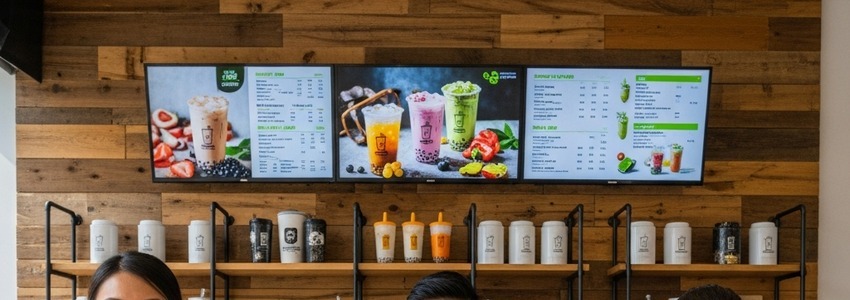
The bubble tea industry is no longer a niche market. It is one of the fastest-growing segments in food and beverage retail, and Gong Cha sits near the top of that wave. Founded in Taiwan in 2006, Gong Cha has grown to more than 2,000 locations worldwide and is rapidly expanding its footprint across the United States. For entrepreneurs drawn to the brand's global recognition, loyal customer base, and premium product lineup, the opportunity to own a Gong Cha franchise is genuinely exciting.
But excitement alone does not open a business. Money does. Understanding the full Gong Cha franchise cost, mapping out the right loan strategy, and working with a lender who understands franchise financing can mean the difference between a thriving location and a missed opportunity. This guide covers everything you need to know: total investment ranges, financing options, SBA loan programs, equipment costs, working capital needs, and a step-by-step approach to getting funded.
Whether you are a first-time franchisee or an experienced multi-unit operator looking to add Gong Cha to your portfolio, the financing principles in this article apply directly to your situation.
In This Article
- Gong Cha Brand Overview and US Expansion
- Full Gong Cha Franchise Cost Breakdown
- Franchise Loan Options for Gong Cha Owners
- SBA Loans for Gong Cha Franchise Financing
- Equipment Financing for Your Gong Cha Store
- Working Capital and Lines of Credit
- How to Qualify for a Gong Cha Franchise Loan
- The Loan Application Process Step by Step
- Bubble Tea Market Data and Industry Trends
- Gong Cha Financing at a Glance
- Frequently Asked Questions
- Next Steps to Fund Your Gong Cha Franchise
Gong Cha Brand Overview and US Expansion
Gong Cha - which translates to "tribute tea" in Chinese - was born in Kaohsiung, Taiwan in 2006. From its first shop, the brand built a reputation for precision: each drink is brewed fresh to order using premium tea leaves sourced from Taiwan, with adjustable sweetness and ice levels that let customers personalize every cup. That commitment to customization and quality fueled explosive growth across Asia before the brand crossed into Western markets.
Today, Gong Cha operates or franchises more than 2,000 locations across 24 countries. Its US expansion began in earnest in the mid-2010s, and the brand now has locations in major metropolitan areas including New York, Los Angeles, Boston, Chicago, Houston, and Washington D.C. The brand targets high-traffic retail corridors, shopping centers, college campuses, and urban mixed-use developments - the same proven locations that make quick-service food and beverage concepts thrive.
What sets Gong Cha apart in an increasingly crowded bubble tea market is operational discipline combined with brand prestige. Unlike some regional boba brands, Gong Cha carries genuine international recognition. Customers who have had Gong Cha in Seoul, Singapore, or Sydney already trust the brand when they encounter it in an American city. This reduces the marketing burden for US franchisees significantly.
The US bubble tea and specialty tea segment has also received considerable attention from investors and food industry analysts. Forbes has covered the rapid rise of bubble tea as a mainstream beverage category, noting that the demographic driving demand - Gen Z and Millennials - represents decades of future purchasing power. For a franchisee with the right location and financing in place, Gong Cha offers a compelling business case.
Full Gong Cha Franchise Cost Breakdown
Before any conversation about loans begins, you need a clear picture of what you are actually financing. The total Gong Cha franchise cost varies depending on location, build-out requirements, lease terms, and market conditions. Here is a comprehensive breakdown of the key expense categories.
Initial Franchise Fee
The upfront franchise fee paid to Gong Cha USA is approximately $38,000 for a single unit. This fee grants you the right to operate under the Gong Cha brand, access to training programs, proprietary systems and recipes, and ongoing corporate support. Multi-unit development agreements may involve a different fee structure negotiated with the franchisor.
Build-Out and Leasehold Improvements
This is typically the largest single cost category. Depending on the size of the space and its existing condition, build-out and leasehold improvements for a Gong Cha unit can range from $75,000 to $200,000 or more. Costs include construction, plumbing, electrical upgrades, flooring, millwork, signage, and HVAC modifications. Spaces in high-end shopping centers or urban retail corridors often require more extensive improvements.
Equipment and Fixtures
A Gong Cha location requires specialized equipment: commercial tea brewing systems, refrigeration, sealing machines for cups, point-of-sale hardware, blending stations, and storage units. Equipment costs typically range from $40,000 to $80,000. Many franchisees choose to finance equipment separately to preserve cash, which we will cover in detail later.
Initial Inventory
Opening inventory - tea leaves, tapioca pearls, syrups, milk, cup supplies, packaging - runs approximately $5,000 to $15,000. Gong Cha requires franchisees to purchase supplies through approved vendors to maintain product consistency.
Real Estate and Lease Deposits
Security deposits, first and last month's rent, and lease-related costs can add $15,000 to $40,000 depending on the market. Prime urban locations carry higher deposits. This cost is typically non-negotiable with landlords.
Training and Travel
Gong Cha provides comprehensive pre-opening training at a designated training facility. Franchisees should budget $5,000 to $10,000 for travel, lodging, and associated training costs.
Working Capital Reserves
Gong Cha's Franchise Disclosure Document recommends maintaining $20,000 to $50,000 in working capital after all other startup costs are paid. This cushion covers payroll, utilities, supplies, and operating expenses during the ramp-up period before the business reaches steady-state revenue.
Total Investment Range
Adding these components together, the total initial investment to open a Gong Cha franchise typically falls between $175,000 and $500,000. The wide range reflects the variability in real estate markets, build-out conditions, and location type. Urban flagship units in prime markets tend toward the higher end; suburban or second-tier market locations can come in closer to the minimum.
Important Note on Financing vs. Cash Requirements
Gong Cha and most lenders require franchisees to have a portion of the investment in liquid assets - typically 20% to 30% as an equity injection. This means you cannot finance 100% of your startup costs. Plan to have at least $40,000 to $100,000 in accessible cash or liquid investments before approaching lenders.
Ready to Finance Your Gong Cha Franchise?
Crestmont Capital specializes in franchise financing. Get pre-qualified in as little as 24 hours with competitive rates and flexible terms.
Apply Now - Free Pre-QualificationFranchise Loan Options for Gong Cha Owners
Franchise financing is not a one-size-fits-all category. The right funding mix depends on your financial profile, the specific startup costs you face, and the timeline for getting your store open. Here is an overview of the primary loan options available to Gong Cha franchisees.
SBA 7(a) Loans
The SBA 7(a) loan program is widely considered the gold standard for franchise financing. These loans offer long repayment terms (up to 10 years for working capital, up to 25 years for real estate), competitive interest rates, and loan amounts up to $5 million. For a Gong Cha franchise, SBA 7(a) financing can cover the franchise fee, build-out costs, equipment, working capital, and other startup expenses in a single package.
SBA 504 Loans
If you plan to purchase rather than lease commercial real estate for your Gong Cha location, the SBA 504 loan is worth exploring. This program pairs a bank loan (typically 50% of project costs) with a Certified Development Company (CDC) loan (40%) and your equity injection (10%). It is specifically designed for fixed-asset acquisitions including property and major equipment.
Conventional Term Loans
Banks and credit unions offer conventional term loans for franchise financing. These typically require stronger credit profiles and more documentation than SBA loans, but can close faster and offer more flexibility in some respects. Loan amounts, rates, and terms vary widely by lender.
Equipment Financing
Financing your Gong Cha equipment separately through a dedicated equipment loan preserves cash and keeps your primary loan smaller. Equipment lenders use the equipment itself as collateral, which often makes approval easier and faster. Terms typically run 24 to 72 months, with rates tied to equipment type and borrower creditworthiness.
Business Lines of Credit
A revolving business line of credit is an excellent complement to your primary franchise loan. Lines of credit provide flexible access to funds for inventory replenishment, seasonal cash flow gaps, marketing expenses, and unexpected repairs. Unlike a term loan, you only pay interest on what you draw.
Alternative and Online Lenders
For franchisees who need faster approval, do not meet traditional bank requirements, or need supplemental financing to bridge a gap, alternative lenders offer a range of products. These include revenue-based financing, merchant cash advances, and short-term business loans. Approval speeds are faster, but rates are typically higher than SBA or bank products.
According to the U.S. Small Business Administration, franchise businesses consistently show strong performance in the SBA loan portfolio, with lower default rates than many non-franchise sectors. This track record often makes lenders more willing to work with franchisees at favorable terms.
SBA Loans for Gong Cha Franchise Financing
Because SBA loans are the most commonly used and often the best-value financing for franchise startups, they deserve a deeper dive. Here is what Gong Cha franchisees should understand about the SBA loan process specifically.
Why SBA Loans Work Well for Bubble Tea Franchises
The SBA loan program was designed to help small business owners access capital they might not otherwise qualify for. The government guarantee - typically 75% to 85% of the loan - reduces lender risk, which translates to better terms for borrowers. Franchises with established FDDs and operating histories are viewed favorably by SBA lenders because the business model is documented and the brand provides a layer of support that independent startups lack.
SBA 7(a) Eligibility for Gong Cha
To qualify for an SBA 7(a) loan to open a Gong Cha franchise, you generally need to meet these basic criteria:
- Operate as a for-profit business in the United States
- Meet SBA size standards for your industry
- Demonstrate reasonable ability to repay (adequate projected cash flow)
- Have invested equity in the business (not 100% financed)
- Have a personal credit score of 680 or above (guidelines vary by lender)
- Not have other federal debt in default
SBA Loan Terms for Franchise Financing
For a Gong Cha franchise startup, a typical SBA 7(a) loan structure might look like this:
- Loan amount: $150,000 to $400,000
- Term: 7 to 10 years
- Interest rate: Prime + 2.75% to Prime + 4.75% (variable)
- SBA guarantee fee: 2% to 3.5% of the guaranteed portion
- Collateral: Business assets plus personal guarantee; real estate if available
The SBA Franchise Registry
One helpful fact for prospective Gong Cha franchisees: the SBA maintains a Franchise Registry of brands whose FDDs have been reviewed and are eligible for expedited SBA processing. If Gong Cha is listed, lenders can skip the FDD review step and move more quickly to credit underwriting. Check the current SBA Franchise Directory when you begin your loan search.
Pro Tip: SBA Preferred Lenders Move Faster
Work with an SBA Preferred Lender - these banks have delegated authority to approve SBA loans without sending each file to the SBA for review. This can cut the timeline from 60-90 days down to 30-45 days. Crestmont Capital works with a network of SBA Preferred Lenders to help franchise borrowers get approved faster.
Crestmont Capital's SBA loan specialists can help you structure a loan package that maximizes your chances of approval while minimizing your monthly payment obligation. Getting the debt structure right from day one protects your cash flow during the critical first 12 months of operation.
Equipment Financing for Your Gong Cha Store
Equipment is one of the most significant cost items in a Gong Cha franchise startup, and it is also one of the most efficiently financed. Because equipment has tangible collateral value, lenders are often willing to finance 80% to 100% of equipment costs at competitive rates with minimal additional documentation.
What Equipment Does a Gong Cha Store Need?
A fully equipped Gong Cha location requires several categories of specialized equipment:
- Tea brewing systems - Commercial multi-tank brewing stations that maintain precise temperature control for different tea varieties
- Refrigeration - Under-counter and reach-in refrigerators for milk, dairy alternatives, and fruit teas
- Cup sealing machines - Gong Cha's signature sealed cups require commercial-grade sealing equipment
- Blending and shaking stations - Stainless steel mixing stations and electric shakers for milk teas and specialty drinks
- Point-of-sale systems - Touchscreen POS hardware and customer-facing digital menu boards
- Ice machines - High-volume commercial ice makers capable of handling peak hours
- Water filtration systems - Premium water quality is essential for consistent tea flavor
- Storage and shelving - Dry storage for teas, supplies, and packaging materials
Structuring Your Equipment Loan
The optimal approach for most Gong Cha franchisees is to finance equipment separately from your primary startup loan. This accomplishes two things: it keeps your primary SBA or term loan smaller (meaning lower monthly payments and less risk to your personal assets), and it often results in better equipment loan terms because the collateral is clear and tangible.
Equipment loan terms typically run 36 to 60 months for most restaurant and food service equipment, though some lenders will extend to 72 months for larger packages. Interest rates for established borrowers typically range from 6% to 14% depending on credit quality and lender.
For specialized equipment with a shorter useful life - like cup sealers and ice machines - leasing rather than purchasing can make financial sense. Equipment leases preserve cash, may provide off-balance-sheet treatment, and make it easier to upgrade equipment as technology improves.
Visit Crestmont Capital's restaurant equipment financing page to explore options specific to food service and beverage operations like Gong Cha.
Finance Your Gong Cha Equipment with Crestmont Capital
Get up to 100% equipment financing with approvals in as little as 24 hours. No hard pull required for initial pre-qualification.
Get Equipment Financing NowWorking Capital and Lines of Credit
One of the most common mistakes first-time franchise owners make is underestimating working capital requirements. Opening day is exciting, but the first several months often bring uneven revenue, unexpected expenses, and the operational learning curve that every new business faces. Adequate working capital is the financial buffer that keeps your Gong Cha location running smoothly while you hit your stride.
How Much Working Capital Do You Need?
The general rule in franchise financing is to maintain three to six months of operating expenses in accessible cash or credit. For a Gong Cha location with estimated monthly operating expenses of $15,000 to $25,000 (including rent, labor, supplies, royalties, and utilities), that translates to $45,000 to $150,000 in available working capital beyond your build-out and equipment costs.
Gong Cha's FDD minimum recommendation is $20,000 to $50,000, but experienced franchise lenders often advise planning for the higher end of that range or beyond, particularly for urban markets where rent and labor costs are elevated.
Business Lines of Credit for Franchisees
A revolving business line of credit is often the most efficient working capital tool for franchise operators. Unlike a term loan that disperses a lump sum, a line of credit lets you draw only what you need, repay it, and draw again as circumstances require. This flexibility is particularly valuable for:
- Seasonal inventory fluctuations (bubble tea demand can spike in summer)
- Promotional campaigns and local marketing initiatives
- Equipment repair and replacement
- Payroll coverage during slow periods
- Capitalizing on bulk supply purchase opportunities
Unsecured Working Capital Loans
For franchisees with strong personal credit who need working capital quickly, unsecured working capital loans offer funding without requiring collateral. These loans are based primarily on creditworthiness and projected cash flow. They are typically faster to fund than SBA or secured loans, making them useful for bridging gaps during the pre-opening period.
Revenue-Based Financing After Opening
Once your Gong Cha location has 3-6 months of revenue history, revenue-based financing becomes an option. This product advances cash against a percentage of your future revenue and is repaid as a portion of daily or weekly sales. It is particularly useful for established operators who need capital for a second location or renovation without taking on traditional debt.
Related Reading
See our complete guides on franchise financing for other popular bubble tea and specialty beverage brands: Kung Fu Tea Franchise Loan and Salata Franchise Loan - both covering the full financing landscape for quick-service concepts in the specialty food sector.
How to Qualify for a Gong Cha Franchise Loan

Knowing the financing options is step one. Knowing how to position yourself to qualify is equally important. Lenders evaluate franchise loan applications across several dimensions. Here is what they look for and how to strengthen your profile.
Credit Score Requirements
For SBA and conventional loans, most lenders want to see a personal credit score of 680 or higher. Some SBA Preferred Lenders set their minimum at 650. Alternative lenders may work with scores as low as 600, but you will pay higher rates. Pull your credit report well before applying and resolve any errors or derogatory items that can be disputed.
Liquidity and Equity Injection
SBA rules require borrowers to inject a meaningful equity contribution into the business. For most franchise startups, lenders expect 10% to 30% of total project costs from the borrower's own liquid funds. For a $300,000 Gong Cha startup, that means having $30,000 to $90,000 in accessible cash or equivalent liquid assets.
Business Plan and Projections
A compelling business plan dramatically improves your approval odds and loan terms. Your plan should include:
- Executive summary with your background and qualifications
- Market analysis for your target location (demographics, competition, foot traffic data)
- Detailed cost breakdown aligned with the FDD
- Revenue projections for years 1-3 with supporting assumptions
- Cash flow statement showing loan repayment capacity
- Management team overview
Relevant Experience
Lenders favor applicants with restaurant, retail, or franchise management experience. If you have managed teams, operated cash-intensive businesses, or have relevant food service background, highlight it prominently. Lack of direct experience can be offset by strong credit, ample liquidity, and a thorough business plan.
Collateral
For secured loans, lenders will look to business assets (equipment, inventory, leasehold improvements) as primary collateral and may take a lien on personal assets including real estate. For SBA loans, the SBA typically requires a personal guarantee from all owners with 20% or more equity in the business.
Franchisor Validation
Having a signed franchise agreement - or at minimum a letter of intent from Gong Cha - significantly strengthens your loan application. It demonstrates that the franchisor has vetted you as a qualified candidate and that the business structure is real and near-term. Some lenders will pre-approve you before the franchise agreement is signed, but having it in hand accelerates the process.
To explore your small business financing options with a team that specializes in franchise lending, start with a pre-qualification. It takes minutes and does not require a hard credit pull.
The Loan Application Process Step by Step
Many prospective franchisees are intimidated by the loan application process. It does not have to be complicated. Here is a practical walkthrough of the steps from initial inquiry to funded loan.
Step 1: Assess Your Financial Readiness
Before approaching any lender, get a clear picture of your own finances. Pull your credit reports from all three bureaus, calculate your liquid assets, list your existing debts and monthly obligations, and estimate the total startup investment for your intended Gong Cha location. This self-assessment tells you which loan products you are likely to qualify for and how much you will need to borrow.
Step 2: Gather Your Documentation
Standard documentation for a franchise startup loan includes:
- Personal tax returns for the past 2-3 years
- Business tax returns if you have an existing business
- Personal financial statement (listing all assets and liabilities)
- Bank statements for the past 3-6 months
- Government-issued ID
- Resume or biography highlighting relevant experience
- Signed franchise agreement or letter of intent
- Gong Cha FDD (your lender will need to review this)
- Business plan and financial projections
- Lease agreement or letter of intent for your location
Step 3: Submit Pre-Qualification
Most lenders offer a pre-qualification process that gives you a preliminary sense of loan amounts, rates, and terms before committing to a full application. Pre-qualification typically requires only basic information and a soft credit check. At Crestmont Capital, pre-qualification decisions can come back in 24 to 48 hours.
Step 4: Full Application and Underwriting
Once pre-qualified, you submit the full documentation package for underwriting. The lender will verify your financial information, order a credit report, and analyze your business plan. For SBA loans, this stage includes review of the FDD and potentially a site visit. Underwriting typically takes 2-4 weeks for conventional loans and 4-8 weeks for SBA loans.
Step 5: Commitment Letter and Closing
If approved, the lender issues a commitment letter outlining loan terms. Your attorney should review this before signing. Closing involves signing loan documents, satisfying any pre-closing conditions (such as evidence of lease signing or insurance coverage), and disbursing funds.
Step 6: Funding and Pre-Opening
Once funded, you begin paying contractors, ordering equipment, and completing build-out. Maintain careful records of all expenditures - some loans require documented use of proceeds, and the SBA in particular requires that funds be used for stated purposes.
Bubble Tea Market Data and Industry Trends
Understanding the market you are entering strengthens both your business plan and your lender conversations. Here is the data that supports the Gong Cha investment thesis.
The global bubble tea market was valued at over $3 billion as of the early 2020s and has been growing at a compound annual rate exceeding 8%, with some US-focused studies showing double-digit growth. CNBC has reported on the rapid expansion of bubble tea as a mainstream food service category in American cities, driven by demographic shifts and the rise of Asian food culture.
According to U.S. Census Bureau data on food service industry trends, specialty beverage categories have consistently outperformed traditional food service segments over the past decade, with younger consumers (ages 18-34) driving disproportionate growth in the premium beverage market.
Key market tailwinds supporting a Gong Cha investment include:
- Demographic alignment: Gen Z is the largest US consumer cohort, and bubble tea is squarely within their preferred beverage category
- Premiumization trend: Consumers increasingly pay premium prices for customizable, experience-driven beverages - exactly Gong Cha's positioning
- Daypart flexibility: Bubble tea generates sales across morning, afternoon, and evening, unlike coffee shops that depend heavily on morning rush
- Low complexity model: Compared to full-service restaurants, tea shops have limited menus, no cooking, and simpler staffing requirements
- Real estate adaptability: Gong Cha concepts can operate in 400-1,200 sq ft spaces, making them viable in a wide range of retail environments
Gong Cha Financing at a Glance
Gong Cha Franchise: Investment and Financing Snapshot
Investment figures are estimates based on Gong Cha's FDD and industry data. Actual costs vary by location and market conditions.
Talk to a Franchise Financing Specialist Today
Crestmont Capital has helped hundreds of franchise operators access the capital they need to open and grow. Our team understands the franchise model and will structure a loan that fits your specific situation.
Apply for Franchise FinancingFrequently Asked Questions About Gong Cha Franchise Financing
How much does a Gong Cha franchise cost?
What is the Gong Cha franchise fee?
Can I get an SBA loan to open a Gong Cha franchise?
What credit score do I need to finance a Gong Cha franchise?
How much working capital do I need for a Gong Cha franchise?
Does Gong Cha offer in-house financing?
What are Gong Cha royalty fees?
How long does it take to get approved for a franchise loan?
What equipment financing do I need for a Gong Cha franchise?
Is a Gong Cha franchise profitable?
What is Gong Cha's net worth requirement?
Can I use a business line of credit for franchise startup costs?
What is the bubble tea market size in the US?
How do I prepare a business plan for a Gong Cha franchise loan?
What documents do I need to apply for a Gong Cha franchise loan?
Next Steps to Fund Your Gong Cha Franchise
Request the current Franchise Disclosure Document from Gong Cha USA. The FDD contains audited financial statements, cost disclosures, franchisee contact information, and the full franchise agreement. Review it with a franchise attorney before signing anything.
Pull your credit reports from all three bureaus. Calculate your total liquid assets. List all existing debts and monthly obligations. Identify how much you can contribute as an equity injection. This self-assessment tells you what loan products you can access.
Secure a letter of intent or signed lease for your chosen location as early as possible. Lenders want to know where the business will operate. Location data also feeds directly into your revenue projections and business plan.
Develop a detailed business plan including market analysis, full cost breakdown, three-year revenue projections, and a cash flow statement showing loan repayment capacity. Consult a financial advisor or franchise consultant if needed.
Submit your pre-qualification application at Crestmont Capital. Our franchise lending specialists will review your profile and match you with the right loan products - SBA, equipment financing, working capital, or a combination - based on your specific situation.
Once pre-qualified, submit your complete documentation package. Work with your loan officer through underwriting, respond quickly to any document requests, and prepare for closing. Keep your Gong Cha contact updated on your financing timeline to align expectations.
The Bottom Line on Gong Cha Franchise Financing
A Gong Cha franchise is a significant but well-documented investment. The brand brings global recognition, an established supply chain, and a proven operational model to your business. Your job as a franchisee is to secure the right financing structure - one that gives you enough capital to open strong, maintain adequate cash flow during ramp-up, and position you for profitability. With the right lender and the right loan mix, the Gong Cha franchise cost is a manageable investment in a high-growth market.
Disclaimer: The information provided in this article is for general educational purposes only and does not constitute financial, legal, or investment advice. Franchise investment figures are estimates based on publicly available information and industry data. Actual costs, fees, and financing terms vary. Consult a qualified financial advisor, franchise attorney, and the Gong Cha Franchise Disclosure Document before making any investment decisions. Crestmont Capital is a commercial lender and does not represent or have an affiliation with Gong Cha or any of its subsidiaries.