In This Article
- What Is Golf Club Financing?
- Benefits of Financing Your Golf Club
- Types of Golf Club Loans
- How Golf Club Financing Works
- Who Qualifies for Golf Club Financing?
- What Can You Fund?
- Loan Options Compared
- How Crestmont Capital Helps Golf Club Owners
- Real-World Scenarios
- Next Steps
- Frequently Asked Questions
- Conclusion
The golf industry generates over $26 billion in annual revenue in the United States, with more than 16,000 golf facilities serving millions of players every year. Whether you own a private country club, a semi-private course, a public daily-fee operation, or a driving range with a pro shop, running a golf club is capital-intensive. Turf maintenance, clubhouse renovations, equipment upgrades, course redesigns, and expanding member amenities all come with significant price tags.
That is where golf club financing comes in. The right loan or credit product can give your facility the working capital it needs to stay competitive, attract new members, improve the player experience, and increase revenue year over year. This guide breaks down every major financing option available to golf club owners in 2026, explains how the process works, and shows you how to get funded fast - even if your credit is less than perfect.
What Is Golf Club Financing?
Golf club financing refers to any type of business loan, line of credit, or alternative funding product used by a golf facility to cover capital expenses, operational costs, or growth investments. It works the same way as any small business loan: you borrow a set amount of money and repay it over time with interest, or you access a revolving credit line and draw from it as needed.
Golf clubs and golf course operators have access to several loan types, ranging from traditional small business loans and SBA programs to specialized equipment financing for greens mowers and turf equipment. The best financing option depends on what you need the money for, how quickly you need it, and the financial profile of your club.
Golf club financing is used by:
- Private member clubs upgrading their clubhouse or dining facilities
- Public courses adding driving ranges, simulators, or practice areas
- Semi-private operators expanding from 9 holes to 18
- Resort golf courses purchasing fleet vehicles and carts
- Independent club owners refinancing existing high-interest debt
Ready to Fund Your Golf Club?
Get flexible financing from the #1 business lender in the U.S. No obligation. Apply in minutes.
Apply Now →Benefits of Financing Your Golf Club
Many golf club owners are reluctant to take on debt - especially when membership dues and green fees provide steady seasonal income. But strategic financing can accelerate your club's growth and profitability far beyond what cash flow alone can achieve. Here are the key advantages:
Preserve Cash Flow
Golf clubs face dramatic seasonal cash flow swings. Northern clubs see income fall off sharply during winter months, while summer heat reduces play in warmer climates. A business line of credit lets you access working capital during slow periods and repay it when revenue picks back up - without drawing down your operating reserves.
Fund Large Capital Projects Without Delay
Waiting to save enough cash to renovate a clubhouse or install a new irrigation system can take years. During that time, your club falls behind competitors who are reinvesting in their facilities. Financing lets you complete major projects now, generating increased revenue and member retention immediately.
Take Advantage of Seasonal Opportunities
A same-day business loan can help you jump on a time-sensitive deal - like purchasing a fleet of used golf carts at below-market prices, securing a sponsorship deal that requires upfront costs, or launching a spring marketing campaign to pre-sell memberships before the season starts.
Build Business Credit
Successfully repaying a business loan helps establish your club's credit profile, making it easier and cheaper to borrow in the future when you need a larger renovation loan or want to purchase adjacent real estate.
Tax Deductions
Interest paid on business loans is generally tax-deductible. Equipment purchased using financing may also qualify for Section 179 expensing, allowing you to deduct the full purchase price in the year you acquire the asset rather than depreciating it over time. Always consult your tax advisor for specifics.
Types of Golf Club Loans
No single financing product is right for every golf club situation. Here is an overview of the main options available in 2026:
1. Term Loans
A term loan provides a lump sum of capital that you repay with fixed monthly payments over a set period. Short-term loans typically run 3 to 18 months, while long-term business loans may stretch from 2 to 10 years or more. Term loans are ideal for large, one-time expenses like clubhouse renovations or course expansion projects.
2. SBA Loans
SBA loans are backed by the U.S. Small Business Administration and offer some of the lowest interest rates available to small business owners. The SBA 7(a) program can fund up to $5 million for working capital, equipment, or real estate. The SBA 504 program is specifically designed for large real estate and equipment purchases. SBA loans have long repayment terms (up to 25 years for real estate) but require more documentation and take longer to close than alternative lenders.
3. Business Line of Credit
A revolving line of credit functions like a business credit card. You are approved for a maximum credit limit and can draw and repay funds as needed. Lines of credit are ideal for managing seasonal cash flow, covering payroll during slow months, or funding unexpected repairs. Interest accrues only on the amount you draw.
4. Equipment Financing
Golf clubs use a significant amount of specialized equipment - turf maintenance machinery, golf carts, simulators, irrigation systems, and more. Equipment financing allows you to purchase or lease this machinery while using the equipment itself as collateral. This keeps your other assets unencumbered and typically makes qualification easier even for clubs with limited credit history.
5. Short-Term Business Loans
Short-term business loans provide fast capital with repayment terms of 3 to 18 months. They are well-suited for seasonal needs, emergency repairs, marketing campaigns, or bridging a cash gap while waiting for membership renewal income. Interest rates are higher than long-term loans, but approval is faster and documentation requirements are lighter.
6. Business Line of Credit (Revolving)
A business line of credit gives golf clubs maximum flexibility. You can draw exactly what you need, when you need it, and repay at your own pace within the terms. This is particularly valuable for clubs with predictable seasonal cash flow patterns.
7. Bad Credit Business Loans
Not every golf club owner has perfect credit. If your personal or business credit score is below ideal, bad credit business loans can still provide access to capital based primarily on your club's revenue and cash flow rather than credit history alone.
8. Fast Business Loans
Fast business loans from alternative lenders can fund in as little as 24 to 48 hours. When a critical piece of turf equipment breaks down mid-season or a pipe bursts under the 9th fairway, these rapid-approval products can get you the cash you need before your club loses revenue.
Key Insight
According to the U.S. Small Business Administration, golf and recreation businesses that actively invest in facility upgrades retain members at significantly higher rates than those that delay capital improvements - making strategic financing a revenue-protection strategy as much as a growth tool.
How Golf Club Financing Works
The golf club financing process varies somewhat by lender and loan type, but it generally follows these steps:
How Golf Club Financing Works
Apply Online
Fill out a short application - takes less than 10 minutes
Submit Documents
Bank statements, tax returns, and basic club financials
Get Approved
Same-day to 72-hour decisions with alternative lenders
Receive Funds
Capital deposited directly to your business account
Repay and Grow
Flexible repayment schedules aligned to your revenue cycle
For traditional bank loans and SBA products, the process can take anywhere from a few weeks to several months. For alternative lenders like Crestmont Capital, you can often complete the full cycle - from application to funded account - within 24 to 72 hours. The key documents you will typically need include:
- 3 to 6 months of business bank statements
- Most recent 1 to 2 years of business tax returns
- A government-issued ID for all business owners
- Basic financial statements (profit and loss statement, balance sheet)
- Proof of business ownership (articles of incorporation or operating agreement)
- For SBA loans: a detailed business plan may be required
Who Qualifies for Golf Club Financing?
Qualification requirements differ based on the loan type and lender. Here are the general benchmarks for the most common golf club financing products:
Alternative Lender Requirements
- Time in business: 6 months minimum (12+ months preferred)
- Monthly revenue: $10,000+ per month
- Credit score: 550+ (some lenders go lower for strong revenue profiles)
- Documentation: Bank statements, basic financials
SBA Loan Requirements
- Credit score: 680+
- Time in business: 2+ years
- Revenue: Varies, but most lenders want $250,000+ annual revenue
- Collateral: Often required for larger loan amounts
- Debt service coverage ratio: 1.25 or higher
Equipment Financing Requirements
- Generally easier to qualify for since the equipment serves as collateral
- Credit score of 600+ is typically sufficient
- 6+ months in business
- Down payment of 10 to 20% may be required for older or high-mileage equipment
Did You Know?
Golf is one of the most recession-resistant recreational industries in America. According to the National Golf Foundation, U.S. golf participation has grown steadily since 2020, adding millions of new players - which means lenders increasingly view golf clubs as stable, bankable businesses.
What Can You Fund with Golf Club Financing?
Golf club financing can cover virtually any legitimate business expense. The most common uses include:
Turf Equipment and Maintenance Machinery
Fairway mowers, greens mowers, aerators, sprayers, and utility vehicles are essential for maintaining course quality - and they are expensive. A single fleet of turf maintenance equipment can cost $200,000 to $1 million or more. Equipment financing keeps you from tying up your operating capital in depreciating assets.
Golf Cart Fleet
A 100-cart fleet can cost $400,000 to $700,000 new. Financing allows you to spread that cost over 3 to 7 years, aligning the payments with the revenue the carts generate. Many golf clubs also use leasing to refresh their cart fleet on a regular cycle.
Clubhouse Renovation
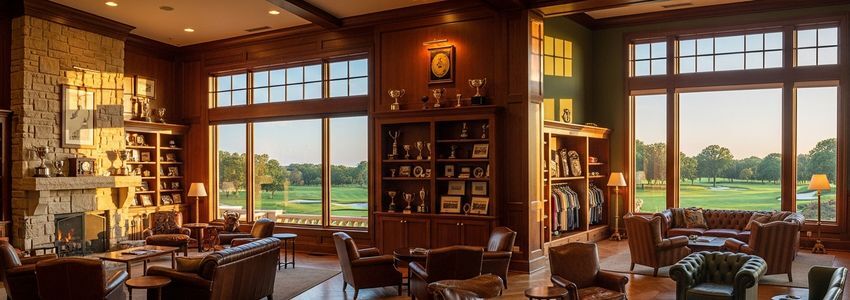
A dated clubhouse can deter prospective members and reduce spend-per-round from existing players. Renovation financing can fund kitchen upgrades, dining room refreshes, bar expansions, locker room improvements, and event space enhancements - all of which directly improve revenue per member.
Golf Simulators and Technology
Indoor golf simulators have become a major revenue driver for clubs, especially in colder climates. A premium simulator bay can generate $30,000 to $80,000 annually in simulator revenue, lesson fees, and food and beverage sales. Simulator financing products can help you install one or multiple bays with minimal upfront cost.
Irrigation System Upgrades
An efficient irrigation system can reduce water consumption by 20 to 40% while dramatically improving turf quality. These systems cost $500,000 to $2 million on a full 18-hole course but deliver long-term savings that typically justify the investment within 5 to 8 years.
Course Expansion or Redesign
Adding a par-3 course, expanding to 27 or 36 holes, or engaging a PGA-level architect to redesign challenging holes can dramatically increase the club's appeal and dues revenue. Long-term financing makes multi-million-dollar course projects feasible for independent operators.
Working Capital and Payroll
Seasonal payroll gaps, utility costs, and operating expenses can strain cash flow during the off-season. A line of credit or short-term loan bridges the gap between seasons without forcing you to reduce staff or delay bills.
Marketing and Member Acquisition
Launching a digital marketing campaign, redesigning your website, hosting a charity tournament, or partnering with a travel platform to attract visiting players all require upfront investment. Financing ensures you have the capital to grow your membership base when the opportunity arises.
Get the Financing Your Golf Club Needs
Approvals in as little as 24 hours. Flexible terms. No obligation to apply.
Apply Now →Golf Club Loan Options Compared
Understanding how different loan types stack up helps you choose the right product for your specific situation.
| Loan Type | Best For | Amount Range | Speed | Credit Required |
|---|---|---|---|---|
| SBA 7(a) | Large projects, low rates | $50K - $5M | 4 - 12 weeks | 680+ |
| Term Loan (Bank) | Established clubs, low rates | $25K - $2M+ | 2 - 6 weeks | 680+ |
| Alternative Term Loan | Fast capital, flexible credit | $5K - $1M | 24 - 72 hours | 550+ |
| Line of Credit | Seasonal cash flow | $5K - $500K | 24 - 72 hours | 600+ |
| Equipment Financing | Turf equipment, carts, simulators | $5K - $5M | 1 - 5 days | 600+ |
| SBA 504 | Real estate, large equipment | $125K - $20M+ | 6 - 16 weeks | 680+ |
How Crestmont Capital Helps Golf Club Owners
Crestmont Capital is the #1 rated business lender in the United States, specializing in flexible, fast financing for small and mid-sized businesses - including golf clubs and recreation facilities of all sizes. Here is what sets us apart:
- Fast approvals: Decisions in as little as 24 hours - no waiting weeks for a bank committee
- Flexible credit requirements: We work with club owners with credit scores as low as 550
- Revenue-based qualification: If your club is generating revenue, we can often find a path to funding regardless of credit history
- Loan amounts from $5,000 to over $5 million: Whether you need a small working capital infusion or a major expansion loan, we have products to match
- Multiple loan types under one roof: Term loans, lines of credit, equipment financing, and more - all available without shopping multiple lenders
- Seasonal repayment options: We understand golf club cash flow cycles and can structure repayment to align with your peak revenue periods
- Dedicated advisors: Our business funding experts understand the recreation and hospitality industries and can help you select the right product for your specific situation
For club owners with past credit challenges, our bad credit business loan options provide a genuine pathway to capital - not a dead end. And for those who need funding without a credit check, explore our no credit check business loan programs as well.
According to recent reporting from CNBC's Small Business coverage, alternative lenders are increasingly filling the financing gap left by traditional banks, particularly for hospitality, recreation, and service-based businesses - making lenders like Crestmont Capital an essential resource for golf club owners who cannot wait months for a bank loan approval.
Real-World Scenarios: Golf Club Financing in Action
To help illustrate how golf club financing works in practice, here are six realistic scenarios based on common situations faced by club owners across the country.
Scenario 1: The Emergency Equipment Repair
A semi-private golf club in South Carolina sees its primary greens mower break down in the middle of peak spring season. The repair estimate comes in at $22,000, and the replacement cost for a comparable unit is $75,000. With a 5-week wait at the bank, the owner applies to Crestmont Capital instead. Within 48 hours, a $75,000 term loan is approved, and the new mower is ordered. The club avoids a single day of course closure during its highest-revenue period.
Scenario 2: The Clubhouse Renovation
A private member club in Michigan has been losing prospective members to a newer facility nearby. A consultant identifies the aging dining room and locker rooms as the primary barriers to new membership sign-ups. The club owner secures a $350,000 SBA 7(a) loan over 10 years to fund a full interior renovation. The upgraded facilities help recruit 40 new members in the first year post-renovation, generating $160,000 in additional annual dues revenue - well above the loan's annual debt service.
Scenario 3: Golf Simulator Installation
A public course in Minnesota wants to extend its revenue season through the long winter months. The owner researches premium golf simulator systems priced at $45,000 to $65,000 each and decides to install two bays in an underutilized event room. Using equipment financing with a 36-month term, the owner acquires both simulators with no large down payment. In the first full winter season, the simulator bays generate $62,000 in gross revenue from hourly bookings, lessons, and food and beverage sales.
Scenario 4: Cart Fleet Replacement
A resort golf course in Florida determines that its aging 80-cart fleet is creating maintenance headaches and increasing complaints from guests about cart reliability. The course uses a combination of equipment financing and a short-term bridge loan to replace all 80 carts with new lithium-battery models. Total cost: $560,000, financed over 5 years. Guest satisfaction scores improve, and the elimination of frequent cart breakdowns saves the maintenance team roughly 15 hours of labor per week.
Scenario 5: Seasonal Working Capital
A golf club in Vermont consistently struggles from November through March when the course is closed and membership dues collections slow down. The owner establishes a $100,000 revolving line of credit before the off-season begins. Over the winter, the club draws $65,000 to cover payroll for skeleton maintenance crew, utilities, insurance premiums, and a pre-season marketing campaign. As spring membership renewals come in, the line is fully repaid within 8 weeks of reopening.
Scenario 6: Course Expansion
A 9-hole executive course in Texas has outgrown its original layout and has an opportunity to acquire adjacent land to build a second 9 holes. The total project - land acquisition, grading, irrigation, and turfgrass establishment - is estimated at $1.4 million. The owner combines a 25-year SBA 504 loan for the real estate portion with an equipment financing package for the irrigation system and grounds maintenance equipment. The new 18-hole layout increases rounds played by 65% in the first full year.
Next Steps: How to Get Golf Club Financing
Your Golf Club Financing Roadmap
Define Your Funding Need
Be specific about what you need the capital for and how much you need. Equipment purchases, working capital, and renovation loans each have different ideal financing products.
Check Your Credit
Review your personal and business credit scores before applying. Knowing your credit standing helps you target the right lenders and anticipate the terms you are likely to receive.
Gather Your Documents
Pull together 3 to 6 months of bank statements, your most recent tax returns, basic financial statements, and proof of business ownership. Having these ready speeds up the approval process significantly.
Apply with Crestmont Capital
Submit your application online in under 10 minutes. Our advisors will review your situation and match you with the best available financing option for your golf club.
Review Your Offer and Get Funded
Compare your loan offer, ask any questions, and sign your agreement. Funds are typically deposited within 24 to 72 hours of approval for alternative loan products.
You can also explore related financing topics covered in detail on our blog, including our comprehensive guide to payroll funding for businesses with seasonal staff cycles - a common challenge for golf clubs - and our deep dive on bank statement loans, which are ideal for golf clubs with strong deposit activity but complex tax returns.
Frequently Asked Questions About Golf Club Financing
What is golf club financing?
Golf club financing refers to business loans, lines of credit, equipment leases, and other funding products used by golf clubs, golf courses, private member clubs, and related facilities to fund capital expenses, operational costs, and growth investments. It works like standard small business financing but is tailored to the unique revenue cycles and capital needs of the golf industry.
How much can a golf club borrow?
Golf clubs can typically borrow from $5,000 to over $5 million depending on the loan type, the club's revenue, creditworthiness, and collateral. Small working capital loans may start at $5,000 to $50,000, while SBA programs can fund up to $5 million for operations or up to $20 million or more for real estate-heavy SBA 504 projects.
What credit score do I need to finance a golf club?
Credit score requirements vary by lender and loan type. Traditional banks and SBA lenders typically require 680+ personal credit scores. Alternative lenders like Crestmont Capital can often work with scores as low as 550, particularly when the club demonstrates strong monthly revenue. Equipment financing often has more lenient score requirements since the collateral reduces lender risk.
How long does it take to get a golf club loan?
Timing depends heavily on the lender. Traditional banks typically take 2 to 6 weeks. SBA loans can take 4 to 16 weeks or more. Alternative lenders like Crestmont Capital can approve and fund a loan in as little as 24 to 72 hours for qualified applicants, making them the fastest option for urgent needs.
Can I get golf club financing with bad credit?
Yes. Alternative lenders evaluate golf clubs based on revenue, cash flow, and business history - not just credit score. If your club generates consistent monthly revenue, you may qualify for financing even with a credit score below 600. Programs specifically designed for business owners with credit challenges are available through lenders like Crestmont Capital.
What can golf club financing be used for?
Golf club financing can fund turf equipment, golf cart fleets, irrigation systems, clubhouse renovations, golf simulators, working capital, payroll, marketing campaigns, course expansions, real estate acquisition, technology upgrades, and virtually any other legitimate business expense. The intended use may influence which loan type is most appropriate.
Is an SBA loan the best option for a golf club?
SBA loans offer the lowest interest rates and longest repayment terms available to small businesses, making them ideal for large, long-term projects. However, they require strong credit, extensive documentation, and can take months to close. For faster access to capital or for clubs with less-than-perfect credit, alternative lenders may be a better fit. Many club owners use SBA loans for major real estate or expansion projects while using alternative lenders for operational or equipment needs.
How do golf clubs manage seasonal cash flow?
Golf clubs in seasonal markets typically use a revolving business line of credit to cover off-season expenses and repay the line as spring revenue arrives. Some clubs also use short-term loans specifically timed for the off-season, with repayment structured to begin once peak-season revenue resumes. Proactive planning - establishing a credit line before the off-season begins rather than after cash flow tightens - is critical.
What documents do I need to apply for golf club financing?
For most alternative lenders, you will need 3 to 6 months of business bank statements, a government-issued ID, and basic business registration documents. For bank or SBA loans, you will also need 1 to 2 years of tax returns, detailed financial statements (profit and loss, balance sheet), and sometimes a business plan or projections.
Can a new golf club get financing?
New golf clubs may face more limited options since most lenders prefer at least 6 to 12 months of operating history. Startup-focused financing options, equipment leases (where the equipment serves as collateral), and SBA startup loan programs may be available depending on the owner's personal credit, experience, and business plan. Real estate-backed loans are also possible for new clubs that own their property.
How does equipment financing work for golf courses?
Equipment financing allows you to purchase or lease turf equipment, golf carts, simulators, irrigation systems, or any other business-use equipment with the equipment itself serving as collateral. This typically requires 10 to 20% down (or sometimes nothing down for qualified buyers), with fixed monthly payments over 24 to 84 months. At the end of the term, you own the equipment outright or may have an option to purchase at a residual value if leasing.
Are golf club loans tax-deductible?
Interest paid on business loans is generally deductible as a business expense. Equipment purchased with financing may qualify for Section 179 expensing, allowing you to deduct the full purchase price in the year of acquisition rather than depreciating it over time. Always consult a qualified tax professional or accountant for advice specific to your situation.
What interest rates can golf clubs expect on loans?
Interest rates vary widely by loan type, lender, credit profile, and market conditions. SBA loans typically range from prime rate plus 2.25% to prime plus 4.75%. Bank term loans for qualified borrowers may range from 6% to 12% annually. Alternative lenders may charge higher effective rates but offer faster funding and more flexible qualification. Equipment financing rates typically range from 5% to 20% depending on credit strength and equipment type.
Do I need collateral to get a golf club loan?
Collateral requirements depend on the loan type and amount. SBA loans and large bank loans often require collateral (real estate, equipment, or other business assets). Alternative lenders and smaller term loans may be unsecured or partially secured. Equipment financing uses the financed equipment as collateral, which is typically all that is required. A blanket lien on business assets is common for many small business loans.
How does Crestmont Capital compare to a bank for golf club loans?
Crestmont Capital offers several advantages over traditional banks for golf club owners: faster approvals (24 to 72 hours vs. weeks or months), more flexible credit requirements (550+ vs. 680+ at banks), revenue-based qualification that accounts for seasonal cash flow patterns, and a broader range of loan products under one roof. Banks may offer lower rates for highly qualified borrowers with time to wait, but for speed, flexibility, and accessibility, alternative lenders like Crestmont are often the better choice.
Conclusion
Running a successful golf club in 2026 means staying ahead on facility quality, member experience, and operational efficiency. That takes capital - and lots of it. Whether you need to replace aging turf equipment, renovate a dated clubhouse, bridge a seasonal cash flow gap, or fund a major course expansion, golf club financing gives you the tools to invest in your facility without waiting years to save the cash.
The golf industry is growing. Player participation has increased steadily since 2020, and new demographics - including younger golfers, beginners, and recreational players - are driving demand at every type of facility. This is an excellent time to invest in your club's future.
Crestmont Capital makes it easy. With fast approvals, flexible qualification requirements, and loan amounts from $5,000 to over $5 million, we help golf club owners across the country get funded quickly and confidently. Apply today and see what is possible for your club.
Ready to Fund Your Business?
Get flexible financing from the #1 business lender in the U.S. No obligation.
Apply Now →Disclaimer: The information provided in this article is for general educational purposes only and does not constitute financial, legal, or tax advice. Loan terms, rates, and availability vary by lender and are subject to change. Always consult a qualified financial advisor, accountant, or legal professional before making financing decisions. Crestmont Capital is not responsible for decisions made based on the information contained herein.