Industrial equipment financing gives businesses a way to acquire the heavy machinery, production systems, and specialized tools they need without draining working capital or taking on unmanageable debt. Whether you operate a manufacturing plant, a logistics warehouse, a construction firm, or a metal fabrication shop, the equipment powering your operation is both your biggest asset and your greatest ongoing expense. For most business owners, the challenge is simple: the machinery you need costs far more than what you can pay upfront.
Industrial equipment financing bridges that gap. It converts a large capital expense into structured payments spread over months or years, letting you acquire equipment now, put it to work immediately, and pay for it as it generates revenue. This guide covers everything you need to know about industrial equipment financing - including loan types, rates, qualification criteria, real-world examples, and how to choose the right financing structure for your business.
In This Article
- What Is Industrial Equipment Financing?
- Key Benefits of Financing Industrial Equipment
- Types of Industrial Equipment Financing
- How Industrial Equipment Financing Works
- What Equipment Qualifies
- Rates, Terms, and Costs
- How to Qualify
- How Crestmont Capital Helps
- Industrial Financing vs. Other Options
- Real-World Scenarios
- Frequently Asked Questions
- How to Get Started
What Is Industrial Equipment Financing?
Industrial equipment financing is a lending arrangement specifically designed to help businesses purchase or lease heavy machinery, manufacturing systems, and specialized industrial tools. Unlike general-purpose business loans, industrial equipment financing uses the equipment itself as collateral - which typically results in lower interest rates, higher approval odds, and longer repayment terms compared to unsecured financing options.
At its core, industrial equipment financing works like any other secured loan: a lender provides the funds to acquire the equipment, and the borrower repays that amount plus interest over a fixed term. The key distinction is that the equipment you're buying secures the loan. If payments stop, the lender can repossess the machine. This lower risk profile for the lender translates to better terms for borrowers.
Industrial equipment can refer to a broad range of machinery and systems, including CNC machines, forklifts, hydraulic presses, conveyor systems, injection molding machines, industrial generators, printing presses, welding systems, and large-format fabrication equipment. Nearly any physical piece of machinery that serves a business purpose can be financed through industrial equipment loans or leases.
Industry Insight: According to the Equipment Leasing and Finance Association (ELFA), U.S. businesses financed approximately $1.16 trillion in equipment and software in a recent year, with manufacturing and industrial sectors representing a significant share of that volume. Industrial equipment financing is one of the most commonly used tools for capital acquisition in the manufacturing economy.
Key Benefits of Financing Industrial Equipment
Business owners often ask whether it makes more financial sense to purchase equipment outright or finance it. For most businesses, financing delivers several strategic advantages that outright purchase cannot match.
Preserve Working Capital: When you spend cash on a large equipment purchase, that capital is no longer available for payroll, inventory, marketing, or unexpected expenses. Financing keeps cash in your account while still putting the equipment in your facility.
Immediate Productivity Gains: Equipment financing lets you start using machinery the day it arrives. You begin generating revenue with the asset while paying it off gradually - a much better use of timing than waiting months or years to save enough to purchase outright.
Predictable Monthly Expenses: Fixed-rate equipment loans give you a set monthly payment that doesn't change with market conditions. This makes budgeting and cash flow forecasting significantly easier than dealing with variable costs.
Tax Advantages: Under Section 179 of the IRS tax code, businesses can deduct the full cost of qualifying equipment purchases in the year the equipment is placed in service, up to applicable limits. Bonus depreciation rules can also provide additional deductions. Equipment financing allows you to capture these deductions even while spreading the actual payment over time. Consult a tax professional to understand how these rules apply to your specific situation.
Technology Upgrades Without Obsolescence Risk: Leasing arrangements often allow businesses to upgrade to newer equipment at the end of the lease term. This is especially valuable in industries where technology evolves rapidly - you avoid being locked into outdated machinery for decades.
Build Business Credit: Consistently paying an equipment loan builds your company's credit profile, making it easier to access larger or lower-cost financing in the future. For growing businesses, this is a long-term strategic benefit that compounds over time.
Ready to Finance Your Industrial Equipment?
Get fast, flexible financing from the #1 business lender in the U.S. No obligation - apply in minutes.
Apply Now →Types of Industrial Equipment Financing
Not all industrial equipment financing is the same. The right structure depends on your goals, the type of equipment, how long you plan to use it, and whether you want to own the machinery at the end of the term. Here are the primary financing structures available to U.S. businesses.
Equipment Loans (Equipment-Secured Term Loans)
An equipment loan works like a traditional installment loan. The lender advances the purchase price of the equipment, and you repay it with interest over a defined term - typically two to seven years for industrial machinery. At the end of the loan term, you own the equipment outright with no additional payment required.
Equipment loans are best for businesses that want to own their machinery long-term. They typically require a down payment of 10 to 20 percent, though some lenders offer 100 percent financing on qualified equipment. Interest rates vary based on credit profile, loan term, and equipment type, but generally range from 4 to 15 percent APR for well-qualified borrowers.
Equipment Leasing (Capital Lease and Operating Lease)
Leasing allows a business to use equipment for a set period by making regular payments without technically owning the asset during the lease term. At the end, you typically have the option to purchase the equipment for a residual value, return it, or upgrade to newer machinery.
A capital lease is structured more like a purchase - you gain ownership rights and can depreciate the asset. An operating lease functions more like renting - payments are treated as a business expense, and the lessor retains ownership and the associated depreciation benefits. Industrial businesses often prefer capital leases for mission-critical production equipment and operating leases for equipment that becomes outdated quickly.
Sale-Leaseback Financing
In a sale-leaseback arrangement, a business sells equipment it already owns to a lender or financial institution and then immediately leases it back. This allows businesses to unlock the capital tied up in existing machinery without interrupting operations. It's a common strategy for businesses that need liquidity quickly and have substantial equipment assets on their books.
Equipment Lines of Credit
An equipment line of credit is a revolving facility specifically designated for equipment purchases. Rather than applying for a separate loan each time you need to acquire new machinery, you draw from the line as needed and repay over time. This structure works well for businesses that make frequent equipment purchases throughout the year or want flexibility to respond quickly to opportunities.
SBA 504 Loans for Equipment
For major equipment acquisitions, an SBA loan - particularly the SBA 504 program - can provide long-term financing at below-market interest rates. The SBA 504 program is designed for fixed asset purchases including machinery and equipment. Loan amounts can reach $5 million or more, with terms of 10 to 25 years. These loans require a 10 percent borrower contribution and offer fixed rates tied to U.S. Treasury bond rates. The trade-off is a longer approval process compared to conventional equipment loans.
By the Numbers
Industrial Equipment Financing - Key Statistics
$1.16T
Equipment financed annually by U.S. businesses (ELFA)
80%
of U.S. businesses use some form of equipment financing or leasing
2-7 Yrs
Typical repayment terms for industrial equipment loans
24 Hrs
Typical approval timeline with alternative lenders
How Industrial Equipment Financing Works
Understanding the mechanics of industrial equipment financing helps you compare offers intelligently and choose the right structure for your business. Here is a straightforward breakdown of the process from application to funding.
Step 1 - Identify the Equipment: Before applying, you need a clear picture of what you're financing. This includes the make and model of the machinery, the purchase price or invoice amount, whether it's new or used, the vendor or dealer, and the expected useful life of the equipment. Lenders will ask for this information because the equipment itself serves as collateral.
Step 2 - Choose Your Financing Structure: Decide whether you want a loan (ownership at the end), a capital lease (with purchase option), or an operating lease (return or upgrade at end of term). Each has different balance sheet, tax, and operational implications. For most industrial businesses, equipment loans or capital leases are the most common choice for mission-critical machinery.
Step 3 - Apply for Financing: Most lenders require a completed application, recent business bank statements (typically 3-6 months), basic financial statements, and sometimes tax returns. For larger transactions - generally over $150,000 - lenders may require more extensive financial documentation including profit-and-loss statements and balance sheets.
Step 4 - Underwriting and Approval: The lender reviews your credit profile, business financials, time in business, and the specific equipment being financed. Equipment loans are generally easier to approve than unsecured business loans because the collateral reduces the lender's risk. Most alternative lenders and specialized equipment financing companies can issue approvals within 24 to 72 hours.
Step 5 - Funding and Delivery: Once approved, the lender pays the vendor directly or advances funds to you, depending on the transaction structure. The equipment is delivered, installed, and put into service. Your payment schedule begins, typically the following month.
Step 6 - Repayment and Ownership: You make fixed monthly payments over the loan term. At the end of the term, you own the equipment outright (for a loan) or exercise your purchase option (for a capital lease). There are no additional fees beyond what was agreed at closing.
Pro Tip: When comparing equipment financing offers, focus on the total cost of the loan over the full term - not just the monthly payment. A longer repayment term reduces monthly payments but increases total interest paid. Use an amortization calculator to compare the true cost of different loan structures before committing.
What Industrial Equipment Qualifies for Financing?
One of the most common questions business owners ask is whether the specific equipment they need actually qualifies for financing. The good news is that the range of industrial equipment that lenders will finance is extremely broad. Almost any asset with a useful economic life of two years or more and a verifiable market value can be financed through industrial equipment loans or leases.
Manufacturing Equipment
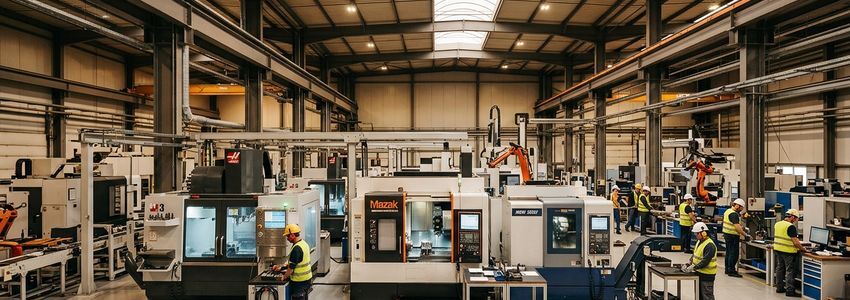
CNC machines, lathes, milling machines, industrial presses, injection molding machines, extruders, conveyor systems, packaging lines, bottling equipment, welding systems, and robotic automation systems all qualify for equipment financing. Manufacturing equipment is among the most commonly financed industrial asset class because of its high cost, long useful life, and clear collateral value.
Material Handling and Warehouse Equipment
Forklifts, pallet jacks, automated storage and retrieval systems (ASRS), loading dock equipment, industrial shelving systems, and warehouse management hardware are all eligible. As e-commerce growth has driven warehouse expansion across the U.S., material handling equipment financing has become one of the fastest-growing categories.
Construction and Heavy Equipment
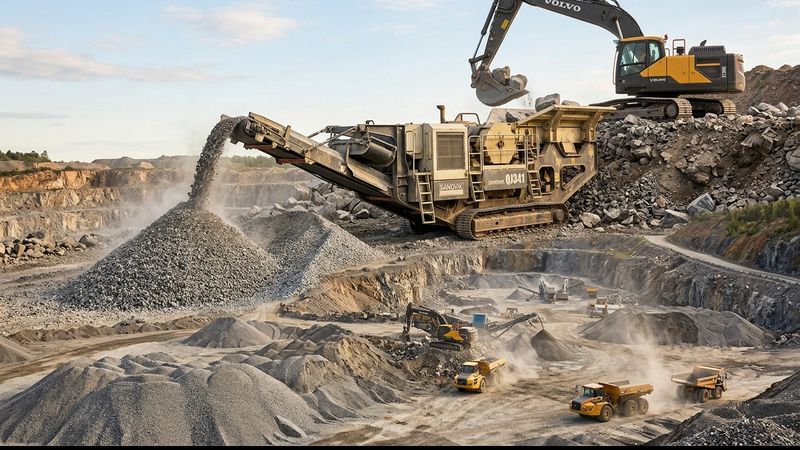
Excavators, bulldozers, cranes, concrete mixers, compactors, drilling rigs, and boom lifts qualify for construction equipment financing. These assets typically have high residual values, which makes them excellent collateral and often results in favorable loan terms.
Industrial Printing and Fabrication Equipment
Commercial printing presses, large-format UV printers, laser cutting systems, plasma cutters, waterjet systems, and sheet metal fabrication equipment are all commonly financed. The specialized nature of this equipment often means fewer lenders handle these transactions, but specialty equipment financing companies have deep expertise in this category.
Food Processing and Agricultural Equipment
Industrial food processing lines, commercial refrigeration systems, grain handling equipment, irrigation systems, tractors, and harvesters are all eligible for agricultural and food industry equipment financing. The USDA also has specialized programs for agricultural equipment financing that may offer below-market rates for qualifying farm operations.
Energy and Industrial Infrastructure
Industrial generators, HVAC systems for commercial or industrial spaces, solar energy systems, and utility-scale electrical equipment can be financed as capital equipment. The growing demand for energy efficiency improvements has made industrial energy equipment financing an increasingly common product.
Need Equipment Financing Fast?
Crestmont Capital funds industrial equipment loans for businesses across every sector. Get a decision in as little as 24 hours.
Start Your Application →Industrial Equipment Financing Rates, Terms, and Costs
Understanding the cost structure of industrial equipment financing helps you evaluate offers and negotiate better terms. Equipment financing is generally priced based on several key variables: your credit profile, the type and age of equipment, the loan-to-value ratio, the loan term, and the lender type.
Interest Rates
Industrial equipment loan rates typically range from 4 percent to 20 percent APR, with most well-qualified borrowers seeing rates in the 6 to 12 percent range from traditional lenders. Borrowers with stronger credit profiles (680 FICO or higher), multiple years in business, and strong revenue will qualify for the lower end of the rate range. SBA 504 loans offer below-market fixed rates that can be as low as 3 to 5 percent for qualifying transactions, though they come with longer approval timelines.
Loan Terms
Equipment loan terms are typically aligned with the expected useful life of the equipment. For most industrial machinery, terms of 36 to 84 months (3 to 7 years) are standard. Lenders generally won't offer loan terms that significantly exceed the equipment's estimated useful life, so highly specialized or used equipment may come with shorter terms than new, multi-purpose machinery.
Down Payment Requirements
Most equipment lenders require a down payment between 10 and 20 percent of the equipment's purchase price. Some lenders - particularly for high-quality, in-demand equipment - offer 100 percent financing with no down payment, especially for borrowers with strong credit and financials. Having a down payment available will generally lower your monthly payment, reduce your total interest cost, and improve approval odds.
Fees and Additional Costs
Equipment loans may include origination fees (typically 1 to 3 percent of the loan amount), documentation fees, appraisal fees for used equipment, and early repayment penalties in some cases. Always review the loan agreement carefully and ask for the total cost of the loan - not just the monthly payment - before signing.
| Financing Type | Typical Rate | Term | Ownership |
|---|---|---|---|
| Equipment Loan | 6-15% APR | 3-7 years | Yes (at end) |
| Capital Lease | 5-12% APR | 3-7 years | Option at end |
| Operating Lease | Varies | 1-5 years | No (return/upgrade) |
| SBA 504 Loan | 3-6% APR | 10-25 years | Yes |
| Equipment Line of Credit | 8-18% APR | Revolving | Depends on draw structure |
How to Qualify for Industrial Equipment Financing
Because industrial equipment serves as collateral, equipment financing is generally easier to qualify for than unsecured business loans. That said, lenders still evaluate several key factors before approving an application. Understanding what lenders look for helps you prepare a stronger application and improve your approval odds.
Credit Score Requirements
Most equipment lenders prefer a personal credit score of 650 or higher for the business owner, though some specialty lenders work with scores as low as 580. A higher credit score - 700 or above - will unlock better rates and more favorable terms. Business credit scores, particularly the PAYDEX score from Dun & Bradstreet, also play a role for established businesses.
Time in Business
Most traditional lenders require at least two years of operating history for industrial equipment loans. Alternative and specialty equipment lenders may approve financing for businesses as young as six months to one year, though typically with higher rates and potentially requiring a larger down payment or a personal guarantee.
Revenue and Cash Flow
Lenders want to see that your business generates enough revenue to service the debt. A general guideline is that monthly loan payments should not exceed 10 to 15 percent of monthly gross revenue. Lenders may also review your debt service coverage ratio (DSCR) - the ratio of operating income to debt obligations - and typically prefer a DSCR of 1.25 or higher, meaning you generate $1.25 in income for every $1.00 of debt payment.
Equipment Type and Age
Lenders pay close attention to the equipment being financed. New equipment from recognized manufacturers is easiest to finance. Used equipment can also be financed, but lenders may order an independent appraisal to verify market value, and loan terms may be shorter to account for the equipment's remaining useful life. Highly specialized or niche equipment - with limited resale market - may be harder to finance or may require a larger down payment.
Documentation Required
For most industrial equipment loans under $150,000, you'll typically need a completed application, recent bank statements, and an equipment invoice or quote. For larger transactions, lenders may require tax returns (typically two years), financial statements (P&L and balance sheet), a business plan, and information about existing business debt obligations.
Important: Even if you don't meet traditional lender requirements, alternative business lenders often have more flexible qualification criteria for equipment financing. Businesses with lower credit scores, shorter operating histories, or variable revenue may still qualify for equipment loans through specialty lenders - often with faster funding timelines than banks or credit unions.
How Crestmont Capital Helps with Industrial Equipment Financing
Crestmont Capital is a leading direct business lender rated #1 in the U.S. for small and medium business financing. We specialize in industrial equipment financing across a wide range of industries - from manufacturing and construction to logistics, food processing, and metal fabrication. Our team understands the unique capital needs of industrial businesses and works to structure financing solutions that align with how your business actually operates.
Unlike traditional banks with rigid qualification criteria and multi-week approval timelines, Crestmont Capital operates with the speed and flexibility that modern businesses need. We fund equipment loans from $10,000 to $5 million, with approvals often issued within 24 to 48 hours and funding completed within days of approval.
Our equipment financing and equipment leasing programs are designed to serve businesses across the full credit spectrum. Whether you have excellent credit and want the best possible rate, or you're working to rebuild after financial challenges, our team can find a solution that fits your situation. We also offer bad credit equipment financing options for businesses that don't meet traditional lending standards.
Beyond equipment financing, Crestmont Capital offers a full suite of business financing products including business lines of credit and capital equipment financing programs for larger commercial transactions. Our advisors work with you to understand your full financial picture and structure a financing arrangement that supports your growth goals without straining your cash flow.

Industrial Equipment Financing vs. Other Options
Business owners considering industrial equipment financing often wonder how it compares to other ways of acquiring equipment. Here is a clear breakdown of the most common alternatives and when each makes the most sense.
Equipment Financing vs. Cash Purchase
Purchasing equipment outright with cash preserves you from paying interest, but it depletes capital that could be used for other business priorities. For most businesses, the opportunity cost of tying up $200,000 to $2 million in a single equipment purchase exceeds the interest saved by avoiding financing. Equipment financing lets you keep cash available for growth, operations, and emergencies while still acquiring the machinery you need.
Equipment Financing vs. General Business Loan
A traditional term loan can also fund an equipment purchase, but it's typically unsecured - meaning higher rates and stricter qualification requirements. Equipment-specific financing uses the asset as collateral, which usually results in lower rates, higher loan amounts, and easier approval. For any equipment purchase, using dedicated equipment financing almost always makes more financial sense than a general business loan.
Equipment Financing vs. Business Line of Credit
A business line of credit is a revolving facility designed for short-term working capital needs. While you could technically use a line of credit to purchase equipment, it's not the right tool for this purpose. Lines of credit typically carry higher rates for long-term draws, and tying up your credit line in an equipment purchase reduces the flexibility the line was designed to provide. Equipment financing is purpose-built for asset acquisition and will almost always offer better terms for this use case.
Equipment Loan vs. Equipment Lease
The choice between a loan and a lease depends primarily on whether you want to own the equipment at the end of the term. Equipment loans result in full ownership, which matters for long-lived assets with significant residual value. Leasing is better when the equipment will become obsolete quickly, when you want lower monthly payments, or when off-balance-sheet treatment of the asset is a strategic priority. Many industrial businesses use both structures - loans for core production machinery and leases for technology-forward equipment that gets upgraded regularly.
Get a Custom Equipment Financing Quote
Tell us what equipment you need and we'll structure the best financing option for your business. Fast, flexible, and competitive rates.
Apply Now →Real-World Scenarios: Industrial Equipment Financing in Practice
Understanding how industrial equipment financing works in real business situations helps illustrate when and how to use it effectively.
Scenario 1 - Metal Fabrication Shop Scaling Production: A Tennessee-based metal fabrication company with $3.2 million in annual revenue needed a new fiber laser cutting system priced at $380,000. Their existing CNC equipment was at capacity, and they had a major contract pending that required additional production capacity. Using equipment financing through Crestmont Capital, they secured an equipment loan with a 60-month term and a competitive fixed rate. The monthly payment was covered by the increased revenue from the new contract within the first three months of operation - effectively funding the loan with the production it enabled.
Scenario 2 - Food Manufacturer Adding a Production Line: A mid-sized food packaging company in Illinois needed to add a second packaging line to meet a new retail distribution contract. The equipment cost $620,000 for a complete automated packaging system. Rather than drawing down their credit facility or delaying the contract launch, they financed the packaging line over 72 months with a capital lease, preserving the option to upgrade the equipment at the end of the term as packaging technology continues to evolve.
Scenario 3 - Warehouse Operation Expanding Fleet: A logistics company in Texas needed to add 15 forklifts and three automated pallet systems for a new 200,000-square-foot distribution facility. Total equipment cost: $890,000. They used an equipment line of credit to draw funds as individual pieces of equipment were delivered, rather than taking a lump sum loan. This structure reduced total interest paid during the build-out period and gave the business flexibility to adjust the equipment mix as operations ramped up.
Scenario 4 - Construction Company Expanding Heavy Equipment Fleet: A mid-Atlantic excavation business needed to add an excavator and two skid steers for a long-term infrastructure project. They had strong revenue but relatively limited time in business (18 months). By working with a specialty equipment lender, they secured financing at reasonable rates despite their shorter operating history, with the equipment itself providing sufficient collateral to offset the newer business timeline.
Scenario 5 - Printing Business Upgrading Technology: A commercial printing company in Ohio needed to replace an aging offset printing system with a new digital production system costing $275,000. The old equipment had limited resale value, but the business's 12-year operating history and strong financial profile made financing straightforward. They used an equipment loan and received approval within 24 hours, with funding completed the following week - ahead of a major client deadline.
Scenario 6 - Sale-Leaseback for Manufacturing Company: A machinery manufacturer in Michigan had $1.1 million in CNC equipment on their balance sheet with no financing attached. Facing a short-term cash flow gap due to a delayed receivable from a major customer, they arranged a sale-leaseback transaction with a financial institution, unlocking $800,000 in working capital within a week. The lease payments were structured to match their anticipated cash flow recovery timeline, and they retained full use of the equipment throughout.
Frequently Asked Questions
What is industrial equipment financing?
Industrial equipment financing is a type of secured business loan or lease specifically designed to help businesses acquire heavy machinery, production systems, and specialized industrial tools. The equipment being purchased or leased serves as collateral, which typically results in lower rates and higher approval odds compared to unsecured financing options.
What types of industrial equipment can be financed?
Virtually any physical equipment with a useful life of two or more years and a verifiable market value can be financed. This includes CNC machines, forklifts, conveyor systems, packaging equipment, industrial generators, construction machinery, food processing lines, printing presses, laser cutting systems, and much more. Both new and used equipment typically qualify.
What credit score do I need for industrial equipment financing?
Most traditional lenders prefer a personal credit score of 650 or higher. However, specialty and alternative equipment lenders may work with scores as low as 580, particularly when the equipment being financed has strong collateral value. A higher credit score - 700 or above - will qualify you for better rates and more favorable terms.
What interest rates apply to industrial equipment loans?
Industrial equipment loan rates typically range from 4 percent to 20 percent APR, with most qualified borrowers receiving rates between 6 and 12 percent. SBA 504 loans offer the lowest rates - as low as 3 to 5 percent - but have longer approval timelines. Your specific rate will depend on your credit profile, business financials, loan term, and the type of equipment being financed.
How long does it take to get approved for equipment financing?
Approval timelines vary by lender type. Alternative lenders and specialty equipment financing companies can often approve applications within 24 to 48 hours and fund within days. Traditional banks and SBA lenders typically take two to six weeks. For most businesses needing equipment quickly, working with a direct equipment lender provides the best combination of speed and competitive terms.
Can I finance used industrial equipment?
Yes. Most equipment lenders finance both new and used industrial equipment, though used equipment may come with slightly higher rates, shorter loan terms, and sometimes an independent appraisal requirement to verify market value. Buying quality used equipment and financing it can be an excellent strategy for businesses looking to minimize total acquisition costs.
What is the difference between an equipment loan and an equipment lease?
With an equipment loan, you borrow money to purchase the equipment and own it outright at the end of the loan term. With an equipment lease, you use the equipment for a set period and make regular payments, but the lessor retains ownership unless you exercise a purchase option at lease end. Loans are better for long-lived assets you plan to keep. Leases are better for equipment you want to upgrade regularly or when lower monthly payments are a priority.
How much down payment is required for an industrial equipment loan?
Typical down payment requirements range from 10 to 20 percent of the equipment's purchase price. Some lenders offer 100 percent financing with no down payment for borrowers with strong credit and established revenue. Having a larger down payment will generally result in a lower monthly payment, less total interest paid, and better overall loan terms.
Does industrial equipment financing require a personal guarantee?
Many equipment lenders do require a personal guarantee from the business owner, particularly for smaller or newer businesses. A personal guarantee means the owner personally backs the loan obligation in the event the business cannot repay. Some larger transactions with strong business financials can be structured without a personal guarantee, but this is more common with established businesses with solid balance sheets.
Can I finance industrial equipment with bad credit?
Yes, though with some limitations. Specialty lenders and alternative equipment financing companies work with borrowers whose credit scores are below the traditional bank threshold. Because the equipment serves as collateral, lenders have more flexibility than with unsecured loans. Businesses with lower credit scores may face higher rates or shorter terms, and a larger down payment may be required. Improving your credit before applying will always result in better financing terms.
What tax benefits come with industrial equipment financing?
Section 179 of the IRS tax code allows businesses to deduct the full purchase price of qualifying equipment in the year it is placed in service, subject to annual limits. Bonus depreciation rules may allow additional deductions in some situations. These deductions apply even when the equipment is financed rather than purchased outright. Consult with a qualified tax professional to determine how these rules apply to your specific equipment acquisition and business structure.
What is a sale-leaseback arrangement?
A sale-leaseback is a transaction where a business sells equipment it already owns to a financial institution or lender and then immediately leases it back from that party. The business receives a cash infusion equal to the sale price of the equipment while retaining full use of the equipment through the lease. This strategy is used to free up capital tied in equipment assets without interrupting business operations.
How does industrial equipment financing affect my balance sheet?
Equipment loans appear on the balance sheet as both an asset (the equipment) and a liability (the loan obligation). Capital leases are treated similarly. Operating leases, under GAAP accounting rules, are also recorded on the balance sheet under ASC 842 guidelines, though with different treatment than capital obligations. How equipment financing affects your balance sheet can influence financial ratios that lenders evaluate, so work with your accountant to understand the implications before structuring a large equipment transaction.
What documents do I need to apply for industrial equipment financing?
For most equipment loans under $150,000, you typically need a completed application, three to six months of business bank statements, and an equipment invoice or quote. For larger transactions, lenders may also require two years of business tax returns, financial statements (profit-and-loss and balance sheet), and details about existing business debt. Alternative lenders often require less documentation than traditional banks.
How do I choose the right industrial equipment lender?
The best lender depends on your priorities. If rate is the top concern and you have time to wait, SBA lenders offer the best rates. If speed matters, direct alternative lenders like Crestmont Capital fund in days. If you need specialized equipment or have a complex financial profile, work with a lender that has deep experience in your industry. Always compare the total cost of the loan - not just the rate - and read the full agreement before signing.
How to Get Started with Industrial Equipment Financing
Determine exactly what machinery or systems you need, get a vendor quote or invoice, and verify the equipment qualifies for standard financing (new or recent-model used equipment is ideal).
Complete our quick application at offers.crestmontcapital.com/apply-now - it takes just minutes and requires only basic information to get started.
A Crestmont Capital equipment financing specialist will review your application and present a tailored financing offer - typically within 24 hours. Our team will explain all terms clearly before you commit.
Once you accept the offer and complete the paperwork, we fund the transaction directly to your vendor. Your equipment is delivered, installed, and ready to generate revenue for your business.
Conclusion
Industrial equipment financing is one of the most powerful tools available to manufacturing, construction, logistics, and industrial businesses looking to grow capacity without depleting cash reserves. Whether you need to add a production line, expand your fleet, upgrade aging machinery, or respond quickly to a new contract opportunity, the right equipment financing structure gives you the ability to act decisively without putting the rest of your operation at risk.
The key is choosing the right structure - loan versus lease, traditional versus alternative lender, short-term versus long-term - based on your specific business goals, financial profile, and equipment needs. By understanding how industrial equipment financing works, what it costs, and how to qualify, you're positioned to make smarter capital decisions that support sustainable growth.
Crestmont Capital makes industrial equipment financing straightforward, fast, and accessible for businesses across every industry. With competitive rates, flexible terms, and a team of advisors who understand the equipment your business depends on, we're ready to help you acquire the machinery you need to compete and grow. Apply today and get a decision within 24 hours.
Disclaimer: The information provided in this article is for general educational purposes only and is not financial, legal, or tax advice. Funding terms, qualifications, and product availability may vary and are subject to change without notice. Crestmont Capital does not guarantee approval, rates, or specific outcomes. For personalized information about your business funding options, contact our team directly.