The sizzle of a perfectly cooked-to-order steakburger, the creamy delight of freshly churned frozen custard, and the nostalgic, all-American atmosphere have propelled Freddy's Frozen Custard & Steakburgers from a single location in Wichita, Kansas, to a nationally recognized and beloved brand. With over 500 locations and a reputation for quality and consistency, Freddy's represents a formidable opportunity for aspiring entrepreneurs in the fast-casual dining space. But turning the dream of owning a Freddy's franchise into a reality requires more than just passion-it requires significant capital. The journey from franchisee candidate to grand opening is paved with financial planning, and securing the right franchise loan is the most critical step.
This comprehensive guide is designed to be your roadmap. We will break down the complete financial landscape of opening a Freddy's franchise, from understanding the initial investment costs to exploring the full spectrum of financing solutions available. Whether you are a seasoned business owner or a first-time franchisee, this article will provide the clarity and detail you need to confidently navigate the loan process. We will delve into SBA loans, equipment financing, working capital solutions, and more, equipping you with the knowledge to build a strong financial foundation for your new venture.
Table of Contents
- 1. The Appeal of Freddy's: Why It's a Prime Franchise Opportunity
- 2. Deconstructing the Dollars: A Detailed Look at Freddy's Investment Costs
- 3. Meeting the Bar: Freddy's Financial Requirements for Franchisees
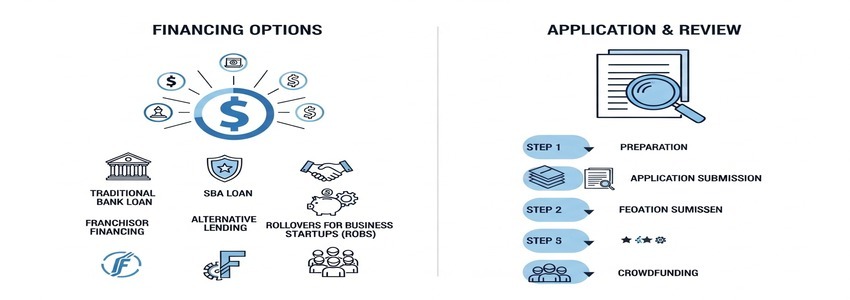
- 4. Your Comprehensive Guide to Freddy's Franchise Financing Options
- 4.1. The SBA 7(a) Loan: The Gold Standard for Franchise Financing
- 4.2. The SBA 504 Loan: Powering Your Real Estate and Major Equipment Needs
- 4.3. Equipment Financing: Funding the Heart of Your Kitchen
- 4.4. Business Line of Credit: Your Flexible Financial Safety Net
- 4.5. Conventional Franchise Loans: The Traditional Banking Route
- 4.6. ROBS (Rollover for Business Startups): Tapping into Your Retirement Funds
- 4.7. Home Equity Loans: Leveraging Personal Assets
- 4.8. Franchisor-Affiliated Financing
- 5. The Loan Application Gauntlet: A Step-by-Step Process
- 6. Infographic: Path to Funding Your Freddy's Franchise
- 7. Your Next Steps to Securing a Freddy's Franchise Loan
- 8. Frequently Asked Questions (FAQ)
1. The Appeal of Freddy's: Why It's a Prime Franchise Opportunity
Before diving into the complexities of financing, it's essential to understand why Freddy's is such an attractive investment. Founded in 2002 by brothers and business partners Scott and Randy Hildebrand, along with their father and World War II veteran Freddy Simon, the brand is built on a foundation of quality, hospitality, and patriotism often referred to as "the Freddy's Way." This ethos resonates deeply with customers and has fueled the brand's impressive growth.
Here are the key factors that make Freddy's a top-tier franchise opportunity:
- Brand Strength and Recognition: Freddy's has cultivated a loyal following across the country. Its consistent ranking in prestigious lists like Entrepreneur's Franchise 500 and its acquisition by private equity firm Thompson Street Capital Partners signal a brand with a stable foundation and a clear trajectory for future growth. This brand recognition makes it easier to attract customers from day one.
- Impressive Average Unit Volume (AUV): A critical metric for any potential franchisee is the AUV, which indicates the average revenue generated per location. Freddy's boasts a robust AUV, consistently reported in the range of $1.4 million to $1.7 million. This strong performance is a testament to the brand's operational efficiency and consumer demand.
- Proven and Streamlined Business Model: The menu is simple yet effective, focusing on high-quality, cooked-to-order items. This operational simplicity reduces complexity in the kitchen, streamlines training, and ensures a consistent product for customers. The franchisor provides comprehensive support systems, including training, marketing, and operational guidance.
- Diverse Revenue Streams: While the core offering is steakburgers and frozen custard, the menu's appeal spans across different dayparts-lunch, dinner, and dessert. This broad appeal helps maximize revenue potential throughout the operating day.
- Resilience in the Fast-Casual Sector: The fast-casual dining segment has shown remarkable resilience and growth. According to data from the U.S. Census Bureau, food services and drinking places have seen steady sales growth, indicating a healthy consumer appetite for dining out. Freddy's, with its focus on quality and value, is perfectly positioned within this thriving market.
2. Deconstructing the Dollars: A Detailed Look at Freddy's Investment Costs
Understanding the full financial scope of opening a Freddy's is the first step in creating a viable funding strategy. The total initial investment is not a single number but a range that reflects the various costs associated with launching a new restaurant. Freddy's estimates this range to be between approximately $600,000 and $1.8 million. This variation depends heavily on factors like the type of location (freestanding vs. in-line), real estate acquisition costs, and local construction expenses.
Let's break down the major components of this investment:
- Initial Franchise Fee: This is a one-time fee of approximately $35,000 paid to Freddy's corporate. It grants you the license to use the brand's name, trademarks, and operating system. It also covers the cost of initial training, site selection review, and other pre-opening support.
- Real Estate and Site Development: This is the largest and most variable expense. It includes purchasing land and constructing a new building, or leasing a space and completing the necessary tenant improvements and build-out. Costs can fluctuate dramatically based on the real estate market in your chosen territory.
- Kitchen Equipment and Technology: This category covers everything needed to operate a Freddy's, from the proprietary custard machines and high-capacity grills to walk-in coolers, fryers, and the Point of Sale (POS) system. This can easily total $200,000 to $400,000 or more.
- Furniture, Fixtures, and Signage: This includes the distinctive red and white decor, dining room tables and chairs, outdoor signage, and menu boards that create the signature Freddy's atmosphere.
- Initial Inventory and Supplies: You'll need to stock your restaurant with all the initial food products (steakburger patties, buns, custard mix, etc.) and paper goods before you can open your doors.
- Grand Opening Marketing: While you'll pay an ongoing marketing fee, a dedicated budget is required for a grand opening campaign to build local awareness and drive initial traffic.
- Working Capital: This is a crucial cash reserve to cover operational expenses during the first few months of business before you become profitable. It includes payroll, utilities, rent, and other overhead costs. Lenders and franchisors typically require you to have 3-6 months of operating expenses set aside.
In addition to these initial costs, franchisees must also account for ongoing fees:
- Royalty Fee: 5% of gross sales.
- Marketing Fee: 1% of gross sales.
Ready to Fund Your Freddy's Franchise?
Don't let financing stand between you and your entrepreneurial dream. Crestmont Capital offers specialized franchise loan solutions to help you get started. See what you qualify for today.
Apply Now3. Meeting the Bar: Freddy's Financial Requirements for Franchisees
Freddy's, like all premier franchise systems, has stringent financial qualifications for its candidates. These requirements are in place to ensure that franchisees have the financial runway to not only build and open their restaurant but also to weather the initial ramp-up period and support future growth. Lenders will also view these requirements as a baseline for their own underwriting.
The key financial thresholds for a Freddy's franchisee are:
- Minimum Net Worth: $1,500,000
- Net worth is the value of your total assets (cash, investments, real estate equity, etc.) minus your total liabilities (mortgages, car loans, credit card debt, etc.). This figure gives the franchisor and lenders a snapshot of your overall financial health and stability. A substantial net worth indicates that you have the resources to back the business if necessary.
- Minimum Liquid Capital: $500,000
- Liquid capital refers to assets that can be converted into cash quickly. This includes cash in checking and savings accounts, stocks, bonds, and mutual funds. It does not include retirement accounts like 401(k)s or real estate equity. This liquidity is critical for covering the down payment on a loan (the equity injection) and having sufficient working capital reserves.
It is crucial to have these financial prerequisites met before you begin the loan application process. Lenders will require detailed personal financial statements to verify your net worth and liquidity. Being well-prepared with this documentation will significantly streamline your financing journey.
4. Your Comprehensive Guide to Freddy's Franchise Financing Options
With a clear understanding of the costs and financial requirements, the next step is to explore the various avenues for securing the necessary capital. There is no one-size-fits-all solution; the best approach often involves a combination of different financing products. As experts in small business financing, we can help you navigate these options to create a funding package tailored to your specific needs.
4.1. The SBA 7(a) Loan: The Gold Standard for Franchise Financing
The SBA 7(a) loan program is arguably the most popular and powerful tool for funding a new franchise. These loans are not made by the U.S. Small Business Administration (SBA) itself, but by partner lenders like banks and credit unions. The SBA provides a government guarantee on a portion of the loan, which reduces the risk for lenders and makes them more willing to provide capital to new businesses, especially franchises.
Key Features of SBA 7(a) Loans for a Freddy's Franchise:
- Loan Amount: Up to $5 million, which is more than enough to cover the high end of the Freddy's investment range.
- Use of Funds: The 7(a) loan is incredibly versatile. It can be used for:
- Real estate purchase and construction
- The initial franchise fee
- Kitchen equipment and technology
- Leasehold improvements
- Inventory and supplies
- Working capital
- Repayment Terms: The long repayment terms are a major advantage, helping to keep monthly payments manageable. Terms are typically up to 10 years for working capital and equipment, and up to 25 years for real estate.
- Interest Rates: Rates are competitive and are composed of a base rate (usually the Prime Rate) plus a margin set by the lender, which is capped by the SBA.
- Down Payment: The SBA requires an equity injection, but it's often lower than conventional loans, typically in the 10-20% range for a strong franchise like Freddy's.
Why It's a Great Fit for Freddy's: Freddy's is listed on the SBA Franchise Directory, which means the SBA has already reviewed and approved its franchise agreement. This significantly streamlines the loan application process, as the lender doesn't have to vet the entire franchise system from scratch. This pre-approval is a massive advantage for prospective franchisees.
The application process for SBA loans for franchise businesses is thorough, requiring a detailed business plan, financial projections, and personal financial history. Working with a financing expert like Crestmont Capital can help you prepare a compelling application package that meets the SBA's stringent requirements.
4.2. The SBA 504 Loan: Powering Your Real Estate and Major Equipment Needs
If your primary financing need is for the acquisition of major fixed assets-namely real estate and long-term equipment-the SBA 504 loan program is an excellent alternative or complement to the 7(a) loan.
How the SBA 504 Loan Works:
The 504 loan has a unique structure, splitting the project cost among three parties:
- A Conventional Lender (like a bank): Finances about 50% of the total project cost and holds the first mortgage.
- A Certified Development Company (CDC): A non-profit entity certified by the SBA, which finances up to 40% of the project cost with an SBA-guaranteed loan (the 504 loan) and holds the second mortgage.
- The Borrower (You): Contributes a down payment of at least 10% of the project cost.
Key Features of SBA 504 Loans:
- Focus on Fixed Assets: The funds must be used for purchasing land, constructing a new building, renovating an existing one, or buying heavy machinery and equipment with a useful life of at least 10 years. It cannot be used for working capital or inventory.
- Favorable Terms: The CDC portion of the loan comes with a fixed interest rate and long repayment terms (20 or 25 years for real estate, 10 years for equipment), which provides stability in your long-term financial planning.
- Lower Down Payment: The 10% down payment requirement preserves your liquid capital for other startup needs.
Why It's a Great Fit for Freddy's: Many Freddy's locations are freestanding buildings with drive-thrus, which involves significant real estate and construction costs. The 504 program is tailor-made for this type of large-scale, asset-heavy project, allowing you to secure long-term, fixed-rate financing for your most significant investment.
Pro Tip: Combining Loan Types
A sophisticated financing strategy for a new Freddy's might involve using an SBA 504 loan to purchase the real estate and building, and then using a smaller SBA 7(a) loan or a business line of credit to cover working capital, inventory, and other initial operating expenses. This hybrid approach allows you to leverage the best features of each loan product.
4.3. Equipment Financing: Funding the Heart of Your Kitchen
The kitchen is the engine of any Freddy's restaurant, and it requires a significant investment in specialized equipment. From the proprietary frozen custard machines that are central to the brand's identity to the high-efficiency grills, fryers, and POS systems, these items are essential but expensive. Equipment financing is a specific type of loan or lease designed for this exact purpose.
How Equipment Financing Works:
Instead of using a general business loan, you secure funding specifically for the purchase of equipment. The equipment itself typically serves as the collateral for the loan, which can make it easier to qualify for than an unsecured loan. This also means your other business and personal assets are not tied up as collateral.
Key Features of Equipment Financing:
- 100% Financing: Many equipment loans can cover the full cost of the equipment, including soft costs like taxes, shipping, and installation.
- Fast Approval: The application process is often much quicker than for an SBA loan, with funding possible in just a few days.
- Preserves Capital: By financing your equipment, you keep your cash and lines of credit free for other needs like payroll, marketing, and unexpected expenses.
- Fixed Payments: Loans typically have fixed monthly payments, making it easy to budget for the expense over the life of the equipment.
- Leasing Options: In addition to loans, equipment leasing is an option. A lease may offer lower monthly payments and allow you to upgrade to newer technology at the end of the term.
Why It's a Great Fit for Freddy's: For a multi-unit operator looking to open a second or third location, equipment financing is an ideal way to fund the kitchen build-out without going through the lengthy process of a full SBA loan again. It isolates the financing to the specific assets being acquired.
4.4. Business Line of Credit: Your Flexible Financial Safety Net
While term loans are perfect for large, one-time expenses, the day-to-day operations of a restaurant require financial flexibility. A business line of credit provides a revolving source of capital that you can draw from as needed, making it an essential tool for managing cash flow.
How a Business Line of Credit Works:
A lender approves you for a specific credit limit (e.g., $100,000). You can draw any amount up to that limit at any time. You only pay interest on the funds you've actually used. As you repay the principal, your available credit is replenished, just like a credit card.
Key Features of a Business Line of Credit:
- Flexibility: Use the funds for any business purpose, such as covering a temporary payroll shortfall, purchasing inventory to meet a surge in demand, or launching a local marketing campaign.
- Cost-Effective: You only pay interest on the money you borrow, making it a cheaper option than a term loan if you don't need a large lump sum.
- Always Available: Once established, the line of credit is there when you need it, providing peace of mind and the ability to seize opportunities or handle emergencies without delay.
Why It's a Great Fit for Freddy's: The restaurant business can have fluctuating sales and expenses. A line of credit is the perfect tool to smooth out these peaks and valleys, ensuring you always have the working capital to operate smoothly.
Unlock Your Business's Potential
Whether you need a large loan for a full build-out or a flexible line of credit for operational needs, we have a solution. Start your application with Crestmont Capital and get funded faster.
Get Started Today4.5. Conventional Franchise Loans: The Traditional Banking Route
Conventional loans are term loans offered directly by banks or other commercial lenders without a government guarantee from the SBA. For highly qualified borrowers with a strong financial history and significant assets, a conventional loan can be a viable option.
Key Features of Conventional Loans:
- Stricter Requirements: Lenders will typically require a higher credit score, a larger down payment (often 20-30%), and more substantial collateral compared to SBA-backed loans.
- Potentially Faster Process: Without the SBA's involvement, the underwriting process can sometimes be faster, though this is not always the case.
- Fewer Restrictions: Conventional loans may have fewer restrictions on the use of funds and less paperwork compared to government-guaranteed programs.
Why It Might Be a Fit for Freddy's: An experienced multi-unit restaurant operator with a strong existing relationship with a commercial bank might find a conventional loan to be a straightforward path to financing. However, for most first-time franchisees, the benefits and more lenient requirements of an SBA loan make it the preferred choice.
4.6. ROBS (Rollover for Business Startups): Tapping into Your Retirement Funds
A ROBS plan is a more complex financing strategy that allows you to use funds from an eligible retirement account (like a 401(k) or traditional IRA) to fund your business without incurring taxes or early withdrawal penalties. It is a method for obtaining debt-free capital.
How ROBS Works:
- You create a new C-Corporation for your business.
- The C-Corporation creates a new 401(k) plan.
- You roll over your existing retirement funds from your old 401(k) into the new C-Corporation's 401(k) plan.
- The new 401(k) plan then purchases stock in the C-Corporation.
- The cash from the stock purchase is now in the C-Corporation's bank account and can be used for business expenses.
Pros and Cons of ROBS:
- Pro: Debt-Free Capital. You are using your own money, so you start your business without loan payments.
- Pro: Preserves Cash. You don't need to use your post-tax savings for the down payment.
- Con: High Risk. You are putting your entire retirement savings on the line. If the business fails, you could lose it all.
- Con: Complexity and Cost. Setting up and maintaining a ROBS plan requires specialized administrators and has ongoing compliance costs to adhere to IRS and Department of Labor regulations.
Is It a Fit for Freddy's? A ROBS can be a powerful tool for funding the equity injection portion of your startup costs. However, due to the significant risk and complexity, it should only be considered after extensive consultation with qualified financial and legal advisors.
4.7. Home Equity Loans: Leveraging Personal Assets
If you are a homeowner with significant equity in your property, a home equity loan or home equity line of credit (HELOC) can be a source of capital for your business. You are essentially borrowing against the value of your home.
Key Features of Home Equity Financing:
- Lower Interest Rates: Because the loan is secured by your home, interest rates are often lower than unsecured business loans.
- Lump Sum or Line of Credit: A home equity loan provides a one-time lump sum, while a HELOC works like a revolving line of credit.
- Significant Personal Risk: This is the most critical factor. You are putting your primary residence on the line. If your business struggles and you are unable to make the loan payments, you could face foreclosure.
Is It a Fit for Freddy's? Similar to a ROBS, using a home equity loan is a high-risk strategy that should be approached with extreme caution. It is generally recommended only for a small portion of the total funding need and only if you have a very strong personal financial situation and a clear plan for repayment.
4.8. Franchisor-Affiliated Financing
Some franchise systems offer direct financing to their franchisees. However, this is not common among larger, well-established brands. Freddy's does not offer direct in-house financing. What they do provide, which is incredibly valuable, is access to a network of preferred third-party lenders. These are banks and financial institutions that have experience working with Freddy's franchisees, understand the business model, and are familiar with the brand's financial performance. This can create a much smoother and more efficient lending process than approaching a lender who has never heard of the brand before.
Important Consideration: Building Your Financial Team
Navigating these diverse and complex financing options is not a solo journey. The most successful franchisees assemble a team of trusted advisors, including a franchise-savvy accountant, a business attorney, and an experienced financing partner like Crestmont Capital. We can help you analyze your financial position and determine the optimal blend of funding solutions to launch your Freddy's franchise successfully.
5. The Loan Application Gauntlet: A Step-by-Step Process
Securing a franchise business loan is a detailed process that requires meticulous preparation. Lenders are evaluating not just the strength of the Freddy's brand, but your individual capacity as a business owner to execute the plan and repay the debt. A well-prepared application package is your first and most important impression.
Here are the key documents and steps involved:
- The Franchise Disclosure Document (FDD): You will receive this from Freddy's. It contains 23 sections detailing the history, fees, rules, and financial performance of the franchise. Lenders will want to review this document.
- A Comprehensive Business Plan: This is the cornerstone of your application. It must be tailored to your specific Freddy's location and include:
- Executive Summary: A concise overview of your entire plan.
- Company Description: Details about your legal structure (LLC, S-Corp, etc.) and your vision for the business.
- Market Analysis: Research on your specific territory, including demographics, local competition, and your unique selling proposition.
- Management Team: Bios of you and any key partners, highlighting relevant experience in restaurant management, operations, or business.
- Marketing and Sales Strategy: How you will execute the grand opening and ongoing local marketing efforts.
- Financial Projections: At least three years of detailed financial forecasts, including profit and loss statements, cash flow statements, and a balance sheet. These should be realistic and based on the data provided in the FDD.
- Personal and Business Financial Statements:
- Personal Financial Statement detailing all your assets and liabilities.
- Several years of personal tax returns.
- Business tax returns, if you have other existing businesses.
- Statements for personal and business bank accounts.
- The Loan Application Itself: This will be a specific form provided by the lender (e.g., SBA Form 1919). It will ask for details about the loan amount requested and a detailed breakdown of how the funds will be used.
- Supporting Legal Documents: This includes your Franchise Agreement with Freddy's, your business entity formation documents, and any real estate purchase agreements or leases.
The underwriting process involves a deep dive into all this documentation. The lender will analyze your credit history, your experience, the viability of your projections, and the strength of your collateral. This process can take several weeks to a few months, so it is vital to be organized, responsive, and thorough from the start.
6. Infographic: Path to Funding Your Freddy's Franchise
Your 6-Step Path to Securing a Freddy's Franchise Loan
Initial Qualification & Review
Confirm you meet Freddy's net worth ($1.5M) and liquid capital ($500k) requirements. Thoroughly review the Franchise Disclosure Document (FDD).
Develop Your Business Plan
Create a detailed business plan with local market analysis, management bios, and comprehensive 3-year financial projections based on FDD data.
Assemble Financial Documents
Gather all required paperwork: personal financial statements, tax returns (personal and business), bank statements, and legal documents (lease, franchise agreement).
Partner with a Financing Expert
Work with a specialist like Crestmont Capital to identify the best loan options (SBA 7a, 504, etc.) and prepare a strong, lender-ready application package.
Submit & Underwriting
Submit the complete application to the chosen lender. The underwriting team will review all documents, assess risk, and verify information. Be prepared to answer follow-up questions.
Approval & Funding
Once approved, you will receive a commitment letter outlining the loan terms. After signing the closing documents, the funds will be disbursed to begin your project.
7. Your Next Steps to Securing a Freddy's Franchise Loan
You've absorbed a vast amount of information. Now it's time to translate that knowledge into action. Follow these structured steps to move forward on your path to owning a Freddy's Frozen Custard & Steakburgers franchise.
Conduct a Financial Self-Assessment
Before you do anything else, get a crystal-clear picture of your financial standing. Use a spreadsheet to calculate your precise net worth and liquid capital. Pull your credit report from all three major bureaus to know your score and address any inaccuracies. This foundational step ensures you meet the baseline requirements before investing more time and effort.
Initiate Contact with Freddy's
Formally express your interest through the Freddy's franchising website. This will get you into their system and allow you to receive the FDD. Study this document meticulously-it's the blueprint for your future business and a critical component of your loan application.
Draft Your Preliminary Business Plan
Start outlining your business plan now. Focus on the sections you can complete without a specific location, such as your personal management experience, your understanding of the Freddy's brand, and your initial financial projections based on the FDD's Item 19 financial performance representations.
Consult with a Franchise Financing Specialist
This is where we come in. Schedule a consultation with a financing expert at Crestmont Capital. We can review your financial profile, discuss your goals, and pre-qualify you for various loan programs. This early consultation will provide you with a clear financing strategy and a realistic budget for your project.
Take the First Step Today
The path to owning a Freddy's franchise begins with a solid financial plan. Let our experts at Crestmont Capital guide you. Contact us for a no-obligation consultation and start your journey with confidence.
Apply for a Franchise Loan8. Frequently Asked Questions (FAQ)
What is the total investment to open a Freddy's franchise?
The estimated initial investment for a single Freddy's Frozen Custard & Steakburgers franchise typically ranges from $600,000 to $1.8 million. This wide range accounts for variables like real estate costs, location, construction type (in-line, end-cap, or free-standing), and initial operating expenses.
What are the minimum financial requirements to become a Freddy's franchisee?
Prospective Freddy's franchisees are required to have a minimum net worth of $1.5 million and a minimum of $500,000 in liquid capital. These requirements ensure that candidates have the financial stability to not only launch the business but also to sustain it through its initial growth phase.
Does Freddy's offer direct financing to franchisees?
Freddy's does not offer direct financing programs for franchisees. However, they maintain relationships with third-party lenders who are familiar with their business model and the franchise industry. Crestmont Capital specializes in franchise financing and can help you navigate these options.
What is the best type of loan for a Freddy's franchise?
The 'best' loan depends on your specific needs. SBA 7(a) loans are often the most popular choice for new franchise owners because of their versatility, long repayment terms, and competitive interest rates. They can be used for real estate, equipment, working capital, and the franchise fee. An SBA 504 loan is ideal if your primary need is financing the real estate and major equipment.
Can I use an SBA loan to cover the entire cost of my Freddy's franchise?
While SBA loans can cover a significant portion of the startup costs, they typically do not cover 100% of the investment. Lenders generally require a down payment or equity injection from the borrower, usually ranging from 10% to 30% of the total project cost. Your liquid capital can be used to meet this requirement.
How long does it take to get approved for a Freddy's franchise loan?
The timeline for loan approval varies depending on the loan type and the lender. SBA loans can take anywhere from 60 to 120 days from application to funding due to their comprehensive review process. Other options like equipment financing or a business line of credit can be much faster, sometimes taking only a few days to a couple of weeks.
What is the Freddy's franchise fee and what does it cover?
The initial franchise fee for a Freddy's location is approximately $35,000. This fee grants you the license to operate under the Freddy's brand name and access to their proprietary systems, initial training programs, site selection assistance, and pre-opening support.
What are the ongoing fees for a Freddy's franchise?
Freddy's franchisees are required to pay a royalty fee of 5% of gross sales and a marketing fee of 1% of gross sales. The royalty fee covers ongoing support, brand development, and system access, while the marketing fee contributes to national and regional advertising campaigns.
Can I finance the kitchen equipment for my Freddy's separately?
Yes, you can. Equipment financing is a specific type of loan or lease designed solely for purchasing business equipment. This is a great option for acquiring specialized items like custard machines, grills, fryers, and POS systems without tying up your working capital. The equipment itself often serves as the collateral for the loan.
What is a ROBS plan and is it a good idea for funding a franchise?
ROBS stands for Rollover for Business Startups. It allows you to invest your retirement funds (like a 401(k)) into your new business without incurring taxes or early withdrawal penalties. While it can provide debt-free capital, it is a complex process with significant risks, as you are putting your personal retirement savings on the line. It's crucial to consult with financial and legal professionals before considering a ROBS.
What kind of credit score do I need for a franchise loan?
Lenders typically look for a strong personal credit score, generally 680 or higher, for franchise loans, especially for SBA-backed financing. A higher credit score demonstrates financial responsibility and can lead to better loan terms and a higher likelihood of approval. However, some alternative financing options may be available for those with lower scores.
What is the AUV for a Freddy's franchise?
AUV stands for Average Unit Volume. According to their Franchise Disclosure Document (FDD) and industry reports, Freddy's has a strong AUV, typically ranging from $1.4 million to $1.7 million per location. This figure is a key indicator of the brand's revenue-generating potential.
What is the most important part of my loan application?
While all components are important, the most critical part is a comprehensive and realistic business plan. Your business plan should include detailed financial projections, a marketing strategy, an analysis of the local market, and a clear demonstration of your management experience. It is the roadmap that convinces lenders of your viability and ability to repay the loan.
Can I get a loan for working capital after my Freddy's is open?
Yes. A business line of credit is an excellent tool for managing ongoing operational expenses and covering unexpected costs after you've opened. It provides flexible access to funds on an as-needed basis, helping you manage cash flow for payroll, inventory, and marketing initiatives without needing to apply for a new loan each time.
How can Crestmont Capital help me finance my Freddy's franchise?
Crestmont Capital specializes in small business and franchise financing. Our team of experts understands the unique requirements of brands like Freddy's and can guide you through the entire process. We help you identify the best loan products for your situation, prepare a strong application package, and connect you with the right lenders to secure the capital you need to succeed.
Disclaimer: The information provided in this article is for general educational purposes only and is not financial, legal, or tax advice. Funding terms, qualifications, and product availability may vary and are subject to change without notice. Crestmont Capital does not guarantee approval, rates, or specific outcomes. For personalized information about your business funding options, contact our team directly.