
 (800) 949-0401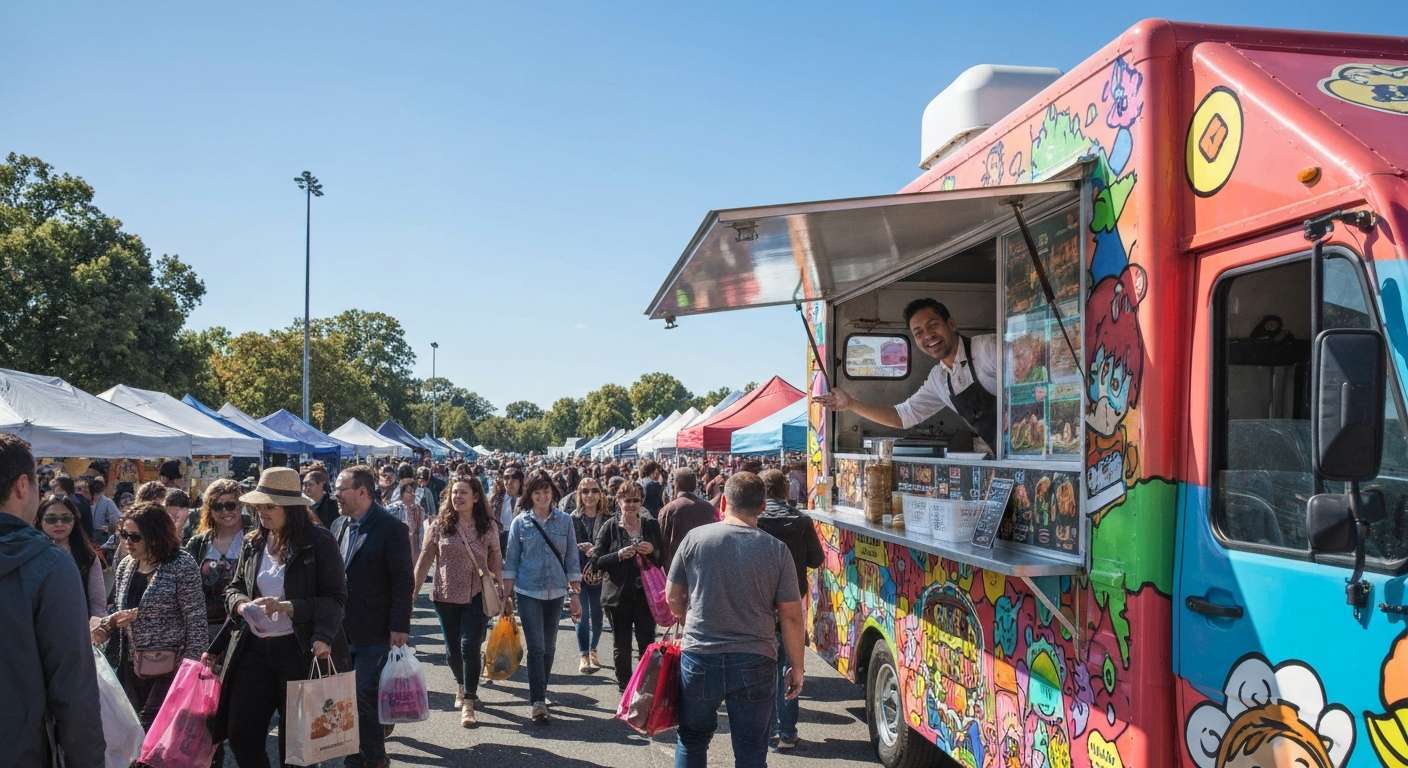
Food Truck Loans: How to Finance a Food Truck Business
If you have a passion for food and a dream of running your own mobile kitchen, food truck loans can be the financial bridge that turns that vision into reality. Whether you're launching your first truck, replacing aging equipment, or scaling to a second vehicle, accessing the right funding at the right time is often the difference between a thriving business and a stalled idea. The good news is that more lenders than ever specialize in financing for mobile food businesses, and the options available today are far more flexible than they were even a decade ago.
The food truck industry has exploded in popularity across the United States, attracting entrepreneurs from every background. Unlike traditional brick-and-mortar restaurants, a food truck offers lower overhead, geographic flexibility, and the ability to test menus and markets without committing to a long-term lease. But even with these advantages, the upfront and ongoing costs of running a food truck business are real. Equipment, permits, commissary fees, inventory, and marketing all add up quickly, making smart financing an essential part of any solid business plan.
In this guide, Crestmont Capital breaks down everything you need to know about financing a food truck business - from the types of loans available and how to qualify, to real-world scenarios and practical tips for getting approved. Whether you're a first-time food truck owner or a seasoned operator looking to grow, this resource will help you navigate your funding options with confidence.
- The Food Truck Industry at a Glance
- How Much Does It Cost to Start a Food Truck Business?
- Best Loan Options for Food Truck Businesses
- How to Qualify for a Food Truck Loan
- When to Take Out a Food Truck Loan
- Tips to Improve Your Chances of Approval
- Real-World Food Truck Financing Stories
- How Crestmont Capital Helps Food Truck Owners
- Frequently Asked Questions
The Food Truck Industry at a Glance
The food truck industry has grown into a multi-billion dollar segment of the American food service market. According to industry research, the U.S. food truck market is valued at over $2 billion annually and has experienced consistent growth over the past several years. Driven by consumer demand for convenient, affordable, and diverse dining options, food trucks have carved out a permanent place in cities, suburbs, and rural communities alike.
Food trucks appear at festivals, office parks, college campuses, breweries, weddings, and corporate events. The model appeals to entrepreneurs because the barriers to entry are significantly lower than opening a full restaurant. The U.S. Small Business Administration recognizes food trucks as small businesses eligible for a range of funding programs, which has helped accelerate growth in the sector.
Key industry statistics worth noting:
- There are approximately 35,000 food trucks operating across the United States
- The average food truck generates between $250,000 and $500,000 in annual revenue
- Food trucks typically achieve profit margins between 6% and 9%, comparable to traditional restaurants
- The industry has grown at an average annual rate of roughly 7% over the past five years
- Millennial and Gen Z consumers are the most frequent food truck customers, driving demand in urban markets
The combination of strong consumer demand, a manageable startup cost structure relative to traditional restaurants, and growing availability of business financing has made food trucks one of the most attractive entry points into the food service industry. Even so, adequate funding remains a challenge for many operators, which is exactly where food truck loans come in.
Ready to Fund Your Food Truck? Apply Now
Get matched with the right loan for your mobile food business - fast decisions, flexible terms.
Apply NowHow Much Does It Cost to Start a Food Truck Business?
Understanding the startup costs involved in launching a food truck business is the foundation for knowing how much you need to borrow. Costs vary considerably depending on your market, concept, and whether you buy new or used equipment - but here is a realistic breakdown of what most food truck entrepreneurs encounter.
The Truck or Trailer
The truck itself is typically the largest single expense. A used food truck in good condition can cost anywhere from $20,000 to $60,000, while a new custom-built truck can run from $75,000 to $200,000 or more. Converted trailers offer a more affordable option, starting around $10,000 for basic models. The right choice depends on your menu, your local health code requirements, and how much you plan to operate.
Commercial Kitchen Equipment
Outfitting the truck with commercial-grade cooking equipment is a significant line item. Fryers, grills, ovens, refrigeration units, ventilation systems, and prep surfaces can add $20,000 to $50,000 to your total investment. If you are buying a used truck that already has some equipment, you may be able to reduce this figure considerably.
Permits, Licenses, and Inspections
Operating a food truck legally requires a collection of permits that vary by city and state. These typically include a business license, food handler's permit, health department inspection, vehicle registration, fire safety inspection, and - in many cities - a street vending permit. Budget $1,000 to $5,000 for initial permit and licensing costs, with ongoing annual renewal fees thereafter.
Commissary Fees
Most cities require food trucks to operate out of a licensed commissary kitchen for food prep, cleaning, and storage. Monthly commissary fees typically range from $400 to $1,500 depending on your location and the level of facilities provided.
Initial Inventory
Your first weeks of operation will require upfront investment in food inventory, packaging, and supplies. Plan for $1,000 to $5,000 in initial inventory costs, with ongoing replenishment as you scale up.
Marketing and Branding
A great food truck needs great branding. Wrap design and installation, a website, social media setup, signage, and initial promotional activities can cost $2,000 to $8,000. Marketing investment early on is critical to building the customer base that will sustain your business.
Working Capital Reserve
Even the best-planned food truck businesses face slow weeks, unexpected repairs, and seasonal slowdowns. Having a working capital cushion of $5,000 to $15,000 helps you weather these periods without putting your operations at risk.
Total Startup Cost Estimate: Most food truck startups require between $50,000 and $200,000 in total capital, depending on whether they buy new or used and the complexity of their concept. Understanding this range is critical when evaluating your food truck financing needs.
Best Loan Options for Food Truck Businesses
There is no single "best" food truck loan - the right option depends on your credit profile, how long you've been in business, how quickly you need funds, and what you intend to do with the money. Here is a breakdown of the most common and effective financing options available to food truck entrepreneurs.
Equipment Financing
Equipment financing is one of the most natural fits for food truck businesses because the truck and its kitchen equipment are the core assets of the operation. With equipment financing, the asset itself serves as collateral for the loan, which often makes it easier to qualify even if you're a relatively new business or have less-than-perfect credit.
Loan amounts typically range from $10,000 to $500,000+, with repayment terms of 2 to 7 years. Interest rates vary based on credit profile and lender but are generally competitive. Equipment loans are ideal for purchasing the truck itself, upgrading kitchen equipment, or adding a new vehicle to an existing fleet.
Working Capital Loans
Working capital loans are designed to cover day-to-day operating expenses rather than large asset purchases. For food truck owners, these loans can fund inventory restocking, staffing costs during a busy catering season, marketing campaigns, or bridge a temporary cash flow gap during slow months.
Working capital loans are often unsecured, meaning you don't need to put up specific collateral. They are faster to obtain than traditional bank loans and typically come with shorter repayment terms of 6 to 24 months. Amounts generally range from $5,000 to $250,000.
SBA Loans
SBA loans - backed by the U.S. Small Business Administration - offer some of the most favorable terms available to small business owners, including food truck operators. The most popular programs are the SBA 7(a) loan (for general business purposes) and the SBA 504 loan (for equipment and real estate).
SBA loans feature lower interest rates, longer repayment terms (up to 25 years for some programs), and lower down payment requirements than conventional bank loans. The tradeoff is that the application process is more detailed and approval can take several weeks. SBA loans are best suited for established food truck businesses with solid financials and owners with good personal credit (typically 650+).
Business Line of Credit
A business line of credit gives food truck owners access to revolving funds they can draw from as needed and repay on a flexible schedule. This is particularly valuable for managing the cash flow variability that comes with operating a seasonal or event-driven business.
Lines of credit typically range from $10,000 to $250,000 and you only pay interest on the amount you draw. They are ideal for food truck owners who want a financial safety net without taking on a lump-sum loan with fixed monthly payments.
Microloans
For very small food truck startups or entrepreneurs with limited credit history, microloans can be a practical entry point into business financing. The SBA's Microloan Program provides loans of up to $50,000 through nonprofit intermediary lenders. Interest rates and terms vary by intermediary, but these loans are designed specifically for underserved small business owners.
Community Development Financial Institutions (CDFIs) also offer microloans with flexible underwriting criteria, making them accessible to food truck entrepreneurs who may not yet qualify for conventional financing.

How to Qualify for a Food Truck Loan
Qualifying for a food truck loan is more achievable than many entrepreneurs assume. Lenders evaluate several key factors when reviewing an application, and understanding these criteria helps you put your best foot forward.
Credit Score Requirements
Your personal credit score plays a significant role in most food truck loan decisions, especially for startups without established business credit. Here is a general guide to what different score ranges can unlock:
- 720+: Best rates and terms, eligible for SBA and bank loans
- 650-719: Good access to SBA loans, equipment financing, and working capital products
- 600-649: May qualify for equipment financing and some alternative lenders
- Below 600: Options are more limited; microloans, CDFIs, or secured equipment loans may still be available
Time in Business
Lenders generally prefer borrowers with at least 6 to 12 months of operating history. However, startup loans are available - particularly through equipment financing and microloan programs - for entrepreneurs launching their first truck. Having a strong business plan and some personal skin in the game (down payment or collateral) helps offset the lack of operating history.
Annual Revenue
Most lenders want to see a track record of revenue to gauge your ability to repay. Minimum revenue thresholds vary by lender, but working capital lenders typically want to see at least $100,000 in annual revenue. Equipment financing lenders may be more flexible, especially when the equipment itself secures the loan.
Documents You Will Need
Being prepared with the right documentation speeds up the approval process significantly. Common requirements include:
- Completed loan application
- Personal and business tax returns (last 2-3 years)
- Bank statements (last 3-6 months)
- Business financial statements (profit and loss, balance sheet)
- Business plan (especially for startups)
- Copy of business licenses and permits
- Equipment quotes or purchase agreements (for equipment loans)
- Government-issued ID
Collateral Considerations
For equipment loans, the truck and equipment serve as collateral, which reduces the lender's risk and can make approval more accessible. Unsecured working capital loans and lines of credit typically don't require specific collateral but may require a personal guarantee, meaning the owner takes on personal liability if the business defaults.
When to Take Out a Food Truck Loan
Knowing when to seek financing is as important as knowing what type of loan to pursue. Here are the most common scenarios where food truck loans make strategic sense.
Launching Your Food Truck Startup
If you're starting from scratch, a combination of equipment financing (for the truck and kitchen gear) and a working capital loan or microloan (for permits, inventory, and marketing) is a classic approach. Starting with the minimum viable truck and reinvesting profits is prudent, but don't underestimate the importance of adequate startup capital to get through the first six months before cash flow stabilizes.
Expanding to a Second (or Third) Truck
A successful single-truck operation that consistently maxes out its capacity is a prime candidate for expansion financing. Adding a second truck doubles your potential revenue but requires significant upfront investment. Equipment financing or an SBA loan can fund this expansion without draining your operating reserves.
Replacing or Upgrading Equipment
Aging fryers, malfunctioning refrigeration units, and worn-out generators can disrupt service and hurt your reputation. Equipment financing allows you to upgrade to commercial-grade replacements quickly without a large cash outlay. This is often a smart investment because newer equipment tends to be more energy-efficient and reliable, reducing long-term operating costs.
Bridging Slow Seasons
Many food trucks experience significant revenue drops in winter months or during local event slowdowns. A business line of credit or short-term working capital loan can help you cover fixed costs - commissary fees, insurance, loan payments - during these periods so you can return to full operation when demand picks back up. For more on choosing between short and long loan terms, see our guide on Short-Term vs. Long-Term Business Loans.
Pursuing Catering Contracts and Large Events
Landing a corporate catering contract or a spot at a major festival is exciting - but it often requires upfront investment in additional inventory, staff, and logistics. A quick-turnaround working capital loan can help you capitalize on these opportunities without stretching your cash flow dangerously thin.
Don't Let Funding Hold Back Your Food Truck Dream
Crestmont Capital offers fast, flexible financing built for food truck entrepreneurs. Apply in minutes.
Get Started TodayTips to Improve Your Chances of Approval
Getting approved for a food truck loan isn't just about meeting minimum requirements - it's about presenting your business in the strongest possible light. Here are practical strategies that can tilt the odds in your favor.
- Check and repair your credit before applying. Pull your personal credit report and dispute any errors. Paying down existing balances to reduce your credit utilization ratio can boost your score significantly in a short time.
- Separate your business and personal finances. Open a dedicated business checking account and use it consistently. Lenders view clear separation of business finances as a sign of financial discipline and professionalism.
- Build a solid business plan. For startups especially, a well-researched business plan that includes realistic revenue projections, a market analysis, and a clear description of your concept can compensate for limited operating history. It demonstrates that you've done your homework.
- Document your cash flow carefully. Maintain organized bank statements and financial records. Lenders want to see consistent cash flow patterns, even if your revenue varies seasonally.
- Start with the right loan type. Don't apply for a product you're unlikely to qualify for. If your credit score is 620, focus on equipment financing or microloans rather than traditional bank loans. Matching your profile to the right product improves approval odds and saves time.
- Consider a co-signer or co-borrower. If your personal credit is thin, having a partner or co-signer with stronger credit can open access to better rates and larger loan amounts.
- Show consistent banking activity. Lenders review your bank statements as a proxy for business health. Regular, predictable deposits are more reassuring than sporadic large deposits. Avoid overdrafts in the months leading up to your application.
- Apply with multiple lenders through a broker. Working with a lending specialist like Crestmont Capital means your information is submitted to multiple lenders who compete for your business, giving you better rates and terms than approaching a single lender directly.
Real-World Food Truck Financing Stories
Abstract advice is useful, but real-world examples bring the concepts to life. Here are five scenarios that illustrate how food truck entrepreneurs use financing to build and grow their businesses.
Scenario 1: The New Startup
Maria had spent three years as a line cook in a busy downtown restaurant before deciding to launch her own Mexican street food truck. She had $15,000 saved and a 680 credit score but needed $85,000 total to buy a used truck and equip it properly. She used equipment financing to cover $70,000 of the purchase price, with the truck serving as collateral. Her monthly payment of $1,650 was well within the range she projected to cover from catering bookings alone, with her regular street service providing additional margin. Within 18 months, she had repaid the loan ahead of schedule and was actively researching a second truck.
Scenario 2: Expanding the Fleet
Darnell's barbecue truck had become a fixture at weekend farmers markets and corporate lunch spots in his city. Revenue had grown to $380,000 in his third year, but he was turning down events because he couldn't be in two places at once. He applied for an SBA 7(a) loan of $120,000 to purchase and equip a second truck. With a 710 credit score and three years of solid tax returns, he qualified for a 7-year term at a competitive rate. The second truck paid for itself within 14 months.
Scenario 3: The Equipment Upgrade
Priya's Thai fusion truck had been running for five years when her commercial refrigeration unit failed during a heat wave, costing her two days of service and thousands in lost inventory. She needed to replace the unit immediately - no time for a lengthy bank application. Through Crestmont Capital, she secured an equipment financing loan of $18,000 within 48 hours, had new refrigeration installed the next day, and was back in service before the weekend rush. The total cost of the loan was a fraction of what extended downtime would have cost her.
Scenario 4: Slow Season Bridge
Carlos operated a New England-style seafood truck that did exceptional business from May through October but was essentially dormant from November through March. Rather than dipping into his personal savings to cover commissary fees, insurance, and other fixed costs during the off-season, he established a $30,000 business line of credit in October each year. He drew on it as needed through the winter and repaid the full balance by July using his peak season revenue. The line of credit gave him peace of mind and protected his personal finances from the business's seasonal rhythm.
Scenario 5: The Catering Expansion
Sophia had been operating a gourmet grilled cheese truck for two years when she landed a contract to cater a tech company's weekly employee lunches - a recurring commitment worth $8,000 per month. The contract required her to upgrade her point-of-sale system, hire an additional staff member, and purchase significantly more inventory in advance. She took out a $25,000 working capital loan, fulfilled the contract for its first six months, and used the increased revenue to pay off the loan in full eight months ahead of schedule.
How Crestmont Capital Helps Food Truck Owners
Crestmont Capital is a leading U.S. small business lender with a deep track record of helping food truck entrepreneurs access the capital they need to launch, grow, and thrive. We understand that mobile food businesses have unique financing needs - variable cash flow, equipment-heavy balance sheets, and seasonal revenue patterns - and we've built our lending programs to address those realities.
Here is what sets Crestmont Capital apart for food truck owners:
- Speed: We know that opportunities don't wait. Many of our food truck loan products deliver decisions within 24 hours and funding within 1 to 3 business days.
- Flexibility: From equipment financing and working capital loans to SBA programs and lines of credit, we match each borrower with the product that best fits their situation.
- Expertise: Our lending specialists understand the food service industry and can guide you through the application process with advice tailored to your specific business model.
- Access: Crestmont works with a network of lenders, which means we can present your application to multiple funding sources simultaneously and secure competitive rates and terms on your behalf.
- Transparency: We don't believe in hidden fees or confusing terms. We walk you through every loan offer in plain language so you can make an informed decision.
Whether you're buying your first truck or financing your fifth, Crestmont Capital is your partner in food truck funding. Explore our full range of small business financing options and see how we can help you move forward.
Frequently Asked Questions About Food Truck Loans
What is a food truck loan?
A food truck loan is a type of small business financing used to purchase, equip, or operate a mobile food business. These loans can take several forms - equipment financing, working capital loans, SBA loans, lines of credit, or microloans - and are used for expenses ranging from buying the truck itself to covering inventory, permits, staffing, and marketing. Food truck loans help entrepreneurs access the capital they need without depleting personal savings or waiting years to save enough.
Can I get a food truck loan as a startup with no existing business?
Yes, startup food truck loans are available, though options are somewhat more limited than for established businesses. Equipment financing is often the most accessible path for startups because the truck and kitchen equipment serve as collateral, reducing the lender's risk. SBA Microloans are another strong option for new food truck entrepreneurs. Having a well-prepared business plan, a solid personal credit score, and some personal investment in the business (even 10-20% down) significantly improves your approval odds as a startup.
How much can I borrow for a food truck loan?
Loan amounts for food truck businesses typically range from $5,000 for small microloans up to $500,000 or more for equipment financing on large custom truck builds or multi-truck fleet expansions. Working capital loans generally fall in the $10,000 to $250,000 range. SBA 7(a) loans go up to $5 million, though most food truck operators borrow well below that cap. The amount you can borrow depends on your credit profile, annual revenue, time in business, and the specific loan product you choose.
Do food truck loans require collateral?
It depends on the loan type. Equipment financing is secured by the equipment itself - the truck, fryers, refrigeration units, and other kitchen assets - which means you don't need to put up separate collateral. Unsecured working capital loans and business lines of credit typically don't require specific collateral but usually require a personal guarantee. SBA loans may require collateral if available assets exist, but the SBA will not decline a loan solely because of insufficient collateral.
What credit score do I need to qualify for a food truck loan?
Credit score requirements vary by loan type and lender. For SBA loans and traditional bank financing, most lenders prefer a personal credit score of 650 or higher. Equipment financing can be accessible with scores as low as 600, especially when the asset secures the loan. Alternative lenders offering working capital products may work with scores in the 580 to 620 range but typically charge higher rates to compensate for the increased risk. Improving your credit score before applying is always worthwhile, as even small improvements can unlock meaningfully better terms.
How quickly can I get funded for a food truck loan?
Funding speed varies by loan type. Alternative lenders and online loan platforms can often approve and fund working capital loans and equipment financing within 24 to 72 hours of a completed application. SBA loans typically take 2 to 6 weeks due to their more thorough underwriting process. Traditional bank loans fall somewhere in between. If speed is critical - for example, to replace broken equipment or fulfill an urgent order - working with a lender like Crestmont Capital that has fast-decision products is the right approach.
Are SBA loans available for food trucks?
Yes. Food trucks qualify as small businesses under SBA guidelines and are eligible for SBA 7(a) loans, SBA 504 loans, and SBA Microloans. The SBA 7(a) program is the most versatile, covering everything from truck purchases and equipment to working capital and refinancing. SBA Microloans (up to $50,000) are ideal for smaller startups and first-time borrowers. SBA loans offer some of the most favorable terms available - lower rates, longer repayment periods, and lower down payments - making them worth pursuing if you meet the eligibility criteria.
Can equipment financing cover the food truck vehicle itself?
Yes. The food truck vehicle - whether it's a converted van, a step van, or a custom-built truck - qualifies as equipment for financing purposes. Equipment financing is specifically designed for asset purchases like this, and the truck serves as collateral for the loan. This makes equipment financing one of the most straightforward paths to purchasing a food truck, even for businesses with limited operating history. Loan terms typically range from 2 to 7 years, and many lenders can finance up to 100% of the truck's purchase price for qualified borrowers.
What documents do I need to apply for a food truck loan?
Standard documentation for a food truck loan application includes: a completed loan application, government-issued personal ID, personal and business tax returns for the past 2 to 3 years, 3 to 6 months of business bank statements, a profit and loss statement, a business balance sheet, copies of business licenses and permits, and - for equipment loans - quotes or purchase agreements for the truck and equipment. Startups should also prepare a detailed business plan with financial projections. Having these documents organized before you begin the application process can significantly shorten your approval timeline.
Can I get a food truck loan with no revenue yet?
Yes, but your options are more limited. Pre-revenue food truck businesses can pursue equipment financing (using the truck as collateral), SBA Microloans through nonprofit intermediaries, CDFI loans designed for underserved entrepreneurs, or personal business loans. A strong business plan, solid personal credit, and a personal investment in the business (down payment) are critical in the absence of revenue history. Some alternative lenders have programs specifically for pre-revenue startups, though rates tend to be higher to reflect the increased risk.
How is food truck financing different from financing a brick-and-mortar restaurant?
Food truck financing differs from restaurant financing in a few key ways. First, the amounts involved are typically smaller, since food trucks cost far less than build-outs for traditional restaurants. Second, equipment financing is more prominent in food truck funding because the vehicle itself is a financeable asset. Third, food trucks often have more variable cash flow - tied to events, seasons, and locations - which means lenders look at flexibility differently. On the positive side, lower loan amounts mean food truck owners can qualify for financing more easily and pay off debt faster than restaurant owners with larger obligations.
What can I use a food truck loan for?
Food truck loans can be used for a wide range of business purposes, including: purchasing or leasing a food truck, buying commercial kitchen equipment, covering startup costs (permits, licenses, branding), purchasing inventory, hiring and paying staff, marketing and advertising, covering slow-season operating expenses, expanding to a second location or truck, upgrading point-of-sale or technology systems, and refinancing existing higher-rate debt. Different loan products are better suited to different uses - equipment financing for asset purchases, working capital for operational expenses, and lines of credit for ongoing flexibility.
What are typical repayment terms for food truck loans?
Repayment terms vary by loan type. Equipment financing typically runs 2 to 7 years, with monthly payments. SBA 7(a) loans can be repaid over up to 10 years for working capital purposes or up to 25 years for real estate. Working capital loans from alternative lenders usually have terms of 6 to 24 months, often with daily or weekly repayment. Business lines of credit are revolving - you draw and repay as needed, and your credit availability restores as you repay. For guidance on choosing the right loan duration for your situation, Crestmont's guide on Short-Term vs. Long-Term Business Loans is a helpful resource.
Will taking out a food truck loan impact my personal credit?
In most cases, applying for a food truck loan will result in a hard inquiry on your personal credit report, which can temporarily lower your score by a few points. If the loan requires a personal guarantee (common for small business loans), your payment history will also impact your personal credit going forward. Making on-time payments actually builds your credit over time, which can improve your access to financing in the future. To minimize the impact of multiple applications, consider working with a broker like Crestmont Capital who can submit your information to multiple lenders with a single inquiry.
How does Crestmont Capital help food truck owners get funded?
Crestmont Capital is a full-service small business lending specialist that helps food truck owners access financing across multiple loan types - equipment financing, working capital loans, SBA loans, and lines of credit. We match each borrower with the product and lender best suited to their profile and goals. Our application process is streamlined, our decisions are fast, and our team understands the unique challenges of food truck businesses. We work with both startups and established operators, and we're committed to transparency throughout the process. Getting started takes just a few minutes at crestmontcapital.com.
Ready to Get Your Food Truck Funded?
Apply online in minutes. Fast decisions, flexible terms, and expert guidance every step of the way.
Apply for a Food Truck LoanYour Next Steps
- Apply Online: Visit Crestmont Capital's small business financing page and complete a quick application. The process takes just a few minutes and won't affect your credit score initially.
- Speak with a Specialist: A Crestmont lending specialist will review your application and walk you through the loan options best suited to your food truck business, your financial profile, and your goals. No pressure, no jargon.
- Get Funded: Once you choose the right loan product and complete the documentation, funding can arrive in as little as 24 to 72 hours. Then it's time to fire up the grill and get rolling.
Conclusion
Starting or growing a food truck business is one of the most exciting entrepreneurial journeys available today. The industry is thriving, consumer demand is strong, and the barriers to entry are lower than ever - but adequate funding remains a critical ingredient for success. Food truck loans, in their many forms, give entrepreneurs the capital they need to move from idea to operation, from one truck to a fleet, and from struggling through slow seasons to capitalizing on every opportunity.
Whether you're drawn to equipment financing for its built-in collateral structure, an SBA loan for its long-term favorable terms, or a working capital loan for its speed and flexibility, there's a funding solution designed for your situation. The key is understanding your options, preparing your documentation, and working with a lender who genuinely understands the food truck industry.
Crestmont Capital is here to help you navigate every step of that process. From first application to final funding, our team is committed to getting food truck entrepreneurs the capital they need to succeed. Visit crestmontcapital.com today to explore your options and take the first step toward funding your food truck future.
Disclaimer: This content is provided for informational purposes only and does not constitute financial, legal, or investment advice. Loan products, rates, and eligibility requirements vary by lender and are subject to change. Crestmont Capital is a business lender. Please consult with a qualified financial professional before making financing decisions for your business.
Disclaimer: The information provided in this article is for general educational purposes only and is not financial, legal, or tax advice. Funding terms, qualifications, and product availability may vary and are subject to change without notice. Crestmont Capital does not guarantee approval, rates, or specific outcomes. For personalized information about your business funding options, contact our team directly.








