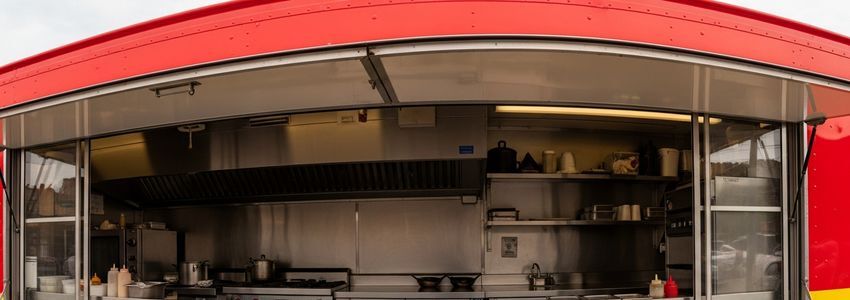
The food truck industry is one of the most exciting and fast-growing segments of the American restaurant market. From gourmet tacos to artisan ice cream, mobile food businesses have transformed the way people eat on the go - and the demand keeps growing. According to industry research, the U.S. food truck sector generates over $1.5 billion in annual revenue and continues to expand year over year. But launching or scaling a food truck operation requires real capital: a quality truck can cost $50,000 to $200,000 or more, and that's before permits, equipment, staffing, and inventory.
If you're wondering how to fund your food truck dream - or how to grow the one you already have - this guide breaks down every financing option available, what lenders look for, and how to position your application for success. Whether you're a first-timer or a seasoned operator adding vehicles to your fleet, the right food truck financing can make the difference between staying parked and hitting the road at full throttle.
In This Article
The Food Truck Industry in 2026
Food trucks have evolved far beyond the classic hot dog cart. Today's mobile food businesses operate sophisticated kitchens, serve chef-driven menus, and build loyal customer bases through social media and event catering. The U.S. Small Business Administration recognizes food trucks as legitimate small businesses eligible for most of the same financing programs as brick-and-mortar restaurants.
According to the U.S. Census Bureau, food service businesses with mobile or non-traditional formats have shown consistent revenue growth in recent years, driven by urban density, lower overhead compared to sit-down restaurants, and growing consumer appetite for diverse street food. That growth trajectory makes food truck operators attractive borrowers - when they know how to present their financials.
The biggest challenge for food truck owners seeking financing is demonstrating revenue consistency. Unlike a restaurant with fixed address foot traffic, food truck income can vary significantly based on location, seasonality, and events. Smart lenders understand this - and the right financing partner will work with your cash flow patterns rather than against them.
The food truck sector has grown at roughly 7-8% annually over the past five years. Mobile food businesses often achieve profitability faster than brick-and-mortar restaurants because of lower overhead - making them compelling loan candidates when financial documentation is strong.
Ready to Fund Your Food Truck Business?
Crestmont Capital specializes in fast, flexible financing for food truck operators across the U.S. Check your options in minutes.
Apply Now - No ObligationHow Much Does a Food Truck Cost?
Before you can choose the right financing, you need to know what you're financing. Food truck costs vary widely depending on whether you buy new, used, or converted - and what type of cuisine you serve. Here's a realistic breakdown of what most operators spend:
The Truck Itself
A brand-new, fully outfitted food truck from a specialty manufacturer typically runs between $75,000 and $200,000. A used or refurbished truck can cost $30,000 to $80,000. A DIY conversion of a used commercial vehicle might run $20,000 to $60,000 all-in - but add labor costs and potential reliability issues. If you're buying a second truck to expand your fleet, budget at the higher end for reliability.
Kitchen Equipment
Even if the truck itself has basic infrastructure, most operators need to invest in commercial-grade cooking equipment. Fryers, griddles, refrigeration units, generators, ventilation hoods, and POS systems can add another $15,000 to $50,000 depending on your menu. These items are often eligible for equipment financing at favorable rates since the equipment itself serves as collateral.
Permits, Licenses, and Insurance
Health department permits, business licenses, fire safety inspections, commissary agreements, and liability insurance typically cost between $2,000 and $10,000 to set up and must be renewed annually. These operating costs are usually funded with working capital loans or a line of credit rather than equipment-specific financing.
Startup Inventory and Operating Capital
Your first weeks of operation require enough cash to buy inventory, pay staff, cover fuel and commissary fees, and handle unexpected expenses. Most advisors recommend having at least 3 months of operating costs available as cash or a credit line before you open - typically $15,000 to $40,000 depending on volume.
| Cost Category | Typical Range | Best Financing Option |
|---|---|---|
| New Food Truck (Specialty Build) | $75,000 - $200,000 | Equipment Financing / SBA Loan |
| Used or Refurbished Truck | $30,000 - $80,000 | Equipment Financing / Term Loan |
| Kitchen Equipment Upgrades | $15,000 - $50,000 | Equipment Financing |
| Permits, Licenses, Insurance | $2,000 - $10,000 | Working Capital Loan |
| Operating Capital (3 months) | $15,000 - $40,000 | Line of Credit / Term Loan |
Types of Food Truck Business Loans and Financing
The good news is that food truck operators have more financing options today than ever before. Traditional banks, alternative lenders, and government-backed programs all serve this segment. Here's a complete overview of what's available:
Small Business Term Loans
A term loan gives you a lump sum of cash upfront that you repay over a fixed period with regular payments. This is the most straightforward form of small business lending and works well for purchasing a truck, buying equipment, or funding a significant expansion. Terms typically range from 1 to 10 years, and rates depend on your credit profile, revenue, and time in business.
For food truck owners, term loans are best when you have a specific, defined use of funds - like buying a second truck or a full kitchen buildout. If you need ongoing flexibility, a line of credit may serve you better.
Short-Term Working Capital Loans
Short-term business loans typically range from 3 to 18 months and are designed for immediate capital needs. They're faster to fund than traditional term loans - often within 24 to 48 hours - and have more flexible qualification requirements. These are useful for covering slow seasons, stocking up for a big event season, or handling an unexpected repair.
The tradeoff is higher effective interest rates compared to long-term loans. But for a food truck owner who needs capital fast and can repay it from seasonal revenue, short-term loans are a powerful tool.
Equipment Financing
When your primary funding need is the truck and/or kitchen equipment, equipment financing is often the most cost-effective route. In this structure, the equipment itself serves as collateral - meaning lower rates and more accessible qualification standards compared to unsecured loans. You can typically finance 80% to 100% of the equipment cost, preserving your cash for operations.
Equipment financing is available for both new and used trucks. Lenders look at the age and condition of the vehicle as part of their collateral assessment, so a newer, well-maintained truck will unlock better terms.
SBA Loans
The SBA loan program offers the longest terms and lowest rates available to small businesses, including food trucks. The SBA 7(a) loan - the most popular program - can fund up to $5 million for a variety of purposes, including truck purchase, working capital, and business expansion. SBA microloans (up to $50,000) are particularly well-suited for newer food truck operators who need a smaller amount.
The catch with SBA loans is time: the application process is more document-intensive and can take weeks to months to close. If you need capital now, an alternative lender may be more practical. But if you're planning ahead for a major expansion, SBA financing offers the best long-term economics.
Business Line of Credit
A business line of credit functions like a credit card for your business - you draw funds as needed, up to your limit, and only pay interest on what you use. This is ideal for food truck owners because it handles the inherent unpredictability of mobile food businesses. Slow week? Draw from your line to cover payroll. Big catering contract? Use the line to buy bulk supplies and repay it when the invoice clears.
Lines of credit are revolving - once you repay what you've drawn, those funds become available again. This flexibility makes a line of credit an essential financial tool for any food truck operator managing variable cash flow.
Many food truck operators underestimate working capital needs. Events get cancelled. Health inspections cause downtime. Truck breakdowns happen. Maintaining access to a line of credit means these disruptions don't become existential threats to your business.
SBA Loans for Food Trucks
The Small Business Administration's loan programs are among the best financing tools available to food truck operators - particularly those who have been in business for at least 2 years and have solid financials. Understanding your options helps you pick the right program and prepare a strong application.
SBA 7(a) Loans
The flagship SBA program, 7(a) loans can be used for virtually any business purpose: buying a truck, purchasing equipment, funding inventory, hiring staff, or refinancing existing debt. Loan amounts range from $25,000 to $5 million, with terms up to 10 years for working capital and 25 years for real estate. For food trucks, typical loan sizes fall in the $50,000 to $300,000 range.
SBA 7(a) rates are tied to the prime rate plus a lender's spread, and are capped by the SBA. In 2026, rates typically range from 7% to 11% depending on loan size and term. The SBA guarantees up to 85% of loans under $150,000 and 75% of larger loans, which makes lenders more willing to approve borrowers who might otherwise be turned down.
According to the SBA's official loan page, applicants must be a for-profit U.S. business, meet size standards, demonstrate good character, show ability to repay, and have tried to use alternative financial resources (including personal assets) before seeking SBA financing.
SBA Microloans
For newer food truck operators or those needing smaller amounts, the SBA microloan program provides up to $50,000 through nonprofit intermediary lenders. Average loan amounts are around $13,000. These loans carry competitive interest rates (typically 8% to 13%) and terms up to 6 years. Some microloan programs also offer business mentoring and technical assistance - valuable for first-time food truck owners.
SBA 504 Loans
The 504 program is designed for real estate and large equipment purchases rather than working capital. While less commonly used for food trucks specifically, a 504 loan could make sense if you're purchasing a commissary kitchen facility alongside your mobile operation. The 504 structure involves a conventional lender funding 50%, a Certified Development Company (CDC) covering 40% with an SBA-backed debenture, and the borrower contributing 10% down.
Equipment Financing for Your Truck and Kitchen
Equipment financing deserves its own deep dive because it's the most commonly used funding vehicle for food truck purchases. The fundamental principle is simple: the truck and kitchen equipment you're buying serves as collateral for the loan, which reduces lender risk and typically results in lower rates and easier qualification than unsecured financing.
How Food Truck Equipment Financing Works
You apply for a loan to cover the purchase price of the equipment. If approved, the lender pays the seller directly (or reimburses you if you've already purchased). You make fixed monthly payments over the loan term - typically 24 to 72 months for a food truck. At the end of the term, you own the equipment outright. Interest rates typically range from 5% to 25% depending on your credit, the age of the equipment, and the lender.
One advantage of equipment loans is speed: because the collateral is clear, lenders can often approve and fund equipment loans in 1 to 5 business days. For a food truck operator who finds the right truck and needs to move quickly, that turnaround matters.
What Equipment Qualifies?
In a food truck context, the following typically qualify for equipment financing:
- The food truck vehicle itself (new or used)
- Generators and power systems
- Commercial refrigeration units
- Cooking equipment (fryers, griddles, ovens, warming units)
- Point-of-sale systems and payment terminals
- Serving equipment and smallwares (sometimes)
Lenders will typically require an equipment appraisal or invoice to confirm the value of what's being financed. For used trucks especially, lenders may advance only a percentage of the appraised value rather than the purchase price.
Equipment Leasing as an Alternative
Some operators prefer equipment leasing over purchasing - particularly for high-cost commercial cooking equipment that may become obsolete. In a lease, you make monthly payments for use of the equipment without taking ownership. At the end of the lease term, you may have the option to purchase, return, or upgrade the equipment. Leasing preserves more working capital and can offer tax advantages. However, for the truck itself, most operators prefer ownership given how central the vehicle is to the business.

Understanding your financing options is a critical step in growing a successful food truck business.
Business Line of Credit for Food Truck Operators
If you already own your truck and need ongoing working capital flexibility, a business line of credit is often the best ongoing financial tool for a food truck operator. Unlike a term loan with a fixed repayment schedule, a line of credit lets you borrow and repay on your schedule - making it perfectly suited to the feast-or-famine nature of mobile food revenue.
When to Use a Line of Credit
Lines of credit are best for:
- Seasonal cash gaps: When winter slows outdoor foot traffic but fixed costs (commissary fees, insurance, loan payments) continue.
- Event preparation: Buying bulk ingredients and supplies for a major festival or corporate catering contract before you receive payment.
- Emergency repairs: Truck breakdowns, refrigeration failures, or generator issues require fast cash. A line of credit means you're never one breakdown away from shutting down.
- Opportunity capital: When a pop-up spot opens up at a new location and you need to move fast on permits and deposits.
Line of Credit Qualification
Most business line of credit programs for food trucks require at least 6 to 12 months in business with consistent revenue deposits. Credit lines typically range from $10,000 to $250,000 for established food truck operators. Lenders will review your bank statements, revenue trends, and credit score - but the qualification bar is generally lower than for a large term loan.
For newer food truck owners or those with credit challenges, a smaller initial line (even $10,000 to $25,000) can help establish a borrowing relationship and grow over time as you demonstrate consistent revenue.
The most financially sophisticated food truck operators use layered financing: an equipment loan for the truck, a term loan for large upgrades, and a line of credit for working capital. This structure optimizes cost of capital and keeps cash available for opportunities and emergencies.
What Lenders Look for When You Apply
Understanding how lenders evaluate food truck loan applications helps you prepare a stronger package - and avoid common rejection reasons. Here's what matters most:
Time in Business
Most conventional lenders want to see at least 1 to 2 years of operating history. Alternative lenders may fund businesses as young as 6 months. Pre-launch (startup) food trucks face the steepest challenge because there's no revenue history to underwrite. If you haven't opened yet, your best options are SBA microloans, personal guarantees backed by strong personal credit, or equipment financing based on collateral value rather than cash flow.
Monthly Revenue
Lenders use your average monthly revenue to determine how large a loan you can service. As a rule of thumb, your total monthly debt payments should not exceed 15% to 25% of your average monthly gross revenue. Many alternative lenders use bank statement analysis (typically 3 to 6 months of business bank statements) rather than tax returns to assess actual cash flow - which is favorable for food trucks whose revenue may not be fully reflected in year-old tax documents.
Credit Score
Your personal credit score matters significantly for small business loans, especially for newer businesses without established business credit. Most conventional lenders want a 680+ personal FICO score. Alternative lenders may work with scores down to 550 to 600. If your score is lower, explore bad credit business loan options or focus first on improving your score through on-time payment history and debt reduction.
Revenue Documentation
Expect to provide 3 to 6 months of business bank statements, your most recent 1 to 2 years of business tax returns (if applicable), a profit and loss statement, and sometimes a schedule of your events and revenue by location. If you use a POS system, many lenders also accept POS reports as supplemental documentation. Strong documentation of consistent deposits - even if the amounts vary by season - makes a compelling case.
Business Plan (For Startups and Expansions)
If you're seeking a large loan or are a startup, a business plan significantly strengthens your application. Your plan should include a description of your concept, target market, revenue projections, expense forecasts, and a description of how you'll use the loan proceeds. According to Forbes, small business owners who include detailed financial projections in their applications see meaningfully higher approval rates than those who submit minimal documentation.
How to Apply for a Food Truck Loan
The application process varies by lender type but follows a general sequence. Here's what to expect and how to move efficiently through each stage:
Step 1: Know Your Number
Before applying, be precise about how much you need and what you'll use it for. Lenders respond better to specific, justified requests than vague round numbers. "I need $85,000 to purchase a 2024 food truck, wrap it with branding, and stock initial inventory" is a stronger request than "I need about $100,000."
Step 2: Gather Your Documentation
Prepare the following in advance:
- 3 to 6 months of business bank statements
- Most recent 2 years of business and personal tax returns
- Current profit and loss statement
- Copy of your business license and any food permits
- Quote or invoice for the equipment being purchased (if applicable)
- Government-issued ID
- Business formation documents (LLC operating agreement, articles of incorporation, etc.)
Step 3: Check Your Credit
Pull your personal and business credit reports before applying. Dispute any errors and understand your starting score. If you find issues, address them before applying to avoid unnecessary hard inquiries and rejections.
Step 4: Apply with the Right Lender
Match your situation to the right lender type. Startup with limited history? Look at microlenders or equipment financing. Established operator needing quick capital? Alternative lenders and lines of credit work fastest. Expansion with strong financials? SBA or conventional term loans offer the best economics. If you want to compare multiple options at once, working with a lending marketplace or broker can save significant time.
For related insights on how other food-service entrepreneurs approach expansion financing, see our guide on How Cafes Can Use Business Loans to Expand - many of the same principles apply to food truck growth.
Food Truck Financing: At a Glance
Get Funding for Your Food Truck - Fast
Crestmont Capital offers fast business loans with flexible terms for food truck operators at every stage. Apply today and get a decision within hours.
Check My Rate NowTips to Improve Your Approval Odds
Even if your finances aren't perfect, there are concrete steps you can take to strengthen your loan application. Here's what the most successful food truck borrowers do differently:
Separate Your Business and Personal Finances
If you're running food truck revenue through a personal bank account, stop immediately. Open a dedicated business checking account and run all revenue and expenses through it. Lenders evaluate business bank statements, and commingled finances both complicate the review and signal financial immaturity to underwriters.
Build Business Credit Separately
Apply for a business credit card or small credit line and use it consistently. Paying it off each month builds business credit history - separate from your personal score - that will help you qualify for larger amounts over time. Business credit bureaus like Dun and Bradstreet, Equifax Business, and Experian Business track this separately from personal credit.
Document Your Revenue Thoroughly
Use a POS system that generates clear daily, weekly, and monthly sales reports. Keep records of events attended, gross sales per event, and regular locations. When lenders can see consistent, documented revenue patterns - even if seasonal - they're far more confident in your ability to repay.
Reduce Existing Debt Before Applying
Your debt service coverage ratio (DSCR) - the ratio of your business cash flow to your existing debt payments - is a critical underwriting metric. If you're carrying high-interest credit card balances or other debt, paying those down before applying for a larger loan improves your DSCR and signals creditworthiness.
Consider a Co-Signer or Collateral
If your individual profile is thin, a personal guarantee backed by real collateral (equity in a home, savings, equipment) or a creditworthy co-signer can unlock financing that would otherwise be unavailable. This is particularly relevant for startup food truck operators who don't yet have business revenue history.
Work With an Experienced Lender
Lenders who understand the food service industry - including the seasonal nature of food truck revenue - are far more likely to structure a loan that fits your actual business model. A lender who treats your food truck like any other retail business may decline you based on seasonality variance that a food-savvy lender would accept as normal. Crestmont Capital works with food truck operators nationwide and understands the unique rhythms of mobile food businesses.
If your credit history has challenges, don't assume financing is out of reach. Learn about business loans with no credit check and alternative qualification criteria that many lenders now use.
For operators thinking big - like franchising a food truck brand or buying a commissary facility - larger funding options also exist. Our guide on the $500,000 business loan covers what it takes to qualify for major capital infusions.
As CNBC has reported, small business owners who diversify their funding sources and maintain relationships with multiple lenders are significantly better positioned to access capital when they need it most. Don't wait until you're in a cash crisis to establish a lending relationship.
Frequently Asked Questions
Can I get a food truck loan with bad credit?
How much can I borrow for a food truck?
How fast can I get a food truck loan?
Do I need a business plan to get a food truck loan?
Can I get financing to start a food truck with no revenue?
What interest rates should I expect on a food truck loan?
Is it better to lease or finance a food truck?
Can I get a loan to add a second food truck to my fleet?
What documents do I need to apply for a food truck loan?
How do I handle seasonal revenue when applying for a loan?
Can I use a business loan to pay for a food truck wrap and branding?
How does an emergency loan work for a food truck breakdown?
Does operating as an LLC or corporation help with food truck loans?
What's the minimum revenue needed to qualify for a food truck loan?
Are there grants available for food truck owners?
Next Steps: Your Food Truck Financing Roadmap
- Calculate your exact funding need - truck cost, equipment, permits, and operating capital
- Pull your credit reports - personal and business - and address any errors
- Open a dedicated business bank account if you haven't already, and run all revenue through it
- Gather 3-6 months of business bank statements and your most recent tax returns
- Identify the right loan type for your situation (equipment financing, term loan, line of credit, SBA)
- Apply with a lender that specializes in food service and understands mobile business revenue patterns
- Compare multiple offers on an APR basis before committing
Ready to Move Forward?
Crestmont Capital works with food truck operators across every stage - from first trucks to multi-vehicle fleets. Our team understands the unique cash flow patterns of mobile food businesses and structures financing accordingly. Get your personalized offer in minutes.
Apply Now - Free, No ObligationConclusion
The food truck industry rewards entrepreneurs who combine culinary passion with sharp business acumen - and financing is a big part of that business acumen. Whether you're buying your first truck, expanding your fleet, managing seasonal cash flow, or recovering from an unexpected setback, the right funding partner can be the difference between stalling out and hitting full stride.
The key is matching your specific situation to the right loan type: equipment financing for vehicle purchases, a line of credit for operational flexibility, short-term loans for seasonal needs, and SBA loans for major long-term investments. Don't wait until you're in a cash crisis to build these relationships - establish a lending history now, document your revenue diligently, and keep your credit in good standing.
Crestmont Capital has helped thousands of small business owners - including food truck operators nationwide - access the capital they need to grow. Our streamlined application process, industry-savvy underwriters, and fast funding timelines make us the right partner for mobile food entrepreneurs ready to scale.
Apply today and get your food truck financing offer within hours.
Disclaimer: The information provided in this article is for general educational purposes only and is not financial, legal, or tax advice. Funding terms, qualifications, and product availability may vary and are subject to change without notice. Crestmont Capital does not guarantee approval, rates, or specific outcomes. For personalized information about your business funding options, contact our team directly.