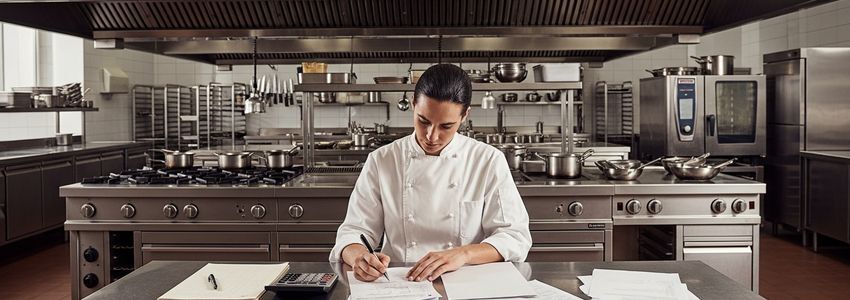
The food and beverage industry is one of the largest and most competitive sectors in the American economy, generating over $1.5 trillion in annual revenue. Whether you operate a restaurant, food distribution company, beverage manufacturer, catering service, specialty food producer, or packaged goods brand, access to capital is the engine that drives growth. Food and beverage business loans provide the funding you need to buy equipment, manage inventory, hire staff, expand locations, and bridge seasonal cash flow gaps - all without giving up ownership of your company.
This guide covers everything food and beverage entrepreneurs need to know about business financing in 2026 - from the specific loan types available to qualification requirements, application tips, and real-world scenarios where the right funding makes all the difference.
In This Article
- What Are Food and Beverage Business Loans?
- Types of Loans Available for Food and Beverage Companies
- How Food and Beverage Business Financing Works
- Food and Beverage Lending By the Numbers
- Who Qualifies for a Food and Beverage Business Loan?
- Comparing Loan Options Side by Side
- How Crestmont Capital Helps Food and Beverage Businesses
- Real-World Scenarios: When a Business Loan Makes Sense
- Tips for Getting Approved
- How to Get Started
- Frequently Asked Questions
What Are Food and Beverage Business Loans?
Food and beverage business loans are financing products specifically used - or tailored - for companies operating in the food production, processing, distribution, restaurant, and related hospitality sectors. Unlike personal loans, these products are underwritten based on your business revenue, operating history, credit profile, and the financial health of your company.
Food and beverage businesses face unique financial challenges: thin margins, high perishable inventory costs, seasonal fluctuations, licensing requirements, health code compliance, and ongoing equipment maintenance. Traditional banks often view the food service industry as higher risk, making alternative lenders and specialized financiers an increasingly popular choice for owners who need fast, flexible capital.
At their core, food and beverage business loans function the same as any business loan - you receive a lump sum or revolving credit facility, use it to fund business operations or growth, and repay it with interest over a defined period. What makes them unique is how lenders structure them around the revenue patterns, asset types, and operational cycles specific to the food sector.
Industry Fact: According to the National Restaurant Association, over 60% of independent restaurants cite access to capital as a primary constraint on growth. The right financing partner can be the difference between a thriving location and a shuttered one.
Types of Loans Available for Food and Beverage Companies
The food and beverage space encompasses a wide range of business models - from corner cafes and food trucks to regional distributors and national CPG brands. Each has different financing needs, and lenders have developed products to serve them all.
Working Capital Loans
Working capital loans are short-to-medium term financing products designed to cover day-to-day operational costs. For food and beverage companies, this typically means funding payroll during slow seasons, purchasing ingredients and packaging in bulk for seasonal rushes, or bridging the gap between accounts receivable and outstanding vendor payments. Unsecured working capital loans from alternative lenders can be approved in as little as 24 to 48 hours and do not require collateral, making them ideal for businesses that need fast access to cash.
Equipment Financing
Commercial kitchens, breweries, food processing facilities, and cold storage operations all rely on specialized equipment that can cost tens of thousands to hundreds of thousands of dollars. Restaurant equipment financing and food equipment financing allow you to acquire the equipment you need while preserving cash flow. The equipment itself typically serves as collateral, which simplifies the approval process and often results in better rates than unsecured products.
Business Lines of Credit
A business line of credit gives food and beverage operators the flexibility to draw funds as needed and repay them on a revolving basis. This is ideal for managing the unpredictable nature of the food business - a sudden catering opportunity, an emergency equipment repair, or a supply chain disruption that requires rapid vendor payment. You only pay interest on what you draw, making it a cost-effective tool for businesses with variable cash flow.
SBA Loans
Small Business Administration (SBA) loans offer some of the most favorable terms available to food and beverage businesses - including longer repayment periods (up to 25 years for real estate and 10 years for equipment) and competitive interest rates. The SBA 7(a) program is the most commonly used, offering up to $5 million in financing. The tradeoff is time - SBA loans can take several weeks to process and require extensive documentation. They are best suited for established businesses planning major expansions or property purchases.
Merchant Cash Advances
Restaurants and food retailers with consistent credit and debit card sales may qualify for a merchant cash advance (MCA). Rather than a traditional loan, an MCA is an advance against your future sales - repaid through a percentage of daily card transactions. This means payments automatically scale with your revenue, which can be helpful during slow periods. However, the effective cost of capital is typically higher than conventional loans, so MCAs are best reserved for short-term needs when speed matters most.
Invoice Financing
Food distributors, wholesale food manufacturers, and catering companies that invoice corporate clients often face long payment cycles of 30, 60, or even 90 days. Invoice financing (also called accounts receivable financing) allows you to unlock a percentage of your outstanding invoice value immediately - typically 80-90% - with the remainder paid when your client settles. This eliminates the cash flow crunch that comes with waiting for payment and allows you to take on new business without worrying about capital constraints.
Commercial Real Estate Loans
Food and beverage companies looking to purchase a building, production facility, or restaurant space need commercial real estate financing. These loans are secured by the property itself and generally offer longer repayment terms and lower interest rates than unsecured products. If you currently lease your space and have been considering ownership, a commercial real estate loan could allow you to build equity while controlling your occupancy costs.
Ready to Fund Your Food and Beverage Business?
Crestmont Capital offers fast, flexible financing for restaurants, food producers, distributors, and every business in between. Apply in minutes - no obligation.
Apply Now →How Food and Beverage Business Financing Works
Understanding how lenders evaluate and fund food and beverage businesses helps you prepare a stronger application and choose the right product for your situation. Here is a step-by-step overview of how the process typically unfolds when working with a modern alternative lender:
Step 1: Pre-Application Assessment
Before applying, take stock of your financial position. Lenders will want to see your monthly revenue (typically at least $10,000-$15,000 per month for most products), time in business (usually 6-12 months minimum), and personal credit score. Knowing where you stand before you apply helps you target the right loan products and avoid unnecessary hard inquiries on products you do not yet qualify for.
Step 2: Application and Document Submission
Most alternative lenders today offer streamlined online applications that can be completed in minutes. You will typically need to provide three to six months of business bank statements, a voided business check, and basic business information. Unlike traditional bank applications that require years of tax returns, financial statements, and business plans, alternative lenders focus primarily on cash flow evidence from bank statements.
Step 3: Underwriting and Approval
Once you submit your application, lenders run it through their underwriting process. Modern alternative lenders use technology-driven underwriting that can analyze bank statements and cash flow patterns in hours rather than weeks. You may receive a preliminary offer within 24-48 hours. The underwriter will review average monthly deposits, number of transactions, payment history, existing debt obligations, and consistency of revenue.
Step 4: Offer Review and Acceptance
If approved, you will receive a loan offer detailing the amount, interest rate or factor rate, repayment term, and any fees. Review this carefully - pay particular attention to the total cost of capital (not just the interest rate), prepayment terms, and whether payments are fixed or variable. Good lenders are transparent about all costs upfront.
Step 5: Funding
Once you accept the offer, funds are typically deposited directly to your business bank account within one to three business days. For equipment loans, the lender may pay the equipment vendor directly. For lines of credit, you draw funds as needed from an online portal.
Food and Beverage Lending: By the Numbers
By the Numbers
Food and Beverage Business Financing - Key Statistics
$1.5T
Annual U.S. food and beverage industry revenue
60%
Of restaurants cite access to capital as a growth constraint
24 Hrs
Typical funding timeline with alternative lenders
500K+
Food and beverage businesses operating in the U.S.

Who Qualifies for a Food and Beverage Business Loan?
Qualification requirements vary significantly by lender type and loan product. Here is a general breakdown of what you should expect:
Alternative Lender Requirements (Most Accessible)
Alternative lenders like Crestmont Capital are designed to serve food and beverage businesses that may not meet traditional bank standards. Typical requirements include:
- Minimum 6 months in business
- Minimum $10,000-$15,000 in monthly revenue
- Personal credit score of 500+ (some products go lower)
- Active business bank account with consistent deposits
- No open bankruptcies (most lenders)
SBA Loan Requirements (Most Stringent)
SBA loans require meeting the SBA's definition of a small business, being for-profit, and operating in the United States. Specific requirements include:
- 2+ years in business (typically)
- Personal credit score of 680+
- Clean financial history
- Detailed business plan and financial projections
- Demonstrated inability to obtain credit elsewhere on reasonable terms
Equipment Loan Requirements
Equipment loans are generally easier to obtain than unsecured products because the equipment secures the loan. Lenders typically require a minimum credit score of 600-620, evidence of sufficient revenue to cover payments, and a down payment of 10-20% for larger ticket purchases.
Pro Tip: Many food and beverage operators are surprised to learn they qualify for more financing than they expected. Alternative lenders focus primarily on cash flow consistency - if your business deposits are stable and predictable, your chances of approval improve dramatically regardless of your credit score.
Comparing Loan Options Side by Side
Not all financing products are created equal. The table below compares the most common options available to food and beverage businesses to help you identify the best fit for your situation.
| Loan Type | Best For | Typical Amount | Speed | Credit Requirement |
|---|---|---|---|---|
| Working Capital Loan | Day-to-day operations, payroll, inventory | $10K - $500K | 1-3 days | 500+ |
| Equipment Financing | Kitchen, production, cold storage equipment | $5K - $5M | 2-5 days | 600+ |
| Business Line of Credit | Ongoing flexibility, seasonal needs | $10K - $250K | 1-5 days | 600+ |
| SBA 7(a) Loan | Expansion, real estate, major investments | Up to $5M | 4-12 weeks | 680+ |
| Merchant Cash Advance | Restaurants with high card volume | $5K - $500K | 24-48 hrs | 500+ |
| Invoice Financing | Distributors, B2B food businesses | Up to 90% of invoices | 1-3 days | 550+ |
How Crestmont Capital Helps Food and Beverage Businesses
Crestmont Capital has been rated the #1 business lender in the country, and we have built our reputation by funding businesses that traditional banks overlook - including the food and beverage industry. We understand that your business does not operate on a bank's schedule, and neither should your access to capital.
Our team works with restaurant owners, food producers, beverage manufacturers, distributors, caterers, food truck operators, and specialty food retailers across all 50 states. We offer:
- Fast approvals: Most applications receive a decision within 24-48 hours
- Flexible products: Working capital, equipment financing, lines of credit, and more
- Competitive rates: Transparent pricing with no hidden fees
- Dedicated advisors: A real human who understands your industry guides you through the process
- Minimal documentation: Bank statements are often all you need to get started
For food and beverage operators looking to acquire specialized equipment, our commercial kitchen equipment financing program is designed specifically for the unique assets your business needs. For broader funding needs, our restaurant business loans page provides an overview of all the options available to food service businesses.
Your Restaurant or Food Business Deserves Real Financing
From working capital to equipment and expansion loans - Crestmont Capital has the right solution for your food and beverage business. Get started today.
Get Your Quote →Real-World Scenarios: When a Business Loan Makes Sense
Understanding when to deploy financing is just as important as knowing how to get it. Here are six real-world scenarios where food and beverage business loans have made a measurable difference:
Scenario 1: Seasonal Inventory Buildup for a Specialty Foods Company
A specialty food company in the Pacific Northwest produces artisanal hot sauces and preserves. Their busiest quarter runs from September through December as holiday gift sets and retail orders surge. Each year, they need to purchase six months of raw ingredients in August to meet demand - a $120,000 outlay that their summer revenue alone cannot cover. A working capital loan bridged the gap, allowing the owner to fully stock up, fulfill all orders, and repay the loan by February when Q4 revenue cleared.
Scenario 2: Equipment Replacement After a Commercial Kitchen Fire
A regional catering company experienced a kitchen fire that destroyed their commercial ovens, convection units, and cold storage. Their insurance covered structural damage but not all equipment replacement costs. An equipment financing package for $85,000 allowed them to replace every piece of equipment and resume operations within three weeks, preventing the loss of their spring wedding catering contracts worth over $400,000.
Scenario 3: Expanding a Food Truck to a Brick-and-Mortar Location
After three years of successful food truck operations, an owner was offered a below-market lease on a 1,200-square-foot space in a high-traffic neighborhood. She needed $75,000 for build-out, kitchen equipment, permits, and an opening inventory. A combination of a term loan and equipment financing gave her the capital to open on time, and the brick-and-mortar location now generates three times her food truck revenue.
Scenario 4: Launching a New Product Line for a Beverage Manufacturer
A craft beverage manufacturer with a successful line of sparkling teas received a distribution agreement with a regional grocery chain. Scaling production to meet distribution volume required new bottling equipment and packaging materials. An equipment financing facility covered the $200,000 bottling line, and a line of credit covered the additional raw material costs. Within 12 months, the new distribution channel added $800,000 in annual revenue.
Scenario 5: Managing Cash Flow During a Slow Season for a Restaurant Group
A restaurant group operating three locations in a college town faces significant revenue drops between May and August when students leave. Payroll, rent, and vendor obligations do not stop during those months. A revolving line of credit allowed the group to draw funds in summer and repay during the high-revenue fall semester, keeping all three locations fully staffed and operationally stable year-round.
Scenario 6: Acquiring a Competitor's Food Distribution Business
A family-owned food distributor had the opportunity to acquire a retiring competitor's routes and client base for $350,000. The acquisition would double their distribution footprint overnight. An SBA 7(a) loan provided the acquisition financing at favorable terms, with the acquired revenue itself servicing the debt. Within 24 months, the expanded operation had fully justified the acquisition price.
Tips for Getting Approved for a Food and Beverage Business Loan
Getting approved is largely a function of preparation and choosing the right lender. Here are the most impactful steps you can take to improve your approval odds:
1. Keep Your Bank Statements Clean
Alternative lenders base much of their underwriting on bank statement analysis. Consistent, predictable deposits signal a healthy business. Avoid overdrafts, excessive non-sufficient funds (NSF) charges, or large gaps in deposit activity in the months leading up to your application.
2. Separate Business and Personal Finances
If you are running business transactions through a personal account, open a dedicated business checking account immediately. Lenders need to see clear business revenue, and commingled funds raise red flags during underwriting.
3. Know Your Numbers
Be prepared to articulate your average monthly revenue, peak seasons, largest expense categories, and how you plan to use the funds. Lenders who specialize in food and beverage appreciate applicants who understand their own business metrics.
4. Apply Before You Desperately Need the Money
The best time to apply for a line of credit or working capital facility is when your business is performing well - not during a cash crisis. Lenders respond better to strong financials, and having capital available before you need it prevents costly emergency decisions.
5. Work with a Lender That Knows Your Industry
Not all lenders understand the food and beverage business. A lender unfamiliar with seasonal revenue patterns, thin margins, or the capital cycles of a food distributor may decline or underfund an otherwise strong application. Working with a lender that has experience in your sector dramatically improves your experience and outcomes.
Important: Applying to multiple lenders simultaneously can result in multiple hard credit inquiries, temporarily lowering your credit score. Consider working with a broker or direct lender like Crestmont Capital that can match you to the right product with a single application.
How to Get Started
Complete our quick application at offers.crestmontcapital.com/apply-now - takes just a few minutes and requires no commitment.
A Crestmont Capital advisor with experience in the food and beverage industry will review your needs and match you with the financing product that best fits your situation and goals.
Once approved, funds are deposited directly to your business bank account - often within 24 to 48 hours. Put your capital to work immediately and start growing.
Conclusion
Food and beverage business loans are not just a financial tool - they are a strategic asset that allows you to capitalize on opportunities, weather seasonal downturns, and build a more resilient operation. Whether you need working capital to bridge a slow quarter, equipment financing to scale production, or a line of credit to keep up with rapid growth, the right financing partner makes all the difference.
Crestmont Capital has helped thousands of food and beverage businesses across the country access the capital they need to compete and grow. With fast approvals, transparent terms, and advisors who understand your industry, we are built to be your long-term financing partner - not just a one-time lender.
The most successful food and beverage operators treat financing as a regular part of their business strategy. Do not wait until you are in a cash flow crisis to explore your options. Apply today and discover what food and beverage business loans can do for your company.
Take the Next Step for Your Food and Beverage Business
Apply in minutes. Get funded in days. No obligation - just fast, flexible capital designed for businesses like yours.
Apply Now →Frequently Asked Questions
What types of food and beverage businesses can qualify for a business loan?
Nearly any food and beverage business can qualify, including restaurants, cafes, bars, food trucks, catering companies, food distributors, beverage manufacturers, specialty food producers, packaged goods companies, bakeries, breweries, wineries, and food retail stores. The key qualifying factors are time in business, monthly revenue, and credit profile - not the specific type of food business you operate.
How much can a food and beverage company borrow?
Loan amounts vary widely depending on the product and lender. Working capital loans and lines of credit typically range from $10,000 to $500,000. Equipment financing can go up to $5 million or more for large commercial operations. SBA loans max out at $5 million. The amount you can borrow is primarily determined by your monthly revenue - most lenders will offer up to 1 to 1.5 times your average monthly gross revenue for unsecured products.
Can I get a food and beverage business loan with bad credit?
Yes. Alternative lenders place significantly less emphasis on credit scores than traditional banks. Many food and beverage business owners with credit scores in the 500 to 600 range successfully obtain financing when their business demonstrates consistent monthly revenue. If your credit is lower than ideal, focus on showing strong bank statements with regular deposits and minimal overdraft activity. The strength of your business cash flow often outweighs a lower personal credit score with alternative lenders.
How fast can I get funded for a food and beverage business loan?
With alternative lenders, the timeline from application to funding is typically 24 to 72 hours for working capital loans and lines of credit. Equipment financing usually takes 2 to 5 business days due to additional documentation requirements. SBA loans are the exception - they require 4 to 12 weeks due to the government guarantee process and thorough underwriting. If speed is a priority, alternative lenders and direct lenders like Crestmont Capital are your best option.
What documents do I need to apply for a food and beverage business loan?
For most alternative lender products, you will need 3-6 months of business bank statements, a voided business check, and basic business information such as your legal business name, EIN, and time in business. Some lenders may ask for a copy of your business license or lease agreement. SBA loans require significantly more documentation including tax returns, financial statements, a business plan, and proof of business ownership.
Is collateral required for food and beverage business loans?
It depends on the loan type. Working capital loans and lines of credit from alternative lenders are typically unsecured, meaning no specific collateral is required. Equipment loans are secured by the equipment itself. SBA loans may require personal guarantees and business assets as collateral depending on the loan amount. A personal guarantee - where you agree to personally repay the loan if your business cannot - is standard for most small business financing regardless of whether physical collateral is pledged.
Can a startup food or beverage company get a business loan?
Startup financing is more limited than funding for established businesses, but options do exist. Many lenders require a minimum of 6 months in business and demonstrable revenue. Businesses with less than 6 months of history may explore equipment financing (secured by the equipment), SBA Microloan programs, or startup-focused lenders. The strongest startup applications typically include a solid personal credit history, relevant industry experience, and evidence of early revenue traction such as pre-orders or a signed lease.
How does seasonal revenue affect my ability to qualify for a loan?
Seasonal revenue is common in the food and beverage industry, and experienced lenders understand it. When evaluating seasonal businesses, underwriters typically look at 12-month trailing revenue averages rather than a single month's deposits. Applying during your peak season when deposits are strongest improves your approval odds and potentially increases your loan amount. Be transparent with your lender about seasonal patterns - a good advisor will structure your loan with repayment terms that align with your revenue cycles.
What interest rates should I expect on a food and beverage business loan?
Interest rates vary significantly based on loan type, lender, creditworthiness, and market conditions. SBA loans typically carry the lowest rates, ranging from prime rate plus 2.25% to 4.75%. Equipment loans generally fall in the 5% to 20% range depending on credit quality. Working capital and unsecured term loans from alternative lenders may carry factor rates equivalent to an APR of 15% to 50% or higher, reflecting the speed and accessibility they offer. Always evaluate the total cost of capital - not just the headline rate - when comparing offers.
Can I use a business loan to purchase an existing food or beverage business?
Yes. Business acquisition financing is available for food and beverage operators looking to purchase an existing restaurant, distribution route, or food manufacturing operation. SBA 7(a) loans are commonly used for acquisitions up to $5 million. For smaller acquisitions, term loans and revenue-based financing may also apply. The acquired business's existing revenue typically plays a significant role in underwriting, alongside the buyer's personal credit and industry experience.
What is the difference between a food and beverage business loan and a restaurant loan?
The terms are often used interchangeably, but food and beverage business loans is a broader category that encompasses all companies operating within the food production, processing, distribution, and service sectors. Restaurant loans typically refer specifically to financing for foodservice establishments. The underlying loan products - working capital, equipment financing, lines of credit, SBA loans - are largely the same. Lenders who specialize in restaurant financing often understand the broader food and beverage sector as well.
How do I choose the right lender for my food and beverage business?
Look for lenders who have a track record with food and beverage businesses specifically. Ask whether they have experience with seasonal revenue patterns, thin margins, and the specific loan products relevant to your situation. Compare total cost of capital (not just stated rates), funding speed, repayment flexibility, and customer service responsiveness. Reading reviews and asking for referrals from other food business owners in your network is also valuable. Transparency is a key indicator of a trustworthy lender - any lender unwilling to clearly explain fees and terms upfront is one to avoid.
Can I get a loan to cover food and beverage licensing and compliance costs?
Absolutely. Working capital loans and business lines of credit can be used for any legitimate business purpose, including licensing fees, health department compliance upgrades, food safety certifications, FDA registration costs, and regulatory-mandated facility improvements. These are valid business expenses that directly protect your ability to operate and generate revenue. When applying, simply describe these as operational or compliance-related capital needs.
How does repayment typically work for food and beverage business loans?
Repayment structures vary by product. Traditional term loans and SBA loans require fixed monthly or bi-weekly payments over the loan term. Equipment loans are repaid monthly. Merchant cash advances are repaid through a daily percentage of card sales. Lines of credit typically require minimum monthly payments on the outstanding balance. Many alternative lenders offer daily or weekly ACH payment options that spread repayment into smaller increments, reducing the impact on your monthly cash flow compared to one large monthly payment.
What happens if my food business struggles to repay a loan?
If you anticipate difficulty making payments, contact your lender immediately - before you miss a payment. Many lenders offer hardship programs, payment deferrals, or restructuring options for borrowers who communicate proactively. Missing payments without communication typically results in late fees, damaged credit, and in some cases, collection activity or legal action. For SBA loans, the SBA also has workout programs available. The worst outcome is always avoiding the conversation with your lender entirely.
Disclaimer: The information provided in this article is for general educational purposes only and is not financial, legal, or tax advice. Funding terms, qualifications, and product availability may vary and are subject to change without notice. Crestmont Capital does not guarantee approval, rates, or specific outcomes. For personalized information about your business funding options, contact our team directly.