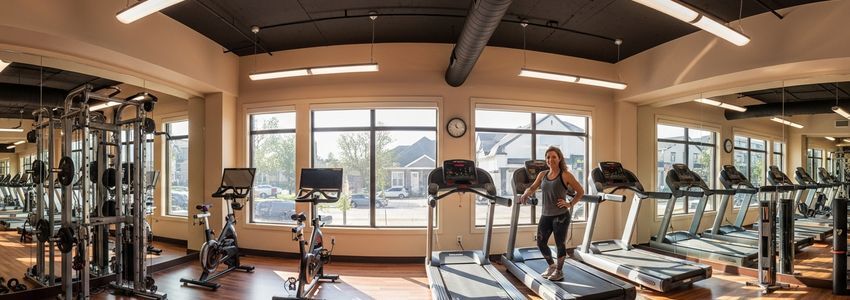
Fitness studio loans give gym owners and wellness entrepreneurs the capital they need to invest in equipment, expand their space, hire staff, and compete in one of the fastest-growing industries in the United States. Whether you run a Pilates studio, a CrossFit box, a spin class facility, or a boutique yoga space, the right financing strategy can be the difference between surviving and thriving. In this comprehensive guide, you will learn everything you need to know about funding options available to fitness studio owners in 2026.
In This Article
- The Fitness Studio Industry: A Growing Opportunity
- Why Fitness Studio Owners Need Financing
- Types of Loans for Fitness Studios
- Equipment Financing for Fitness Studios
- How to Qualify for a Fitness Studio Loan
- How Much Can You Borrow?
- Smart Ways to Use Fitness Studio Financing
- Tips to Get Approved Faster
- Next Steps: Getting Your Fitness Studio Funded
- Frequently Asked Questions
The Fitness Studio Industry: A Growing Opportunity
The fitness industry in the United States generates over $35 billion in revenue annually, according to data from the U.S. Census Bureau. Boutique fitness studios, including cycling studios, Pilates centers, barre classes, CrossFit boxes, and functional training gyms, have seen explosive growth over the past decade. Consumers increasingly prefer personalized fitness experiences over large-format gyms, creating a massive market opportunity for independent studio owners.
However, launching or scaling a fitness studio requires significant upfront and ongoing capital investment. High-quality exercise equipment, lease deposits, interior design, staffing, and marketing all demand substantial funding. That is where fitness studio loans and tailored business financing come in.
According to the U.S. Small Business Administration (SBA), small businesses in the fitness and wellness sector are among the fastest-growing applicants for business loans and equipment financing. Demand for funding in this sector has accelerated significantly since 2020 as studios have invested in facility upgrades and capacity expansions to meet consumer demand.
Ready to Grow Your Fitness Studio?
Get fast, flexible financing from the #1 business lender in the U.S. No obligation - apply in minutes.
Apply NowWhy Fitness Studio Owners Need Financing
Operating a fitness studio is capital-intensive from day one. Even well-established studios encounter situations where external financing provides critical leverage. Here are the most common reasons fitness studio owners seek business loans:
- Equipment purchases: Treadmills, rowing machines, cycling bikes, reformers, free weights, and resistance training equipment represent major capital expenditures.
- Facility upgrades and renovations: Flooring, sound systems, HVAC improvements, locker rooms, and lighting help differentiate your studio and attract clients.
- Expansion to a new location: Opening a second or third studio requires lease deposits, construction costs, and initial operating capital.
- Hiring and staffing: Bringing on certified trainers, instructors, or front-desk staff during a growth phase demands reliable cash flow.
- Marketing and client acquisition: Digital advertising, social media campaigns, and local promotions require consistent budget allocation.
- Seasonal cash flow gaps: Membership enrollment often drops in summer months and surges around January, creating cyclical cash flow challenges.
- Technology upgrades: Booking software, wearable fitness integrations, virtual class infrastructure, and CRM systems require periodic investment.
For many studio owners, the challenge is not identifying why they need capital - it is figuring out which type of financing makes the most sense for their specific situation. A small business loan structured correctly can help you grow sustainably without overextending your balance sheet.
Key Insight
Studios that invest proactively in equipment and facilities during growth phases retain clients at a significantly higher rate than those that delay improvements due to cash constraints. The right loan - at the right time - is a competitive advantage.
Types of Loans for Fitness Studios
Fitness studio owners have access to a wide variety of financing products. Understanding the differences will help you choose the one that best fits your business model, credit profile, and intended use of funds.
1. Term Loans
A term loan provides a lump sum of capital that you repay with interest over a fixed period - typically 1 to 10 years. Term loans are ideal for large, one-time investments like major equipment purchases, renovations, or opening a new location. Rates are generally between 8% and 25% depending on your credit score, time in business, and annual revenue.
2. Business Line of Credit
A business line of credit gives you a revolving pool of funds you can draw from as needed and repay on your schedule. This is particularly useful for fitness studio owners who face seasonal revenue fluctuations or need to cover unexpected expenses like equipment repairs without taking on a full term loan. Lines of credit typically range from $10,000 to $500,000.
3. Equipment Financing
Equipment financing is designed specifically for the purchase of physical assets. The equipment itself serves as collateral, which often means lower rates and easier qualification compared to unsecured loans. This is one of the most popular options for fitness studios looking to acquire cardio machines, strength equipment, studio flooring, or wellness technology.
4. SBA Loans
SBA loans are government-backed loans offered through approved lenders. The SBA 7(a) program is the most common option and provides up to $5 million in funding at competitive rates. SBA loans require strong documentation, a solid business plan, and typically 2+ years in business, but they offer some of the longest repayment terms available - up to 10 years for working capital or 25 years for real estate.
5. Short-Term Business Loans
For urgent capital needs, short-term business loans provide fast access to capital with repayment periods of 3 to 18 months. These are useful for time-sensitive opportunities like a facility discount, a used equipment purchase at a steep reduction, or covering a payroll gap during a slow season.
6. Merchant Cash Advance
If your studio processes significant credit card revenue through memberships or class packages, a merchant cash advance provides capital in exchange for a percentage of your future sales. MCAs are accessible even with lower credit scores, but they typically carry higher factor rates and should be used selectively.
7. Bad Credit Business Loans
Studio owners with credit challenges still have options. Bad credit business loans focus more on your revenue history, time in business, and business bank statements than on credit score alone. You may face higher interest rates, but financing is still achievable.
Fitness Studio Loan Comparison at a Glance
| Loan Type | Best For | Typical Range | Speed |
|---|---|---|---|
| Term Loan | Renovations, expansion | $25K - $500K | 1-5 days |
| Line of Credit | Cash flow, flexibility | $10K - $500K | 1-3 days |
| Equipment Financing | Gym equipment purchases | $5K - $1M+ | 1-5 days |
| SBA Loan | Long-term growth capital | $50K - $5M | 2-6 weeks |
| Short-Term Loan | Urgent needs, fast cash | $5K - $250K | Same day - 48 hrs |
Equipment Financing for Fitness Studios
Equipment is the backbone of any fitness studio, and it represents the largest capital expenditure for most studio owners. Investing in commercial-grade equipment not only enhances the client experience but also signals professionalism and durability. Here is a breakdown of equipment categories and typical costs that fitness studio owners finance:
- Cardio machines: Treadmills, ellipticals, rowing machines, and stationary bikes can cost between $2,000 and $15,000 per unit for commercial-grade equipment.
- Strength and free weights: Dumbbells, barbells, weight plates, and racks range from $5,000 to $50,000+ depending on size and volume.
- Studio flooring: Rubber, foam, or hardwood flooring for a 2,000-square-foot studio can cost $15,000 to $40,000 installed.
- Spin or cycling bikes: Commercial cycling bikes run $800 to $2,500 per unit; a 20-bike studio setup can cost $16,000 to $50,000.
- Pilates reformers: Commercial Pilates reformers range from $3,000 to $8,000 each.
- Sound systems and AV equipment: Quality studio-grade audio and display systems often cost $5,000 to $20,000.
- HVAC and climate control: Essential for a comfortable workout environment, HVAC upgrades can cost $10,000 to $50,000.
With equipment financing, the asset itself serves as collateral, allowing lenders to offer competitive rates even for newer businesses. Many equipment lenders will finance up to 100% of the equipment cost with no down payment required. Repayment terms typically align with the expected life of the equipment - usually 3 to 7 years - making monthly payments predictable and manageable.
See how we help fitness businesses grow through gym equipment financing solutions tailored for studios of all sizes.
Equipment Financing vs. Equipment Leasing
If you want to own your equipment outright and build equity, equipment financing is usually the better choice. If you prefer lower monthly payments and the ability to upgrade to newer equipment more frequently, equipment leasing may be preferable. Many studio owners start with a lease and transition to ownership financing as their cash flow strengthens.
Fitness Studio Financing: Key Numbers
$35B+
U.S. fitness industry annual revenue
$75K
Average startup cost for a boutique fitness studio
24 hrs
Time to get approved with alternative lenders
7%+
Annual industry growth rate for boutique studios
How to Qualify for a Fitness Studio Loan
Qualifying for a fitness studio loan is more straightforward than many studio owners expect, especially when working with alternative lenders and fintech platforms. Here are the standard qualification factors most lenders evaluate:
Credit Score Requirements
Most traditional bank loans require a personal credit score of 680 or higher. Alternative lenders and online lenders often approve applicants with scores as low as 550 to 600. Equipment financing specifically can be accessible at 580+. The higher your score, the better your interest rate and loan terms.
Time in Business
Traditional lenders prefer at least 2 years in business. Many online and alternative lenders will work with studios operating for 6 months or more. Startups without an operating history may need to pursue SBA microloans, equipment financing with strong collateral, or business loans backed by personal assets.
Annual Revenue
Most lenders look for at least $100,000 in annual revenue, though some flexible options are available for studios generating $50,000+ per year. Higher revenue demonstrates your studio's ability to service debt and repay loans on time.
Business Bank Statements
Most alternative lenders request 3 to 6 months of business bank statements to verify cash flow. Consistent deposits and manageable cash flow fluctuations strengthen your application significantly.
Debt Service Coverage Ratio (DSCR)
Lenders want to see that your studio generates enough cash flow to cover existing debt payments plus the new loan. A DSCR of 1.25 or higher is typically the minimum requirement for most lenders - meaning your net income is at least 25% higher than your total debt obligations.
Pro Tip
Before applying, collect your last 6 months of bank statements, your most recent tax returns (2 years), a current Profit & Loss statement, and your lease agreement. Having these documents ready speeds up approval significantly.
How Much Can You Borrow?
The amount you can borrow for your fitness studio depends on multiple factors including your revenue, creditworthiness, time in business, and the type of loan you choose. Here is a general overview of typical borrowing ranges for each loan type:
- Startup fitness studio: $10,000 to $75,000 via microloans, equipment financing, or personal business loans
- Established studio (1-3 years): $50,000 to $250,000 through term loans or equipment financing
- Scaled multi-location studio: $250,000 to $2M+ through SBA loans or conventional commercial financing
- Equipment financing specifically: Up to 100% of the equipment's value with no down payment in many cases
Many fitness studio owners find that combining multiple financing products works best. For example, you might use an equipment loan to finance your treadmills and strength equipment, plus a business line of credit to handle seasonal cash flow gaps and ongoing operational expenses.
At Crestmont Capital, our fitness industry clients have accessed funding ranging from $25,000 for a studio refresh to over $500,000 for major multi-studio expansion projects. We work with you to identify the optimal loan structure based on your goals and financial profile.
Ready to Grow Your Business?
Get fast, flexible financing from the #1 business lender in the U.S. No obligation - apply in minutes.
Apply NowSmart Ways to Use Fitness Studio Financing
Getting funded is only the first step. Strategic deployment of capital is what separates studios that grow sustainably from those that overspend and struggle with debt. Here are the highest-impact ways to use fitness studio loans:
1. Upgrade or Add Equipment
New, commercial-grade equipment directly impacts member retention and acquisition. When clients have access to premium, well-maintained machines and tools, they renew memberships, refer friends, and spend more on premium services like personal training. According to reporting from CNBC, boutique fitness studios that invest in equipment upgrades see measurable improvements in member retention within 3 to 6 months.
2. Expand Your Studio Space
If you are regularly turning away members due to capacity constraints, expansion is a strong ROI use of capital. This might mean leasing an adjacent space, building out a dedicated weight room or cardio section, or adding group fitness studios. A business term loan or SBA loan is typically the best vehicle for this type of project.
3. Hire and Train Staff
Your instructors and trainers are your product. Using a business loan to hire certified professionals, invest in ongoing training, and offer competitive compensation packages keeps your top talent and attracts new hires. Payroll is one of the most ROI-positive uses of working capital in a fitness business.
4. Launch a Marketing Push
January is the prime season for fitness studio marketing, but many studios underfund their marketing budgets at exactly the time they need to attract the most members. Using a short-term business loan or line of credit to fund a targeted January campaign - including paid social media, local advertising, and promotional offers - can yield substantial membership growth.
5. Invest in Technology
Member management software, class booking platforms, wearable fitness integrations, and virtual class infrastructure all improve the member experience and operational efficiency. Platforms like Mindbody, Pike13, and TRAINERIZE help studios scale without proportionally increasing administrative costs.
6. Open a Second Location
If your existing studio is profitable and you have strong community demand, expansion to a second location is an exciting growth strategy. Learn more about how studio owners approach gym loans for expansion and multi-location growth.
7. Refinance Existing High-Interest Debt
If your studio was funded with a merchant cash advance or other high-cost financing, refinancing into a lower-rate term loan or SBA loan can reduce your monthly obligations and improve cash flow. Even modest interest rate reductions can save tens of thousands of dollars over a loan's life.
Tips to Get Approved Faster
Improving your approval odds and getting funded quickly requires preparation. Here are actionable steps fitness studio owners can take before applying:
- Build your business credit: Open a business bank account, get a business credit card, and pay vendors on time to establish a strong Dun & Bradstreet PAYDEX score.
- Improve your personal credit score: Pay down existing balances, dispute errors on your credit report, and avoid opening new personal credit lines in the 90 days before applying.
- Maintain 3+ months of consistent cash flow: Lenders look for stable revenue patterns. If your business has seasonal dips, keep reserves to smooth out your bank statement history.
- Prepare clean financial statements: An organized Profit & Loss statement and balance sheet signal professionalism and make underwriters more comfortable.
- Have a clear use-of-funds statement: Know exactly how you plan to use the money and how it will grow revenue or reduce costs. Lenders appreciate specificity.
- Work with a lender that specializes in fitness and wellness businesses: Industry-specific lenders understand your cash flow patterns and seasonal revenue cycles better than general lenders.
See how our fast business loans are helping studio owners access capital in as little as 24 hours, and how our application process is designed to be streamlined and paperwork-light.
Also, if you have been denied financing in the past, do not be discouraged. Read our guide on equipment financing with bad credit for fitness studio owners to explore your options.
According to data from Bloomberg, the approval rates for small business loans have been improving since 2023, with alternative lenders now approving over 50% of applications from businesses with 12+ months of operating history.
Next Steps: Getting Your Fitness Studio Funded
Your Fitness Studio Funding Roadmap
- Define your funding need: Calculate exactly how much capital you need and what you will use it for.
- Check your credit profile: Review both your personal and business credit reports before applying.
- Gather your documents: Collect 6 months of bank statements, 2 years of tax returns, and your current P&L statement.
- Compare loan products: Evaluate term loans, lines of credit, equipment financing, and SBA loans based on your timeline, credit profile, and use of funds.
- Apply with Crestmont Capital: Our simple online application takes less than 5 minutes. You can receive a decision in as little as a few hours.
- Review your offer carefully: Understand the APR, repayment schedule, prepayment penalties, and total cost of the loan before signing.
- Put capital to work strategically: Execute your growth plan and track ROI against your projections.
Ready to Grow Your Business?
Get fast, flexible financing from the #1 business lender in the U.S. No obligation - apply in minutes.
Apply NowFrequently Asked Questions
What types of loans are available for fitness studio owners? +
Fitness studio owners can access several types of loans including term loans, business lines of credit, equipment financing, SBA loans, short-term business loans, and merchant cash advances. The best option depends on your credit profile, revenue, time in business, and intended use of funds.
How much can I borrow for my fitness studio? +
Borrowing amounts depend on your revenue, credit score, and loan type. Startups may qualify for $10,000 to $75,000. Established studios can typically borrow $50,000 to $500,000. SBA loans can provide up to $5 million for qualified businesses. Equipment financing can cover up to 100% of the equipment's purchase price.
What credit score do I need to get a fitness studio loan? +
Traditional bank loans generally require a credit score of 680 or higher. Alternative and online lenders often approve applicants with scores as low as 550 to 600. Equipment financing is accessible starting around 580+. A higher credit score typically results in better interest rates and loan terms.
Can I get a fitness studio loan if I have bad credit? +
Yes. Bad credit business loans and equipment financing options are available even for studio owners with lower credit scores. Lenders that work with challenged credit focus more on your monthly revenue, time in business, and bank statement cash flow. Expect higher interest rates compared to borrowers with strong credit.
How fast can I get approved for a fitness studio loan? +
Alternative lenders and online platforms can approve fitness studio loans in as little as a few hours to 24 hours. Traditional banks and SBA loans take longer - typically 2 to 6 weeks. If speed is a priority, working with an online lender that specializes in small business financing is your fastest path to capital.
What documents do I need to apply for a fitness studio loan? +
Standard documentation includes 3 to 6 months of business bank statements, the most recent 2 years of business and personal tax returns, a current Profit and Loss statement, business license or formation documents, and your studio lease agreement. Some lenders require additional documentation for SBA or large loan applications.
Is equipment financing a good option for gym equipment? +
Yes. Equipment financing is one of the most popular and practical options for purchasing gym and studio equipment. The equipment itself serves as collateral, making approval easier and rates competitive. Terms typically range from 3 to 7 years, and many lenders will finance up to 100% of the equipment cost with no down payment required.
Can I use a business line of credit for my fitness studio? +
Absolutely. A business line of credit is an excellent tool for fitness studio owners, especially to manage seasonal cash flow fluctuations, cover unexpected equipment repairs, fund marketing campaigns, or bridge payroll gaps. You only pay interest on the amount you draw, making it a flexible and cost-efficient financing option.
What are typical interest rates for fitness studio loans? +
Interest rates vary widely based on the loan type, lender, and your credit profile. SBA loans typically range from 6% to 12%. Conventional term loans from banks range from 7% to 20%. Online and alternative lender rates range from 10% to 40%+ depending on risk profile. Equipment financing rates often fall between 6% and 18%.
Are SBA loans available for fitness studios? +
Yes, fitness studios are eligible for SBA loans through the SBA 7(a) program and other SBA lending products. SBA loans offer competitive rates and long repayment terms, but the application process is more involved and can take 2 to 6 weeks. You need strong credit (typically 680+), at least 2 years in business, and a detailed business plan.
Can I get financing to open my first fitness studio? +
Yes, startup fitness studio financing is available. Options include SBA microloans, equipment financing backed by the equipment as collateral, personal business loans, and business credit cards. While options are more limited than for established studios, startup financing is accessible especially if you have strong personal credit and a solid business plan.
How long is the repayment term for fitness studio loans? +
Repayment terms vary by loan type. Short-term loans typically have terms of 3 to 18 months. Equipment financing terms range from 2 to 7 years. Standard business term loans run 1 to 5 years. SBA loans can extend up to 10 years for working capital and up to 25 years for real estate. Longer terms mean lower monthly payments but more total interest paid.
Can I use fitness studio financing to hire staff? +
Yes. Working capital loans, business lines of credit, and term loans can all be used to cover payroll, hiring costs, and staff training. Many studio owners use working capital financing to bridge the gap between hiring new instructors and the revenue growth those hires generate. This is a common and valid use of fitness studio business loans.
What is the best loan for expanding my fitness studio to a second location? +
For opening a second studio location, the best options are typically SBA 7(a) loans, conventional term loans, or business expansion loans. These provide sufficient capital for lease deposits, build-out costs, equipment, and initial operating expenses. The right choice depends on your timeline, credit profile, and how quickly you need the funds.
How does seasonal revenue affect my ability to qualify for a fitness studio loan? +
Seasonal revenue patterns are common in the fitness industry, with peaks in January and slower periods in summer. Lenders understand this. To strengthen your application, show your annual average revenue rather than just the most recent months, maintain cash reserves, and consider applying during stronger revenue periods. A business line of credit can specifically help you manage seasonal cash flow gaps effectively.
Disclaimer: The information provided in this article is for general educational purposes only and is not financial, legal, or tax advice. Funding terms, qualifications, and product availability may vary and are subject to change without notice. Crestmont Capital does not guarantee approval, rates, or specific outcomes. For personalized information about your business funding options, contact our team directly.

Allan Garfinkle
Allan Garfinkle is the Chief Revenue Officer at Crestmont Capital, where he has spent more than a decade leading revenue strategy, business development, and operational growth. With 28 years of experience building and advising startups and small businesses, Allan has helped more than 10,000 business owners navigate financing decisions, growth opportunities, and changing economic conditions. He earned a Bachelor of Science in Economics and an MBA with a concentration in Finance from Northeastern University, as well as a Juris Doctor from New England Law, where his studies focused on contracts and business law. His writing draws on extensive practical experience in small-business lending, equipment financing, business credit, and commercial finance.