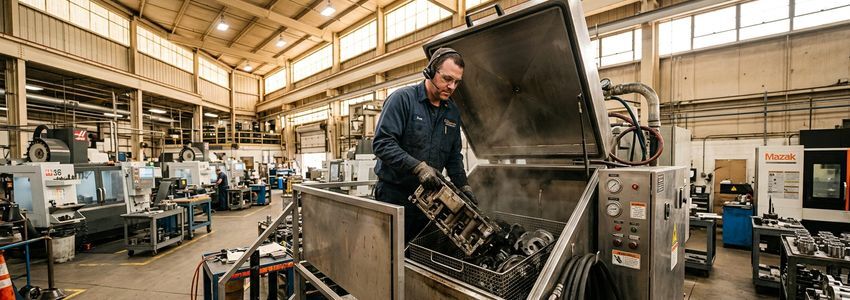
Chicago's dynamic economic landscape presents both immense opportunities and unique challenges for entrepreneurs. As a global hub for commerce, logistics, and innovation, the city offers a fertile ground for growth. From the bustling restaurant scene in the West Loop to the burgeoning tech sector in River North and the industrial might of the South Side, Chicago businesses are the lifeblood of the Midwest. Yet, to capitalize on this environment, access to timely and appropriate capital is not just an advantage; it is a necessity. Navigating the world of small business financing can be a complex undertaking, especially in a market as competitive as Chicago.
For entrepreneurs planning for 2026 and beyond, understanding the available financing options is the first step toward sustainable success. Whether you are looking to purchase state-of-the-art equipment for a manufacturing plant, manage seasonal cash flow for a Wicker Park retail boutique, or secure a new commercial space in a growing neighborhood, the right loan can fuel your vision. This guide is designed to demystify the process of obtaining small business loans in Chicago. We will explore the various types of funding available, from government-backed SBA loans to flexible lines of credit, and provide a clear roadmap for qualification.
This comprehensive guide will provide the specific, actionable information Chicago business owners need to make informed financial decisions. We will cover the local economic factors to consider, detail the application process, and illustrate how different financing solutions fit real-world business scenarios right here in Cook County. By understanding the landscape of Chicago business lending, you can position your company to not only survive but thrive in one of the world's most vibrant cities.
Ready to Fund Your Chicago Business?
Get the capital you need to grow. Our simple application takes minutes.
Apply Now →In This Article
- What Chicago Entrepreneurs Need to Know in 2026
- Types of Small Business Loans in Chicago
- SBA Loans for Chicago Businesses
- Equipment Financing for Chicago Companies
- Business Lines of Credit in Chicago
- Working Capital Loans for Operational Needs
- How to Qualify for a Small Business Loan in Chicago
- How Crestmont Capital Helps Chicago Businesses
- Real-World Scenarios: Financing Chicago Businesses
- Your Next Steps to Secure Funding
- Frequently Asked Questions
- Conclusion: Fueling Chicago's Future
What Chicago Entrepreneurs Need to Know in 2026
The economic environment of Chicago is a complex tapestry woven from diverse industries, a strategic central location, and a resilient workforce. As we look toward 2026, entrepreneurs must be aware of several key factors influencing the lending landscape. Chicago's economy is not a monolith; it is a collection of powerful sectors, including logistics and transportation, manufacturing, financial services, healthcare, and a rapidly expanding technology ecosystem. This diversity provides a stable foundation, as downturns in one sector are often balanced by growth in another. According to a recent analysis by Forbes, the Chicago metropolitan area continues to be a top destination for corporate investment, signaling confidence from major players in the city's long-term prospects.
For small businesses, this means operating within a competitive but opportunity-rich market. Lenders active in the Chicago area are keenly aware of these industry strengths. A logistics company near O'Hare International Airport or a medical supply business serving the Illinois Medical District will find lenders who understand their specific capital needs and business models. Furthermore, local and state-level support systems, such as programs from the Illinois Department of Commerce and Economic Opportunity (DCEO), often provide resources, grants, and partnerships that can supplement traditional financing.
However, entrepreneurs must also be prepared for the challenges. Rising operational costs, a competitive labor market, and complex regulatory environments require careful financial planning. Lenders will be looking for businesses with a solid track record, a clear plan for growth, and a strong understanding of their cash flow. Proving that your business can navigate these challenges is crucial. Having well-organized financial statements, a detailed business plan, and a clear purpose for the requested funds will significantly improve your chances of securing a loan in Chicago's sophisticated financial market.
Key Stat: According to the U.S. Census Bureau, Cook County is home to over 140,000 employer establishments. This dense and competitive market underscores the importance of strategic financing for small businesses aiming to stand out and scale.
Types of Small Business Loans in Chicago
Choosing the right type of small business financing is critical. The optimal choice depends entirely on your specific business needs, from your industry and growth stage to the intended use of the funds. A construction company will have different capital requirements than a digital marketing agency. Below is an overview of the most common and effective types of small business loans available to Chicago entrepreneurs, followed by a table for quick comparison.
- SBA Loans: Backed by the U.S. Small Business Administration, these loans offer favorable terms, including long repayment periods and competitive interest rates. They are highly sought after but come with stringent qualification requirements.
- Equipment Financing: This type of loan is used to purchase machinery, vehicles, or technology. The equipment itself serves as collateral, making it an accessible option for many businesses.
- Business Lines of Credit: A flexible financing tool that provides access to a preset amount of capital. You can draw funds as needed and only pay interest on the amount you use. It is ideal for managing cash flow and unexpected expenses.
- Working Capital Loans: These are short-term loans designed to cover everyday operational costs like payroll, rent, inventory, and marketing campaigns. They provide a quick injection of cash to bridge revenue gaps.
- Term Loans: A traditional loan where you receive a lump sum of cash upfront and repay it with interest over a fixed period. These are suitable for large, one-time investments like expansion or acquisitions.
Understanding the nuances of each option allows you to align your financing strategy with your business goals. For a clearer picture, the table below compares these key financing products across several important metrics.
| Loan Type | Best For | Typical Loan Amount | Repayment Term | Funding Speed |
|---|---|---|---|---|
| SBA Loans | Business acquisition, real estate purchase, major expansion | $30,000 - $5 million+ | 10-25 years | Slow (30-90 days) |
| Equipment Financing | Purchasing machinery, vehicles, or technology | Up to 100% of equipment cost | 2-10 years (matches asset life) | Fast (2-10 days) |
| Business Line of Credit | Managing cash flow, unexpected expenses, project-based costs | $10,000 - $500,000+ | Revolving (typically 1-2 year terms) | Fast (1-7 days) |
| Working Capital Loans | Short-term operational needs like inventory or payroll | $5,000 - $250,000 | 3-24 months | Very Fast (1-3 days) |
| Term Loans | Planned, one-time investments with predictable returns | $25,000 - $1 million | 1-7 years | Moderate (3-14 days) |
SBA Loans for Chicago Businesses
For Chicago entrepreneurs planning significant investments, SBA loans represent one of the most powerful financing tools available. These loans are not issued directly by the Small Business Administration but are instead partially guaranteed by the agency, which reduces risk for lenders like banks and credit unions. This government backing allows lenders to offer more favorable terms than they could with conventional loans, including lower down payments, longer repayment periods, and more competitive interest rates.
The two primary SBA loan programs for Chicago businesses are the 7(a) Loan Program and the 504 Loan Program.
- SBA 7(a) Loans: This is the most popular and flexible SBA loan. Funds can be used for a wide range of purposes, including working capital, purchasing inventory or equipment, refinancing existing debt, or even buying a competing business. For a Chicago-based company, this could mean funding a major marketing push to expand into new neighborhoods or securing capital to manage payroll during a large-scale project. Loan amounts can go up to $5 million.
- SBA 504 Loans: This program is specifically designed for purchasing major fixed assets that promote business growth and job creation. This includes buying land, constructing new facilities, or purchasing heavy machinery. A manufacturing company on the city's outskirts could use a 504 loan to acquire a larger warehouse, or a growing healthcare practice could use it to purchase its own building in the suburbs. These loans involve two lenders: a bank covering up to 50% of the cost and a Certified Development Company (CDC) covering up to 40%, with the business owner contributing as little as 10%.
Qualifying for an SBA loan requires a strong application. Lenders will scrutinize your business plan, financial history, personal credit, and industry experience. The process is famously thorough and can take several weeks or even months. However, the benefits are often worth the effort. The SBA's Illinois District Office is a valuable resource for local entrepreneurs, providing guidance and connecting them with approved lenders. For businesses with a solid foundation and a clear vision for growth, an SBA loan can be the catalyst that propels them to the next level in Chicago's competitive market.
Equipment Financing for Chicago Companies
Chicago's economy is built on a foundation of industries that rely heavily on physical assets. From manufacturing and construction to transportation and healthcare, having the right equipment is essential for operation and growth. Equipment financing is a specialized loan product designed specifically for the acquisition of these critical assets. Its structure makes it one of the most accessible forms of capital for many businesses.
The core principle of equipment financing is straightforward: the loan is secured by the very equipment you are purchasing. This self-collateralizing nature significantly reduces the risk for lenders. Because the asset itself backs the loan, lenders often place less emphasis on other factors like years in business or perfect credit. This makes it an excellent option for both established companies upgrading their technology and newer businesses needing to build their operational capacity from the ground up.
Consider these Chicago-specific examples:
- A restaurant in Lincoln Park needs a new, high-capacity oven and commercial refrigeration system to meet growing demand. Equipment financing can cover the full cost of the new kitchen gear.
- A construction firm based in Cook County wins a major contract and needs to add a new excavator and several work trucks to its fleet. An equipment loan allows them to acquire these vehicles without draining their working capital.
- A medical clinic in the Loop is upgrading to the latest diagnostic imaging technology. This six-figure investment is made possible through a tailored equipment financing agreement with a term that matches the machine's useful life.
Pro Tip: Many equipment financing agreements come with potential tax advantages. Section 179 of the IRS tax code may allow businesses to deduct the full purchase price of qualifying equipment from their gross income in the year it's placed into service. Consult with a tax professional to see how this could benefit your Chicago business.
By the Numbers
Small Business Lending in Chicago - Key Statistics
$30B+
Annual small business lending in the Chicago metro area
280K+
Small businesses operating in the Chicago metro region
72%
Of Chicago small businesses that sought financing obtained it
2-5 Days
Typical funding timeline with alternative lenders like Crestmont Capital
The approval process for equipment financing is typically much faster than that of an SBA or traditional term loan. Lenders are primarily concerned with the value and condition of the equipment. Applications can often be approved within 24 to 48 hours, allowing businesses to acquire necessary assets quickly and avoid costly operational delays. This speed and accessibility make it a vital tool for keeping Chicago's industries running efficiently.
Business Lines of Credit in Chicago
Cash flow is the engine of any small business, and in a city with high operational costs like Chicago, managing it effectively is paramount. A business line of credit offers a flexible and powerful solution for this exact challenge. Unlike a term loan that provides a one-time lump sum, a line of credit gives you access to a revolving pool of capital that you can draw from as needed, up to a pre-approved limit.
This "on-demand" nature is its greatest strength. You only pay interest on the funds you actively use, not the entire credit limit. Once you repay the borrowed amount, your credit limit is replenished and available to use again. This makes it an ideal tool for a variety of situations that Chicago business owners frequently face:
- Managing Seasonality: A retailer on Michigan Avenue can use their line of credit to stock up on inventory before the busy holiday season and repay it once the revenue comes in.
- Bridging Accounts Receivable Gaps: A B2B service firm in the Loop can draw funds to cover payroll and rent while waiting for large client invoices to be paid.
- Handling Unexpected Expenses: A plumbing contractor can use their credit line to pay for an emergency vehicle repair without disrupting their budget for other projects.
- Seizing Opportunities: A marketing agency might get a chance to buy advertising space at a significant discount. A line of credit provides the immediate cash to take advantage of the opportunity.
Business lines of credit can be secured (backed by collateral) or unsecured. Unsecured lines of credit are more common for businesses with strong credit and revenue history, and they offer faster access to funds. The application process is typically less intensive than for a term loan, focusing on your business's recent cash flow, revenue, and credit score. For Chicago entrepreneurs who need a reliable financial safety net and the flexibility to manage the unpredictable rhythm of business, a line of credit is an indispensable resource.
Working Capital Loans for Operational Needs
While lines of credit are excellent for ongoing cash flow management, sometimes a business needs a direct, immediate infusion of cash for a specific, short-term purpose. This is where working capital loans excel. These are short-term financing products designed to provide funds quickly to cover immediate operational expenses.
The primary purpose of a working capital loan is to support the day-to-day functions of your business, not to purchase long-term assets. Think of it as fuel for your daily operations. For a Chicago business, this could mean:
- Inventory Purchases: A restaurant in Fulton Market needs to make a large food and beverage purchase to prepare for a city-wide festival.
- Payroll: A tech startup in River North needs to cover its payroll for the next two weeks before its next round of venture funding arrives.
- Marketing Campaigns: A local service business wants to launch an aggressive digital ad campaign to attract customers in the surrounding suburbs.
- Minor Renovations: A coffee shop in Logan Square needs to make minor repairs and cosmetic upgrades to its storefront.
The key advantages of working capital loans are speed and accessibility. The application process is streamlined, often requiring minimal documentation compared to other loan types. Lenders focus heavily on your business's recent sales and bank statement history rather than a perfect credit score or years of profitability. This means that even newer businesses or those with less-than-perfect credit may qualify. Funding can often be secured in as little as 24 hours.
The trade-off for this speed and convenience is typically a shorter repayment term (usually 3 to 24 months) and potentially higher interest rates compared to a long-term SBA loan. However, when used strategically to generate immediate revenue or solve a critical operational gap, the return on investment can far outweigh the cost of capital. For businesses needing to act fast, a working capital loan is a crucial tool for maintaining momentum.
How to Qualify for a Small Business Loan in Chicago
Securing a small business loan requires preparation. Lenders, whether they are large banks or alternative financiers, assess risk by evaluating several key aspects of your business and personal financial health. Understanding these criteria will allow you to prepare a stronger application and increase your chances of approval. While requirements vary by loan type and lender, most will focus on the following core factors.

1. Credit Score
Your personal and business credit scores are a primary indicator of your financial responsibility. A higher score suggests a history of managing debt well. For traditional bank loans and SBA loans, a personal FICO score of 680 or higher is often required. Alternative lenders may be more flexible, but a strong credit history will always result in better terms and lower interest rates. It is wise to check your credit reports for errors and address any outstanding issues before applying.
2. Time in Business
Lenders prefer to work with established businesses that have a proven track record. Most traditional lenders require a minimum of two years in operation. This history provides them with financial data to analyze your company's stability and growth trajectory. Startups and businesses younger than two years may have more success with alternative lenders, equipment financing (where the asset provides security), or specific startup loan programs.
3. Annual Revenue
Your company's revenue is a direct measure of its ability to generate the cash flow needed to repay a loan. Lenders will look at your gross annual revenue and often have minimum thresholds, which could range from $100,000 to $250,000 or more, depending on the loan size and type. Consistent or growing revenue demonstrated through bank statements and tax returns is a powerful signal of a healthy business.
4. Financial Documentation
Be prepared to provide a comprehensive set of documents. This is where organization pays off. Common requirements include:
- Business and personal tax returns (2-3 years)
- Business bank statements (3-12 months)
- Profit and Loss (P&L) statements and Balance Sheets
- A detailed business plan, especially for startups or large loan requests
- A list of existing business debts
- Legal documents, such as articles of incorporation and business licenses
5. Collateral
For secured loans, such as SBA 504 loans or larger term loans, lenders will require collateral. This is an asset of value (like commercial real estate, inventory, or accounts receivable) that the lender can seize if you default on the loan. The value and quality of your collateral can significantly impact your ability to secure funding and the terms you are offered. Unsecured loans do not require specific collateral but often come with higher interest rates and are more dependent on your cash flow and credit score.
How Crestmont Capital Helps Chicago Businesses
Navigating the financing landscape can be a full-time job in itself, taking valuable time away from running your business. Crestmont Capital acts as a strategic partner for Chicago entrepreneurs, simplifying the process and connecting you with the right funding solutions. We understand the urgency and unique pressures of the Chicago market and have built our process around speed, efficiency, and expertise.
Our approach is fundamentally different from that of a traditional bank. Instead of a one-size-fits-all model, we leverage a vast network of lending partners to find the financing that best aligns with your specific needs. Whether you need fast working capital to manage a short-term project or are planning a major equipment acquisition, we have the resources and relationships to facilitate the right match. This means you fill out one simple application, and we do the heavy lifting of identifying the most suitable and competitive offers.
The Crestmont Capital process is designed for the modern business owner:
Simple Application
Our secure online application takes just a few minutes to complete. Provide basic information about your business and its financing needs.
Expert Review
A dedicated funding specialist reviews your application to understand your goals and identify the best potential loan products from our network.
Receive Offers
We present you with clear, transparent funding offers. Your specialist will walk you through the terms to ensure you make an informed decision.
Get Funded
Once you select an offer, we finalize the paperwork and work to get the capital deposited into your account, often in as little as 24 hours.
We specialize in serving the core industries that drive Chicago's economy, including manufacturing, construction, healthcare, transportation, and professional services. Our team understands the capital cycles and equipment needs unique to these sectors. By partnering with Crestmont Capital, you gain an advocate dedicated to securing the funding you need to grow, innovate, and succeed in the competitive Chicago business environment.
See Your Financing Options Today
Discover what your Chicago business qualifies for. No obligation, no impact on your credit score.
Apply Now →Real-World Scenarios: Financing Chicago Businesses
To better illustrate how these financing tools work in practice, let's explore a few hypothetical scenarios based on common challenges and opportunities for Chicago businesses.
Scenario 1: The West Loop Restaurant Expansion
The Business: An acclaimed independent restaurant in the highly competitive West Loop neighborhood has the opportunity to take over the adjacent retail space to double its seating capacity and add a private event room.
The Challenge: The project requires $250,000 for construction, new kitchen equipment, furniture, and initial marketing for the expanded space. The owners have strong revenue but need capital quickly to secure the lease.
The Solution: The restaurant secures a multi-faceted financing package. They use equipment financing for $80,000 to cover the new ovens, ranges, and refrigeration, as the equipment itself serves as collateral. For the remaining $170,000, they obtain a medium-term loan. This provides the lump sum needed for construction and other soft costs, with a predictable monthly payment that fits their projected revenue increase. This strategic combination allows them to complete the expansion without compromising their existing operational cash flow.
Scenario 2: The Suburban Manufacturing Company
The Business: A family-owned metal fabrication company in a Cook County suburb has been operating for 15 years and has a stable client base. They are running their machinery at maximum capacity and need to increase output.
The Challenge: They need to purchase a new CNC machine that costs $400,000. This investment will allow them to take on larger contracts and improve efficiency, but it's a significant capital outlay.
The Solution: An SBA 7(a) loan is the ideal choice. While the application process is more intensive, the long repayment term (10 years) and competitive interest rate make the monthly payments manageable. The SBA guarantee provides the lender with the security needed to fund such a large asset purchase for a small business. The loan allows the company to grow its production capacity, hire more staff, and solidify its position in the market.
Scenario 3: The River North Digital Marketing Agency
The Business: A fast-growing digital marketing agency in River North works with large corporate clients. Their business model involves paying for large ad campaigns upfront on behalf of clients, who then reimburse them on a net-60 or net-90 day basis.
The Challenge: This creates significant cash flow gaps. While the business is profitable, their available cash is often tied up in accounts receivable, making it difficult to cover payroll and take on new, larger clients simultaneously.
The Solution: The agency secures a $150,000 business line of credit. This provides the perfect flexible solution. They can draw down funds to launch a new client's campaign, then pay back the balance as soon as the client's invoice is paid. They only pay interest on the money they are actively using, making it a cost-effective way to manage their unique cash flow cycle. The line of credit gives them the confidence and liquidity to pursue larger contracts without hesitation.
Your Next Steps to Secure Funding
Taking the step from understanding your options to securing capital requires a clear, organized approach. Follow this roadmap to prepare your business and streamline the application process.
Assess Your Needs and Financial Health
Before you apply, define exactly how much capital you need and what you will use it for. A clear purpose strengthens your application. Simultaneously, gather your key financial documents and review your business and personal credit reports. Address any inaccuracies or outstanding issues now.
Identify the Right Loan Type
Using the information in this guide, determine which financing product best fits your specific situation. Are you buying a long-term asset (Equipment/SBA Loan), managing cash flow (Line of Credit), or covering short-term expenses (Working Capital)? Choosing the right category is crucial.
Prepare Your Application Package
Organize all required documentation into a single, easy-to-access folder. This includes tax returns, bank statements, P&L statements, a business plan, and any other documents requested. Having everything ready will dramatically speed up the underwriting process.
Submit Your Application and Consult an Expert
Complete a streamlined application with a trusted partner like Crestmont Capital. Our funding specialists will review your submission, discuss your goals, and help you navigate the offers you receive. This expert guidance ensures you understand all terms and select the best possible option for your Chicago business.
Frequently Asked Questions
What is the minimum credit score for a small business loan in Chicago?
The minimum credit score varies significantly by loan type and lender. For SBA loans and traditional bank loans, you will typically need a personal FICO score of 680 or higher. However, alternative lenders and products like equipment financing or working capital loans can often accommodate scores as low as 550-600, focusing more on your business's recent revenue and cash flow.
How long does it take to get a business loan in Chicago?
The funding timeline depends on the loan product. Working capital loans and lines of credit can often be funded in 1-3 business days. Equipment financing typically takes 2-10 days. Traditional term loans and especially SBA loans are much slower, with a timeline ranging from 30 to 90 days or more due to extensive documentation and underwriting requirements.
Can I get a business loan if I'm a startup?
Yes, but options are more limited. Most lenders require at least one to two years in business. Startups (less than one year old) may have success with specific SBA microloans, equipment financing (if purchasing new equipment), or by seeking funding from lenders who specialize in startup financing. A strong business plan and excellent personal credit are essential for new businesses.
What documents do I need to apply for a loan?
For faster financing like a working capital loan, you may only need 3-6 months of business bank statements and basic information. For larger loans like an SBA or term loan, be prepared to provide 2-3 years of business and personal tax returns, recent P&L statements and balance sheets, a business debt schedule, and a detailed business plan.
Are there specific loan programs for businesses in Illinois?
Yes, the state of Illinois, often through the Department of Commerce and Economic Opportunity (DCEO), offers various programs to support small businesses. These can include state-backed loan programs, grants, and tax incentives, particularly for businesses in targeted industries or underserved communities. It's worth checking the DCEO website for current offerings.
What is the difference between an SBA loan and a conventional bank loan?
The main difference is the government guarantee. An SBA loan is partially guaranteed by the Small Business Administration, which reduces the lender's risk. This allows the lender to offer more favorable terms, such as longer repayment periods, lower down payments, and sometimes lower interest rates, than they could with a conventional loan that they fund entirely themselves.
Do I need collateral to get a business loan?
It depends on the loan type. Secured loans, like equipment financing or SBA 504 loans, require collateral (often the asset being purchased). Unsecured loans, such as many working capital loans and some lines of credit, do not require specific collateral but will likely require a personal guarantee and rely more heavily on your business's cash flow and credit history.
How much can I borrow for my Chicago business?
Loan amounts range from as little as $5,000 for a small working capital loan to over $5 million for an SBA loan. The amount you can borrow depends on your business's annual revenue, profitability, credit profile, and the specific loan product you are applying for. Lenders will assess your ability to repay the loan based on your current financial performance.
What are typical interest rates for small business loans?
Interest rates vary widely based on risk and loan type. SBA loans typically offer the lowest rates, often tied to the Prime Rate. Term loans and equipment financing have competitive, fixed rates. Short-term working capital loans and merchant cash advances will have the highest rates (often expressed as a factor rate) due to their speed, convenience, and higher risk profile.
Can I use a business loan to buy an existing Chicago business?
Yes, absolutely. An SBA 7(a) loan is one of the most common and effective financial tools for business acquisitions. The loan can cover the purchase price of the business as well as provide additional working capital for the new owner. Lenders will evaluate the health of the business being acquired in addition to your own qualifications.
Will applying for a loan affect my credit score?
Most initial applications, including the one at Crestmont Capital, use a "soft pull" which does not affect your credit score. This allows you to see what options you may qualify for without any negative impact. A "hard pull," which can temporarily lower your score by a few points, is only conducted later in the process once you decide to move forward with a specific loan offer.
What is a personal guarantee?
A personal guarantee is a legal promise from a business owner to repay a business debt if the business itself is unable to. It is a standard requirement for most small business loans, especially unsecured ones. It means that if the business defaults, the lender can pursue the owner's personal assets to recoup the loan amount.
Can I get a loan if my business has a recent loss or is not profitable?
It can be more challenging, but it is not impossible. Lenders who focus on cash flow, such as those offering working capital loans, may approve your business if your bank statements show consistent revenue, even if you are not yet profitable on paper. You will need to provide a strong explanation for the loss (e.g., a major one-time investment) and a clear plan for future profitability.
What industries do you fund in the Chicago area?
Crestmont Capital funds a wide variety of industries that are pillars of the Chicago economy. This includes manufacturing, construction, transportation and logistics, healthcare and medical practices, restaurants and hospitality, professional services, retail, and more. We work to find financing solutions tailored to the specific needs of each sector.
Can I repay a small business loan early?
This depends on the loan agreement. Many loans, such as SBA loans and lines of credit, can be repaid early without any penalty, which can save you money on interest. However, some short-term loans or merchant cash advances may have prepayment penalties or be structured so that you must pay back the full, originally agreed-upon amount regardless of when you pay it off. Always review the prepayment terms in your loan offer.
Your Growth Capital is Waiting
Take the next step for your Chicago business. Our fast, simple process connects you with the funding you need to succeed.
Apply Now →Conclusion: Fueling Chicago's Future
For entrepreneurs in Chicago, securing the right financing is a critical component of building a resilient and successful enterprise. The city's vast and diverse economy offers limitless potential, but capitalizing on it requires strategic investment. From SBA loans for long-term expansion and equipment financing for industrial upgrades to flexible lines of credit for agile cash flow management, a wide array of powerful financial tools are available. The key is to identify the solution that aligns precisely with your business goals and operational needs.
By understanding the qualification criteria, preparing your financial documentation, and partnering with a knowledgeable funding specialist, you can navigate the application process with confidence. Strategic financing is more than just a loan; it is the fuel that powers growth, enables innovation, and builds lasting value. As Chicago continues to evolve as a global business leader, well-capitalized small businesses will be the primary drivers of its economic future.
Disclaimer: The information provided in this article is for general educational purposes only and is not financial, legal, or tax advice. Funding terms, qualifications, and product availability may vary and are subject to change without notice. Crestmont Capital does not guarantee approval, rates, or specific outcomes. For personalized information about your business funding options, contact our team directly.