
 (800) 949-0401
POS Terminal Financing for Retail Chains: The Complete Guide for Store Owners
Modern retail runs on technology. From checkout lanes and self-service kiosks to mobile payment terminals and integrated inventory systems, the point-of-sale equipment powering your retail chain is mission-critical infrastructure. But upgrading or expanding that infrastructure carries a significant price tag - one that most retail operators cannot or should not pay entirely from cash reserves. POS terminal financing for retail chains offers a smarter path: keep your technology current, your cash flow intact, and your competitive edge sharp.
This guide covers everything retail chain owners and managers need to know about financing POS terminals, kiosks, and payment technology - from understanding your options and calculating costs to qualifying, applying, and getting funded.
In This Article
- What Is POS Terminal Financing?
- Why Finance Instead of Pay Cash?
- Types of POS Financing Options
- What Can Be Financed?
- How POS Financing Works
- Financing vs. Leasing vs. Paying Cash
- POS Financing by the Numbers
- Who Qualifies?
- How Crestmont Capital Helps Retail Chains
- Real-World Scenarios
- Frequently Asked Questions
- How to Get Started
What Is POS Terminal Financing for Retail Chains?
POS terminal financing is a business funding solution that lets retail operators acquire point-of-sale hardware and software without paying the full cost upfront. Instead of draining capital reserves to purchase terminals, kiosks, or integrated payment systems outright, you spread the cost over time through fixed monthly payments tied to an equipment loan or lease.
For single-location retailers, POS upgrades might cost $5,000 to $25,000. For multi-location chains, that same upgrade can run $50,000 to $500,000 or more when you factor in hardware at every register, back-office servers, network infrastructure, installation, and software licensing. Financing makes these investments manageable and predictable.
Unlike general-purpose business loans, equipment financing for POS systems is typically secured by the equipment itself. This means lenders focus heavily on the asset value and your business cash flow rather than requiring extensive personal collateral.
Industry Context: According to the National Retail Federation, U.S. retail technology spending exceeded $35 billion in 2024. POS systems represent one of the largest single technology expenditures for brick-and-mortar retailers, with multi-lane stores spending an average of $15,000 to $40,000 per location on terminal hardware alone.
Why Finance POS Equipment Instead of Paying Cash?
Cash-rich retailers might wonder why financing makes sense when they could simply purchase their POS equipment outright. The answer comes down to opportunity cost, cash flow management, and strategic capital deployment.
When you pay $200,000 cash for a chain-wide POS upgrade, that capital is locked in depreciating hardware. It cannot be used for inventory purchases during peak seasons, marketing campaigns, new location build-outs, or operational emergencies. Financing preserves that working capital for higher-return uses.
Tax treatment: Equipment financing payments may be deductible as business expenses. Under current IRS rules, Section 179 allows businesses to deduct the cost of qualifying equipment in the year it is placed in service. Consult your tax advisor to understand how this applies to your situation.
Technology refresh cycles: POS technology evolves rapidly. Systems that were cutting-edge three years ago may now lack contactless payment support, modern inventory integration, or omnichannel capabilities. Financing with lease structures allows retailers to upgrade at end-of-term rather than being stuck with outdated owned equipment.
Predictable budgeting: Fixed monthly payments make it easier to forecast expenses. Versus the unpredictable capital hits of emergency equipment replacement, financing smooths your cash flow and makes financial planning more reliable.
Ready to Upgrade Your Retail Technology?
Get fast, flexible POS financing from Crestmont Capital - the #1 business lender in the U.S. Apply in minutes.
Apply Now →Types of POS Terminal Financing Options for Retail Chains
Retail chains have several paths to finance POS upgrades. Each comes with distinct advantages depending on your credit profile, desired term length, end-of-lease preferences, and tax strategy.
Equipment Loans
An equipment loan provides a lump sum you use to purchase POS hardware and software outright. You own the equipment from day one and repay the loan with interest over a fixed term - typically 24 to 72 months. At the end of the term, the equipment is yours free and clear. Equipment loans are ideal for retailers who want ownership and maximum depreciation benefits.
Equipment Leases
Equipment leasing is a rental arrangement where you use the POS systems for a defined period and make monthly payments. At the end of the lease, you may have the option to purchase the equipment for fair market value or a predetermined price (such as $1 buyout leases), return it, or upgrade to newer systems. Leases typically have lower monthly payments than loans and are popular with technology-intensive businesses that anticipate regular upgrade cycles.
Business Lines of Credit
A business line of credit provides revolving access to funds you can draw against as needed. For retailers with multiple locations rolling out POS upgrades in phases, a line of credit offers flexibility - draw funds for each location as you deploy, repay as cash flow allows, and draw again for the next phase.
Working Capital Loans
Working capital loans can be used for POS purchases as well as associated costs like installation, employee training, and software subscriptions. These unsecured loans are based primarily on business revenue and cash flow, making them accessible to retailers without heavy collateral.
SBA Loans
SBA loans, particularly the 7(a) program, offer competitive rates and longer repayment terms for equipment acquisitions. While the application process is more involved, SBA loans provide some of the lowest interest rates available to small and mid-size retailers. They are best suited for stable businesses with two or more years of operating history.
What POS Equipment Can Be Financed?
Most retail technology financing programs cover a broad range of hardware and related costs. Here is what is typically eligible:
- Traditional POS terminals: Fixed-lane checkout systems, cash drawers, receipt printers, barcode scanners
- Self-checkout kiosks: Attended and unattended self-service checkout units
- Mobile POS devices: Tablets, handheld scanners, and mobile payment readers for floor staff
- Payment processing hardware: EMV chip readers, NFC contactless terminals, PIN pads
- Back-office servers and networking: On-premise servers, routers, switches, and infrastructure supporting POS operations
- Digital signage and displays: Customer-facing screens, promotional displays, and digital menu boards
- Software licensing: Many lenders will bundle first-year software license fees into the financing
- Installation and training: Some programs include installation costs and initial training in the financed amount
- Kiosk enclosures and furniture: Custom kiosk stands, mounting hardware, and security enclosures
Pro Tip: When structuring your financing application, bundle all related costs into a single equipment loan. Many retailers make the mistake of only financing the hardware and paying for installation and training from cash - this unnecessarily drains working capital. A comprehensive bundle gives you a cleaner budget and maximizes the capital you preserve.
How POS Terminal Financing Works: Step by Step
Understanding the process from application to funding helps you move quickly when your retail chain is ready for a POS upgrade.
Quick Guide
How POS Financing Works - At a Glance
Collect hardware specs, software costs, and installation estimates from your POS vendor or system integrator.
Submit your financing application with basic business information, bank statements, and the equipment quote.
Review your loan or lease terms including rate, monthly payment, and term length. Most approvals arrive within 24-48 hours.
Sign the financing agreement. Funds are disbursed directly to your vendor or to your business account within days.
Install your POS systems across locations and make fixed monthly payments as agreed.
Comparing Financing, Leasing, and Paying Cash
Every retail chain operator faces this fundamental choice when upgrading POS systems. Here is a clear comparison to help you decide which approach fits your situation best.
| Factor | Equipment Loan | Equipment Lease | Cash Purchase |
|---|---|---|---|
| Upfront Cost | Low (first payment only) | Very low or none | Full purchase price |
| Monthly Payment | Fixed, moderate | Fixed, typically lower | None |
| Ownership | Yes, from day one | No (or buyout option) | Yes, full ownership |
| Technology Refresh | Must refinance | Easy at end of term | Must sell/dispose and rebuy |
| Cash Flow Impact | Minimal (predictable) | Minimal (predictable) | Major (lump sum drain) |
| Balance Sheet | Asset + liability added | Operating expense | Asset added, cash reduced |
| Best For | Long-term ownership | Technology refresh cycle | Cash-rich, low-debt businesses |
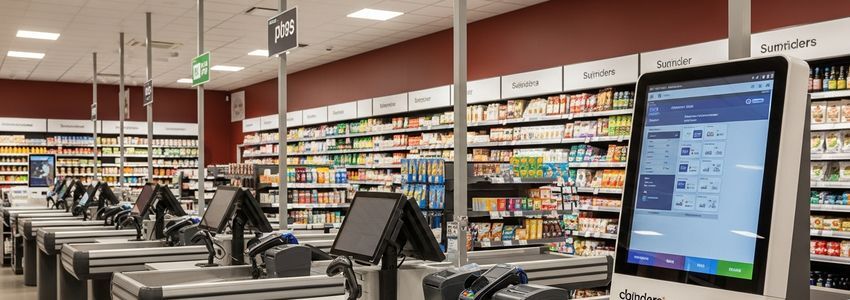
POS Financing for Retail Chains: By the Numbers
By the Numbers
POS Technology Investment in Retail - Key Statistics
$35B+
U.S. retail technology spending in 2024
$40K
Average POS hardware cost per multi-lane retail location
3-5 Yrs
Typical POS technology refresh cycle for retail chains
72%
Retailers who use financing for major technology upgrades
Who Qualifies for POS Terminal Financing?
Qualification requirements vary by lender and program, but here are the general benchmarks for retail chain POS financing:
Minimum Requirements for Most Programs
- Time in business: At least 12 months of operating history (24+ months for the best rates)
- Annual revenue: Typically $150,000 or more in annual gross revenue
- Credit score: Minimum 600 for equipment financing programs; 650+ for preferred rates
- Bank statements: Three to six months of business bank statements showing consistent revenue
- No recent bankruptcies: Most lenders require at least one to two years from discharge
For Larger Financing ($100,000+)
Multi-location retail chains pursuing larger POS system overhauls may also need to provide:
- Business tax returns for the past two years
- Year-to-date profit and loss statement
- Business balance sheet
- Corporate organizational documents
- Vendor quotes for the equipment being financed
Good Credit vs. Challenged Credit: Strong business credit (700+) typically qualifies for rates in the 5-12% range on equipment loans with 36-60 month terms. Retailers with fair credit (600-650) can still qualify, often with slightly higher rates and shorter terms. Some lenders offer startup-friendly programs for businesses under 24 months old through startup equipment financing programs.
How Crestmont Capital Helps Retail Chains Finance POS Systems
Crestmont Capital specializes in business equipment financing for companies of all sizes across every retail sector. Rated the #1 business lender in the U.S., Crestmont offers a streamlined approach that gets retailers funded quickly with competitive terms.
What Sets Crestmont Apart
Fast approvals: Most retail chain POS financing decisions are made within 24-48 hours of application submission. You do not wait weeks for a bank credit committee to review your file.
Flexible structures: Whether you need a traditional equipment loan, a lease with a $1 buyout, or a fair market value lease with end-of-term upgrade options, Crestmont structures financing around your business objectives - not a one-size-fits-all product catalog.
Multi-location expertise: Financing a single-location POS upgrade is straightforward. Coordinating financing for a 12-location chain rollout with different timing, vendors, and deployment schedules requires experience. Crestmont has worked with retail chains across every size and geography.
Working capital access: Beyond equipment loans, Crestmont offers working capital loans and business lines of credit that can supplement your equipment financing to cover installation, training, and the transition costs that often accompany major POS upgrades.
Crestmont also has deep experience with equipment financing across industries including food service, healthcare, manufacturing, and professional services - so whether you are a specialty retailer, a franchise chain, or a regional department store operator, Crestmont understands your business context.
Talk to a Crestmont Retail Financing Specialist
Our team knows retail technology financing. Get matched with the right program for your chain's size and credit profile.
Apply Now →Real-World POS Financing Scenarios
Understanding how POS financing works in practice helps retail chain operators visualize how it applies to their own situation.
Scenario 1: Regional Fashion Retail Chain (8 Locations)
A regional fashion retailer with eight locations across the Southeast needed to replace aging POS terminals that could not process contactless payments. The upgrade involved 40 new terminals, self-checkout kiosks for three flagship locations, and a new inventory management platform. Total project cost: $320,000.
Rather than liquidating cash reserves during their peak buying season for fall inventory, the retailer secured a 48-month equipment loan at a competitive rate. Monthly payments ran approximately $7,200. The technology paid for itself within 18 months through reduced transaction time, lower shrinkage rates, and improved inventory accuracy.
Scenario 2: Franchise Quick-Service Retail (12 Units)
A franchise group operating 12 quick-service retail locations needed to upgrade to the franchisor's mandated POS platform. With a 90-day compliance deadline and a $180,000 upgrade cost spread across all units, the operator had no time for lengthy loan processes. Crestmont funded the project within five business days through a combination of equipment financing for the hardware and a working capital line for training and implementation.
Scenario 3: Startup Boutique Chain (2 Locations, 18 Months Old)
A boutique clothing chain with two locations and 18 months of operating history wanted to implement self-service kiosks to handle the checkout queue during weekend rush hours. Equipment cost: $42,000. Despite having a relatively short operating history, the business qualified for startup equipment financing based on strong revenue growth and consistent bank statement deposits. A 36-month lease with a fair market value buyout kept monthly payments under $1,400.
Scenario 4: Grocery Chain Technology Overhaul (25 Stores)
A regional grocery chain with 25 stores needed to replace every checkout system in the network - 450 terminals total, plus self-checkout lane expansions and upgraded loyalty program integration. The $2.1 million project was too large for a single lender and required a multi-tranche approach. Crestmont structured a phased deployment plan with financing tranches released as each store cluster completed installation, keeping debt service manageable and aligned with the operational rollout timeline.
Scenario 5: Specialty Electronics Retailer Going Cashless
A specialty electronics retailer with six locations decided to go fully cashless and needed to replace all legacy cash-handling POS equipment with modern payment-only terminals and digital receipt systems. The $78,000 project was funded through a 60-month equipment loan, reducing monthly payments to under $1,600. The elimination of cash handling reduced labor costs by nearly $8,000 per month across the chain - making the financing highly ROI-positive from the first month of operation.
Scenario 6: Home Goods Retailer Adding Self-Checkout
A home goods retailer with three large-format stores wanted to add eight self-checkout kiosks to reduce checkout wait times during weekends and holidays. Kiosk cost including installation: $96,000. The retailer used a commercial line of credit to fund the project, preserving their equipment loan capacity for a planned warehouse equipment purchase later in the year.
Frequently Asked Questions
How to Get Started
Contact your POS vendor or system integrator for a full project quote including hardware, software, installation, and training costs.
Complete our quick application at offers.crestmontcapital.com/apply-now - it takes just a few minutes and does not affect your credit score.
A Crestmont Capital advisor will review your application and present financing options tailored to your retail chain's size, credit profile, and deployment timeline.
Sign your financing agreement and receive funds within days. Your POS systems are ordered, installed, and generating revenue while you repay on a manageable monthly schedule.
Conclusion
POS terminal financing for retail chains is not just a convenience - it is a strategic tool that lets forward-thinking retailers upgrade their technology infrastructure without sacrificing working capital, disrupting operations, or falling behind competitors. Whether you operate two boutique locations or 50 superstore units, the right financing structure can make your next POS upgrade both affordable and ROI-positive from day one.
Crestmont Capital has helped hundreds of retail businesses finance the technology they need to compete in an increasingly demanding market. From single-location kiosk installations to chain-wide POS system overhauls, our team understands the unique financing needs of retail operators and structures solutions that fit your business - not the other way around.
Ready to get started? Apply now or contact our team to discuss your POS financing options today.
Finance Your POS Upgrade Today
Join hundreds of retail chains that trust Crestmont Capital for fast, flexible business financing. No obligation - apply in minutes.
Apply Now →Disclaimer: The information provided in this article is for general educational purposes only and is not financial, legal, or tax advice. Funding terms, qualifications, and product availability may vary and are subject to change without notice. Crestmont Capital does not guarantee approval, rates, or specific outcomes. For personalized information about your business funding options, contact our team directly.








