
 (800) 949-0401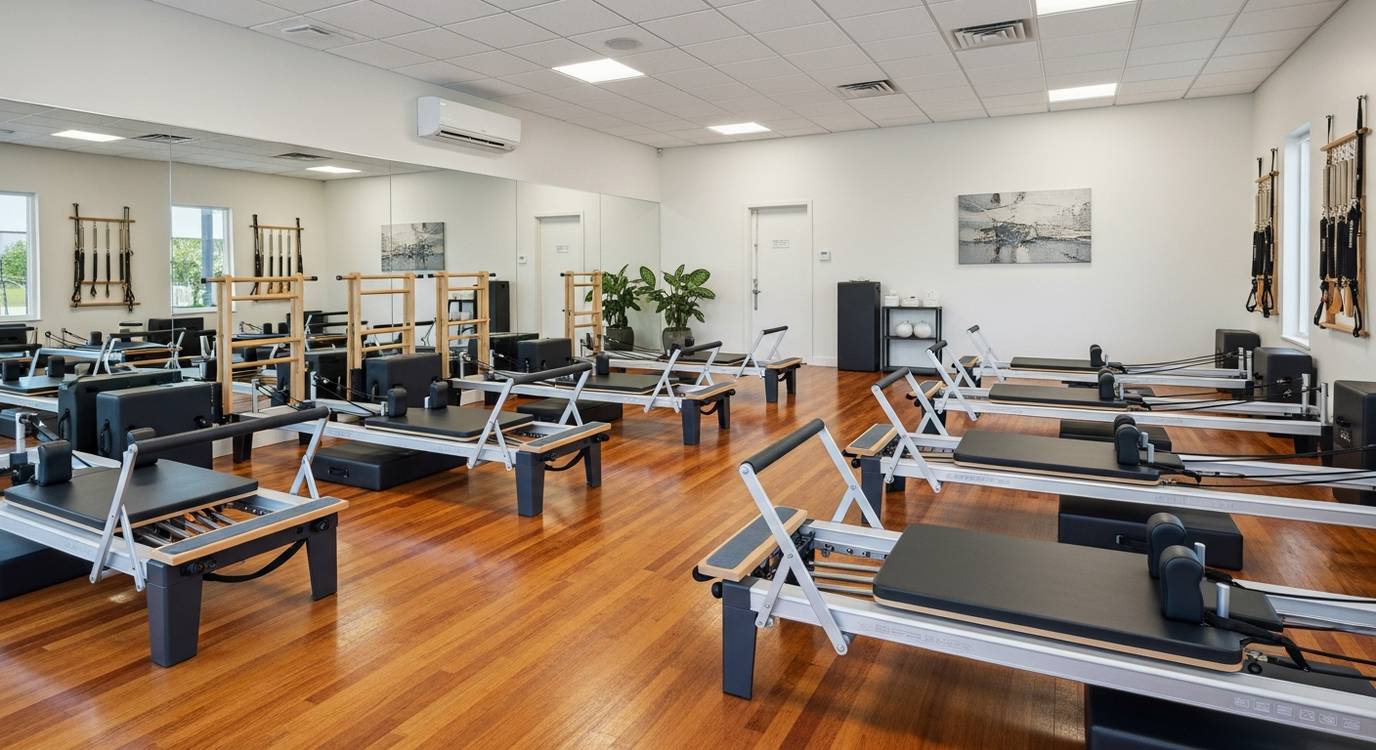
Pilates Studio Business Loans: The Complete Financing Guide for Studio Owners
Pilates studio business loans give studio owners, reformer pilates operators, and boutique fitness entrepreneurs the capital they need to invest in equipment, open new locations, hire qualified instructors, manage seasonal membership patterns, and build the premium studio environment that attracts and retains clients. Pilates studios are premium fitness businesses - and investing in studio quality, equipment, and instructor development consistently drives the client retention and word-of-mouth growth that sustains a profitable operation.
This guide covers everything pilates studio owners need to know about financing: the types of loans available, how to qualify, what lenders evaluate, and how to use capital strategically to build a stronger studio business.
In This Article
- Why Pilates Studios Need Financing
- Types of Pilates Studio Business Loans
- Who Qualifies for Pilates Studio Loans?
- Rates, Terms, and Costs
- Strategic Uses of Capital
- How to Apply for a Pilates Studio Loan
- How Crestmont Capital Helps
- Real-World Scenarios
- Tips for Getting Approved
- Frequently Asked Questions
- How to Get Started
Why Pilates Studios Need Financing
Pilates studios are among the most equipment-dependent boutique fitness businesses. Reformer pilates studios, in particular, require significant upfront investment in high-quality apparatus before a single client can be served. The most common financing needs include:
- Reformer and apparatus equipment: Professional pilates reformers cost $3,000 to $7,000 each for top-tier brands (Balanced Body, Gratz, Stott Pilates). A 10-reformer studio requires $30,000 to $70,000 in reformer investment alone. Full apparatus sets including towers, chairs, barrels, and Cadillacs can exceed $100,000 for a comprehensive studio setup.
- Studio build-out: Creating a premium pilates studio environment requires flooring, mirrors, custom storage, sound systems, lighting, reception areas, and changing facilities. Studio build-out for a professional reformer pilates space typically ranges from $30,000 to $150,000.
- Opening a second studio location: Established pilates studios with proven demand and strong client retention often seek financing to open second locations - leveraging existing programming, instructor training, and brand reputation in a new market.
- Hiring and training instructors: Certified pilates instructors require comprehensive training programs (typically 450-600+ hours for full certification). Supporting instructor training, onboarding, and initial payroll before a new instructor builds a full class schedule requires working capital.
- Marketing and client acquisition: Building a pilates studio client base requires investment in local digital marketing, introductory offers, referral programs, and community partnerships. Marketing capital during the ramp-up period is critical to reaching sustainable enrollment quickly.
- Seasonal working capital: Pilates studios often experience slower enrollment in summer months. Working capital bridges this seasonal gap while maintaining instructor employment and studio quality.
Key Stat: The global pilates market is valued at approximately $90 billion and growing at strong compound annual rates driven by wellness trends, aging population demand, and the mainstream popularity of reformer pilates through boutique fitness brands. The U.S. pilates segment has seen explosive growth in reformer-based studios, creating strong demand for studio space, certified instructors, and capital to open and expand operations.
Types of Pilates Studio Business Loans
Equipment Financing
Equipment financing is the most targeted product for pilates studios investing in reformers, towers, chairs, and Cadillac apparatus. Professional pilates equipment from Balanced Body, Gratz, or Stott Pilates is well-recognized collateral that holds value well, making equipment financing accessible even for studio owners with average credit. Loans typically cover 80% to 100% of the equipment cost with 3 to 7-year repayment terms.
Working Capital Loans
Working capital loans are the most flexible tool for pilates studio operations. These unsecured, fast-funding loans provide capital for any operational need: instructor payroll, marketing, studio rent during ramp-up, supplies, or seasonal cash flow bridging. Approval is based on monthly revenue and banking history, with funding available within 24 to 72 hours.
SBA Loans
SBA 7(a) loans offer competitive rates for established pilates studios opening second locations, acquiring existing studios, or making major facility investments. For a complete overview: SBA Loans: Everything You Need to Know.
Business Lines of Credit
A business line of credit provides revolving access to capital for seasonal cash flow management - draw during slower enrollment months, repay from peak season revenue. Lines of credit are one of the most efficient tools for boutique fitness studios with predictable seasonal patterns. See also: How Seasonal Businesses Can Leverage Financing Effectively.
| Loan Type | Best For | Amount Range | Speed |
|---|---|---|---|
| Equipment Financing | Reformers, towers, apparatus | $15K - $500K | 1-5 days |
| Working Capital | Payroll, marketing, seasonal gaps | $10K - $500K | 24-72 hours |
| SBA Loan | Second location, acquisition | Up to $5M | 30-90 days |
| Line of Credit | Seasonal cash flow management | $25K - $500K | Days-weeks |
Ready to Grow Your Pilates Studio?
Get fast, flexible financing from the #1 rated business lender in the U.S. Apply in minutes - no obligation.
Apply Now →Who Qualifies for Pilates Studio Loans?
Time in Business
Most working capital lenders require a minimum of 6 months in business. Equipment financing is available for newer studios when the apparatus provides sufficient collateral. SBA loans require at least 2 years. Studios that have operated through at least one full enrollment cycle have the operating history lenders prefer.
Monthly Revenue
Revenue is the primary qualification factor. Most lenders require at least $10,000 to $15,000 in average monthly gross revenue. A pilates studio with 50 active clients at $200 per month in membership or session packages generates $10,000 - typically sufficient for initial working capital financing.
Credit Score
Working capital lenders accept credit scores as low as 550 to 580. Equipment financing requires 575 to 620. SBA loans require 650 to 680 or higher.
Recurring Membership Revenue
Studios with automated monthly membership billing or package billing are viewed most favorably by lenders. Consistent ACH or credit card billing creates the regular deposit pattern that signals predictable cash flow. If your studio still relies on drop-in payments or inconsistent session billing, transitioning to membership packages improves both cash flow management and financing access.
Rates, Terms, and Costs
Equipment Financing Rates
Equipment financing for pilates apparatus typically carries rates of 7% to 18% APR with 3 to 7-year repayment terms. Monthly payments on a $50,000 reformer package (10 reformers) financed over 60 months at 10% APR would be approximately $1,062 per month - manageable for a studio with 40+ active clients.
Working Capital Loan Pricing
Working capital loans for pilates studios are typically priced using factor rates from 1.10 to 1.40. A $25,000 loan at a 1.25 factor rate means $31,250 total repayment. Studios with consistent automated billing and strong monthly revenue receive rates at the lower end of this range.
SBA Loan Rates
SBA 7(a) loans carry effective rates of approximately 10.5% to 13.5% APR with 10-year repayment terms. For a second studio build-out costing $150,000, a 10-year SBA loan at 12% produces monthly payments of approximately $2,153 - well within the projected cash flow of a studio targeting 80+ active clients.
Strategic Uses of Capital for Pilates Studios
Equipment Investment That Unlocks New Revenue
Adding reformers is the most direct way to increase revenue capacity for a pilates studio. Each reformer in a group class setting generates $25 to $50 per session at 6 to 12 sessions per week - adding one reformer can generate $900 to $3,600 per month in incremental revenue. Capital for reformer additions consistently delivers strong, calculable returns.
Opening a Second Studio Location
A proven pilates studio model with strong client retention and a waitlist is one of the most compelling cases for expansion financing. A second location leverages existing programming, instructor training, and brand reputation in a new neighborhood. Capital for a second location build-out typically pays back within 18 to 24 months of opening.
Marketing to Build the Client Base
Pilates studios grow through a combination of digital marketing, intro offer campaigns, and community word-of-mouth. Capital invested in local Google Ads, Instagram marketing targeting fitness-conscious women in your market area, and strong intro offer campaigns (first month for $99, etc.) consistently delivers new client enrollment when combined with a strong conversion process.
Instructor Training Investment
Pilates certification programs are comprehensive and expensive - typically $3,000 to $8,000 per instructor for full certification. Supporting instructor training creates a pipeline of qualified teachers who can expand your class schedule and reduce dependence on a single instructor. Working capital used to fund instructor training typically pays back within 6 to 12 months through expanded class capacity.
Key Insight: Pilates is a premium fitness service where client retention is driven by instructor quality and studio environment. Studios that invest in instructor development, premium equipment, and a beautiful, welcoming space charge higher prices and retain clients longer. Capital deployed toward studio quality compounds in value over time through increased retention rates and premium pricing power.
How to Apply for a Pilates Studio Loan
For Equipment Financing
Most lenders require: a completed application, quotes for the specific equipment (reformers, towers, barrels), and 3 to 6 months of business bank statements. Equipment from recognized brands (Balanced Body, Gratz, Stott) is straightforward collateral. Decisions are typically issued within 24 to 48 hours.
For Working Capital Loans
Working capital applications require: a brief online application, 3 to 6 months of business bank statements showing membership billing deposits, and a government ID. Decisions are often issued within hours and funding within 24 to 72 hours.
For SBA Loans
SBA applications require: personal and business tax returns (2-3 years), personal financial statement, business plan for new locations, profit and loss statements, bank statements, and SBA-specific forms.
How Crestmont Capital Helps Pilates Studios
Crestmont Capital is a direct lender and one of the top-rated business financing companies in the United States. We work with pilates studios, yoga studios, and boutique fitness businesses at every stage of growth.
Through Crestmont Capital's small business financing programs, pilates studio owners can access:
- Equipment financing for reformers, towers, Cadillacs, and related apparatus
- Working capital loans from $10,000 to $2,000,000+ for operational needs
- Business lines of credit for seasonal cash flow management
- Fast approvals - often within hours for working capital products
- Direct lender access - no brokers, no markups
Start your application at offers.crestmontcapital.com/apply-now - takes less than 10 minutes with no credit score impact.
Get Your Pilates Studio Financed Today
Crestmont Capital - Rated #1 in the U.S. Fast approvals, flexible terms, real people reviewing your application.
Start Your Application →Real-World Scenarios
Scenario 1: Expanding Reformer Inventory to Add Class Slots
A reformer pilates studio in Austin had 8 reformers and was consistently turning away clients who wanted to join group classes. Equipment financing of $38,000 funded 6 additional reformers, increasing studio capacity from 8 to 14. The additional reformers allowed the studio to add 3 new class slots per day, enrolling 24 additional monthly members at $180 per month - adding $4,320 per month in recurring revenue. The equipment loan was repaid within 14 months from the incremental revenue.
Scenario 2: Opening a Second Studio
A classical pilates studio owner in Chicago with 65 active clients and a waitlist identified a second location in a neighboring neighborhood. Build-out, equipment, and pre-opening marketing cost $165,000. An SBA 7(a) loan covered the full amount over 10 years. The second studio enrolled 30 founding members from a pre-opening campaign and reached 55 clients by month 4 - covering SBA debt service comfortably by month 3 of operations.
Scenario 3: Surviving the Summer Slowdown
A pilates and barre studio in a coastal city saw enrollment drop 30% in June and July as seasonal residents departed. A $22,000 working capital loan maintained full instructor employment, continued local advertising, and funded a summer special campaign targeting year-round residents. By September, enrollment surpassed pre-summer levels by 12% due to the maintained community presence and marketing activity during the slow period. Without the working capital bridge, instructor cuts would have disrupted the fall enrollment recovery.
Scenario 4: Instructor Training Investment
A growing pilates studio was limited in class capacity because only the owner was fully certified. Working capital of $18,000 funded the comprehensive training program for two staff instructors over 6 months. Once certified, both instructors began teaching full schedules - adding 8 additional class slots per week and allowing the owner to focus on business development and private sessions at premium rates. The training investment paid back within 5 months of the instructors reaching their full teaching capacity.
Tips for Getting Approved
Automate Membership Billing
Consistent automated monthly membership billing creates the regular deposit pattern lenders look for. If your studio collects payments session-by-session or through inconsistent methods, transitioning to monthly membership packages or pre-paid session bundles with automated billing is the most impactful change for financing access.
Maintain a Dedicated Business Bank Account
All studio revenue should flow through a dedicated business checking account. Clean business banking activity with consistent monthly deposits and minimal NSFs is your most important lending asset.
Have Equipment Quotes from Recognized Brands
For equipment financing, quotes from established pilates equipment manufacturers (Balanced Body, Gratz, Stott Pilates, Peak Pilates) add credibility and accelerate underwriting. Recognized brand equipment is straightforward collateral for lenders familiar with boutique fitness businesses.
Apply with a Direct Lender
Apply directly at offers.crestmontcapital.com/apply-now for transparent, fast service without broker markups.
Frequently Asked Questions About Pilates Studio Business Loans
Can a pilates studio get a business loan? +
Yes. Pilates studios qualify for equipment financing, working capital loans, SBA loans, and business lines of credit. Studios with consistent monthly client billing are strong candidates for business financing.
Can I finance pilates reformers and studio equipment? +
Yes. Equipment financing covers pilates reformers, towers, Cadillacs, chairs, barrels, and related apparatus. Equipment from recognized brands (Balanced Body, Gratz, Stott) serves as well-recognized collateral. Loans typically cover 80-100% of the equipment cost with 3 to 7-year repayment terms.
What credit score do I need for a pilates studio loan? +
Working capital lenders accept credit scores as low as 550 to 580. Equipment financing requires 575 to 620. SBA loans require 650 to 680 or higher. Revenue consistency often matters more than credit score for shorter-term products.
How fast can I get a pilates studio business loan? +
Working capital loans can be approved within hours and funded within 24 to 72 hours. Equipment financing takes 1 to 5 business days. SBA loans take 30 to 90 days.
How much can a pilates studio borrow? +
Working capital amounts are typically 100-150% of average monthly revenue. A studio generating $15,000 per month can typically qualify for $15,000 to $22,500. Equipment financing covers specific equipment costs. SBA loans allow up to $5 million.
Can I get a loan to open a second pilates studio? +
Yes. SBA 7(a) loans and conventional term loans fund second studio build-outs. Established studios with profitable first locations and strong client retention have excellent financing access for expansion.
Can I get a loan to open a new pilates studio from scratch? +
SBA loans support pilates studio startup and build-out. Equipment financing covers initial apparatus investment. Working capital loans (minimum 6 months in business) can bridge the ramp-up period. Equipment financing is often the first product used by new studios before working capital access becomes available.
How do I manage seasonal enrollment slowdowns? +
A business line of credit or working capital loan bridges seasonal slow periods. Draw during summer or slow months to maintain instructor employment and marketing, then repay from peak enrollment revenue. This prevents staffing disruptions that undermine fall enrollment recovery.
Do I need collateral for a pilates studio business loan? +
Working capital loans are typically unsecured. Equipment financing uses the pilates apparatus as collateral. SBA loans may require a general business asset lien and personal guarantee. Personal guarantees are standard across most business loan products.
What documents do I need for a pilates studio loan? +
For working capital: a brief application, 3 to 6 months of business bank statements, and a government ID. For equipment: add equipment quotes from recognized manufacturers. For SBA loans: personal and business tax returns (2-3 years) and a business plan.
Can I use a business loan for instructor training and certification? +
Yes. Working capital loans have no use restrictions and can fund instructor training programs, certification fees, and related education costs. Training investment typically pays back within 6 to 12 months through the expanded class capacity certified instructors enable.
What is the best use of a pilates studio business loan? +
The highest-return uses are reformer additions that increase class capacity, marketing investment to build enrollment, opening a second location to scale the proven model, and instructor training that expands teaching capacity. Working capital to sustain operations through seasonal slow periods prevents quality cuts that undermine client retention.
Can I use a business loan to acquire an existing pilates studio? +
Yes. SBA 7(a) loans are used for pilates studio acquisitions. The acquired studio's client base, revenue history, and equipment inventory support underwriting. Down payments of 10-20% are typically required. The seller's financial records are reviewed as part of the application.
How to Get Started
Identify what you need financing for - reformers, studio build-out, marketing, or a second location. Know the client capacity or revenue impact before borrowing.
Consistent automated monthly membership or package billing is your most important lending asset. Transition to automated billing if you have not already.
Apply at offers.crestmontcapital.com/apply-now - takes under 10 minutes, no credit score impact.
Understand total repayment, payment schedule, and all fees before signing.
Track new clients enrolled, class capacity added, or seasonal stability achieved. Disciplined capital use builds the lending track record for future needs.
Conclusion
Pilates studio business loans give studio owners the capital to invest in the equipment, instructors, and studio environment that drive client retention and growth. The pilates industry's premium positioning, high client lifetime value, and strong community word-of-mouth culture make it one of the most rewarding boutique fitness businesses to build - and access to the right financing accelerates the growth that takes years to achieve organically.
Capital deployed strategically - toward reformer additions that increase capacity, marketing that fills classes, and instructor development that improves the client experience - delivers strong, calculable returns in a pilates context. Business financing, used with discipline, is one of the most powerful tools available to a serious studio owner.
Crestmont Capital works with boutique fitness businesses to deliver fast, transparent financing decisions. Start your application today at offers.crestmontcapital.com/apply-now.
Ready to Grow Your Pilates Studio?
Apply now - fast decisions, flexible terms, no obligation, no credit score impact.
Apply Now →Disclaimer: The information provided in this article is for general educational purposes only and is not financial, legal, or tax advice. Funding terms, qualifications, and product availability may vary and are subject to change without notice. Crestmont Capital does not guarantee approval, rates, or specific outcomes. For personalized information about your business funding options, contact our team directly.








