
 (800) 949-0401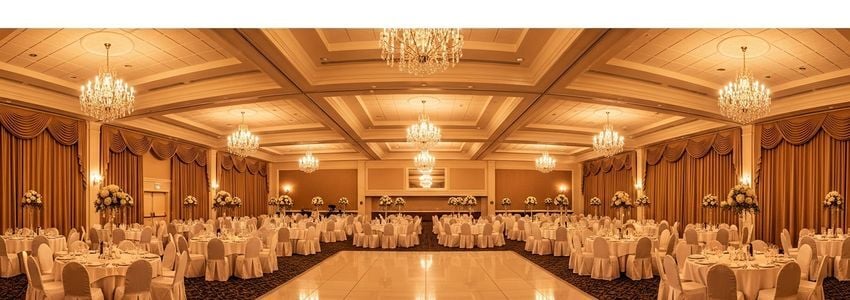
Event Venue Business Loans: The Complete Financing Guide for Event Space Owners
Running an event venue is one of the most capital-intensive businesses in the hospitality industry. Between maintaining and upgrading facilities, managing seasonal cash flow swings, investing in audio-visual technology, and marketing to compete for bookings, event space owners constantly face the challenge of having enough working capital on hand. Event venue business loans give owners the financial runway to grow, renovate, and stay competitive in a market that rewards the best-equipped spaces. This guide covers everything you need to know about financing your event venue - from loan types and qualification requirements to how Crestmont Capital can help you secure the right funding fast.
In This Article
- What Are Event Venue Business Loans?
- Why Event Venues Need Financing
- Types of Financing Available for Event Venues
- How Event Venue Financing Works
- Event Venue Industry: By the Numbers
- How to Qualify for Event Venue Financing
- How Crestmont Capital Helps Event Venues
- Real-World Scenarios
- Comparing Financing Options
- Frequently Asked Questions
- How to Get Started
What Are Event Venue Business Loans?
Event venue business loans are commercial financing products specifically tailored to the needs of businesses that host weddings, corporate events, galas, conferences, concerts, private parties, and other gatherings. These loans help owners finance a wide range of needs - from purchasing or upgrading AV equipment to covering payroll during slow seasons or funding a major renovation that will attract higher-value bookings.
Unlike traditional personal loans, event venue business loans are underwritten based on the revenue, credit profile, and assets of the business itself. Lenders assess factors like average monthly revenue, booking history, business credit, and the owner's personal credit to determine how much they can lend and at what rate.
The event venue industry encompasses a broad spectrum of businesses - from intimate boutique spaces with 50-person capacity to large ballrooms and conference centers hosting thousands. Regardless of size, most venue operators share the same core financing needs: capital for facilities, equipment, staffing, and marketing.
Why Event Venues Need Financing
The event venue business model creates predictable, recurring demand for working capital. Unlike some industries where expenses are fairly consistent month to month, event venues often face significant lumpiness in both revenue and costs. Here are the most common reasons venue owners seek financing:
Facility Upgrades and Renovations
First impressions are everything in the event business. Couples touring venues for their wedding, corporate planners evaluating spaces for their next conference, or private party hosts choosing a location - all of them are comparing visual appeal, ambiance, and amenities. Outdated decor, worn flooring, or an uninviting entrance can cost you bookings to competitors. Many venue owners finance major renovations - new flooring, lighting systems, HVAC upgrades, updated restrooms, or kitchen improvements - to remain competitive and command premium pricing.
Renovation loans allow owners to complete upgrades without draining operating cash reserves. The improved venue can then generate higher booking revenue that services the debt while also increasing the property's overall value.
Audio-Visual and Technology Equipment
Today's event clients expect state-of-the-art audio, lighting, and video capabilities. Weddings need elegant uplighting and quality sound systems. Corporate clients demand high-resolution projection, seamless conferencing technology, and reliable Wi-Fi infrastructure. Concerts and entertainment events require professional-grade stage lighting, PA systems, and production equipment. This equipment is expensive - a comprehensive AV upgrade can easily run $50,000 to $200,000 or more for a mid-size venue.
Equipment financing and equipment leasing give event venue owners a way to acquire the technology they need without a large upfront cash outlay. The equipment itself often serves as collateral, which can make approval more accessible even for businesses without perfect credit.
Seasonal Cash Flow Management
Most event venues experience significant seasonal revenue swings. Spring and fall are peak wedding seasons. The holiday season brings a surge of corporate parties and galas. Summer may be slower for some markets, while resort-area venues peak in summer. Off-peak months can see revenue drop dramatically while fixed costs - rent, insurance, utilities, staff salaries - remain constant.
A business line of credit is a powerful tool for smoothing seasonal cash flow gaps. Rather than scrambling to cover payroll or vendor invoices during slow months, venue owners can draw from their credit line and repay when bookings pick back up. This provides operational stability and peace of mind throughout the year.
Marketing and Business Development
In a competitive market, event venues that invest in professional photography, virtual tours, social media advertising, and SEO-optimized websites consistently outperform those that rely on word-of-mouth alone. A single well-placed ad campaign that generates bookings can pay for itself many times over. Many venue owners use working capital loans to fund marketing pushes during peak booking inquiry seasons.
New Venue Acquisition or Expansion
Successful venue operators often look to expand by opening a second location or acquiring an existing venue. Commercial real estate financing and business acquisition loans can fund these opportunities. The commercial real estate financing options at Crestmont Capital include pathways for venue owners to purchase rather than lease their space - building equity while operating the business.
By the Numbers
Event Venue Industry - Key Statistics
$16B+
U.S. wedding venue market size (2024)
$35K+
Average U.S. wedding cost in 2024
2.4M+
Weddings held in the U.S. annually
$1.5T
U.S. meetings and events industry (annual)
Types of Financing Available for Event Venues
Event venue owners have access to several different financing products. The best option depends on how you plan to use the funds, how quickly you need capital, and your business's financial profile.
Term Loans
A traditional term loan provides a lump sum of capital upfront, repaid over a set period with fixed or variable interest. Term loans work well for large, one-time investments like a major renovation, equipment purchase, or acquisition. Repayment terms typically range from one to ten years, with monthly payments that are predictable and easy to budget for.
Traditional term loans from banks often require strong credit, two or more years in business, and extensive documentation. Alternative lenders like Crestmont Capital offer faster approval timelines with more flexible qualification standards.
SBA Loans
The U.S. Small Business Administration guarantees loans made by participating lenders, reducing lender risk and enabling more favorable terms for borrowers. SBA 7(a) loans can fund up to $5 million and are suitable for renovation, real estate acquisition, and working capital. SBA 504 loans specifically finance major fixed assets like real estate and heavy equipment.
SBA loans offer competitive interest rates and longer repayment terms, but they require significant documentation and take longer to fund - often 60 to 120 days from application to funding. For venue owners with strong financials who aren't in a hurry, SBA financing can be highly cost-effective.
Business Line of Credit
A revolving line of credit gives event venue owners flexible access to capital up to a set credit limit. You draw funds when needed and only pay interest on what you use. Once repaid, the credit becomes available again. This makes a line of credit ideal for managing cash flow, covering operating expenses during slow seasons, or handling unexpected costs.
Pro Tip: A business line of credit is particularly valuable for event venues because it gives you a financial cushion during slow booking months without requiring you to take on more debt than you need. Many venue operators keep a line of credit open year-round and only draw during predictable slow seasons.
Equipment Financing and Leasing
Equipment financing allows venue owners to purchase specific equipment - lighting rigs, sound systems, commercial kitchen equipment, HVAC units, or AV gear - using the equipment itself as collateral. This typically results in lower rates than unsecured financing and preserves working capital. Equipment leasing offers even lower monthly payments with the option to upgrade at the end of the lease term.
For venues that need to stay technologically current, leasing AV and production equipment can be a smart long-term strategy. When the technology becomes outdated - which happens quickly in the AV world - you can simply upgrade rather than being stuck with depreciating owned assets.
Working Capital Loans
Working capital loans are short-term, unsecured loans designed to cover day-to-day operational expenses. They're ideal for bridging the gap between when expenses are due and when booking revenue arrives. Approval is typically faster than term loans, with funding possible in as little as 24 to 48 hours.
Revenue-Based Financing
Revenue-based financing provides capital in exchange for a percentage of future monthly revenue until the advance is repaid. Repayments flex with your revenue - when bookings are strong, you repay more; when they're slow, you repay less. This can be an attractive option for venues with highly seasonal revenue patterns.
Ready to Upgrade Your Event Space?
Get fast, flexible financing from the #1 business lender in the U.S. Rates and terms customized for your venue's revenue and goals.
Apply Now →How Event Venue Financing Works
The financing process for event venues follows a straightforward path from application to funding. Understanding each step helps you prepare your documents and set realistic timeline expectations.
Quick Guide
How Event Venue Financing Works - At a Glance
Complete the online application with basic business info, revenue, and your financing goal.
Your lender reviews bank statements, tax returns, and financials to assess your repayment capacity.
You'll get a financing offer outlining the loan amount, rate, term, and repayment structure.
Upon acceptance and final approval, funds are deposited directly into your business bank account.
How to Qualify for Event Venue Financing
Qualification requirements vary based on the lender and the type of financing you're seeking. Here's a general breakdown of what lenders evaluate when reviewing event venue loan applications.
Time in Business
Most lenders require at least 6 to 12 months of operating history for working capital or short-term financing. For SBA loans or larger term loans, two or more years in business is typically preferred. Newer venues may still qualify through equipment financing (using the equipment as collateral) or through lenders that specialize in startups and newer businesses.
Monthly Revenue
Lenders want to see that your venue generates enough revenue to comfortably service debt. Most alternative lenders require a minimum of $10,000 to $15,000 in average monthly revenue. Higher revenue opens access to larger loan amounts and better terms. Seasonal businesses should be prepared to explain revenue patterns and show that even during slow months, there's sufficient cash flow to service the loan.
Credit Profile
Both personal and business credit scores factor into most loan decisions. For traditional bank financing, lenders typically look for a personal credit score of 680 or higher. Alternative lenders like Crestmont Capital work with borrowers with scores as low as 550 in some cases, prioritizing revenue and business health over credit scores. Building and maintaining strong business credit is a long-term strategy that opens access to better terms over time.
Collateral
Secured loans require collateral - typically business assets like equipment, real estate, or receivables. Unsecured working capital loans don't require collateral but may carry higher rates. For equipment financing, the equipment itself serves as collateral, which often enables lower rates and faster approval.
Financial Documentation
Standard documentation for event venue loan applications includes:
- 3 to 6 months of business bank statements
- Most recent business tax returns (1 to 2 years)
- Profit and loss statement
- List of current assets and liabilities
- Business license and formation documents
- Personal tax returns and government-issued ID
| Loan Type | Min. Credit Score | Time in Business | Funding Speed | Best For |
|---|---|---|---|---|
| Working Capital Loan | 550+ | 6+ months | 24-48 hours | Seasonal cash flow gaps |
| Term Loan | 600+ | 1+ year | 1-5 business days | Renovations, large purchases |
| Business Line of Credit | 600+ | 1+ year | 2-7 business days | Ongoing operational needs |
| Equipment Financing | 580+ | 6+ months | 2-5 business days | AV, lighting, kitchen equipment |
| SBA Loan | 680+ | 2+ years | 60-120 days | Real estate, major expansion |

How Crestmont Capital Helps Event Venue Owners
Crestmont Capital is rated the #1 business lender in the United States, with deep experience financing businesses in the hospitality and events industry. We understand that event venue owners don't operate on a 9-to-5 banking schedule - opportunities and urgent needs arise at any time. That's why our application process is streamlined and our funding timelines are among the fastest in the industry.
Our team works with event venue owners to identify the right financing product for their specific situation - whether that's a term loan for a major renovation, a line of credit for seasonal cash flow, equipment financing for a new AV system, or working capital for a marketing push heading into peak booking season. We offer:
- Loans from $5,000 to $5 million+ - scaled to your venue's size and revenue
- Fast approvals - many working capital applications decided in 24 hours
- Flexible qualification - we look at your full financial picture, not just a credit score
- Multiple loan types - term loans, lines of credit, equipment financing, SBA, and more
- No hidden fees - transparent pricing with clear repayment terms
Our small business financing solutions are built around the reality that venue operators need capital on their timeline, not a bank's timeline. From the moment you apply to the moment funds hit your account, our process is designed for speed without sacrificing service quality.
Key Insight: According to the U.S. Census Bureau, there are over 30,000 banquet hall and event venue businesses operating in the United States. The competition for premium bookings is fierce - and the venues that invest in their facilities and capabilities consistently command higher rates and more bookings per year.
Real-World Scenarios: How Event Venues Use Financing
Abstract descriptions of loan products only go so far. Here are six realistic scenarios showing how event venue owners apply financing to grow their businesses.
Scenario 1: The Boutique Wedding Venue Renovation
A 150-guest capacity wedding venue in the Southeast had been operating for five years with solid bookings but increasingly losing inquiries to a newer competitor with more modern decor. The owner secured a $180,000 term loan to replace the flooring, install new lighting, refinish the bridal suite, and add an outdoor ceremony space. The renovations increased their average booking price by 22% and pushed their annual occupancy rate from 68% to 84%. The loan paid for itself within 18 months through increased revenue.
Scenario 2: Managing the Winter Slow Season
A corporate event space in the Midwest saw January through March as their weakest quarter - corporate budgets were being finalized, Q1 events were sparse. But their fixed costs never stopped. They opened a $75,000 business line of credit before winter to draw from as needed during slow months and repay during the spring conference season. This eliminated the stressful scramble to cover payroll and vendor bills each winter without taking on unnecessary long-term debt.
Scenario 3: AV Technology Upgrade
A mid-size conference center had been losing corporate bookings because competing venues offered better video conferencing integration and wireless microphone systems. They financed a $95,000 AV upgrade through equipment financing - acquiring state-of-the-art projection systems, a distributed audio network, and enterprise-level video conferencing infrastructure. Monthly payments were structured to align with the increased revenue from corporate clients attracted by the upgraded tech.
Scenario 4: Opening a Second Location
A successful outdoor event venue had a waiting list of bookings but couldn't serve them all with a single location. The owner identified a 3-acre property 20 miles away and secured $650,000 in combined real estate and working capital financing to acquire and develop the second venue. Within two years, the second location was generating revenue that exceeded the original location's early years.
Scenario 5: Emergency HVAC Replacement
In the middle of their peak summer wedding season, a venue's primary HVAC system failed. Replacement and installation of a new commercial unit would cost $45,000 - money the owner didn't have liquid without canceling events or raiding emergency reserves. A working capital loan funded the same day allowed the venue to complete repairs without canceling a single booking. The cost of downtime and reputation damage from cancellations would have far exceeded the loan cost.
Scenario 6: Marketing for Peak Season
A newly expanded event venue was well-positioned but not yet well-known. The owner used a $30,000 working capital loan to fund a comprehensive marketing campaign: professional event photography and video production, a paid social media campaign targeting engaged couples and corporate event planners in their region, and SEO optimization for their website. The campaign generated 140% of its cost in new bookings within the first six months.
Your Venue's Next Chapter Starts Here
Whether you need $25,000 for an AV upgrade or $500,000 for a full renovation, Crestmont Capital has the financing solution for your event venue.
Get Your Quote →Comparing Financing Options for Event Venues
Not all financing products are equal, and the right choice depends on your specific situation. Here's how to think through the decision.
When to Choose a Working Capital Loan
Working capital loans are best when you need funds quickly for operational expenses - payroll, vendor payments, marketing, or minor repairs. They're fast, flexible, and don't require collateral. The tradeoff is shorter repayment terms and potentially higher rates than secured products.
When to Choose Equipment Financing
If your capital need is tied to a specific equipment purchase - a lighting system, sound equipment, commercial appliances - equipment financing is often the most cost-effective choice. The equipment serves as collateral, keeping rates competitive, and the repayment term aligns with the useful life of the asset.
When to Choose a Business Line of Credit
For ongoing, recurring needs - seasonal cash flow, maintaining an operating buffer, or handling unpredictable expenses - a line of credit is the most flexible tool. You only pay for what you use, and the credit replenishes as you repay. This is particularly valuable for event venues with pronounced seasonal revenue patterns.
When to Choose an SBA Loan
If you're making a large, long-term investment - purchasing real estate, a major renovation with a multi-year payback period, or acquiring another venue - and you have time to wait for approval, SBA loans offer the best combination of low rates and long terms. The patience required is worth the cost savings on larger loan amounts.
Industry Note: According to Forbes, the events industry is expected to grow at a compound annual rate of over 11% through 2030, driven by pent-up demand for in-person gatherings, corporate event spend recovery, and the continued popularity of experiential celebrations. Venues that invest now to upgrade their capabilities are positioned to capture that growth.
Understanding the interplay between different financing products is key to making smart decisions. Some venue owners benefit from using a combination - for example, a term loan to fund a renovation and a line of credit to manage cash flow during the construction period when bookings may be temporarily reduced.
If you want to learn more about working capital solutions versus other types of business credit, our guide on working capital vs. line of credit covers the key differences in detail.
Frequently Asked Questions
How to Get Started
Complete our quick application at offers.crestmontcapital.com/apply-now - it takes just a few minutes and won't affect your credit score.
A Crestmont Capital advisor will review your event venue's financials and connect you with the financing product that best fits your goals and timeline.
Once approved, funds are deposited directly into your business account - often within 24 to 48 hours for working capital products. Then put that capital to work in your venue.
Start Your Event Venue Financing Journey Today
Fast approvals. Flexible terms. The #1 business lender in the U.S. is ready to help your venue reach its potential.
Apply Now →Conclusion
The event venue industry is one of the most rewarding businesses to operate - you're creating the backdrop for people's most meaningful moments. But it's also one of the most capital-intensive, with constant pressure to upgrade facilities, manage seasonal cash flow, and invest in technology and marketing to stay competitive. Event venue business loans give you the financial tools to grow without sacrificing operational stability.
Whether you need a quick infusion of working capital to bridge a slow season, equipment financing for a new AV system, or a term loan to fund the renovation that will take your venue to the next tier of the market, Crestmont Capital has the right financing solution. With fast approvals, flexible qualification, and a team that understands the hospitality business, we're here to help you make the investments that fill your booking calendar and grow your revenue for years to come.
Ready to take the next step? Apply now and get a decision in as little as 24 hours. Or contact our team to discuss your financing options with a specialist who understands the event venue industry.
Disclaimer: The information provided in this article is for general educational purposes only and is not financial, legal, or tax advice. Funding terms, qualifications, and product availability may vary and are subject to change without notice. Crestmont Capital does not guarantee approval, rates, or specific outcomes. For personalized information about your business funding options, contact our team directly.








