
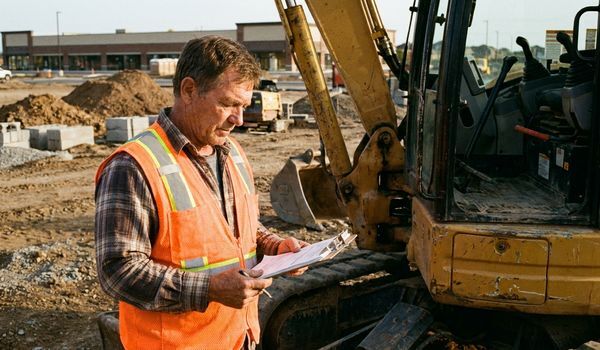
Every growing business hits the same crossroads: you need equipment to expand, but buying it outright would drain the cash reserves you rely on for payroll, inventory, and surprises. That is exactly where financing equipment for small business growth becomes a strategic move instead of a last resort. The right financing decision lets you put revenue-producing assets to work immediately while spreading the cost over the months and years those assets actually generate income.
But not every piece of equipment deserves a financing agreement, and not every purchase should be made with cash. Some assets hold their value, produce revenue for a decade, and are perfect candidates for financing. Others are cheap, obsolete within a year or two, or simply not worth the paperwork. This guide breaks down ten categories of equipment that are almost always worth financing, five you should pay cash for, and a practical framework for making the call every time a purchase decision lands on your desk.
In This Article
- Why Financing Equipment Beats Draining Cash Reserves
- 10 Pieces of Equipment Worth Financing
- 5 Pieces of Equipment to Pay Cash For
- Financing vs. Paying Cash: How to Decide
- How Equipment Financing Works
- Equipment Financing Options for Small Businesses
- How Crestmont Capital Helps
- Real-World Scenarios
- FAQ
- How to Get Started
Why Financing Equipment for Small Business Growth Beats Draining Cash Reserves
Cash is the oxygen of a small business. The moment you write a six-figure check for a machine, that cash is gone, and it cannot cover a slow receivables month, a surprise repair, or a sudden opportunity to buy inventory at a discount. Financing equipment for small business owners is ultimately about protecting that oxygen supply while still getting the tools that drive revenue.
There is a second reason seasoned owners lean toward financing: alignment. A financed asset pays for itself over time out of the revenue it generates. A dump truck that earns money every day it is on the road can cover its own monthly payment with margin to spare. Paying cash for that same truck creates a gap between the day the money leaves your account and the months it takes to earn it back.
Industry surveys consistently show that roughly 78 percent of American businesses use some form of financing when acquiring equipment, and the U.S. equipment finance market now exceeds one trillion dollars annually. That is not a niche strategy. It is the default playbook for businesses that treat capital allocation as a competitive advantage.
Key Stat: The U.S. Small Business Administration counts more than 33 million small businesses in the country, and access to affordable capital remains one of the most commonly cited barriers to their growth. Equipment financing is one of the most accessible forms of that capital because the equipment itself secures the deal.
None of this means financing is always the right answer. It means the default question should never be "can we afford to write the check" but rather "does this asset's cost, lifespan, and revenue potential justify financing." The rest of this guide gives you a concrete answer for fifteen common equipment categories.
10 Pieces of Equipment Worth Financing
The categories below share three traits: a high upfront cost, a long useful life, and a direct connection to revenue. When all three are present, financing is usually the smarter move.
1. Commercial Trucks and Fleet Vehicles
A single new Class 8 truck can run well past one hundred thousand dollars, and even light commercial vans routinely top forty thousand. Trucks are also among the most predictable revenue assets a business can own: every mile is billable, and every route generates income. Because lenders understand trucks and hold their value well, rates and terms in this category are among the most competitive in equipment financing. A five or six year term on a truck that works every day keeps your cash free for fuel, drivers, and maintenance.
2. Construction Machinery
Excavators, loaders, bulldozers, and skid steers are classic financing candidates. They cost anywhere from fifty thousand to several hundred thousand dollars, they last a decade or more with proper maintenance, and they are pure revenue engines. A financed excavator on a paying job site covers its own payment many times over. Construction equipment also qualifies for some of the longest terms lenders offer because resale values stay strong.
3. Manufacturing and CNC Equipment
CNC machines, lathes, mills, and fabrication equipment represent some of the largest single purchases a small manufacturer will ever make, often between seventy-five and five hundred thousand dollars. These machines directly determine your production capacity, which means the revenue case for financing is straightforward: more capacity, more orders, more income to service the debt. Financing also lets you upgrade to newer, faster machines without waiting years to accumulate cash.
4. Medical and Dental Equipment
Imaging systems, surgical lasers, dental chairs, and sterilization equipment carry price tags from thirty thousand to well over a million dollars. Medical practices depend on this equipment for every billable procedure, and patients increasingly expect modern technology. Financing lets a practice offer new services immediately and pay for the equipment out of the new revenue stream it creates. Strong resale values in medical equipment also keep lender risk low, which translates into better terms for borrowers.
5. Restaurant and Commercial Kitchen Equipment
Walk-in coolers, commercial ovens, fryers, and espresso systems are the backbone of any food service operation. A full kitchen buildout can easily exceed one hundred thousand dollars. Restaurants run on thin margins, which makes preserving working capital essential, and kitchen equipment directly drives every dollar of food revenue. Financing spreads the cost of a buildout or renovation across the months when the kitchen is actually producing sales.
6. IT Infrastructure and Servers
Enterprise servers, networking gear, and phone systems for a growing company can cost twenty to one hundred thousand dollars. Unlike consumer laptops, this infrastructure is mission-critical: downtime costs revenue every hour. Financing lets you deploy the right system now instead of a compromised version that will need replacing in two years. Many businesses pair infrastructure financing with a hardware refresh schedule so payments stay predictable while technology stays current.
7. Agricultural Machinery
Tractors, combines, planters, and irrigation systems are among the most expensive assets on any farm, with combines frequently exceeding four hundred thousand dollars. Farming income is seasonal, which makes a large cash purchase especially dangerous heading into planting season. Equipment financing structures can match payments to harvest cycles, so the machine pays for itself exactly when the revenue arrives.
8. Printing and Graphics Equipment
Commercial presses, wide-format printers, and finishing equipment routinely cost between fifty and two hundred fifty thousand dollars. Print shops live and die on capacity and turnaround time, and a faster press directly converts into more jobs per week. Financing preserves the cash you need for paper, ink, and payroll while the new press generates the revenue to cover its own payment.
9. HVAC and Refrigeration Systems
Commercial refrigeration, walk-in freezers, and rooftop HVAC units are expensive, essential, and long-lived. A grocery, restaurant, or cold storage operation cannot open its doors without them. Because these systems last ten to fifteen years and sit at the heart of daily operations, financing is a natural fit. Energy-efficient modern systems also reduce utility costs, which effectively lowers the true monthly cost of the financed payment.
10. Point-of-Sale and Retail Systems
A multi-lane POS rollout with scanners, payment terminals, and back-office software can run thirty to eighty thousand dollars for a growing retailer. These systems touch every transaction, which makes them revenue infrastructure rather than office overhead. Financing a modern POS system shortens checkout lines, improves inventory accuracy, and pays for itself through faster throughput and better data.
Have a Piece of Equipment in Mind?
Get a fast answer on financing from the #1 business lender in the U.S. No obligation, and applying takes just minutes.
Apply Now →5 Pieces of Equipment to Pay Cash For
Financing is powerful, but it is not free. Every agreement carries interest, fees, and paperwork, and for some purchases those costs outweigh any benefit. Pay cash when an item is cheap relative to your reserves, when it will be obsolete before the financing term ends, or when the total financing cost approaches the price of the item itself. Here are five categories where writing the check is usually the right call.
1. Basic Office Furniture
Desks, chairs, and filing cabinets for a small office rarely total more than a few thousand dollars, and quality pieces last for years with zero maintenance. The total cost is simply too low to justify financing fees, and furniture holds little collateral value, which means lenders offer less attractive terms on it anyway. Buy it, expense it, and move on.
2. Consumer-Grade Laptops and Peripherals
A thousand-dollar laptop that will be replaced in three years is a poor financing candidate. The financing costs on small-ticket items are proportionally higher, and the asset depreciates faster than any reasonable repayment schedule. The exception is a fleet purchase: outfitting twenty employees at once can reach thirty thousand dollars, and at that scale a financing arrangement starts to make sense again.
3. Small Power Tools and Handheld Equipment
Drills, saws, pressure washers, and similar tools in the hundreds-to-low-thousands range belong on a credit card or a cash purchase, not a financing agreement. They wear out fast, get lost or stolen on job sites, and cost less to replace than a year of financing fees. Save your borrowing capacity for the assets that actually move the revenue needle.
4. Used Equipment Near the End of Its Life
A bargain used machine with two years of life left can be a smart cash buy, but it is a risky financed asset. If the equipment fails before the term ends, you are making payments on a dead asset while scrambling to replace it. Lenders know this too, which is why terms on old used equipment are shorter and more expensive. If you can afford the cash and the price reflects the remaining lifespan, pay it.
5. Low-Cost Software and Subscription Tools
Monthly software subscriptions, small peripherals, and anything under roughly five thousand dollars rarely justify financing. The application effort alone costs more than the interest you would save. A useful rule of thumb: if the item costs less than one month of gross revenue and will not generate revenue directly, pay cash and keep your credit lines open for bigger moves.
Financing vs. Paying Cash: How to Decide
The financing-versus-cash decision comes down to four questions. First, how long will the asset generate value? Long-lived equipment favors financing because the payments track the asset's useful life. Second, how directly does it produce revenue? A machine that prints money while you make payments on it is the ideal financed asset. Third, what does paying cash cost you in opportunity? Cash locked in a depreciating asset is cash you cannot deploy for marketing, hiring, or inventory. Fourth, what does financing actually cost? Compare the total repayment amount against the return you expect from keeping that cash working in the business.
| Factor | Finance When... | Pay Cash When... |
|---|---|---|
| Upfront cost | High ($10K and up) | Low (under ~$5K) |
| Useful life | 5+ years of productive use | Obsolete in 1-3 years |
| Revenue connection | Directly produces income | General overhead item |
| Cash position | Cash is needed for operations | Surplus cash beyond reserves |
| Resale value | Strong secondary market | Little resale value |
When the left column describes your purchase, financing almost always wins on a pure return-on-capital basis. When the right column dominates, cash keeps things simple and cheap. Most real purchases sit somewhere in the middle, which is why talking through the numbers with a financing specialist before you commit is worth the fifteen minutes it takes.
How Equipment Financing Works
Equipment financing is one of the most straightforward funding products available to small businesses, because the equipment itself serves as collateral. That built-in security is why approvals are faster, terms are longer, and rates are lower than most unsecured financing. If you want a deeper primer on the mechanics, our guide on how equipment financing works walks through the fundamentals in detail. Here is the process in five steps.
Step 1: Identify the equipment and get a quote. Lenders need the specifics: make, model, year, new or used, and the vendor's price. A formal quote or invoice speeds everything up.
Step 2: Apply. A modern application takes minutes, not weeks. You will provide basic business information, time in business, revenue, and the equipment details. Many lenders, including Crestmont Capital, can work from bank statements rather than demanding full financial statements.
Step 3: Get approved. Because the equipment secures the deal, approvals often come back within 24 hours. Strong credit earns better rates, but approvals exist across a wide credit spectrum because the collateral reduces lender risk.
Step 4: Review terms and sign. You will see the monthly payment, term length, and total cost laid out plainly. Terms typically run from 24 to 72 months depending on the equipment's expected lifespan.
Step 5: The vendor gets paid and you get the equipment. The lender pays the vendor directly, the equipment ships, and it starts generating revenue while you make predictable monthly payments.
By the Numbers
Equipment Financing - Key Statistics
78%
of U.S. businesses use financing when acquiring equipment
$1.3T
annual U.S. equipment finance market size
33M+
small businesses operating in the United States
24-72
months: typical equipment financing term range
Equipment Financing Options for Small Businesses
Once you decide to finance, you have several distinct structures to choose from. Picking the right one matters as much as picking the right equipment.
Equipment loans are the simplest structure: you borrow the purchase price, own the equipment from day one, and pay the loan off over a fixed term. When the last payment clears, the asset is yours free and clear. Loans suit equipment with a long useful life that you intend to keep, like construction machinery or manufacturing equipment. Our equipment financing programs are built around exactly this structure.
Equipment leases trade ownership for flexibility. You make lower monthly payments to use the equipment, and at the end of the term you return it, renew, or buy it at a predetermined price. Leasing shines for technology that ages fast or for businesses that upgrade on a regular cycle. The equipment leasing route keeps your fleet or systems current without the resale hassle. For businesses weighing equipment loans vs leases, the lease-versus-buy decision usually comes down to how long you plan to keep the asset and how quickly it depreciates. Recent small business coverage on CNBC has tracked the shift toward leasing for fast-depreciating technology categories.
SBA loans offer government-backed terms for qualified borrowers, including equipment purchases. The rates are attractive, but the paperwork and timelines are heavier, so SBA financing fits planned expansions better than urgent replacements. The SBA's planning resources are a good starting point for building the documentation these loans require.
Business lines of credit work for smaller, recurring equipment purchases. Instead of financing each item separately, you draw from an approved line as needs come up. A business line of credit pairs well with a core equipment loan for the big assets.
Compare Your Equipment Financing Options
One quick application shows you every structure you qualify for, with real numbers instead of guesses.
Check Your Options →How Crestmont Capital Helps
Crestmont Capital is rated the #1 business lender in the United States, and equipment financing is one of our core specialties. We fund everything from single-owner operator trucks to multi-million-dollar manufacturing lines, and we do it with the speed that real business requires. Approvals typically come back within hours, and funding follows in days, not the weeks a traditional bank would take.
Our team works across every major equipment category, including construction equipment, medical and dental equipment, and commercial trucks and fleet vehicles. If you are weighing an upgrade against your cash position, our guide on financing equipment upgrades without straining cash flow covers the strategy in depth.
Most importantly, we structure deals around your revenue reality. Seasonal businesses get payment schedules that match their seasons. Startups with strong contracts get a real look instead of an automatic decline. And every borrower gets a straight answer on whether financing a given asset actually makes sense, because a bad deal helps no one.
Real-World Scenarios: Financing vs. Cash in Practice
Frameworks are useful, but decisions get real when actual dollars are on the table. These four scenarios show how the financing-versus-cash call plays out in different industries.
Scenario 1: The excavation contractor. A two-person excavation company lands a subdivision contract that requires a second excavator priced at $180,000. Paying cash would empty the company's reserves heading into winter, its slowest season. Financing over 60 months puts the monthly payment well below the monthly revenue the new machine will bill, and reserves stay intact for fuel, repairs, and payroll. The decision: finance, without hesitation.
Scenario 2: The restaurant group. A restaurant opening its second location needs a full kitchen buildout at $120,000. The owners have the cash from a strong year, but the new location will need marketing spend and three months of operating cushion. Financing the kitchen equipment keeps that cushion intact, and the new location's revenue covers the payments from month two. The decision: finance the kitchen, spend cash on launch marketing.
Scenario 3: The dental practice. A dentist wants a $95,000 3D imaging system that enables in-house implant planning. The practice has strong cash flow and could write the check, but the imaging system will generate new billable procedures immediately. A 48-month equipment loan converts a six-figure capital event into a predictable monthly cost covered by the new procedure revenue. The decision: finance, and keep the cash for a future operatory expansion.
Scenario 4: The retail boutique. A boutique owner needs $3,200 of new shelving, a $1,400 laptop for the back office, and eventually a $38,000 delivery van. The shelving and laptop are cheap, low-collateral items: she pays cash and moves on. The van is a revenue asset that will serve for years: she finances it over 60 months. Splitting the decision by asset instead of applying one rule to everything is exactly the discipline this guide is about.
Pro Tip: Before any equipment purchase, run the one-month test. If the item costs less than one month of gross revenue and does not directly generate income, pay cash. If it costs more and produces revenue for years, get a financing quote first and compare the real numbers.
Frequently Asked Questions
Is equipment financing worth it for a small business? +
For most businesses, yes, when the equipment directly produces revenue and costs more than a few thousand dollars. Financing preserves working capital, spreads the cost across the asset's productive life, and often lets the equipment pay for itself. It is a weaker choice for cheap, fast-depreciating items.
What credit score do I need to finance equipment? +
Most lenders look for scores in the mid-600s or higher for the best rates, but equipment financing approves across a wider credit range than unsecured loans because the equipment itself secures the deal. Strong revenue and time in business can offset a weaker score.
How much can I borrow for equipment? +
Equipment financing routinely covers 100 percent of the purchase price, and deals range from ten thousand dollars into the millions. The practical limit is your revenue, credit profile, and the equipment's resale value, not an arbitrary cap.
What is the difference between an equipment loan and an equipment lease? +
A loan means you own the equipment from day one and build equity with every payment. A lease means lower monthly payments to use the equipment, with options to return, renew, or buy it at the end. Loans suit long-lived assets; leases suit technology you plan to upgrade.
Can I finance used equipment? +
Yes. Most lenders finance used equipment, though terms are shorter and rates slightly higher than for new. The equipment's age, condition, and remaining useful life drive the approval and the term length.
How long are typical equipment financing terms? +
Terms usually run 24 to 72 months, matched to how long the equipment will remain productive. Heavy machinery with a ten-year lifespan can qualify for longer terms; technology that ages quickly gets shorter ones.
What interest rates should I expect on equipment financing? +
Rates depend on credit strength, time in business, equipment type, and term length. Well-qualified borrowers see single-digit rates, while newer businesses or challenged credit profiles pay more. The only way to know your real number is a quick application with actual terms returned.
Does equipment financing require a down payment? +
Many deals fund 100 percent of the purchase price with no down payment. A down payment can still make sense to lower the monthly cost or strengthen a borderline application, but it is an option, not a requirement.
Can startups qualify for equipment financing? +
Startups can qualify, especially when the founder has strong personal credit or signed contracts that demonstrate revenue. Expect slightly higher rates and closer scrutiny, but the equipment's collateral value makes startup approvals far more common than with unsecured loans.
What documents do I need to apply for equipment financing? +
Typically a one-page application, three to six months of business bank statements, and the vendor's quote or invoice for the equipment. Larger deals may request tax returns or financial statements, but most small-ticket approvals need far less.
How fast can equipment financing be funded? +
Fast-moving lenders approve within hours and fund within one to three business days once documents are signed. That speed matters when a machine fails mid-season or a time-sensitive deal on equipment appears.
What happens at the end of an equipment lease? +
Depending on the lease structure, you return the equipment, renew the lease, upgrade to newer equipment, or purchase the asset at a set price. Know the end-of-term options before you sign, because they differ significantly between lease types.
Can I pay off equipment financing early? +
Most agreements allow early payoff, and some include prepayment discounts. Ask about prepayment terms before signing, especially if you expect a cash influx that could retire the debt ahead of schedule.
Should I finance or pay cash for equipment? +
Finance when the equipment is expensive, long-lived, and revenue-producing. Pay cash when it is cheap, quickly obsolete, or when financing costs approach the item's price. The framework and fifteen examples in this guide cover the most common cases.
Does financing equipment build business credit? +
Yes. Consistent on-time payments on an equipment financing agreement are reported to business credit bureaus and strengthen your business credit profile, which improves your terms on future financing of every kind.
Ready to Put Your Equipment to Work?
Join thousands of businesses that fund growth through Crestmont Capital. Fast approvals, real terms, zero obligation.
Get Started Today →How to Get Started
Complete our quick application at offers.crestmontcapital.com/apply-now - takes just a few minutes.
A Crestmont Capital advisor will review your equipment needs and match you with the right financing structure, whether that is a loan, a lease, or a hybrid.
Your vendor gets paid, your equipment ships, and it starts producing revenue while you make predictable monthly payments.
The Bottom Line on Financing Equipment for Small Business Owners
The smartest businesses do not ask whether they can afford to pay cash. They ask whether cash is the best use of that capital. For expensive, long-lived, revenue-producing equipment, financing equipment for small business growth wins almost every time: it protects your reserves, matches costs to the revenue the asset generates, and keeps borrowing capacity open for the next opportunity. For cheap, fast-depreciating items, cash remains king.
Use the ten-and-five framework in this guide as your starting filter, run the four questions for anything in the gray zone, and get a real financing quote before you commit either way. When you are ready, Crestmont Capital's team will show you exactly what your equipment purchase looks like financed, with real numbers and no obligation.
Disclaimer: The information provided in this article is for general educational purposes only and is not financial, legal, or tax advice. Funding terms, qualifications, and product availability may vary and are subject to change without notice. Crestmont Capital does not guarantee approval, rates, or specific outcomes. For personalized information about your business funding options, contact our team directly.

Allan Garfinkle
Allan Garfinkle is the Chief Revenue Officer at Crestmont Capital, where he has spent more than a decade leading revenue strategy, business development, and operational growth. With 28 years of experience building and advising startups and small businesses, Allan has helped more than 10,000 business owners navigate financing decisions, growth opportunities, and changing economic conditions. He earned a Bachelor of Science in Economics and an MBA with a concentration in Finance from Northeastern University, as well as a Juris Doctor from New England Law, where his studies focused on contracts and business law. His writing draws on extensive practical experience in small-business lending, equipment financing, business credit, and commercial finance.