
 (800) 949-0401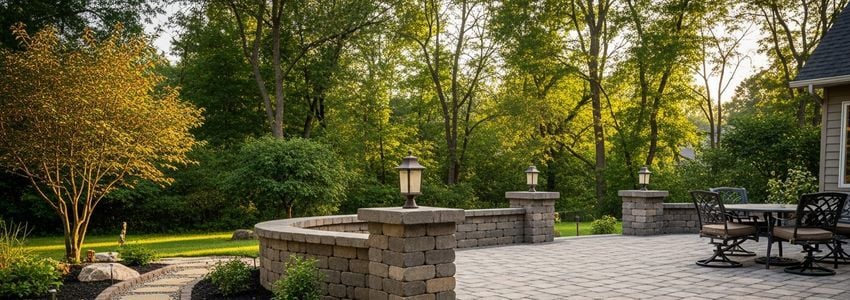
Hardscaping Equipment Loans: The Complete Guide for Landscaping Business Owners
Adding a hardscaping division to your landscaping business is one of the smartest growth moves you can make. Demand for patios, retaining walls, pavers, outdoor kitchens, and decorative stonework has surged across the country, and customers are willing to pay premium prices for skilled hardscaping work. But launching that division requires serious equipment - and serious capital. Hardscaping equipment loans give you a clear, cost-effective path to getting the tools you need without draining your working capital or waiting years to save up.
This guide covers everything you need to know: what equipment you can finance, how the loan process works, what lenders look for, and how Crestmont Capital helps landscaping and hardscaping businesses like yours get funded fast.
In This Article
- What Is Hardscaping and Why Add This Division?
- Equipment You Need to Start a Hardscaping Division
- How Hardscaping Equipment Loans Work
- Types of Financing for Hardscaping Equipment
- Hardscaping Industry: By the Numbers
- How to Qualify for a Hardscaping Equipment Loan
- Financing Options Compared
- How Crestmont Capital Helps Hardscaping Businesses
- Real-World Hardscaping Financing Scenarios
- Frequently Asked Questions
- How to Get Started
What Is Hardscaping and Why Add This Division?
Hardscaping refers to the non-living elements of outdoor design - the structures, surfaces, and permanent features that create form and function in outdoor spaces. While traditional landscaping focuses on plants, grass, and trees, hardscaping covers patios, walkways, retaining walls, steps, driveways, water features, outdoor kitchens, fire pits, pergolas, and decorative stone or brick installations.
The market opportunity is substantial. The outdoor living industry has expanded dramatically over the past decade, driven by homeowners who want to maximize their outdoor spaces and commercial property owners looking to add curb appeal and functionality. Projects routinely run from $5,000 for simple paver patios to well over $100,000 for elaborate outdoor living environments. As a landscaping company, you're already positioned to sell these services to your existing client base.
Market Opportunity: According to the American Society of Landscape Architects, outdoor living and hardscaping consistently ranks among the top design trends requested by clients. Hardscaping projects typically yield 60-80% profit margins for established contractors with the right equipment.
Adding hardscaping also differentiates your business from lawn care-only competitors. You become a full-service outdoor transformation company rather than a maintenance provider. That shift dramatically increases average project value, client lifetime value, and your ability to attract higher-budget clients.
The main barrier to entry is equipment. Hardscaping requires specialized machinery - skid steers, plate compactors, concrete saws, trenchers, and more. This equipment is expensive to purchase outright. That's where hardscaping equipment loans become essential.
Ready to Launch Your Hardscaping Division?
Get fast equipment financing from the #1 business lender in the U.S. Apply in minutes with no obligation.
Apply Now →Equipment You Need to Start a Hardscaping Division
Understanding what equipment your hardscaping division needs is the first step toward building your financing plan. The equipment list varies by the types of projects you plan to take on, but most hardscaping divisions need a core set of machines and tools.
Heavy Equipment and Machinery
Skid Steer Loaders: Perhaps the single most important piece of hardscaping equipment. Skid steers handle grading, material moving, excavation, and material placement. They accept dozens of attachments - augers, hydraulic breakers, trenchers, and pallet forks. A quality commercial skid steer ranges from $30,000 to $65,000 new, with quality used units available from $15,000 to $35,000.
Mini Excavators: For digging footings, trenches, and grading in tighter spaces where full-size equipment can't access. Mini excavators are particularly valuable for residential hardscaping where you're working close to the home and in confined yards. New units range from $25,000 to $75,000 depending on size and attachments.
Plate Compactors: Essential for compacting base material beneath paver installations and ensuring the stability of any surface hardscaping project. Both forward and reversible plate compactors are commonly used, ranging from $1,500 to $8,000.
Concrete Saws and Cutters: For precise cuts in pavers, bluestone, concrete, and other materials. Walk-behind concrete saws run $3,000 to $10,000. Handheld units are less expensive but are typically supplemental tools.
Supporting Equipment and Tools
Trailers: You'll need equipment trailers to transport your skid steer, mini excavator, and other machinery between job sites. A quality heavy-duty trailer runs $8,000 to $20,000.
Trucks and Vehicles: Heavy-duty pickup trucks or dump trucks are necessary for hauling materials - gravel, sand, pavers, boulders, and other supplies. These range from $35,000 to $90,000 for new commercial vehicles.
Hand Tools and Specialty Equipment: Paver saws, chisels, levels, string lines, compaction testers, tampers, and other hand tools. Budget $5,000 to $15,000 for a complete set of quality hand tools for a hardscaping crew.
Concrete and Mortar Equipment: Concrete mixers, mortar boards, trowels, and related tools for projects involving concrete or mortar-set installations. A quality commercial concrete mixer runs $2,000 to $8,000.
When you add it up, fully equipping a hardscaping division from scratch can easily require $100,000 to $250,000 or more in equipment investment. That's exactly why hardscaping equipment loans are the practical choice for most landscaping business owners.
How Hardscaping Equipment Loans Work
Equipment loans for hardscaping work similarly to other secured business loans, but with one important advantage: the equipment itself serves as collateral. This makes lenders more willing to approve financing - and often at better rates than unsecured loans - because they have an asset backing the loan.
When you apply for a hardscaping equipment loan, the lender evaluates your business financials, credit profile, and the equipment you're financing. If approved, they advance the funds to purchase the equipment (or reimburse you if you've already purchased it), and you repay through fixed monthly payments over an agreed term.
Key features of hardscaping equipment loans include:
- Fixed repayment terms: Typically 24 to 84 months, allowing you to match payments to your cash flow
- Ownership at payoff: Unlike leasing, you own the equipment outright once the loan is paid off
- Collateral-backed: The equipment secures the loan, reducing risk for both lender and borrower
- Fast approvals: Many equipment lenders approve in 24 to 72 hours
- Finance up to 100%: Some lenders will finance the full purchase price with no down payment required
Pro Tip: When financing a package of hardscaping equipment, many lenders will bundle all items into a single loan rather than requiring separate applications for each piece. This simplifies your paperwork and often results in more favorable overall terms.
Understanding the difference between equipment loans and equipment leases is also important. With a loan, you own the equipment and build equity. With a lease, you make payments for the use of the equipment but don't own it at the end of the term (unless you exercise a buyout option). Each has strategic advantages depending on how quickly your equipment needs are likely to change.
Types of Financing for Hardscaping Equipment
There is no single "best" financing option for every hardscaping business. The right choice depends on your business age, credit profile, cash flow, and how you plan to use the equipment.
Traditional Equipment Loans
Traditional equipment loans from banks and credit unions typically offer the lowest interest rates - often in the 6% to 12% range for qualified borrowers. These loans work well for established businesses with strong credit and 2+ years in business. The tradeoff is a longer approval process (often 2 to 4 weeks) and stricter qualification requirements.
Alternative Lender Equipment Financing
Alternative lenders, including specialty equipment finance companies, offer faster approvals (often same-day or next-day) and more flexible qualification standards. Rates are typically higher than traditional banks - ranging from 8% to 25% depending on risk profile - but the speed and accessibility make these lenders popular with growing businesses. Crestmont Capital's equipment financing program falls into this category, combining fast approval with competitive rates for qualified borrowers.
Equipment Leasing
Leasing lets you use hardscaping equipment for a fixed term (typically 24 to 60 months) with monthly payments. At the end of the lease, you can often purchase the equipment at fair market value or return it and upgrade to newer machinery. Leasing conserves capital, keeps your equipment current, and may offer accounting advantages. Crestmont Capital's equipment leasing program gives hardscaping businesses flexible lease terms tailored to seasonal cash flow.
SBA Loans
Small Business Administration loans, particularly the SBA 7(a) loan, can finance equipment purchases with terms up to 10 years and competitive rates. SBA loans typically require strong credit, 2+ years in business, and a detailed application process. They're ideal for established landscaping companies making a major equipment investment.
Lines of Credit
A business line of credit provides flexible access to capital you can draw as needed. Rather than borrowing a lump sum for equipment, you draw from the line as equipment purchases arise. This works well if you're building your hardscaping inventory gradually over time rather than buying everything at once.
By the Numbers
Hardscaping Equipment Financing - Key Statistics
$134B
U.S. landscaping industry annual revenue
$25K+
Average hardscaping project value
24 hrs
Typical equipment loan approval time at Crestmont Capital
70%
Average gross margin on hardscaping projects
How to Qualify for a Hardscaping Equipment Loan
Lenders evaluate several factors when reviewing hardscaping equipment loan applications. Understanding what they look for helps you prepare a stronger application and improves your approval odds.
Business Credit Profile
Both your business credit score and personal credit score matter. Business credit scores (from Dun & Bradstreet, Equifax Business, and Experian Business) reflect your company's payment history and financial stability. Personal scores reflect your individual creditworthiness. Most traditional lenders prefer a personal score of 650 or higher, while alternative lenders may work with scores as low as 550 for equipment financing.
Time in Business
Your existing landscaping business's track record matters significantly. Most traditional lenders prefer 2+ years of operating history. Alternative lenders may approve established businesses with as little as 1 year in operation. If you've been operating a landscaping business for several years, that history strengthens your application even if the hardscaping division is new.
Revenue and Cash Flow
Lenders want to see that your business generates sufficient revenue to support the loan payments. Most equipment lenders look for annual revenue of at least $100,000 to $250,000, though requirements vary by lender and loan size. Your bank statements and profit/loss statements will be the primary documents for revenue verification.
Down Payment
Some lenders require a down payment - typically 10% to 20% of the equipment purchase price. Others offer 100% financing with no money down, particularly for strong borrowers. Having a down payment ready demonstrates financial stability and reduces the lender's risk, which can result in better interest rates.
Equipment as Collateral
Because the equipment itself secures the loan, lenders assess its value and useful life. Well-known equipment brands from reputable manufacturers are easier to finance. Newer equipment is generally financed more easily than older used equipment, though used equipment financing is widely available.
Check Your Equipment Loan Options Today
Crestmont Capital offers equipment financing for landscaping and hardscaping businesses of all sizes. Get a same-day decision with no obligation.
Apply Now →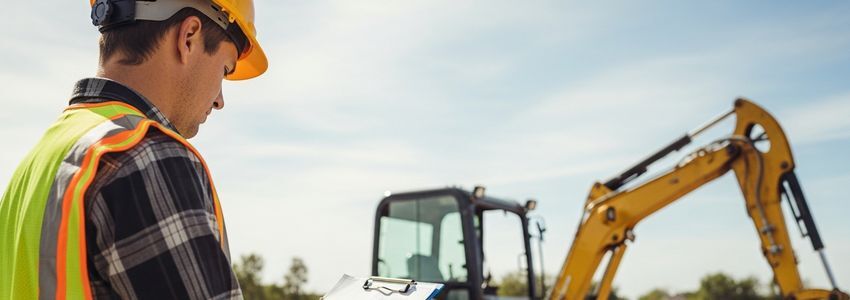
Financing Options Compared
| Feature | Equipment Loan | Equipment Lease | SBA Loan | Line of Credit |
|---|---|---|---|---|
| Ownership | Yes, at payoff | No (optional buyout) | Yes, at payoff | Yes (purchase equipment) |
| Typical Rates | 6% - 25% | Factor rates vary | 5.5% - 11% | 8% - 30% |
| Approval Speed | 24-72 hours | 24-72 hours | 2-6 weeks | 1-5 days |
| Down Payment | 0-20% | 0-1 payment upfront | 10-30% | None |
| Term Length | 24-84 months | 24-60 months | Up to 10 years | Revolving |
| Best For | Long-term use equipment | Frequently upgraded equipment | Major purchases, best credit | Ongoing, variable needs |
How Crestmont Capital Helps Hardscaping Businesses
Crestmont Capital has provided equipment financing to landscaping and hardscaping businesses across the country. We understand the seasonal nature of the industry, the high cost of commercial-grade equipment, and the need for fast approvals when a job opportunity arises. Our hardscaping equipment loan programs are designed to fit your business - not the other way around.
Here's what sets our equipment financing apart for hardscaping companies:
- Fast approval: Most decisions within 24 hours of application completion
- Flexible terms: 24 to 84-month loan terms to fit your cash flow
- No prepayment penalties: Pay off your loan early without extra fees
- Bundle financing: Finance multiple pieces of equipment under one loan
- New and used equipment: We finance both new and quality used hardscaping equipment
- Seasonal payment options: Available for businesses with seasonal revenue patterns
Our construction equipment financing program covers the heavy machinery common to hardscaping work - skid steers, excavators, and more. We also finance trucks, trailers, and supporting equipment through our commercial vehicle financing program.
Whether you're a solo landscaper adding your first skid steer, or an established company equipping a dedicated hardscaping crew, we have programs designed to match your situation. Apply online in minutes and get a decision the same business day.
Industry Note: According to the National Association of Landscape Professionals, landscaping companies that add hardscaping services report average revenue increases of 35-60% in the first full year of offering the service, driven by higher project values and expanded client demand.
Real-World Hardscaping Financing Scenarios
Understanding how other landscaping businesses have used equipment loans to launch hardscaping divisions can help you see what's possible for your company.
Scenario 1: Solo Landscaper Adds Skid Steer
A sole proprietor with a thriving lawn care business in the mid-Atlantic region had received several requests for patio and retaining wall projects but was turning them down due to a lack of equipment. After applying for a $45,000 equipment loan to purchase a used skid steer and trailer, he was approved within 24 hours. Within his first full season offering hardscaping, the new services added $120,000 in revenue - paying off the equipment loan several times over.
Scenario 2: Regional Landscaper Builds a Complete Division
A five-year-old landscaping company in the Southeast wanted to establish a dedicated hardscaping division with its own crew and equipment set. They needed a skid steer, mini excavator, trailer, and a full complement of tools - approximately $180,000 in equipment. Through a bundled equipment financing arrangement, they secured the full amount with a 60-month term, keeping monthly payments manageable while the division ramped up. The hardscaping division was profitable within its first six months.
Scenario 3: Established Company Upgrades Equipment
A well-established landscape company with 15 years of operation had been doing hardscaping with aging equipment that required frequent repairs. They used equipment financing to purchase two new skid steers and a mini excavator, trading in their old machines and financing the balance. Newer, reliable equipment reduced their downtime, improved crew productivity, and allowed them to take on larger commercial hardscaping contracts.
Scenario 4: Startup Landscaper Skips Lawn Care and Goes Straight to Hardscaping
Some entrepreneurs skip traditional lawn care entirely and launch directly into hardscaping, attracted by the higher project values. A startup landscaping company in the Southwest secured a combination of equipment financing and an unsecured working capital loan to cover both equipment and initial operating costs. By focusing on mid-range residential hardscaping projects ($15,000 to $40,000 each), they reached profitability within their first year of operation.
Scenario 5: Family Business Expands Across Service Areas
A family-owned landscaping company used equipment loans to purchase a second complete set of hardscaping equipment, allowing them to run two simultaneous crews. This geographic expansion let them serve twice as many clients without turning work away during peak season. Revenue grew by 85% in the year following the equipment investment.
Scenario 6: Winter Months, New Division Launch
A Minnesota landscaping company used the slower winter months to secure equipment financing and train a crew on hardscaping techniques, so they could hit the ground running when the spring season began. By the time the ground thawed, they had a fully equipped hardscaping crew ready to execute on a backlog of quotes they'd built over the winter.
Frequently Asked Questions
Start Your Hardscaping Division Today
Don't let equipment costs hold back your growth. Crestmont Capital delivers fast, flexible financing for landscaping and hardscaping businesses nationwide.
Apply Now →How to Get Started
Create a list of the equipment you need to launch your hardscaping division, with estimated costs for each item. This becomes the foundation of your loan request.
Complete our quick application at offers.crestmontcapital.com/apply-now - takes just a few minutes with basic business information and your equipment list.
A Crestmont Capital advisor will review your application and contact you - typically within 24 hours - with financing options tailored to your business.
Once approved and funded, purchase your hardscaping equipment and start marketing your new division. Many businesses book their first hardscaping projects before the equipment even arrives.
Conclusion
Hardscaping equipment loans make it practical for landscaping companies of all sizes to add a high-value service line without waiting years to save up the necessary capital. By financing your skid steer, mini excavator, trailer, and supporting tools, you can launch a hardscaping division that generates revenue from day one - often well in excess of your loan payments.
The hardscaping market rewards businesses that commit to doing the work right, with quality equipment and skilled crews. Don't let equipment costs delay your expansion. Whether you're adding a single piece of machinery or building a complete hardscaping operation, hardscaping equipment loans from Crestmont Capital give you the capital to move fast and compete effectively.
Apply today and take the first step toward building a more profitable, comprehensive outdoor services business.
Disclaimer: The information provided in this article is for general educational purposes only and is not financial, legal, or tax advice. Funding terms, qualifications, and product availability may vary and are subject to change without notice. Crestmont Capital does not guarantee approval, rates, or specific outcomes. For personalized information about your business funding options, contact our team directly.








