
 (800) 949-0401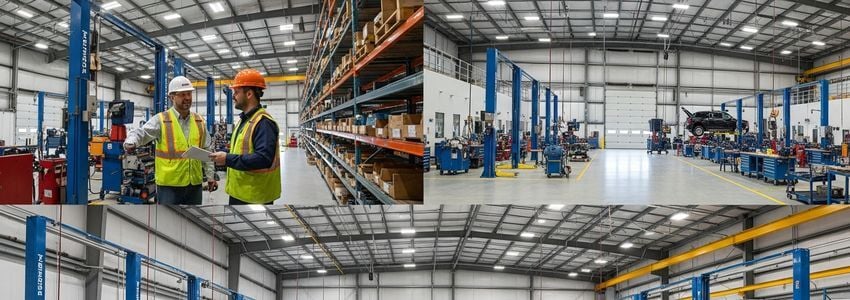
Equipment Loans for Launching an In-House Repair Division: The Complete Guide for Business Owners
For any business reliant on machinery, vehicles, or specialized tools, equipment downtime is more than an inconvenience; it is a direct threat to revenue and operational stability. Outsourcing repairs often leads to unpredictable costs, extended wait times, and a loss of control over the quality of work. This is why many forward-thinking companies are exploring the strategic advantages of establishing their own internal maintenance capabilities, a move best funded through specialized equipment loans for an in-house repair division. This guide provides a comprehensive roadmap for business owners considering this pivotal investment, covering everything from the strategic benefits to the practical steps of securing the necessary capital.
In This Article
- What Is an In-House Repair Division?
- Why Businesses Launch Internal Repair Teams
- How Equipment Loans Work for Repair Division Buildouts
- Types of Equipment Needed for an In-House Repair Division
- Financing Options for Repair Division Equipment
- Who Qualifies for Equipment Loans
- How Crestmont Capital Helps
- Real-World Scenarios
- Step-by-Step: How to Apply
- Frequently Asked Questions
- How to Get Started
- Conclusion
What Is an In-House Repair Division?
An in-house repair division is a dedicated department within a company responsible for the maintenance, diagnostics, and repair of its own equipment, machinery, and vehicles. Instead of relying on third-party vendors or external service centers, a business with an internal repair team invests in its own technicians, tools, and facilities to manage the entire lifecycle of its critical assets. This represents a fundamental shift from a reactive, outsourced model to a proactive, internally controlled system of asset management.
The scope of an in-house repair division can vary significantly based on the industry and the company's specific needs. For a local construction company, it might be a single, well-equipped garage with one or two certified mechanics to service a fleet of excavators, loaders, and dump trucks. For a large-scale manufacturing plant, it could be a sophisticated, multi-faceted department with specialized teams for hydraulic systems, electronic controls, and mechanical engineering, operating around the clock to prevent production line stoppages. In the context of a technology firm, it might be a clean-room environment with technicians certified to repair sensitive servers and networking hardware.
At its core, establishing an in-house repair division involves three primary investments:
- Personnel: Hiring and training skilled technicians, mechanics, and engineers who understand the specific equipment the business operates. This includes ongoing professional development to keep up with new technologies.
- Infrastructure: Designating and outfitting a physical space, such as a workshop, garage, or dedicated service bay. This may involve structural modifications, installation of lifts, ventilation systems, and specialized power sources.
- Equipment: Acquiring the necessary diagnostic tools, repair machinery, and inventory of spare parts. This is often the most capital-intensive component and is where financing solutions like equipment loans become critical.
The decision to build this capability is a strategic one. It transitions equipment maintenance from an operational expense, subject to market fluctuations and vendor availability, into a strategic asset that provides a competitive advantage. By controlling the repair process, a company gains direct influence over its operational uptime, asset longevity, and overall efficiency, turning a traditional cost center into a driver of value and resilience.
Why Businesses Launch Internal Repair Teams
The initial investment in an in-house repair division can be substantial, but the long-term return on investment is compelling and multi-faceted. Businesses that make this strategic shift unlock a range of financial, operational, and competitive advantages that are often impossible to achieve through outsourcing. These benefits extend far beyond simply fixing broken equipment; they fundamentally improve the way a company manages its most critical assets.
1. Significant Long-Term Cost Savings
While third-party repair services seem convenient, their costs accumulate rapidly. External vendors mark up prices on both labor and parts to generate profit. A typical service call includes hourly labor rates, travel time, diagnostic fees, and a substantial margin on any replacement components. According to industry analysis, bringing repairs in-house can reduce overall maintenance costs by 35% to 60% over the long term. These savings are realized through several channels:
- Elimination of Vendor Markups: By purchasing parts directly from manufacturers or wholesalers, businesses can access components at or near cost, avoiding the 25-50% markups common in the repair industry. - Reduced Labor Costs: Salaried technicians, even with competitive wages and benefits, often cost less per hour of productive work than the billable rates of specialized external contractors, which can exceed $150-$250 per hour in many fields. - Proactive Maintenance: An in-house team is incentivized to perform preventative maintenance, which is far less costly than emergency repairs. They can identify and address minor issues before they escalate into catastrophic failures that require expensive, large-scale interventions.
2. Drastic Reduction in Equipment Downtime
Downtime is the silent killer of profitability. For every hour a critical piece of machinery is out of service, a business loses revenue, misses deadlines, and incurs idle labor costs. Outsourcing repairs introduces multiple sources of delay. A company must first identify and contact a qualified vendor, wait for a technician to become available, schedule a service call, and then wait for parts to be ordered and delivered. This entire process can take days or even weeks.
An in-house repair division transforms this timeline. When a machine breaks down, the response is immediate. Technicians are already on-site, familiar with the equipment, and have access to a pre-stocked inventory of common spare parts. A repair that might take a week through an external provider can often be completed in a matter of hours, maximizing operational uptime and productivity. A report by Forbes highlighted that businesses with internal maintenance teams report up to a 70% improvement in equipment availability.
Key Insight: According to the U.S. Census Bureau's Annual Survey of Manufactures, U.S. manufacturing companies spend tens of billions of dollars annually on repairs and maintenance. An in-house division directly addresses this significant operational expense, converting it into a controlled, value-generating activity.
3. Enhanced Quality Control and Consistency
When you outsource repairs, you place the quality of the work in the hands of a third party. The skill level of their technicians can be inconsistent, and their priority is often to complete the job as quickly as possible, not necessarily as thoroughly as possible. This can lead to recurring problems, improper installations, and the use of substandard parts.
With an internal team, you set the standard. You control the hiring process, ensuring technicians have the precise skills and certifications needed for your specific equipment. You can mandate the use of original equipment manufacturer (OEM) parts, implement rigorous testing protocols after each repair, and create standardized maintenance procedures. This direct oversight ensures that every repair is performed to the highest standard, promoting reliability and safety across all company assets.
4. Increased Asset Longevity and Value
An in-house team develops an intimate, long-term relationship with the company's equipment. They are not just fixing problems as they arise; they are managing the entire lifecycle of each asset. Through regular, scheduled preventative maintenance-such as fluid changes, filter replacements, calibration, and component inspections-they can significantly extend the operational lifespan of expensive machinery.
This proactive approach prevents the excessive wear and tear that leads to premature failure. Well-maintained equipment not only lasts longer but also retains a higher resale or trade-in value. This improved asset management translates directly to a stronger balance sheet and a lower long-term capital expenditure on replacement machinery.
5. Development of Specialized Institutional Knowledge
Every time an external technician works on your equipment, they take valuable knowledge with them when they leave. An in-house team, by contrast, builds and retains that expertise internally. They learn the unique quirks and performance characteristics of each machine, creating a deep well of institutional knowledge. This expertise allows them to diagnose problems more quickly and accurately, develop custom solutions, and even provide feedback for future equipment purchasing decisions. This accumulated knowledge becomes a valuable and proprietary asset for the company.
Ultimately, launching an internal repair team is an investment in operational independence and resilience. It empowers a business to control its own destiny, insulated from the price gouging, scheduling conflicts, and inconsistent quality of the external service market. The path to achieving this independence often begins with securing the right financing, such as a dedicated equipment financing solution to build out the division's capabilities.
Ready to Build Your In-House Repair Division?
Get fast, flexible equipment financing from the #1 business lender in the U.S. No obligation - apply in minutes.
Apply Now ->How Equipment Loans Work for Repair Division Buildouts
Understanding the mechanics of an equipment loan is the first step toward financing your in-house repair division. Unlike a generic business loan, an equipment loan is a specific type of financing designed for the acquisition of physical assets. The structure of these loans is uniquely suited for building out a repair facility because the purchased equipment itself serves as collateral, making the arrangement secure for the lender and often easier to obtain for the borrower.
The Core Concept: Asset-Backed Financing
The fundamental principle of an equipment loan is straightforward: a lender provides a business with the capital needed to purchase specific pieces of equipment. In return, the business agrees to repay the loan, plus interest, over a predetermined period through regular installments (typically monthly). The critical feature is that the lender places a lien on the financed equipment. This means if the business defaults on the loan, the lender has the legal right to repossess and sell the equipment to recoup its losses.
This self-collateralizing nature is highly advantageous for several reasons:
- Higher Approval Rates: Because the loan is secured by a tangible asset, it presents less risk to the lender compared to an unsecured loan. This often results in higher approval rates, even for businesses that may not qualify for other types of financing.
- Favorable Terms: The reduced risk can also translate into more competitive interest rates and longer repayment terms than unsecured working capital loans. - Preservation of Other Assets: Since the loan is secured by the new equipment, business owners typically do not need to pledge other business or personal assets (like real estate or accounts receivable) as collateral.
The Loan Process for a Repair Division
When applying for equipment loans for an in-house repair division, the process is tailored to the specific needs of the buildout. It generally follows these steps:
- Needs Assessment and Budgeting: The business first identifies all the necessary equipment, from heavy-duty vehicle lifts and diagnostic computers to hand tools and welding machines. A detailed list is created, and quotes are obtained from vendors to establish a total project budget. This budget forms the basis of the loan request.
- Application Submission: The business applies with a lender like Crestmont Capital. The application typically requires basic information about the company (time in business, annual revenue), details about the owner(s), and the quotes for the equipment to be purchased. Modern lenders often have streamlined online applications that can be completed in minutes.
- Underwriting and Review: The lender's underwriting team reviews the application. They assess the business's financial health (credit history, cash flow) and the value of the equipment being financed. Because the equipment has inherent value, the underwriting process can be much faster than for other types of loans. Approval can often be granted in as little as 24 hours.
- Loan Agreement and Terms: Upon approval, the lender presents a loan agreement. This document outlines the key terms: the total loan amount, the interest rate (which can be fixed or variable), the repayment term (typically 2-7 years, often aligned with the expected useful life of the equipment), and the monthly payment amount.
- Funding and Purchase: Once the agreement is signed, the funding process begins. In most cases, the lender pays the equipment vendor directly. This simplifies the process for the business owner, who does not have to handle large sums of cash. The business then receives the equipment and can begin setting up its repair facility.
- Repayment and Ownership: The business makes regular monthly payments for the duration of the loan term. Once the final payment is made, the lender releases the lien, and the business owns the equipment outright, free and clear.
Key Financial Considerations
When structuring an equipment loan for a repair division, a few financial aspects are particularly important:
- Down Payment: While some lenders offer 100% financing, a down payment (typically 10-20%) may be required. A larger down payment can lower the monthly payments and may result in a better interest rate.
- Interest Rates: Rates are determined by the borrower's credit profile, time in business, and the type/age of the equipment. Established businesses with strong credit will secure the most competitive rates.
- Section 179 Deduction: A significant tax advantage in the U.S. is the Section 179 deduction. This allows businesses to deduct the full purchase price of qualifying new or used equipment in the year it is placed into service, rather than depreciating it over several years. This can provide a substantial tax benefit that effectively lowers the net cost of the equipment. Business owners should consult with a tax professional to understand how to leverage this deduction.
By using an equipment loan, a business can acquire all the necessary tools and machinery for its repair division without a massive upfront capital outlay. This preserves cash flow for other operational needs like hiring technicians and stocking parts, making the entire project financially viable and strategically sound.
Building an In-House Repair Division: By The Numbers
35-60%
Average long-term cost savings reported by companies after transitioning from outsourced to in-house equipment repair, driven by lower labor and parts costs.
~80%
Typical approval rate for equipment loan applications from established businesses (2+ years) with solid credit, due to the self-collateralizing nature of the financing.
3-5 Days
Average time from application to funding for streamlined equipment loans, allowing businesses to acquire necessary tools and machinery quickly.
Up to 70%
Reported improvement in equipment uptime and operational efficiency after implementing an internal maintenance and repair program.
Sources: Industry analysis from Reuters, Small Business Administration (SBA) lending data, and internal Crestmont Capital data.
Types of Equipment Needed for an In-House Repair Division
The specific equipment required to launch an effective in-house repair division depends entirely on the industry and the assets being serviced. A comprehensive equipment list is the foundation of your budget and your financing application. Below is a detailed breakdown of the typical tools and machinery needed across several key industries that rely heavily on operational equipment.
1. Transportation and Logistics (Trucking Fleets)
For companies managing a fleet of commercial trucks, tractors, and trailers, the repair division is a critical hub for maintaining Department of Transportation (DOT) compliance and minimizing road failures. The cost of a single tow and outsourced repair can easily exceed thousands of dollars, making an in-house shop a smart investment.
- Heavy-Duty Vehicle Lifts: Mobile column lifts or permanent four-post lifts capable of handling Class 8 trucks (up to 80,000 lbs). These are essential for undercarriage work, including transmission, exhaust, and brake repairs.
- Diagnostic Software and Scanners: OEM-level diagnostic tools (e.g., for Cummins, Detroit Diesel, Paccar engines) that can read fault codes, monitor live data, and perform forced regenerations on diesel particulate filters (DPFs).
- Tire Mounting and Balancing Machines: Commercial-grade machines to handle heavy truck tires, allowing for in-house tire replacement and rotation, a major recurring expense.
- Brake Service Equipment: Brake lathes for resurfacing drums and rotors, as well as specialized tools for servicing air brake systems.
- Welding and Fabrication Equipment: MIG and TIG welders for repairing frames, trailers, and exhaust components. A plasma cutter is also invaluable for custom fabrication work.
- Fluid Management Systems: Large-capacity tanks and dispensing systems for engine oil, coolant, and transmission fluid to streamline preventative maintenance services.
- Shop Press: A heavy-duty hydraulic press (20-50 ton) for pressing bearings, bushings, and other friction-fit components.
- Parts Washers and Cleaning Stations: To ensure components are clean before inspection and reassembly, improving the quality and longevity of repairs.
2. Construction and Heavy Machinery
Construction companies operate expensive and complex machinery like excavators, bulldozers, cranes, and loaders. Downtime on a job site can cause significant project delays and financial penalties. An on-site or centralized repair facility is paramount.
- Mobile Service Trucks: A fully-equipped truck is the cornerstone of a construction repair division. It should include a crane for lifting heavy components, an air compressor, a welder/generator, and storage for tools and parts to perform repairs in the field.
- Hydraulic System Tools: Hydraulic flow meters, pressure gauges, and cylinder honing machines. A hydraulic hose crimper is also essential for building custom hoses on-site, a frequent point of failure.
- Undercarriage Tools: Specialized track presses and torque multipliers for working on the tracks of bulldozers and excavators.
- Advanced Engine Diagnostics: Similar to trucking, but with a focus on off-road diesel engines (e.g., Caterpillar, Komatsu, John Deere).
- Welding and Gouging Equipment: Heavy-duty stick welders and carbon arc gouging equipment for repairing buckets, blades, and structural frames that endure extreme stress.
- Portable Boring Machines: For repairing worn or oversized pin bores on excavator arms and other pivot points, restoring factory tolerances without replacing the entire component.
- Lifting and Rigging Gear: Heavy-duty chain hoists, gantries, and certified slings for safely removing engines, transmissions, and other major components.
3. Manufacturing and Industrial Production
In a manufacturing plant, a single broken machine on a production line can halt the entire operation. The in-house maintenance and repair team is the first line of defense against costly production stoppages.
- Machine Tooling: Lathes, milling machines, and surface grinders for fabricating or repairing custom parts like shafts, brackets, and fixtures. This reduces reliance on external machine shops with long lead times.
- Electrical and Electronic Test Equipment: Multimeters, oscilloscopes, and thermal imaging cameras to diagnose issues in control panels, electric motors, and programmable logic controllers (PLCs).
- Vibration Analysis and Laser Alignment Tools: Predictive maintenance tools to detect bearing wear and motor misalignment before they cause catastrophic failure. Proper alignment extends the life of motors, pumps, and gearboxes.
- Calibration Equipment: Precision instruments to calibrate sensors, gauges, and other control devices to maintain product quality and process efficiency.
- Industrial Welders: Multi-process welders capable of handling various materials used in the plant's machinery, from stainless steel to aluminum.
- Material Handling Equipment: Dedicated forklifts, overhead cranes, or jib cranes within the maintenance shop to move heavy machinery components safely.
- Lubrication Management Systems: Carts, grease guns, and oil analysis kits to manage a proactive lubrication program, which is one of the most effective forms of preventative maintenance.
Key Insight: When applying for equipment financing, providing detailed, itemized quotes from vendors for each piece of machinery strengthens your application. It demonstrates thorough planning and gives the lender confidence in the viability of your project.
4. Medical and Dental Practices
While different in scale, medical and dental offices rely on sophisticated and expensive equipment where functionality is directly tied to patient care and revenue. An in-house technician or a well-equipped repair room can be highly valuable.
- Biomedical Test Equipment: Patient simulators, electrical safety analyzers, and defibrillator testers to ensure medical devices are functioning correctly and safely.
- Sterilization Equipment: An autoclave for sterilizing tools and components during repair.
- Diagnostic Tools for Imaging Equipment: Phantoms and specialized software for calibrating and troubleshooting X-ray, ultrasound, and other diagnostic imaging machines.
- Dental Handpiece Repair Systems: Specialized workstations for disassembling, cleaning, and repairing high-speed dental drills and other handpieces.
- Fine-Tipped Soldering Stations: For repairing circuit boards and delicate electronic components found in modern medical devices.
- Calibration Kits: For ensuring the accuracy of blood pressure monitors, scales, and other diagnostic tools.
Securing an equipment loan allows a business to purchase a complete package of these necessary tools at once, rather than piecemeal. This ensures the repair division is fully operational from day one, ready to deliver the cost savings and uptime improvements that justify the investment. A knowledgeable lender can help structure a financing package that covers not just the major machinery but also the ancillary tools and diagnostic software needed for a comprehensive setup. A detailed guide to this process can be found in our equipment financing guide.
Financing Options for Repair Division Equipment
When it comes to funding the acquisition of tools and machinery for your in-house repair division, several financing avenues are available. Each has its own structure, benefits, and ideal use case. Understanding the differences is key to selecting the option that best aligns with your company's financial situation and long-term goals. The primary choice for this type of project is an equipment loan, but it is valuable to compare it against other common forms of small business financing.
1. Equipment Loans
As detailed previously, an equipment loan is a term loan used to purchase specific business equipment. The equipment itself serves as collateral for the loan.
- Best For: Businesses that want to own their assets outright and plan to use the equipment for its entire useful life. It is ideal for core, long-term machinery like vehicle lifts, diagnostic systems, and industrial lathes.
- Pros:
- Ownership: You own the equipment at the end of the loan term.
- Tax Advantages: The Section 179 deduction and bonus depreciation can provide significant tax savings.
- Equity Building: Each payment builds equity in a valuable company asset.
- Fixed Payments: Most equipment loans have fixed interest rates, making budgeting predictable.
- Cons:
- Upfront Costs: A down payment of 10-20% may be required.
- Obsolescence Risk: You are responsible for the equipment even if it becomes outdated before the loan is paid off.
2. Equipment Leasing
An equipment lease is essentially a long-term rental agreement. The business pays a monthly fee to use the equipment for a set period. At the end of the lease term, the business typically has the option to purchase the equipment (often for a predetermined price), return it, or renew the lease.
- Best For: Equipment that has a high rate of technological obsolescence, like advanced diagnostic computers or sensitive calibration tools. It's also suitable for businesses that prefer lower monthly payments and less upfront cash outlay.
- Pros:
- Lower Upfront Costs: Leases often require little to no down payment.
- Lower Monthly Payments: Lease payments are generally lower than loan payments for the same equipment, as you are only paying for the depreciation during the lease term.
- Flexibility: Easy to upgrade to newer technology at the end of the lease term.
- Maintenance Included: Some leases, particularly Fair Market Value (FMV) leases, may include maintenance and repair services.
- Cons:
- No Ownership: You do not own the asset at the end of the term unless you exercise a purchase option.
- Higher Total Cost: If you decide to buy the equipment at the end, the total cost over the lease term plus the buyout price is often higher than if you had financed it from the start.
- Limited Customization: Leases may have restrictions on modifying or customizing the equipment.
3. SBA Loans (7a or 504)
The Small Business Administration (SBA) does not lend money directly but guarantees a portion of loans made by partner lenders. These loans can be used for a variety of purposes, including equipment purchases.
- Best For: Businesses with strong credit and financials that can navigate a longer application process to secure highly favorable terms. An SBA 504 loan is specifically designed for major fixed assets.
- Pros:
- Excellent Terms: SBA loans often feature some of the lowest interest rates and longest repayment terms available (up to 10 years for equipment).
- Low Down Payments: Down payments can be as low as 10%.
- Cons:
- Strict Requirements: The qualification criteria are very stringent, requiring excellent credit, detailed business plans, and extensive documentation.
- Slow Funding: The application and approval process can take several weeks or even months, which may not be suitable for urgent equipment needs.
- Collateral Requirements: May require additional collateral beyond the equipment itself, including personal guarantees.
4. Business Line of Credit
A business line of credit provides access to a revolving pool of capital that you can draw from as needed. You only pay interest on the funds you use. It is not ideal for purchasing all the primary equipment but is an excellent tool for supporting the new division.
- Best For: Ongoing and unpredictable expenses associated with the repair division, such as stocking a parts inventory, purchasing smaller hand tools, or covering unexpected repair costs on the new equipment itself.
- Pros:
- Flexibility: Draw and repay funds as your cash flow allows. It's perfect for managing fluctuating inventory needs.
- Always Available: Once approved, the funds are there when you need them without having to reapply.
- Interest on Amount Used: You only accrue interest on the capital you've drawn, not the total credit limit.
- Cons:
- Not for Large Purchases: Typically has lower limits and higher interest rates than term loans, making it unsuitable for financing the entire division's machinery.
- Variable Rates: Interest rates are often variable and tied to the prime rate.
Comparison: In-House vs. Outsourcing vs. Leasing
| Factor | In-House Repair (Financed) | Outsourced Repair | In-House Repair (Leased) |
|---|---|---|---|
| Total Cost of Ownership | Moderate initial cost, lowest long-term cost. Builds equity. | No initial cost, highest long-term cost due to markups. | Low initial cost, higher total cost than financing if purchased at end. |
| Control over Quality | Total control. You set the standards and procedures. | No control. Reliant on vendor's quality standards. | Total control over work performed, but equipment may have use restrictions. |
| Speed of Repair (Downtime) | Immediate. Technicians are on-site. Fastest response. | Slow. Subject to vendor availability, travel, and scheduling. | Immediate. Technicians are on-site. Fastest response. |
| Cash Flow Impact | Predictable monthly loan payments. Preserves working capital. | Unpredictable, large, and sporadic invoices. Hard to budget. | Lowest monthly payments, preserving maximum cash flow. |
| Best For | Long-term strategic assets and businesses seeking to build equity. | Businesses with infrequent repair needs or highly specialized equipment. | Equipment with high obsolescence or businesses prioritizing low monthly payments. |
For most businesses making the strategic decision to build an in-house repair division, a dedicated equipment loan offers the most balanced and value-oriented solution. It provides the capital to acquire high-quality, long-lasting assets while allowing the company to reap the full financial benefits of ownership, including equity and significant tax advantages.
Who Qualifies for Equipment Loans
Lenders evaluate several key factors when assessing an application for an equipment loan. While specific requirements can vary between financial institutions, the core criteria generally focus on the business's ability to consistently make payments and the overall risk of the loan. Understanding these factors can help you prepare a stronger application and increase your chances of approval for the best possible terms.
1. Credit Score
A business owner's personal credit score (and the business's credit score, if established) is a primary indicator of financial responsibility. Lenders use it to predict the likelihood of timely repayment.
- Excellent Credit (720+): Applicants in this range are considered low-risk and will typically qualify for the lowest interest rates, longest repayment terms, and highest loan amounts. They may also qualify for 100% financing with no down payment.
- Good Credit (650-719): Most businesses fall into this category. They can expect competitive rates and favorable terms. A small down payment might be required, but approval is highly likely, especially with strong supporting factors.
- Fair Credit (600-649): Approval is still possible, particularly with lenders that specialize in working with a wider range of credit profiles. The interest rates will be higher, and the loan terms may be shorter to mitigate the lender's risk. A more substantial down payment (e.g., 20% or more) can significantly strengthen the application.
- Poor Credit (Below 600): Securing a traditional equipment loan can be challenging. However, some alternative lenders may consider applications if other factors, like high revenue or significant time in business, are very strong. The terms will be less favorable.
2. Time in Business
The length of time a company has been operational is a measure of its stability and track record. Lenders prefer to see a history of consistent performance.
- 2+ Years: This is the standard benchmark for most lenders. Two years of operation provides enough financial history (tax returns, bank statements) for underwriters to assess the company's health and cash flow patterns. Businesses in this category have access to the widest range of loan products.
- 6 Months to 2 Years: Younger businesses can still qualify for equipment loans, but lenders may scrutinize their cash flow more closely. Strong monthly revenues and a good credit score are essential.
- Startups (Under 6 Months): It is more difficult for true startups to secure equipment loans, as they lack a performance history. However, it is not impossible. Lenders may require a detailed business plan, significant collateral, a substantial down payment, and rely heavily on the owner's strong personal credit and industry experience.
3. Annual and Monthly Revenue
Consistent cash flow is perhaps the most critical factor. Lenders need to be confident that your business generates enough revenue to comfortably cover its existing expenses plus the new monthly loan payment. They will typically analyze your last 3-6 months of business bank statements to verify revenue deposits and assess your average daily balance.
- Minimum Revenue: Most lenders have a minimum annual revenue threshold, often starting around $100,000 to $250,000.
- Debt-to-Income Ratio: Underwriters will calculate your business's debt-to-income ratio to ensure the new loan payment does not over-leverage the company. A healthy cash flow cushion after all expenses are paid is a strong positive signal.
4. Industry Type
While lenders work with most industries, some are viewed more favorably than others based on perceived stability and risk. Industries like transportation, construction, manufacturing, and healthcare, which have a constant and clear need for the equipment being financed, are generally considered strong candidates. The equipment used in these sectors also tends to retain its value well, which is a positive factor for collateral.
5. The Equipment Itself (Collateral)
Since the equipment secures the loan, its value, age, and condition are important.
- New Equipment: Financing new equipment is typically the most straightforward process, as its value is clear and its expected lifespan is long.
- Used Equipment: Financing used equipment is also very common. The lender will assess its fair market value and condition to determine the loan amount. There may be age restrictions (e.g., no older than 10 years), but this varies by lender and equipment type.
- Asset Class: Equipment that has a strong resale market (like a commercial truck or a popular brand of excavator) is considered excellent collateral, which can make the loan easier to approve.
By preparing documentation related to these five areas-credit reports, business registration documents, recent bank statements, and equipment quotes-you can streamline the application process and present your business as a reliable, well-qualified borrower.
How Crestmont Capital Helps
Navigating the world of business financing can be complex, but Crestmont Capital is dedicated to making the process of securing equipment loans for an in-house repair division as simple, fast, and transparent as possible. We understand that your goal is to get your repair facility up and running quickly, and our entire process is designed to support that objective. We differentiate ourselves from traditional banks and other lenders through a combination of technology, expertise, and a client-centric approach.
Streamlined Application and Fast Approval
Time is money, especially when equipment downtime is costing your business. We have eliminated the burdensome paperwork and long waiting periods associated with traditional lending. Our secure online application takes only a few minutes to complete. We require minimal documentation-typically just the application and recent bank statements-to get started. Our advanced underwriting technology allows us to evaluate applications rapidly, with most clients receiving a decision in a matter of hours, not weeks.
High Approval Rates and Flexible Criteria
We believe in finding ways to say "yes." Unlike conventional banks that often have rigid, one-size-fits-all lending criteria, we take a more holistic view of your business. We understand that a credit score doesn't tell the whole story. Our underwriting team looks at your overall business health, including cash flow, industry, and the value of the equipment you're purchasing. This flexible approach allows us to approve a high percentage of applicants, including those who may have been turned down by other institutions. We proudly work with a wide spectrum of credit profiles and business histories.
Expertise in Equipment Financing
Crestmont Capital is not a generalist lender; we are specialists in business financing, with deep expertise in the equipment sector. Our funding advisors understand the unique challenges and opportunities in industries like transportation, construction, and manufacturing. We know the value of the assets you're buying and can structure financing that makes sense for your specific situation. We can help you understand the benefits of Section 179, advise on loan terms that match the equipment's useful life, and ensure your financing package is optimized for your long-term success.
Competitive Rates and Transparent Terms
We leverage a vast network of lending partners to ensure you get the most competitive rates and terms available on the market. When you receive an offer from Crestmont Capital, it will be clear and easy to understand. We believe in full transparency, so you will know your exact loan amount, interest rate, monthly payment, and total cost of financing before you sign anything. There are no hidden fees or surprises.
Funding Speed to Get You Operational
Once you approve our offer, we move quickly to get the funds to your equipment vendor. In many cases, we can complete the entire process from application to funding in as little as 24 to 48 hours. This speed is a significant competitive advantage, allowing you to acquire your diagnostic tools, vehicle lifts, and other critical machinery without delay. You can start building your repair division, reducing downtime, and realizing cost savings almost immediately.
A Partnership for Growth
At Crestmont Capital, we view ourselves as more than just a lender; we are a financial partner dedicated to your business's growth. Securing an equipment loan for your repair division is a major step, and we are here to support you throughout the process and beyond. Our commitment is to provide the capital you need to become more efficient, profitable, and self-reliant.
See What Your Business Qualifies For
Our simple, no-obligation application takes 60 seconds. Get approved for the equipment you need today.
Get a Free Quote ->Real-World Scenarios
To better illustrate how equipment loans can facilitate the launch of an in-house repair division, let's explore three practical, real-world scenarios across different industries. These examples highlight the specific challenges businesses face and how targeted financing provides a direct and effective solution.
Scenario 1: Regional Trucking Company
- The Business: "Interstate Haulers," a family-owned logistics company with a fleet of 25 Class 8 semi-trucks.
- The Problem: The company was spending an average of $250,000 per year on outsourced repairs and preventative maintenance. A single major engine or transmission failure at an out-of-state service center could cost over $20,000 and take a truck off the road for two weeks, resulting in significant lost revenue. The owner was frustrated with inconsistent repair quality and unpredictable costs.
- The Goal: To convert an unused section of their main terminal into a two-bay repair shop to handle 80% of their maintenance and repair needs, from routine oil changes to more complex brake and DPF system work.
- The Equipment Needed:
- Heavy-duty mobile column lifts: $40,000
- Engine-specific diagnostic laptop with software: $15,000
- Commercial tire changer and balancer: $12,000
- 50-ton shop press and welding equipment: $8,000
- Initial stock of filters, fluids, and common parts: $15,000
- Total Equipment Cost: $90,000
- The Financing Solution: Interstate Haulers applied for an equipment loan with Crestmont Capital. With 10 years in business and strong financials, they were quickly approved for a $90,000 loan with a 5-year term. The monthly payment was approximately $1,800.
- The Outcome: By bringing repairs in-house, the company cut its annual maintenance and repair budget by nearly 50%, saving over $120,000 in the first year alone. The loan payment was easily covered by the savings. More importantly, truck downtime was reduced by an estimated 60%, increasing fleet availability and overall profitability. The equipment loan allowed them to make a strategic investment that paid for itself in less than 12 months.
Scenario 2: Commercial Construction Contractor
- The Business: "Bedrock Construction," a mid-sized general contractor with a mixed fleet of excavators, bulldozers, and wheel loaders.
- The Problem: Bedrock operated on tight project deadlines. When a critical piece of machinery broke down on a job site, they were at the mercy of mobile heavy equipment mechanics who charged premium rates and were often unavailable for several days. A single hydraulic hose failure could halt an entire crew's work, leading to project delays and potential penalties.
- The Goal: To outfit a large service truck that could function as a mobile repair shop, allowing a dedicated technician to travel to job sites and perform immediate repairs.
- The Equipment Needed:
- New service truck with utility body: $75,000
- Telescopic crane for the truck bed: $25,000
- Engine-driven welder/generator/air compressor combo unit: $18,000
- Hydraulic hose crimper and fittings kit: $7,000
- Portable diagnostic tools and hand tools: $10,000
- Total Equipment Cost: $135,000
- The Financing Solution: The owner of Bedrock Construction secured a $135,000 equipment loan. Because the service truck itself was a titled asset, it served as strong collateral along with the other equipment. They chose a 6-year term to keep the monthly payments manageable and align with their cash flow.
- The Outcome: The mobile service truck became a game-changer. The company's in-house technician could now address 90% of field breakdowns within hours instead of days. The ability to fabricate hydraulic hoses on-site alone saved the company an estimated $30,000 per year. The reduction in project delays and improved client satisfaction provided a competitive advantage that was just as valuable as the direct cost savings.
Scenario 3: CNC Manufacturing Plant
- The Business: "Precision Parts Inc.," a factory that produces high-tolerance metal components for the aerospace industry.
- The Problem: The plant's 15 CNC milling machines and lathes are the heart of the business. When a machine went down, they had to call in a specialist technician from the machine's manufacturer, who charged over $200 per hour plus travel expenses. The lead time for a service visit was often 3-5 business days, causing major production bottlenecks. - The Goal: To create an internal maintenance department capable of diagnosing and repairing both mechanical and electrical issues, as well as performing preventative maintenance like laser alignment and vibration analysis. - The Equipment Needed:
- Laser shaft alignment system: $15,000
- Vibration analysis tool: $10,000
- Thermal imaging camera: $5,000
- Oscilloscope and advanced electrical test equipment: $8,000
- Machine tool calibration kit: $7,000
- Total Equipment Cost: $45,000
- The Financing Solution: Precision Parts Inc. applied for a $45,000 equipment loan. Though a smaller amount, the specialized nature of the equipment made financing the ideal way to acquire it without impacting operational cash. They were approved for a 4-year term.
- The Outcome: With the new predictive maintenance tools, the in-house team shifted from a reactive to a proactive model. They could now identify failing motor bearings and machine misalignments before they caused a breakdown. Unplanned downtime was reduced by over 80%. This increased production capacity and improved the consistency and quality of the parts they manufactured, strengthening their position in the competitive aerospace market.

Step-by-Step: How to Apply
At Crestmont Capital, we have refined our application process to be as efficient and user-friendly as possible. We want to get you the funding you need with minimal hassle so you can focus on building your business. Here is a clear, step-by-step guide to applying for an equipment loan for your in-house repair division.
Step 1: Gather Your Information and Documents
Before you begin the application, having a few key pieces of information ready will make the process even faster. While our initial application is very simple, our underwriting team will eventually need to verify some details.
- Basic Business Information: Legal business name, address, phone number, Federal Tax ID (EIN), and time in business.
- Owner Information: Name, address, contact information, and Social Security Number for any owner with 20% or more equity.
- Financial Information: Your business's estimated annual revenue and the last 3-6 months of your business bank statements. Having these downloaded and ready to upload is helpful.
- Equipment Details: A list of the equipment you intend to purchase. If you have already received formal quotes or invoices from vendors, have them ready. This is crucial as it specifies exactly what is being financed.
Step 2: Complete the Simple Online Application
Our application is designed to be completed in minutes. You can access it from any computer or mobile device.
- Visit our secure application page.
- Fill in the required fields with your business and personal information. - Specify the amount of financing you are requesting and the purpose (equipment purchase). - Submit the form. The entire process is encrypted and confidential.
Step 3: Speak with a Funding Advisor
Shortly after you submit your application, a dedicated funding advisor from Crestmont Capital will contact you. This is not a high-pressure sales call. The purpose of this conversation is to:
- Confirm the details of your application.
- Understand the specific needs of your in-house repair division project.
- Answer any questions you have about the process, terms, or rates.
- Request any necessary supporting documents, such as the bank statements and equipment quotes you gathered in Step 1.
Step 4: Underwriting and Approval
Once your funding advisor has all the necessary information, they will submit your file to our underwriting team. This is where the formal review takes place. Our team will analyze your business's financial health and the value of the collateral (the equipment). Because our process is highly technology-driven, this stage is very fast. Most applications are reviewed and a decision is made within a few hours.
Step 5: Review Your Offer and Sign the Agreement
Upon approval, your funding advisor will present you with a clear, detailed loan offer. This will outline:
- The approved loan amount.
- The interest rate.
- The repayment term (e.g., 36, 48, 60 months).
- The fixed monthly payment amount.
We encourage you to review the offer carefully and ask any final questions. Once you are satisfied, you can sign the loan documents electronically. It is a secure and legally binding process that can be completed in minutes.
Step 6: Funding and Equipment Purchase
This is the final step. After the signed agreement is received, Crestmont Capital will coordinate the funding. In most equipment financing scenarios, we pay the equipment vendor(s) directly on your behalf. This is the most secure and efficient method. It ensures the funds are used for their intended purpose and simplifies the accounting for you. Once the vendor is paid, they will release the equipment for delivery or pickup, and you can begin setting up your new repair division. Your first loan payment will typically be due about 30 days later.
Ready to Start Your Application?
The journey to operational independence begins here. Our 60-second application is the first step.
Apply Securely Now ->Frequently Asked Questions
What is an equipment loan for an in-house repair division?
An equipment loan is a type of business financing used specifically to purchase machinery and tools. For an in-house repair division, this loan provides the capital to buy everything needed, from vehicle lifts and diagnostic scanners to welders and hand tools. The equipment purchased serves as the collateral for the loan, making it a secure form of financing.
What are the typical qualification requirements?
Lenders generally look for a business to have been in operation for at least 6-12 months (2+ years is ideal), a personal credit score of 620 or higher for the owner, and consistent annual revenue (often $150,000+). However, lenders like Crestmont Capital have flexible programs and can often work with a wider range of credit profiles and business histories.
How much can I borrow for my repair division?
Loan amounts can range from as little as $5,000 to over $5 million. The amount you can borrow depends on the cost of the equipment you need, your business's revenue, and your overall credit profile. In many cases, you can finance 100% of the equipment cost, including soft costs like shipping and installation.
What are the typical loan terms and interest rates?
Loan terms typically range from 2 to 7 years, often structured to match the useful life of the equipment. Interest rates are based on your creditworthiness, time in business, and the loan amount. Businesses with strong credit and a solid history can expect competitive, fixed rates comparable to traditional bank loans.
Can I finance both new and used equipment?
Yes, most lenders, including Crestmont Capital, will finance both new and used equipment. For used equipment, the lender will assess its fair market value and condition. There may be some age restrictions on older machinery, but financing used equipment is a common and effective way to reduce initial setup costs.
How long does the application and funding process take?
With a streamlined lender like Crestmont Capital, the process is very fast. The online application takes minutes. Approval can often be granted in a few hours, and funding can be completed in as little as 24-48 hours after all documents are signed. This is significantly faster than traditional bank or SBA loans.
What is the difference between an equipment loan and an equipment lease?
With a loan, you are borrowing money to purchase the equipment. You make payments and own the asset outright at the end of the term. With a lease, you are paying to use the equipment for a set period. At the end of the lease, you can return it, renew the lease, or purchase it. A loan builds equity, while a lease offers lower payments and flexibility to upgrade.
Will an equipment loan application impact my credit score?
Most lenders will perform a "soft" credit pull for the initial pre-qualification, which does not affect your credit score. A "hard" credit inquiry, which may have a small, temporary impact on your score, is typically only performed once you decide to move forward with a specific loan offer.
Are there prepayment penalties if I want to pay the loan off early?
This varies by lender. Some traditional loans may have prepayment penalties, but many modern lenders offer loans with no such penalties. It is an important question to ask your funding advisor when reviewing your loan offer. Crestmont Capital offers many financing products without prepayment penalties.
How does this compare to an SBA loan?
SBA loans can offer excellent rates and terms but have a very slow and documentation-heavy application process (weeks or months). Direct equipment loans from lenders like Crestmont Capital are much faster (days) and have more flexible qualification criteria, making them ideal for businesses that need to acquire equipment quickly.
When is the right time to launch an in-house division versus outsourcing?
The tipping point is usually when your annual outsourced repair costs become significant and predictable. If you are consistently spending tens of thousands of dollars per year on external repairs and experiencing costly downtime, it is likely time to analyze the ROI of bringing that function in-house. If the monthly payment on an equipment loan is less than your average monthly repair bill, the decision is often financially clear.
How do I choose the right lender for my equipment loan?
Look for a lender that specializes in business and equipment financing, has a fast and transparent process, and positive customer reviews. Avoid lenders with vague terms or high-pressure tactics. A good lender will act as a partner, understanding your specific needs and helping you find the best financing structure for your project.
What happens if a piece of financed equipment breaks?
You are still responsible for making the loan payments, just as you would with a car loan. The equipment warranty from the manufacturer or seller would cover any defects. This is why having your own repair division is so valuable-you can often fix the equipment yourself quickly, whereas you would otherwise have to pay for the repair out-of-pocket while still making the loan payment.
Can startups qualify for equipment loans to set up a repair division?
It can be more challenging for startups (under 1 year in business) due to a lack of financial history, but it is not impossible. A startup applicant will need a strong business plan, a significant down payment, and the owner will need excellent personal credit and relevant industry experience. The loan may also need to be secured by additional collateral.
Does the loan cover "soft costs" like installation and training?
Yes, many equipment financing agreements can be structured to include soft costs. This allows you to bundle the price of the equipment with the associated costs of shipping, installation, and initial training into a single, convenient loan with one monthly payment.
How to Get Started
Taking the step to establish an in-house repair division is a significant strategic move that can transform your business's efficiency and profitability. The process begins with a clear plan and the right financial partner. Follow these steps to move forward with confidence.
Assess Your Needs and Create a Budget
Compile a detailed list of every piece of equipment your new division will need. Research prices and obtain formal quotes from vendors. This will form the basis of your total project cost and the loan amount you will request.
Calculate Your Potential ROI
Review your past 12-24 months of spending on external repairs and maintenance. Compare this figure to the estimated monthly payment for your equipment loan plus the salary for a new technician. This will give you a clear picture of your potential cost savings and return on investment.
Submit a No-Obligation Application
Take the most important step by completing a quick, secure online application. This will allow a financial expert to review your scenario and provide you with concrete financing options, including potential rates and terms, without any commitment or impact on your credit.
Consult with a Funding Expert
Once you have your financing options, speak with a funding advisor to fine-tune the details. This is your opportunity to structure the loan in a way that best suits your business's cash flow and long-term objectives before moving forward with the purchase.
Conclusion
Launching an in-house repair division is a powerful strategic investment in the long-term health, efficiency, and independence of your business. By taking control of maintenance and repairs, you can dramatically reduce operational costs, minimize costly downtime, and extend the life of your most valuable assets. While the initial setup cost can seem daunting, it is a barrier that is readily overcome with the right financial tool. The targeted solution of equipment loans for an in-house repair division provides the necessary capital to acquire everything you need without depleting your working capital. With a fast, flexible, and transparent financing partner like Crestmont Capital, you can transition from planning to implementation in a matter of days, putting your business on the path to greater profitability and resilience.
Disclaimer: The information provided in this article is for general educational purposes only and is not financial, legal, or tax advice. Funding terms, qualifications, and product availability may vary and are subject to change without notice. Crestmont Capital does not guarantee approval, rates, or specific outcomes. For personalized information about your business funding options, contact our team directly.








