The creation of dedicated sensory rooms and advanced learning labs represents a significant evolution in modern education and therapeutic care. These specialized environments are no longer considered a luxury but a fundamental component of effective developmental support, special education, and innovative learning. For students with sensory processing disorders, autism, ADHD, and other developmental challenges, a sensory room offers a safe haven for regulation, exploration, and skill-building. Similarly, state-of-the-art learning labs provide all students with the hands-on tools needed to excel in science, technology, engineering, arts, and mathematics (STEAM). These spaces are transformative, directly impacting student engagement, behavior, and academic outcomes.
However, the specialized nature of the equipment required to outfit these spaces presents a substantial financial hurdle for many institutions. From interactive bubble tubes and weighted blankets to 3D printers and virtual reality systems, the initial capital outlay can be prohibitive. Budgets for schools, therapy centers, and non-profits are often constrained, forcing administrators to delay or scale back these critical projects. This financial barrier can limit access to essential resources for the very individuals who need them most. The challenge, therefore, is not a lack of vision or need, but a lack of accessible capital to turn that vision into a reality.
This is where strategic financial tools like sensory room equipment leasing become indispensable. Leasing offers a practical and powerful alternative to outright purchasing, enabling organizations to acquire the latest and most effective equipment without depleting their capital reserves. It transforms a large, upfront capital expenditure into a manageable, predictable operating expense. This comprehensive guide will explore every facet of equipment leasing for sensory rooms and learning labs, from its core benefits and operational mechanics to the types of equipment you can acquire. We will provide a clear roadmap for how schools and therapy centers can leverage this financial solution to build the supportive and enriching environments their students and clients deserve.
In This Article
- What Is Sensory Room Equipment Leasing?
- Key Benefits of Leasing Sensory Room Equipment
- Types of Sensory Room Equipment You Can Lease
- How Sensory Room Equipment Leasing Works
- Who Qualifies for Sensory Room Equipment Leasing?
- Comparison: Leasing vs. Buying Sensory Room Equipment
- How Crestmont Capital Helps Schools and Therapy Centers
- Real-World Scenarios: Who Uses Sensory Room Leasing?
- Frequently Asked Questions
- How to Get Started
- Conclusion
What Is Sensory Room Equipment Leasing?
Sensory room equipment leasing is a financial agreement that allows an organization-such as a school, therapy clinic, or non-profit-to acquire and use specialized equipment without purchasing it outright. In essence, it is a long-term rental contract. The organization (the lessee) makes fixed, regular payments to a financing company (the lessor, like Crestmont Capital) for the use of the equipment over a predetermined period, known as the lease term. The equipment itself is sourced from a vendor or manufacturer of the lessee's choice.
It is crucial to distinguish leasing from a traditional loan. With a loan, the borrower receives a lump sum of money to purchase an asset, and they own that asset from the beginning while repaying the debt with interest. With a lease, the lessor purchases the equipment and retains ownership during the lease term. The lessee pays for the right to use the equipment. This fundamental difference is what provides many of the unique financial and operational advantages associated with leasing, particularly concerning cash flow, budget management, and technology upgrades.
At the conclusion of the lease term, the lessee typically has several options. These end-of-term choices are a key feature of the flexibility that leasing provides. Common options include:
- Purchasing the Equipment: The lessee can buy the equipment for a predetermined price, which could be a nominal amount (like $1) or its fair market value, depending on the type of lease agreement.
- Renewing the Lease: If the equipment is still serving its purpose well, the lessee can extend the lease, often at a reduced payment rate.
- Returning the Equipment: The lessee can simply return the equipment to the lessor, freeing them from the responsibility of selling or disposing of outdated assets. This is particularly beneficial for technology that evolves rapidly.
- Upgrading to New Equipment: The organization can enter into a new lease agreement for the latest generation of sensory or lab equipment, ensuring their facilities remain state-of-the-art.
By structuring the acquisition as an operating expense rather than a capital expenditure, sensory room equipment leasing empowers organizations to procure essential tools based on need, not just the immediate availability of large sums of cash. It is a strategic vehicle for asset management that aligns costs with the useful life of the equipment, providing financial predictability and operational agility.
Key Benefits of Leasing Sensory Room Equipment
Choosing to lease sensory room and learning lab equipment is a strategic decision that offers a multitude of benefits beyond simple cost deferral. These advantages impact an organization's financial health, operational efficiency, and ability to provide the highest quality of care and education. By understanding these key benefits, administrators can make more informed decisions about how to best allocate their resources.
Capital Preservation and Improved Cash Flow
The most immediate and significant benefit of leasing is the conservation of working capital. Outfitting a comprehensive sensory room can cost tens of thousands of dollars. Purchasing this equipment outright requires a substantial cash outlay that can strain budgets and deplete funds needed for other critical operations, such as staffing, programming, facility maintenance, or unforeseen emergencies. Leasing replaces this large upfront expense with small, manageable monthly payments. This frees up capital and improves cash flow, allowing organizations to allocate their financial resources more strategically across all areas of operation.
Predictable and Simplified Budgeting
Leasing provides budgetary certainty. Lease payments are fixed for the entire term of the agreement, making it incredibly easy to forecast expenses and manage annual budgets. There are no surprise costs or fluctuating interest rates to contend with, as might be the case with other forms of financing. This predictability is invaluable for schools and non-profits that often operate on tight, fixed budgets and rely on grant cycles or fundraising. Knowing the exact equipment cost each month allows for more precise financial planning and resource allocation.
Access to Top-Tier, State-of-the-Art Equipment
Budget constraints can often force organizations to compromise on the quality or quantity of equipment they purchase. They might opt for lower-cost, less effective tools or be unable to afford a complete setup. Leasing levels the playing field. Because the total cost is spread out over time, schools and therapy centers can afford to acquire the best-in-class, most technologically advanced equipment available. This means providing students and clients with the most effective therapeutic tools and the most engaging learning technology, leading to better outcomes without breaking the bank.
Strategic Advantage: Industry analysis shows that organizations using leasing can acquire 25-30% more equipment for the same initial budget compared to those purchasing outright, maximizing the impact of every dollar spent.
Mitigation of Technology Obsolescence
Sensory and educational technology is constantly evolving. A state-of-the-art interactive display or VR system purchased today could be outdated in just a few years. When an organization owns its equipment, it is saddled with the problem of what to do with obsolete assets. Leasing provides a built-in solution to this challenge. At the end of the lease term, the organization can simply return the old equipment and enter into a new lease for the latest technology. This "technology refresh" cycle ensures that the sensory room or learning lab always features current, effective, and engaging tools, enhancing the user experience and maintaining the facility's value.
Potential Tax Advantages
For many for-profit therapy centers and private schools, leasing offers significant tax benefits. Lease payments are typically considered operating expenses, not capital expenditures. As such, they can often be fully deducted from taxable income. This can result in a lower overall cost of acquiring the equipment compared to a traditional loan, where only the interest portion of the payment is deductible. While non-profits do not pay income tax, this benefit is a powerful consideration for private practices. (Note: It is essential to consult with a qualified tax advisor to understand the specific tax implications for your organization.)
Flexible and Customizable Terms
Lease agreements are not one-size-fits-all. Reputable financing companies like Crestmont Capital work with clients to structure a lease that aligns with their specific financial situation. This includes customizing the length of the lease term (typically 24 to 60 months), the payment schedule (monthly, quarterly, or annually), and the end-of-term options. This flexibility allows organizations to create a financing plan that matches their budget cycles, grant funding schedules, or anticipated revenue streams, making the acquisition process smoother and more sustainable.
Faster and Simpler Acquisition Process
Compared to securing a traditional bank loan or waiting for a grant application to be approved, the equipment leasing process is typically much faster and requires less paperwork. Applications are often simple, and credit decisions can be made within hours. This speed allows schools and centers to respond quickly to needs, get equipment ordered and installed sooner, and begin providing services to students and clients without lengthy delays. This agility can be a critical advantage when a new program is launching or when there is an immediate need for therapeutic intervention.
Ready to Build Your Ideal Learning Space?
Don't let budget constraints hold you back. See how our flexible leasing options can make your project a reality.
Apply Now ->Types of Sensory Room and Learning Lab Equipment You Can Lease
One of the most powerful aspects of equipment leasing is its versatility. Nearly any piece of tangible equipment with a predictable useful life can be leased. This allows organizations to build fully customized, comprehensive sensory rooms and learning labs from the ground up, selecting the best tools for their specific population from any vendor they choose. Below is a detailed breakdown of the common categories of equipment that schools and therapy centers can acquire through leasing.
Core Sensory Integration Equipment
This category includes foundational pieces that are central to most sensory rooms, designed to provide vestibular, proprioceptive, and tactile input. Leasing makes it possible to acquire high-quality, durable systems that form the backbone of a therapeutic space.
- Suspended Equipment and Swing Systems: This includes ceiling-mounted hardware and a variety of swings such as platform swings, bolster swings, net swings, and cuddle swings. These are vital for providing vestibular input, which helps with balance, coordination, and spatial awareness.
- Ball Pits and Foam Pits: Large pits filled with plastic balls or foam cubes offer deep pressure and tactile stimulation, which can be both calming and organizing for the nervous system. - Weighted and Compression Items: Weighted blankets, vests, lap pads, and compression garments provide deep-touch pressure, a form of tactile input that has a calming, grounding effect on many individuals.
- Therapy Balls and Balance Equipment: This includes large therapy balls, balance beams, rocker boards, and balance discs that help develop core strength, motor planning, and equilibrium.
Visual and Auditory Stimulation Tools
These pieces of equipment are designed to engage or calm the visual and auditory senses. They can create a mesmerizing, relaxing atmosphere or provide focused stimulation for sensory seekers.
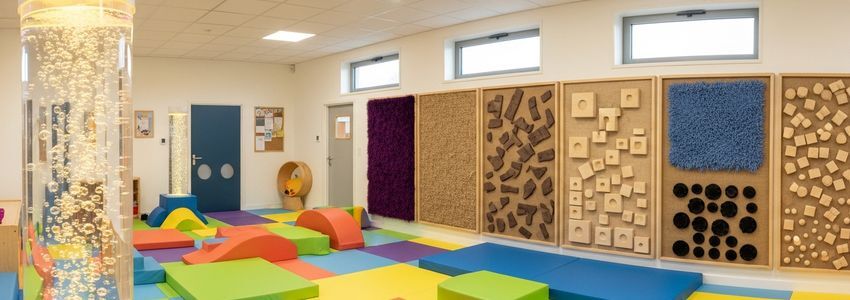
- Bubble Tubes and Water Walls: These are often the centerpiece of a sensory room. The gentle vibration, changing colors, and slow movement of bubbles are visually tracking-friendly and have a universally calming effect.
- Fiber Optics and Projectors: Fiber optic light sprays, curtains, and carpets provide safe, tactile visual stimulation. Projectors can cast calming images, moving patterns, or interactive games onto walls and floors, transforming the entire room.
- Sound and Acoustic Equipment: This can range from sound machines that play white noise or nature sounds to resonant sound loungers that allow users to feel vibrations. Acoustic panels are also leasable to help manage the sound environment and reduce overwhelming echoes.
Tactile and Proprioceptive Equipment
This equipment focuses on the sense of touch and the body's awareness of its position in space. It is crucial for motor skill development and self-regulation.
- Tactile Walls and Panels: These are surfaces covered in a variety of textures, materials, and manipulative objects that encourage tactile exploration and desensitization.
- Climbing Structures and Rock Walls: Vertical climbing walls, ladders, and small climbing structures provide heavy work for the muscles and joints, a key form of proprioceptive input that helps with body awareness and regulation.
- Crash Pads and Soft Play Equipment: Large, thick mats and oversized soft foam shapes allow for safe crashing, jumping, and tumbling, which provides intense proprioceptive input and a safe outlet for physical energy.
Learning Lab and STEAM Technology
Beyond the traditional sensory room, leasing is an ideal solution for outfitting modern learning labs, makerspaces, and STEAM classrooms where technology quickly becomes obsolete.
- Interactive Displays and Whiteboards: Large-format touch screens that allow for collaborative, hands-on learning. Leasing ensures you can upgrade as display technology and software improve.
- 3D Printers, Laser Cutters, and CNC Machines: These tools for rapid prototyping and creation are cornerstones of a modern makerspace. They can be expensive and require periodic replacement to keep up with technological advancements.
- Robotics and Coding Kits: Full classroom sets of robotics kits (like LEGO Mindstorms or VEX Robotics) and coding hardware can be bundled into a single lease.
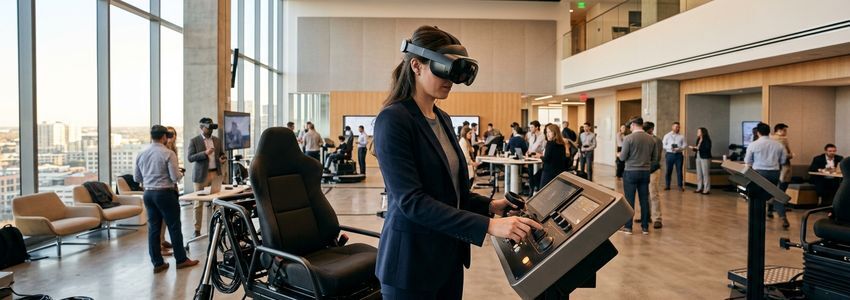
- Virtual Reality (VR) and Augmented Reality (AR) Systems: VR/AR headsets and software are powerful educational tools for virtual field trips, complex simulations, and immersive therapeutic experiences. This technology evolves rapidly, making leasing a particularly smart acquisition strategy.
Calming and De-escalation Furniture
This category includes items designed to create a safe, comforting, and quiet space for individuals who are feeling overwhelmed or overstimulated.
- Sensory Pods and Quiet Nooks: Enclosed or semi-enclosed spaces, like "egg" chairs or fabric pods, that reduce visual and auditory stimuli, providing a secure retreat.
- Specialized Seating: This includes beanbag chairs, floor cushions, and rocking chairs that offer comfortable and regulating seating options.
- Aromatherapy Diffusers: Professional-grade diffusers used to introduce calming scents into the environment, which can influence mood and alertness.
By the Numbers
Sensory Rooms and Therapeutic Learning - Key Statistics
1 in 6
Children in the U.S. has a sensory processing disorder, highlighting the immense need for accessible sensory-friendly environments in schools and communities.
$15k - $40k
Is the average cost to fully equip a new sensory room, a significant capital investment that can be a barrier for many organizations without financing.
7.3 Million
Students in the U.S. (15% of all public school students) receive special education services, a growing population that directly benefits from these specialized tools.
42%
Reduction in disruptive behaviors has been observed in schools with sensory rooms, demonstrating a clear return on investment in student well-being and learning.
How Sensory Room Equipment Leasing Works
The process of leasing sensory room or learning lab equipment is designed to be straightforward and efficient, allowing you to focus on selecting the right tools for your students and clients rather than navigating a complex financial maze. While specific steps may vary slightly between financing companies, the general workflow follows a clear and logical progression. Here is a step-by-step breakdown of the process with Crestmont Capital.
Consultation and Application
The journey begins with a conversation. You connect with a financing specialist at Crestmont Capital to discuss your project-the type of equipment you need, the total cost, and your organization's financial profile. Following this consultation, you will complete a simple one-page application, which can often be done online in just a few minutes.
Credit Review and Approval
Once your application is submitted, our team conducts a swift credit review. Unlike traditional bank loans that can take weeks, our process is streamlined for speed. We look at your organization's financial history and stability to determine approval. For most applications, a decision is rendered within 2 to 4 business hours.
Select Your Vendor and Equipment
With your financing approved, you have the freedom to shop. You can select any equipment vendor or manufacturer you prefer. This allows you to choose the exact pieces of equipment that best fit your needs and budget, without being restricted to a specific supplier. Once you have a final quote from your chosen vendor, you provide it to us.
Lease Documentation
Crestmont Capital then generates the official lease documents. These documents will clearly outline all the terms of the agreement: the monthly payment amount, the length of the lease term, and the end-of-term options you have selected. We send these to you for review and signature, which can typically be completed electronically for maximum convenience.
Funding and Equipment Delivery
Once the signed lease documents are received, we handle the rest. Crestmont Capital issues a purchase order to your chosen vendor and pays them directly for the full cost of the equipment. The vendor then ships the equipment directly to your location for you to install and begin using immediately.
Manage Your Lease and End-of-Term Options
You make your regular, fixed lease payments throughout the agreed-upon term. As the end of the term approaches, your Crestmont Capital representative will contact you to discuss your end-of-lease options. You can then decide whether to purchase, return, or upgrade your equipment, ensuring a seamless transition that supports your organization's ongoing needs.
Who Qualifies for Sensory Room Equipment Leasing?
Equipment leasing is a flexible financial tool available to a wide range of organizations within the educational and therapeutic sectors. While every application is evaluated on its own merits, financing companies generally look for established entities with a history of stable operations and sound financial management. The goal is to partner with organizations that have a demonstrated ability to meet their financial obligations.
The following types of organizations are typically strong candidates for sensory room equipment leasing:
- Public School Districts (K-12): Public schools often use municipal leases, which are specifically designed for government entities and may offer lower, tax-exempt rates. They have strong credit profiles backed by tax revenue.
- Private and Charter Schools: Independent, parochial, and charter schools are excellent candidates. Lenders will typically review their enrollment history, tuition revenue, and overall financial statements.
- Specialized Educational Centers: Schools focused on special education, such as therapeutic day schools or centers for students with autism, are prime candidates as their core mission directly involves the use of this specialized equipment.
- Occupational, Physical, and Speech Therapy Clinics: Private for-profit therapy practices of all sizes can qualify. Lenders will assess business credit, time in business, and revenue history.
- Pediatric Hospitals and Clinics: Healthcare facilities looking to add or upgrade sensory rooms for their pediatric patients are well-suited for leasing. Their established operational and financial history makes them low-risk borrowers.
- Non-Profit Organizations: 501(c)(3) organizations, such as community centers or foundations serving individuals with disabilities, can qualify. Lenders will review their financial statements, including sources of funding like grants and donations, to ensure stability.
- Early Intervention and Childcare Centers: Established daycare and early learning centers looking to enhance their facilities with sensory equipment can also be strong applicants, provided they have a solid operational history.
General Qualification Criteria: While not absolute, most financing companies prefer to see at least two years of operational history for the organization. They will also review the business's credit profile and cash flow to ensure payments are manageable. Start-ups or newer organizations may still qualify but may require additional documentation or a personal guarantee.
Ultimately, the primary qualification is the ability to demonstrate a stable financial footing and a clear capacity to make the scheduled lease payments. If your organization fits into one of these categories and has a clear need for the equipment, it is highly likely that a suitable leasing solution can be found.
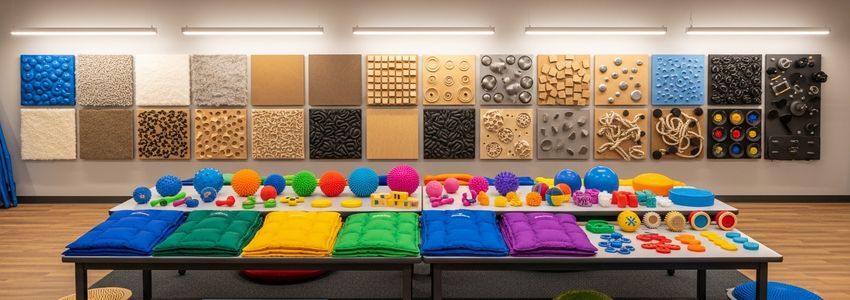
Comparison Table: Leasing vs. Buying Sensory Room Equipment
Deciding between leasing and buying is a critical financial decision. Both methods result in you getting the equipment you need, but they have very different impacts on your organization's finances and operations. Understanding these differences is key to choosing the path that best aligns with your long-term goals. This table provides a clear, side-by-side comparison of the two acquisition methods.
| Feature | Leasing | Buying Outright |
|---|---|---|
| Upfront Cost | Very low. Typically only the first and last month's payment is required, preserving cash flow. | Very high. Requires 100% of the purchase price upfront, which can deplete capital reserves. |
| Ownership | The leasing company owns the equipment during the term. You have the option to purchase it at the end. | You own the equipment from day one. It is listed as an asset on your balance sheet. |
| Technology Obsolescence | Low risk. Easy to upgrade to new technology at the end of the lease term by simply starting a new lease. | High risk. You are responsible for disposing of or selling outdated equipment at a loss. |
| Budgeting Impact | Predictable. Fixed monthly payments are treated as an operating expense, simplifying budget forecasting. | Unpredictable. A large, one-time capital expenditure that can disrupt budget stability. |
| Tax Implications | Potentially advantageous. Lease payments can often be fully deducted as an operating expense. (Consult a tax advisor). | Less advantageous. You can only depreciate the asset over its useful life according to tax laws. |
| Total Cost of Acquisition | May be slightly higher over the long term if you choose to buy the equipment at the end. | Lower total cost if you plan to use the equipment for many years beyond its typical lifespan. |
| Flexibility | High. Multiple end-of-term options (buy, renew, return, upgrade) provide significant flexibility. | Low. Once purchased, you are committed to the asset. Your only option is to sell it. |
| Asset Management | Simple. The leasing company handles the ultimate disposal of the asset if you choose to return it. | Complex. You are responsible for tracking, maintaining, and eventually disposing of the asset. |
How Crestmont Capital Helps Schools and Therapy Centers
Navigating the world of equipment financing requires a partner who understands the unique needs and challenges of the education and healthcare sectors. At Crestmont Capital, we specialize in providing tailored financial solutions that empower schools, therapy centers, and non-profits to achieve their goals. We see ourselves as more than just a lender; we are a strategic partner invested in your success.
Our expertise goes beyond generic financing. We have extensive experience working with organizations like yours, which means we understand the specific types of equipment you need, the budget cycles you operate under, and the importance of speed and flexibility. Our dedicated account managers take the time to listen to your project goals and help structure the best possible financing solution.
Our comprehensive suite of services is designed to meet you where you are. Our core Equipment Leasing programs are the perfect fit for acquiring sensory and lab equipment with minimal upfront cost and maximum flexibility. For institutions that prefer ownership from day one but still wish to conserve cash, our traditional Equipment Financing options provide competitive loan terms.
As a full-service provider of Small Business Financing, we can also assist with other capital needs, from working capital for hiring new staff to funds for facility expansion. For larger, more complex projects, we can help you navigate and secure government-backed funding options like SBA Loans. Our mission is to provide a single point of contact for all your organization's funding requirements.
The Crestmont Capital difference lies in our commitment to a streamlined, transparent process. We pride ourselves on fast approvals, clear communication, and a customer-centric approach. We handle the vendor payment process so you can focus on what you do best: providing exceptional care and education. If you are ready to take the next step in building or upgrading your facility, we invite you to Apply Now or Contact Us to speak with a financing specialist today.
Partner with the Experts in Educational Financing
Our team is ready to help you secure the funding you need with terms that work for your budget. Let's build something great together.
Get a Free Quote ->Real-World Scenarios: Who Uses Sensory Room Leasing?
To better illustrate the practical application and impact of equipment leasing, let's explore a few hypothetical but highly realistic scenarios. These examples showcase how different types of organizations can leverage leasing to overcome financial barriers and achieve their objectives.
Scenario 1: The Expanding Charter School
The Challenge: "Innovate Academy," a successful charter school, is expanding to a new campus. Their educational model heavily emphasizes inclusive education, and they have committed to building a comprehensive sensory room to support their growing population of students with diverse needs. The total equipment cost from their preferred vendor is $35,000. While they have a capital budget for the new campus, a $35,000 upfront purchase would significantly reduce their reserves for other launch-related expenses like marketing and hiring specialized staff.
The Solution: The school's business manager contacts Crestmont Capital. After a quick application process, they are approved for a 48-month lease. Instead of a $35,000 cash outlay, their initial cost is just the first and last month's payments. Their monthly payment is a predictable line item in their operating budget. This allows them to fully equip the sensory room before the school year begins and preserve their capital for hiring an experienced occupational therapist to run the program. At the end of four years, they can evaluate their needs and decide whether to buy the equipment or lease a brand-new setup.
Scenario 2: The Established Occupational Therapy Clinic
The Challenge: A well-regarded pediatric OT clinic, "Milestones Therapy," has been in business for over a decade. Some of their core equipment, like their swing system and climbing structure, is showing its age and no longer meets the latest safety standards. They also want to invest in a new interactive projection system and VR therapy module, costing a total of $50,000, to stay competitive and offer cutting-edge services. Taking out a traditional bank loan would impact their credit lines, which they prefer to keep open for operational flexibility.
The Solution: The clinic owner decides to lease the entire $50,000 package. This keeps the acquisition off their primary balance sheet and does not affect their relationship with their main bank. They secure a 60-month lease with a $1 buyout option, essentially a lease-to-own plan. The fixed monthly payment is easily covered by client revenue. Leasing allows them to immediately upgrade their entire facility, enhance client safety, attract new clients with their advanced technology, and spread the cost over the equipment's useful life.
Scenario 3: The Rural Public School District
The Challenge: A rural school district has identified a need for dedicated "calm down corners" and small sensory spaces in each of its three elementary schools. However, their annual budget is extremely tight, and they were unsuccessful in securing a specific grant for the project this year. The total cost for the basic equipment needed across all three schools is $22,000. Waiting another year would mean another cohort of students goes without these vital resources.
The Solution: The district superintendent explores a municipal lease. Because they are a government entity, they qualify for favorable, tax-exempt rates. They structure a 36-month lease that fits comfortably within their existing operational budget, without needing special board approval for a large capital expense. The process is fast, and they are able to order and install the equipment over the summer break. By using leasing, the district bridges the funding gap and provides immediate support to students in all its schools, rather than piloting the program in just one.
Scenario 4: The Community-Based Non-Profit
The Challenge: A 501(c)(3) organization that provides after-school programs for children with autism receives a generous multi-year grant. The grant provides consistent funding for programming and staff but does not include a large lump sum for capital purchases. They want to build a new learning lab with six computer stations, an interactive whiteboard, and specialized educational software, totaling $18,000.
The Solution: The non-profit's director uses leasing to align the equipment cost with their grant-based revenue stream. They secure a 36-month lease, where the predictable monthly payments are simply included as a program expense in their grant reporting. This structure is ideal for their financial model, as it avoids a large purchase that their books are not set up to handle. It allows them to use the grant funds as intended-for ongoing services-while still acquiring the critical assets needed to enhance those services.
Frequently Asked Questions
How to Get Started
Taking the first step toward acquiring the sensory room or learning lab equipment you need is simpler than you might think. Our process is designed for clarity and speed, helping you move from planning to implementation efficiently. Follow these three steps to begin.
Assess Your Needs and Get a Quote
Begin by identifying the specific equipment your project requires. Work with your preferred vendors to get detailed quotes for everything you need, including any costs for shipping and installation. Having a clear total project cost is the foundation of the financing process.
Speak with a Financing Specialist
Contact our team at Crestmont Capital for a no-obligation consultation. Share your project details and vendor quotes with us. Our specialist will discuss your financial situation, explain your options, and provide you with an estimated monthly payment and term structure.
Complete a Simple Application
Once you are ready to proceed, fill out our secure, one-page online application. The process takes only a few minutes to complete. We will then begin our expedited review process to provide you with a formal credit approval, typically within a few hours.
Your Project is Within Reach
Start your application today and find out how affordable your new equipment can be.
Apply Now in Minutes ->Conclusion
Investing in high-quality sensory rooms and modern learning labs is a direct investment in the potential of every student and client. These environments are critical for fostering development, managing behavior, and inspiring a new generation of learners. Yet, the significant upfront cost of the specialized equipment required has long been a formidable obstacle for even the most well-intentioned schools and therapy centers.
Sensory room equipment leasing provides a powerful and strategic solution to this challenge. By converting a prohibitive capital expenditure into a manageable operating expense, leasing removes the financial barrier to entry. It preserves precious cash flow, simplifies budgeting, and provides a clear path to keeping facilities current with the latest technology. It is a financial tool that enables organizations to act on their needs now, rather than deferring critical projects for a future that may never come.
From private clinics to public school districts, the flexibility and financial advantages of leasing make it an intelligent choice for acquiring the tools that make a tangible difference. By partnering with a financing expert like Crestmont Capital, you gain more than just funding; you gain a collaborator dedicated to helping you build the best possible environment for those you serve. The path to creating a transformative learning or therapeutic space is clearer and more accessible than ever.
Disclaimer: The information provided in this article is for general educational purposes only and is not financial, legal, or tax advice. Funding terms, qualifications, and product availability may vary and are subject to change without notice. Crestmont Capital does not guarantee approval, rates, or specific outcomes. For personalized information about your business funding options, contact our team directly.